






SUUNTOブログ


Peak experiences are here and now
American photographer and artist Chris Burkard travels the world documenting amazing people, places and events. Recently he was visiting Iceland, a country he adores, to go on a bikepacking adventure. But life had other plans. A volcano erupted, and Chris knew it was a once in a lifetime opportunity to capture this incredible force of nature. It didn’t disappoint.
Press play to watch the power of nature!
What he witnessed blew his mind and got him reflecting on peak experiences, those almost altered states of consciousness characterised by euphoria and wonder. “I was just so honored to experience it,” he says.
We caught up with Chris and asked him about the experience and what he’s learned about peak experiences through his years of travelling the world and witnessing incredible things.
Do you often travel to Iceland?
I do! In fact I have been there 43 times. In some ways it's an obsession and I think what draws me there the most is the landscape as it’s so visceral and ever changing. But honestly, it's the people that keep me coming back and that keep me engaged and interested.
How did you feel standing so close to a live volcano?
Oddly enough I truly felt at home. At peace.. Like it's something I have been doing for thousands of years. In many ways it felt incredibly calming.
You mention peak experiences in your Instagram post – I imagine your work has brought you many – do these happen by chance or are there things, in your experience, we can do to invite them to occur?
I think that a “peak” experience is the byproduct of the time you put in. You realize at a certain point that to truly experience the height of something you need to slow down, be patient and really recognize when a moment is special. Sometimes a peak moment won't slap you in the face or excite you right away. You realize it later. It sort of dawns on you. I like to give myself the time and patience to recognize these moments. Rarely, when I do recognize them in “real time” it can feel really special.
What does a peak experience feel like to you?
It's a moment when your mind and heart and body are all in sync, it’s the certainty of knowing that there is no other place on Earth that I should be right now.
Do your peak experiences only occur in epic situations like your visit to the volcano, or, say, while surfing a perfect wave, or can they also occur in everyday life?
Everyday life. With my kids, at my property. On my bike commute. It's just the knowledge that a moment is special, will rarely be repeated, and you sort of get a glimpse of the future. And realize I need to cherish this.
You talk about the importance of giving yourself the space to experience before shooting – how do you personally approach this?
Honestly in some ways it kind of sounds like voodoo, but I truly feel like the way to really experience a place is to make an offering. An offering of time and interest and engagement. Not hiding from its many moods and feelings. Its storms and high winds. That is how you find a connection. You have to go through those things to really feel a place. I firmly believe that if you invest that time into a place and put in that effort, you are rewarded.
All images: © Chris Burkard

Help end plastic waste with your passion for running
Passionate runners don’t need an excuse to lace up and head out the door, but having the added motivation of cleaning up our oceans provides a welcome boost! More than five million runners across the world got that by joining Run for the Oceans 2021 and clocking up more than 56 million kilometers to help end plastic waste.
The campaign, which ran between May 28 and June 8, is a joint initiative of adidas and its partner Parley, which is an innovative space for thought leaders to come together to save our oceans. Parley’s Global Clean Up Network is dedicated to removing plastic waste from beaches, islands and coastal communities. With every kilometer participants ran, adidas supported the clean up of the equivalent of 10 plastic bottles. After the huge turnout, adidas is now committed to cleaning up 250 tons of plastic waste to prevent it entering our oceans. What a success!
Kimi Schreiber hit the trails between May 28 and June 8 to stack up kilometers.
It also raises awareness
German trail runner, blogger and Suunto athlete Kimi Schreiber participated in the global event and was excited to run a high volume of kilometers to help remove as much plastic waste from the environment as she can. “Sport can change lives and now it’s giving people around the world the chance to get actively involved in helping nature and preserving it,” Kimi says. “I think the most important argument for participating is the issue of attention. With such a large and global event, you can create awareness on a whole new level and bring the issue of environmental pollution into people’s minds.”
How to participate
Sync Suunto app with adidas Running app and make sure you track every kilometer you run with your Suunto!
To sync your Suunto runs with adidas Running, connect your Suunto app account with adidas Running: Open Suunto app and tap “Profile”. Then click on “Connect to other services”. Select adidas Running and enter your adidas Running login details to connect the two apps. Get the adidas Running app here.


トレーニング負荷とは?フィットネス・疲労・フォームで見る負荷管理の基本
トレーニングで成長するには、身体に適切な負荷をかけることが必要です。
ランニング、サイクリング、トレイルランニング、トライアスロンなどの持久系スポーツでは、1回ごとの練習だけでなく、数週間から数か月単位で負荷を積み上げていくことが大切です。
ただし、負荷を増やせば増やすほど良いわけではありません。負荷が少なすぎるとフィットネスは高まりにくく、反対に負荷が急に増えすぎると疲労が蓄積し、パフォーマンス低下やケガのリスクにつながることがあります。トレーニング負荷を理解するには、距離や時間だけでなく、どれくらいの強度で行ったか、疲労がどれくらい残っているかを見ることが大切です。
この記事では、フィットネス、疲労、フォームという3つの考え方をもとに、トレーニング負荷の基本を解説します。
目次
トレーニング負荷とは?
負荷を増やす3つの方法
TSSとは?トレーニング負荷を数値化する考え方
フィットネス・疲労・フォームとは
フィットネス:長期的なトレーニング負荷
疲労:短期的なトレーニング負荷
フォーム:フィットネスと疲労のバランス
フィットネス・疲労・フォームの関係
フォームの4つの状態
4つのトレーニング負荷パターン
1. オーバーロード:強化期間で負荷が急増するパターン
2. レース前の調整:疲労を抜いてフォームを上げるパターン
3. 体調不良や中断:休むことで疲労とフィットネスが下がるパターン
4. 通常パターン:活動的だがフィットネスが伸びていない状態
TrainingPeaksとの関係
Suuntoアプリでの確認方法を知りたい方へ
まとめ|トレーニング負荷を理解すると、負荷と回復のバランスを考えやすくなる
トレーニング負荷とは?
トレーニング負荷とは、運動によって身体にかかった負担を表す考え方です。
同じ10kmのランニングでも、ゆっくり走った10kmと、インターバルを含む10kmでは身体への負担が違います。同じ60分の運動でも、軽い有酸素走と、坂道トレーニングや高強度ライドでは疲労の残り方が変わります。
つまり、トレーニング負荷を見るときは、単純な距離や時間だけでは不十分です。
トレーニング負荷に関係する要素
運動時間
運動強度
心拍数
ペース
パワー
距離
地形や勾配
直近の疲労
過去数週間のトレーニング量
トレーニング負荷を理解できると、「今は負荷を増やしてもよい時期か」「疲労を抜くべきタイミングか」「レースに向けて順調に準備できているか」を判断しやすくなります。
負荷を増やす3つの方法
トレーニング負荷を増やす方法は、大きく分けて3つあります。
方法
内容
例
頻度を増やす
トレーニング回数を増やす
週3回から週4回にする
時間を増やす
1回あたりの運動時間を長くする
60分走を90分走にする
強度を上げる
より高い強度で行う
インターバルや坂道走を入れる
この3つを同時に大きく増やすと、疲労が急に高まりやすくなります。
たとえば、走る回数を増やしながら、ロング走も増やし、さらにインターバルも追加すると、身体が適応する前に疲労が蓄積してしまうことがあります。
負荷を増やすときは、頻度、時間、強度のうち、まずはどれか一つを少しずつ変えることが大切です。
TSSとは?トレーニング負荷を数値化する考え方
トレーニング負荷を数値化する考え方のひとつに、TSS(Training Stress Score) があります。
TSSは、トレーニングの強度と時間をもとに算出される負荷スコアです。短くても高強度のトレーニングはTSSが高くなりやすく、長時間でも低強度であれば、TSSの上がり方は比較的ゆるやかになります。
TSSは、1回ごとの運動負荷だけでなく、長期的な負荷の積み上げや短期的な疲労を理解するための土台になります。
TSSで理解しやすくなること
1回のトレーニングの負荷
数日間の疲労の蓄積
数週間単位の負荷の積み上げ
レース前に疲労が抜けているか
負荷が急に増えすぎていないか
TSSは専門的な指標ですが、考え方はシンプルです。
長く、強く動くほど、身体への負荷は大きくなる。その負荷を数値として見やすくしたものです。
フィットネス・疲労・フォームとは
TSSをもとにトレーニング負荷を理解するときに使われる代表的な考え方が、フィットネス、疲労、フォーム です。
日本語表記
指標
意味
フィットネス
CTL
長期的なトレーニング負荷
疲労
ATL
短期的なトレーニング負荷
フォーム
TSB
フィットネスと疲労のバランス
ここでいうフォームは、走り方のフォームではありません。
長期的な負荷と短期的な疲労のバランスから見た、現在のコンディションを表します。
この3つを理解すると、トレーニング負荷のグラフを見たときに、「フィットネスは積み上がっているか」「疲労が高すぎないか」「今はレースや高強度練習に向いている状態か」を読み取りやすくなります。
フィットネス:長期的なトレーニング負荷
フィットネスは、CTL(Chronic Training Load)とも呼ばれる、長期的なトレーニング負荷です。
一般的には、過去42日間のTSSの加重平均をもとに計算されます。継続的にトレーニングを積み上げることで、フィットネスは少しずつ高まります。
フィットネスは、「最近どれくらい継続的に練習できているか」を見る指標と考えるとわかりやすいです。
フィットネスが上がりやすい状態
定期的にトレーニングを続けている
週ごとのトレーニング量が安定している
負荷を少しずつ増やしている
ロング走や高強度練習を計画的に入れている
休養と練習のリズムが作れている
ただし、フィットネスは短期間で一気に高めるものではありません。急に負荷を増やすと、フィットネス以上に疲労が大きくなりやすいため、数週間から数か月かけて積み上げることが大切です。
疲労:短期的なトレーニング負荷
疲労は、ATL(Acute Training Load)とも呼ばれる、短期的なトレーニング負荷です。
一般的には、過去7日間のTSSの加重平均をもとに計算されます。強度の高い練習や長時間のトレーニングを行うと、疲労はフィットネスよりも早く上がります。
疲労が高いこと自体は、必ずしも悪いことではありません。身体にトレーニング刺激が入っている状態でもあります。
ただし、疲労が高い状態が長く続くと、回復が追いつきにくくなり、パフォーマンス低下やケガのリスクにつながることがあります。
疲労が高まりやすい場面
ロング走を行った
インターバルトレーニングを行った
坂道トレーニングを行った
長時間のトレイルランニングを行った
高強度のライドを行った
連日トレーニングを行った
フィットネスを高めるには、ある程度の疲労を伴う負荷が必要です。一方で、疲労が抜ける時間も必要です。負荷と回復はセットで考えましょう。
フォーム:フィットネスと疲労のバランス
フォームは、TSB(Training Stress Balance)とも呼ばれ、フィットネスと疲労のバランスから見たコンディションを表します。
ここでいうフォームは、走り方のフォームではありません。
現在の身体が、トレーニングを積み上げている状態なのか、疲労が抜けている状態なのか、あるいは疲労が高すぎる状態なのかを考えるための指標です。
フォームの見方
フォームが低い状態は、疲労が高く、トレーニング負荷がかかっている状態です。
トレーニングを積み上げる時期には、フォームが低めになることがあります。
一方で、フォームが高い状態は、疲労が抜けている状態です。 レース前の調整期には、フォームが高くなることがあります。
ただし、フォームが高ければ常に良い、低ければ常に悪いというものではありません。目的に応じて見方が変わります。
フィットネス・疲労・フォームの関係
フィットネス、疲労、フォームは、それぞれ別々の指標ではなく、関係しながら変化します。
トレーニング負荷を増やすと、まず疲労が上がります。負荷を継続して積み上げることで、フィットネスも少しずつ上がっていきます。
一方で、疲労が高くなりすぎると、フォームは下がります。疲労が抜けるとフォームは上がります。
代表的な変化
状態
フィットネス
疲労
フォーム
負荷を積み上げている時期
上がる
上がる
下がりやすい
回復期
維持または少し低下
下がる
上がりやすい
レース前の調整期
維持
下がる
上がりやすい
長期間休んだ時期
下がる
下がる
一時的に上がることがある
トレーニングの目的は、常にフォームを高く保つことではありません。
目標に向けてフィットネスを積み上げる時期と、レースや重要な練習に向けて疲労を抜く時期を分けて考えることが大切です。
フォームの4つの状態
フォームは、フィットネスと疲労のバランスから、現在の状態を読み解くために使われます。
代表的には、次の4つの状態として考えることができます。
状態
意味
フィットネス低下
負荷が少なく、体力の積み上げが落ちている状態
維持
現在のフィットネスを保っている状態
生産的なトレーニング
適度な負荷で成長につながりやすい状態
負荷が高すぎる
疲労が大きく、回復が追いつきにくい状態
フィットネス低下
フィットネス低下は、長期的な負荷に対して、現在のトレーニング負荷が少ない状態です。
レース前の調整期や休養期で一時的にこの状態になることはあります。ただし、目標に向けてトレーニングしている時期に長く続く場合は、練習量や頻度が足りていない可能性があります。
こんなときに見られやすい
シーズンオフ
体調不良やケガによる休養
忙しくて練習量が減っている
レース前に意図的に負荷を落としている
運動習慣が一時的に止まっている
維持
維持は、現在のトレーニング負荷が、これまで積み上げてきた負荷とおおむね釣り合っている状態です。
健康維持や運動習慣の継続が目的であれば、維持の状態も十分に意味があります。忙しい時期やレース後、シーズンオフには、フィットネスを大きく落とさずに保つことが目的になることもあります。
ただし、レースで記録を伸ばしたい、走力を高めたい、より長い距離に挑戦したい場合は、維持だけでは成長が止まりやすくなります。
維持が向いている時期
レース後の回復期
忙しい時期
シーズンオフ
ケガ明けの再開期
運動習慣を保ちたい時期
生産的なトレーニング
生産的なトレーニングは、フィットネスを高めるために適度な負荷がかかっている状態です。
疲労はあるものの、回復できる範囲でトレーニングが積み上がっている状態と考えるとわかりやすいです。
生産的な状態の目安
練習後に疲労はあるが、数日で回復できる
週ごとに少しずつ負荷を積み上げている
高強度練習と軽い練習のバランスが取れている
フィットネスが少しずつ上がっている
目標に向けて計画的に進められている
目標に向けてトレーニングを積み上げる時期には、この状態を意識すると良いでしょう。
負荷が高すぎる
負荷が高すぎる状態は、短期的な疲労が長期的なフィットネスに対して大きくなりすぎている状態です。
強化期間や合宿などで一時的にこの状態になることはありますが、長く続くと、体調不良やケガのリスクが高くなります。
注意したいサイン
いつものペースがきつく感じる
疲労感が抜けにくい
睡眠の質が落ちている
心拍数の反応が普段と違う
脚が重い
気分が乗らない
小さな痛みや違和感が続く
負荷が高すぎる状態が続く場合は、軽めのトレーニングや休養を入れ、身体が回復する時間を作ることが大切です。
4つのトレーニング負荷パターン
フィットネス、疲労、フォームの関係を理解すると、トレーニング負荷の変化を読み取りやすくなります。
ここでは、よくある4つのパターンを紹介します。
1. オーバーロード:強化期間で負荷が急増するパターン
合宿や強化期間では、短期間でトレーニング負荷が大きく増えることがあります。
この場合、フィットネスは上がりますが、疲労も大きく上がるため、フォームは低下します。
原文の例では、2週間のトレーニングキャンプによって、フィットネスが66から93へ上昇しています。一方で、フォームは-79まで低下しています。
これは、身体に大きな刺激が入っている状態です。適切に回復できれば、フィットネス向上につながります。ただし、フォームが大きく下がりすぎると、体調不良やケガのリスクも高くなります。
このパターンで大切なこと
強化期間の後に回復期間を入れる
高負荷の日を連続させすぎない
睡眠と食事を優先する
違和感がある場合は負荷を下げる
フォームが極端に下がった状態を長く続けない
2. レース前の調整:疲労を抜いてフォームを上げるパターン
レースに向けて順調に準備できている場合、長期的なフィットネスは少しずつ高まっていきます。
レースが近づくと、トレーニング量を少し落とし、疲労を抜いていきます。疲労が下がることで、フォームは上がりやすくなります。
このパターンでは、レース当日に向けて身体がフレッシュな状態に近づいていきます。
レース前に意識したいこと
直前まで負荷を上げ続けない
練習量を少しずつ落とす
強度を完全にゼロにしない
睡眠を確保する
新しい練習や装備を試しすぎない
レース前は、フィットネスを維持しながら疲労を抜くバランスが大切です。
3. 体調不良や中断:休むことで疲労とフィットネスが下がるパターン
体調不良、ケガ、仕事の忙しさなどでトレーニングを中断すると、まず疲労が下がります。
疲労は短期的な負荷を表すため、トレーニングを休むと比較的早く下がります。一方で、フィットネスも少しずつ低下していきます。
原文の例では、1週間トレーニングが止まり、その後は軽めに再開しています。中断前のフィットネスに近づくまで、約3週間かかる例が紹介されています。
再開時に大切なこと
休んだ分を一気に取り戻そうとしない
短時間・低強度から始める
以前のペースと比べすぎない
数値より体感を優先する
疲労が急に上がりすぎないようにする
休養や中断でフィットネスが下がるのは自然なことです。焦って負荷を戻すよりも、継続できる状態に戻すことを優先しましょう。
4. 通常パターン:活動的だがフィットネスが伸びていない状態
活動的な人によく見られるのが、一定のトレーニング負荷を維持しているパターンです。
長期的な負荷はある程度の水準にありますが、大きく上がってはいない状態です。健康維持や運動習慣の継続が目的であれば、問題のない状態です。
ただし、レースで記録を伸ばしたい、走力を高めたい、より長い距離に挑戦したい場合は、現在の負荷に新しい刺激を加える必要があります。
変化をつける方法
週1回だけ少し長く走る
坂道を取り入れる
短いインターバルを入れる
テンポ走を行う
トレーニング頻度を少し増やす
軽い週と負荷を上げる週を作る
同じ負荷を続けることは、維持には役立ちます。さらにフィットネスを高めたい場合は、身体が適応できる範囲で少しずつ負荷を増やすことが大切です。
TrainingPeaksとの関係
TSS、CTL、ATL、TSBは、TrainingPeaksでも使われるトレーニング負荷指標です。
TrainingPeaksでは、Performance Management Chartを使って、長期的なフィットネス、短期的な疲労、フォームの変化をより詳しく確認できます。
Suuntoで記録したアクティビティは、TrainingPeaksと連携して活用することもできます。日々のトレーニング記録をSuuntoで行い、長期的な計画や詳細な分析をTrainingPeaksで行うことで、レースに向けた負荷管理をより計画的に行いやすくなります。
本格的にマラソン、トレイルランニング、サイクリング、トライアスロンに取り組む人にとって、SuuntoとTrainingPeaksの連携は有効な選択肢になります。
Suuntoアプリでの確認方法を知りたい方へ
この記事では、トレーニング負荷を理解するための考え方として、TSS、フィットネス、疲労、フォームを紹介しました。
Suuntoアプリで日々のトレーニング負荷や進歩を確認する方法を知りたい方は、こちらの記事をご覧ください。
▶︎関連記事:ランニングのトレーニング負荷を管理する方法|Suuntoアプリとウォッチで疲労・進歩をチェック
トレーニング負荷を見るときは、自分の心拍ゾーンや閾値設定も重要です。SuuntoPlusスポーツアプリを使ったフィットネステストについては、こちらの記事で紹介しています。
▶︎関連記事:SuuntoPlusでできるフィットネステスト|VO2max・閾値・FTPを確認してトレーニングに活かす方法
まとめ|トレーニング負荷を理解すると、負荷と回復のバランスを考えやすくなる
トレーニング負荷とは、運動によって身体にかかった負担を表す考え方です。
距離や時間だけでなく、運動強度や疲労の変化を見ることで、トレーニングをより計画的に進めやすくなります。
フィットネス、疲労、フォームは、トレーニング負荷を理解するための重要な考え方です。
フィットネスは、長期的なトレーニング負荷
疲労は、短期的なトレーニング負荷
フォームは、フィットネスと疲労のバランス
ここでいうフォームは、走り方のフォームではなく、現在のコンディションを表します。
フィットネスを高めるには、生産的なトレーニングを積み重ねることが必要です。一方で、負荷が高すぎる状態が続くと、疲労が抜けにくくなり、パフォーマンス低下やケガのリスクにつながることがあります。
TSS、CTL、ATL、TSBの考え方を理解すると、トレーニング負荷のグラフやデータをより読み解きやすくなります。
Suuntoで記録したデータを参考にしながら、自分の身体の状態に合わせて、無理なくトレーニング負荷を積み上げていきましょう。
▶︎Suuntoのランニング・フィットネスウォッチを見る


SuuntoアプリのTSSとは?種類・見方・トレーニング負荷への活用方法
同じ1時間のトレーニングでも、ゆっくり走った日と、インターバルを行った日では身体への負荷が異なります。距離や時間だけでは比べにくい負荷を、運動時間と相対的な強度から数値化する指標がTSSです。
Suuntoアプリでは、ランニング、サイクリング、スイミングなどのトレーニング負荷をTSSで確認できます。ただし、画面に表示されるTSS(r)、TSS(hr)、TSS(p)などは計算に使われたデータが異なります。正しく比較するには、その違いと個人設定の影響を知ることが重要です。
この記事では、TSSの意味、Suuntoアプリに表示されるTSSの種類、数値の読み方、負荷管理へ活用する方法を解説します。
目次
TSSとは?
TSSの数値はどう読む?
Suuntoアプリに表示されるTSSの種類
計算方法はどのように選ばれる?
正しく比較するための設定
SuuntoアプリでTSSを活用する方法
TSSが体感とずれる主な理由
ATL・CTL・TSBとの関係
現行Suuntoウォッチで負荷を記録する
よくある質問
まとめ
TSSは疲労や回復を直接測定した数値ではありません。運動データと個人設定から推定されるトレーニング負荷です。体調、痛み、睡眠、筋肉痛、主観的な疲労感も合わせて判断してください。
TSSとは?
TSSは「Training Stress Score」の略で、トレーニングの時間と、自分の基準に対する相対的な強度を組み合わせて負荷を数値化する指標です。
同じ距離や同じ時間でも、低強度の運動と高強度の運動ではTSSが変わります。一方、強度が低くても長時間続ければ、短時間の高強度トレーニングと同じ程度のTSSになることがあります。
そのためTSSは、次のような比較に役立ちます。
時間と強度が違うランニング同士を比較する
ラン、バイク、スイムなど異なる種目の負荷を共通の目安で見る
1日または1週間に積み上げた負荷を確認する
急激なトレーニング量の増加に気づく
TSSの数値はどう読む?
パワーを基準とするTSSでは、個人の閾値強度で1時間運動した場合が100 TSSに相当する考え方が基準になります。ただし、すべての100 TSSが同じ運動内容や同じ疲労を意味するわけではありません。
たとえば、高強度のタイムトライアルで得た100 TSSと、数時間の低強度ライドで積み上げた100 TSSでは、心肺、筋肉、関節、補給への負担が異なります。数値が同じでも、回復に必要な時間や身体の反応は同じとは限りません。
また、TSSは他の人と競うためのスコアではありません。体力、閾値設定、利用データが人によって異なるため、自分の過去のトレーニングと継続的に比較します。
Suuntoアプリに表示されるTSSの種類
Suuntoアプリでは、TSSの後ろに計算基準を示す文字が表示されます。これを見ると、どのデータをもとに負荷が推定されたかを確認できます。
表示
主な計算基準
使われやすい場面
主な注意点
TSS(r)
ランニングペース
ロードランニングなど
坂道や路面条件による負荷差を捉えにくい場合がある
TSS(hr)
心拍数
ランニング、トレイル、持久系スポーツなど
心拍反応の遅れ、暑さ、脱水、疲労の影響を受ける
TSS(p)
パワー
サイクリング、ランニングパワーなど
正しい閾値パワーと安定したパワーデータが必要
TSS(s)
スイミングペース
プールスイミングなど
泳法、休息、プール設定、計測精度の影響を受ける
TSS(met)
運動種目と時間に基づくMET
心拍・ペース・パワーを利用できない記録
個人の実際の強度を反映しにくい概算値
TSS-
手動で編集した値
ユーザーがTSSを修正した記録
自動計算値との比較条件をそろえる
TSS(hr)を詳しく知りたい場合は「hrTSSとは?心拍数でトレーニング負荷を測る方法」をご覧ください。本記事ではTSS全体とSuuntoアプリでの使い分けを扱い、hrTSS記事では心拍ベース計算の特徴と限界を詳しく解説しています。
計算方法はどのように選ばれる?
Suuntoアプリは、アクティビティの種類と利用できるデータに応じてTSSの計算方法を選びます。ランニングではペース、サイクリングではパワー、心拍データを利用できる種目では心拍数などが計算に使われる場合があります。
どの方式が常に最も正確というわけではありません。一定ペースのロードランニングではペースを利用しやすい一方、急な上り下りがあるトレイルでは、速度だけでは努力を表しにくくなります。心拍数は身体の反応を捉えますが、短いインターバルでは強度変化への反応が遅れます。
心拍数、ペース、パワーを利用できない場合はTSS(met)が使われることがあります。これは運動種目と時間をもとにした概算なので、個人の実際の強度を細かく比較する用途には限界があります。
正しく比較するための設定
閾値と強度ゾーンを自分に合わせる
TSSは、実際の運動強度を個人の閾値に対して評価します。閾値心拍数、閾値ペース、FTPなどが実力と合っていないと、同じトレーニングでもTSSが高すぎたり低すぎたりする可能性があります。
Suuntoの5ゾーンモデルでは、ゾーン4の上限が無酸素性閾値の基準になります。推定値から始めた場合も、体力の変化やフィールドテストの結果に合わせて定期的に見直しましょう。
設定方法は「心拍ゾーンの計算・設定方法|Suuntoウォッチで強度管理を始める基本」で解説しています。
安定した心拍データを記録する
手首心拍を利用する場合は、ウォッチを手首の骨から少し上へ、運動中にずれない程度に装着します。寒さ、装着の緩さ、腕の動きなどによって心拍データが不安定になる場合があります。
高強度インターバルや手首で安定した計測が難しいスポーツでは、対応する胸部心拍ベルトの使用も検討してください。
屋外ではGPS取得を待つ
ペースを使うランニングでは、距離と速度の記録が重要です。運動開始前にGPSの取得を確認し、同じ条件のワークアウトを比較しやすくします。
SuuntoアプリでTSSを活用する方法
1回のワークアウトを確認する
ウォッチを同期し、Suuntoアプリで記録したアクティビティを開きます。表示されたTSSと計算方式を確認し、時間、心拍数、ペース、パワー、主観的なきつさを合わせて見ます。
「TSSが高いから良い練習」と判断するのではなく、予定した目的に対して適切だったかを確認します。回復ランのTSSが想定より高い場合は、ペース、心拍数、暑さ、疲労を見直します。
同じ種類のトレーニングを比較する
同じコースのイージーラン、同じ時間のテンポ走、同じインターバルメニューなど、条件の近い記録を比較します。計算方式が違うTSSをそのまま比べるより、同じスポーツ、同じ方式、似た環境での推移を見るほうが判断しやすくなります。
1週間の合計と急な変化を見る
単発のスコアだけでなく、数日から1週間の積み上がりを確認します。普段よりTSSが大幅に増えた週は、高強度セッションや長時間運動が重なっていないか、回復日を確保できているかを振り返ります。
SUUNTO Japan公式:Suuntoアプリのトレーニング負荷指標の読み取り方(日本語字幕あり)
TSSが体感とずれる主な理由
原因
起こりうること
確認方法
閾値設定が合っていない
TSSが継続的に高すぎる・低すぎる
心拍ゾーン、閾値ペース、FTPを見直す
心拍データが不安定
TSS(hr)が実際の体感とずれる
装着位置、センサー、心拍グラフを確認する
暑さ・脱水・睡眠不足
同じペースでも心拍と負荷が高くなる
気象、補給、睡眠、体感を記録する
短い高強度運動
心拍反応が追いつかず負荷を捉えにくい
ペース、パワー、ラップ、体感も見る
筋力・下り・技術的な路面
心拍が低くても筋肉や関節への負担が大きい
筋肉痛、標高差、主観的負荷を加える
TSS(met)による概算
個人の実際の強度を十分に反映しない
利用可能なら心拍、ペース、パワーを記録する
ATL・CTL・TSBとの関係
各トレーニングのTSSが積み重なると、短期・長期の負荷を確認する指標へつながります。
ATL:直近のトレーニング負荷。現在の疲労を考える手がかり
CTL:長期的なトレーニングの積み上げ。継続的な負荷の傾向
TSB:長期負荷と短期負荷のバランス。現在のフレッシュさを考える手がかり
CTLが上がれば常に良い、TSBがプラスなら必ずレースに最適、という単純なものではありません。記録期間、トレーニング計画、個人の反応によって意味が変わります。
ATL・CTL・TSBを使った判断は「ランニングのトレーニング負荷を管理する方法|Suuntoアプリとウォッチで疲労・進歩をチェック」で詳しく解説しています。
現行Suuntoウォッチで負荷を記録する
日々のランニングを軽量なウォッチで記録したい人にはSuunto Run、ランニングから複数のスポーツまで取り組む人にはコンパクトなSuunto Race Sが選択肢です。
大きなAMOLEDディスプレイでトレーニングデータを確認したい人にはSuunto Race 2、長時間のトレイルランニングやアウトドアアクティビティまで記録したい人にはSuunto Vertical 2も候補になります。
利用できるトレーニング指標や画面は、モデル、スポーツモード、センサー、ソフトウェアバージョンによって異なる場合があります。製品ページ、ユーザーガイド、Suuntoアプリで最新情報を確認してください。
よくある質問
TSSが高いほど効果の高いトレーニングですか?
必ずしもそうではありません。TSSは負荷の大きさを示す目安であり、トレーニングの質や目的への適合を保証するものではありません。低強度の日、休養、高強度の日を計画に合わせて組み合わせます。
TSS(r)とTSS(hr)は直接比較できますか?
共通の負荷指標として参考にはできますが、計算に使うデータと弱点が異なります。継続的な変化を見る場合は、できるだけ同じスポーツ、同じ計算方式、似た条件の記録を比較してください。
同じコースなのにTSSが違うのはなぜですか?
ペース、心拍数、運動時間だけでなく、暑さ、風、疲労、脱水、センサー精度、閾値設定などが影響します。TSSと一緒に心拍グラフ、ペース、気象条件、体感を確認しましょう。
TSS(met)は使えない数値ですか?
運動記録を大まかに負荷へ反映する用途には使えます。ただし、個人の実際の強度を直接測った値ではないため、細かな比較では心拍、ペース、パワーを使ったTSSより概算的です。
TSSだけで休養日を決めてもよいですか?
TSSだけでは判断しません。ATL、CTL、TSB、睡眠、安静時心拍数、HRV、筋肉痛、主観的疲労を組み合わせます。痛みや体調不良がある場合は数値にかかわらず休養し、必要に応じて専門家へ相談してください。
まとめ|TSSの種類と計算条件を確認して活用しよう
TSSは、運動時間と個人の基準に対する強度から、トレーニング負荷を数値化する指標です。Suuntoアプリでは、ランニングペース、心拍数、パワー、スイミングペース、METなど、利用できるデータに応じたTSSが表示されます。
数値を見るときは、TSSの後ろにある記号、閾値設定、センサーの記録状態を確認します。単発の高低だけで判断せず、同じ条件のトレーニングや週間の推移を比較し、体調や主観的な疲労感と組み合わせましょう。
トレーニング負荷を継続して記録する
SuuntoウォッチとSuuntoアプリで、1回の負荷と長期的な積み上がりを振り返りましょう。
Suuntoスポーツウォッチを見る

ゴールに追われるランニング大会とは?Wings for Life World Runのルールと9つの練習法
「ゴールが追いかけてくるランニング大会」と聞いて、どんなレースを想像しますか?Wings for Life World Run(ウィングス・フォー・ライフ・ワールドラン)は、決められた距離を走ってゴールを目指す一般的な大会とは仕組みが異なります。参加者が世界同時にスタートし、その30分後に動き始める「キャッチャーカー」に追いつかれた地点が、一人ひとりのゴールになります。
大会名やキャッチャーカーという言葉を初めて知った人にも分かるよう、まずレースの目的とルールを解説します。そのうえで、目標距離の決め方から練習、当日の準備まで、長く走り続けるための9つのポイントを紹介します。
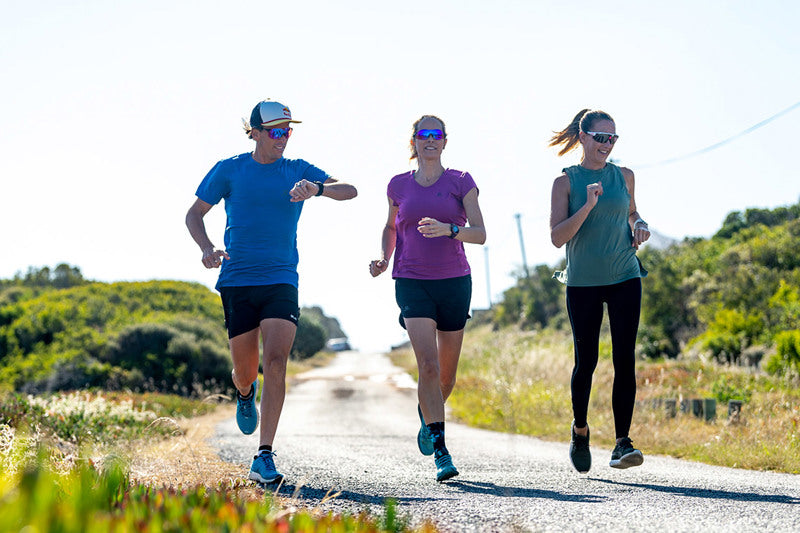
Wings for Life World Runに向けて走るランナーたち。Photo: Craig Kolesky
目次
Wings for Life World Runとは?
キャッチャーカーとは?
日本から参加するには
長く走るための9つの練習ポイント
1週間の練習例
大会当日の準備
Ghost RunnerとSuunto Runを練習に活用する
まとめ
Wings for Life World Runとは?
Wings for Life World Runは、脊髄損傷の治療研究を支援するためのチャリティーランイベントです。世界各地の参加者が同じ瞬間に走り始め、ランナーだけでなく、歩く人や車いすの参加者、初めてイベントに挑戦する人も一緒に参加できます。公式発表では、参加費の全額が脊髄研究に充てられます。
大きな特徴は、5kmやフルマラソンのような固定されたゴールがないことです。競うのは「何分で走り切るか」ではなく、「追いかけてくるゴールに捕まるまで、どこまで進めるか」。自分の体力や経験に合わせて目標を決められるため、距離の違う参加者が同じレースを楽しめます。
キャッチャーカーとは?「動くゴール」の仕組み
距離や速さにかかわらず、追いつかれた場所が一人ひとりのゴールになります。Photo: Craig Kolesky
キャッチャーカー(Catcher Car)は、参加者を後ろから追いかける「動くゴール」です。全員がスタートしてから30分後に追走を開始し、徐々に参加者へ近づきます。キャッチャーカーに追いつかれた時点で、その人のレースは終了。そこまでに進んだ距離が記録になります。
会場型のレースでは実際の車が追走し、公式アプリで参加する場合は、アプリ内の「バーチャルキャッチャーカー」が音声で接近を知らせます。つまり、キャッチャーカーから逃げ切るレースではありません。いつか追いつかれることを前提に、自分が目標とする距離までペースを保つことが楽しみ方の中心です。
初めての人はここを押さえよう:速い人だけの大会ではありません。30分間のランやウォークを目標にすることも、ハーフマラソン以上を目指すこともできます。自分でゴール距離を設定できるのが、この大会の面白さです。
日本から参加するには
参加方法や開催地は年によって変わるため、まず公式サイトの開催地一覧を確認しましょう。近くに会場型のイベントがない場合でも、公式アプリを利用するApp RunやApp Run Eventが用意されている年は、日本の身近なコースから参加できます。
アプリ参加では、スマートフォンのGPSと音声案内を使います。事前に最新版のアプリをダウンロードし、位置情報とバッテリー設定を確認したうえで、Preparation Run(準備走)を試しておくと安心です。日本でのスタート時刻は開催年の公式案内で必ず確認してください。
キャッチャーカーに追いつかれるまで長く走る9つの練習ポイント
仲間と目標や練習内容を共有すると、無理のないペースを保ちやすくなります。Photo: Craig Kolesky
この大会では、目標距離によって必要なペースと走行時間が変わります。一般的な持久力トレーニングをすべて詰め込むのではなく、「自分が目指す距離まで、無理のないペースを維持する」ことから逆算しましょう。
1.目標距離と必要ペースを決める
最初に「何kmまで進みたいか」を決めます。公式のGoal Calculator(目標計算ツール)を使うと、目標距離に必要な平均ペースと走行時間の目安を確認できます。
例えば、普段5kmを走っている人がいきなり大幅な距離更新を狙うと、前半のオーバーペースにつながりやすくなります。現在の走力から少し背伸びする目標と、体調が良くない日の控えめな目標を用意しておくと、当日も冷静に走れます。
2.大会で走る路面に慣れる
アスファルト中心のコースを選ぶなら、練習でもロードを走り、着地の感覚や脚への負担に慣れておきましょう。普段トレイルを走る人がロードへ移ると、同じ動作の繰り返しでふくらはぎや足裏に負担を感じることがあります。
一方、アプリでトレイルを走るなら、急な登りやテクニカルな区間が少なく、GPSを受信しやすいコースが適しています。安全を最優先し、道路横断が多い場所、トンネル、深い森などは避けましょう。
3.週1回、短いスピード練習を取り入れる
目標ペースに余裕を持たせるには、インターバルやファルトレクのように速い区間とゆっくりした区間を交互に走る練習が役立ちます。最初は「ややきついペースで3分、ゆっくり3分」を3〜4回ほど繰り返すところから始めましょう。
高強度の練習は毎日行う必要はありません。十分にウォームアップし、痛みや強い疲労がある日は中止してください。具体的な組み立て方は「インターバルトレーニングのやり方」も参考にできます。
4.週1回のロング走で時間への耐性をつくる
目標距離に必要な時間を確認し、それに近い時間を低強度で動き続ける練習を段階的に増やします。ペースは会話ができる程度を基本にし、毎週距離を大きく伸ばすのは避けましょう。
長く走るほど速くなるとは限りません。楽な強度を守ることで、フォームを崩さず長時間動く感覚や、補給のタイミングを試せます。詳しくは「ロング走・LSDの効果と正しいやり方」をご覧ください。
5.短い流しでフォームと動きを整える
低強度のランニングだけでは動きが単調になりやすいため、体調がよい日はランの中盤または終了前に、10〜15秒の「流し」を4〜6本加えてみましょう。全力疾走ではなく、姿勢を保ったまま滑らかにスピードを上げ、各本の間は十分に回復します。
疲れてフォームが崩れる場合は行いません。目的は追い込むことではなく、脚の回転と走りのリズムを整えることです。
6.足裏・ふくらはぎ・体幹を補強する
カーフレイズ、片脚立ち、スクワット、ヒップリフトなど、特別な器具がなくてもできる補強を週1〜2回行います。ロードを長く走るためには、同じ動作を繰り返しても姿勢を保てる筋力が重要です。
原文では裸足ランニングも紹介されていますが、慣れていない人が急に取り入れると足裏やアキレス腱への負担が増えます。裸足で走ることを必須とせず、まずは安全な補強運動から始めましょう。
7.股関節と足首の動きを保つ
長時間同じ姿勢で走ると、股関節や足首の動きが小さくなり、フォームが崩れやすくなります。ランニング前は脚振りやランジなどの動的ウォームアップ、終了後は呼吸を整えながら軽いストレッチを行いましょう。
強く伸ばせば効果が高まるわけではありません。痛みのない範囲で続け、違和感が残る場合は休養や専門家への相談を優先します。
8.仲間と練習し、無理のないペースを覚える
Wings for Life World Runは、世界中の参加者と同じ目的を共有するイベントです。友人や家族と会話できるペースで走る日は、低強度を守りやすく、練習も続けやすくなります。
ただし、相手のペースに無理に合わせる必要はありません。速さが違う場合は時間と集合場所を決め、それぞれのペースで走る方法もあります。
9.本番と同じ時刻・装備・補給を試す
世界同時スタートのため、日本では普段と異なる時間帯に走る可能性があります。開催年の時刻を確認し、可能であれば同じ時間帯に練習して、食事、暑さや暗さ、交通量の違いを把握しましょう。
60〜90分を超えて走る予定なら、水分や補給食をいつ、どの程度取るかも練習で試します。初めて使うシューズや補給食を本番で試すのは避け、天候と自分の発汗量に合わせて調整してください。
初心者向け・1週間の練習例
次は、すでに週2〜3回走る習慣がある人を想定した一例です。すべてを行う必要はありません。走歴、体調、目標距離に応じて休養日を増やし、距離や時間は段階的に調整してください。
曜日
内容
ポイント
月
休養
睡眠と疲労回復を優先
火
イージーラン30〜45分
会話できる強度
水
補強とモビリティ20〜30分
足首・股関節・体幹を中心に
木
インターバル
3分やや速く+3分ゆっくり×3〜4回
金
休養または軽いウォーク
疲労があれば完全休養
土
イージーラン30分+流し4本
流しは全力にしない
日
ロング走60〜90分
目標に合わせて少しずつ延長
大会当日に慌てないための準備
アプリで参加する場合は、前日までにスマートフォンのGPS、位置情報、バッテリー設定を確認し、実際のコースで準備走を行います。トンネルや高い建物、木が密集した場所ではGPSが不安定になる可能性があるため、見通しがよく、安全に走れる周回または往復コースを選びましょう。
公式アプリとスマートフォンを最新版にする
スマートフォン、ウォッチ、イヤホンを十分に充電する
交通規則を守り、画面を見ながら走らない
天候、気温、日没時刻を確認する
必要な水分、補給食、ライト、反射材を用意する
体調不良や危険な天候では参加を見合わせる
大会の仕様、アプリの操作、開始時刻は更新されることがあります。参加年の公式ヘルプを確認してください。
Ghost Runner(ゴーストランナー)とSuunto Runを練習に活用する
キャッチャーカー方式では、前半に飛ばしすぎず、目標距離に必要なペースを安定して刻むことが大切です。Suuntoウォッチでランニングを記録すると、ペース、心拍数、心拍ゾーン、距離、経過時間を確認できます。練習後はSuuntoアプリで負荷と回復の傾向を振り返り、ロング走や高強度セッションが続きすぎていないか確認しましょう。
目標ペースを身体で覚える練習には、SuuntoPlusの「Ghost Runner(ゴーストランナー)」も活用できます。設定したペースで走る仮想ランナーに対し、自分がどれくらい先行または遅れているかをウォッチ上で確認できる機能です。速く走るためだけでなく、ロング走の序盤でペースを上げすぎないためにも役立ちます。
Ghost Runnerはキャッチャーカーを再現する機能ではありません。大会の公式アプリとは別に、目標ペースを一定に保つ練習を支える機能として使います。利用できる機種や操作方法は更新される場合があるため、SuuntoアプリのSuuntoPlus Storeとウォッチの最新ソフトウェアを確認してください。
数値は他の人と比べるためだけのものではありません。同じコース、同じ程度のペースでも心拍が高い日は、暑さや疲労の影響が考えられます。「ランニングのトレーニング負荷を管理する方法」も参考に、休養を含めて計画してください。
ランニングに特化した軽量スポーツウォッチ「Suunto Run」は、Ghost Runner、構造化ワークアウト、デュアルバンドGPS、トレーニング負荷や回復の記録に対応しています。目標ペースをつかむ日々の練習から、Wings for Life World Run本番のペース・距離・心拍の記録まで、一貫して振り返りたいランナーに適した選択肢です。
まとめ|自分で決めたゴールまで、世界と一緒に走ろう
Wings for Life World Runは、固定されたゴールへ向かうのではなく、後ろから迫るキャッチャーカーに追いつかれるまで進むチャリティーランです。大会名を初めて聞いた人でも、短いランやウォークから参加できます。
まず目標距離と必要なペースを確認し、低強度のラン、短いスピード練習、ロング走を無理なく組み合わせましょう。Suunto RunとGhost Runnerを使ってペース感覚を磨き、心拍やトレーニング負荷を振り返れば、自分に合った練習量と当日のペース配分を考える材料になります。
Suunto Runで、目標ペースを自分のものに
軽量設計とランニング専用機能で、日々のペース走から大会までサポートします。
Suunto Runを見る


