

雨の日は「今日は走るのをやめよう」と思いやすいものです。しかし、天候と体調に合わせて準備すれば、雨のランニングはレースへの対応力を養い、いつものコースを違った感覚で楽しむ機会にもなります。
一方で、濡れた路面、視界の悪化、体温低下、雷や強風など、晴天時とは異なるリスクがあります。予定を守ることより、安全に走れる状況かを判断することが先です。
この記事では、雨や寒さの中でのアドベンチャーを好むSuuntoアスリート、ベン・ジェームズの体験をもとに、雨の日のランニングを安全かつ快適に楽しむ7つのポイントを紹介します。

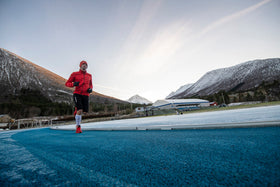
雨の中を走るベン・ジェームズ。© Ben James
1. 天気と中止基準を確認する
雨が降っているだけなら走れることもありますが、雷、強風、洪水、急な増水、視界不良、極端な低温が予想される場合は別です。出発前に天気予報と警報・注意報を確認し、危険がある場合は屋内トレーニングへ変更してください。
特に雷鳴が聞こえる、稲光が見える、道路が冠水している、川や沢が増水している場合は、屋外でのランニングを始めないことが重要です。走っている途中で状況が悪化したら、予定距離にこだわらず、安全な建物へ避難します。
気象情報やウォッチは判断を助ける道具ですが、安全を保証するものではありません。地域の公式情報と現場の状況を優先しましょう。
2. 濡れても冷えにくい服装を選ぶ
雨の日は「濡れないこと」だけでなく、濡れたあとに冷えすぎないことが大切です。気温、風、走る時間、運動強度に合わせ、吸汗速乾性のあるベースレイヤーと、必要に応じて防風・防水性のあるシェルを組み合わせます。
厚着しすぎると汗がこもり、内側から濡れて体温を奪われることがあります。短い市街地ランと、低温下の長時間トレイルでは必要な装備が異なるため、「雨ならこの服」と固定せず、条件ごとに調整してください。
- 綿素材は濡れると乾きにくいため避ける
- つばのあるキャップで顔へ当たる雨を減らす
- 低温や強風では防水・防風シェルと保温レイヤーを用意する
- 長時間走る場合は防水袋に予備の手袋やウェアを入れる
3. 車や自転車から見えるようにする
雨の日はドライバーや自転車からの視界も悪くなり、制動距離が延びることがあります。明るい色のウェア、反射材、前後から見えるライトを使用し、自分の存在を早めに知らせましょう。
交差点や駐車場の出入口では、車がこちらを認識していると決めつけないことが大切です。水たまりを避けるため急に車道側へ動かず、周囲を確認してから進路を変えます。
▶︎関連記事:「夜のランニングを安全に楽しむ7つのポイント」
4. 靴擦れと擦れを予防する
シューズやウェアが濡れると摩擦が増え、足、脇、太もも、ウェアの縫い目付近などに擦れが起きやすくなります。
- 吸湿性とフィット感を確認したランニングソックスを使う
- 長距離では擦れやすい部分に保護剤を使用する
- 濡れた状態でずれやすいウェアやザックを事前に試す
- レース本番で初めて使うウェアやシューズを避ける
防水シューズは水の侵入を抑える一方、上部から入った水が抜けにくい場合もあります。路面、気温、距離に合わせ、グリップと排水性も含めて選びましょう。
5. 路面に合わせてコースとペースを変える
濡れた白線、金属製のふた、タイル、木道、落ち葉、泥、苔のある岩は滑りやすくなります。晴れの日と同じペースや歩幅を維持しようとせず、足を置く場所を早めに確認してください。
ベン・ジェームズは、雨に強風が加わるような厳しい状況では、ルートを内陸や平坦な場所へ変えたり、短時間のトレーニングへ調整したりすることを勧めています。
増水しやすい河川沿い、沢、アンダーパス、崖沿いのトレイルは避けます。視界や路面が悪いときは、距離を短くする、舗装路へ変更する、トレッドミルを使うことも適切なトレーニング判断です。

雨のランニングが、思いがけない景色につながることもあります。© Ben James
6. レースに備えて雨天練習を試す
レース当日の天候は選べません。安全に走れる程度の雨で、短時間の練習を経験しておくと、ウェアの蒸れ、シューズのグリップ、補給の扱いやすさ、視界、体温の変化を確認できます。
最初は自宅の近くや、途中で切り上げやすいコースを選びましょう。雨のたびに走る必要はありません。目的は無理に耐えることではなく、自分の装備と判断基準を知ることです。
週間目標を決めている場合も、危険な天候で帳尻を合わせようとしないでください。日程や内容を変更して継続することも、長期的なトレーニングの一部です。
7. 走り終えたら早めに体を温める
走っている間は暑く感じても、停止すると濡れたウェアと風で急速に冷えることがあります。走り終えたら、できるだけ早く屋内へ入り、濡れた衣類とソックスを脱いで乾いた服へ着替えましょう。
シューズは中敷きを外し、風通しのよい場所で乾燥させます。強い熱を直接当てると素材を傷める可能性があるため、製品の手入れ方法に従ってください。
震えが止まらない、判断力が低下する、手足がうまく動かないなど体温低下が疑われる場合は、運動を中止して暖かい場所へ移動し、必要に応じて医療機関へ相談してください。
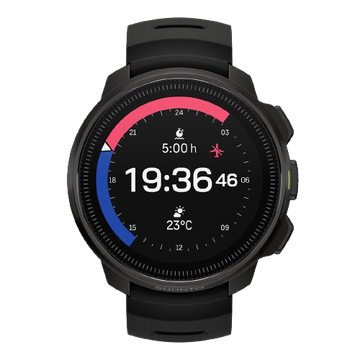
Suuntoウォッチを雨のランニングに活用する
Suunto Runは、日常のランニングを軽快に記録し、ペースや心拍数を確認したい人の選択肢です。
Suunto Race Sは、コンパクトなサイズで、普段のランからレース、ルート確認まで幅広く使いたい人に適しています。
Suunto Race 2は、大きなAMOLEDディスプレイでデータやオフラインマップを確認しながら、長時間のトレーニングへ取り組みたい人の選択肢です。
出発前にウォッチを充電し、必要なルートを同期してください。雨天時はタッチ操作や画面確認へ集中しすぎず、安全な場所で止まって操作します。使用後の手入れと防水性能については、各モデルのユーザーガイドに従ってください。
よくある質問
小雨ならランニングしても大丈夫ですか?
雷、強風、冠水、増水、極端な低温などの危険がなく、体調と装備に問題がなければ、小雨の中を走れる場合があります。ただし、地域の警報・注意報と現場の状況を確認し、不安があれば屋内へ変更してください。
雨の日は防水ジャケットを着るべきですか?
気温、風、運動時間、強度によって異なります。低温や強風、長時間の運動では防水・防風シェルが重要ですが、暖かい環境では蒸れや過熱にも注意が必要です。
雨の日はランニングシューズを変えるべきですか?
濡れた路面で十分なグリップがあり、足に合ったシューズを選びます。トレイルでは路面に対応したアウトソールが重要です。防水性だけでなく、排水性、ソックスとの組み合わせ、擦れにくさも確認してください。
まとめ|雨に耐えるより、状況に適応する
雨の日のランニングは、普段と異なる環境へ対応する練習になります。しかし、走り切ること自体が目的ではありません。
天候を確認し、濡れても冷えにくく見えやすい服装を選び、路面に合わせてペースとコースを調整しましょう。雷や強風、増水などの危険がある場合は中止し、屋内トレーニングへ切り替えてください。