






SUUNTOブログ


Five Adventure Starter Packs up for grabs!
If you love adventure like we do we want you to show it by sharing an awesome image from one of your recent trips on Instagram. Share your adventure pride, and you have a chance to get kitted out for your next trip: we have five Adventure Starter Packs to give away, each worth over 1350 euros!
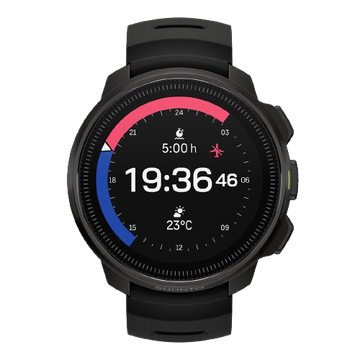
Each starter pack includes a Suunto 9 GPS watch, an Arcteryx Alpha AR 20 backpack, an Insta360 action camera, a Jetboil portable stove and Oakley Clifden sunglasses. You’ll be ready to hit the trail!
How to enter:
1. Post an adventure image with text explaining what your best outdoor adventure has been or what your dream outdoor adventure would be. 2. Tag #adventurestartshere and #suunto, #arcteryx, #insta360, #jetboil, #oakley in your copy text. 3. Follow @suunto We’ll choose the 5 most inspiring posts among those tagged with #adventurestartshere plus #suunto #arcteryx #insta360 #jetboil and #oakley, and send the adventure gear their way soon after. Contest ends on November 23 at 8 am GMT. The most inspiring posts will win. Good luck! Terms and conditions apply. Read them here.


登山やトレイルで天気を確認する方法|Suuntoウォッチで気圧・日没・ストームアラームを活用
登山やトレイルランニングでは、天気の変化が行動計画に大きく影響します。
出発時は晴れていても、山では急に雲が広がったり、風が強くなったり、雨に変わったりすることがあります。特に標高の高い場所、稜線、長時間のハイクでは、天気や気圧の変化を早めに把握することが大切です。
SuuntoのGPSウォッチには、アウトドアで天気の変化を確認するための機能があります。気圧傾向、ストームアラーム、日の出・日の入り、気温、高度、天気予報などを活用することで、山での判断をサポートできます。この記事では、登山やトレイルで天気を確認するために役立つSuuntoウォッチの機能と、実際の使い方を紹介します。
登山やトレイルで天気確認が重要な理由
山の天気は、平地よりも変わりやすいことがあります。
登り始めは晴れていても、標高が上がるにつれて気温が下がったり、風が強くなったり、ガスが出たりすることがあります。雨や雷、強風、日没の早さは、登山やトレイルランニングの安全に直結します。
山の天気は変わりやすい
登山やトレイルランでは、天気予報だけでなく、行動中の変化にも注意が必要です。
気圧が下がってきた。
風が強くなってきた。
雲が厚くなってきた。
気温が思ったより低い。
こうした変化に早めに気づくことで、休憩場所を変えたり、行動時間を短くしたり、引き返す判断をしやすくなります。
日没・気温・風も行動判断に影響する
山では、日没時間も大切な情報です。
特に秋冬や標高の高いエリアでは、日が落ちると一気に気温が下がることがあります。ヘッドライトを持っていても、暗くなってからの行動はリスクが高くなります。
天気、気圧、気温、高度、日の入り時間をあわせて確認しておくことで、無理のない行動計画を立てやすくなります。
Suuntoウォッチで確認できる天気・環境情報
Suuntoウォッチでは、モデルやソフトウェアの対応状況に応じて、アウトドアで役立つ天気・環境情報を確認できます。
対応するSuuntoウォッチでは、ウィジェットから現在の高度、気圧、気圧傾向、気温などを確認できます。山での行動中に気圧や高度の変化を手元で見られるため、天候変化やペース配分の判断に役立ちます。
気圧傾向
気圧傾向は、天気の変化を知るための参考になります。
一般的に、気圧が大きく下がると天候が崩れるサインになることがあります。登山中に気圧の変化を確認できると、雨や風の変化に早めに気づきやすくなります。
ストームアラーム
ストームアラームは、急な気圧低下を知らせる機能です。
Suunto RaceやSuunto Verticalでは、ストームアラームを有効にしている場合、3時間で気圧が4hPa以上低下するとアラームとストームシンボルで通知される仕様です。
日の出・日の入り
の出・日の入りの時刻を確認できると、登山やハイキングの行動時間を管理しやすくなります。
Suunto Verticalでは、日の出・日の入りアラームとストームアラームを設定でき、日の出・日の入り時刻とアラームにはGPS取得が必要とされています。
気温
気温の確認は、ウェアや防寒対策の判断に役立ちます。
ただし、腕に着けているウォッチで気温を測る場合、体温の影響を受けることがあります。正確に外気温を確認したい場合は、ウォッチを腕から外してしばらく置くなど、測定環境に注意しましょう。
高度・高度計
高度は、現在地の標高や登下降の目安として役立ちます。
登山では、地図上の標高やルートの高度差と照らし合わせることで、現在どのあたりまで登ってきたか、残りの登りがどれくらいあるかを把握しやすくなります。
天気予報
対応モデルでは、ウォッチ上で現在の天気や予報情報を確認できます。
対応するSuuntoウォッチでは、天気ウィジェットから現在の気温、風速・風向、天気の状態などを確認できます。さらに詳細な天気情報も手元で確認できるため、登山やトレイルランニング中の状況判断に役立ちます。
気圧傾向とストームアラームで天気の変化に備える
登山やトレイルランでは、天気予報だけでなく、行動中の気圧変化も確認しておくと安心です。
気圧が安定しているのか、下がり続けているのか、急に変化しているのかを見ることで、天候変化のサインに気づきやすくなります。
気圧が下がると天気が崩れるサインになることがある
気圧が下がると、雨や風など天気の変化につながることがあります。
もちろん、気圧だけで天気を完全に判断できるわけではありません。地形、季節、風向き、前線、標高など、さまざまな要因が関係します。
それでも、登山中に「気圧が下がり続けている」とわかれば、空の変化や風の強さにもより注意を向けやすくなります。
ストームアラームとは
ストームアラームは、急な気圧低下を検知したときに通知する機能です。
Suunto Race 2、Suunto Vertical 2をはじめ、対応するSuuntoウォッチでは、ストームアラームを有効にしておくことで、急な気圧低下を検知した際にアラームとストームシンボルで通知します。3時間で4hPa以上の気圧低下があった場合に通知されるため、登山やトレイルランニング中に天候変化のサインへ早めに気づきやすくなります。
急な天候悪化の可能性に早めに気づけるため、登山、ハイキング、キャンプ、トレイルランニングなどのアウトドアで役立ちます。
アラームが鳴ったときに考えたいこと
ストームアラームが鳴った場合は、まず周囲の状況を確認しましょう。
空が暗くなっていないか。
風が強くなっていないか。
遠くで雷鳴が聞こえないか。
稜線や開けた場所にいないか。
安全に下山・撤退できるルートがあるか。
アラームは「必ず嵐が来る」という断定ではありませんが、行動を見直すきっかけになります。特に雷や強風のリスクがある場合は、早めに安全な場所へ移動する判断が大切です。
日の出・日の入りを確認して行動時間を管理する
登山では、日没までに安全な場所へ戻ることが基本です。
特に初めて歩くルート、標高差の大きいルート、天気が不安定な日、秋冬の登山では、日の入り時間を早めに確認しておくことが重要です。
日没前に下山・撤退判断をしやすくする
Suuntoウォッチで日の入り時間を確認できると、行動中に「あとどれくらい明るい時間が残っているか」を把握しやすくなります。
予定よりもペースが遅い。
休憩に時間がかかっている。
天気が崩れてきた。
ルート上にまだ大きな登りが残っている。
こうした状況では、日没時間を見ながら早めに判断することが大切です。
朝駆け登山や写真撮影にも役立つ
日の出・日の入り情報は、安全管理だけでなく、楽しみ方にも役立ちます。
朝日を見に行く登山、夕景を狙う写真撮影、キャンプ場での行動計画などでは、日の出・日の入り時間を手元で確認できると便利です。
特に写真撮影では、光の向きや時間帯が仕上がりに大きく影響します。日の出前後や日没前後の時間を把握しておくことで、撮影ポイントへの到着時間や撤収タイミングを考えやすくなります。
登山やアウトドアでの写真撮影にSuuntoウォッチを活用する方法は、こちらの記事でも紹介しています。
▶︎関連記事:Suuntoウォッチがアウトドア写真撮影に役立つ理由
ストームアラームと日の出・日の入りアラームの設定方法
ストームアラームや日の出・日の入りアラームは、対応するSuuntoウォッチの設定メニューからオン/オフできます。
ウォッチフェイス画面で中央ボタンを長押しして設定メニューを開き、システム通知 > アラート から ストーム や 日の出・日の入り に関するアラートを設定できます。
ストームアラームをオンにすると、気圧の急な低下を検知した際にウォッチ上で通知されます。日の出・日の入りアラームを設定しておくと、行動開始や下山、撮影、キャンプでの準備時間を考えやすくなります。
*モデルによってメニュー名や表示位置が異なる場合があります。使用しているウォッチの設定画面、またはユーザーガイドもあわせて確認してください。
気温と高度を確認して装備やペースを調整する
山では、標高が上がるにつれて気温が下がりやすくなります。
天気予報では暖かく見えても、稜線や風の強い場所では体感温度が大きく下がることがあります。ウォッチで気温や高度を確認することで、ウェアの調整やペース配分を考えやすくなります。
ウォッチで気温を測るときの注意点
ウォッチを腕に着けたまま気温を見ると、体温の影響を受ける場合があります。
外気温をより正確に知りたい場合は、ウォッチを腕から外してしばらく外気に触れさせると、参考にしやすくなります。気温表示は、行動中の体感や天気予報とあわせて判断するのがおすすめです。
高度変化から負荷を把握する
登山やトレイルランでは、距離だけでなく高度差も負荷に大きく影響します。
同じ5kmでも、平坦な道と標高差の大きいルートでは疲労感が異なります。高度を確認しながら進むことで、今どのくらい登っているのか、残りの登りをどう進むかを考えやすくなります。
ルート上の登り下りを詳しく把握したい方は、クライムガイダンスの記事も参考にしてください。
▶︎関連記事:登山・トレイルランのルートナビゲーション|Suuntoクライムガイダンスの便利な使い方
天気予報とウォッチの情報を組み合わせて使う
Suuntoウォッチの天気・環境情報は、アウトドアでの判断をサポートするものです。
ただし、登山やトレイルランでは、出発前の天気予報、雨雲レーダー、登山天気サービス、現地の情報とあわせて確認することが大切です。
出発前は天気予報・雨雲レーダーを確認する
出発前には、目的地周辺の天気予報を確認しましょう。
見るポイントは、天気だけではありません。
降水確率
風速
気温
雷の可能性
雨雲の動き
日の出・日の入り
標高による気温差
山では、ふもとの天気と山頂付近の天気が違うことがあります。長時間の行動や標高の高いエリアでは、余裕を持った計画が必要です。
行動中はウォッチで変化を見る
行動中は、ウォッチで気圧傾向、気温、高度、日の入り時間などを確認します。
たとえば、出発前の予報では晴れでも、行動中に気圧が下がり続けている場合は、空の変化や風に注意する。予定より遅れている場合は、日の入り時間を見ながらルート短縮や撤退を考える。
このように、出発前の予報と行動中の変化を組み合わせることで、より安全に判断しやすくなります。
Suuntoウォッチが役立つアウトドアシーン
Suuntoウォッチの天気・環境情報は、登山だけでなく、さまざまなアウトドアで役立ちます。
登山・ハイキング
登山やハイキングでは、気圧、気温、高度、日の入り時間の確認が行動判断に役立ちます。
天気が崩れそうなとき、予定より時間がかかっているとき、稜線に出る前など、ウォッチで情報を確認することで、次の判断をしやすくなります。
登山用GPSウォッチの選び方を知りたい方は、以下の記事も参考にしてください。
▶︎関連記事:登山におすすめのGPSスマートウォッチとは?地図・バッテリー・選び方を解説
トレイルランニング
トレイルランニングでは、天候の変化がペースや安全に影響します。
長い登り、稜線、山間部のルートでは、雨や風、気温低下に備えることが大切です。気圧傾向や日の入り時間を確認できると、レースやロングランの行動計画にも役立ちます。
キャンプ・縦走
キャンプや縦走では、夜間の気温や天気の変化も重要です。
テントを張る場所、行動を終える時間、翌朝の出発時間を考えるときに、天気や日の出・日の入り情報が役立ちます。ストームアラームや気圧傾向を確認できると、天候悪化への備えもしやすくなります。
釣り・写真撮影
釣りや写真撮影では、日の出・日の入り、気圧、天気の変化が大切な要素になります。
朝夕の光を狙う撮影や、長時間屋外にいるアクティビティでは、手元で環境情報を確認できると便利です。
天気確認に役立つSuuntoウォッチを選ぶポイント
登山やアウトドアで使うウォッチを選ぶときは、天気情報だけでなく、ナビゲーション、バッテリー、使いたいアクティビティに合っているかも確認しましょう。
Suuntoには、オフラインマップやルートナビゲーションに対応したGPSスポーツウォッチだけでなく、気圧計・高度計・コンパスを備えたアウトドアウォッチもあります。登山やトレイルランニングでルート確認まで行いたいのか、気圧や高度、方角をシンプルに確認したいのかによって、選ぶモデルが変わります。
気圧計・高度計・コンパス
山で使うなら、気圧計、高度計、コンパスは確認しておきたい機能です。
気圧は天候変化のサインを知るために、高度は現在地や登下降の把握に、コンパスは方向確認に役立ちます。
Suunto Coreは、気圧計、高度計、コンパスを備えたアウトドアウォッチです。GPSやオフラインマップは搭載していませんが、天気や気圧、高度、方角をシンプルに確認したい方におすすめです。
▶︎Suunto Coreを見る
オフラインマップ・ルートナビゲーション
登山やトレイルでは、天気だけでなく現在地やルート確認も重要です。
Suunto Vertical / Vertical 2など、オフラインマップやルートナビゲーションに対応したモデルなら、スマートフォンを頻繁に取り出さなくても手元でルートを確認しやすくなります。
Suunto Vertical / Vertical 2が登山に向いている理由は、こちらの記事で詳しく紹介しています。
▶︎関連記事:Suunto Vertical / Vertical 2が登山用GPSスマートウォッチに向いている理由
バッテリー持ち
長時間の登山や縦走では、バッテリー持ちも重要です。
GPS記録、地図確認、ナビゲーション、天気情報の確認を行う場合、バッテリーに余裕があると安心です。日帰り登山だけでなく、長時間のハイクや山小屋泊を想定するなら、バッテリー性能もチェックしましょう。
Suuntoウォッチで天気を確認する前に準備しておきたいこと
アウトドアでウォッチを使う前に、基本的な準備をしておくと安心です。
ウォッチとSuuntoアプリを最新にする
出発前に、ウォッチとSuuntoアプリを最新バージョンに更新しておきましょう。
天気ウィジェットやナビゲーション機能、マップ機能は、ソフトウェアアップデートによって改善されることがあります。山に入る前に同期や設定を済ませておくと、現地で慌てにくくなります。
GPS取得と位置情報を確認する
日の出・日の入り時刻や位置に応じた情報を使う場合は、GPS取得が必要になることがあります。
登山口や開けた場所でGPSを取得し、ルートやマップ、アクティビティ記録の準備ができているか確認しましょう。
予備の安全対策も忘れない
ウォッチは便利なサポートツールですが、天気判断をウォッチだけに頼るのは避けましょう。
登山地図、スマートフォン、モバイルバッテリー、レインウェア、防寒具、ヘッドライト、水分、非常食など、基本装備もあわせて準備することが大切です。
Suuntoのアウトドアウォッチで、天気とルートを手元で確認しよう
登山やトレイルランでは、天気の変化、現在地、ルート、標高差、日没時間をまとめて確認できると、行動中の判断がしやすくなります。
Suuntoのスポーツウォッチは、アウトドアでのルートナビゲーションやアクティビティ記録に対応したモデルを展開しています。天気や気圧、標高、ルート確認を活用したい方は、自分のスタイルに合うモデルをチェックしてみてください。
▶︎Suuntoのアウトドア向けスポーツウォッチを見る
まとめ|天気の変化を早めに知ることが、安全なアウトドアにつながる
登山やトレイルランニングでは、天気の変化を早めに把握することが大切です。
Suuntoウォッチを使えば、気圧傾向、ストームアラーム、日の出・日の入り、気温、高度、天気予報などを手元で確認できます。出発前の天気予報と、行動中のウォッチ情報を組み合わせることで、山での判断をサポートできます。
天気が変わりやすい山では、「まだ大丈夫」ではなく、「早めに気づいて、早めに判断する」ことが安心につながります。
登山、トレイルラン、キャンプ、縦走をより安全に楽しむために、Suuntoウォッチの天気・環境情報を活用してみてください。
▶︎Suuntoの登山・ハイキング向けGPSスポーツウォッチを見る

登山で役立つ雲の種類|天気の変化と危険のサインを見分ける方法
登山やトレイルランニングでは、出発前の天気予報だけでなく、行動中に空の変化を観察することも大切です。雲の形、高さ、広がり方、変化の速さは、周囲の気象状況を知るための手がかりになります。
ただし、雲だけで天気を正確に予測することはできません。気象情報、雨雲レーダー、気圧の傾向、風、気温、現地の状況を組み合わせ、迷った場合は引き返す判断を優先してください。この記事では、アウトドアで覚えておきたい代表的な雲と、山で注意したい変化を解説します。
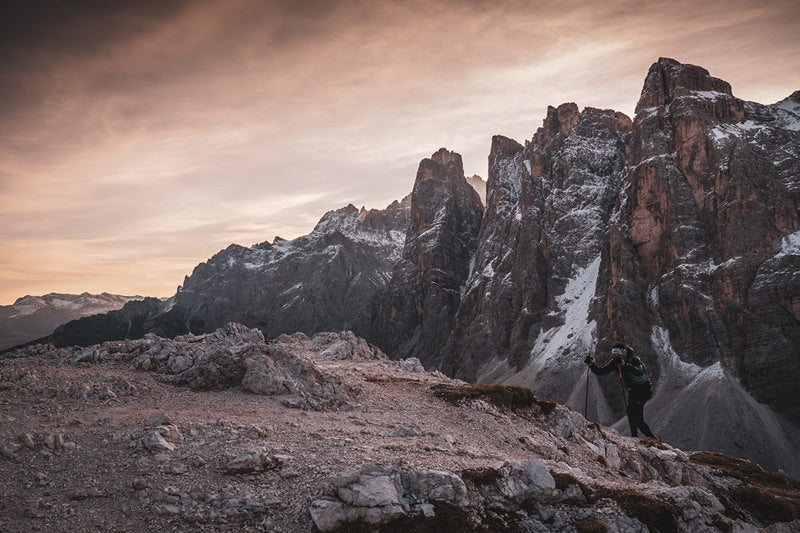
雲の種類だけでなく、時間とともにどう変化しているかを観察します。Photo: Philipp Reiter
目次
雲を観察する前に知っておきたいこと
まず覚えたい3つの雲
巻雲:高い空に現れる薄い雲
積雲:綿のように盛り上がる雲
層雲:低い空を一様に覆う雲
積乱雲:雷や強い雨に注意
レンズ雲:山岳地帯の強風の手がかり
山で注意したい5つの変化
雲・天気予報・ウォッチを組み合わせる
中止・引き返しを判断する
よくある質問
まとめ
雲を観察する前に知っておきたいこと
世界気象機関(WMO)の国際雲図帳では、雲は10種類の「類」に分類されています。さらに形や特徴によって細かく分けられますが、登山者が最初からすべてを暗記する必要はありません。
まずは、雲がおおよそどの高さにあり、横に広がっているのか、縦に発達しているのかを見ます。そして、一瞬の状態よりも、時間とともに増えているか、低くなっているか、発達しているかという変化の傾向を観察します。
重要:雲の観察は補助情報です。警報・注意報、山岳気象予報、現地の管理者が出す情報を優先してください。
まず覚えたい3つの雲
元記事に登場する大気科学者Sarvesh Garimellaは、一般の人が最初に意識する雲として、巻雲、積雲、層雲の3つを挙げています。
巻雲:高い空に見える、筋状・羽毛状の薄い雲
積雲:輪郭がはっきりした、綿やポップコーンのような雲
層雲:低い空を広く一様に覆う、霧のような雲
ここに、対流によって大きく発達する積乱雲と、山の近くで見られるレンズ雲を加えると、アウトドアで注意したい基本をつかみやすくなります。
巻雲:高い空に現れる薄い雲
巻雲は、白く細い筋や羽毛のように見える高い雲です。氷の結晶でできており、単独で少量見えているだけなら、すぐに危険な天候になるとは限りません。
ただし、巻雲が時間とともに増え、空全体へ広がっていく場合は、上空へ水蒸気が入っている可能性があります。その後の予報や気圧の傾向も確認し、変化を追いましょう。
高い空の薄い雲も、量や広がり方の変化を観察します。
積雲:綿のように盛り上がる雲
積雲は、輪郭がはっきりし、上部が盛り上がった雲です。晴れた日に見られる小さな積雲が、すべて悪天候を示すわけではありません。
注意したいのは、雲が短時間で上へ伸び、底が暗くなり、次々に大きくなる場合です。大気の状態によっては積乱雲へ発達する可能性があるため、遠くの雷鳴、冷たい風、降水域の接近にも注意します。
層雲:低い空を一様に覆う雲
層雲は、低い空に広がる灰色または白っぽい雲です。山では地面と接して霧になり、弱い霧雨を伴うことがあります。
降水が弱くても、視界不良は大きなリスクです。ルートや目印が見えにくくなり、濡れによって体温も奪われます。尾根、岩場、雪面などでは、現在地と退避ルートを早めに確認してください。
積乱雲:雷や強い雨に注意
積乱雲は鉛直方向に大きく発達し、雷、強い雨、突風、ひょうなどをもたらすことがあります。山では天候が急変しやすく、逃げ場が限られるため、発達してから対応するのでは遅い場合があります。
積雲が急速に高く成長する、空が暗くなる、冷たい突風を感じる、雷鳴が聞こえるといった変化があれば、安全な場所への移動を優先します。雷が近いときは、山頂、尾根、開けた場所、孤立した高い木の近くを避けてください。
雲が縦方向へ急速に発達している場合は、雷や強い雨の可能性を確認します。
レンズ雲:山岳地帯の強風の手がかり
レンズ雲は、レンズや円盤を重ねたような滑らかな形の雲で、山の周辺にできることがあります。湿った空気が山を越えるときに生じる波によって形成され、上空に強い風や乱気流がある手がかりになります。
きれいな形に見えても、山頂付近や風下側では強風が問題になる可能性があります。立っているのが難しい風、身体が流されるような突風、気温低下があれば、ルート変更や撤退を検討してください。
山で注意したい5つの変化
低い雲が下がり、視界が悪化している現在地とルートを確認し、見通しが失われる前に安全な場所へ移動します。
雲が短時間で縦に発達している雷雨の可能性を確認し、稜線や山頂へ進まない判断をします。
雲の量が継続的に増えている一時的な変化ではなく、悪化の傾向が続いていないかを見ます。
気温が急に下がり、冷たい風が吹く降水域や突風の接近も考え、防寒・防水装備を準備します。
気圧が下がり続けている単一の数値ではなく、予報、雲、風と合わせて傾向を判断します。
山の天候は地形によって局地的に変化します。「さっきまで晴れていた」「反対側の空は明るい」という理由だけで、悪化の兆候を軽視しないようにしましょう。
雲・天気予報・ウォッチを組み合わせる
Suunto Vertical 2やSuunto Race 2などの対応GPSスポーツウォッチでは、気圧、高度、日の出・日の入りなど、行動判断に役立つ情報を確認できます。モデルや設定によって利用できる機能は異なります。
ウェザーアラート(ストームアラーム)を活用する
対応するSuuntoウォッチには、急な気圧低下を検知して知らせるストームアラームがあります。ウェザーアラートとして活用でき、Suunto Race 2やSuunto Vertical 2では、機能を有効にしている場合、3時間で気圧が4hPa以上低下すると、アラームとストームシンボルで通知されます。
通知が出たら、「必ず嵐が来る」と断定するのではなく、行動を見直す合図として使います。空が暗くなっていないか、雲が急速に発達していないか、風が強まっていないか、雷鳴が聞こえないかを確認し、稜線や山頂へ進む前に下山・撤退ルートを検討してください。
ストームアラームは、気圧変化を知らせる補助機能です。雷や雨の接近そのものを直接検知する機能ではなく、標高の変化も気圧へ影響します。必ず公式の気象情報や周囲の状況と組み合わせて判断しましょう。
ウォッチの情報も、絶対的な予報ではありません。出発前の公式な気象情報、行動中の空、風、体感温度、気圧の傾向と組み合わせて利用します。詳しい確認方法は、登山やトレイルで天気を確認する8つの方法をご覧ください。
視界が悪化する可能性に備え、ルートは事前にウォッチへ同期し、紙の地図やコンパスなどのバックアップも準備します。計画時のポイントは、登山前に安全なルートを計画する7つのポイントで解説しています。
中止・引き返しを判断する
雲の名前を正しく言い当てることより、危険が高まる変化に気づき、行動を変えられることが重要です。次のような状況では、予定の達成よりも撤退を優先します。
雷鳴が聞こえる、または雷の危険がある
視界が急速に悪化し、ルートの維持が難しい
強風で安全に歩行・走行できない
防寒・防水装備で対応できない気温低下や降水がある
予報より天候の悪化が早く、回復の見込みを判断できない
山頂へ着くことだけが成功ではありません。安全に戻り、次の機会につなげることも、アウトドアで最も重要な判断の一つです。
よくある質問
雲を見るだけで雨が降る時間を予測できますか?
正確な時刻や場所を雲だけで判断することはできません。公式予報や雨雲レーダー、気圧、風などと組み合わせてください。
低い雲は危険なのでしょうか?
必ずしも激しい天候を意味しませんが、山では視界不良、濡れ、低体温、道迷いのリスクを高めます。
ウォッチの気圧が下がったら、すぐに引き返すべきですか?
移動による標高変化も気圧へ影響するため、一つの数値だけでは判断できません。気圧の傾向、天気予報、雲、風、現在地、装備を総合して判断します。
まとめ
アウトドアで雲を見るときは、まず巻雲、積雲、層雲の特徴を覚え、積乱雲やレンズ雲にも注意します。雲の名前以上に重要なのは、高さ、広がり、縦方向への発達、視界、風、気温が時間とともにどう変わっているかです。
雲の観察は、気象情報や装備に代わるものではありません。出発前の計画と行動中の確認を組み合わせ、少しでも安全に不安があれば早めに引き返しましょう。
山での判断を支えるGPSスポーツウォッチ
オフラインマップ、ナビゲーション、気圧・高度情報などに対応するSUUNTOのアウトドアウォッチをご覧ください。
SUUNTOのスポーツウォッチを見る


トレイルランニングの登りを攻略|SuuntoGPSスマートウォッチで勾配・垂直速度・獲得標高を見る方法
トレイルランニングでは、平地と同じペースを守ろうとすると、急な登りで必要以上に消耗してしまいます。登りを安定して進むには、1kmあたりのペースだけでなく、勾配、垂直速度、区間の獲得標高、心拍数などを組み合わせて運動強度を管理することが大切です。
SuuntoのGPSウォッチでは、登りを自動検出して区間ごとのデータを表示するSuuntoPlusのClimb機能や、高度・累積標高のデータを活用できます。この記事では、トレランや登山で表示される数値の意味、登りでのペース配分、坂道トレーニングへの活用方法を解説します。
目次
トレランの登りでペース表示だけでは足りない理由
SuuntoPlus Climbとは
登りの画面に表示される数値の見方
トレイルランニングでの活用方法
登山での活用方法
坂道トレーニングで登坂力を鍛える
SuuntoPlus Climbの追加・使用方法
高度データを正確に記録するポイント
まとめ
トレランの登りでペース表示だけでは足りない理由
同じ6分00秒/kmでも、平地と急な登りでは身体への負荷が大きく異なります。登りで平地の目標ペースを追い続けると、序盤で心拍数が上がりすぎ、後半の走力や下りでの集中力を失う原因になります。
起伏のあるコースでは、次のデータを目的に応じて使い分けます。
勾配:現在の坂がどの程度急なのかを把握する
垂直速度:1時間あたりに何m登るペースなのかを見る
区間獲得標高:現在の登りで何m上昇したかを確認する
累積標高:アクティビティ全体で登った合計を確認する
NGP:勾配の影響を考慮し、平地相当に調整したペースを見る
心拍数・ZoneSense:身体内部の負荷が上がりすぎていないかを確認する
ひとつの数値だけでペースを決めるのではなく、コースの長さ、残りの標高差、気温、補給状況、体感と合わせて判断することが重要です。
SuuntoPlus Climbとは
SuuntoPlus Climbは、アクティビティ中の登りを検出し、登り区間の情報を専用画面で確認できるSuuntoPlusスポーツアプリです。ランニングやトレイルランニングでは坂道練習の反復を把握するだけでなく、長い登りで強度を保つためにも利用できます。登山やサイクリング、スキーなどでは、垂直速度や獲得標高を見ながら進行ペースを管理できます。
対応するモデルや表示項目は、ウォッチとソフトウェアのバージョンによって異なる場合があります。使用前にSuuntoアプリのSuuntoPlus StoreでClimbが表示されるか、使用するウォッチへ追加できるかを確認してください。
Climbとルートナビゲーションは役割が異なります。Climbは現在の登り方を把握するための機能です。コース、分岐、残り距離を確認する場合は、事前にルートをウォッチへ同期し、地図・ナビゲーション画面を併用してください。
登りの画面に表示される数値の見方
Climb画面の表示例。表示内容は、使用するGPSウォッチやソフトウェアのバージョンによって異なる場合があります。
① 現在の登りで獲得した標高
画面左上の「60m」は、このアクティビティ全体の累積標高ではなく、現在進んでいる1つの登りが始まってから、何m上昇したかを示しています。
たとえば、標高500mの地点から登り始め、現在地が標高560mなら、画面には約60mと表示されます。その日のスタートから合計で何m登ったかを示す「累積標高」とは別の数値です。
現在の登りで獲得した標高:今進んでいる登りだけの上昇量
累積標高:アクティビティ開始から登った標高の合計
登り回数:Climbが検出し、完了した登り区間の数
登りが終わると、その区間が1本として数えられます。次の登りが始まると、その新しい登りで獲得した標高が再び0m付近から増えていきます。検出条件や表示動作はGPSウォッチのモデルやソフトウェア更新によって変わる場合があります。
② 現在の勾配(%)
勾配は、水平に100m進んだときに何m上昇する傾きかを割合で示します。たとえば10%は、水平距離100mに対して約10m上昇する傾きです。ウォッチに表示される勾配は直近の移動と高度変化から算出されるため、瞬間的な一歩の傾きではありません。
数値が大きくなるほど急になりますが、路面の滑りやすさ、段差、標高、気温によっても難易度は変わります。「何%なら必ず走る」と決めず、歩いたほうが効率的な場面ではパワーハイクへ切り替えましょう。
③ NGP|坂道の負荷を平地のペースに置き換えた目安
NGP(Normalized Graded Pace)は、登り下りによる負荷の違いを考慮し、平地ならどのくらいのペースで走っている負荷に相当するかを示す目安です。
たとえば、登りを実際には1kmあたり8分で走っていても、身体には平地を1kmあたり6分で走るのと同程度の負荷がかかっている場合、NGPには約6分/kmと表示されます。実際のペースが遅くなる登りでも、運動強度が高すぎないかを判断しやすくなります。
画像ではNGPが「--」になっています。これは停止中、開始直後、移動データがまだ十分でない場合など、計算に必要な情報が揃っていないときに表示されることがあります。
NGPは、岩場、ぬかるみ、強風、標高、荷物の重さなど、すべての要因を反映するものではありません。足元の安全と体感を優先し、心拍数やZoneSenseと一緒に確認してください。
④ 垂直速度(m/h)
垂直速度は、現在のペースを1時間続けた場合に何m登るかを示す値です。たとえば600m/hなら、同じペースと条件が続けば1時間で約600m上昇する計算です。
標高差300mの登りを垂直速度600m/hで進む場合、単純計算では約30分が目安になります。ただし、斜度、路面、休憩、渋滞、疲労で速度は変わるため、到着時刻を保証する数値ではありません。自分が長く維持できる垂直速度を普段のトレーニングで把握しておくと、レースや登山の計画に活用できます。
⑤ アクティビティの継続時間
画面下部には、アクティビティの記録を開始してからの継続時間が表示されます。画像の「1:13'25」は、記録開始から1時間13分25秒が経過していることを示します。
長時間のトレイルランニングや登山では、経過時間を補給、給水、折り返し、日没までの残り時間と照らし合わせて確認します。スマートウォッチの通知を見る感覚ではなく、安全な行動計画を守るための時間情報として活用しましょう。
確認したいこと
見るデータ
使い方
坂の急さ
勾配
走るか歩くか、歩幅をどの程度小さくするかを判断
登る速さ
垂直速度
長い登りで維持できる登高ペースを管理
現在の登りの進み具合
区間獲得標高
ルート情報の標高差と照らし合わせる
起伏を考慮した走行強度
NGP・心拍数・ZoneSense
ペース表示だけでなく身体負荷も確認
トレイルランニングでの活用方法
Suunto Vertical 2のようにオフラインマップと高度計を備えたモデルでは、ルートナビゲーションと登りのデータを使い分けることで、方向と運動強度の両方を確認できます。レースや長時間のトレイルでは、次のように活用します。
序盤の登りでオーバーペースを防ぐ
スタート直後は周囲のペースにつられやすいため、心拍数やZoneSenseと垂直速度を確認し、自分が長く維持できる強度を超えていないか見ます。特に長いレースでは、1つ目の登りで数分短縮することより、後半まで安定して動ける余力を残すことが重要です。
走る区間と歩く区間を切り替える
急勾配では、走り続けるよりパワーハイクのほうが心拍数を抑えながら効率よく進めることがあります。勾配だけを基準にするのではなく、心拍数、呼吸、脚の疲労、路面状況を見ながら切り替えます。
登りごとのデータを比較する
同じ坂を繰り返す練習では、登りの所要時間、垂直速度、心拍数を比較します。タイムだけが速くても心拍数が大幅に上がっていれば、同じ効率で登れたとは限りません。同程度の心拍数で垂直速度が上がっているかを見ると、登坂力の変化を追いやすくなります。
コースの方向、標高プロファイル、縮尺、ターン案内については「登山・トレイルランニングで役立つ地図・ナビゲーション画面の見方」も参考にしてください。
登山での活用方法
登山では、垂直速度と残りの標高差を組み合わせることで、山頂や峠までの所要時間を大まかに見積もれます。普段の山行で自分が無理なく維持できる垂直速度を記録しておけば、休憩、日没、天候悪化を考慮した行動計画を立てやすくなります。
ただし、ウォッチの計算値だけで到着時刻や撤退判断を決めないでください。地図上の距離、路面、鎖場、積雪、集団の速度、休憩時間、天候を含めて余裕を持った計画を立て、予定より遅れている場合は早めにルート短縮や撤退を判断します。
坂道トレーニングで登坂力を鍛える
Climbはレース中だけでなく、坂道を繰り返すトレーニングにも利用できます。目的によってメニューを変えましょう。
目的
メニュー例
確認するポイント
フォームとパワー
短い坂を10〜20秒、十分に回復しながら4〜8本
姿勢と接地を崩さず、全力になりすぎない
登坂持久力
2〜5分の登りを、ゆっくり下って回復しながら4〜6本
後半も垂直速度とフォームを維持できる強度
長い登りのペース配分
15〜30分以上の登りを一定強度で1〜3本
心拍数・ZoneSenseと垂直速度の安定
高強度の坂道練習は連日行わず、ウォームアップとクールダウンを確保してください。痛みがある場合や、下りでフォームを維持できないほど疲労している場合は中止します。運動習慣や競技経験に合わせて、本数と強度を調整してください。
SuuntoPlus Climbの追加・使用方法
現在のSuuntoPlusスポーツアプリは、SuuntoアプリのSuuntoPlus Storeからライブラリとウォッチへ追加します。
Suuntoアプリで、ペアリング済みウォッチの画面を開く
「SuuntoPlus Store」を開き、スポーツアプリからClimbを探す
Climbをライブラリへ追加し、「ウォッチで使用」を有効にする
ウォッチを同期する
ウォッチで「エクササイズ」からスポーツモードを選ぶ
記録開始前のオプションから「SuuntoPlus」を開き、Climbを選択する
記録を開始し、運動中に画面を切り替えてClimbの表示を確認する
SuuntoPlusスポーツアプリは、ウォッチへ保存できる数や、1回のアクティビティで同時に使用できる数に制限があります。公式サポートではウォッチへ保存できるスポーツアプリは最大15個、運動中に選べるスポーツアプリは1つと案内されています。モデルやソフトウェア更新によって仕様が変わる可能性があるため、使用前にアプリ内の表示を確認してください。
高度データを正確に記録するポイント
登りの検出、勾配、垂直速度、獲得標高は高度データをもとに計算されます。気圧高度計を備えたモデルは、気圧変化を利用して細かな高度変化を追跡できます。GPS高度を使用するモデルでは、短く小さなアップダウンが検出されにくい場合があります。
運動前にウォッチとSuuntoアプリを同期し、衛星軌道データを更新する
記録開始前に屋外の開けた場所でGPS測位を待つ
気圧センサー周辺を泥、汗、衣服でふさがない
急な天候変化では、気圧変動が高度表示に影響する可能性を考慮する
同じルートを比較するときは、なるべく同じ地点から記録を開始する
アクティビティ終了後はSuuntoアプリで高度グラフと累積標高を確認できます。累積標高を目標にする挑戦については「エベレスティングとは?累積標高8848mに挑戦するルールと準備」もご覧ください。
まとめ
トレイルランニングや登山の登りでは、平地と同じペースを追うのではなく、勾配、垂直速度、獲得標高、NGP、心拍数などを使って運動強度を管理します。SuuntoPlus Climbを使えば、現在の登り区間を認識しながら、登り方をリアルタイムで調整できます。
まずは普段のトレーニングで、自分が無理なく維持できる垂直速度や心拍数を把握しましょう。その基準があれば、レース序盤のオーバーペースを防ぎ、長い登りや登山の行動計画にもデータを役立てられます。
トレイルと登山に対応するSuuntoウォッチ
オフラインマップ、高度データ、トレーニング機能を備えたモデルを比較して、自分のフィールドに合うウォッチを見つけましょう。
Suuntoスポーツウォッチを見る

Suuntoアプリで登山・トレイルのルートを作る6つの方法|GPX・ヒートマップも解説
登山やトレイルランニングでは、出発する前のルート計画がとても重要です。
どこを通るのか。どれくらいの距離があるのか。どの程度の登りが待っているのか。
あらかじめルートを把握しておけば、当日の行動計画を立てやすくなり、初めて訪れる場所でも安心して行動しやすくなります。
Suuntoアプリでは、地図上でゼロからルートを描くだけでなく、ヒートマップや既存のアクティビティ、GPXファイルなど、さまざまな方法からルートを準備できます。
今回は、Suuntoアプリで次の登山やトレイルのルートを作る6つの方法を紹介します。
目次
なぜ事前のルート計画が大切?
1. 地図上でゼロからルートを作る
2. ヒートマップからルートを探す
3. 人気ルートを参考にする
4. 過去のアクティビティからルートを作る
5. 外部サービスからルートを同期する
6. GPXファイルをインポートする
作ったルートはライブラリで管理
ルートをSuuntoウォッチへ同期する
オフラインでナビゲーションするならSuunto Vertical 2
まとめ|ルート計画から冒険は始まっている
なぜ事前のルート計画が大切?
アウトドアでの計画には、距離、標高差、地形、天候、メンバーの経験、休憩場所など、さまざまな要素があります。
その中でも基本になるのが、「どのルートを通るのか」を把握しておくことです。
ルートが決まれば、必要な時間や補給、装備についても考えやすくなります。
特に初めて訪れる山やトレイルでは、現地へ着いてから道を考えるのではなく、事前に地図を確認し、ルートを準備しておくことが大切です。
Suuntoアプリでは、状況に応じて複数の方法でルートを準備できます。
1. 地図上でゼロからルートを作る
もっとも基本的なのが、Suuntoアプリの地図上で自分のルートを作成する方法です。
スタート地点を決め、通過したいポイントを順番に指定していくことで、目的地までのルートを作成できます。
既存の道路やトレイルに沿ってルートを作るだけでなく、目的に応じてルーティング方法を選択できるため、ランニング、サイクリング、登山など、それぞれのアクティビティに合わせたルートを計画できます。
ルートを作成するときは、距離だけを見るのではなく、標高プロファイルも確認しておくのがおすすめです。
同じ10kmでも、平坦な10kmと累積標高差の大きい10kmでは、必要な時間や体力が大きく変わります。
2. ヒートマップからルートを探す
「このエリアを走ってみたいけれど、どの道を選べばいいかわからない」というときに便利なのが、Suuntoヒートマップです。
ヒートマップには、Suuntoコミュニティのアクティビティデータをもとに、よく利用されているルートが表示されます。
しかもヒートマップはスポーツ別に表示できます。
例えば、ロードランニングで人気の道と、トレイルランニングでよく利用されている道は異なります。
目的のスポーツを選んでヒートマップを表示すれば、そのアクティビティで実際によく使われているルートを参考にできます。
いつものエリアで「まだ通ったことのない道」を探すときにも便利です。
3. 人気ルートを参考にする
Suuntoアプリでは、選択したエリア周辺で利用されている人気ルートを参考にすることもできます。
旅先や初めて訪れるエリアでは、自分でゼロからルートを考えるのが難しいことがあります。
そんなときは、周辺でほかのユーザーがどのようなルートを走ったり歩いたりしているのかを見ることで、ルート選びのヒントになります。
ただし、人気のルートだからといって、必ずしも自分の経験やコンディションに適しているとは限りません。
距離、標高差、路面状況などを確認し、自分のレベルに合わせて判断しましょう。
4. 過去のアクティビティからルートを作る
以前走ったお気に入りのコースをもう一度走りたい場合は、過去のアクティビティをルートとして保存できます。
例えば、
去年登った山をもう一度歩きたい
以前走ったトレイルを友人と一緒に走りたい
旅行先で見つけたルートを保存しておきたい
といった場面で便利です。
アクティビティからルートを保存すると、ルートプランナーで確認・編集したうえで、ルートライブラリへ保存できます。
自分の実績から作るルートなので、「実際に一度通ったことがある」という安心感もあります。
5. 外部サービスからルートを同期する
Suuntoアプリでは、対応する外部のルートサービスとアカウントを接続し、そこで作成したルートをSuuntoアプリへ同期することもできます。
すでに普段使っているルート作成サービスがある場合は、Suuntoアプリだけで一から作り直す必要はありません。
外部サービスでルートを作成し、Suuntoアプリへ同期した後、対応するSuuntoウォッチへ転送できます。
対応サービスは変更される可能性があるため、最新のパートナー情報はSuunto公式サイトで確認してください。
▶︎ Suuntoのパートナーサービスを見る
6. GPXファイルをインポートする
登山やトレイルランニングでは、山岳情報サイトや大会主催者などからGPXファイルが配布されることがあります。
そのGPXファイルをSuuntoアプリへインポートすれば、ルートとして保存し、対応するSuuntoウォッチへ同期できます。
例えば、
登山ルートのGPXを入手した
トレイルランニング大会の公式コースを保存したい
友人から共有されたGPXを使いたい
といった場合に便利です。
Suuntoアプリでは、マップ画面から「ルートのインポート(.gpx)」を選択してファイルを読み込み、必要に応じて編集してライブラリへ保存できます。
iPhoneとAndroidでは操作画面が一部異なるため、詳しい手順はこちらを確認してください。
▶︎ iPhoneでGPXファイルをSuuntoアプリへインポートする方法
▶︎ AndroidでGPXファイルをSuuntoアプリへインポートする方法
作ったルートはライブラリで管理
作成、インポート、外部サービスから同期したルートは、Suuntoアプリのルートライブラリに保存されます。
ルートライブラリでは、名前で検索したり、距離で絞り込んだり、並べ替えたりしながらルートを管理できます。
保存したルートは編集・共有できるほか、別のルートを作るためのテンプレートとしてコピーすることもできます。
ルートが増えてきたら、「山名」「エリア」「大会名」など、後から探しやすい名前を付けておくと便利です。
▶︎ Suuntoアプリでルートライブラリを管理する方法
ルートをSuuntoウォッチへ同期する
ルートを作ったら、対応するSuuntoウォッチへ同期しておきましょう。
ウォッチにルートを転送しておけば、アクティビティ中に現在地とルートを確認しながらナビゲーションできます。
スマートフォンを何度も取り出す必要がなく、手元で進行方向やルートを確認できるのがGPSウォッチのメリットです。
さらにオフラインマップ対応モデルなら、事前に地図をダウンロードしておくことで、スマートフォンの電波が届かない場所でも地図を表示できます。
Suuntoの地図やナビゲーション画面の見方についてはこちらで詳しく解説しています。
▶︎ Suuntoの地図・ナビゲーション画面の見方|登山・トレイルのルート案内を解説
オフラインでナビゲーションするならSuunto Vertical 2
登山やロングトレイルなど、スマートフォンの電波が届かない環境でルートナビゲーションを活用したいなら、Suunto Vertical 2も選択肢のひとつです。
Suunto Vertical 2は、無料のオフラインマップとデュアルバンドGPSに対応。
Suuntoアプリで準備したルートをウォッチへ同期し、地図と現在地を確認しながら進むことができます。
さらにヒートマップを利用したルート計画や、ルート上の登り・下りを把握できるClimb Guidanceにも対応しています。
GPSを使用するアクティビティでも最大65時間のバッテリー駆動に対応しているため、長時間の登山やトレイルでも活用できます。
Vertical 2の登山向け機能はこちらの記事で詳しく紹介しています。
▶︎ Suunto Vertical / Vertical 2が登山用GPSスマートウォッチに向いている理由
Suunto Vertical 2を見る
まとめ|ルート計画から冒険は始まっている
Suuntoアプリでルートを準備する方法は、ひとつではありません。
地図上で自分のルートを作る
ヒートマップから人気の道を探す
周辺の人気ルートを参考にする
過去のアクティビティを再利用する
外部サービスから同期する
GPXファイルをインポートする
行きたい場所や目的に合わせて方法を使い分けることで、ルート計画の幅は大きく広がります。
そして、ルートを考えている時間もアウトドアの楽しみのひとつです。
地図を開いて、「次はどこへ行こう」と考えるところから、新しい冒険は始まっています。
次の休日に行ってみたい場所を見つけたら、まずはSuuntoアプリで一本のルートを作ってみてはいかがでしょうか。


