




SUUNTOブログ

World Vertical Week 2020 Big Data: The nation that climbed the most is …
Well done to everyone who got out there and chased vertical meters over World Vertical Week 2020. We saw some inspiring efforts from people around the world.
Two firefighters, for example, donned their heavy protective clothing and gear, and powered up and down the best training hill in their hometown of Helsinki, Finland. That’s going above and beyond the call of duty! Read their and two other cool stories from the week here.
At Suunto HQ we are always excited to analyze the data and see how much our users have climbed over the week, and which nations and sports have sweated it out and gathered the most vertical meters. This year week has some exciting results.
Over time, World Vertical Week has gradually been becoming a tradition; more and more people are participating and sharing their love of moving uphill.
Return to the top
Last year, one of the surprise results was that Austria lost it’s top place as the nation that gains the most vertical meters by average after holding it for two years. This year, the alpine nation has retaken the throne. The average climb among Suunto users in Austria was 457 m. Sehr gut Österreich!
Notable mention to second place Switzerland (418 m) after dropping to eighth place last year. In the previous two years before that it was near the top. Italy (395 m) came third. These results prove once again that alpine nations know the best way to move is upwards!
The overall kick ass nations
Respect to our users in Italy, Spain, Austria, and France, all nations that came in the top five of five or more categories. Italy landed in the top five of 10 different categories, and Spain landed in the top five of seven.
Skimo the go
No surprises here; once again ski mountaineering accumulated the most vertical meters (838 m) on average out of all our activity types. Mountaineering (545 m) and trail running (466 m) came in second and third, as they did last year.
Race to the top
In the race for most total ascents per country, France beat out Spain to win the country that climbed the most. Last year, Spain came out on top. And, once again, Italy came in third.
Impressive individual efforts
There were 1772 participants who climbed more than a thousand meters during the week, and 1095 individual sessions that included more than 1000 meters of climbing. That’s some solid training, folks. Well done!
Top nations by sport
Ski touring
No nation cracked the 1000 m mark this year in the skimo stakes, but it’s clear many users are gunning for this. Keep pushing and nail it next time!
1. Spain 972m 2. Austria 948m 3. Italy 946m 4. Switzerland 921m 5. Slovakia 903m
Mountaineering
Kudos to Sweden, a small nation of 10 million, for coming out on top in the mountaineering category, and for breaking the 1000 m mark. Surprising given last year it didn’t even make the top five.
1. Sweden 1316m 2. Italy 1060m 3. Austria 666m 4. Spain 581m 5. Slovenia 494m
Trail running
People in Asia are crazy about trail running, and once again Asian nations won the podium this year and four were in the top five. Nice!
1. Japan 932m 2. Hong Kong 896m 3. Thailand 676m 4. Greece 649m 5. Malaysia 636m
Mountain biking
Austria won this one, followed by Spain and Italy; all nations in the top five last year, too.
1. Austria 582m 2. Spain 513m 3. Italy 469m4. Switzerland 375m 5. France 356m
Trekking
Notice anything? This time Italy wins and Spain and Austria follow.
1. Italy 559m 2. Spain 397m 3. Austria 375m 4. France 352m 5. Malaysia 316m
Hiking
Malaysia came out on top here, and, as a side note, also came in fifth place for both trekking and trail running. We can imagine exploring the incredible mountainous rainforests in Malaysia must be pretty motivating!
1. Malaysia 606m2. Italy 475m 3. New Zealand 453m4. Slovenia 352m5. Japan 343m
Nordic skiing
Go Canada! Last year Canada came second, behind France. This year they reversed positions.
1. Canada 438m2. France 268m3. Norway 233m4. Austria 218,0m5. Italy 217,6
Cycling
Portugal won after not even making the top five last year. Spain, Italy, Israel and South Africa once again filled the rest of the positions.
1. Portugal 460m 2. Spain 390m 3. Italy 345m 4. New Zealand 316m 5. South Africa 310m
Running
This category had very narrow margins between nations, and a slight reduction in average meters from last year. Last year New Zealand won it. Congrats Norway!
1. Norway 156m 2. Switzerland 151m 3. Czech Republic 142m 4. Italy 140m 5. France 139m
Lead images:
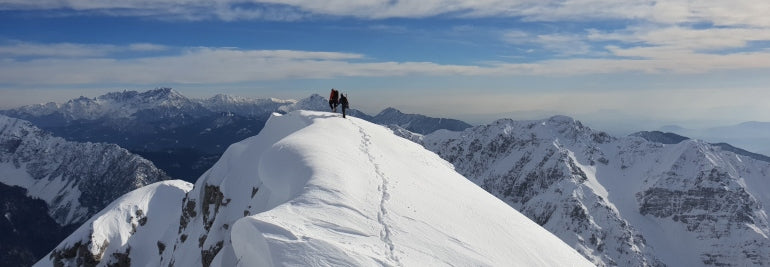
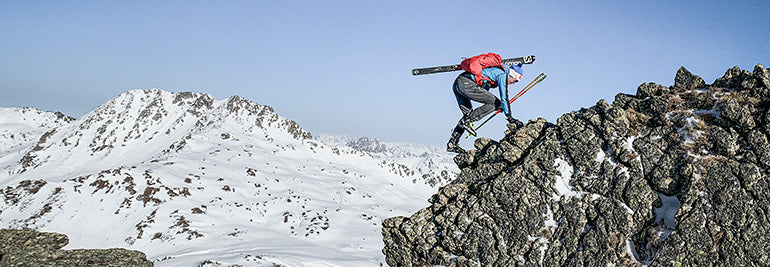
Photo by Klemen Tušar on Unsplash
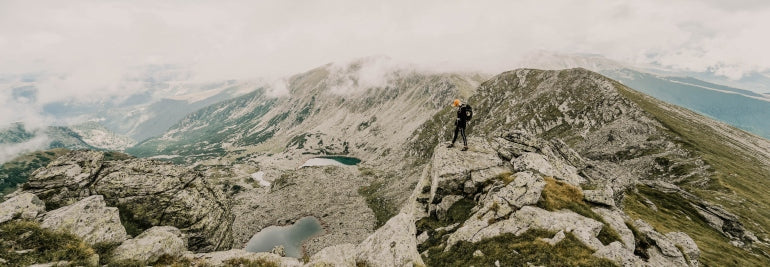
Photo by Jamie Davies on Unsplash
Read more articles
On the rise: top stories from World Vertical Week 2020
How to find your way in the mountains
7 tips to accelerating your vertical speed

Raising the stakes for Suunto World Vertical Week
© Philipp Reiter
For us mere mortals, the Hoch Tirol ski route in the Austrian Alps usually takes six days of gut busting effort and every ounce of our endurance.
German ski mountaineer and trail runner Philipp Reiter and fellow runner and ski mountaineer Frenchman Francois D'haene aim to cover the 100 km and 10,000 m vertical gain in 24 hours starting this coming Monday. Both men enjoy a challenge.
“There’s a saying that it’s well known that something isn’t possible, and then someone comes along and just does it,” Philipp says. “You set a new limit and show that something once considered impossible is possible.”
To Philipp, this is what Suunto World Vertical Week is all about; taking on personal challenges. “For myself, when I have overcome a challenge like this, and I have other challenges not connected to sports, I understand if I just keep taking steps towards the goal I’ll eventually reach it.”
You can follow their adventure live and enjoy the beauty of the Austrian Alps; Philipp and Francois will be posting shots live from their adventure to our Instagram feed.
Click to find out about the Suunto World Vertical Week 2020 photo contest!
© Philipp Reiter
When Philipp isn’t out training in the hills, he works as a photographer for Salomon, capturing the action at big races in Europe. Over the last few years Francois noticed that he won all of the races when Philipp was at them working. “Eventually we decided to do something together, which is quite nice,” Philipp says.
Considered the queen of all ski routes, the Hoch Tirol route begins in Kasern in South Tyrol, and traverses Austria’s fourth highest mountain, Großvenediger (3657 m), and ultimately ends on the summit of the nation’s highest mountain, Großglockner (3798 m).
Philipp and Francois will start their journey around 9am on February 24, pushing hard to cover as much ground as possible before night falls and the going gets tougher. “The second stage will be the toughest,” Philipp says. “Navigation will be a challenge. It will be cold and we will be tired.”
Follow Philipp and Francois's adventure live here.
Lead images: © Philipp Reiter
Read more articles
This challenge will take you higher!
Must run routes around the globe!
Which nation runs the fastest? 10 fun facts from 2019.

登山ルートの計画方法|距離・標高・天候を確認する7つのポイント
登山ルートを計画するとき、地図上の距離だけで行程を決めるのは危険です。同じ10kmでも、標高差、登山道の状態、天候、荷物、メンバーの経験によって、必要な時間と体力は大きく変わります。
安全な計画では、目的地までの線を引くだけでなく、引き返す時刻、代替ルート、休憩、日没、通信状況なども事前に考えます。GPSウォッチやアプリは計画と現在地確認に役立ちますが、山のリスクをなくすものではありません。
この記事では、登山ルートを計画する際に確認したい7つのポイントと、作成したルートをSuuntoウォッチで活用する方法を解説します。
目次
登山前にルート計画が必要な理由
1. 目的地と目的を明確にする
2. メンバーに合う難易度を選ぶ
3. 地形図でルートを確認する
4. 距離・標高差・時間を見積もる
5. 天候と季節のリスクを調べる
6. 代替ルートと撤退基準を決める
7. 計画を共有して登山届を提出する
Suuntoでルートを準備する
出発前チェックリスト
よくある質問
まとめ
登山前にルート計画が必要な理由
山では、道迷い、転倒、体調不良、急な天候変化などが起こる可能性があります。準備が不十分なまま予定より行動が遅れると、日没や気温低下など別のリスクも重なります。
ルート計画の目的は、予定どおり山頂へ着くことだけではありません。自分たちが安全に行動できる範囲を知り、状況が変化したときに中止・短縮・撤退を判断できるようにすることです。
初めて地図を使って計画する場合は、まず歩いたことのある場所や、整備された低山などから練習すると、地図上の情報と実際の地形を結びつけやすくなります。
1. 目的地と登山の目的を明確にする
最初に「どこへ行くか」「何を楽しみたいか」「使える時間はどのくらいか」を決めます。山頂を目指すのか、景色や自然観察を楽しむのか、トレーニングとして歩くのかによって、適したルートは変わります。
目的地だけでなく、登山口、下山口、休憩候補、分岐、山小屋などの主要地点も確認します。周回ルートでは、途中から元の道へ戻りにくい場合があるため、往復ルートとの違いも検討しましょう。
2. メンバーに合う難易度を選ぶ
計画は、グループで最も経験や体力の少ないメンバーを基準にします。普段の運動量だけでなく、登山経験、岩場や急斜面への慣れ、荷物の重さ、高所や暑さ・寒さへの対応力も考慮してください。
コースの難易度表示は参考になりますが、天候や季節によって実際の難しさは変わります。初心者を含む場合は、予定より余裕のある距離と時間を選び、難しい区間を避けられるルートも確認しておきます。
3. 地形図でルートを確認する
観光案内図だけでなく、等高線や地形、登山道を確認できる地形図を使います。ルート全体を眺め、次の要素を確認しましょう。
尾根、谷、峠、山頂などの大きな地形
急な上り下りや長く続く斜面
分岐、登山道が不明瞭になりやすい場所
予定を短縮して下山できるエスケープルート
沢や川を渡る場所
崖、岩場、露出した尾根など注意が必要な場所
山小屋、避難場所、水場、トイレ
携帯電話がつながりにくい可能性のある場所
等高線の間隔が狭い場所は傾斜が急で、広い場所は比較的緩やかです。ただし、地図だけでは登山道の崩落や積雪、倒木など最新の状況までは分かりません。山小屋、自治体、管理者などが発信する現地情報も確認してください。
4. 距離・標高差・行動時間を見積もる
行動時間は距離だけで決まりません。累積上昇量、下りの長さ、路面、休憩、混雑、荷物、メンバーの歩行速度を含めて考えます。
地図やルート作成サービスに表示される所要時間は目安です。休憩、写真撮影、衣服の調整、分岐の確認などに使う時間を加え、初めてのルートではさらに余裕を持たせます。
次の時刻を事前に決めておくと、進行状況を判断しやすくなります。
出発予定時刻
主要な分岐・山頂への到着予定時刻
引き返す最終時刻
下山予定時刻
日没時刻
最も遅い人のペースを基準にし、日没直前ではなく、明るいうちに余裕を持って下山できる計画にします。ヘッドライトは予定にかかわらず携行しましょう。
5. 天候と季節のリスクを調べる
出発前には、山域の天気予報、気温、降水、風、雷の可能性を確認します。山頂や稜線は、登山口より気温が低く、風が強い場合があります。
前日が晴れていても、雨による増水やぬかるみ、積雪・凍結、残雪などが残ることがあります。夏は熱中症や雷、秋冬は日没の早さと低温、積雪期は雪崩など、季節特有のリスクも考慮してください。
行動中は、対応するSuuntoウォッチのウェザーアラート(ストームアラーム)も、天候悪化に気づくための補助として活用できます。急な気圧低下を検知して通知されたら、空の暗さ、雲の発達、風、雷鳴など周囲の変化を確認し、稜線や山頂へ進む前に下山・撤退ルートを検討しましょう。ウェザーアラートは雷や雨を直接検知する機能ではなく、利用できる機能や設定はモデルによって異なります。出発前の公式な気象情報と現地の状況を優先してください。
▶︎雲の変化やウェザーアラートの見方は「登山で役立つ雲の種類|天気の変化と危険のサインを見分ける方法」で解説しています。
予報が悪い場合は、装備を増やして強行するのではなく、行き先や日程を変える、中止するという選択肢を持ちます。現地で予想より天候が悪化した場合も、早めに引き返してください。
6. 代替ルートと撤退基準を決める
計画したルートが通れない場合に備え、短縮して下山できるエスケープルート、同じ道を戻る地点、避難できる場所を確認します。あわせて、水場の位置や営業中の山小屋も地図上で確認しておきましょう。ただし、水場は渇水や凍結などで利用できない場合があるため、必要量の水は出発時に携行するのが基本です。分岐を通過する前に、その先へ進んでも安全に戻れる時間が残っているか判断します。
撤退基準は、山の中で迷いながら決めるのではなく、出発前に具体的にしておきます。
決めた時刻までに主要地点へ到着できない
雷、強風、大雨など天候が悪化した
登山道の崩落、増水、積雪などで通行が難しい
メンバーに痛み、体調不良、強い疲労がある
現在地や進行方向に確信が持てない
山頂へ到着することより、全員が安全に下山することを優先します。
7. 計画を共有して登山届を提出する
登山前に、ルート、メンバー、装備、出発・下山予定時刻、緊急連絡先を全員で共有します。家族や知人など山行に参加しない人にも、計画と帰宅予定を伝えておきましょう。
山域に応じた方法で登山届・登山計画書を提出します。オンライン、登山口の提出箱、警察への提出など、地域によって方法が異なります。計画を変更した場合は、共有先にも変更内容を伝えてください。
登山届は救助を保証するものではありませんが、万一の際に予定ルートやメンバー情報を伝える重要な手がかりになります。
Suuntoで登山ルートを準備する
Suuntoアプリでは、ルートを計画し、対応するウォッチへ同期できます。事前に地図上で距離や標高プロファイルを確認し、主要な分岐や山小屋などを目印として設定しておくと、行程をイメージしやすくなります。
Suunto Vertical 2は、長時間の登山やアウトドア活動で、地図とルートナビゲーションを活用したい人の選択肢です。
Suunto Race 2は、大きなAMOLEDディスプレイで地図やトレーニングデータを確認し、登山から持久系スポーツまで幅広く取り組みたい人に適しています。
Suunto Race Sは、コンパクトなサイズで日帰り登山、トレイルランニング、日々のトレーニングを記録したい人の選択肢です。
対応機能はモデルやソフトウェアのバージョンによって異なります。出発前にルートが正しく同期されているか、地図を表示できるか、バッテリー残量が十分かを確認してください。
ウォッチやスマートフォンの故障、電池切れ、GPS受信不良に備え、必要に応じて紙の地図とコンパス、予備電源も用意します。
▶︎ルートの作成・同期手順は「GPXルートをSuuntoウォッチに入れる方法」をご覧ください。
▶︎登山中の使い方は「登山・トレイルでルートをナビゲーション|Suuntoクライムガイダンスの使い方」で解説しています。
▶︎道迷いへの備えは「登山・ハイキングの安全対策|迷ったときに取るべき行動と出発前の準備」も参考にしてください。
出発前チェックリスト
目的地、ルート、距離、累積標高差を確認した
メンバーの経験と体力に合う難易度を選んだ
行動時間、休憩、引き返す時刻、日没を確認した
天気予報と最新の登山道情報を確認した
エスケープルート、撤退地点、避難場所、水場を確認した
対応ウォッチのウェザーアラート設定を確認した
食料、水、防寒着、雨具、救急用品、ヘッドライトを準備した
ウォッチとスマートフォンを充電し、ルートを同期した
登山届を提出し、家族などへ計画を共有した
よくある質問
登山ルートは距離だけで選んでもよいですか?
距離だけでは判断できません。累積標高差、傾斜、登山道の状態、技術的な難易度、天候、メンバーの体力なども確認してください。
ルートをウォッチへ入れれば紙の地図は不要ですか?
ウォッチは現在地確認やナビゲーションに役立ちますが、故障や電池切れの可能性があります。山域、ルート、経験に応じて紙の地図とコンパスも携行し、事前に使い方を練習してください。
予定より遅れていても山頂が近ければ進んでよいですか?
山頂までの距離だけでなく、その後の下山時間、天候、日没、メンバーの状態を考えます。事前に決めた引き返す時刻を守り、安全な下山を優先してください。
まとめ|安全に戻るところまでが登山計画
登山ルートの計画では、目的地までの距離だけでなく、標高差、地形、難易度、所要時間、天候、撤退方法を確認します。メンバーに合う余裕のある行程を選び、引き返す時刻と代替ルートも事前に決めておきましょう。
Suuntoアプリと対応ウォッチは、ルート作成、標高プロファイルの確認、登山中のナビゲーションに活用できます。ただし、デジタル機器だけに依存せず、装備、登山届、計画共有を含めて準備することが大切です。
計画したルートをウォッチへ
Suuntoの地図とルートナビゲーションを、登山前の準備と山での現在地確認に活用しましょう。
Suuntoウォッチを見る


アウトドアをもっとサステナブルに楽しむ10の方法|登山・ランニングでできること
Greg charges his electric car onroute to the mountains. © Greg Hill
With the release of his latest film, Electric Greg, skimo legend and Suunto ambassador Greg Hill showed how the adventure lifestyle can be more sustainable. He climbed more than 100 mountains without using any fossil fuel, instead relying on his small electric car to get him into the mountains.
Also a weekday vegetarian who grows his own vegetables, Greg has researched how he can “be a little better'' in terms being kinder to the planet. He says it’s not about being perfect, but just trying to improve incrementally.
“As outdoor enthusiasts we are the ones who appreciate and get so much back from nature, so we should be the ones doing the most to preserve it,” Greg says. “Snowboarder Jeremy Jones is the ideal example of that. He recognized his impacts and looked for ways to change it. In creating Protect our Winters, he enabled change on so many levels, from personal to political. We can all make a difference.”
Follow the cardinal rule
Before even thinking about other ways to be more sustainable, make sure you are following the cardinal rule of outdoor recreation: pack it in, pack it out. “It’s a pretty simple mantra,” Greg says. The only thing you should leave in the outdoors are your footprints, and the only thing you should take are photos.
For a month, Greg restricted himself to cycling to and from all his trips © Greg Hill
Find backyard adventures
Often times, destinations further afield seem more exotic. While it’s great fun to explore far away places, exploring our local recreation areas helps us to feel more connected to the land where we live. It’s fun to get a topographical map of your local area, note points of interest, and visit them all. It’s also a fun adventure project to walk, hike, bike or run every single trail in your local mountain or forest park.
Move to the mountains
If working remotely is a possibility for you, consider moving somewhere closer to the mountains. “If you love adventure, find the ideal town and move there, and then backyard adventure forever,” Greg says. This will result in less travel time, therefore less carbon emissions. And every morning you will look out the window and see the mountains waitining for you!
Greg is a weekday vegetarian. Studies show eating less meat is good for the planet. © Angela Percival / Arcteryx
Use rail when possible
One of the great things about living in Europe is the rail network. Sure, you might need to factor in more time to get to and from the mountains, but using rail, rather than driving a fossil fuel powered car, definitely helps us to be a little better. And after a big day in the mountains you can sit back on the train and enjoy a well earned beer or coffee.
Buy quality gear
In this age of fast fashion and disposable culture, we are conditioned to shop for the best bargain. But the best bargain is often not the best deal. Some outdoor gear – like Suunto watches, for example – have been designed and built to last. It’s also possible to send our watches back for repair, extending their lifespan. Other gear, like these running shoes designed by Salomon, can be recycled and turned into ski boots.
Yes, good quality, durable, hardy gear usually comes with a higher price tag, but ultimately it will save you money in the long run because it will last longer and perform better. While cheap quality products wear out quickly and end up in landfill.
Maintain your gear
To help make your gear last, get professional advice about how to maintain it properly. When you get home from a big hike, for example, clean your footwear properly with the correct cleaner, and keep your leather boots waxed so the skin doesn’t dry out, potentially cracking. And wash your rain gear with washing detergent designed for the job.
Go electric
Buying an electric car is awesome, but if it isn’t possible for you then another option is to rent one when you do visit somewhere by plane. “On the last trip that I had to fly to, I landed and rented an electric car,” Greg says. “It was a Tesla Model X and it was amazing!” Remember, it’s not about being perfect, just a little better.
Reduce microfiber plastic pollution
One of the big challenges for the outdoor gear industry is reducing microfiber plastic pollution. All the plastic-based sport clothing people wear sheds trillions of microfiber plastics when they are washed, which ends up in the ocean. It’s estimated there are now more than one million trillion microfiber plastics in our oceans. That’s about 200 million microfibers for every person on the planet. Ouch.
You can help tackle this problem by choosing to use clothing made of natural materials, such as wool, or you can use a Guppyfriend Washing Bag to prevent microfibers going into the waterway when you wash your plastic-based outdoor clothing.
Choose ethical companies
“Buy from companies that have good ethical policy towards the environment and are pushing change at their corporate level,” Greg says. “Many companies are now working hard at being better.” Visit company websites and see what they are doing about sustainability. Suunto’s environmental policy is here.
Avoid packaging
Plastic packaging is a big problem for the planet’s ecosystems. It’s out of control. So, instead of buying flapjacks, for example, make your own. Take a reusable water bottle, reusable food containers, and do everything in your power to phase out packaging!
Lead images: © Angela Percival/ Arcteryx
Read more articles:
Fuelling the engine: talking nutrition with Greg Hill
Proving electric adventure is the future
How to find your way in the mountains
8 avalanche safety checks to tick off before the ski season


