




SUUNTOブログ


FKTとは?トレイルランニングの最速記録に挑戦する方法
決められた開催日も、スタートゲートも、参加者との順位争いもない。それでも、一つのルートを誰よりも速く走ることに挑む人たちがいます。その記録がFKT(Fastest Known Time/確認されている最速タイム)です。
FKTは大会とは異なり、自分で日程やサポート方法を決められる一方、正式な記録として認められるには、ルートの条件やGPSデータによる検証が必要です。本記事では、FKTの意味、一般的なレースや自己ベストとの違い、挑戦までの準備、安全対策、SUUNTOを使ったルート案内と記録方法を解説します。
目次
FKTとは
レースや自己ベストとの違い
FKTとして認められるルート
3つのサポート形式
FKT挑戦の準備
SUUNTOでナビゲーション・記録する
記録を検証できる形で残す
安全のために決めておくこと
まずは個人チャレンジから
まとめ
FKTとは
FKTは「Fastest Known Time」の略で、日本語では「確認されている最速タイム」という意味です。特定のトレイル、登山道、縦走路、道路などを、定められたルートに沿って最も速く完了した記録を指します。
山やトレイルを速く移動する試み自体は新しいものではありません。SUUNTOの英語記事では、1864年のモンブランや1874年のマウント・シャスタで時間を計った登山の記録にも触れています。現在はGPSウォッチやオンライン地図によって、ルートと経過時間を客観的に残しやすくなり、FKTという名称が世界のトレイルランニングコミュニティへ広がりました。
世界の主要なルートと記録は、コミュニティサイトFastest Known Timeで管理されています。ただし、すべての速いランニングが正式なFKTになるわけではありません。
レースや自己ベストとの違い
項目
FKT
レース
個人の自己ベスト
実施日
自分で選ぶ
主催者が指定
自分で選ぶ
比較対象
同一ルートの既知の最速記録
同じ大会の参加者
過去の自分
ルート管理
挑戦者が確認
主催者が案内
自由
記録の検証
GPSデータなどを提出
主催者が計測
通常は不要
自分の好きなルートで過去のタイムを更新することにも大きな価値がありますが、登録ルートで他の記録と比較し、検証を受けるFKTとは区別して考えると分かりやすいでしょう。
FKTとして認められるルート
Fastest Known Timeの現行ガイドラインでは、ルートは他の人も繰り返して挑戦したいと思えるほど特徴的で、地域にとって意味のあるものであることが求められます。景観、歴史・文化、競争の歴史、知名度、地形上の自然なつながりなどが判断材料になります。
原則として8km以上、または累積標高150m以上が目安
道路、トレイル、オフトレイルのいずれでもよい
スタートとフィニッシュが登山口、山頂、湖、史跡など論理的な地点である
私有地への無断侵入や、法令・施設規則に反するルートではない
既存の登山道ではショートカットせず、地域で一般的なラインを尊重する
速いタイムだけでなく、再現できるルートであることが重要です。新しいルートを申請する場合は、事前に全行程を下見し、地域での利用ルールやリスクを調べておきましょう。
3つのサポート形式
FKTには、外部サポートの受け方によって3つの形式があります。優劣ではなく、どの条件で挑戦したかを明確にする分類です。
形式
基本的な考え方
例
Unsupported外部サポートなし
必要な装備と補給を原則として最初から最後まで自分で運ぶ
自然の水源や公共の水道を利用し、それ以外は携行する
Self-Supported自己手配型
誰でも同じ条件で利用できる店舗、宿泊施設、事前配置の補給などを使う
途中の店で自分で購入する、事前に補給品を置く
Supportedサポートあり
個人向けの補給や伴走など、外部からの支援を受ける
サポートクルーから補給を受ける、ペーサーと走る
細かな扱いは更新される可能性があります。正式な申請を考えている場合は、挑戦前に最新のFKTガイドラインで、自分の計画がどの形式に該当するか確認してください。
FKT挑戦の準備
1. 既存ルートと記録を調べる
公式サイトでルート、方向、現在の記録、過去のレポートを確認します。ルート名が同じでも、片道・往復や季節などのバリエーションが分かれている場合があります。
2. 地図とアクセス条件を確認する
距離と累積標高だけでなく、路面、分岐、水場、エスケープルート、携帯電話の圏外区間、登山道の通行規制、公共交通の終了時刻まで調べます。ルート作成の基本は、登山ルートを計画する7つのポイントも参考にしてください。
3. できれば本番ルートで試走する
曲がりやすい分岐、走れる区間、慎重に進む区間を身体で覚えます。遠方で試走できない場合は、路面、勾配、標高、気候が近い場所で練習します。
4. タイムと補給を区間ごとに計画する
目標を区間に分け、通過予定時刻、水分、糖質、装備交換の場所を決めます。長時間の運動で使われるエネルギーについては、運動の3つのエネルギー供給機構で詳しく解説しています。
5. 天候と撤退条件を決める
最速タイムを狙う日でも、安全を天候より後回しにはできません。雷、強風、大雨、高温・低温、積雪などを想定し、開始しない条件と途中で中止する条件を明文化します。山の変化を読むには、SUUNTOで天候を確認する方法も役立ちます。
6. 計画を第三者と共有する
ルート、開始・終了予定、通過予定、連絡方法、中止時の行動を家族やサポート担当者へ共有します。正式なFKTが単独形式でも、安全計画まで一人だけで抱える必要はありません。
SUUNTOでナビゲーション・記録する
FKTでは、ルートを外れずに進むことと、挑戦全体のGPS記録を残すことが重要です。長い山岳ルートでは、オフラインマップと長時間のGPS記録に対応するSuunto Vertical 2が、ナビゲーションと記録の両方を支えます。
Suuntoアプリでルートを作成するか、公式ルートのGPXファイルを取り込む
ルートをウォッチへ同期し、オフラインマップの対象地域をダウンロードする
距離、経過時間、心拍数、上昇、バッテリー残量など必要なデータ画面を準備する
本番と同じスポーツモード、GPS精度、ナビゲーション設定で試走する
スタート地点でGPS測位を待ち、アクティビティを開始する
フィニッシュまで記録を終了せず、停止後にSuuntoアプリへ同期する
長時間の挑戦では、最速を狙うためのGPS精度と、最後まで記録を残すためのバッテリー持続時間の両方を考えます。使用するウォッチで想定時間をカバーできるか、SUUNTOのバッテリーモードの使い分けを事前に確認してください。
記録を検証できる形で残す
FKTの公式サイトへ記録を申請する場合は、挑戦したことを第三者が確認できる資料が必要です。現行の検証ガイドでは、次の資料が挙げられています。
ウォッチまたはメーカーのアプリから取得した元のGPSデータ(GPX、TCX、FIT、KMLなど)
Suuntoアプリなどで公開したアクティビティへのリンク
ルート、天候、補給、トラブルなどを記した行動レポート
撮影時刻や位置情報を確認できるオリジナル写真
計測時間は「移動時間」ではなく、スタートからフィニッシュまで時計を止めない経過時間が基準です。ルートを離れる必要があった場合は、同じ地点へ戻って再開します。
本番前に、GPSデータを書き出せることまで確認しましょう。ウォッチの操作、GPS設定、バッテリー、アプリへの同期を短いテスト走で確認しておくと、記録の消失を防ぎやすくなります。
安全のために決めておくこと
FKTではペースが上がり、疲労した状態でも判断を急ぎやすくなります。記録よりも安全を優先し、次の項目を挑戦前に決めてください。
体調不良、痛み、転倒、低体温、熱中症などの中止基準
雷、増水、視界不良、強風など天候による中止基準
日没後に必要なライトと予備電源
水、食料、防寒着、救急用品、紙地図などの必携装備
ルートを外れた場合やウォッチが故障した場合の行動
救助要請時に現在地を緯度・経度で伝える方法
計画どおりに進まなくなったときは、登山中のトラブルに対応する9つの行動を思い出してください。撤退は失敗ではなく、次の挑戦へつなげる判断です。
まずは個人チャレンジから
最初から世界的な登録ルートの最速記録を狙う必要はありません。よく知る安全なルートで、過去の自分のタイムを更新する「パーソナルFKT」から始めれば、ルート管理、ペース配分、補給、GPS記録の練習になります。ただし、正式に検証された記録と混同しないよう、発信するときは「個人チャレンジ」「自己ベスト」と明記するとよいでしょう。
距離ではなく累積標高を目標にしたい場合は、同じ坂を繰り返して8,848mを目指すエベレスティングの挑戦方法もあります。FKTは特定ルートのタイム、エベレスティングは累積標高という違いがあり、自分が楽しめる目標を選べます。
まとめ
FKTは、特定のルートで「確認されている最速タイム」に挑む、レースとは異なるトレイルランニング文化です。日程やサポート形式を自分で選べる自由がある一方、ルートの再現性、経過時間、GPSデータ、安全計画が欠かせません。
まずはルートを調べ、試走し、Suuntoアプリとウォッチでナビゲーションと記録をテストしましょう。最速タイムに届かなかったとしても、挑戦から得た記録と経験は、次の山行やトレーニングに役立ちます。
次の挑戦を、ルートとともに記録しよう
オフラインマップ、ルートナビゲーション、長時間のGPS記録に対応するSUUNTOスポーツウォッチをチェックしてください。
SUUNTOスポーツウォッチを見る


登山ナビゲーションで身につけたい5つのスキル|山で迷わないための基本
登山やトレイルランニングで「山のナビゲーションを身につけたい」と思っても、何から始めればいいのか迷う人は多いでしょう。地形図、コンパス、ルート計画、現在地確認、GPSウォッチ。どれも大切ですが、一度にすべてを覚える必要はありません。
山でのナビゲーションは、本を一冊読めば身につく技術ではありません。
地図で学び、実際の地形と照らし合わせ、行動中に現在地を確認する。その経験を繰り返すことで、少しずつ「今どこにいるのか」「次に何があるのか」を判断できるようになります。
Suuntoのナビゲーションエキスパート、Terho Lahtinenも、地図読みと現在地を把握する力は互いに支え合うスキルであり、山で経験を積みながら身につけていくことが重要だと考えています。
この記事では、細かなテクニックをひとつずつ解説するのではなく、山のナビゲーションを学ぶために、どんなスキルをどの順番で身につけていけばよいのかを5つのステップで整理します。
目次
登山のナビゲーションとは?
1. 地形図を読んで山の形をイメージする
2. 出発前にルートを計画する
3. 行動中も現在地を確認し続ける
4. 視界不良や予定変更に対応する
5. 慣れた場所でナビゲーションを練習する
地図・コンパス・スマホ・GPSウォッチの役割
GPSウォッチはナビゲーションをどうサポートする?
初心者はどこから始めればいい?
まとめ|ナビゲーション力は山で繰り返し磨いていく
ナビゲーションを詳しく学ぶ関連記事
Photo by Jan-Niclas Aberle on Unsplash
登山のナビゲーションとは?
山でのナビゲーションとは、単に「目的地まで道を案内してもらうこと」ではありません。
大切なのは、
今どこにいるのか
どちらへ進んでいるのか
次にどんな地形が現れるのか
計画通り進めているのか
状況が変わったときにどう対応するのか
を自分で考えながら行動することです。
GPSウォッチやスマートフォンを使えば、現在地を簡単に確認できます。
しかし、画面上の点だけを見るのではなく、地図に描かれた情報と、目の前にある山・尾根・谷・分岐などを結びつけられるようになることがナビゲーション力の土台になります。
Terhoは、ナビゲーション能力が高まることで、知らない場所へ出かけるときの自信にもつながると話しています。
そのための学習を、5つのスキルに分けて考えてみましょう。
1. 地形図を読んで山の形をイメージする
最初に身につけたいのが、地形図を見る習慣です。
地形図には、登山道だけでなく、尾根、谷、ピーク、斜面の傾きなど、山の立体的な形を理解するための情報が描かれています。
Terhoが特に重要だと考えているのも、地図を読み、そこに描かれている情報を実際の地形と結びつける力です。
初心者なら、まず自分がよく知っている山やハイキングコースの地図を見てみましょう。
「このピークは地図ではここ」
「この急な登りは等高線が詰まっている」
「この谷は地図ではこう表現されている」
といったように、知っている景色と地図を結びつけるところから始めると理解しやすくなります。
このページでは等高線やコンパスの使い方まで詳しく説明しません。
地形図の読み方や現在地把握を詳しく知りたい人は、こちらの記事から学んでください。
▶︎ 登山で道迷いを防ぐには?地図・コンパス・GPSウォッチを使ったナビゲーションの基本
2. 出発前にルートを計画する
地図を見る基本が身についてきたら、次は出発前のルート計画です。
登山ルートを考えるときは、目的地だけではなく、
どこからスタートするか
どこを通るか
どんな地形を通過するか
どのくらい時間がかかりそうか
途中で確認できる目印は何か
同行者の経験や体力に合っているか
などを確認します。
Terhoは、地図読みに慣れていない場合、最初は自分がよく知っている場所でルートを考えることをすすめています。
実際の景色を知っている場所なら、「地図ではどう表現されているのか」を確認しやすいためです。
このページの役割はルート計画の全体像を示すことなので、具体的な計画手順は個別記事にまとめています。
▶︎ 登山ルートの計画方法|距離・標高・天候を確認する7つのポイント
3. 行動中も現在地を確認し続ける
ルートを計画したら、次に大切なのは行動中に現在地を見失わないことです。
ナビゲーションでは、「迷ってから現在地を探す」のではなく、迷う前から現在地を把握し続けることが重要です。
例えば、
「次の分岐はこの尾根を越えたあと」
「30分ほど歩いたら沢を横切る」
「このピークの先から長い下りが始まる」
といったように、次の目印を頭に入れながら行動します。
Terhoがすすめているのも、区間を歩き始める前に地図を確認し、これから現れる地形やランドマークをイメージすることです。
現在地確認を行動の一部にしておけば、予定したルートから外れたときにも早く違和感に気づきやすくなります。
行動中に道を外れないための具体的な考え方はこちら。
▶︎ 登山で道迷いを防ぐ9つのポイント|ルート確認とナビゲーションの基本
4. 視界不良や予定変更に対応する
登山では、どれだけ計画を立てても予定通りにならないことがあります。
霧が出る。
雨が強くなる。
想定より時間がかかる。
ルートが分かりにくくなる。
体力が予定以上に消耗する。
こうした状況では、最初に作った計画に固執するのではなく、その場の条件に合わせて判断を変える力が必要です。
特に視界が悪くなると、遠くのピークやランドマークが見えなくなります。
そのようなときには、尾根や沢、道などの地形を利用したり、GPS機器で現在地を確認したりしながら判断します。
重要なのは、GPSがあるから予定通り進めるということではありません。
引き返す、別のルートへ変更する、その場で行動を見直すこともナビゲーションの一部です。
視界不良や計画外の状況への対応は、こちらの記事で詳しく紹介しています。
▶︎ 登山中にトラブルが起きたら?安全に対応するための9つの行動
Photo by Fabrizio Conti on Unsplash
5. 慣れた場所でナビゲーションを練習する
最後のスキルは、特別なテクニックではありません。
繰り返し練習することです。
Terhoは、ナビゲーションは本を読んだだけでは身につかず、さまざまな地形や条件の中で実際に練習する必要があると話しています。
最初から知らない山や難しいルートへ出かける必要はありません。
例えば、よく知っているハイキングコースで、
出発前に地形図を確認する
現在地を予想してからGPSで確認する
目の前の尾根や谷を地図上で探す
次の分岐までの時間を予想する
歩き終わってからルートを振り返る
といった練習ができます。
慣れた場所なら、ナビゲーションに集中して練習できます。
Terhoによれば、地図を定期的に見て、ときどき屋外で数時間練習するだけでも、数か月単位で上達していくことができます。
年に一度だけ使う技術ではなく、山へ行くたびに少しずつ使う。
それがナビゲーション力を育てる近道です。
地図・コンパス・スマホ・GPSウォッチの役割
現在の登山では、ナビゲーションに使える道具が増えています。
大切なのは、「どれが一番優れているか」を決めることではなく、それぞれの特徴を理解して組み合わせることです。
道具
主な役割
地形図
広い範囲の地形やルート全体を俯瞰する
コンパス
方角を確認し、地図と実際の方向を合わせる
スマートフォン
地図や詳細なルート情報を確認する
GPSウォッチ
行動中に現在地・ルート・距離などを手元で確認する
スマートフォンやGPSウォッチは非常に便利ですが、バッテリー、故障、操作ミスなどの可能性があります。
一方、紙地図やコンパスも、使い方を知らなければ十分に活用できません。
デジタルかアナログかの二者択一ではなく、複数の手段を使えるようにしておくことが大切です。
GPSウォッチはナビゲーションをどうサポートする?
GPSウォッチの強みは、登山中に現在地やルートを手元ですばやく確認できることです。
Suuntoアプリで事前にルートを作成したりGPXデータを取り込んだりして、対応するSuuntoウォッチへ同期しておけば、山でルートナビゲーションを利用できます。
例えば、
現在地を確認する
予定したルートとの位置関係を見る
分岐前にルートを確認する
距離や標高の進行状況を見る
といった場面で役立ちます。
Suunto Vertical 2は、オフラインマップとルートナビゲーションを備え、長時間の山岳アクティビティで現在地やルートを確認するための選択肢です。
ただし、GPSウォッチがあることは「迷わないこと」や「安全」を保証するものではありません。
地形、天候、公式ルート情報、現地の標識、地図やコンパスなどと組み合わせ、判断をサポートする道具として活用してください。
Suuntoアプリでの具体的なルート作成方法を知りたい場合は、操作方法を解説した記事へ進んでください。
▶︎ Suuntoアプリでルートを作る6つの方法|GPX・ヒートマップも解説
Suunto Vertical 2を見る
初心者はどこから始めればいい?
ナビゲーションをこれから学ぶ人は、すべての技術を一度に身につけようとする必要はありません。
まずは次の順番で進めてみましょう。
よく知っている山の地形図を見る
地図と実際の景色を照らし合わせる
簡単なルートを自分で計画する
歩きながら現在地を確認する
GPSウォッチと地図の表示を比較する
少しずつ知らないルートへ広げていく
ナビゲーションの練習だからといって、いきなり登山道のない場所へ入る必要はありません。
まず安全でよく知っている環境で、地図を見る回数を増やすこと。
そこから始めるだけでも、山を見る目は少しずつ変わっていきます。
まとめ|ナビゲーション力は山で繰り返し磨いていく
登山のナビゲーションは、ひとつのテクニックだけで成り立つものではありません。
今回紹介した基本は、次の5つです。
地形図を読む
ルートを計画する
行動中に現在地を確認する
視界不良や予定変更に対応する
繰り返し練習する
そして、地図、コンパス、スマートフォン、GPSウォッチなど、それぞれの道具を状況に応じて使い分けます。
Terhoが伝えているように、ナビゲーションは時間をかけて身につけていく技術です。
最初から完璧に地図を読めなくても構いません。
次に山へ行くとき、いつもより少し多く地図を見る。現在地を一度多く確認する。目の前の地形を地図上で探してみる。
その積み重ねが、知らない山へ出かけるための判断力と自信につながっていきます。
ナビゲーションを詳しく学ぶ関連記事
このページは山岳ナビゲーション全体の入口です。学びたいテーマに合わせて、各記事へ進んでください。
地図読み・現在地把握を学ぶ|登山で道迷いを防ぐには?地図・コンパス・GPSウォッチを使ったナビゲーションの基本
出発前の計画を学ぶ|登山ルートの計画方法|距離・標高・天候を確認する7つのポイント
行動中の現在地確認を学ぶ|登山で道迷いを防ぐ9つのポイント
視界不良・トラブル時の対応を学ぶ|登山中にトラブルが起きたら?安全に対応するための9つの行動
デジタルでルートを作る|Suuntoアプリでルートを作る6つの方法

登山中にトラブルが起きたら?安全に対応するための9つの行
登山では、十分に計画していても、天候の急変、濃霧、道迷い、体調不良などが起こることがあります。状況が悪化したときに大切なのは、予定どおり進むことではなく、安全に戻るための判断へ切り替えることです。
この記事では、SUUNTOのナビゲーション専門家Terho Lahtinenのアドバイスをもとに、山でトラブルが起きたときの9つの行動を紹介します。なお、現場の状況はそれぞれ異なります。生命の危険や自力下山が困難な場合は、早めに救助を要請してください。
状況が変わったら、予定を守ることより安全な選択へ切り替えます。Photo: Tim Tiedemann / Unsplash
目次
最初に立ち止まり、状況を整理する
1. 変化へ早めに対応する
2. 落ち着いて身体を守る
3. 選択肢をすべて検討する
4. 最も分かりやすいルートを選ぶ
5. 現在地を確定する
6. 時間と移動距離を確認する
7. 地形の目印を利用する
8. 地図・コンパス・GPSを組み合わせる
9. 動かず待つ選択をする
救助を要請するときに伝えること
SUUNTOのナビゲーションを備えに活用する
よくある質問
まとめ
最初に立ち止まり、状況を整理する
「道が違うかもしれない」「天候が急に悪くなった」と感じたら、確信のないまま進み続けないことが重要です。まず安全に立ち止まれる場所を選び、次の順番で整理します。
止まる:危険な地形から離れ、安全を確保する
考える:最後に現在地を確認できた場所と時刻を思い出す
観察する:天候、体調、装備、日没までの時間、通信状況を見る
計画する:戻る、短縮する、退避する、待つ、救助を呼ぶなどを比較する
グループの場合は、一人の判断だけで進まず、全員の体調、経験、装備を確認します。
1. 変化へ早めに対応する
状況が悪化してから対応するより、最初の小さな変化で計画を見直す方が選択肢を残せます。雲が増える、風が強くなる、予定より遅れる、メンバーのペースが落ちるといった変化を見逃さないようにします。
出発前には、短い代替ルート、途中の下山口、避難できる場所を確認し、防寒着、雨具、ヘッドライト、救急用品、予備電源を準備します。
対応するSUUNTOウォッチのストームアラームは、急な気圧低下へ気づくきっかけになります。雲や風と組み合わせた確認方法は、登山やトレイルで天気を確認する8つの方法で解説しています。
2. 落ち着いて身体を守る
焦ると、現在地を確認せず動いたり、危険な近道を選んだりしやすくなります。まず雨風を避けられる場所を探し、防寒着を着て、可能なら水分や行動食を取ります。
低体温が疑われる場合は、濡れた衣類を可能な範囲で交換し、風と地面から身体を守ります。強い震え、判断力の低下、ろれつが回らない、意識の混乱などがあれば緊急性があります。
3. 選択肢をすべて検討する
「山頂へ進む」「来た道を戻る」だけでなく、短いルートへ変更する、近い避難場所へ移動する、その場で待機する、救助を求めるという選択肢があります。
長く待ち望んだ登山でも、延期や撤退が最善の場合があります。最も経験のある人ではなく、体調や装備に余裕がないメンバーを基準に判断します。
4. 最も分かりやすいルートを選ぶ
濃霧、雨、雪、暗さで視界が悪いときは、距離が短そうな近道より、明瞭な登山道や安全に確認できるルートを選びます。地図上で近く見えても、急斜面、崖、沢、藪があると移動は難しくなります。
ルートが分からない状態で谷へ下れば安全とは限りません。沢は滝や崖へ続く場合があり、増水の危険もあります。確実な情報がないまま「とにかく下へ」と進まないでください。
視界不良時は、分かりやすく安全を確認できるルートを優先します。Photo: asoggetti / Unsplash
5. 現在地を確定する
最後に確実に分かっていた場所、通過時刻、進んだ方向を確認します。地図、GPS、標高、周囲の地形を照合し、一つの情報だけで現在地を決めないようにします。
現在地を特定できない場合は、むやみに動くほど捜索範囲が広がる可能性があります。安全な場所で立ち止まり、通信できるうちに状況を共有することも検討してください。
ウォッチの地図画面で現在地と周辺地形を確認できれば、予定ルートからどちらへ外れたかを把握しやすくなります。画面の見方や縮尺の使い分けは、SUUNTOの地図・ナビゲーション画面の見方をご覧ください。
6. 時間と移動距離を確認する
視界不良では、実際より長く進んだように感じることがあります。一方、歩行速度は通常より遅くなりがちです。最後に現在地を確認した時刻と、その後の移動時間から、現在地の候補範囲を絞ります。
日没までの残り時間も重要です。暗くなる前に安全な場所へ移動できない場合は、早めに待機や救助要請を検討します。
7. 地形の目印を利用する
ナビゲーションでは、道、尾根、植生の境界、明確な柵など、地図上で確認でき、たどりやすい線状の地形を「ハンドレール」として利用する方法があります。
ただし、川や沢を目印にする場合は、増水、滝、崖、滑りやすい斜面に注意が必要です。目印を追うことが安全か、地図と現地の両方で確認してください。
8. 地図・コンパス・GPSを組み合わせる
紙の地図、コンパス、高度計、GPSウォッチ、スマートフォンは、それぞれ得意な情報と弱点が異なります。バッテリー切れ、故障、画面破損、位置情報の誤差へ備え、一つの機器だけに依存しないことが重要です。
地図で地形を確認し、コンパスで方向を照合し、GPSで現在地候補を確認します。高度情報も、斜面上の位置を絞る手がかりになります。
予定ルートを登録していなかった場合でも、対応モデルでは運動開始時に目的地やPOIを選んでナビゲーションを開始できます。詳しくは、SUUNTOのクイックスタートナビゲーションを使う方法をご覧ください。
9. 動かず待つ選択をする
安全に移動できない場合は、風雨を避けられる場所で待つ方がよいことがあります。無理に進んで転倒したり、現在地をさらに分からなくしたりするより、体温を守り、明るくなるのを待つ方が安全な場合があります。
ただし、落石、雪崩、増水、雷、崖、強風にさらされる場所では待機できません。現在地の危険を確認し、必要なら安全を確保できる最小限の移動を行います。
救助を要請するときに伝えること
生命の危険がある、負傷して動けない、現在地が分からず安全に戻れない場合は、通信できるうちに救助を要請します。日本では警察の110番、消防・救急の119番が緊急通報です。
可能な範囲で、次の情報を伝えます。
氏名と連絡先
GPS座標、山名、登山道、最後に確認できた地点
人数、負傷や体調の状態
服装、テントや防寒具の有無
天候と周囲の目印
バッテリー残量
対応するSUUNTOウォッチで現在地の座標を確認できる場合は、緯度・経度または設定している座標形式を読み上げます。座標は数字を一桁ずつ区切って復唱し、救助側と一致していることを確認してください。あわせて、山名、登山道名、近くの分岐・沢・尾根・建物、表示されている標高なども伝えると、位置を照合しやすくなります。
座標の読み間違いやGPSの誤差も考えられるため、数字だけでなく周囲の状況も必ず伝えます。スマートフォンが通信できる場合は、救助機関の案内に従って位置情報を共有してください。
通報後は、救助機関の指示に従います。連絡なしに大きく移動すると発見が難しくなるため、移動が必要な場合は可能な限り伝えてください。
SUUNTOのナビゲーションを備えに活用する
Suunto Vertical 2では、オフラインマップ、ルートナビゲーション、リアルタイムのブレッドクラム、POI、高度、ストームアラーム、内蔵LEDフラッシュライトなどを利用できます。これらは、山で次のように活用できます。
機能
トラブル時に役立つ場面
オフラインマップ
携帯電波がない場所でも、現在地と周囲の地形を確認する
ルート・ブレッドクラム
予定ルートと実際に通った軌跡を照合し、外れた場所や戻る方向を検討する
現在地・座標・高度
救助要請時に現在地を伝え、地図上の位置と照合する
POI
登山口、山小屋、避難場所、分岐など、保存した地点への方向と距離を確認する
クライムガイダンス
ルート上に残る登り下りを確認し、体力と時間から継続・撤退を考える
ストームアラーム
急な気圧低下を、天候とルートを見直すきっかけにする
内蔵LEDフラッシュライト
暗い場所で手元や装備を一時的に確認する補助灯として使う
出発前にルートと重要地点を登録する
Suuntoアプリでルートを作成・同期し、登山口、分岐、山小屋、避難場所、途中の下山口などをPOIとして確認しておきます。外部で作成したGPXルートを準備する方法は、GPXルートをSuuntoウォッチへ入れる方法で解説しています。
残りの登り下りから撤退を判断する
現在地だけでなく、先にどの程度の登り下りが残っているかも重要です。クライムガイダンスの使い方は、登山・トレイルで役立つSUUNTOクライムガイダンスをご覧ください。
長時間行動ではバッテリーを計画する
地図やGPSを必要なときに使えるよう、出発前に充電し、行動時間に合うバッテリーモードを選びます。モードの違いは、SUUNTOのGPSウォッチのバッテリーモードで確認できます。
ウォッチは安全を支える道具ですが、救助を保証する装置ではありません。内蔵LEDもヘッドライトの代用品ではないため、主照明と予備ライトを別に携行します。紙の地図、コンパス、予備電源、通信手段と組み合わせ、事前に操作を練習してください。ルート計画は、登山前に安全なルートを計画する7つのポイントで解説しています。
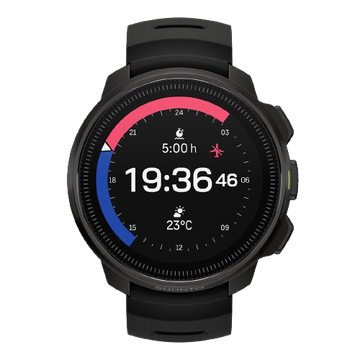
Suunto Vertical 2 All Black。商品画像をタップすると商品ページを確認できます。
よくある質問
道に迷ったら、来た方向へ戻ればよいですか?
戻るルートを確実に確認でき、安全に歩ける場合は選択肢になります。しかし、方向や現在地が不明な状態で動くと状況を悪化させる可能性があります。まず立ち止まり、位置と安全を確認してください。
GPSウォッチがあれば紙の地図は不要ですか?
不要とはいえません。電子機器には電池切れや故障の可能性があります。紙の地図とコンパスを携行し、使い方を身につけておくとバックアップになります。
救助要請をするか迷った場合はどうすればよいですか?
負傷、低体温、日没、天候悪化、通信状況などから、自力で安全に戻れるかを判断します。状況がさらに悪化してからでは通信や救助が難しくなる場合があるため、生命・身体の危険がある場合は早めに要請してください。
まとめ
登山中に状況が悪化したら、まず安全な場所で立ち止まり、天候、現在地、体調、装備、残り時間を整理します。最も分かりやすいルートを選び、地図、コンパス、GPS、高度を組み合わせて判断してください。
予定の達成より、安全に帰ることが最優先です。自力での下山が困難、または生命の危険がある場合は、通信できるうちに救助を要請しましょう。
登山前にルートを準備しよう
オフラインマップとナビゲーションに対応するSUUNTOのGPSスポーツウォッチをご覧ください。
SUUNTOのスポーツウォッチを見る


登山で道迷いを防ぐ9つのポイント|ルート確認とナビゲーションの基本
登山中、「予定したルートから外れていないか」「この分岐で合っているか」と不安になった経験はありませんか。山での道迷いは、明確な異変に気づいた瞬間ではなく、小さな違和感を見過ごして歩き続けることで深刻になることがあります。
この記事では、フィンランド代表として20年以上オリエンテーリングに取り組み、アドベンチャーレースでもナビゲーターを務めたSuuntoのTerho Lahtinen(テルホ・ラハティネン)の知見をもとに、登山でルートを外れにくくする9つのポイントを紹介します。地図・コンパス・GPSウォッチを組み合わせ、現在地をこまめに確認する習慣を身につけましょう。
目次
登山で道迷いを防ぐための基本
登山でルートを外れないための9つのポイント
ルートを外れたと感じたときの対処
Suuntoのナビゲーションを登山に活用する
登山の道迷い対策についてよくある質問
まとめ
登山で道迷いを防ぐための基本
登山のナビゲーションで大切なのは、道を間違えてから現在地を探すことではありません。行動中に「次に見えるはずの地形や目印」を予測し、実際の景色と照合し続けることです。
出発前には、距離や標高差だけでなく、分岐、尾根、沢、山小屋、林道との交差など、現在地を判断しやすい地点を確認します。詳しい準備方法は、関連記事「登山ルートの計画方法|距離・標高・天候を確認する7つのポイント」も参考にしてください。
安全上の注意:GPSウォッチやスマートフォンは有効な補助ツールですが、電池切れ、故障、測位誤差などに備え、紙地図やコンパス、予備電源も準備してください。立入禁止区域や登山道を外れて進むことを推奨するものではありません。
登山でルートを外れないための9つのポイント
1. 出発前に装備を最終確認する
登山口に着いたら、歩き始める前にナビゲーション装備を確認します。紙地図、コンパス、ヘッドライト、救急用品、スマートフォン、GPSウォッチ、予備電源など、計画した山行に必要なものがそろっているかを見直しましょう。
電子機器は充電残量だけでなく、予定ルートが正しく同期されているか、必要なオフラインマップをダウンロード済みかも確認します。現地で初めて設定を始めると、通信環境や時間の制約で準備できない場合があります。
2. 同行者全員でルートと行程を共有する
グループ登山では、リーダーだけがルートを把握する状態を避けます。目的地、予定距離、休憩地点、宿泊地、分岐、引き返す時刻などを出発前に共有してください。
次に目指す地点や注意する地形を全員が理解していれば、誰かが違和感に気づきやすくなります。体調や歩行ペースも声に出して共有し、予定に固執しない雰囲気をつくることが安全につながります。
3. チェックポイントと引き返す時刻を決める
「正午までに山頂へ到着する」といった大きな予定だけでなく、分岐、峠、山小屋などのチェックポイントごとに通過時刻の目安を持ちましょう。休憩やトイレ、写真撮影にかかる時間も含めて余裕を設けます。
疲労、日没、悪天候などを考慮し、「この時刻までに到着できなければ引き返す」という基準を事前に決めておくと、その場の勢いに流されにくくなります。
4. 尾根や沢などの「ハンドレール」を使う
ナビゲーションにおけるハンドレールとは、尾根、沢、川、湖岸、林道、谷など、進行方向の手掛かりになる連続した地形です。地図上のハンドレールと実際の景色を照らし合わせると、自分がどの方向へ進んでいるかを判断しやすくなります。
ただし、沢や尾根が目的地へ続いているように見えても、方向を取り違えることがあります。コンパスや地図で進行方向を確認し、危険な地形や登山道外へ安易に入らないようにしてください。
5. 目的地の近くにある大きな目印を先に探す
小さな分岐や一点の目的地を最初から直接探すより、近くにある大きく識別しやすい地形を先に目指すほうが、現在地を絞り込みやすい場合があります。特徴的なピーク、峠、湖、林道などを中間の目印として使います。
目印へ到着したら、そこから目的地までを改めて細かく確認します。直線距離が最短でも、安全性や地形によっては遠回りのルートが適切なこともあります。
6. 次の区間の地形を頭に入れてから歩く
歩き始める前に、次のチェックポイントまでに現れる分岐、登り下り、沢、尾根などを確認し、頭の中で順番をイメージします。歩行中は「地図で見た特徴が実際に現れたか」を確認しましょう。
これは地図を見る回数を減らすためではなく、違和感に早く気づくための方法です。予想した分岐が現れない、下るはずなのに登りが続くといった差があれば、立ち止まって現在地を確認します。
7. 少しでも不安を感じたら歩くのを止める
「たぶん合っている」と考えて歩き続けるほど、正しいルートへ戻る判断は難しくなります。分岐を見落とした気がする、ルート表示から離れた、地形が予想と違うと感じたら、まず安全な場所で停止してください。
最後に現在地が確実だった地点、そこから歩いた時間、通過した地形を振り返ります。現在地を特定できないまま前進しないことが重要です。
8. 地図・コンパス・GPSを組み合わせる
紙地図は周囲の地形を広く把握しやすく、コンパスは方角の確認に役立ちます。GPSウォッチは現在地、予定ルート、標高などを手元で確認しやすいのが利点です。それぞれの長所を組み合わせ、ひとつの機器だけに依存しないようにします。
GPSや地図表示を使わないアウトドアウォッチでも、コンパスや高度計は紙地図と現在地を照合する手掛かりになります。重要なのは、装備ごとの役割と限界を理解し、複数の手段で確認できる状態をつくることです。
ウォッチの地図やルート表示に慣れていない場合は、山へ入る前に近所や低山で操作を練習しておきましょう。画面の見方は「SUUNTOの地図・ナビゲーション画面の見方」で詳しく解説しています。
9. ルートを外れたら安全性を優先して戻る
予定ルートから外れた場合は、最後に現在地を確認できた地点まで来た道を戻る、地形を確認して予定ルートへ安全に復帰する、次の明確な地点へ安全な別ルートで進む、といった選択肢があります。
どの方法が適切かは、地形、天候、残り時間、同行者の技術や体力によって変わります。無理なショートカットや危険な斜面の横断は避け、自信がなければ引き返す判断を優先してください。
ルートを外れたと感じたときの対処
現在地がわからないことと、完全に遭難していることは同じではありません。焦って動き続けず、まず安全な場所で立ち止まり、落ち着いて情報を整理します。
停止する:転倒や滑落の危険がない場所へ移り、むやみに歩き回らない。
最後の確実な地点を思い出す:分岐、山小屋、橋、ピークなど、地図上で確認できた地点を特定する。
移動時間と地形を振り返る:最後の地点から何分歩き、どの方向へ進み、何を通過したかを整理する。
地図・コンパス・GPSで照合する:周囲の尾根、沢、標高、方角、歩行軌跡を使って現在地を絞り込む。
最も安全な選択をする:日没、天候、体力を考え、来た道を戻るか救助を要請するかを判断する。
自力で安全に戻れる確信がない、けが人がいる、日没や悪天候が迫っている場合は、早めに警察・消防などへ救助を要請してください。救助要請後は、指示がない限り大きく移動せず、位置情報、人数、けがの状態、装備、周囲の特徴を伝えます。
出発前の準備から緊急時の考え方まで確認したい場合は、「登山・ハイキングの安全対策|迷ったときに取るべき行動と出発前の準備」もあわせてご覧ください。
Suuntoのナビゲーションを登山に活用する
Suuntoアプリでは事前にルートを作成し、対応するSuuntoウォッチへ同期できます。登山中は予定ルート、現在地、歩行軌跡、標高などを手元で確認できるため、小さなルート逸脱に気づくための補助になります。GPXデータを使う手順は「GPXルートをSuuntoウォッチに入れる方法」を確認してください。
Suunto Vertical 2は、デュアルバンドGPS、オフラインマップとナビゲーション機能、最大65時間の最高精度GPSモード、内蔵LEDフラッシュライトを備えたアウトドア向けGPSウォッチです。ルートを事前に準備し、行動中に地図と現在地をこまめに照合する習慣を支えます。
Suunto Coreは、GPSや地図表示を搭載しない、クラシックなアウトドアウォッチです。高度計・気圧計・コンパスを備え、紙地図と組み合わせて方角や高度、天候傾向を確認したい人に適しています。ユーザー自身で交換できるCR2032電池を採用しており、タイムモードでの電池寿命は最大12か月です。
地図とルートを手元で確認したいならSuunto Vertical 2、紙地図を基本にABCセンサーを活用したいならSuunto Coreというように、登山スタイルと必要な機能に合わせて選びましょう。どちらを使う場合も、ウォッチだけに頼らず、紙地図や独立したコンパスなどの予備手段を準備することが大切です。
Suunto Vertical 2の商品詳細を見る
Suunto Coreの商品詳細を見る
登山の道迷い対策についてよくある質問
GPSウォッチがあれば紙地図やコンパスは不要ですか?
不要ではありません。GPSウォッチは現在地やルートをすばやく確認できる一方、電池切れや故障、測位誤差の可能性があります。紙地図・コンパスと併用し、どちらも使えるよう事前に練習しておくことが大切です。
登山中はどのくらいの頻度で現在地を確認すればよいですか?
一定時間ごとに機械的に確認するだけでなく、分岐の前後、地形が変わる地点、休憩時、予想した目印が現れないときに確認します。次のチェックポイントを常にひとつ決めておくと、確認のタイミングをつかみやすくなります。
ルートを外れたら近道で戻ってもよいですか?
地形や危険性を十分に判断できない状態での近道は避けてください。崖、急斜面、沢、植生などで進めなくなり、状況が悪化することがあります。原則として、最後に現在地が確実だった地点まで安全に戻る方法を優先します。
オフラインマップは出発当日に準備できますか?
通信環境やダウンロード時間に左右されるため、前日までの準備がおすすめです。ルート同期、地図のダウンロード、充電、ウォッチ上での表示まで確認しておきましょう。
まとめ
登山で道迷いを防ぐには、予定ルートを端末へ入れるだけでなく、次に現れる地形を予測し、現地の景色と照合し続けることが大切です。装備確認、同行者との共有、チェックポイント、ハンドレール、目印、停止判断をひとつの流れとして実践してください。
地図・コンパス・GPSウォッチは、それぞれを補い合う道具です。山へ入る前に使い方を練習し、少しでも違和感があれば立ち止まる。その早い判断が、安全に登山を続けるための基本になります。


Adapting to life in a time of pandemic
Across the world athletes and adventurers are being confined at home. This does not come naturally to us, but like skilful outdoors people who know how to handle any eventuality in the backcountry, this situation also presents us with an opportunity to adapt, grow, and learn.
That’s exactly what members of our Suunto community are doing. We reached out to a bunch of Suunto trail and ultra runners and asked how they are “making the best use of a bad bargain”. And it turns out there are some unexpected upsides
Johan in France uses his trainer to stay active.
Accept the disruption
Everyone we spoke to reported their goals for 2020 have been disrupted. Johan in Nice, France was looking forward to a cycling race and to hiking the famous GR20 trail across the spine of Corsica – the race has been cancelled and the hiking trip delayed. Joaquin in Spain is confined at home and all his plans have gone out the window.
“At first it took me a while to accept it, but after two weeks I am now quite well adapted,” Joaquin says. “I am aware that we have to overcome this together, and the best thing at the moment is social distancing and being confined at home so the virus doesn’t spread and affect more people worldwide.”
Take it one day at a time
The temptation for many of us at the moment is to worry about the future and to compulsively follow the news about each twist and turn in the battle against coronavirus. Giving in to this temptation saps us of energy and creates anxiety. Instead, it’s more helpful to relax and be in the moment.
Majo is living in Manila and is quarantined at home, and only permitted outside to pick up groceries and medical supplies. “Things may change in 24 hours so I’m just taking it one day at a time,” she says. “I’m trying to make myself productive and sane until we can come back to our ‘normal’ life. We can use this time to reflect on what’s important in life and how we will spend it well after all of these unexpected events.”
To pass the time, Joaquin follows a daily routine, including cooking and exercising. “We’re also playing a lot of old boardgames that I had forgotten about,” he says. “It is really is incredible to rediscover these and play them with my wife so the hours pass faster and our confinement is more enjoyable.”
Joaquin is using his balcony to good end!
Stay active
It’s important to acknowledge training indoors just isn’t the same as running in a forest or hills. Acknowledge, accept and then move on. All of our community is keeping active in one way or another. Fortunately for Tobias, he can still head out for runs in a nearby forest. Majo, on the other hand, is making the most of being confined indoors. “I’m doing strength and conditioning exercises such as high intensity bodyweight training or interval training with dumbbells, yoga and stair workouts for cardio,” she says. “I don't have much workout equipment so I’m making the most of what I have.”
Maja in Sweden is living in the countryside, which sounds idyllic, but actually involves a lot of work. "Our sheep will be having lambs any day,” she says. “We have 33 chickens waiting to crack out of their eggshells (9 days left now!), we need to take home and chop/stalk firewood for next winter, plant all the veggies we’re gonna grow this summer, do some renovations on and in the house. Plus, we have a one year old that doesn’t always want to do the things above!"
Learn new skills
Based in the German Alps, Tobias is using the downtime to create his own topographical maps for future climbing trips. Majo is doing an online course to prepare in case her country requires more health workers to respond to the pandemic. She’s also taking online cooking lessons. Johan has taken up meditation. “I decided to use this time to start things I’ve wanted to do or learn for years, but never had enough time for,” he says. “There are tons of websites which give free online stuff to learn new skills.”
Ryan has taken advantage of online communiation technology to build community. “One new item that I implemented three weeks ago is a virtual group run/walk for my colleagues,” he says. “Every Thursday at 5:00 PM, I host a virtual group run where colleagues run/walk with me as I lead everyone through a workout. It is a fun way to get outside by yourself and meet new people!”
Fortunate to live in the German Alps, Tobias is still allowed outside to exercise.
Get inspired
Joaquin in Spain says for him it’s important to set and achieve a daily goal everyday. Ryan in California takes it a step further and says now is a time to set longer term goals, too. “This is a great time to set fitness goals!” he says. “Let’s use this time to consider what we want to accomplish in 2020 and 2021? Make clear, actionable, and attainable goals this year, and find a way to make yourself accountable. Share your goals with friends, workout buddies, or prospective coaches in order to help you stay accountable. Just because you can’t be in-person with someone right now does not mean you should lose your fitness accountability!”
To stay inspired, Joaquin also looks out for community initiatives to help out. “A good source of inspiration and motivation for the community are the multiple solidarity initiatives that exist, for example in Spain last Saturday there was an initiative to raise funds for COVID-19 research where more than 7,300 athletes ran in their homes and raised almost € 83,000,” he says.
Maja is staying inspired by following other ahletes online. "A lot of athletes are doing live sessions and Q&As in social media channels so take the time to ask them questions, train with them and make plans for future adventures, " she says.
Look on the bright side
Every cloud has a silver lining, they say, and even though this pandemic is causing so much suffering it’s causing a few positive things, too. Humans evolved what scientists call “negativity bias”; the tendency to be more attuned to spotting problems and threats than seeing the positive. This helped our species survive when we were regularly under threat. Now, however, we can turn this around and learn to focus more on the positive.
“Even though my heart is really breaking seeing people and health workers get sick, die and starve because of this pandemic, a positive side of the quarantine for most parts of the world is less pollution and more healing time for the Earth,” Majo says. “Some families are spending more time together which is also priceless. We also get to realize we can live with less than the usual. Nevertheless, I am really hoping and praying desperately that this will end soon so we can get back to normal, whether that will be a new normal or not.”
Lead image: © AlpineFex
Read more articles
4 indoor workout tips for endurance athletes
How to adapt your training when the unexpected strikes
7 indoor training exercises to stay in shape
12 must-read running articles to booste performance


