




SUUNTOブログ

A sense of community
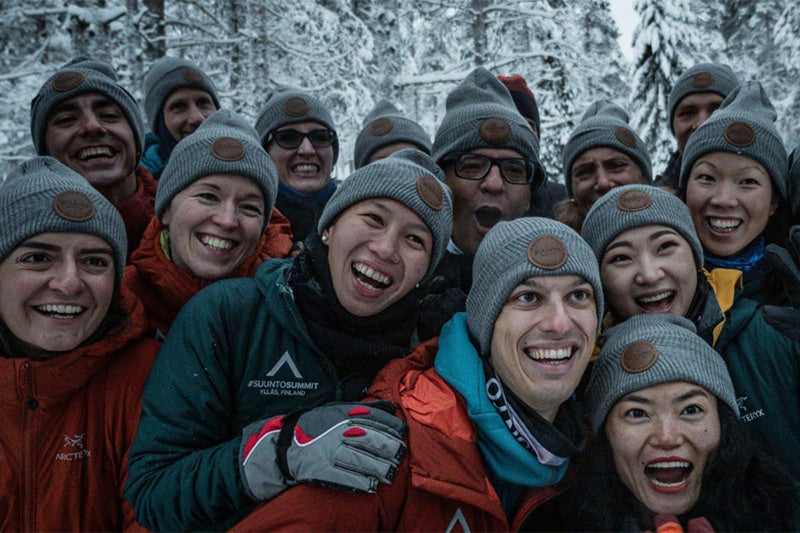
We are talking about you, and your stories.
We feel as though we have gotten to know our community better than we ever have before. We read about how you are managing through the past year with a world turned upside down and trying to maintain your health (and sanity).
You told us about your achievements and your future dreams of adventure. We are inspired by what you have accomplished and the resolve in your path ahead whether to better health, faster races or new heights of exploration.
You took time to share with us your past experiences, and the joy found in peaceful treks through the wilderness and stressful, challenging summit pushes. Some of you shared very personal moments, experiences that have shaped your lives, both heart wrenching and hopeful.
We are honoured to have been there with you for some of those memorable moments, even at times providing critical information to get you home safely, or to help keep you motivated and pushing towards a personal goal, or a personal mission.
These stories are why we exist, and reading them reaffirms our mission and commitment to enabling them. Thank you for sharing them with us, we are grateful and inspired.
– Your fellow adventurers at Suunto
Next Steps in the application process and program:
We wanted to share that we are reading them (all) and due to the sheer amount we are going to take the following steps to ensure we a). Can kick-off the program in good time and get a first group of selected ambassadors going, b). Ensure we communicate in the most timely manner possible. So this is how we will roll from here:
We have begun to communicate to our first selected brand ambassadors and as well as those applications we’ve read through that are not a match at this time.
If you have not been communicated with, your application is still being reviewed.
We are closing the application page for now effective March 11 to ensure we can handle all the applications with care.
We will inform all applicants until this point by April of their status.
A couple of notes to help you application in the future.
Please create a ‘creator’ or ‘business’ account on Instagram (if you are on the platform), it helps us get to know you better, faster.
We will inform you about the next application round on suunto.com, our newsletters and our social channels. Stay tuned!
Tell us about you and your adventures with your Suunto! Your stories are a key reason we have made the selections we have, so keep them coming!

累積標高10,000mを1日で。100kmのアルプス越えから学ぶ登りの持久力
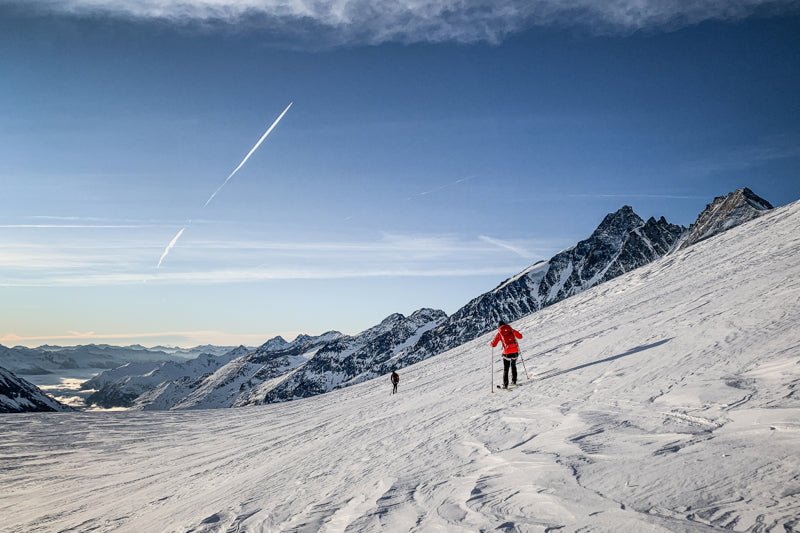
トレイルランニングや登山でよく使われる「累積標高」。100kmで累積標高約10,000mとなると、どれほど過酷なのでしょうか。山岳アスリートのフランソワ・デンヌ(François D'Haene)とフィリップ・ライター(Philipp Reiter)は、アルプスの山岳スキールート「Hoch Tyrol」を、通常約6日かけて進むところを1日で越える挑戦に臨みました。
距離は約100km。累積標高は約10,000m。
ルートには急斜面や露出感のある山岳地帯が続き、オーストリア最高峰のグロースグロックナー(Grossglockner/3,798m)も越えていきます。
しかし、この挑戦から見えてくるのは単なる「体力のすごさ」だけではありません。
長時間登り続けるための持久力、ペース配分、補給、睡眠、そして山岳地帯でのルート判断。
登山やトレランで累積標高の大きいルートに挑む人にも通じる、山を長く動き続けるためのヒントがあります。
目次
累積標高10,000mとはどのくらい?
Hoch Tyrol|通常約6日かかる100kmの山岳ルート
100km・累積標高10,000mを1日で越える
悪天候とホワイトアウトの中でのナビゲーション
想定以上に必要だったエネルギー補給
30歩ごとに止まるほどの疲労
登りの持久力を高めるために学べること
累積標高の大きいルートほど事前計画が重要
まとめ|登る力は「速さ」だけではない
累積標高10,000mとはどのくらい?
登山やトレイルランニングでルートの難易度を考えるとき、距離と並んで重要なのが累積標高です。
累積標高とは、ルートの中で登った標高差を合計したもの。
例えば100m登って50m下り、さらに200m登れば、累積標高は300mになります。
そのため「距離100km」といっても、ほぼ平坦な100kmと、累積標高10,000mを伴う100kmでは負荷がまったく違います。
累積標高10,000mは、単純な数字だけで考えれば富士山の標高差を何度も繰り返し登るような規模です。
しかもHoch Tyrolでは、その登りを標高の高いアルプスで、長い下りやテクニカルな地形を挟みながら繰り返します。
必要なのは最大スピードよりも、長時間にわたって登る力を維持する持久力です。
Hoch Tyrol|通常約6日かかる100kmの山岳ルート
Hoch Tyrolは、南チロルのKasernからスタートし、山小屋をつなぎながらアルプスを横断していく山岳スキールートです。
ルートは約100km、累積標高約10,000m。
途中には急な登りや露出感のあるセクションがあり、山岳技術も求められます。
そしてルートの後半には、オーストリア最高峰である標高3,798mのグロースグロックナーが待っています。
一般的には約6日間かけて山小屋から山小屋へと進むようなルートです。
フランソワとフィリップは、この壮大なアルプス横断を一度も長い休息を挟まず、ワンプッシュで進むことを選びました。
© Martina Valmassoi
100km・累積標高10,000mを1日で越える
フランソワ・デンヌとフィリップ・ライターは、ともに山岳地帯で長時間行動する経験を積んできたアスリートです。
それでも、100km・累積標高約10,000mを一度に越える挑戦は別次元でした。
登りでは心肺と脚力を消耗し、下りでは筋肉へ大きな衝撃が加わります。
さらに標高、気温、雪質、天候など、山では常に条件が変化します。
つまり、単に「登りが速い」だけでは最後まで進めません。
登りで使い切らず、下りで脚を壊さず、次の登りでも動き続けられるペースを維持する。
この「出力を抑えながら長く続ける力」が、大きな累積標高を攻略するうえで重要になります。
悪天候とホワイトアウトの中でのナビゲーション
スタート直後から、天候は二人に味方してくれませんでした。
視界の悪い状況の中、クーロワールを滑り降りる場面もありました。
雪山では、ホワイトアウトによって地形の凹凸や方向感覚がつかみにくくなることがあります。
元記事では、二人がGPSウォッチのナビゲーションを活用しながらルートを確認した様子が紹介されています。
現在のSuuntoウォッチでも、事前に作成したルートやオフラインマップを利用して、現在地や進行方向を確認できます。
ただし、GPSウォッチや地図は安全を保証するものではありません。
特に雪山や高山では、天候、雪崩リスク、地形、体力、撤退判断などを総合的に考える必要があります。
ナビゲーション機能は、その判断を支えるためのひとつのツールです。
▶︎ Suuntoの地図・ナビゲーション画面の見方|登山・トレイルのルート案内を解説
想定以上に必要だったエネルギー補給
長時間の山岳活動では、心肺能力や脚力と同じくらい重要になるのが補給です。
二人はHoch Tyrolを進む中で、想定していた以上に多くのエネルギーが必要になりました。
そこで途中の山小屋では、大きな皿いっぱいのパスタを注文してエネルギーを補給します。
これはウルトラトレイルや長時間登山にも共通するポイントです。
身体のエネルギーが不足すると、ペースが落ちるだけでなく、判断力や集中力にも影響します。
累積標高が増えるほど登りでの消費エネルギーも大きくなるため、「空腹になってから食べる」のではなく、動き続けるために計画的に補給することが重要です。
また、高強度で動き続けると食欲が落ちたり、胃腸が受け付けにくくなったりすることもあります。
レースや大きな山岳チャレンジの前には、トレーニング中から自分に合う補給方法を確認しておく必要があります。
30歩ごとに止まるほどの疲労
日が落ちる頃には、二人のエネルギーはほとんど残っていませんでした。
そして最後に待っていたのが、オーストリア最高峰グロースグロックナーへの登りです。
フィリップは後に、この最後の登りについて「これほど消耗したことはなかった」と振り返っています。
身体に歩き続けるよう言い聞かせても、30歩ほど進むたびに身体が止まってしまう。
原因として彼が挙げているのは、約10,000mに及ぶ登りの身体的疲労だけではありません。
事前準備によるストレスや、十分でなかった睡眠も重なっていました。
これは、持久系スポーツで忘れられがちなポイントです。
パフォーマンスは、その日の体力だけで決まるわけではありません。
睡眠や回復状態、精神的な疲労も、長時間の運動では大きく影響します。
登りの持久力を高めるために学べること
もちろん、100km・累積標高10,000mを1日で越える必要はありません。
しかし、この挑戦から登山やトレランの「登る力」について学べることがあります。
1. 登りは毎回全力で走らない
急な登りでは心拍数が上がりやすく、知らないうちに高強度になりがちです。
長時間動き続けるなら、序盤から全力で登るよりも、余裕を残して一定の強度を維持することが重要です。
2. ベースとなる持久力を育てる
登りを速くするには坂道トレーニングだけを繰り返せばいいわけではありません。
低〜中強度の持久系トレーニングによって、長時間効率よく動ける身体を作ることが土台になります。
▶︎ スキーモを速くする6つのトレーニング方法|登りの持久力と効率を高めるコツ
3. 筋力も「登り続ける力」の一部
長い登りでは脚だけでなく、体幹や上半身の安定性も重要です。
身体を安定させることで一歩ごとの動作を効率化し、長時間の登りで無駄なエネルギー消費を減らせます。
4. トレーニングだけでなく回復を見る
今回フィリップを苦しめた要因のひとつが睡眠不足でした。
練習量を増やすだけでなく、睡眠やHRV、トレーニング負荷などを継続的に見ながら、回復とのバランスを取ることも重要です。
▶︎ HRV(心拍変動)とは?正常値の見方と回復・トレーニングへの活かし方
累積標高の大きいルートほど事前計画が重要
距離が長く、累積標高が大きくなるほど、ルート計画の重要性も高まります。
確認したいのは距離だけではありません。
累積標高と登りの位置
標高の高い区間
補給できる場所
水を確保できる場所
天候が悪化した場合の撤退ルート
日没までにどこまで進めるか
こうした情報を事前に確認することで、「100km」という数字だけでは見えなかったルートの難しさがわかってきます。
Suuntoアプリでは、ルート作成時に距離や標高プロファイルを確認しながら計画できます。
GPXファイルのインポートやヒートマップを使ってルートを準備する方法はこちらで紹介しています。
▶︎ Suuntoアプリで登山・トレイルのルートを作る6つの方法|GPX・ヒートマップも解説
長時間の登山やトレイルランニングで、オフラインマップやルートナビゲーションを使いながら行動したい場合は、Suunto Vertical 2も選択肢のひとつです。
山で重要なのは、ウォッチに判断を任せることではありません。
地図、天候、自分の体力、残り時間を確認しながら、自分自身で判断し続けること。
ウォッチは、その判断に必要な情報を手元で確認するためのツールです。
Suunto Vertical 2を見る
まとめ|登る力は「速さ」だけではない
100km、累積標高約10,000m。
通常約6日かけて進むHoch Tyrolを、フランソワ・デンヌとフィリップ・ライターはワンプッシュで越えました。
しかし、この挑戦で印象的なのは、圧倒的なスピードそのものではありません。
悪天候の中でルートを確認し、必要なエネルギーを補給し、疲労と睡眠不足を抱えながら、それでも最後まで一歩ずつ進み続けたことです。
登りの強さとは、坂道を速く駆け上がる能力だけではありません。
無理のない強度を選ぶこと。
エネルギーを補給すること。
疲労を管理すること。
そして、必要なら引き返す判断ができること。
次に累積標高の大きな登山やトレイルランニングへ挑むときは、距離だけでなく「どれだけ登るのか」にも目を向けてみてください。
その数字を理解することが、より良いルート計画とペース配分の第一歩になります。
Lead images © Philipp Reiter / Photo © Martina Valmassoi

トレランの登りを速くするには?持久力・筋力・心拍を鍛えるトレーニング方法
トレイルランニングや登山で「登りをもっと速く、楽に進みたい」と思ったら、坂道を全力で登るトレーニングばかり繰り返すのは逆効果になることがあります。登りでは心拍数が上がりやすく、知らないうちに高強度トレーニングへ偏ってしまうからです。
登坂力を高めるために必要なのは、坂道ダッシュだけではありません。
低強度で有酸素持久力の土台を作ること、筋力を高めること、効率よく身体を動かすテクニックを身につけること。
これらをバランスよく組み合わせることで、長い登りでもペースを維持しやすくなります。
この記事では、スポーツ科学者でスキーマウンテニア、トレイルランナーでもあるSusi Kraftのアドバイスをもとに、トレランや登山の登りを速くするためのトレーニング方法と、レベル別の週間プランを紹介します。
目次
なぜ登りを速くするトレーニングは難しい?
1. まずは有酸素持久力の土台を作る
2. 登りを速くしたいなら平地も走る
3. 脚と体幹の筋力を鍛える
4. 疲れる前に登りのフォームを身につける
5. 登りではトレーニング強度を上げすぎない
6. 登坂力は短期間では完成しない
初心者・中級者・上級者向け週間トレーニング例
まとめ|速く登るためには、ゆっくり鍛える時間も必要
なぜ登りを速くするトレーニングは難しい?
坂道を登ると、平地を走っているときより心拍数が急激に上がります。
身体が持久運動に十分慣れていない場合、勾配が急になるだけで運動強度が大きく上がり、乳酸の蓄積も増えていきます。
すると呼吸が苦しくなり、脚も動かしにくくなります。
「登りを速くなりたいなら、毎回きつい坂を全力で登ればいい」と考えたくなりますが、これは注意が必要です。
高強度の坂道トレーニングは短期的には効果を感じやすいものの、そればかり続けると疲労が蓄積し、長期的なパフォーマンス向上を妨げることがあります。
登りを速くするためには、高強度トレーニングを増やす前に、それを支えられる有酸素持久力の土台を作る必要があります。
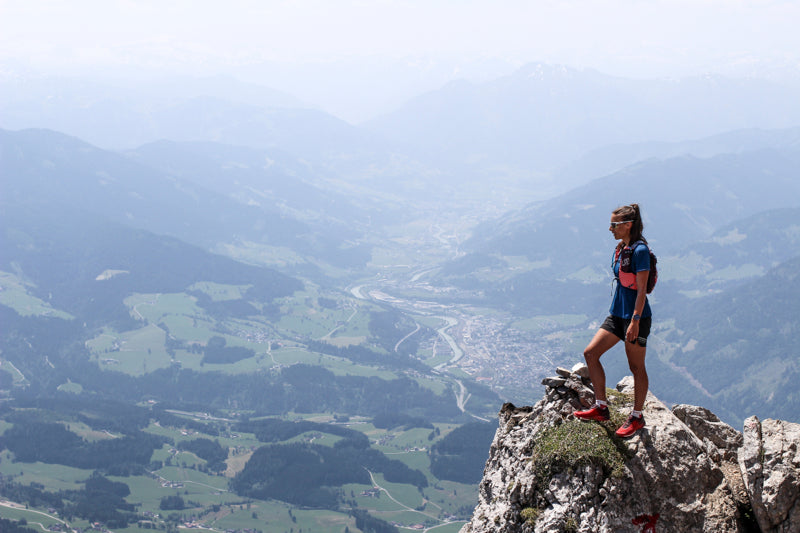
Susi trains in the mountains around Salzburg. © Berghasen
1. まずは有酸素持久力の土台を作る
速く登れるランナーを見ると、「もっと坂道インターバルを増やさなければ」と考えがちです。
しかしSusiが最も重視しているのは、低強度トレーニングによる有酸素持久力の向上です。
長い登りでは、数分だけ強いパワーを出せても十分ではありません。
30分、1時間、あるいはそれ以上、効率よく身体を動かし続ける必要があります。
低強度のランニング、サイクリング、ハイキングなどを継続すると、長時間運動するための基礎を作ることができます。
有酸素ベースが強くなるほど、同じ登りでも身体への負担を抑えながら進めるようになり、高強度トレーニングにも耐えやすくなります。
速く登るための第一歩は、必ずしも速く登ることではありません。
2. 登りを速くしたいなら平地も走る
「登りを速くしたいのに、なぜ平地を走るの?」と思うかもしれません。
しかし平地トレーニングには大きなメリットがあります。
運動強度を低く保ちやすいことです。
急な坂では、ゆっくり走っているつもりでも心拍数が上がり、低強度の範囲を維持するのが難しくなります。
平地ならペースを調整しやすいため、有酸素ベースを鍛えるトレーニングを行いやすくなります。
Susiは、平地と丘陵地を組み合わせることをすすめています。
世界トップレベルの持久系アスリートでも、基礎トレーニングをやめることはありません。
低強度の日と強度を上げる日を組み合わせながら、長期的に身体を作っています。
3. 脚と体幹の筋力を鍛える
登りを速くするには、心肺能力だけでなく筋力も重要です。
急な登りでは、平地よりも一歩ごとに大きな力が必要になります。
特に鍛えたいのは、脚だけではありません。
大腿四頭筋
ハムストリングス
臀筋
ふくらはぎ
体幹
上半身
体幹や上半身が安定すると、脚や腕をより効率よく使えるようになります。
トレイルランでは急勾配になるほど上半身も使いますし、登山やスキーモでポールを使う場合には、腕や背中の力も重要になります。
身体全体を安定させ、一歩ごとのエネルギーロスを減らすことが、長い登りでの効率につながります。
4. 疲れる前に登りのフォームを身につける
登りでは「もっと頑張る」ことだけに意識が向きがちですが、身体の動かし方も重要です。
Susiがすすめるのは、疲れていない状態でテクニックを練習することです。
すでに息が上がり、脚が疲れ切った状態では、フォームを細かく修正する余裕がありません。
まず平地や緩い登りで、効率的な身体の動かし方を確認します。
例えば、
上半身を必要以上に左右へ振らない
急な登りでは無理にストライドを伸ばさない
勾配に合わせて歩きと走りを使い分ける
体幹を安定させる
腕振りを登りの推進力として使う
といったポイントです。
少ないエネルギーで同じスピードを出せるフォームを身につけることが、長い登りでは大きな差になります。
5. 登りではトレーニング強度を上げすぎない
登りトレーニングで特に注意したいのが、予定より強度が高くなりやすいことです。
平地なら楽に走れるペースでも、急な坂に入るだけで心拍数は大きく上昇します。
そのため、低強度の日なのに毎回坂で頑張ってしまうと、「楽な日は少し速すぎ、ハードな日は疲れて十分追い込めない」という状態になりやすくなります。
▶︎ イージーランが速すぎる?ランニングの「トレーニング・ブラックホール」とは
低強度トレーニングでは、心拍数や呼吸の感覚を確認しながら、無理なく継続できる強度を維持しましょう。
心拍ベルトを使用している場合は、心拍ゾーンを確認する方法もあります。
さらにSuunto ZoneSenseを利用すれば、運動中の心拍変動から、その日の身体が有酸素・無酸素・VO2maxのどの強度領域にいるかを確認できます。
ただし、重要なのは特定の機能を使うことではありません。
「今日は低強度の日なのか、高強度の日なのか」というトレーニングの目的を明確にすることです。
6. 登坂力は短期間では完成しない
登りの強さは、数週間の坂道トレーニングだけで完成するものではありません。
Susiは、有酸素ベースを育てるには長い時間が必要だと話しています。
数か月だけでなく、1年、5年、それ以上。
長期間トレーニングを積み重ねることで、身体はより効率的にエネルギーを使えるようになります。
有酸素ベースが強くなると、高強度の坂道トレーニングにも耐えやすくなります。
そして回復も早くなり、次のトレーニングの質も上げやすくなります。
「今すぐ速くなりたい」と高強度を増やすより、長期的にトレーニングを継続できる身体を作ること。
それが結果として、登りを速くする近道になります。
初心者・中級者・上級者向け週間トレーニング例
ここからは、Susiが提案するトレーニングプランを、日本のランナーにも取り入れやすい形に整理して紹介します。
基本的には2週間続けたあと、3週目は休養日を1〜2日増やして負荷を落とします。
同じパターンを数週間続け、身体が慣れてきたらセッション時間を少しずつ伸ばしていきましょう。
初心者向け
曜日
トレーニング
月
休養
火
体幹・モビリティトレーニング
水
低強度ラン 30分
木
休養
金
脚+上半身の筋力トレーニング
土
低強度ラン 30分 またはサイクリング 40分
日
サイクリング90分 またはハイキング・スキーモ2時間を低強度で
初心者では、まず低強度の有酸素運動を継続することを優先します。
坂道トレーニングを急いで増やすより、ランニングやサイクリング、ハイキングを組み合わせて長時間動ける身体を作りましょう。
中級者向け
曜日
トレーニング
月
体幹+全身の筋力トレーニング+柔軟性
火
ファルトレク:低強度1km+高強度1kmを5セット、最後に10分のイージージョグ
水
低強度ラン 45分
木
休養
金
体幹+全身の筋力トレーニング+柔軟性
土
低強度ラン 60分 またはサイクリング2時間
日
サイクリング2時間30分 またはハイキング・スキーモ3時間を低強度で
中級者では、低強度トレーニングを中心にしながら、週1回程度の高強度セッションを加えます。
「高強度の日を増やす」のではなく、低強度と高強度の差をはっきりさせることがポイントです。
上級者向け
曜日
トレーニング
月
体幹+全身の筋力トレーニング+柔軟性
火
ファルトレク:低強度1km+高強度1kmを5セット、最後に10分のイージージョグ
水
低強度ラン 50分
木
休養
金
体幹+全身の筋力トレーニング+柔軟性
土
低強度ラン 80分 またはサイクリング2時間
日
サイクリング2時間30分 またはハイキング・スキーモ3時間+3分高強度×5本
上級者でも、トレーニングの大部分は低強度です。
長時間の有酸素運動に短い高強度区間を組み合わせることで、疲労した状態でも登りの出力を高める能力を鍛えます。
高強度区間の間には十分に強度を落とし、次のセットに備えましょう。
トレーニングプランは自分のレベルに合わせる
上のプランはあくまで一例です。
現在の運動習慣、年齢、トレーニング歴、回復状態によって適切な負荷は異なります。
特に、これまで週2〜3回しか運動していなかった人が、いきなり上級者プランを始めるのはおすすめできません。
トレーニング量は少しずつ増やし、疲労が強いときは休養を優先してください。
まとめ|速く登るためには、ゆっくり鍛える時間も必要
トレランや登山で登りを速くしたいとき、最初に思いつくのは坂道トレーニングかもしれません。
しかし、本当に登坂力を高めるためには、それだけでは不十分です。
低強度トレーニングで有酸素持久力を作る
平地も使って強度をコントロールする
脚・体幹・上半身の筋力を鍛える
疲れていない状態で効率的なフォームを練習する
低強度の日と高強度の日を明確に分ける
短期間の結果を求めず、長期的にトレーニングを続ける
速く登る能力は、坂を全力で登った回数だけで決まりません。
長時間効率よく動ける身体を作り、その土台の上に筋力と高強度トレーニングを積み重ねる。
そのバランスが整ってくると、以前は息を切らして登っていた坂でも、少しずつ余裕を持って進めるようになります。
次の坂道トレーニングで大切なのは、「今日はどこまで追い込めるか」だけではありません。
今日のトレーニングは何を鍛えるためなのか。
その目的を明確にすることが、長期的に登りを速くする第一歩です。
Image © Berghasen
登りのトレーニングをデータで振り返る
登りを速くするには、感覚だけでなく、心拍数、累積標高、運動時間、トレーニング負荷などを継続的に振り返ることも役立ちます。
Suuntoウォッチなら、登山やトレイルランニングのアクティビティを記録し、Suuntoアプリで距離、標高、心拍、トレーニング負荷などを確認できます。
山でのナビゲーションや長時間のアクティビティを重視するならSuunto Vertical 2、日々のトレーニングやレースパフォーマンスを重視するならSuunto Race 2という選び方もできます。
重要なのは、数字を増やすことではなく、「今日は何を鍛えるトレーニングだったのか」をデータと一緒に振り返ることです。
Suunto Vertical 2を見る Suunto Race 2を見る

Share your passion with Suunto app
KEEP UP WITH THE SUUNTO COMMUNITY
The app has many ways in which it keeps you and our community engaged, helps you connect with people with similar interests and allows you to create everlasting training memories and to share relevant content with your friends or on social media.
But, first things first:
We value your privacy
It's always up to you to decide how much you want to share. By default, after you have created your account in the app, your activities are private. Nevertheless, you can change that to any of the other two privacy options: show your activities to your followers or make them public for all the Suunto app users. Additionally, you can change that setting for every exercise individually.
In the app's privacy settings, you can also define if you want to approve people before they can start following you. Read more about adjusting privacy settings with iOS and Android.
Then:
Create long-lasting training memories
Edit your activities to make them memorable: write stories, add comments and comment on your friends' training, add photos and even videos taken during your activity. It matters even if you have a private account. This way, you create a visual diary for your activities and experiences.
Share a data overlay image of your training
After adding photos to your activities, you can share (or save) them with data overlays. You can add elements like altitude graph, total distance, the highest point and many more. You can also add a custom title text on top of the image. Share them with your friends, your social media, or save them for later in your files. Tap the "Share" button on your activity. Tap the information you have displayed to change it. Change the photo by choosing another one from your gallery.
You can even share your training week, month, or year
Want to show your friends your training days, duration per sports, distance, ascent and the active kcal? We have the best way for you to do that. On the app's main screen, tap the calendar or sports/h square and then choose what you want to share. You can send it directly to your friends, post it on your social media channels or save the image for later.
Connect with your friends even if they aren't using our app (yet)
You can sync your Suunto app account with our partner services, like Strava, Training Peaks, Relive and Fatmap, and reach your friends there, too. To connect your Suunto app with other services. Enable the automatic sync from under your Profile. Select the Partner services option and find the apps you want to connect your Suunto app to.
Happy training!


