




SUUNTOブログ
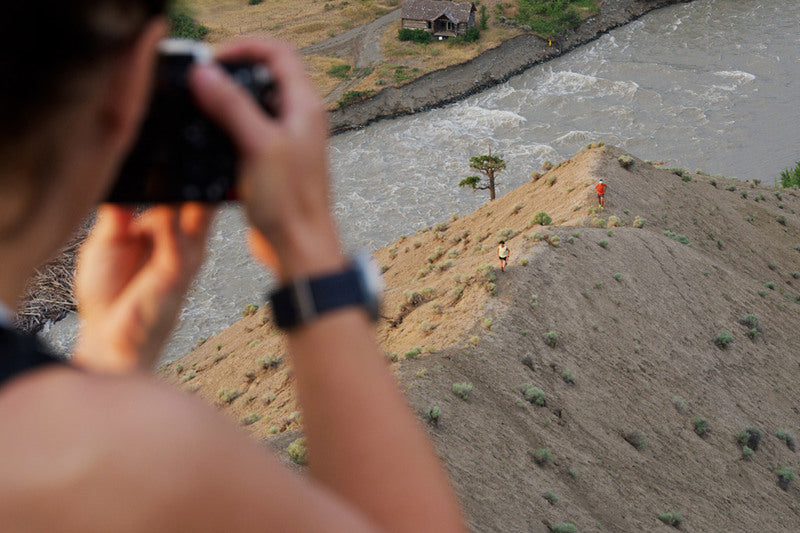

Peak Creator Series –The Photographer
Originally a graphic designer, once Angela Percival got a taste of outdoor adventure photography there was no going back - she decided to focus on creation.
This is the second in our Peak Creator film series, which celebrates creative people inspired by the great outdoors. We talk to four creators and find out what inspires their creative work.
Now Arc’teryx’s senior outdoor photographer, she had to work hard to break into a profession dominated by men and now her work speaks for itself.
“What inspires me creatively is just being outside, period,” Angela says. “Being in the mountains, yes, being in the alpine even more, but I just need to be outside.”
Click play below and watch Angela share her creative inspiration.

Suunto celebrates peak creators
Since forever, the great outdoors and its misty forests, silhouetted mountain ranges, and craggy peaks have inspired creatives of all ilk, whether poet, painter, musician or photographer. The awe nature strikes in us gets the creative energy flowing. The resulting work has, in some cases, inspired the masses and shapes how we see and protect the natural world.
At Suunto we believe this is worth celebrating. So we initiated our Peak Creator film series, in which we met four creators - a trail builder, a photographer, an architect and an artist - and found out how the natural world inspires what they do. We’ll publish a short film about each of them in the coming weeks.
Meet photographer Angela Percival, architect Ryley Thiessen, artist Jessa Gilbert and trailbuilder Dan Raymond in the Peak Creator Series.
The first film up, the trailbuilder sees his work more as uncovering what’s already there; next up, the photographer admits she’d rather be out shooting than indoors editing; then the architect explains how his mountain resorts bring people closer to nature; finally, we meet the artist who packs her painting kit and heads out for epic free rides.
Stay tuned for each film as it drops. And get your own creative juices flowing!
Watch Peak Creator Series episode 1 – The Trailbuilder
Watch Peak Creator Series episode 2 – The Photographer
Watch Peak Creator Series episode 3 – The Architect
Watch Peak Creator Series episode 4 – The Artist

World Vertical Week 2021 summer edition raises the stakes
Wow. 70,000 participants in seven days. That’s how many people chased vertical meters with us in the first summer-fall edition of World Vertical Week. The Suunto community’s outdoor summer sports enthusiasts raised the stakes in more ways, proving they can hold their own with the vertical appetite of the winter outdoor sports tribe any day. The ball is now in your court winter tribe!
Read on to see the results of the national and sport-based rivalries and see who came out on top!
The reign continues
Austria deserves an applause. It’s the country with the highest average climb per activity, 465 m, a little higher than its winter result, when it also achieved first place. The alpine nation has held first place in this category for five of the last six editions. It only lost its crown in 2019, falling to fifth place. What’s more, it finishes in the top five of six more categories. Well done Austria!
Punching above its weight
Slovenia, a tiny mountainous nation of 2.1 million people, clearly has a serious appetite for pushing uphill. Aside from Austria, it’s the only other nation to feature in the top five of seven categories. Respect!
The three amigos
Spain comes in first for the total ascent per country, followed by Italy and France. These three are always battling for pole position in this category. Spain has come first in this statistic for two editions straight now.
Huge individual performances
Perhaps one of the biggest surprises from this edition of the World Vertical Week was the massive individual performances. Whereas during the previous winter edition there was only nine individuals who surpassed 10,000 m of vertical gain over the week, this time there have been 59 people to do this - that’s a 500% increase!
Also a big increase was the number of individual activities that involved more than 3,500 m of vertical ascent. There were only 89 of these in the previous winter edition, and 218 this summer edition. Impressive!
Trail running rules
It seems like trail running is the popular, go to summer sport and that trail runners like the challenge of a climb. Of all the climbs that involved 1000 m, trail running made up 34% of them. And that percentage only increased for activities with over 2000 m of ascent; trail running made up 47% of these.
The biggest climbs
They say mountaineering is 75% perspiration and 25% inspiration because it’s the outdoor sport that involves epic, often gruelling vertical ascents. That’s why it comes in first place for the highest average vertical ascents per activity type, with trail running coming a distant second.
Alpine nations live to climb
Italy, Austria and Switzerland all enjoy incredible alpine landscapes so no wonder mountaineering is so popular among them. Respectively, they take first, second and third for the highest average meters in the mountaineering activity type by nation.
Go Japan
We know Japan is a mountainous nation with an incredible trail and hut network. So it’s not a surprise to discover trail running is hugely popular there. Japan came out on top for the highest average vertical meters per activity for trail running: 806 m. Is Japan the next big trail running destination?
Top 5 nations in different activity types
Mountaineering
Italy 962m
Austria 891m
Switzerland 891m
Germany 881m
France 820m
Trail running
Japan 806m
Italy 703m
Austria 667m
Slovenia 645m
Switzerland 617m
Mountain biking
Austria 705m
Switzerland 632m
Italy 597m
Slovenia 576m
Spain 462m
Trekking & hiking
Slovakia 550,0m
Austria 549,7m
Italy 526m
Switzerland 502m
Slovenia 405m
Cycling
Italy 426m
Portugal 415m
Slovenia 379m
Spain 370m
Austria 348m
Running
Ecuador 212m
Slovenia 189m
Switzerland 160m
Norway 152m
Ireland 139m

「やりたい」で終わらせない。8000m峰に挑む登山家が教わった、夢を行動に変える方法
「いつかやってみたい」
そう思いながら、なかなか最初の一歩を踏み出せないことがあります。
しかし、世界最高峰の山々に挑み続けるネパール人登山家、テンジ・シェルパ(Tenji Sherpa)が大切にしているのは、アイデアを頭の中だけで終わらせないことです。
彼がその姿勢を学んだのは、世界的アルピニストのウーリー・ステック(Ueli Steck)との出会いでした。
「アイデアがあるなら、それを行動に移すのは自分自身だ。」
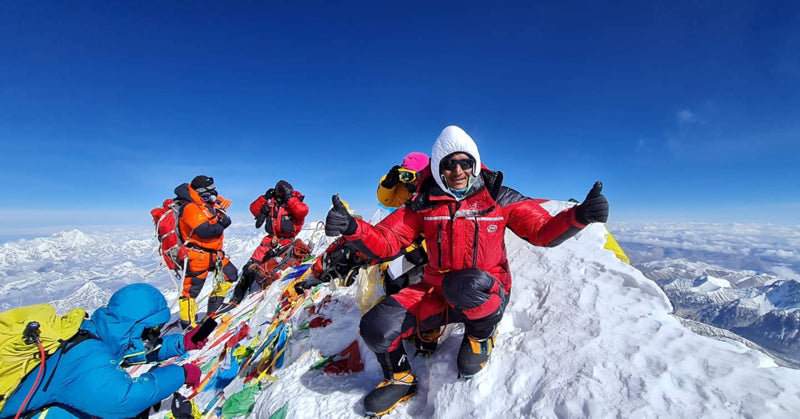
ネパールの小さな村で育った少年は、ポーターとして山で働き始め、やがて国際山岳ガイドとなり、酸素ボンベを使わずにエベレストへ登頂。そして今も、8000m峰で新たな挑戦を続けています。
今回はテンジの歩みを通して、夢や目標を「いつか」で終わらせず、行動に変えていくことについて考えます。
目次
ローツェに残した「未完の挑戦」
エベレストの麓で育った少年
ポーターから山岳ガイドへ
人生を変えたウーリー・ステックとの出会い
「アイデアを行動に移すのは自分」
エベレスト無酸素登頂へ
山が教えてくれる「変化への向き合い方」
挑戦を支える、ルート・高度・現在地の把握
山を探索するためのSuunto Vertical 2
まとめ|最初の一歩は、自分で踏み出す
ローツェに残した「未完の挑戦」
テンジには、今も心に残っている山があります。
世界第4位の高峰、標高8,516mのローツェです。
2018年5月、テンジは友人であり、大きな影響を受けた登山家ウーリー・ステックを偲び、ある大胆な挑戦に向かいました。
それは、酸素ボンベを使わずにエベレストへ登頂し、そのままローツェへ縦走するというものです。
ウーリー自身も挑戦を思い描いていたルートでした。
テンジはエベレスト登頂を果たしましたが、ローツェへ向かう段階で天候が悪化。安全上の理由から、挑戦を途中で断念しました。
山では、強い意志があっても計画通りに進めないことがあります。
だからこそ、その挑戦は失敗ではなく、今も彼の中に残る「unfinished business(やり残したこと)」になっています。
Photo taken while filming Everest VR © Jon Griffith
エベレストの麓で育った少年
テンジは、ネパールのソルクンブ地方にあるグデル(Gudel)という小さな村で生まれ育ちました。
現在のように登山を仕事として意識していたわけではありません。
学校へ通うだけでも毎日長い距離を歩き、当時の暮らしではサンダルさえ貴重なものでした。
身近にいた兄や村の大人たちは、ヒマラヤでポーターやガイドとして働いていました。
テンジにとって「山で働く」ということは、世界的な冒険というより、生活のすぐそばにある現実的な仕事だったのです。
ポーターから山岳ガイドへ
2007年、テンジは大学へ通う費用を得るために、ポーターとして働き始めました。
その後、カトマンズへ移ります。
しかし都会で生活する中でも、彼は自分が本当にいたい場所は山だと感じていました。
そこで2012年から正式な登山トレーニングを開始。ハイシーズンにはポーターとして働きながら、技術と経験を身につけていきました。
そして2019年には、国際山岳ガイド資格を取得します。
最初から世界の8000m峰を目指していたわけではありません。
目の前にある仕事を続けながら、少しずつ次のステップへ進んでいった結果、世界最高峰の山々でガイドを務める登山家へと成長していきました。
人生を変えたウーリー・ステックとの出会い
テンジの人生に大きな影響を与えた人物が、スイスの登山家ウーリー・ステックです。
「Swiss Machine(スイス・マシーン)」の異名を持つウーリーは、難易度の高い山岳ルートを驚異的なスピードで登るスタイルで知られていました。
2人が出会ったのは2012年。
テンジがポーターとして働いていた頃のエベレスト・ベースキャンプでした。
その後、2人は一緒に山へ登るようになります。
テンジはウーリーから、高所登山の技術だけでなく、速く、軽く、できるだけシンプルな装備で山へ向かうアルパインスタイルについて多くを学びました。
Tenji with Ueli Steck on Jungfrau, Switzerland, 2015 © Tenji Sherpa
「アイデアを行動に移すのは自分」
テンジがウーリーから学んだことの中で、特に大きかった言葉があります。
「アイデアがあるなら、それを行動に移すのは自分自身だ。」
夢や目標を持つことは、それほど難しくありません。
「いつかこの山に登りたい」
「いつかこのルートに挑戦したい」
しかし、アイデアを実現するためには、トレーニングを始め、経験を積み、計画を立て、実際に現地へ向かわなければなりません。
テンジ自身も、ポーターとして山で働くところから、その一歩を積み重ねてきました。
大きな挑戦も、最初は小さな行動から始まります。
エベレスト無酸素登頂へ
2012年、テンジは酸素ボンベを使わずにエベレスト登頂を果たしました。
高所では空気中の酸素が少なくなり、身体への負担は大きくなります。
それでもテンジが選んだのは、ウーリーから影響を受けた軽量でシンプルな登山スタイルでした。
その後も、標高6,501mのチョラツェ北壁をウーリーとともに登攀。
テンジは、このルートを登った初のネパール人になりました。
さらにエベレストやマナスルをはじめ、多くのヒマラヤ高峰で経験を重ねています。
Tenji climbing Manaslu in winter 2020 © Tenji Sherpa
山が教えてくれる「変化への向き合い方」
テンジが長年山に登る中で学んだことがあります。
それは、状況はとても速く変わるということです。
山では、朝は穏やかだった天候が数時間後には大きく崩れることがあります。
ルートの状態が予想と違うこともあれば、身体のコンディションによって計画変更が必要になることもあります。
だからこそ、登山では「予定通りに進むこと」以上に、状況を見て判断し、必要なら引き返すことも重要です。
テンジがローツェへの縦走を途中で断念したのも、その判断のひとつでした。
夢を行動に移すことと、無理をして最後まで進むことは同じではありません。
挑戦すること。そして状況に応じて判断を変えること。
その両方が、山では必要になります。
挑戦を支える、ルート・高度・現在地の把握
ヒマラヤのような極限環境でなくても、登山では「今、自分がどこにいるか」「この先どれくらい登るのか」を把握することが大切です。
GPSウォッチでは、事前に作成したルートを表示しながら現在地を確認したり、標高や残りの登り・下りを確認したりできます。
Suuntoのクライムガイダンスでは、ルートの高度データをもとに登り・下りなどの区間を把握でき、ペース配分や休憩の判断に活用できます。
▶︎ 登山・トレイルでルートをナビゲーション|Suuntoクライムガイダンスの使い方
また、ウォッチの地図・ナビゲーション画面では、対応モデルで現在地、次の地点までの距離、ゴールまでの距離、標高などを確認できます。
▶︎ SUUNTOの地図・ナビゲーション画面の見方|登山・トレイルのルート案内を解説
山を探索するためのSuunto Vertical 2
山で長時間行動するなら、GPS精度、地図、バッテリー、そして操作性は重要なポイントです。
Suunto Vertical 2は、登山やトレイルランニングなど長時間のアウトドアアドベンチャーを想定したGPSスポーツウォッチです。
オフラインマップやルートナビゲーションに対応し、スマートフォンの電波が届きにくい場所でも、事前に準備した地図とルートを手元で確認できます。
山では、テクノロジーが判断そのものを代わりにしてくれるわけではありません。
しかし、現在地やルート、高度などの情報をすぐ確認できることは、自分自身で次の行動を判断するための材料になります。
▶︎ Suunto Vertical / Vertical 2が登山用GPSスマートウォッチに向いている理由
Suunto Vertical 2を見る
まとめ|最初の一歩は、自分で踏み出す
テンジ・シェルパのキャリアは、最初から大きな計画によって始まったものではありません。
大学へ通うためにポーターとして働き、山で経験を積み、トレーニングを続ける。
そこでウーリー・ステックと出会い、新しい登山スタイルを学び、自分自身の目標へ挑戦していきました。
そして彼の中に残ったのが、
「アイデアを行動に移すのは、自分自身だ」
という考え方です。
目標は8000m峰でなくても構いません。
これまで歩いたことのない山へ行く。
少し長いルートに挑戦する。
地図を開いて、次の週末のルートを考えてみる。
大きな冒険も、最初はそんな小さな行動から始まります。
次に思いついた「いつかやりたい」を、ひとつ行動に変えてみてはいかがでしょうか。
Lead image: Tenji Sherpa with Kilian Jornet and David Göttler in the Khumbu Icefall © Tenji Sherpa

Peak experiences are here and now
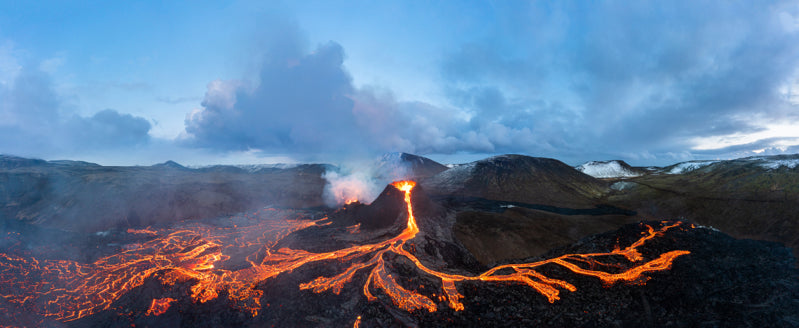
American photographer and artist Chris Burkard travels the world documenting amazing people, places and events. Recently he was visiting Iceland, a country he adores, to go on a bikepacking adventure. But life had other plans. A volcano erupted, and Chris knew it was a once in a lifetime opportunity to capture this incredible force of nature. It didn’t disappoint.
Press play to watch the power of nature!
What he witnessed blew his mind and got him reflecting on peak experiences, those almost altered states of consciousness characterised by euphoria and wonder. “I was just so honored to experience it,” he says.
We caught up with Chris and asked him about the experience and what he’s learned about peak experiences through his years of travelling the world and witnessing incredible things.
Do you often travel to Iceland?
I do! In fact I have been there 43 times. In some ways it's an obsession and I think what draws me there the most is the landscape as it’s so visceral and ever changing. But honestly, it's the people that keep me coming back and that keep me engaged and interested.
How did you feel standing so close to a live volcano?
Oddly enough I truly felt at home. At peace.. Like it's something I have been doing for thousands of years. In many ways it felt incredibly calming.
You mention peak experiences in your Instagram post – I imagine your work has brought you many – do these happen by chance or are there things, in your experience, we can do to invite them to occur?
I think that a “peak” experience is the byproduct of the time you put in. You realize at a certain point that to truly experience the height of something you need to slow down, be patient and really recognize when a moment is special. Sometimes a peak moment won't slap you in the face or excite you right away. You realize it later. It sort of dawns on you. I like to give myself the time and patience to recognize these moments. Rarely, when I do recognize them in “real time” it can feel really special.
What does a peak experience feel like to you?
It's a moment when your mind and heart and body are all in sync, it’s the certainty of knowing that there is no other place on Earth that I should be right now.
Do your peak experiences only occur in epic situations like your visit to the volcano, or, say, while surfing a perfect wave, or can they also occur in everyday life?
Everyday life. With my kids, at my property. On my bike commute. It's just the knowledge that a moment is special, will rarely be repeated, and you sort of get a glimpse of the future. And realize I need to cherish this.
You talk about the importance of giving yourself the space to experience before shooting – how do you personally approach this?
Honestly in some ways it kind of sounds like voodoo, but I truly feel like the way to really experience a place is to make an offering. An offering of time and interest and engagement. Not hiding from its many moods and feelings. Its storms and high winds. That is how you find a connection. You have to go through those things to really feel a place. I firmly believe that if you invest that time into a place and put in that effort, you are rewarded.
All images: © Chris Burkard


