




SUUNTOブログ


登山で道迷いを防ぐには?地図・コンパス・GPSウォッチを使ったナビゲーションの基本
登山やトレイルランニングでは、目的地に向かって進むだけでなく、「今どこにいるのか」「次にどちらへ進むのか」を常に把握することが大切です。
山では、分岐の見落とし、天候の変化、視界不良、スマートフォンの電池切れなどによって、思っていたルートから外れてしまうことがあります。よく整備された登山道でも、少しの油断が道迷いにつながることがあります。
道迷いを防ぐには、GPSやスマートフォンだけに頼るのではなく、地図、コンパス、地形を読む力、そしてオフラインマップやGPSウォッチを組み合わせて使うことが重要です。
この記事では、登山やトレイルランで道迷いを防ぐために知っておきたい、山のナビゲーションの基本を紹介します。
目次
登山で道迷いを防ぐには「現在地を把握する力」が大切
GPSだけに頼りすぎない
山で現在地を把握するための基本
地形図を読む練習をする
等高線を理解する
地図と実際の地形を照らし合わせる
コンパスの基本も身につけておく
GPSウォッチとオフラインマップを活用する
山でナビゲーション力を高める練習方法
Suuntoウォッチとコンパスで山のナビゲーションをサポート
まとめ|山では「現在地を知る力」とナビゲーションの準備が大切
登山で道迷いを防ぐには「現在地を把握する力」が大切
© Arc'teryx / Piotr Drozdz
山のナビゲーションで最も大切なのは、現在地を把握することです。
「いま自分がどこにいるのか」「どの尾根を歩いているのか」「次の分岐までどれくらいか」「周囲に見える山や谷は地図上のどこにあるのか」。こうした情報を意識しながら歩くことで、道を間違えたときにも早く気づきやすくなります。
現在地を把握する力は、単に地図上の一点を知ることだけではありません。周囲の地形、分岐、ピーク、沢、尾根、道の向きなどを観察しながら、「地図の情報」と「目の前の景色」を結びつける力です。
最初は難しく感じるかもしれませんが、歩きながら意識して確認する習慣をつけることで、少しずつ身についていきます。
GPSだけに頼りすぎない
GPSウォッチやスマートフォンの地図アプリは、登山やトレイルランニングでとても便利です。現在地、ルート、距離、標高、進行方向を手元で確認できるため、山での行動判断をサポートしてくれます。
一方で、デジタル機器だけに頼りすぎるのは避けたいところです。
スマートフォンの電池切れ、水濡れ、圏外、画面破損、操作ミスなどが起こる可能性があります。GPSウォッチも、バッテリー残量や設定、ルートデータの準備が不十分だと、必要なときにうまく使えないことがあります。
そのため、GPSやスマートフォンは便利なサポートツールとして活用しながら、地図やコンパスを読む基本も身につけておくことが大切です。
特にグループ登山では、ひとりだけがルートを把握している状態よりも、複数人が現在地や進行方向を理解している方が安心です。誰かに任せきりにするのではなく、自分でも「今どこにいるのか」を確認する意識を持ちましょう。
山で現在地を把握するための基本
現在地を把握するには、歩きながら周囲を観察する習慣が大切です。
チェックしたいポイントは以下です。
分岐や標識
尾根、谷、沢、ピーク
登り下りの変化
進行方向
歩いた時間と距離
周囲に見える山や建物
地図上の特徴的な地形
例えば、「次の分岐まであとどれくらいか」「今は登りなのか下りなのか」「地図上ではどの尾根を歩いているのか」を考えながら進むと、道を間違えたときに違和感に気づきやすくなります。
また、分岐を通過したら一度立ち止まり、標識や地図、GPSウォッチのルートを確認する習慣をつけるのもおすすめです。特に下山時は、疲れや安心感から分岐を見落としやすくなります。
「なんとなく進む」のではなく、現在地と次の目印を確認しながら歩くことが、道迷い防止につながります。
地形図を読む練習をする
© Arc'teryx / Piotr Drozdz
地形図は、登山やトレイルランニングでルートを理解するための基本です。
まずは、自分がよく知っている山や公園、ハイキングコースの地形図を見てみましょう。実際に歩いたことのある場所なら、地図上の道、ピーク、谷、川、建物などをイメージしやすくなります。
地形図を見るときは、いきなり難しいルートを読む必要はありません。まずは次のようなポイントを確認してみましょう。
登山道や分岐はどこにあるか
ピークや尾根はどこにあるか
谷や沢はどこにあるか
川や湖、建物などの目印はあるか
ルート全体で登り下りはどのくらいあるか
急な斜面やなだらかな場所はどこか
自宅で地図を眺めるだけでも、山の形をイメージする練習になります。実際に歩いたあとに地図を見返すと、「あの急登はここだったのか」「あの分岐はこの尾根の手前だったのか」と理解しやすくなります。
等高線を理解する
地形図で特に重要なのが、等高線です。
等高線は、同じ高さの地点を結んだ線で、山の形を読み取るための基本情報です。等高線の間隔が狭い場所は急斜面、広い場所は比較的なだらかな地形を示します。
等高線から読み取りたい代表的な地形は以下です。
地形
等高線の見え方
急斜面
等高線の間隔が狭い
なだらかな斜面
等高線の間隔が広い
ピーク
等高線が丸く閉じている
尾根
等高線が谷側へ張り出すように見える
谷・沢
等高線が山側へ食い込むように見える
鞍部
ピークとピークの間の低い部分
尾根、谷、ピーク、鞍部、急斜面などを等高線から読み取れるようになると、実際の地形を見たときに「地図上ではここにいるはず」と判断しやすくなります。
最初はすべてを正確に読む必要はありません。まずは、等高線の間隔を見て「急そうか、なだらかそうか」を予想することから始めてみましょう。
地図と実際の地形を照らし合わせる
地図を読む力は、家で眺めているだけでは身につきにくいものです。実際に山や公園、ハイキングコースで地図を見ながら歩くことで、地図上の情報と目の前の景色がつながっていきます。
練習するときは、まず安全でよく知っている場所を選びましょう。
練習方法
地図を北に合わせる
周囲の山、谷、川、道を確認する
地図上で現在地を推測する
分岐やピークごとに位置を確認する
歩いたルートを後から見返す
地図を北に合わせるとは、地図上の北と実際の北をそろえることです。コンパスを使うと、地図の向きと実際の地形を合わせやすくなります。
地図の向きが合っていると、目の前に見える尾根や谷、川、道の方向と、地図上の情報を照らし合わせやすくなります。
慣れてきたら、見晴らしの良い場所で周囲の山や谷を地図上で探してみるのもおすすめです。地図上のピーク、尾根、川、建物などを目の前の景色と結びつけることで、地形を読む感覚が少しずつ身についていきます。
コンパスの基本も身につけておく
登山やトレイルランニングでは、GPSウォッチやスマートフォンが便利ですが、コンパスの基本も知っておくと安心です。
コンパスは、進行方向や地図の向きを確認するための道具です。特に視界が悪いとき、分岐がわかりにくいとき、現在地と進行方向を確認したいときに役立ちます。
まず覚えておきたいのは、以下の3つです。
地図を北に合わせる
自分が進む方向を確認する
目印となる地形や方向を決める
コンパスを使うときは、地図とセットで考えることが大切です。コンパスだけを見て進むのではなく、地図上のルート、周囲の地形、現在地をあわせて確認します。
Suuntoには、登山やアウトドアで使いやすいコンパスもあります。GPSウォッチやスマートフォンと組み合わせて、アナログのナビゲーション手段を持っておくと、山での行動に安心感が生まれます。
▶︎Suuntoのコンパスを見る
GPSウォッチとオフラインマップを活用する
地図とコンパスの基本を身につけたうえで、GPSウォッチやオフラインマップを活用すると、山でのナビゲーションはさらに安心感が高まります。
対応するSuuntoウォッチでは、事前にルートを準備し、ウォッチ上でルートナビゲーションやオフラインマップを確認できます。スマートフォンを毎回取り出さなくても、手元で現在地や進行方向、ルートを確認しやすくなります。
GPXファイルを使ってルートを追加したい方は、Suuntoアプリのルートプランナーを使ってウォッチにルートを同期する方法も確認しておくと便利です。
▶︎関連記事:GPXルートをSuuntoウォッチに追加する方法|ルートプランナーを使った設定手順
登山やトレイルランでGPSウォッチを使うときは、出発前に以下を確認しておくのがおすすめです。
ルートデータを準備しているか
必要なエリアのオフラインマップを保存しているか
ウォッチのバッテリー残量は十分か
ナビゲーションやGPS設定を確認したか
スマートフォンや紙の地図などのバックアップを用意したか
GPSウォッチは、現在地やルートを手元で確認できる便利な道具です。ただし、あくまでナビゲーションをサポートするツールです。バッテリー残量、設定、地図データ、ルートの事前準備を確認し、紙の地図やコンパスなどのバックアップも用意しておきましょう。
ルート上の登り下りを事前に確認したい方は、Suuntoクライムガイダンスも便利です。
▶︎関連記事:登山・トレイルランのルートナビゲーション|Suuntoクライムガイダンスの便利な使い方
山でナビゲーション力を高める練習方法
山のナビゲーションは、知識として読むだけでなく、実際に使ってみることで身についていきます。
最初から難しい山域で練習する必要はありません。よく知っている山、公園、低山、ハイキングコースなど、安全に歩ける場所で少しずつ試してみましょう。
1. よく知っている場所の地図を見る
まずは、自分がよく歩く場所の地図を用意します。
地図上で、知っている道、分岐、建物、川、ピーク、広場などを探してみましょう。実際の景色を思い出しながら地図を見ることで、地図記号や等高線の意味が理解しやすくなります。
2. 歩いたルートを地図で振り返る
最近歩いた山やハイキングコースがあれば、どこを通ったか地図上でたどってみましょう。
登りがきつかった場所、下りが長かった場所、分岐で迷いそうになった場所を地図上で確認すると、実際の体験と地図の情報がつながります。
3. 現地で地図と地形を見比べる
安全な場所で、地図を北に合わせ、周囲の景色と照らし合わせてみましょう。
「見えている尾根は地図上のどこか」「この谷はどの方向に伸びているか」「次の分岐はどのくらい先か」を考えながら歩くと、現在地を把握する感覚が身につきやすくなります。
4. 見晴らしの良い場所で地形を読む
展望のある場所では、周囲の山、谷、川、街、建物などを地図上で探してみましょう。
地図と実際の景色を見比べることで、等高線や地形の理解が深まります。
5. 仲間と現在地を確認し合う
グループで歩く場合は、現在地や次の分岐を仲間と確認し合うのも良い練習になります。
「今どの尾根にいるか」「次はどちらへ進むか」「地図上ではどこにいるか」を声に出して共有することで、ひとりにナビゲーションを任せきりにせず、グループ全体の安心感にもつながります。
Suuntoウォッチとコンパスで山のナビゲーションをサポート
Suuntoは、登山、トレイルランニング、アドベンチャーなど、アウトドアで使えるナビゲーションツールを展開しています。
対応するSuuntoウォッチでは、GPS記録、ルートナビゲーション、オフラインマップ、標高、気圧、コンパス、日の出・日の入りなど、山での行動判断に役立つ情報を確認できます。
オフラインマップ対応ウォッチ
オフラインマップ対応のSuuntoウォッチは、登山やトレイルランニングで現在地や周辺地形を確認したい方に向いています。事前に必要な地図を保存しておくことで、スマートフォンの電波が不安定な場所でもウォッチ上で地図を確認しやすくなります。
▶︎オフラインマップ対応ウォッチはこちら
高度・気圧・コンパスをシンプルに確認したい方へ
Suunto Coreは、気圧計、高度計、コンパスを備えたアウトドアウォッチです。GPSやオフラインマップは搭載していませんが、天気や気圧、高度、方角をシンプルに確認したい方には選択肢になります。
▶︎Suunto Coreを見る
アナログコンパスもバックアップに
デジタル機器を活用する場合でも、紙の地図やアナログコンパスをバックアップとして持っておくと安心です。特に長時間の山行、電波が不安定な場所、天候が変わりやすい場所では、複数の確認手段を用意しておくことが大切です。
▶︎Suuntoのコンパスを見る
登山やトレイルで天気を確認する方法については、こちらの記事も参考にしてください。
▶︎関連記事:登山やトレイルで天気を確認する方法|Suuntoウォッチで気圧・日没・ストームアラームを活用
まとめ|山では「現在地を知る力」とナビゲーションの準備が大切
登山やトレイルランニングで道迷いを防ぐには、現在地を把握する力が大切です。
GPSウォッチやスマートフォンは便利なナビゲーションツールですが、それだけに頼りすぎず、地図、コンパス、地形を読む力も身につけておくと安心です。
まずは、よく知っている場所の地形図を見て、実際の景色と照らし合わせることから始めてみましょう。等高線、尾根、谷、ピーク、分岐などを少しずつ理解できるようになると、山での行動判断がしやすくなります。
対応するSuuntoウォッチのオフラインマップやルートナビゲーション、そしてコンパスや紙の地図を組み合わせながら、自分の現在地と進む方向を確認する習慣をつけていきましょう。
山をもっと安心して楽しむために、ナビゲーションの基本を日々の登山やトレイルランで少しずつ身につけてみてください。
▶︎Suuntoのアウトドア・登山ウォッチを見る


トレイルランニングの練習方法|初心者向けトレーニングメニューと大会準備
トレイルランニング大会へ申し込んだものの、「何を練習すればよいのか」「ロードの練習だけで大丈夫なのか」と迷っていませんか。
トレイルでは、距離だけでなく、登り・下り、路面、累積標高、補給、装備、ナビゲーションへの対応が必要です。本記事では、SUUNTOの原文に掲載された20週間のトレイルマラソンプランをアイデアの土台に、初心者が大会へ向けて準備する方法、週間メニュー例、負荷と回復の管理、ウォッチの活用方法を解説します。
目次
トレイルランニングの練習がロードと違う理由
練習計画を始める前の確認
鍛えたい6つの要素
初心者向け週間メニュー例
20週間の組み立て方
距離・時間・累積標高で負荷を考える
SUUNTOで強度・負荷・回復を確認する
大会コースを想定して練習する
UTMB World Seriesを目標にするなら
大会前のテーパーと最終確認
安全に練習を続けるために
まとめ
トレイルランニングの練習がロードと違う理由
ロードランニングでは、距離やペースを比較的安定して管理できます。一方、トレイルでは同じ10kmでも、累積標高、路面、標高、天候によって所要時間と身体への負担が大きく変わります。
要素
ロードランニング
トレイルランニング
路面
舗装路が中心
土、岩、木の根、泥、階段などが変化する
ペース
1kmあたりのペースを使いやすい
勾配で大きく変わるため、心拍や主観強度も使う
負荷
距離と時間で把握しやすい
距離、時間、累積標高、下りの衝撃を合わせて考える
技術
一定のフォームを保ちやすい
登り、下り、足場に応じた動きと判断が必要
原文のコーチDenise Sauriolは、「トレイルのレースに出るなら、トレイルで練習する必要がある」と強調しています。ロードやトレッドミルも基礎づくりに使えますが、特にロング走は本番に近い路面とアップダウンで行うことが重要です。
練習計画を始める前の確認
最初に、大会の距離だけでなく、累積標高、制限時間、路面、必携装備、エイド間隔を確認します。20kmの初心者向け大会と、50km以上のロングレースでは必要な準備が異なります。
現在、週に何回・何km走っているか
無理なく動き続けられる時間と距離
最近の痛みや故障、体調上の不安がないか
本番まで何週間あるか
練習できるトレイルや坂が近くにあるか
大会の距離、累積標高、制限時間、必携装備
原文の20週間プランは、すでに週32〜40km程度を走り、12〜16kmのロング走を無理なく行える人を想定しています。この基準に届かない場合は、まずウォーキングと短いランから基礎をつくり、計画期間を長くしてください。
鍛えたい6つの要素
1. 低強度で長く動く持久力
会話できる程度の強度で長く動く練習は、レース後半まで動き続ける土台になります。最初は距離より時間を基準にし、歩きを交えても構いません。ロング走・LSDトレーニングの方法も参考にしてください。
2. 登りを進み続ける力
急な登りでは、走るよりパワーハイクの方が効率的なことがあります。一定の呼吸を保ちながら、短い坂の反復、長い登り、階段などを段階的に取り入れます。
3. 下りに耐える脚と技術
下りでは、大腿部への衝撃と筋肉の伸張性収縮が繰り返されます。最初からスピードを上げず、短く安全な下りで、視線、接地、リズムを練習します。疲労時の急な下りは転倒リスクが高いため、技術練習は余裕のある状態で行いましょう。
4. トレイル特有の足運び
岩、木の根、ぬかるみ、段差では、歩幅と接地位置を素早く変える必要があります。実際のトレイルを走り、足元だけを見続けず、数歩先の進路を読む練習をします。
5. 筋力と安定性
スクワット、ランジ、ステップアップ、カーフレイズ、体幹などを、無理のない回数から週1〜2回取り入れます。新しい筋力トレーニングを高負荷で始めると走練習へ影響するため、フォームを優先してください。
6. 補給と装備を扱う力
長時間のレースでは、走力だけでなく、行動中に食べる・飲む・ウェアを調整する技術が必要です。ロング走で本番用のザック、シューズ、補給食を試し、胃腸や肌との相性を確認します。
初心者向け週間メニュー例
次の例は、週4回程度の運動を継続できる人向けの考え方です。現在の走力、仕事、睡眠、体調に合わせて回数と時間を減らしてください。
曜日例
内容
目的
月
休養または軽いモビリティ
週末の疲労を回復する
火
短いイージーラン
低強度の持久力をつくる
水
筋力トレーニングまたは休養
登り下りを支える筋力をつくる
木
坂道走またはテンポ区間を含むラン
登坂力と強度への対応を高める
金
休養
ロング走へ備える
土
トレイルでのロング走・ラン&ハイク
時間、累積標高、補給、装備を練習する
日
短い回復走、ウォーキング、または休養
疲労に合わせて回復を促す
すべての練習を頑張る必要はありません。強度の高い練習とロング走の間には回復日を置き、疲労が強い週は練習を減らします。
20週間の組み立て方
原文のプランでは、3週間かけて走行量とロング走を少しずつ増やし、4週目に量を減らして回復するサイクルを採用しています。これを繰り返し、最後の3週間はテーパーとして練習量を落とします。
期間
重点
考え方
1〜4週
基礎づくり
低強度中心。4週目は量を減らす
5〜8週
坂とトレイルへの適応
登り、下り、路面への対応を増やす
9〜12週
時間と累積標高
ロング走で補給と装備を試す
13〜16週
レース特異性
本番に近い地形と時間帯で練習する
17週
最終的な長い練習
本番装備を確認し、故障につながる無理はしない
18〜20週
テーパー
練習量を減らし、疲労を抜いて大会へ備える
走行量を一律に増やすのではなく、痛み、睡眠、疲労、過去の練習量に合わせて調整します。病気や忙しい週の遅れを、翌週にまとめて取り戻そうとしないでください。
原文の20週間プランを作成したランニングコーチ、Denise Sauriol。
距離・時間・累積標高で負荷を考える
トレイルでは、距離だけで練習量を比較すると負荷を見誤ることがあります。平坦な15kmと、急な登り下りを含む15kmは同じではありません。
距離:移動した長さ
時間:どれだけ長く身体を動かしたか
累積標高:登りによる負荷の目安
主観強度:本人が感じたきつさ
心拍・トレーニング負荷:身体へかかった内的負荷の目安
大会が20km・累積標高1,000mなら、練習でも徐々にアップダウンへ慣れる必要があります。ただし、本番と同じ距離・累積標高を毎週再現する必要はありません。短い坂の反復、トレイルでのロング走、パワーハイクなどへ分けて準備できます。
SUUNTOで強度・負荷・回復を確認する
Suunto Race 2では、日々のランニング、心拍数、トレーニング負荷、回復、ルートを継続して記録できます。1回の数字だけで判断せず、数週間の傾向と体調を合わせて確認しましょう。
心拍ゾーンとZoneSense
登りではペースが遅くても運動強度が高くなるため、1kmあたりのペースだけでなく心拍数や呼吸の感覚を使います。対応する心拍ベルトとウォッチを使用する場合は、ZoneSenseで運動強度を確認する方法も活用できます。
トレーニング負荷
走行距離が少ない週でも、急な登りや長い下りによって負荷が高くなる場合があります。Suuntoアプリでトレーニング負荷を管理する方法を参考に、急激な増加が続いていないか確認してください。
回復・睡眠・HRV
予定したメニューよりも、体調に合わせて調整することが重要です。睡眠、安静時心拍数、HRV、脚の痛み、気分を確認し、回復が不十分なら休養や短い低強度運動へ変更します。
大会コースを想定して練習する
大会のGPXデータが公開されている場合は、Suuntoアプリへ取り込み、距離、累積標高、高度プロファイル、長い登りと下りの位置を確認します。可能なら一部区間を試走し、分岐、路面、補給、装備を確認してください。
長い山岳レースやオフラインマップを重視する場合は、Suunto Vertical 2を使って、ルートと地形を確認しながら試走できます。クライムガイダンスでは、ルート上の登り・下りを事前に把握し、区間ごとのペース配分を考えられます。
詳しい操作は、Suuntoクライムガイダンスの使い方と、GPXルートをSuuntoウォッチに入れる方法をご覧ください。
UTMB World Seriesを目標にするなら
トレイルランニングを続けるうちに、UTMB World Seriesのようなロングレースへ興味を持つ人もいるでしょう。SUUNTOは、UTMB World Seriesの公式GPSウォッチおよびテクニカルパートナーとして、世界各地のトレイルに挑戦するランナーをサポートしています。
UTMBは約170km・累積標高約10,000m規模のレースであり、初心者が短期間で目指す大会ではありません。短いトレイル大会から経験を積み、距離、累積標高、夜間行動、補給、装備への対応を段階的に身につける必要があります。
世界最高峰のトレイルランニングシリーズについては、UTMBとは?距離・魅力と日本で楽しむ方法で詳しく紹介しています。日本で開催されるKaga Spa Trail Endurance 100 by UTMB®についても、同記事から確認できます。
大会前のテーパーと最終確認
大会直前に不足分を取り戻そうとして長く走ると、疲労や痛みを残す可能性があります。原文のプランでは最後の3週間に練習量を減らすテーパーを設け、身体と気持ちを回復させています。
練習量を減らしながら、短い刺激で動きを保つ
新しいシューズ、補給食、装備を試さない
必携装備と大会規則を再確認する
コース、関門、エイド、天候、交通手段を確認する
ウォッチへルートを同期し、地図とバッテリー設定を確認する
睡眠と食事を整え、痛みや体調不良があれば無理をしない
安全に練習を続けるために
トレイルの練習は、交通のない自然の中を走れる一方、道迷い、転倒、天候変化、野生動物、通信圏外などのリスクがあります。
行き先、ルート、帰宅予定時刻を家族や知人へ共有する
水、補給食、防寒着、救急用品、ライトを距離と環境に合わせて携行する
スマートフォンとウォッチだけに依存せず、地図や代替手段を用意する
悪天候、体調不良、痛み、日没に対する中止基準を決める
登山者や地域住民へ配慮し、追い越しでは声をかける
私有地、立入禁止、登山道の利用規則を守る
持病、長期間の運動習慣の中断、繰り返す痛みがある場合は、練習量を増やす前に医療従事者や資格を持つ専門家へ相談してください。
まとめ
トレイルランニング大会の準備では、ロードの走力に加えて、登り、下り、不整地、累積標高、補給、装備、ナビゲーションへの対応が必要です。
低強度の持久力を土台に、坂道練習、筋力トレーニング、トレイルでのロング走を段階的に取り入れます。3週間積み上げて1週間回復するサイクルと、大会前のテーパーを参考にしながら、自分の走力と体調に合わせて調整しましょう。
日々の練習からトレイルレース本番まで記録しよう
トレーニング負荷、回復、ルートナビゲーション、オフラインマップに対応するSUUNTOスポーツウォッチをチェックしてください。
SUUNTOスポーツウォッチを見る

Welcome to Suunto Summit!
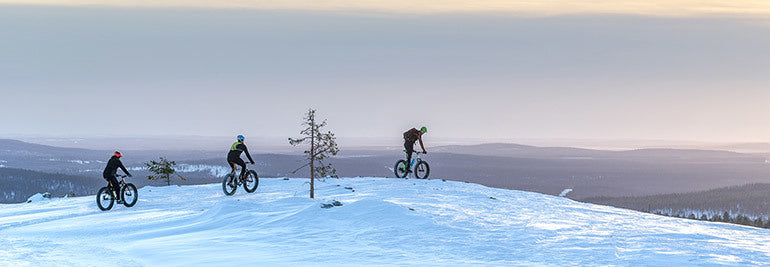
The fifth instalment of Suunto Summit, a celebration of our community and our collective passion for sport and the outdoors, will be held in January 2020 in Ylläs, in Finnish Lapland. We will start the weekend with a visit to Suunto factory and Suunto HQ in Vantaa and then travel by an overnight train to Ylläs, north of the Arctic Circle, to experience the beauty of northern Finland.
The participants for Suunto Summit 2020 are: Alberto from Spain, Alexandre from Brazil, Alpinefex from Germany, Dorn from USA, Lotta from Finland, Maja from Sweden, Majo from Philippines, Marie from UK, Matteo from Italy, Max from USA, Philipp from Germany, Sandra from Australia, Sawna from USA, Thumb K from Korea, and Xiaohua from China. Welcome to Suunto Summit!
Thank you to all who applied! We are humbled to have such a passionate community. It was very inspiring to hear your stories and to get to know you a little bit. Happy adventures and hope to meet you another time!Excitement at the 2018 Suunto Summit. Watch the event recap here

ベルリンの壁と東西ドイツの旧国境を走る|1,400kmの「死の帯」とグリーンベルト
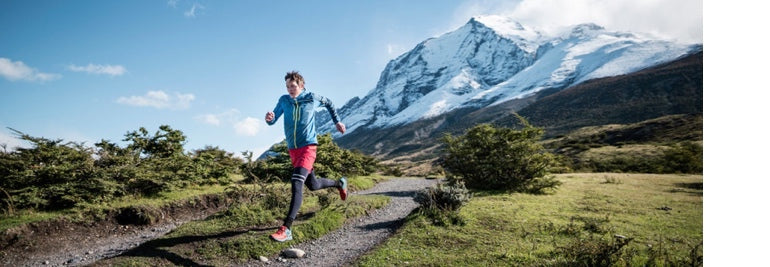
ベルリンの壁と東西ドイツの分断は、ドイツ現代史を象徴する出来事のひとつです。しかし、東西を隔てていたのはベルリンの壁だけではありません。かつて東ドイツと西ドイツの間には、約1,400kmに及ぶ長大な国境地帯がありました。
西ドイツ側から「death strip(死の帯)」とも呼ばれたその旧国境を、Suuntoアスリートで映像作家のフィリップ・ライター(Philipp Reiter)と仲間たちが、自分たちの足でたどりました。
9人のランナーが挑んだ距離は約1,400km。
目的は単に長距離を走破することではありません。
旧東西ドイツ国境を走りながら、その土地に残るベルリンの壁時代の記憶を知り、そこに暮らしてきた人々の話を聞くこと。
そして彼らが走った国境地帯は現在、かつてとはまったく異なる場所へ変わっています。
人を分断していた土地が、今では野生動物や植物をつなぐ自然保護地域「Green Belt(グリーンベルト)」として、新しい役割を担っているのです。
目次
ベルリンの壁だけではなかった東西ドイツの国境
旧東西ドイツ国境の「死の帯」とは?
9人のランナーが旧国境1,400kmに挑戦
走りながら、ベルリンの壁時代の記憶を聞く
なくすべき「壁」は物理的なものだけではない
旧国境は自然保護地域「グリーンベルト」へ
ランニングで歴史と土地を旅する
長距離ルートをたどるためのナビゲーション
まとめ|分断の場所から、人と自然をつなぐ場所へ
ベルリンの壁だけではなかった東西ドイツの国境
「東西ドイツの分断」と聞いて、多くの人が最初に思い浮かべるのはベルリンの壁でしょう。
しかし、ベルリンの壁は東西ドイツを隔てていた巨大な国境システムの一部にすぎません。
旧東西ドイツ国境は、北のバルト海から当時のチェコスロバキア国境まで長く伸びていました。
1952年から1990年まで、この境界線は東ドイツと西ドイツを物理的に分断していました。
都市の中にそびえるベルリンの壁とは違い、その多くは森林や農地、山岳地帯などを通っています。
現在、その道を歩いたり走ったりしても、かつてここがヨーロッパを二つの世界に分けていた境界だったとは想像しにくい場所もあります。
Map showing the former border, now called the Green Belt. © LENCER (CC BY-SA 3.0) / Berlin Wall photo © Isai Ramos
旧東西ドイツ国境の「死の帯」とは?
旧東西ドイツ国境は、単にフェンスで区切られただけの場所ではありませんでした。
元記事によると、境界地帯には100万個を超える地雷、約3,000頭の警備犬、監視設備、武装した警備兵などが配置され、厳重に管理されていました。
西ドイツ側では、この危険な国境地帯が「death strip(死の帯)」と呼ばれていました。
それでも東ドイツから西側へ逃れようと、国境越えを試みた人々がいました。
自由を求めて境界へ向かい、その途中で命を落とした人もいます。
現在は静かな森林やトレイルが続く場所でも、数十年前には自由に立ち入ることさえできませんでした。
フィリップたちのランニングプロジェクトは、そんな旧東西ドイツ国境の歴史を、自分たちの足でたどり直す試みでもありました。
9人のランナーが旧国境1,400kmに挑戦
このプロジェクトに参加したのは、ドイツとオーストリア出身の9人のランナー。
旧東ドイツ側と旧西ドイツ側、それぞれにルーツを持つメンバーが集まりました。
走るルートは約1,400km。
累積標高差は約16,000mに達し、ルート最高地点はハルツ山地にある標高1,142mのブロッケン山でした。
9人全員が1,400kmを走るわけではなく、約15kmごとにランナーを交代するリレー方式。
4台のキャンピングカーをサポート拠点にしながら、旧国境を北から南へ進んでいきました。
コースの多くは静かな森林や林道です。
かつて越えることを許されなかった道を、現在はランニングシューズで自由に走ることができる。
同じ土地でも、時代によってその意味は大きく変わります。
© Philipp Reiter
走りながら、ベルリンの壁時代の記憶を聞く
フィリップ自身は、学校でベルリンの壁や東西ドイツの歴史について学んでいました。
しかし、彼は実際にドイツが分断されていた時代を生きた世代ではありません。
教科書で歴史を知ることと、その時代を生きた人が何を感じていたのかを知ることは違います。
そこでチームは、ルート沿いの町や村に住むランナーにも一緒に走ってもらい、旧東西ドイツ国境時代を知る人々から直接話を聞くことにしました。
走る速度だからこそ見えるものがあります。
車なら一瞬で通り過ぎてしまう小さな町に立ち止まり、地元の人と話す。
「ここに壁があった頃、生活はどうだったのか」
「国境の向こう側をどんな気持ちで見ていたのか」
「ベルリンの壁が崩壊したとき、何を感じたのか」
約1,400kmのランは、長距離への挑戦であると同時に、ドイツの分断と統一の歴史を知る旅でもありました。
なくすべき「壁」は物理的なものだけではない
フィリップはこのプロジェクトを通じて、国境は時間がかかったとしても、なくすことができると話しています。
そして、彼が考える「壁」はコンクリートやフェンスだけではありません。
人と人との間に生まれる偏見や思い込みも、ひとつの壁です。
自分とは異なる土地で暮らす人が、どんな背景を持っているのか。
なぜ違う考え方を持っているのか。
地図を見るだけではわからないことも、同じ場所を歩いたり走ったりし、そこに暮らす人と話すことで少しずつ見えてきます。
フィリップたちが旧国境を走った意味は、過去の「壁」を確認することだけではありません。
今の社会に残っている見えない壁について考えることでもあったのです。
旧国境は自然保護地域「グリーンベルト」へ
旧東西ドイツ国境には、もうひとつ興味深い歴史があります。
長期間にわたって人の立ち入りが厳しく制限されていた結果、国境周辺には多くの自然環境が残りました。
ドイツ統一後、かつての軍事境界線は非軍事化され、現在では「Green Belt(グリーンベルト)」と呼ばれる自然保護のネットワークへと姿を変えています。
森林、草地、湿地などが帯状につながり、多くの野生動物や植物にとって重要な生息地となっています。
現在ではハイキングやサイクリングを楽しめる場所もあり、歴史をたどる旅のルートとしても利用されています。
人を分断するために生まれた土地が、今では自然をつなぐ場所になった。
「死の帯」から「グリーンベルト」へ。
旧東西ドイツ国境は、ヨーロッパ現代史だけでなく、自然再生という視点から見ても非常に興味深い場所です。
ランニングで歴史と土地を旅する
ランニングというと、距離、ペース、タイム、トレーニング効果を考えることが多いかもしれません。
しかし、走ることは土地を知るための旅の方法にもなります。
知らない町を走る。
古い街道をたどる。
国境跡を進む。
地図に残っている一本の線を、自分の足で確かめてみる。
歩くより広い範囲を移動でき、車よりも土地との距離が近い。
走って旅をすると、その場所の地形や距離感、町と町のつながりを身体で感じることができます。
旅先でランニングやハイキングのルートを作るなら、Suuntoアプリのルートプランナーやヒートマップを使って、実際によく利用されている道を参考にする方法もあります。
▶︎ Suuntoアプリで登山・トレイルのルートを作る6つの方法|GPX・ヒートマップも解説
長距離ルートをたどるためのナビゲーション
旧東西ドイツ国境1,400kmのような長大なルートでなくても、知らない土地を走ったり歩いたりするときには、事前のルート計画が大切です。
Suuntoアプリではルートを作成し、対応するSuuntoウォッチへ同期できます。
アクティビティ中は、現在地や進行方向、ルートを手元で確認しながらナビゲーションできます。
オフラインマップ対応モデルなら、スマートフォンの電波が届きにくい場所でも、あらかじめダウンロードした地図を確認できます。
Suuntoウォッチの地図やルートナビゲーションの見方はこちらの記事で詳しく紹介しています。
▶︎ Suuntoの地図・ナビゲーション画面の見方|登山・トレイルのルート案内を解説
長距離のランニング、ハイキング、アウトドアアドベンチャーで地図とバッテリー性能を重視する場合は、Suunto Vertical 2も選択肢のひとつです。
ただし、この物語の主人公はウォッチではありません。
ナビゲーションは、目的地まで最短距離で進むためだけのものではなく、自分がどんな場所を通り、そこにどんな歴史や自然があるのかを知りながら旅するための道具にもなります。
Suunto Vertical 2を見る
まとめ|分断の場所から、人と自然をつなぐ場所へ
かつて東ドイツと西ドイツを分断していた国境。
そこにはフェンスがあり、地雷があり、警備兵がいました。
ベルリンの壁が崩壊し、東西ドイツが統一された現在、その同じ場所を人々が歩き、走り、自転車で旅しています。
そして「死の帯」と呼ばれた旧国境は、野生動物や植物の生息地をつなぐグリーンベルトへと姿を変えました。
フィリップ・ライターたちの1,400kmの旅が伝えているのは、単に長距離を走る人間の強さではありません。
場所が持つ意味も、社会も、人と人との関係も変わっていくことができる。
旅先で走ったり歩いたりするときは、距離やペースだけでなく、その道がどんな歴史を持ち、どんな自然の中を通っているのかにも目を向けてみてください。
地図の一本の線が、それまでとはまったく違って見えてくるかもしれません。
Images © Philipp Reiter / LENCER / Isai Ramos

夜のランニングを安全に楽しむ7つのポイント|服装・ライト・コースの選び方
仕事や家事を終えた夜、あるいは日の出前の早朝は、ランニングの時間を確保しやすい一方、昼間とは異なる注意が必要です。
暗い時間帯は、路面の段差や障害物を見つけにくく、車や自転車、歩行者からもランナーが見えにくくなります。慣れたコースでも、昼と夜では状況が変わることを前提に準備しましょう。
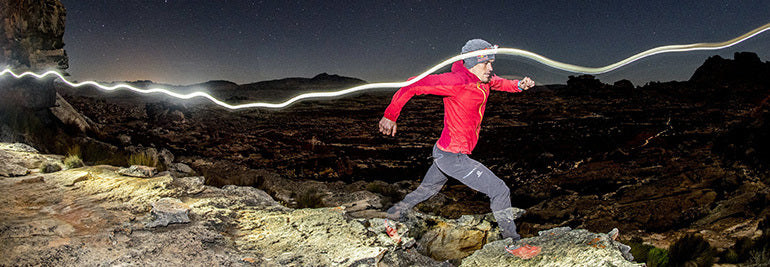
この記事では、プロトレイルランナー、ライアン・サンデスのアドバイスをもとに、夜のランニングを安全に楽しむための7つのポイントを紹介します。
© Dean Leslie / Red Bull Content Pool
目次
1. 行き先と帰宅予定を共有する
2. 車や自転車から見える服装にする
3. 明るく走り慣れたコースを選ぶ
4. ライトを事前にテストする
5. 昼間よりペースを落とす
6. 足元だけでなく進行方向を見る
7. 周囲の音と変化に注意する
夜のトレイルランニングで追加したい準備
Suuntoウォッチを夜のランニングに活用する
まとめ|夜は「見える・見られる・戻れる」を準備する
1. 行き先と帰宅予定を共有する
夜に一人で走る場合は、家族や友人へコースと帰宅予定時刻を伝えましょう。予定を変更した場合も、可能であれば連絡します。
スマートフォンは十分に充電し、緊急連絡先へすぐアクセスできるようにします。位置情報共有機能を利用する場合は、走る前に設定と通信状態を確認してください。
ウォッチやスマートフォンの通信・位置情報機能は、圏外、電池切れ、故障などで使えないことがあります。デジタル機器だけに頼らず、迷いにくいコースと帰宅判断の基準を決めておきましょう。
2. 車や自転車から見える服装にする
自分から車が見えていても、運転者からランナーが見えているとは限りません。反射材の付いたウェア、ベスト、アームバンドなどを使用し、前後左右から存在が分かるようにします。
足首や手首など、動く部位に反射材やライトを付けると、人が動いていることを認識してもらいやすくなります。黒や暗い色だけのウェアは避け、ライトは前方を照らすものと、自分の存在を知らせるものを目的に応じて使い分けます。
交差点や駐車場の出入口では、車が止まると決めつけず、運転者の反応を確認してから進みましょう。
3. 明るく走り慣れたコースを選ぶ
夜のランニングに慣れるまでは、街灯があり、路面状態を知っているコースから始めます。歩道の有無、交通量、交差点、工事、段差、人通り、利用できる施設も確認しましょう。
人通りが極端に少ない場所や、見通しの悪い道、逃げ場のない区間は避けます。安全性に不安を感じたら、屋内トラックやトレッドミルへ変更することも選択肢です。
新しいコースを試す場合は、最初に明るい時間帯に歩くか走り、危険な場所や折り返し地点を把握しておくと安心です。
4. ライトを事前にテストする
街灯が少ない場所では、ヘッドライトやランニングライトを使用します。走り出す前に、明るさ、照射範囲、角度、装着感、操作方法、バッテリー残量を確認しましょう。
光を足元だけへ集中させると、視野が狭くなり、先の障害物へ対応しにくくなります。少し先の路面まで見えるよう角度を調整し、対向する歩行者やランナーの目へ強い光を直接向けないようにします。
長時間走る場合は、予定時間に対して十分なバッテリーを確保し、必要に応じて予備ライトや予備電源を持ちます。
5. 昼間よりペースを落とす
暗い場所では、段差、濡れた路面、落ち葉、枝、穴などを発見してから避けるまでの時間が短くなります。昼間と同じペースを維持しようとせず、状況に合わせて速度を落としましょう。
特に下り坂、曲がり角、交差点、見通しの悪い場所では、すぐ止まれる速度に調整します。夜のランニングを始めたばかりなら、タイムや自己ベストよりも、視界と動きに慣れることを優先してください。
6. 足元だけでなく進行方向を見る
不安になると視線を足元へ落としがちですが、真下だけを見ていると、その先の段差や障害物に気づくのが遅れます。
ライトで少し先まで照らし、進みたいラインを早めに選びます。視線は進行方向と近い路面の間を動かし、必要なときにペースを落としましょう。
視力に不安がある場合や、路面を十分に確認できない場合は、暗い場所を無理に走らないでください。
7. 周囲の音と変化に注意する
夜は視覚から得られる情報が少なくなるため、車、自転車、他の人、動物、天候など、周囲の音も重要になります。
イヤホンを使用する場合は、地域のルールを守り、周囲の音を確認できる音量にします。交通量の多い場所や、状況を把握しにくい場所では、音楽を止める判断も必要です。
「いつもと違う」「不安を感じる」と思ったら、予定どおり走り切ることより、明るい道へ移動する、引き返す、家族や交通機関へ助けを求めることを優先しましょう。
夜のトレイルランニングで追加したい準備
夜間のトレイルは、街中のナイトランよりもリスクが高くなります。道迷い、転倒、急な天候変化、野生動物、通信圏外などを想定し、経験と環境に合った計画を立ててください。
日中に通ったことのある明確なルートを選ぶ
紙地図やオフライン地図など、複数のナビゲーション手段を用意する
メインライトに加えて予備ライトを持つ
防寒着、雨具、水分、補給、救急用品を携行する
日没・日の出、天気、気温、立入規制を確認する
一人を避け、経験のある仲間と行動する
GPSウォッチや地図は安全を保証するものではありません。現在地が分からなくなった場合は、焦って移動を続けず、安全を確保したうえで状況に応じて救助を要請してください。
▶︎関連記事:「登山・ハイキングの安全対策|迷ったときに取るべき行動と出発前の準備」
Suuntoウォッチを夜のランニングに活用する
Suunto Runは、軽量なウォッチで、夜の日常的なランニングを記録したい人の選択肢です。
Suunto Race Sは、コンパクトなサイズで、トレーニングの振り返りやルートの確認も重視したい人に適しています。
Suunto Race 2は、オフラインマップを活用したルート確認や、長時間のトレーニングへ取り組む人の選択肢です。
出発前にウォッチを充電し、必要なルートや地図を同期してください。スタート地点へ戻るためのナビゲーション機能も、実際に必要になる前に明るい場所で操作を練習しておきます。
ウォッチは補助ツールです。画面を見ながら走り続けず、安全な場所で止まって確認しましょう。
▶︎関連記事:「ランニングのモチベーションを維持する10の方法」
まとめ|夜は「見える・見られる・戻れる」を準備する
夜のランニングでは、路面を自分で確認できること、車や自転車から存在を認識してもらうこと、迷ったときに安全に戻れることが重要です。
行き先を共有し、反射材とライトを使用し、慣れたコースを昼間よりゆっくり走りましょう。状況に不安を感じたら、予定を変更したり中止したりする判断を優先してください。
夜のランニングも、自分のペースで記録する
Suuntoのランニングウォッチでルートやトレーニングを記録し、走り終えたあとに振り返りましょう。
Suuntoウォッチを見る

Hunter or the hunted? 7 race tactics for the trophy
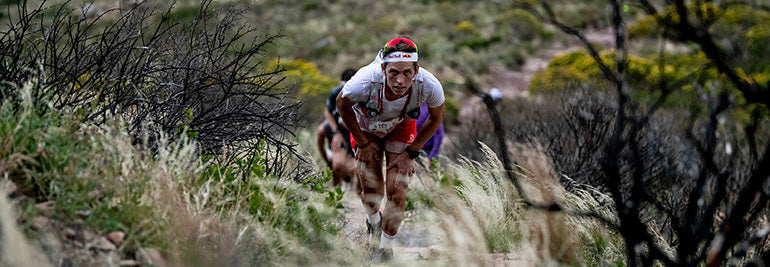
Both of them know the feeling of being hunted. It’s when they’ve been in first place, and there’s a pack of wolves at their heels.
“When you are leading a race you often feel like a hunted animal,” Ryan says. “You are always looking behind you, are you going too fast, are you going slow enough, are the guys catching you? Mentally, that is super draining. Sometimes hunting is better than being hunted.”
Ryan, an ultra running champion, has felt invincible during some races, and that his competitors were “dead and buried”, only for them to suddenly catch up and pass him. Mel has literally run shoulder to shoulder against another triathlete for 15 km, in what she says “felt like an eternity”. In the last three kilometers she turned it on and left her rival in the dust.
“I started sprinting and not looking back,” Mel says. “It turns out she didn’t even try to come with me, but I didn’t turn around to check. I just kept pushing right to the line.
“The smarter and easier move would have been to sit in (behind) and wear my competitor down that way, but for some reason we both thought we needed the mental battle of running side by side for most of the run. Not a single word was spoken between us during this hour long battle. After the race, we both shared a laugh and commented on how much we made each other suffer out there. “
Here are Mel and Ryan’s seven tips for victory.
© Kelvin Trautman / Red Bull Content Pool
Keep a poker face
Both of them recommend putting on a brave face. Show your rivals nothing. “Control your breathing and keep good form at least when they can see you,” Mel says. “Make it look easy. Don’t make eye contact with your rivals.”
Stay to your strengths
Don’t try to run your rival’s race. “The key strategy is to run to your strength,” Ryan says. “If you're slightly better on the climbs, push them a little bit, so then your competitor has to push the downhills to catch up, smashing his legs in the process. It's all about trying to feel your competitor out, seeing what their weaknesses are, compared to your strengths.”
Remember, they hurt too
Feeling the pain? Quads burning? That’s because you’re human, and your rivals are, too. “I know if I’m hurting so are my competitors so I stay focused and imagine them struggling and working hard,” Mel says. “That gives me a little confidence boost.”
Mind game your rival
Watch your rival closely. If he or she is struggling, accelerate. “When you think they’re feeling bad, start talking to him or her with your poker face on, pretending you’re feeling good,” Ryan suggests. “It’s a bit of a game of roulette; sometimes it pays off, other times it doesn’t.”
Training is your dojo
Training is when you test your mettle. It’s when you develop the tenacity and forbearance you’ll need to survive your race battles. “Never give up in training,” Mel says. “When I’m really hurting in training, I imagine I’m in a race situation and that if I back off now or give up, I’ve just lost the race. The more times you throw in the towel in training the harder it will be to push through the pain in a race.”
Ryan recommends working on your weaknesses in training. “If descending isn’t a strength for you, work on it,” he says. And when you’re training, run at different intensities.”
Learn to adapt
While it’s necessary to have a race plan, remember whatever your plan is, no matter how slick it is, on race day it will probably go out the window. “It’s so important to keep your mental focus and stay calm and collected,” Ryan says. “The person who is the most successful in a race is the one who can think the best on his or her feet and go with the flow.”
Kindness can pay off
Yes, racing is about winning. But that doesn’t always demand a ruthless attempt to crush the opposition. Sometimes a little camaraderie and kindness can go a long way. “If a competitor is struggling, for example when they need nutrition or a cold sponge, if I have the energy to help out I will because this not only helps them, but it also helps me,” Mel explains. “Helping someone makes you feel good and when you feel good you race better. This is a great way to get a little lift.”
Lead images:
© Craig Kolesky / Red Bull Content Pool
© Kelvin Trautman / Red Bull Content Pool
Read more:
The art of battle: six tactics to slay your competitors


