




SUUNTOブログ

One triathlete’s journey through hell and back to the Kona start line
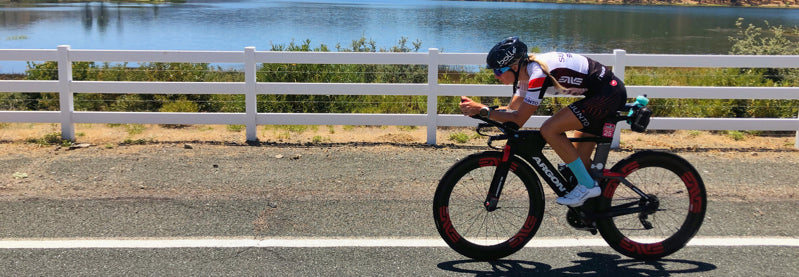
Doctors told her she would never run or race again. Kelsey, then 31, was lying in a hospital bed, her body battered and bruised after a truck hit her, and her vision for her life in ruins. She decided to prove the doctors wrong.
After recovering from the accident Kelsey drove herself hard. She refused to give up. While the determination was admirable, she now admits it bordered on reckless.
“I spent the next year trying to come back, but was plagued with more injuries and frustration,” Kelsey explains. “I gained a lot of weight and fell into a depression where I coped by going out at night, drinking way too much, and just not really living life as a pro athlete.”
Kelsey began swimming competitively when she was six years old. Later at college, she competed in Division 1 before moving to the Olympic Training Center in Colorado Springs as a member of the USA Triathlon National Team. She completed her first triathlon as a senior high school student in 2001, and was hooked.
With her life in tailspin after the accident, Kelsey got close to quitting triathlon. But then she met Mike, her now coach and boyfriend, who helped her turn everything around.
“The new path I chose to go down was life changing, but not easy,” she says. “Mike got me healthy for the first time years. But when I did decide to start racing again, I was in for a rude awakening. I moved up from ITU (International Triathlon Union races) to the 70.3 distance and finished dead last in most of those races.”
She was going in the right direction. But some old bad habits were holding her back. Eventually Mike gave her an ultimatum: get a job and make triathlon a hobby or commit 100% and make triathlon her job. “It took a good week for me to decide to go ‘all in’, but when I did, everything switched for me,” she says.
The decision empowered her; in 2017 she won her first Ironman 70.3 at Victoria, then backed that up with a win at Ironman 70.3 Manta the following weekend. She has been on the podium at almost every race since, securing her first Kona slot this year at age 36.
“This just goes to show you that if you work really hard and don’t give up, amazing things can happen!” she says.
Kelsey takes over our our Instagram stories this weekend. Follow along as she prepares for Kona!
READ ALSO
How (not) to qualify for Kona
Road to Kona: Cody Beals' clear race strategy
Road to Kona: 5 tips to train effectively as a couple

運動する人のための食事・栄養ガイド|パフォーマンスを支える6つの基本原則
運動のパフォーマンスや回復を支えるうえで、日々の食事はトレーニングと同じくらい大切です。しかし、栄養に関する情報は多く、「糖質を減らすべき?」「プロテインは必要?」「運動前後に何を食べればよい?」と迷うこともあるでしょう。
大切なのは、特定の食品や厳格なルールに頼ることではなく、自分の運動量と生活に合った食事を継続することです。本記事では、ランニング、サイクリング、登山、トライアスロンなどに取り組む人が意識したい栄養の6つの基本原則を紹介します。
目次
食事を楽しむ
できるだけ質のよい食材を選ぶ
糖質を適切に摂る
たんぱく質で回復を支える
良質な脂質を取り入れる
水分補給を習慣にする
SUUNTOで運動と補給を振り返る
まとめ
1. 食事を楽しむ
最初の原則は、食事を楽しむことです。栄養素やカロリーだけに意識が向くと、食事が義務のようになり、続けることが難しくなります。家族や仲間と食卓を囲むこと、旬の食材を味わうこと、自分で料理することも、健やかな食習慣の一部です。
一度の食事だけでコンディションが決まるわけではありません。完璧を求めすぎず、数日から数週間の全体的なバランスで考えましょう。運動量の多い日は十分に食べ、休養日には空腹感や活動量に合わせて調整するなど、身体の反応に目を向けることが大切です。
2. できるだけ質のよい食材を選ぶ
食事の土台には、野菜、果物、穀類、いも類、豆類、卵、魚、肉、乳製品など、加工度の低い多様な食品を選びます。こうした食品からは、エネルギー源となる栄養素だけでなく、ビタミン、ミネラル、食物繊維も摂取できます。
毎食、主食・主菜・副菜をできる範囲でそろえる
色の異なる野菜や果物を組み合わせる
忙しい日は冷凍野菜、缶詰、ヨーグルトなども活用する
特定の「スーパーフード」だけに頼らず、食材の種類を増やす
競技や健康のための食事は、特別な食材だけで作るものではありません。入手しやすく、無理なく続けられる食品を中心に組み立てることが現実的です。
3. 糖質を適切に摂る
糖質は、ランニングやサイクリングなどの運動で重要なエネルギー源になります。運動強度が上がるほど糖質への依存度も高まりやすいため、活動量の多い人が必要以上に糖質を避けると、トレーニングの質や回復に影響する場合があります。
ごはん、パン、麺類、オートミール、いも類、果物などを、運動量や予定に合わせて取り入れましょう。長時間または高強度の運動前には、消化しやすく食べ慣れた糖質源を選ぶと準備しやすくなります。運動中の補給が必要かどうかは、運動時間、強度、気温、個人差によって変わります。
糖質や脂質が運動中にどのように利用されるかは、身体を動かす3つのエネルギー供給機構でも詳しく解説しています。
4. たんぱく質で回復を支える
たんぱく質は、運動によって負荷を受けた筋肉や組織の修復を支えます。肉や魚だけでなく、卵、乳製品、大豆製品、豆類など、さまざまな食品から摂ることができます。
一度の食事に偏らせるより、朝・昼・夕の食事や必要に応じた間食に分けて摂ると、日常の食事へ組み込みやすくなります。トレーニング後は、糖質とたんぱく質を含む食事を摂ることで、使ったエネルギーの補充と身体の回復を同時に支えられます。
おにぎりと卵、魚、鶏肉、豆製品
パンとヨーグルト、牛乳、果物
うどんと卵、肉、野菜
プロテイン製品は便利な選択肢ですが、すべての人に必須ではありません。まずは普段の食事で必要量を満たせるかを考えます。
5. 良質な脂質を取り入れる
脂質はエネルギー源になるほか、細胞やホルモンの材料となり、脂溶性ビタミンの吸収にも関わります。運動する人にとっても必要な栄養素であり、極端に避ける必要はありません。
魚、ナッツ、種子、アボカド、オリーブオイルなどを食事に取り入れ、食品の種類を分散させましょう。ただし、脂質は消化に時間がかかるため、運動直前に大量に摂ると胃の重さにつながる人もいます。運動前の食事は、開始までの時間と自分の消化のしやすさに合わせて調整してください。
6. 水分補給を習慣にする
水分は体温調節や身体機能を保つために欠かせません。必要量は、気温、湿度、運動時間、強度、体格、発汗量などで変わります。全員が同じ量を飲むのではなく、日常の水分摂取に加え、運動時の環境と自分の発汗傾向を把握することが重要です。
運動前からこまめに水分を摂り、直前に大量に飲まない
長時間の運動や発汗量が多い日は、食事や飲料から電解質も補う
練習前後の体重や飲水量を記録し、自分の傾向を確認する
水分を過剰に摂り続けない
水分は「多いほどよい」わけではありません。運動中に水分を過剰摂取すると、運動関連低ナトリウム血症につながる可能性があります。のどの渇き、発汗量、天候、運動時間を踏まえて調整してください。
SUUNTOで運動と補給を振り返る
軽量でランニングの記録や水分・栄養補給のリマインダーに対応するSuunto Run
食事は、運動の内容と一緒に振り返ることで改善しやすくなります。運動時間、強度、心拍数、疲労感と、その日の食事や水分補給を簡単に記録し、「後半に力が出なかった」「暑い日に水分が足りなかった」といった傾向を探してみましょう。
Suunto Runには、運動中の水分・栄養補給を促すリマインダーがあります。長時間のランニングなどで補給を忘れやすい場合に役立ちます。また、対応するSUUNTOウォッチでは、SuuntoPlus Storeから栄養補給に関連するスポーツアプリやガイドを利用できる場合があります。対応状況はモデルやソフトウェアによって異なるため、Suuntoアプリで確認してください。
ウォッチの記録やリマインダーは、自分の習慣を整えるための道具です。数値だけを追うのではなく、空腹感、胃腸の状態、疲労、睡眠、翌日の回復も含めて判断しましょう。
まとめ:完璧な食事より、続けられる習慣を
運動する人の食事では、食事を楽しみ、多様な食材から糖質、たんぱく質、脂質、水分をバランスよく摂ることが基本です。競技種目や運動量、目標、体質によって必要な内容は異なるため、誰かの食事法をそのまま再現する必要はありません。
まずは毎日の食事と運動後の体調を振り返り、自分に合う方法を少しずつ見つけてください。持病、食物アレルギー、摂食障害の既往がある場合や、強い疲労、体重減少、月経異常、繰り返す胃腸症状などがある場合は、医師またはスポーツ栄養の資格を持つ専門家に相談してください。
毎日の運動とコンディションを記録しよう
トレーニングの記録や補給リマインダーに対応するSUUNTOスポーツウォッチをチェックしてください。
SUUNTOスポーツウォッチを見る


New life through running
Needless to say, Liz is no stranger to hard work and dedication. After pacing a friend during an ultramarathon, she decided it was something she would like to try. She has since embraced the sport of ultrarunning, and since 2015 has powered through three 100-mile ultramarathons. Her short time in ultrarunning has already changed her life and taught her lifelong lessons.
“I'm realizing that the most I learn after each long-distance race is how to be a kinder and more flexible person. I bring too much of my Type A personality to these events and have to keep improving my ability to compromise, goal-set on the fly, and most of all, smile,” says Liz.
Watch the video below to see how running has changed Liz’s life.

Fuelling the engine: talking nutrition with Greg Hill
Record-breaking ski mountaineer, adventurer and Suunto ambassador Greg Hill has always been a foodie. Eating well is about enjoyment, which also serves his nutritional needs. He approaches it in that order, not vice versa.
“Nutrition has always been important but more so because I really enjoy eating great food,” he explains. “Yet I also understand that the fuel we put in our bodies determines how well it runs. Much like an engine, if you put bad gas into it, it will run poorly.”
Photo by Angela Percival/ Arcteryx
Fresh colors
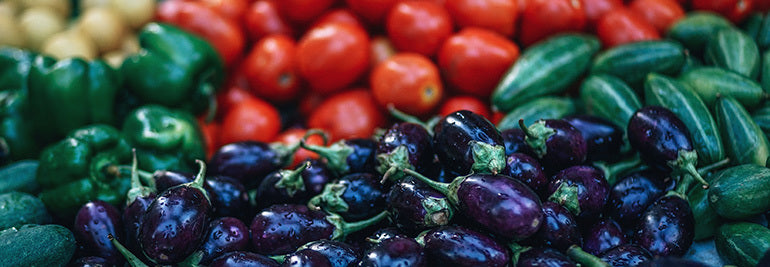
Greg tries to eat fresh vegetables with a variety of colors, which he says indicates nutritional richness. Whenever possible, he also cooks with food from local sources. “I do grow a small garden every year, with tomatoes, potatoes, garlic, carrots, broccoli, beets, just your basics,” he says. “It’s so nice to go and grab them directly from my yard.”
Week day diet
Greg and his family are following the “week day vegetarian diet”, meaning they only meat on the weekends. This contributes to personal health and reduces their impact on the planet. “The personal health side is pretty clear, there are so many articles about reducing red meat in your diet and the benefits involved, from a reduced potential for cancer to lower cholesterol, to living longer,” he says.
“One of the simplest way to decrease my family’s carbon footprint was to decrease our meat intake; livestock farming is responsible for 20-50 per cent of the greenhouse gases, so this was an easy way to become better earth dwellers. If you ever look into livestock it is amazing the deforestation involved, the extreme water usage and over un-sustainability of it.
Photo by Angela Percival/ Arcteryx
Healthy balance
While the Hills like to keep it fresh, they also allow themselves to indulge in a fast food meal once a week, like ordering a pizza on Friday movie night. Perfection is not the goal, Greg says, just as long as the the bulk of their diet is fresh, healthy food.
“Like every family we have certain meals that are staples, enchiladas, lasagna, salad rolls, pad thai, pizza on friday nights, and my favourite – the glory bowl,” he says.
Tofu glory bowl
In the bowl
2 cups cooked brown rice1/2 cup grated beetroot1/2 cup grated carrots1/2 cups almonds, toasted1/2 cups spinach leaves1 cup tofu, cubed
Dressing
1/4 cup tahini1/4 cup apple cider vinegar1/2 cup nutritional yeast flakes2 gloves garlic3 tablespoons tamari1 tablespoon maple syrup1/4 cup olive oil1/4 cup water
Instructions
Prepare the brown rice and set aside.Fry tofu cubes in a pan.Add dressing ingredients into a blender to prepare the dressing. Add oil in a steady stream. Taste, and thin with water if required.Assemble the bowls by placing cooked brown rice into two bowls, top with beets, carrots, spinach leaves, almonds and fried tofu cubes.Drizzle bowls with dressing.
Lead image: Photo by Fancycrave on Unsplash.
Click below to read articles in our Fuelling the Engine series:
Fuelling the engine: talking nutrition with Lucy Bartholomew
Fuelling the engine: talking nutrition with Emelie Forsberg
Fuelling the engine: a commonsense approach to nutrition
Fuelling the engine: talking nutrition with Ryan Sandes
Fuelling the engine: talking nutrition with Ultracycling Man
Fuelling the engine: talking nutrition with Mel Hauschildt
D.I.E.T (disaster imminent every time), and three unchanging principles of nutrition for athletes

Becoming a mother and staying in love with the mountains
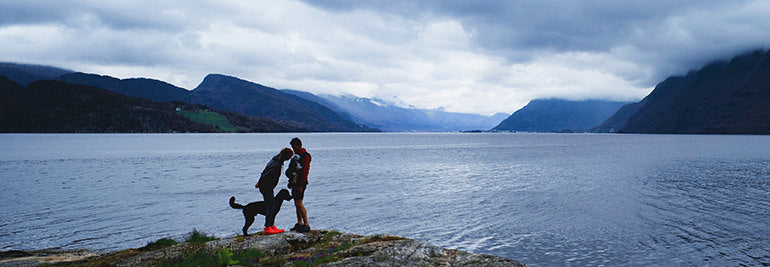
New roles for everyone: As Emelie heads out training, Kilian stays home with Maj.
After nine months of pregnancy, resting and recovering after birth, Suunto ambassador Emelie Forsberg is training again in the mountains and fjords of Norway where she and her partner Kilian Jornet live a life filled with adventure.
True to her background in seasonal farming, gardening and eating, Emelie understands well there is a season for everything, and is taking her time to come back to elite mountain running and skiing form.
“I don’t push my boundaries because I prefer to take small steps and to do it really healthy and slow,” she says. “That might mean my way back will be longer, but that’s who I am. I would regret it so much if I took too big a step and got injured. I want to take things slow.”
Watch below and see how Emelie is balancing the joy of being a new mum with finding her legs again as one of the best mountain athletes on the planet.
WATCH "BEING AN ATHLETE AND A NEW MUM"

Ryan Sandes’s new 13 Peaks Challenge and the joy of backyard adventure
© Jared Paisley
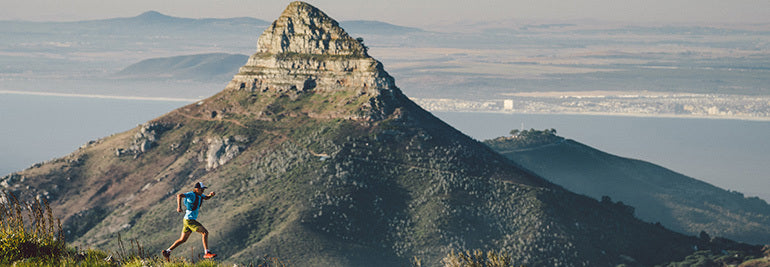
The summit of Table Mountain towers 1054 m above Cape Town below. The keystone of Table Mountain National Park, the peak is famous for its biodiversity and incredible panoramic views.
This is Suunto ambassador Ryan Sandes’s home training ground. It’s where he prepares for the ultra marathons he races in around the world. He’s know this terrain like the back of his hand.
“Table Mountain is one of the few places where you can go from the city to the top of a mountain in under an hour,” Ryan says. “There’s something really magical about it and the whole Cape Peninsula – the combination of really technical trails, beautiful landscapes and ocean views.”
© Jared Paisley
After running in locations all over the world – Antarctica, the Gobi Desert, the European Alps, the Himalayas, and the jungle of Central America – Ryan felt called to explore his own home turf more fully. “We so often search far and wide for adventure, when epic backyard adventures are waiting right on our doorstep,” Ryan says. “It doesn’t take a lot to create them; it’s just using your imagination a little bit, and going out and having a good time.
“There is so much potential for backyard adventures, whether it involves surfing, a long distance swim, a kayak paddle, or doing a crazy mountain bike. There’s just so much out there. Even if you live in a massive city, you can still create a fun backyard adventure. The opportunities are endless.”
The 13 Peaks Challenge all started with Ryan sketching a route on a notepad. With pen and pad, he linked up 13 peaks in the park to create a backyard adventure for locals and tourists alike. Then he convinced a friend to run it with him. “I told him it would only be 40 or 50 km,” Ryan says. “It ended up being an epic adventure, over 108 km!”
© Jared Paisley
With that huge day out, the 13 Peaks Challenge was born. The route is 108 km, and includes 6500 m of vertical gain. It can be done in 24 hours, 48 hours or as a multi day challenge. About 20 people have completed it so far. A group of runners is currently attempting to do the 13 peaks in 13 weeks.
Ryan’s friends Ryno Griesel, Ruan van der Merwe, and Jock Green hold the fastest known time (20 hours), but maybe not for long. “In some ways I’m more looking forward to giving that another go than any other races or events,” Ryan says.
People living in Cape Town have caught on to the challenge more quickly than Ryan expected. Enthusiasts are making merchandise for finishers. The challenge is collaborating with charity the Southern Lodestar Foundation to help feed schools in the area. And the people who have completed it are helping those undertaking it. “I’ve been blown away by how many people have become passionate about it,” Ryan says. “It’s become really community orientated. It’s creating camaraderie.”


