






SUUNTOブログ


Vertical Week competition winners
One of the reasons we’ve continued pushing World Vertical Week every year since its inauguration in 2016 is because it brings out the best in our Suunto community. People get outside more and push themselves, and many do some truly big days.
The World Vertical Week competition captures some of the best of it. We look forward to scrolling through all the images the community shares and tags via #verticalweek. Thanks to everyone who participated in this spring 2022 edition.
As always, we selected three winners who will each receive a Suunto 9 Peak. Congratulations!
And the winners are …
Everesting the Bastille in Grenoble
You can’t get a much bigger day than what @danielott_atalps pulled off in Grenoble, France. He competed in the second edition of the Everstille 2022 and was one of four people who climbed the Bastille hill above the city 33 times, adding to 8848 m, the height of Mt Everest.
“I read about Suunto vertical week last year and was fascinated by the concept of trying to accumulate as much elevation as possible,” Daniel says. “I wanted to participate then, but it always fell on the week of my exams, so I couldn't participate. This year, I was thrilled that the Everstille, the everesting race I did, fell in the time frame of the vertical week, so I signed up immediately.
“Everestille is a race organized by Tri-Haut, an association based in Grenoble that aims to improve the waste management in the Khumbu Region below Everest. The goal of the race is to run the Bastille, as many times as possible.”
Love in the Swedish mountains
Mother Nature turned it on for @josefintrogen on a ski trip in the Sälen ski resort in Sweden. It was the first time she participated in World Vertical Week and probably won’t be her last.
“We went cross-country skiing and downhill-skiing and it was a perfect weekend with sunshine, snow and what we call ‘Sweden’s fifth season’ or ‘spring-winter’,” Josefin explains. “It basically means there’s still enough snow to go skiing without problems, but warm enough to ski in a base layer only (this weekend it was about +10°C). Every day we bought soup for lunch and made a couch in the snow to enjoy it out in the sun before continuing our tour.”
Passionate mum and daughter skimo team
Her first Vertical Week, @monivieregg took her six-year-old daughter out into the Bavarian mountains on a skimo tour. The ascent is always challenging because Monika has a small frame and pulling her 20 kg daughter up the mountain behind takes everything she’s got.
“We life very close to the Alps and the tour in the pic was at a former ski slope, called Blickner Alm at the Hochfelln,” Monika says. “My daughter really loves skiing uphill and she did a very, very good job downhill. At every carve she did I could hear a ‘hui’, ‘nice’ and ‘yipee’. She had a few falls, but after every one she got up and told me nothing happened, ‘keep going faster I want to ski on’. We both are really satisfied after a tour and we look forward to the next one.”


Big results from World Vertical Week 22
After the fall edition of World Vertical Week 2021, we were wowed by a 43% jump in participation, but now we are blown away again because we’ve had a 79% participation increase in this edition of World Vertical Week. That means there’s been a 155% increase over the last year. What’s going on people? Can’t get enough of those hills?
As we do after every edition of World Vertical Week, we have collected the data, drilled down into it, and looked at who climbed the most and what sports gained the most meters. Read on for the results!
Participation
This edition, 125,000 people participated. That’s up from 70,000 in the 2021 fall edition, and up from 49,000 in the 2021 spring edition. We’re really impressed by this and wonder if the big increase is because, post-pandemic, races are happening again and more of us have signed up and want to get back into focused training.
Big performances
We discovered 86 people in the Suunto community climbed more than 10,000 m of ascent over the week. That’s up from 59 in fall 2021, and only nine in spring 2022. Well done you hardcore vert chasers!
There were 301 activities recorded that involved more than 3,500 m of ascent. Those are big days out - nice work! During the 2021 fall edition there were only 218, and only 89 in spring 2021. The only way is up!
For activities with more than 2000 m of ascent there were 1,183 activities recorded and 7,287 activities recorded that involved more than 1000 m of ascent.
Number of activities with more than 1000 m of ascent by activity
Ski touring: 2197 (30%)Trail running: 1993 (27%)Cycling: 767 (11%)Running: 682 (9%)
Number of activities with over 2000m of ascent by activity
Trail running: 354 Ski touring: 290Running: 167Cycling: 134
Austria remains on the throne
Once again the alpine nation has come out on top for the highest average ascent per country. This time it’s average was slightly lower than previous edition, but still neck and shoulders above second place winner, Italy. Austria has held first place in this category for six of the last seven editions. It only lost its crown in 2019, falling to fifth place. It also deserves kudos for coming in the top five of five other categories!
Go Italy!
Italy deserves some love for coming in second place in seven different categories, including the highest average and total ascents per country. Ski touring, mountaineering, trail running, mountain biking, hiking and cycling - Italy recorded the second highest average ascent per country for all of these sports. Mama mia!
Average ascent per country
Total ascent per country
Spain
Italy
France
Austria
Average ascent by activity type
Top 5 nations in different activity types
Ski touring
The average ascent for all countries was 916 m.
Switzerland, 1102 m
Italy, 1015 m
France, 1003 m
Austria, 955 m
Germany, 950 m
Mountaineering
The average ascent for all countries was 645 m.
Austria, 839 m
Italy, 753 m
Germany, 734 m
Poland, 714 m
Japan, 676 m
Trail running
The average ascent for all countries was 437 m.
Japan, 978 m
Italy, 664 m
Portugal, 617 m
Malaysia, 590 m
Slovenia, 558 m
Mountain biking
The average ascent for all countries was 359 m.
Switzerland, 523,5 m
Italy, 523,1 m
Slovenia, 487 m
Austria, 476 m
Spain, 454 m
Hiking
The average ascent for all countries was 225 m.
Malaysia, 457 m
Italy, 434 m
Slovakia, 418 m
Croatia, 412 m
Japan, 382 m
Nordic skiing
The average ascent for all countries was 185 m.
Slovenia, 410 m
Czech Republic, 369 m
Austria, 291 m
Poland, 282 m
Germany, 264 m
Cycling
The average ascent for all countries was 181 m.
Spain, 406 m
Italy, 373 m
Portugal, 309 m
Switzerland, 276 m
Slovenia, 269 m
Running
The average ascent for all countries was 95 m.
Bulgaria, 202 m
Ireland, 180 m
New Zealand, 168 m
Switzerland, 154 m
Chile, 149 m
Lead image: © Philipp Reiter


登山・トレランで役立つSuunto機能10選|標高・地図・ルート・Climb Guidance
登山やトレイルランニングでは、「今どのくらいの標高にいるのか」「あとどれくらい登るのか」「この先にどんな地形が待っているのか」を把握できると、ペース配分やルート確認がしやすくなります。
SuuntoウォッチとSuuntoアプリには、現在高度、累積標高、地図、ルートナビゲーション、Climb Guidanceなど、山で役立つさまざまな機能があります。
さらにSuuntoPlusを使えば、勾配や垂直速度など、自分の目的に合わせた追加情報をウォッチで確認することもできます。
この記事では、登山やトレイルランニングで特に役立つSuuntoの10機能と、標準機能をさらに拡張するSuuntoPlusの使い方を紹介します。
目次
1. 現在高度を確認する
2. 累積標高を確認する
3. FusedAltiで高度情報を補正する
4. ルート高度プロフィールを見る
5. Climb Guidanceで次の登りを把握する
6. Climb Guidanceをズームして詳しく見る
7. オフラインマップで地形を確認する
8. ルートナビゲーションでコースを追う
9. Suuntoアプリの3Dマップで事前確認する
10. 累積標高をトレーニング目標にする
SuuntoPlusとは?登山・トレランで機能を追加する
SuuntoPlus Climbで登りをリアルタイムに確認する
山で役立つその他のSuuntoPlus機能
Climb GuidanceとSuuntoPlus Climbの違い
登山とトレランでどう使い分ける?
登山・トレランで使うならSuunto Vertical 2
まとめ
関連記事
1. 現在高度を確認する
登山やトレイルランニングでは、現在の標高を把握することで、自分がルート上のどのあたりまで進んでいるのかを確認しやすくなります。
例えば標高2,000mの山頂を目指していて、現在高度が1,600mなら、単純な標高差としてはあと約400mです。
距離だけでなく高度を見ることで、「あとどれくらい登るのか」をより具体的にイメージできます。
登山では行程の進捗確認に、トレランでは長い登りでのペース配分にも活用できます。
2. 累積標高を確認する
累積標高とは、1回のアクティビティの中で登った高さを合計したものです。
スタート地点とゴール地点の標高差とは異なります。
例えば、
標高500mから800mまで登る:+300m
600mまで下る
600mから1,000mまで登る:+400m
というルートなら、累積標高は700mです。
アップダウンが多い登山道やトレイルでは、距離だけを見てもコースの負荷は分かりません。
「20km走った」という情報に加えて、
「20kmで累積標高1,500mだった」
と見ることで、その日の運動負荷やコース特性をより具体的に振り返ることができます。
トレイルレースを予定しているなら、距離だけでなく大会の累積標高も確認しておくと、トレーニング内容を考えやすくなります。
3. FusedAltiで高度情報を補正する
Suuntoの高度計測を支える代表的な技術のひとつがFusedAltiです。
FusedAltiは、GPSから得られる高度情報と気圧高度を組み合わせて、高度情報の精度を高めるSuunto独自の技術です。
山では天候や気圧が変化するため、気圧だけを使った高度計測では表示にずれが生じる場合があります。
一方、GPSによる高度情報にも測位状況などによる誤差があります。
FusedAltiでは複数の情報を組み合わせることで、登山やトレラン中の高度変化をより安定して記録します。
長時間の山岳アクティビティで、現在高度や累積標高を確認するときにも重要な技術です。
高度や累積標高は、登山やトレランで行程を把握するための重要な情報です。
4. ルート高度プロフィールを見る
事前に作成したルートをナビゲーションすると、対応するSuuntoウォッチではルートの高度プロフィールを確認できます。
これにより、
この先に大きな登りがある
山頂を越えた後に長い下りが続く
後半にも大きな登り返しがある
といったコース全体の流れを把握しやすくなります。
登山では休憩や補給のタイミングを考える材料に、トレランではレースやロング走のペース配分に活用できます。
目の前の登りだけでなく、その先にどんなアップダウンが待っているかを把握できることが高度プロフィールのメリットです。
5. Climb Guidanceで次の登りを把握する
現在のSuuntoウォッチで山岳アクティビティに特に役立つのが、Climb Guidance(クライムガイダンス)です。
ルートナビゲーション中に高度データをもとにコースを区間化し、これから現れる登りや下りを把握しやすくします。
例えば、
現在の登りがあとどれくらい続くか
この登りでどれくらい標高を上げるか
登りを終えたあとに何が待っているか
その先にさらに大きな登りがあるか
などを手元で確認できます。
トレランでは登りの入口でペースを上げすぎないための参考になり、登山では山頂や峠までの進捗を把握しやすくなります。
Climb Guidanceを使うと、ルート上の登りや下りの情報を確認できます。
6. Climb Guidanceをズームして詳しく見る
Climb Guidanceでは、表示範囲を切り替えて、この先の登りを詳しく確認できます。
ルート全体を見るだけでなく、現在進んでいる登りへズームすることで、目の前のクライムに集中して確認しやすくなります。
例えば長時間のトレイルレースで残り50kmと表示されても、そこから先の運動を具体的にイメージするのは簡単ではありません。
そんなときに、
「まずこの登りを終える」
「次のピークまで進む」
と区切って考えることができます。
長時間の登山や縦走でも、コース全体を小さな区間に分けて把握するのに役立ちます。
7. オフラインマップで地形を確認する
山ではスマートフォンの通信圏外になることがあります。
対応するSuuntoウォッチでは、事前にマップをダウンロードしておくことで、通信環境がない場所でもオフラインマップを利用できます。
地図上では、
現在地
予定ルート
周辺の地形
等高線
標高情報
などを確認できます。
登山では、尾根・谷・現在地とルートの位置関係を確認するために役立ちます。
トレランでは、初めて走るコースや分岐の確認などに活用できます。
ただし、GPSウォッチやマップ機能が山での安全を保証するものではありません。
現地の標識、地形、天候、公式ルート情報などと組み合わせて判断することが大切です。
山で必要なナビゲーションスキルについては、こちらの記事で詳しく紹介しています。
▶︎ 登山ナビゲーションで身につけたい5つのスキル|山で迷わないための基本
8. ルートナビゲーションでコースを追う
Suuntoアプリで作成したルートやGPXルートを対応するSuuntoウォッチへ同期すると、行動中にルートナビゲーションを利用できます。
登山では分岐や現在地の確認に、トレランではレースや初めて走るコースで予定ルートを確認するために使えます。
対応モデルでは、Climb Guidanceやトラックバックなどのナビゲーション機能も組み合わせて利用できます。
「どちらへ進むのか」と「この先どれくらい登るのか」を同じウォッチで確認できるのが、山でSuuntoを使うメリットのひとつです。
Suuntoアプリでルートを作る具体的な操作方法はこちらの記事へ。
▶︎ Suuntoアプリでルートを作る6つの方法|GPX・ヒートマップも解説
9. Suuntoアプリの3Dマップで事前確認する
山でSuuntoを活用するなら、ウォッチだけでなく出発前のSuuntoアプリも重要です。
Suuntoアプリでは、ルートを作成しながら地形を確認できます。
3Dマップを使えば、平面地図だけではイメージしにくい、
尾根
谷
大きな登り
ピーク
登り返し
などを視覚的に把握しやすくなります。
トレイルレース前なら、「前半に大きな登りがある」「後半にももう一度大きな登りがある」といったコース特性を事前に確認できます。
登山でも、初めて歩くルートの地形をイメージするために役立ちます。
ここではルート作成の詳しい操作方法までは説明せず、専用記事へ役割を分けています。
10. 累積標高をトレーニング目標にする
トレイルランニングでは、距離だけでなく累積標高そのものをトレーニング目標として考える方法があります。
例えば、
今日は10km走る
今日は累積標高800mを目標にする
では、トレーニングの内容が大きく変わります。
山岳レースに向けて準備する場合は、大会の距離だけでなく累積標高も確認しておくことが重要です。
30km・累積標高1,000mのレースと、30km・累積標高3,000mのレースでは、求められる登坂力や運動時間が大きく異なります。
対応するSuuntoウォッチでは、登りの量をエクササイズ目標として設定できるため、「今日は何m登るか」という考え方でトレーニングを組むこともできます。
登りそのものを速くするトレーニング方法については、こちらの記事へ。
▶︎ トレランの登りを速くするには?持久力・筋力・テクニックを鍛える方法
▶︎ トレランの登りを速くするインターバル練習|VO2max・乳酸閾値の鍛え方
SuuntoPlusとは?登山・トレランで機能を追加する
SuuntoPlusは、対応するSuuntoウォッチへ追加のスポーツ機能やガイドを加えられる仕組みです。
SuuntoPlusには、主に次のようなものがあります。
SuuntoPlus Sports Apps:エクササイズ中に追加データや専用機能を表示する
SuuntoPlus Guides:トレーニングプランなどをウォッチ上でガイドする
SuuntoPlus Store:使いたいSports Appsやガイドを探して追加する
基本機能だけでも登山やトレランを記録できますが、自分が確認したい情報に合わせて機能を追加できるのがSuuntoPlusの特徴です。
利用できる機能や対応モデルは異なるため、SuuntoアプリのSuuntoPlus Storeで最新の対応状況を確認してください。
SuuntoPlus Climbで登りをリアルタイムに確認する
登山・トレイルランニングとの相性が良いSuuntoPlus Sports Appのひとつが、Climbです。
SuuntoPlus Climbでは、登りの状況に応じて、
登った標高
クライム回数
勾配
垂直速度
ランニング時の勾配を考慮したペース情報
などを確認できます。
例えば、長い登りで自分がどのくらいの垂直速度を維持できているかを見ることで、序盤から飛ばしすぎていないかを確認する材料になります。
ヒルリピートでは、同じ坂を何回登ったか、登りごとの動きを確認する使い方もできます。
SuuntoPlus Climbでは、登りに関する追加情報をリアルタイムで確認できます。
SuuntoPlus Sports Appを使う基本的な流れ
SuuntoアプリでSuuntoPlus Storeを開く
使いたいSports Appを追加する
ウォッチとSuuntoアプリを同期する
エクササイズ開始前にSuuntoPlusを選択する
使いたいSports Appを有効にする
通常どおりエクササイズを開始する
エクササイズ中は、SuuntoPlus Sports Appが追加のデータ画面として利用できます。
山で役立つその他のSuuntoPlus機能
SuuntoPlusには、Climb以外にも登山やトレランで利用できる追加機能があります。
Safe
Safeは、現在地やスタート地点との位置関係など、位置に関する情報を確認するためのSuuntoPlus Sports Appです。
山で位置情報を確認したり、現在地を共有する必要がある場面の補助として利用できます。
ただし、Safeは救助サービスではなく、地図、通信手段、行動計画などを置き換えるものではありません。
Emergency Info
緊急時に備え、必要な情報をウォッチで確認できる機能も利用できます。
山へ出かける前に、SuuntoPlus Storeで利用できる安全関連機能を確認しておくのもひとつの方法です。
補給関連のSports Apps
長時間のトレイルレースでは、水分やエネルギー補給を忘れないことも重要です。
補給のタイミングをサポートするSuuntoPlus Sports Appsを活用することで、長時間レースの補給計画をサポートできます。
Climb GuidanceとSuuntoPlus Climbの違い
名前が似ているため、Climb GuidanceとSuuntoPlus Climbは混同しやすい機能です。
機能
Climb Guidance
SuuntoPlus Climb
主な目的
この先の登り・下りを把握する
現在の登り方を確認する
主な情報
登り区間、距離、高度プロフィールなど
登った標高、勾配、垂直速度、クライム回数など
ルートとの関係
ルートナビゲーションと連動
現在のアクティビティデータを中心に表示
機能の種類
ナビゲーション機能
SuuntoPlus Sports App
簡単に言えば、
Climb Guidance=「この先どう登るのかを見る」
SuuntoPlus Climb=「今どう登っているのかを見る」
という違いです。
この2つを使い分けることで、コースの先読みと、自分自身の登りの状態をそれぞれ確認できます。
登山とトレランでどう使い分ける?
機能
登山での活用
トレランでの活用
現在高度
行程や山頂までの進捗確認
登り区間の進捗確認
累積標高
行程全体の負荷把握
練習量・レース負荷の把握
高度プロフィール
この先の登り下りを確認
レースのペース配分
Climb Guidance
次の登りと残りを確認
登り区間ごとのペース管理
SuuntoPlus Climb
登高ペースや勾配の確認
垂直速度・ヒル練習の確認
オフラインマップ
現在地と地形の確認
未知のコースや分岐確認
ルートナビゲーション
予定ルートを確認しながら進む
レースやトレーニングコースを確認する
登山では「行程と地形を把握するための情報」、トレランでは「ルート確認とペース配分のための情報」として使うとイメージしやすいでしょう。
登山・トレランで使うならSuunto Vertical 2
登山やトレイルランニングで、標高・地図・ルート・登り情報を手元で確認したいなら、Suunto Vertical 2が有力な選択肢です。
オフラインマップ、ルートナビゲーション、Climb Guidance、高度・累積標高など、山岳アクティビティで役立つ機能を備えています。
SuuntoPlus Sports Appsにも対応しているため、Climbなど目的に合った追加機能を組み合わせることもできます。
特に登山、縦走、ロングハイク、長距離トレイルでは、現在地だけでなく、この先の地形と登りを手元で確認できることが大きなメリットです。
Suunto Vertical 2を見る
まとめ
登山やトレイルランニングでは、距離だけでなく、標高や地形を確認することで山の状況をより具体的に把握できます。
今回紹介した10の機能は、
現在高度
累積標高
FusedAlti
ルート高度プロフィール
Climb Guidance
Climb Guidanceのズーム
オフラインマップ
ルートナビゲーション
Suuntoアプリの3Dマップ
累積標高を使ったトレーニング目標
です。
さらにSuuntoPlusを使えば、Climbによる勾配や垂直速度など、自分の目的に合わせて追加情報を確認できます。
すべての機能を常に使う必要はありません。
登山で知りたい情報、トレランで確認したい情報に合わせて、必要な機能を選ぶことが大切です。
そして、GPSウォッチやナビゲーション機能は山での判断をサポートする道具です。
天候、地形、現地の標識、公式情報なども確認しながら、安全な計画と行動を心がけましょう。
関連記事
登山ナビゲーションで身につけたい5つのスキル|山で迷わないための基本
Suuntoアプリでルートを作る6つの方法|GPX・ヒートマップも解説
トレランの登りを速くするには?|持久力・筋力・テクニックを鍛える方法
トレランの登りを速くするインターバル練習|VO2max・乳酸閾値の鍛え方
ゾーン2ランニングとは?|心拍数の目安・効果・やり方を解説

Suunto app goes big!
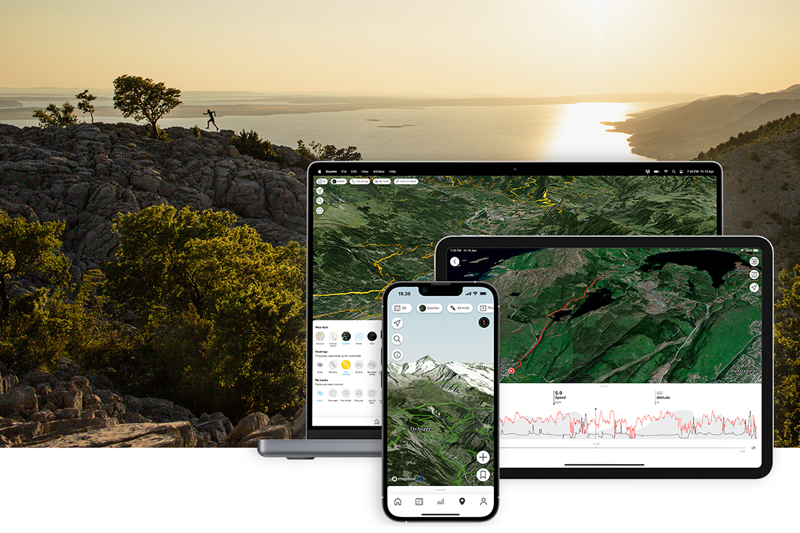
Suunto app is now compatible with iPad and Android tablets. You can find the app for your big screen iOS device in App Store and in Google Play for Android devices.
Here are some tips, tricks, and benefits of using Suunto app on a bigger screen!
Update: In addition to iPads and Android tablets, you can also use Suunto app on Mac computers with M1 and M2 processors!
Plan routes
A big screen is great for route planning. Use different map layers, switch between 2D and 3D and get inspiration from our sport-specific heatmaps.
To sync your routes to your watch, you don’t need to pair your watch with the tablet: Once saved, the routes are uploaded to the cloud and automatically synced to your watch the next time you open Suunto app on your phone.
View in 3D
To get a good view of your – or your friends – adventure, play a 3D animation of the activity. Simply go to your activity, hit the play button, and enjoy the views!
And hey, you can also share a link to your activity with your friends and they will be able to see a 3D animation of it on a web browser. To share an activity, tap the share icon and select ‘Share link to activity’. Add a description and photos to enhance the experience and to tell the full story.
Analyze your workouts
Analyze your activities in detail with maps and workout graphs: simply go to the activity, click map and you will enter a view with editable workout graph. You can select the data you see in the main graph, comparison graph and the background graph. Tap a point on the graph and drag to move. Turn the device sideways and you will see the graph in more detail!


ランナーにおすすめの筋トレ12選|持久力とパワーを高めるトレーニングメニュー
ランニングのパフォーマンスを高めるためには、走る練習だけでなく、身体を支える筋力づくりも大切です。
筋力トレーニングを取り入れることで、フォームの安定、坂道でのパワー、着地時の衝撃への対応、レース後半の粘りにつながります。
「そもそもランナーに筋トレは必要?」と感じている方は、まずランナーに筋トレが必要な理由もあわせて読むと、筋力トレーニングを取り入れる目的がわかりやすくなります。
また、ランニングを始めたばかりでウォッチ選びや記録の取り方から知りたい方は、初めてのランニングウォッチの選び方も参考にしてみてください。
この記事では、ランナーや持久系アスリートにおすすめの筋トレメニューを紹介します。まずは無理のない負荷から始め、正しいフォームを意識して行いましょう。
目次
始める前に:フォームと安全性を優先しよう
どのくらいの頻度で行う?
ランナーにおすすめの筋トレ12選
Suuntoウォッチで筋トレを記録する
まとめ|筋トレを取り入れて、長く走れる身体をつくろう
始める前に:フォームと安全性を優先しよう
筋トレは、正しいフォームで行うことが大切です。
フォームが崩れた状態で重い負荷をかけると、期待した効果が得られないだけでなく、ケガにつながる可能性もあります。初めて行う種目は、まず自重や軽い負荷で動きを確認しましょう。
特にスクワットやデッドリフトなどは、腰や膝に負担がかかりやすい種目です。不安がある場合は、専門家にフォームを確認してもらうのがおすすめです。
筋力トレーニングは、1回で大きな効果を出そうとするよりも、継続できる範囲で少しずつ取り入れることが大切です。痛みがある場合は無理をせず、体調や疲労度に合わせて調整しましょう。
どのくらいの頻度で行う?
ランナーの筋トレは、週1〜2回から始めるのがおすすめです。
ハードなランニング練習と同じ日に詰め込みすぎると、疲労が抜けにくくなることがあります。まずは、ジョグの日や休養日の前後など、自分のトレーニングスケジュールに無理なく入れられるタイミングを探してみましょう。
筋トレを取り入れるときは、走る練習、補強トレーニング、休養のバランスも大切です。トレーニング負荷や進捗を振り返りながら調整したい方は、Suuntoでトレーニングの進捗を確認する方法も参考にしてみてください。
また、疲労が抜けていない状態で負荷を重ねると、パフォーマンスが落ちたり、ケガにつながったりすることもあります。回復状態を知る指標としてHRVを活用したい方は、HRVを活用して回復状態を確認する方法もあわせてご覧ください。
大切なのは、1回で追い込みすぎることではなく、継続できる形で取り入れることです。
ランナーにおすすめの筋トレ12選
1. ボックスジャンプ
ボックスジャンプは、下半身の瞬発力を高めるトレーニングです。
台やボックスに向かって両足でジャンプし、着地します。ジャンプ時はお尻や太ももの力を使い、着地では膝が内側に入らないように注意しましょう。
坂道やトレイルで必要なパワーづくりに役立ちます。
2. アブダクション
アブダクションは、お尻の横側にある中臀筋を鍛える種目です。
中臀筋は、片脚で着地するときや、ランニング中に骨盤を安定させるために重要な筋肉です。横向きに寝て脚を上げる方法や、チューブを使って行う方法があります。
膝や股関節の安定にもつながるため、ランナーに取り入れやすい種目です。左右差が出やすい部分なので、片側だけに力が入りすぎていないか確認しながら行いましょう。
3. ブルガリアンスクワット
ブルガリアンスクワットは、片脚ずつ下半身を鍛える種目です。
片足を後ろの台に乗せ、前脚を使ってしゃがみ込みます。太もも、お尻、体幹を同時に使うため、ランニングに近い片脚支持の安定性を高めるのに役立ちます。
膝がつま先より内側に入らないように注意しましょう。最初はダンベルを持たず、自重でバランスを取れるようになってから負荷を加えるのがおすすめです。
4. 懸垂
懸垂は、背中や腕、体幹を鍛える種目です。
ランニングでは脚の筋力が注目されがちですが、上半身の安定もフォーム維持に関わります。特に長距離では、姿勢が崩れると腕振りや呼吸にも影響します。
難しい場合は、補助バンドを使ったり、斜め懸垂から始めても問題ありません。肩に力が入りすぎないようにし、背中を使って身体を引き上げる意識で行いましょう。
5. スクワット
スクワットは、ランナーにとって基本となる筋トレのひとつです。
太もも、お尻、体幹をバランスよく鍛えられます。足を肩幅程度に開き、背中を丸めずにお尻を後ろへ引くようにしゃがみます。
まずは自重でフォームを確認し、慣れてきたらダンベルやバーベルを使って負荷を調整しましょう。膝だけでしゃがむのではなく、股関節を使って動くことがポイントです。
6. プッシュアップ(腕立て伏せ)
プッシュアップ(腕立て伏せ)は、胸、肩、腕、体幹を鍛えるトレーニングです。
ランニングに直接関係なさそうに見えますが、上半身の安定はフォーム維持に役立ちます。身体を一直線に保ち、腰が反ったり落ちたりしないように行いましょう。
通常のプッシュアップが難しい場合は、膝をついて行う方法から始めてもOKです。呼吸を止めず、体幹を安定させたまま動作することを意識しましょう。
7. ステップアップ
ステップアップは、片脚で台に上がるシンプルな種目です。
階段やボックスを使って行うことができ、太ももやお尻の筋力、バランス感覚を鍛えられます。登りの動きに近いため、トレイルランニングや坂道を走る人にもおすすめです。
反動を使わず、前脚の力で身体を持ち上げる意識で行いましょう。
8. デッドリフト
デッドリフトは、背中、お尻、太もも裏を鍛える種目です。
ランニングでは、太もも前だけでなく、お尻やハムストリングスの力も重要です。デッドリフトは、地面を押す力や姿勢を支える力を高めるのに役立ちます。
腰を丸めず、股関節から身体を折りたたむように動作することがポイントです。初めて行う場合は、軽い負荷から始めましょう。
9. ヒールレイズ
ヒールレイズは、ふくらはぎを鍛える種目です。
立った状態でかかとを上げ下げするシンプルな動きですが、ランニング中の着地や蹴り出しに関わる筋肉を鍛えることができます。
両脚で慣れてきたら、片脚で行うとより負荷を高められます。アキレス腱やふくらはぎに違和感がある場合は無理をしないようにしましょう。ゆっくり下ろす動作まで丁寧に行うのがポイントです。
10. ルーマニアンデッドリフト
ルーマニアンデッドリフトは、お尻と太もも裏を重点的に鍛える種目です。
膝を軽く曲げた状態で、股関節を後ろに引きながら上体を倒します。ハムストリングスに伸びを感じながら、背中を丸めずに行うことが大切です。
ランニング中の推進力や、下半身のバランスづくりに役立ちます。動作中は重さよりもフォームを優先し、腰ではなくお尻と太もも裏を使う意識で行いましょう。
11. バーベルロー
バーベルローは、背中を鍛える種目です。
上半身の姿勢を保つ力は、長距離ランニングで特に重要です。背中が安定すると、胸が開きやすくなり、腕振りもスムーズになります。
バーベルが難しい場合は、ダンベルローやチューブローでも代用できます。腰を反らせすぎず、肩甲骨を寄せるように引くと、背中の筋肉を使いやすくなります。
12. シングルレッグヒップスラスト
シングルレッグヒップスラストは、お尻を鍛える片脚種目です。
ベンチや床に背中を預け、片脚でお尻を持ち上げます。お尻の筋肉をしっかり使うことで、ランニング中の骨盤の安定や推進力につながります。
左右差が出やすい種目なので、無理に回数を増やすより、正しいフォームで丁寧に行いましょう。腰を反らせるのではなく、お尻を締めるように持ち上げるのがポイントです。
Suuntoウォッチで筋トレを記録する
筋力トレーニングも、ランニングと同じように記録しておくと、トレーニング全体を振り返りやすくなります。
Suuntoのスポーツウォッチでは、ランニングだけでなく、筋力トレーニングやさまざまなスポーツモードを使ってアクティビティを記録できます。Suuntoアプリで日々の運動をまとめて確認することで、走る練習と補強トレーニングのバランスも見やすくなります。
さらに、Suunto Coachを活用すると、日々のトレーニングデータに基づいたアドバイスを確認できます。走る練習と筋力トレーニングをどのように組み合わせるか考えたい方は、AIでさらにスマートになったSuunto Coachも参考にしてみてください。
ランニングのパフォーマンスを高めたい方は、走る日だけでなく、身体をつくる日も記録してみましょう。
▶︎Suuntoのスポーツウォッチを見る
まとめ|筋トレを取り入れて、長く走れる身体をつくろう
ランナーにとって筋力トレーニングは、走る力を支える大切な要素です。
スクワットやステップアップ、デッドリフト、ヒールレイズなどを取り入れることで、下半身の筋力、体幹の安定、フォーム維持、坂道でのパワー向上につながります。
まずは無理のない種目と負荷から始め、正しいフォームを意識して継続しましょう。
走る練習と筋力トレーニングをバランスよく組み合わせることで、ランニングはもっと安定し、より長く楽しめるようになります。
トレーニング負荷や回復状態も見ながら継続したい方は、SuuntoウォッチとSuuntoアプリで日々の運動を記録してみてください。
▶︎Suuntoのスポーツウォッチを見る


ランナーに筋トレは必要?持久系アスリートが筋力トレーニングを取り入れるべき5つの理由
ランニングやサイクリング、トレイルランニングなどの持久系スポーツでは、「長く動き続ける力」が大切です。そのため、トレーニングというと走る距離を増やしたり、心肺機能を高めたりすることに意識が向きやすいかもしれません。
一方で、持久系アスリートにとって筋力トレーニングも重要な要素です。
筋力トレーニングは、単に筋肉を大きくするためのものではありません。効率よく走るための身体づくり、坂道や後半の粘り、ケガの予防、フォームの安定など、持久系スポーツに必要な土台を支えてくれます。
ランニングを始めたばかりで、ウォッチ選びや記録の取り方から知りたい方は、まず初めてのランニングウォッチの選び方も参考にしてみてください。この記事では、ランナーや持久系アスリートが筋力トレーニングを取り入れるべき理由を紹介します。
目次
高強度筋力トレーニング(HIRT)とは?
理由1:ランニングエコノミーの向上につながる
理由2:坂道やトレイルで必要なパワーを高められる
理由3:ケガの予防につながる
理由4:疲れてきてもフォームを維持しやすくなる
理由5:トレーニングの幅が広がる
初心者は無理なく始めることが大切
Suuntoウォッチで筋トレも記録しよう
まとめ|筋トレは、ランナーの走りを支える土台になる
高強度筋力トレーニング(HIRT)とは?
高強度筋力トレーニングは、英語では HIRT(High-Intensity Resistance Training) と呼ばれることがあります。比較的高い負荷を使い、少ない回数で筋力やパワーを高めるトレーニング方法です。
ただし、初心者がいきなり重いウェイトを扱う必要はありません。まずは自重トレーニングや軽い負荷から始め、正しいフォームを身につけることが大切です。
持久系スポーツにおける筋トレの目的は、見た目の筋肉量を増やすことではなく、効率よく動き続けるための強い身体をつくることです。
ここでいう「高強度」は、必ずしも限界まで追い込むという意味ではありません。目的に合わせて負荷を設定し、少ない回数でも質の高い動きを行うことがポイントです。
理由1:ランニングエコノミーの向上につながる
ランニングエコノミーとは、同じペースで走るときに、どれだけ少ないエネルギーで効率よく走れるかを表す考え方です。
筋力が高まると、地面を押す力や身体を支える力が安定し、無駄な動きが少なくなります。その結果、同じペースでも以前より楽に走れる感覚につながることがあります。
特に長距離では、小さな効率の差が後半の疲労感に影響します。筋力トレーニングは、長く走り続けるための「燃費の良い身体づくり」に役立ちま
VO₂max(最大酸素摂取量)は、運動中に身体がどれだけ多くの酸素を取り込み、使えるかを示す指標です。ランナーにとって重要な数値のひとつですが、筋力トレーニングはVO₂maxそのものを直接高めるためだけのものではありません。
大切なのは、心肺能力を効率よく走りに変えることです。筋力やフォームの安定性が高まることで、持っている持久力をより無駄なく発揮しやすくなります。
理由2:坂道やトレイルで必要なパワーを高められる
ロードランニングだけでなく、トレイルランニングや登りの多いコースでは、脚の筋力や体幹の安定性が大きく関わります。
上り坂では、太ももやお尻まわりの筋力が必要です。下り坂では、着地の衝撃を受け止める筋力や、身体を安定させるコントロール力が求められます。
筋力トレーニングを取り入れることで、坂道や不整地でもフォームを保ちやすくなり、後半まで粘れる身体づくりにつながります。
理由3:ケガの予防につながる
ランニングは同じ動きを何度も繰り返すスポーツです。そのため、特定の筋肉や関節に負担が集中しやすく、疲労がたまるとフォームが崩れやすくなります。
筋力トレーニングで脚、体幹、お尻まわりを強化すると、着地時の衝撃を受け止めやすくなり、身体のバランスも安定します。
特に、膝や足首、股関節まわりに不安がある人は、走る量を増やすだけでなく、身体を支える筋力を高めることも意識したいポイントです。
理由4:疲れてきてもフォームを維持しやすくなる
レースやロングランの後半になると、脚が重くなり、姿勢が崩れたり、腕振りが小さくなったりすることがあります。
これは心肺機能だけでなく、筋力や体幹の持久力が関係している場合もあります。
筋力トレーニングで身体の土台を強化しておくと、疲れてきた場面でも姿勢を保ちやすくなります。フォームが安定すれば、無駄なエネルギー消費を抑え、最後まで走り切る力につながります。
理由5:トレーニングの幅が広がる
筋力トレーニングを取り入れると、走る以外の方法で身体を鍛えられるようになります。
たとえば、疲労がたまっていて走行距離を増やしにくい時期でも、筋力トレーニングなら目的に合わせて負荷を調整できます。オフシーズンや基礎づくりの時期にも取り入れやすく、年間を通じた身体づくりに役立ちます。
また、ランニングだけでは刺激しにくい筋肉にアプローチできるため、バランスの良い身体づくりにもつながります。
初心者は無理なく始めることが大切
筋力トレーニングは効果的ですが、いきなり高い負荷で始める必要はありません。
まずは、自重スクワット、ステップアップ、ヒップリフト、プッシュアップなど、基本的な種目から始めるのがおすすめです。フォームが安定してから、少しずつ負荷や回数を増やしていきましょう。
痛みがある場合や、正しいフォームに不安がある場合は、無理をせず専門家に相談することも大切です。
Suuntoウォッチで筋トレも記録しよう
Suuntoのスポーツウォッチは、ランニングだけでなく、筋力トレーニングやさまざまなスポーツの記録にも対応しています。
ランニング、トレイルランニング、サイクリング、筋力トレーニングなどをまとめて記録することで、自分のトレーニング全体を振り返りやすくなります。VO₂max、トレーニング負荷、回復状態などもあわせて確認することで、走る日、鍛える日、休む日のバランスも考えやすくなります。
トレーニングの進捗をより詳しく見たい方は、Suuntoアプリとウォッチでトレーニング負荷を管理する方法もあわせてご覧ください。
また、Suunto Coachを活用すると、Suuntoアプリ上でトレーニングデータに基づいたアドバイスを確認できます。日々のトレーニングをより計画的に進めたい方は、AIでさらにスマートになったSuunto Coachも参考になります。
筋力トレーニングを取り入れるときは、走る日だけでなく、休む日とのバランスも大切です。疲労が抜けていない状態で負荷を重ねると、パフォーマンスが落ちたり、ケガにつながったりすることもあります。回復状態を知る指標としてHRVを活用したい方は、HRVを活用して回復状態を確認する方法もチェックしてみてください。
それぞれのバランスを見ながら継続することが、長くスポーツを楽しむためのポイントです。
具体的な筋トレメニューを知りたい方は、「ランナーにおすすめの筋トレ12選」もあわせてご覧ください。
まとめ|筋トレは、ランナーの走りを支える土台になる
ランナーや持久系アスリートにとって、筋力トレーニングは走る力を支える重要な土台です。
ランニングエコノミーの向上、坂道やトレイルでのパワー、ケガの予防、後半のフォーム維持など、筋トレが役立つ場面は多くあります。
大切なのは、無理に重い負荷から始めることではなく、自分のレベルに合った内容を継続することです。
走るだけでなく、身体を支える力も育てる。
その積み重ねが、より強く、より長く、楽しく走り続けることにつながります。


