




ランニングウォッチやSuuntoアプリで「VO2max」という数値を見たことはありませんか?
数字が高いほど良さそうに見える一方で、「何を意味しているのか」「どう見ればいいのか」「本当に上げられるのか」は少し分かりにくい指標です。
VO2maxは、日本語では「最大酸素摂取量」と呼ばれます。簡単に言えば、強い運動をしているときに、身体がどれだけ酸素を取り込み、エネルギーとして使えるかを示す指標です。
この記事では、VO2maxの基本、ランニングで重要な理由、年齢別の目安、上げるためのトレーニング方法、そしてSuuntoウォッチでVO2maxを確認する方法を紹介します。
この記事でわかること
VO2maxとは?
VO2maxとは、強い運動中に身体が取り込み、運び、使うことができる酸素の最大量を示す指標です。
単位は一般的に、ml/kg/minで表されます。これは、体重1kgあたり、1分間にどれくらいの酸素を使えるかを示しています。
持久系スポーツでは、身体が酸素を使ってエネルギーを作る能力が重要になります。そのためVO2maxは、ランニング、トレイルランニング、サイクリング、トライアスロン、クロスカントリースキーなどで、自分の有酸素能力を知るための目安として使われます。
ただし、VO2maxだけでレース結果が決まるわけではありません。
同じVO2maxを持つランナーでも、フォーム、ランニングエコノミー、筋力、ペース配分、回復状態によって、実際の走りは変わります。
なぜランニングでVO2maxが重要なのか
VO2maxは、いわば有酸素能力の「エンジンの大きさ」を見る指標です。
VO2maxが高いほど、身体は多くの酸素を使ってエネルギーを作り出せるため、高い強度をより長く維持しやすくなります。
ランナーにとってVO2maxを知るメリットは、主に次の3つです。
現在の有酸素フィットネスを把握できる
VO2maxは、自分の持久力レベルを客観的に見るための目安になります。
「最近、同じペースが楽に感じるようになった」「以前より長く走れるようになった」といった体感に加えて、VO2maxの変化を見ることで、トレーニングの成果を確認しやすくなります。
トレーニングの進捗を追いやすい
VO2maxは、1回のトレーニングで大きく変わる数値ではありません。
数週間から数か月の流れで見ることで、トレーニングが自分の有酸素能力にどう影響しているかを把握しやすくなります。
心拍ゾーンや強度管理と組み合わせやすい
VO2maxは、自分の有酸素能力を知る指標です。一方で、日々のトレーニングでは心拍ゾーンを使って、今日どれくらいの強度で動いているかを確認できます。
VO2maxを高めるには、低強度の有酸素トレーニング、高強度インターバル、回復をバランスよく組み合わせることが大切です。
心拍ゾーンを使った強度管理については、こちらの記事で詳しく解説しています。
▶︎関連記事:「心拍ゾーンとは?トレーニング強度を使い分けて持久力を高める方法」
VO2maxはどう測定・推定する?
VO2maxを知る方法はいくつかあります。正確性と手軽さのバランスが異なるため、目的に合わせて考えるとよいでしょう。
ラボテスト
最も正確とされるのは、専門施設で行う運動負荷テストです。
マスクを装着し、運動中に取り込む酸素量や吐き出す二酸化炭素量を測定します。運動強度を段階的に上げながら測定するため、直接的で精度の高い方法ですが、専用設備と専門的な管理が必要です。
フィールドテスト
Cooper TestやBleep Testなど、一定時間または決められたプロトコルで走った結果からVO2maxを推定する方法もあります。
ラボテストほど正確ではありませんが、特別な設備なしでフィットネスレベルを確認できるのが特徴です。
SuuntoPlusには、Cooper TestやBleep Testなど、フィットネスレベルを確認するためのスポーツアプリがあります。各テストの内容や使い方は、こちらの記事で紹介しています。
▶︎関連記事:「Suuntoでできるフィットネステスト|VO2max・閾値・FTPを確認してトレーニングに活かす方法」
スポーツウォッチによる推定
スポーツウォッチは、ラボテストのように酸素の出入りを直接測るわけではありません。
対応するSuuntoウォッチでは、屋外ランニングやウォーキング中の心拍数、ペース、動きのデータなどをもとに、VO2maxを推定します。
ウォッチによるVO2maxは、絶対的な測定値というより、自分の有酸素フィットネスが時間とともにどう変化しているかを見るための実用的な指標として活用するのがおすすめです。
SuuntoウォッチでVO2maxを確認する方法
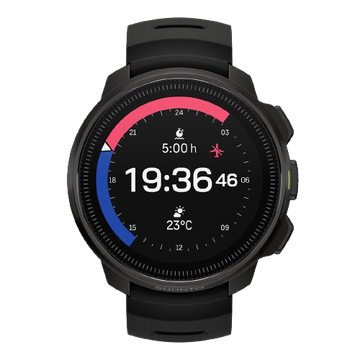
対応するSuuntoウォッチでは、日々のランニングやウォーキングのデータをもとに、VO2maxの推定値を確認できます。
新しいモデルでは、ProgressビューやSuuntoアプリでVO2maxの変化を確認できます。
ウォッチでVO2maxを見るときは、1回の数値だけに一喜一憂するよりも、数週間から数か月の変化を見ることが大切です。
たとえば、同じようなトレーニングを続けている中でVO2maxが少しずつ上がっていれば、有酸素能力が改善しているサインかもしれません。
反対に、VO2maxが下がっていて、同時に疲労感や睡眠不足もある場合は、トレーニング量や回復状態を見直すきっかけになります。
VO2maxの目安|年齢・性別でどう見る?
VO2maxは、年齢、性別、トレーニング歴、遺伝、測定方法によって変わります。
そのため、単純に「高い・低い」だけで判断するのではなく、同じ年代や性別の目安と比較したり、自分自身の推移を見ることが大切です。
以下は、VO2maxを見るときの一般的な目安です。あくまで参考値であり、健康状態や競技力を診断するものではありません。
男性のVO2max目安(ml/kg/min)
| 年齢 | 低い | やや低い | 平均 | 良い | 非常に良い | 高い |
|---|---|---|---|---|---|---|
| 20–29 | <33 | 33–36 | 37–41 | 42–45 | 46–52 | >52 |
| 30–39 | <31 | 31–34 | 35–39 | 40–43 | 44–50 | >50 |
| 40–49 | <28 | 28–32 | 33–36 | 37–40 | 41–46 | >46 |
| 50–59 | <25 | 25–29 | 30–33 | 34–38 | 39–43 | >43 |
| 60–69 | <22 | 22–25 | 26–30 | 31–34 | 35–41 | >41 |
女性のVO2max目安(ml/kg/min)
| 年齢 | 低い | やや低い | 平均 | 良い | 非常に良い | 高い |
|---|---|---|---|---|---|---|
| 20–29 | <23 | 23–29 | 30–35 | 36–41 | 42–46 | >46 |
| 30–39 | <20 | 20–27 | 28–33 | 34–39 | 40–44 | >44 |
| 40–49 | <17 | 17–24 | 25–31 | 32–35 | 36–41 | >41 |
| 50–59 | <15 | 15–21 | 22–28 | 29–34 | 35–39 | >39 |
| 60–69 | <13 | 13–20 | 21–24 | 25–30 | 31–35 | >35 |
同じVO2maxでも、年齢や性別によって意味は変わります。
たとえば、35 ml/kg/minという数値は、30代男性では平均的な目安に入る一方、40代女性では良い水準に入ることがあります。
多くのランナーにとっては、他人と比べるより、自分自身のVO2maxが時間とともにどう変化しているかを見る方が実用的です。
VO2maxを見るときの注意点
VO2maxは便利な指標ですが、万能ではありません。
ラボ測定とウォッチの推定は違う
SuuntoウォッチのVO2maxは、日々のランニングやウォーキングのデータから推定される値です。
ラボテストのように酸素摂取量を直接測るものではありません。ウォッチで確認できるVO2maxは、日常のトレーニングの変化を追うための目安として活用しましょう。
1回の数値だけで判断しない
体調、睡眠、気温、疲労、心拍計測の状態などによって、VO2maxの推定値は変動することがあります。
1回の結果だけで「上がった」「下がった」と判断するより、数週間から数か月のトレンドを見ることが大切です。
VO2maxだけで走力は決まらない
VO2maxは有酸素能力を見るうえで重要ですが、実際のパフォーマンスにはランニングエコノミー、筋力、フォーム、ペース配分、メンタル、補給、回復なども関わります。
走りの効率を高めたい場合は、こちらの記事も参考になります。
▶︎関連記事:「ランニングエコノミーとは?走りを効率化する5つの改善方法」
VO2maxに影響する要素
VO2maxは、身体の複数のシステムが関わる指標です。
主に次のような要素が影響します。
- 心臓が血液を送り出す能力
- 肺が酸素を取り込み、二酸化炭素を排出する働き
- 血液中のヘモグロビンによる酸素の運搬
- 筋肉が酸素を使ってエネルギーを作る能力
- 遺伝的な要素
- 年齢
- トレーニング歴
すべてを自分でコントロールできるわけではありませんが、継続的なトレーニング、強度の使い分け、回復を整えることで、VO2maxの改善を目指すことはできます。
VO2maxを上げる5つの方法
VO2maxを高めるには、ただ毎回きつい練習をすればよいわけではありません。
高強度の刺激、有酸素の土台、継続、回復を組み合わせることが大切です。
高強度インターバルを取り入れる
VO2maxを刺激する代表的な方法が、高強度インターバルトレーニングです。
たとえば、3分間の高強度走と2分間のリカバリーを数本繰り返すようなメニューは、VO2max向上を狙う練習として使われます。
ただし、負荷が高いため、週に何度も行う必要はありません。経験や体調に合わせて、十分に回復している日に取り入れましょう。
有酸素の土台をつくる
VO2maxを高めるには、高強度だけでなく、低〜中強度の有酸素トレーニングも重要です。
ゆっくり長く走るロングランや、会話ができる程度のイージーランは、持久力の土台づくりに役立ちます。
強くなるためには、楽に走る日も必要です。
トレーニング強度を使い分ける
毎回同じような強度で走るよりも、イージーラン、テンポ走、インターバルを目的に応じて使い分けることが大切です。
心拍ゾーンを活用すると、「今日はゾーン2で余裕を持って走る」「今日はゾーン4〜5でしっかり負荷をかける」といった判断がしやすくなります。
心拍ゾーンの設定方法については、こちらの記事で詳しく紹介しています。
▶︎関連記事:「心拍ゾーンの計算・設定方法|Suuntoウォッチで強度管理を始める基本」
継続する
VO2maxは、1回のトレーニングで大きく変わるものではありません。
短期間で追い込みすぎるより、無理のない範囲で継続することが大切です。
週に数回のランニングを続け、少しずつ距離や強度を調整していくことで、身体はトレーニングに適応していきます。
回復を大切にする
VO2maxを高めるためには、トレーニングだけでなく回復も必要です。
睡眠、栄養、水分補給、休養日を整えることで、身体はトレーニングの刺激に適応しやすくなります。
HRVを使った回復の見方については、こちらの記事で詳しく解説しています。
▶︎関連記事:「HRVとは?心拍変動を理解してトレーニングの回復を最適化する方法」
疲労が抜けにくい、脚が重い、睡眠の質が落ちているなどのサインが続く場合は、トレーニング量や強度を見直すことも大切です。頑張りすぎのサインについては、こちらの記事も参考になります。
▶︎関連記事:「オーバートレーニング症候群とは?ランニングで頑張りすぎているサインと休む目安」
VO2maxとVMAの違い
VO2maxと合わせて使われることがある指標に、VMAがあります。
VMAは、最大有酸素スピードを意味します。簡単に言えば、VO2maxに到達するスピードのことです。
VO2maxは「酸素を使う能力」を表す指標で、VMAは「その能力に到達する走速度」を表す指標です。
同じVO2maxのランナーでも、ランニングエコノミーやフォーム、経験によってVMAは変わることがあります。
つまり、VO2maxが同じでも、実際にどれくらいのペースで走れるかは別の話です。
VO2maxを高めることは大切ですが、それをレースペースへつなげるには、スピード練習、フォーム改善、ペース感覚、ランニングエコノミーも必要になります。
一定のペースで走る感覚を身につけたい方は、こちらの記事も参考になります。
▶︎関連記事:「ランニングのペース感覚を身につける方法」
よくある質問
VO2maxの平均はどれくらい?
一般的な目安として、男性では35〜45 ml/kg/min、女性では25〜35 ml/kg/min程度が平均的な範囲とされています。
ただし、年齢、性別、トレーニング歴によって大きく変わります。平均値だけにこだわるより、自分自身の変化を見ることが大切です。
VO2maxは年齢とともに下がる?
VO2maxは、年齢とともに低下する傾向があります。
ただし、継続的な運動によって、その低下をゆるやかにすることは可能です。
50代以降でもVO2maxは上げられる?
適切なトレーニングを継続すれば、50代以降でもVO2maxの改善は期待できます。
急に高強度トレーニングを増やすのではなく、現在の体力や健康状態に合わせて段階的に進めましょう。体調に不安がある場合は、無理をせず医師や専門家に相談してください。
SuuntoウォッチはVO2maxを直接測っている?
直接測定ではありません。
Suuntoウォッチは、心拍数、ペース、運動時間、動きのデータなどをもとにVO2maxを推定します。日常のトレーニングの中で、有酸素フィットネスの変化を見るための指標として活用できます。
心拍数が正しく測れていないとVO2maxにも影響する?
手首で測定する心拍数は、装着位置、フィット感、気温、腕の動きなどによって影響を受けることがあります。
VO2maxの推定値を見るときも、心拍計測の状態を整えることが大切です。心拍数が体感と合わないと感じる場合は、こちらの記事も参考になります。
▶︎関連記事:「ランニングウォッチの心拍数が正確でないと感じる理由」
まとめ:VO2maxは、自分の有酸素能力を知るための指標
VO2maxとは、強い運動中に身体が取り込み、使える酸素の最大量を示す指標です。
ランニングやサイクリングなどの持久系スポーツでは、有酸素フィットネスを理解するための重要な目安になります。
ただし、VO2maxは単独で見るものではありません。
ランニングエコノミー、心拍ゾーン、トレーニング強度、睡眠、HRV、回復状態と合わせて見ることで、自分のトレーニングがどの方向へ進んでいるかを理解しやすくなります。
対応するSuuntoウォッチでは、屋外ランニングやウォーキングのデータをもとにVO2maxの推定値を確認できます。
大切なのは、誰かの数値と比べることではなく、自分自身の変化を追うこと。
日々のトレーニングを積み重ねながら、VO2maxをひとつの目安として、自分の有酸素フィットネスを見直していきましょう。
VO2maxの変化を、日々のトレーニングで確認する
Suuntoの対応ウォッチなら、ランニングやウォーキングのデータをもとにVO2maxの推定値を確認できます。
ペース、心拍数、トレーニング負荷、回復状態と合わせて、自分の有酸素フィットネスの変化を見ていきましょう。


