




同じペースで走っているのに、楽に走れる日と、いつもよりきつく感じる日がある。
同じ走力に見えるランナーでも、後半までフォームが崩れにくい人と、早い段階で疲れてしまう人がいる。
その違いに関わる要素のひとつが、ランニングエコノミーです。
ランニングエコノミーとは、同じペースで走るときに、どれだけ少ないエネルギーで効率よく走れるかを示す考え方です。
VO2maxの高さは持久力を考えるうえで重要な指標ですが、同じようなレベルのランナー同士では、VO2maxだけでパフォーマンスの差を説明できないことがあります。
この記事では、ランニングエコノミーの基本と、走りの効率を高めるために意識したい5つの改善方法を紹介します。
ランニングエコノミーとは?
ランニングエコノミーとは、一定のスピードで走るために必要なエネルギー量の少なさを表す考え方です。
簡単に言えば、同じペースをより少ない負担で走れる能力です。
たとえば、2人のランナーが同じ1km5分ペースで走っているとします。
一方は呼吸に余裕があり、フォームも安定している。
もう一方は心拍数が高く、脚への負担も大きい。
この場合、前者の方がランニングエコノミーが高い、つまり効率よく走れている可能性があります。
ランニングエコノミーが高まると、同じペースでも疲れにくくなり、長い距離をより安定して走りやすくなります。マラソンやハーフマラソン、ロングランだけでなく、日々のジョギングを楽に続けるうえでも重要です。
VO2maxだけでは走力を説明できない理由
ランニングのパフォーマンスを考えるとき、VO2max、つまり最大酸素摂取量がよく使われます。
VO2maxは、身体が酸素を取り込み、運動に使える能力を示す指標です。高いVO2maxは持久力の土台として重要ですが、それだけでレースの結果が決まるわけではありません。
同じようなVO2maxを持つランナーでも、フォーム、筋力、接地の仕方、ピッチ、身体の使い方によって、同じペースで走るために必要なエネルギーは変わります。
つまり、速く走るためには「エンジンの大きさ」だけでなく、その力をどれだけ効率よく前へ進む力に変えられるかも大切です。
ここで重要になるのがランニングエコノミーです。
▶︎関連記事:「Suuntoでできるフィットネステスト|VO2max・閾値・FTPを確認してトレーニングに活かす方法」
ランニングエコノミーを改善する5つの方法
ランニングエコノミーは、生まれつきだけで決まるものではありません。
日々の練習やフォームへの意識、筋力トレーニング、継続的なランニング習慣によって改善を目指せます。
ここでは、SUUNTOの元記事で紹介されている内容をもとに、日本のランナーにも取り入れやすい5つの方法に整理して紹介します。
ピッチを意識する
ピッチとは、1分間あたりの歩数のことです。
ランニングエコノミーを高めるうえで、ピッチは意識しやすいポイントのひとつです。
ピッチが低すぎると、ストライドが大きくなりすぎ、足が身体の前方で接地しやすくなります。その結果、ブレーキがかかりやすくなり、上下動も大きくなりやすいです。
反対に、適度にピッチを上げると、接地位置が身体の真下に近づき、スムーズに前へ進みやすくなります。
よく「180歩/分」が目安として紹介されますが、すべてのランナーにとって絶対の正解ではありません。身長、脚の長さ、ペース、走力によって、自然なピッチは変わります。
まずは現在のピッチを確認し、必要に応じて少しずつ上げていくことが大切です。
400mトラックを使った練習方法は、こちらの記事で詳しく紹介しています。
▶︎関連記事「ランニングのペース感覚を身につける方法」
練習のポイント
いきなり大きくフォームを変える必要はありません。
まずはイージーランやペース走の一部で、普段より少しだけテンポよく脚を回す意識を持ってみましょう。
腕をリラックスさせ、足を前へ伸ばしすぎず、身体の真下に軽く接地する感覚を大切にします。
ピッチを上げようとして力むと、かえって疲れやすくなることがあります。自然に、リズムよく、軽く走ることを意識しましょう。
継続的に走る距離を増やす
ランニングエコノミーは、継続的なランニング習慣によっても改善が期待できます。
元記事では、ランニングエコノミーがシーズンごとの走行距離や、長期的なランニング経験に影響を受ける可能性が紹介されています。
ただし、走行距離を増やせばよいというわけではありません。
急に距離を増やすと、けがや疲労のリスクが高まります。大切なのは、無理なく継続できる範囲で、少しずつ身体を慣らしていくことです。
走行距離を増やすときは、すべてのランをきつくする必要はありません。低強度の日、一定のペースで走る日、しっかり負荷をかける日を分けることで、疲労をためすぎずにトレーニングを継続しやすくなります。
心拍ゾーンを使った強度管理については、こちらの記事で解説しています。
▶︎関連記事:「心拍ゾーンとは?トレーニング強度を使い分けて持久力を高める方法」練習のポイント
週に2回走っている人なら、まずは短い距離のジョグを1回追加する。
いつものロングランを少しだけ延ばす。
強度を上げる前に、低強度の時間を増やす。
こうした小さな積み重ねが、フォームの安定や持久力の土台づくりにつながります。
走行距離を増やすときは、毎週一直線に増やし続けるのではなく、軽めの週を挟みながら調整しましょう。
筋力トレーニングを取り入れる
ランニングエコノミーを高めるには、走る練習だけでなく、筋力トレーニングも役立ちます。
特に重要なのは、体幹、骨盤まわり、股関節、臀部、ハムストリングス、ふくらはぎなど、走る動作を支える部位です。
ランニング中は、片脚で接地している時間が長くなります。そのときに身体が左右へぶれたり、骨盤が落ちたりすると、前へ進むための力が逃げやすくなります。
筋力トレーニングによって姿勢や接地を安定させることで、無駄な動きを減らし、効率のよい走りにつながります。
元記事でも、筋力トレーニングが筋腱の反発性や神経筋効率に関わる可能性があると紹介されています。
取り入れやすい種目
-
スクワット
-
ランジ
-
ヒップリフト
-
カーフレイズ
-
プランク
-
サイドプランク
-
片脚バランス
最初から重い負荷を扱う必要はありません。
まずは正しいフォームで、左右差や姿勢の崩れを確認しながら行いましょう。
疲労が強い日に無理に追加するのではなく、ランニング全体の負荷を見ながら、補助的に取り入れることが大切です。
身体への余計な負荷を減らす
単に体重を減らすことを目的にするのではなく、走るために必要な筋力や健康を保ちながら、身体への余計な負荷を減らすと考えるのが大切です。
ランニングでは、1歩ごとに自分の身体を支え、前へ運ぶ必要があります。そのため、身体にかかる負荷を適切に管理することは、走りの効率にも関わります。
ただし、体重を落とせば必ずランニングエコノミーが改善するわけではありません。過度な食事制限や急激な減量は、エネルギー不足、回復不足、けがのリスクにつながる可能性があります。
大切なのは、体重そのものよりも、健康的に走り続けられる身体づくりです。
見直したいポイント
-
十分な睡眠が取れているか
-
練習量に見合った食事が取れているか
-
筋力が不足してフォームが崩れていないか
-
疲労が蓄積した状態で走り続けていないか
-
不要な荷物や重い装備で走っていないか
身体への負荷を減らすとは、体重だけの話ではありません。
フォーム、筋力、回復、シューズ、装備、練習量のバランスを整えることも、効率よく走るための重要な要素です。
プライオメトリクスで反発力を高める
プライオメトリクスとは、ジャンプやバウンディングなど、筋肉や腱の反発を使うトレーニングです。
ランニングでは、接地したときの衝撃を受け止め、次の一歩へ素早くつなげる能力が求められます。
プライオメトリクスを取り入れることで、接地の反応を高め、より軽く弾むような走りを目指せます。
元記事では、プライオメトリクストレーニングがランニングエコノミー改善に役立つ可能性があると紹介されています。ただし、高強度の要素があるため、やりすぎには注意が必要です。
取り入れやすい種目
-
スキップ
-
ハイニー
-
バウンディング
-
両脚ジャンプ
-
片脚ホップ
-
短い坂道での軽いダッシュ
初心者の場合は、いきなり強いジャンプ系トレーニングを行うより、ランニングドリルから始めるのがおすすめです。
疲れている状態で無理に行うと、フォームが崩れやすくなります。短時間で、集中して、十分に回復している日に取り入れましょう。
ランニングエコノミー改善で注意したいこと
ランニングエコノミーを高めたいと思うと、フォームを大きく変えたり、筋トレやドリルを一気に増やしたりしたくなるかもしれません。
しかし、急な変更は身体への負荷を高めることがあります。
ピッチを変える。
走行距離を増やす。
筋力トレーニングを始める。
プライオメトリクスを取り入れる。
これらはどれも有効な方法になり得ますが、同時にすべてを変える必要はありません。
まずは1つのポイントに絞り、数週間かけて身体の反応を確認しましょう。
特に痛みや強い違和感が出た場合は、無理をせず練習内容を調整してください。
Suuntoウォッチでランニングエコノミー改善をサポート
ランニングエコノミーは、目に見えにくい要素です。
そのため、感覚だけでなく、ピッチ、ペース、心拍数、トレーニング負荷、回復状態などを継続的に確認することが役立ちます。
Suunto Runは、ランナーのために設計された軽量スポーツウォッチです。わずか36gの軽量設計、最高精度GPSで最大20時間のトレーニング、最大12日間の日常使用バッテリーに対応しています。
Suunto Runが最初の1台に向いている理由は、こちらの記事で詳しく紹介しています。
▶︎関連記事:「ランニングウォッチ初心者におすすめ|Suunto Runが最初の1台に向いている理由」ピッチ・ペース・心拍数を確認する
走りの効率を高めるには、主観的な感覚とデータの両方を見ることが大切です。
たとえば、同じペースでも心拍数が下がってきた場合、以前より余裕を持って走れている可能性があります。
また、ピッチを確認することで、自分のリズムがどのように変化しているかを把握できます。
心拍数は運動強度を知るうえで役立つ指標ですが、装着位置やフィット感、気温、腕の動きなどによって数値がぶれることもあります。1回の数値だけで判断するのではなく、継続的な傾向として見ることが大切です。
ランニングウォッチの心拍数が体感と合わない理由や、正しく測るためのポイントはこちらで解説しています。
トラックランニングやインターバルを活用する
Suunto Runには、専用のトラックランニングモードが搭載されています。使用するレーンを選んでスタートすると、最初の1周で自動的にキャリブレーションを行い、セッション全体を通じて精度の高いデータを取得できます。
また、Suuntoアプリでインターバルメニューを作成すると、ウォッチが各ステップをガイドします。ピッチやフォームを意識した反復練習、ペースを一定に保つ練習にも活用できます。
Ghost Runner(ゴーストランナー)で一定ペースを練習する
ランニングエコノミーを高めるには、一定のペースを無理なく維持する練習も大切です。
Suunto RunのGhost Runnerは、目標ペースを設定すると、バーチャルペーサーを目安に走れる機能です。ロングランやペース走で一定のリズムを保ちたいときに活用できます。
トレーニング負荷と回復も見る
効率よく走るためには、練習するだけでなく、回復することも重要です。
Suunto Runでは、トレーニング負荷や運動後の心拍の変化を記録し、Suuntoアプリでパフォーマンスの推移を確認できます。また、睡眠の記録にも対応しており、日々のコンディション管理にも活用できます。
ランニングエコノミーを改善する過程では、走行距離や筋力トレーニングを増やすだけでなく、疲労が蓄積していないかも確認しましょう。
疲労が抜けにくい、脚が重い、睡眠の質が落ちているなどのサインが続く場合は、トレーニング量や強度を見直してみましょう。
▶︎関連記事:「オーバートレーニング症候群とは?ランニングで頑張りすぎているサインと休む目安」まとめ:ランニングエコノミーは、楽に長く走るための土台
ランニングエコノミーとは、同じペースで走るときに、どれだけ少ないエネルギーで効率よく走れるかを示す考え方です。
VO2maxやスピードだけでなく、フォーム、ピッチ、接地、筋力、継続的な練習、回復状態など、さまざまな要素が関わります。
改善のために意識したいポイントは、次の5つです。
-
ピッチを意識する
-
継続的に走る距離を増やす
-
筋力トレーニングを取り入れる
-
身体への余計な負荷を減らす
-
プライオメトリクスで反発力を高める
大切なのは、すべてを一度に変えようとしないことです。
まずは自分の走りを知り、少しずつ改善していく。
データと体感の両方を見ながら、自分に合った効率のよい走りを見つけていきましょう。
Suunto RunやSuuntoアプリを活用すれば、ピッチ、ペース、心拍数、トレーニング負荷、回復状態を継続的に確認できます。
効率よく、無理なく、長く走り続けるために。
ランニングエコノミーを意識したトレーニングを、今日のランから始めてみましょう。
ランニングウォッチで走りの効率を、データで見直す
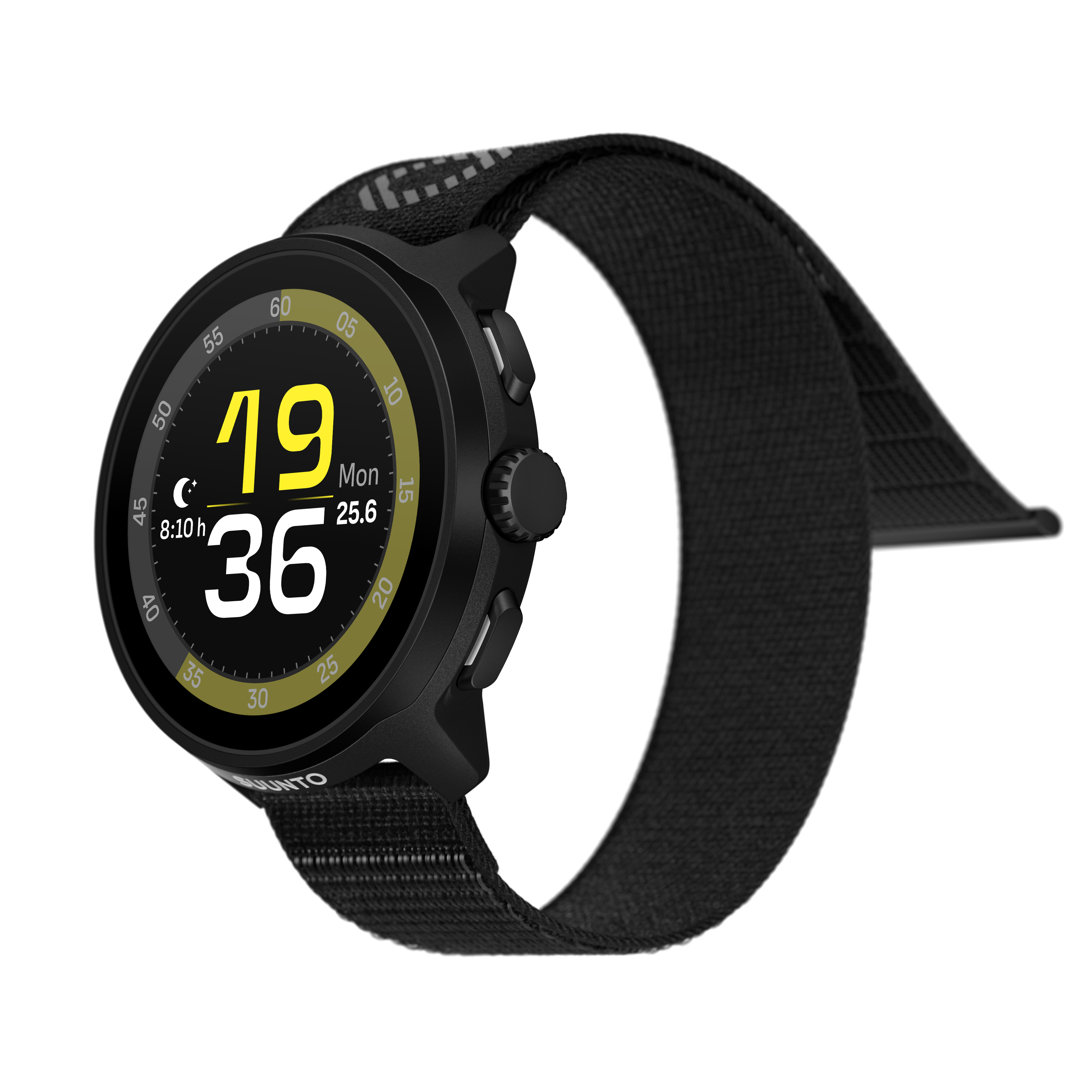
Suunto Runは、トラックランニング、インターバル、Ghost Runner、トレーニング負荷、睡眠分析など、ランナーの成長を支える機能を備えた軽量スポーツウォッチです。
ピッチ、ペース、心拍数、回復状態を確認しながら、自分らしい効率のよい走りを見つけましょう。


