




SUUNTOブログ


Trubridge wins Suunto Vertical Blue
They came from all over the world – 35 divers from 19 countries and for over a week they dived in the incredible location of Deans Blue Hole, to attempt records, to push their limits, to redefine the possible. Below we feature the full story from this year's 2014 Suunto Vertical Blue.
At 100m depth the pressure is so strong your lung volume has reduced from the size of a watermelon to a can of cola. Everything is pitch dark. At the end of a line that hangs from the surface you have a simple job: to collect a tag from the bottom plate as proof of your depth and swim back to the top. But even simple tasks are rendered complicated – your body is desperate for oxygen, hallucinations are not uncommon. You have to rely on your training, on visualisation techniques to focus on staying calm and swimming back to the surface, one stroke at at time.
Tomoka Fukuda celebrates after a dive. ©Daan Verhoeven
For multiple record holder William Trubridge, everything was seemingly going to plan for his epic attempt to break his own record to 102m in the entirely unassisted freediving discipline of CNF (constant weight no fin) at the Suunto Vertical Blue freediving contest. This is where divers descend and ascend under their own power, with no fins and just one lungful of oxygen.“I prepared a lot for this dive and I feel like everything went well,” he said afterwards. “I spent a lot of time meditating and visualising the dive beforehand. I took my last breath and began the dive. In the freefall [descent] I was feeling good but I just wasn't quite capable.“Two thirds of the way up I started to feel tired and that it was going to be too tight. I signaled to my safety divers that I wasn't going to make it. They grabbed me and escorted me the last 10m to the surface.“Though I'm disappointed not to have achieved the goal, there is some content in the fact that I gave it my utmost best shot.”
Will Trubridge makes his way to the surface. ©Daan VerhoevenFor the 34-year-old athlete, the failure to make the world record was off-set by the fact he was overall winner of the 7-day contest, in which divers accrue points over six dives. In second place was Russia's Alexey Molchanov and in third was Samo Jeranko from Slovenia. Overall female winner was Marianna Krupnitskaya from Russia. She said: “I knew I could do it. I'm pretty happy with my performances and I feel strong that I can go further next year.”To achieve overall first, Trubridge made a flawless CWT (constant weight) dive to 117m. “It turned out to be one of the fastest ever CWT dives I've ever done to that depth which is suprising to me because I haven't done CWT in a long time, as I've been focusing on the no fins discipline.”“I was really happy to have a nice comfortable dive and to win the competition with it,” he added.Now in its eighth year, Vertical Blue has been the venue for the breaking of dozens of world records. Competitors had six official dives to challenge themselves and their rivals to obtain the coveted Suunto Vertical Blue Championship title, which is awarded to the freediver who has accrued the most points. Prizes included the Suunto D6i and D4i, which both feature a freediving mode for easy recording of dives.
Alexey Molchanov. ©Daan Verhoeven Suunto Vertical Blue 2014 also saw the introduction of the “Apnea Games” – a day of fun and alternative underwater events such as underwater somersaults, blowing oxygen rings and diving in tandem in memory of Nick Mevoli, who tragically lost his life in 2013. The contest takes place at Dean's Blue Hole, Bahamas, the deepest known blue hole in the world.“Over the years we've grown to attract more of the world's top freedivers,” adds Trubridge. “They're going deeper, more national records are getting broken. The average depth in this competition was in the mid 70s. It just shows you how deep we're going! I plan to keep on holding it every year. It's really a great event.”“These are all friends, we're a big family,” says Austrian freediver Jakob Galbavy. “Everyone has a great attitude. Everyone is cheering with everyone. It's really great.”For now Trubridge is content to relax but he has vowed to come back with another record attempt. “I'm definitely going to attempt the CNF record again. This was just a plot twist.”

7 adventure films to watch during the holidays
Race to the Summit
Two years ago, Dani Arnold completed the biggest project of his life: climbing the six large Alpine north faces – alone and in record time. The project occupied, accompanied and shaped him over a period of 10 years. Now the Netflix is devoting a 90-minute report to three of these climbs.
Race to the Summit features the dizzying feats of Dani Arnold and the late Ueli Steck, two great Swiss alpinists and long-time Suunto ambassadors. Experienced mountaineers need a day or more to climb the infamous north faces of the Eiger or Matterhorn. But Dani and Ueli climbed them alone in less than three hours. The duel thrilled the climbing world and electrified the media.
Watch the trailer above and the full film on Netflix.
Lost Then Found
TDS winning athlete Christian Meier shares his inspiring story in Lost Then Found. Christian started his athletic career as a cyclist and has since made a transition from the pro peloton to the top of ultra-running.
”Life is a constant evolution of who you are as a person and Lost Then Found marks an important turning point in my life not only as an athlete but as an individual. From losing cycling to finding trail running this is a story of self-discovery and I am happy to be able to share that journey,” says Christian.
Arctic Lines – Sunny Car Center
In the Arctic Lines video series, backcountry snowboarder Antti Autti explores the vast wilderness of northern Finland, Sweden, and Norway. The series is now in its third season, and in the latest episode, 'Sunny Car Center,' Antti seeks—and finds—a new special zone in Northern Norway.
”Exploring expands your horizons and finding new locations is one of the most important aspects of freeriding,” says Antti.
Balkan Express
Ski mountaineers Jochen Mesle and Max Kroneck rode 2500 km from Greece to Germany – and stopped to ski along the way. Balkan Express, their film about the adventure, has won acclaim at international film festivals.
“We really wanted to experience some mountains, cultures, people we didn't know. We looked at a map of Europe and saw that the Balkans are pretty interesting. The sport side wasn’t the main focus of the project. It was about getting to know the culture and people,” says Max.
Nomadland – Bikepacking in Mongolia
Alba Xandri and Erreka Calmet found beautiful landscapes, friendly people and an epic adventure while bikepacking in in the Mongolian grasslands – and made a film about it.
”Mongolia far exceeded our expectations. It is a backcountry bikepacker’s paradise,” says Alba.
Ride to Ski – Bikepacking adventure through the Dolomites
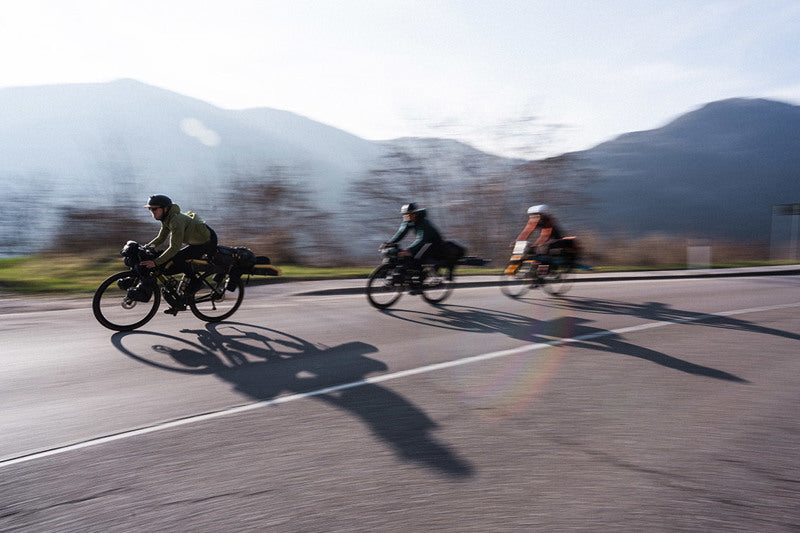
Lack of snow forced Henna Palosaari to think outside the box and led her to invite two of her friends, Sami Sauri and Malva Björkman, on a bike & ski adventure. The 9-day journey that combined two of her favorite sports, turned out to be a beautiful mix of sweat, laughs, ice, snow, and friendship.
”It wasn’t a pure sufferfest,” Henna laughs.
Max Ammer, Raja Ampat and the richest reefs in the world
This is an oldie but goldie: Max Ammer, founder of Papua Diving and two Eco Resorts, Sorido Bay and Kri Eco Resort, shows us why these incredible projects are more than just places to stay, dive and enjoy the unique ecosystems.
Over the past 30 years, a remarkable conservation project has unfolded. The local team, with unwavering dedication, has prioritized the protection of the flourishing ecosystem. This strategic focus has proven to be wise, as the tangible outcomes of their hard work, long-term planning, and precise execution are evident in the thriving fish and coral counts. This stands as a rare case where the reefs are experiencing unprecedented richness – and gives hope for other areas as well.
Lead image by Richard Bucher / Ride to Ski

海を守る次世代へ|ダイビングが若い科学者の挑戦を支えた物語
海や湖の環境を守るために必要なのは、研究者の知識だけではありません。水中へ入り、自分の目で環境を観察し、記録し、その価値を社会へ伝えられる人を育てることも大切です。
世界各地の水中洞窟や極地を探検してきたダイバーJill Heinerthは、若い環境科学者Kayla Martinの可能性に気づき、彼女のキャリアを支えるために行動しました。
冷たい水でのダイビング技術を磨くこと。
必要な装備をそろえること。
科学調査の現場へ出ること。
そして、水中で得た発見を社会へ伝えること。
小さな支援から始まった取り組みは、やがてKayla自身が未記録の沈没船調査を率いるまでの成長につながっていきました。
「次の世代へ経験を渡すこと」は、海を守ることにもつながる。
JillとKaylaの物語から、ダイビング、科学、メンターシップのつながりを見ていきましょう。
Kayla Martin playing in the sea foam in Les Escoumins. Text and images by Jill Heinerth.
目次
JillがKaylaの可能性に気づいたことから始まった
科学者にとってダイビングが武器になる
冷水域で必要だった経験と装備
ひとりではなく、コミュニティで支える
調査遠征がキャリアの転機になった
若い科学者から調査を率いる立場へ
ダイビングには経済的な壁もある
「Paying it forward」次の世代へ経験を渡す
Jill Heinerthとは?
水中での探検と調査を支えるSuunto
まとめ|道具を渡すだけでなく、機会を渡す
関連記事
JillがKaylaの可能性に気づいたことから始まった
この物語の始まりは、Jillが若い環境科学者Kayla Martinと出会い、その可能性に気づいたことでした。
Kaylaには、環境科学への情熱がありました。
そしてJillは、その情熱を研究や環境コミュニケーションのキャリアへつなげるために、もう一歩踏み出せる機会を作りたいと考えました。
Jill自身が持つネットワークを活用しながら、必要な資金の一部も自ら負担し、2人は水中調査の遠征を計画します。
目的は単に「一緒に潜ること」ではありません。
Kaylaが科学者として、水中環境を自分自身で観察し、記録し、社会へ伝えるための経験を積むことでした。
科学者にとってダイビングが武器になる
環境科学では、水質、地形、生態系、沈没船など、さまざまな対象を調査します。
水中環境を研究する場合、ダイビング技術を持っていれば、研究対象へ自分自身でアクセスできるようになります。
水面から推測するだけではなく、
水中の状態を直接観察する
写真や映像を残す
調査ポイントを確認する
変化を継続的に記録する
といったことができます。
Jillにとってダイビングは、冒険のためだけの技術ではありません。
科学、探検、教育、環境保全をつなぐための方法でもあります。
冷水域で必要だった経験と装備
遠征へ向けて、JillとKaylaはまず地元の水域でトレーニングを行いました。
目的のひとつは、これから向かう冷たい水中環境に対応する経験を積むことでした。
冷水でのダイビングでは、暖かい海とは異なる準備が必要になります。
水温、装備、浮力、体温管理など、環境に合わせた知識と経験が求められます。
トレーニングを続ける中で、JillはKaylaがより信頼できる装備を必要としていることに気づきました。
情熱だけでは、厳しい水中環境へ安全に入ることはできません。
正しい技術と、それを支える適切な装備の両方が必要です。
ひとりではなく、コミュニティで支える
そこでJillは、自分ひとりで解決しようとはしませんでした。
自分を長年支えてきた企業やコミュニティへ声をかけ、Kaylaの挑戦を支えるための協力を求めました。
Suuntoは、Jillに提供していた年間のギアサポートをKaylaへ移すことで協力しました。
さらに他のダイビング関連企業も、ハーネスやドライスーツなど必要な装備を提供。
Jill自身も、バックアップ用のダイブコンピュータや保温装備など、自分が持っていた道具をKaylaへ渡しました。
ひとりの若者を支えるために、複数の人や組織がそれぞれできることを持ち寄った。
それが、このプロジェクトの大きな特徴でした。
調査遠征がキャリアの転機になった
装備と準備が整ったことで、Kaylaはより本格的な水中調査へ参加できるようになりました。
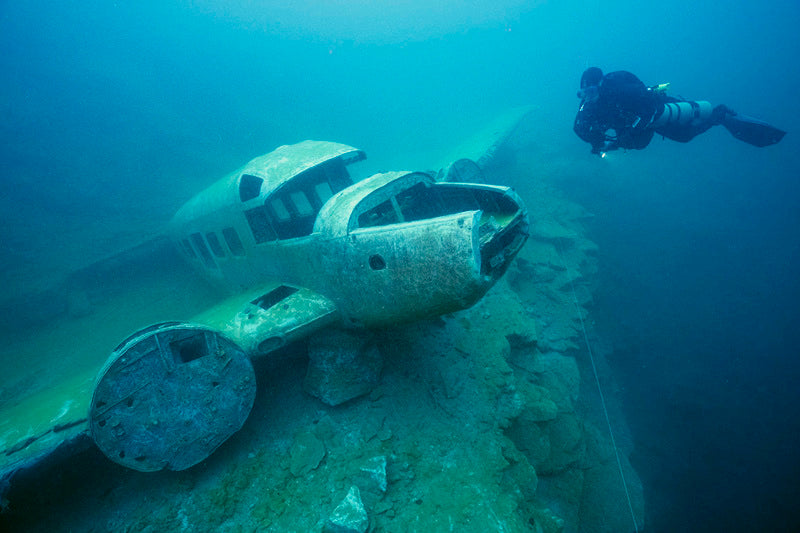
A small plane lies in a freshwater quarry in Quebec, one of the first stops on their expedition.
遠征では、淡水域を含むさまざまな水中環境へ潜りました。
そこで必要になるのは、単に深く潜る技術ではありません。
調査目的を理解すること。
安全に潜水すること。
水中で落ち着いて観察すること。
そして、そこで得た情報を記録すること。
ひとつひとつの経験が、Kaylaにとって環境科学者としての実践的な力になっていきました。
若い科学者から調査を率いる立場へ
Jillとの遠征は、単発のプロジェクトで終わりませんでした。
その後もKaylaは、環境保全、科学調査、教育に関わり続けました。
そして記事が書かれた時点では、未記録の沈没船を調査する遠征を自ら率いる立場へ成長しています。
最初は経験を与えてもらう側だった若い科学者が、やがて自らプロジェクトを動かす側になる。
Jillにとって、それこそが支援の意味でした。
人を支えることは、その人ひとりだけに影響するとは限りません。
支援を受けた人が成長し、次の研究や教育、環境保全へつなげていけば、その影響はさらに広がっていきます。
ダイビングには経済的な壁もある
Jillがこの経験を通して改めて感じたのが、ダイビングには大きな経済的ハードルがあるということでした。
ダイビングを続けるには、
トレーニング
認定
ダイビング器材
保温装備
ダイブコンピュータ
移動や遠征
など、多くの費用がかかります。
特に若い研究者や学生にとっては、その費用が環境科学や水中研究の道へ進む障壁になる場合があります。
能力や情熱があっても、必要な道具や経験へアクセスできなければ、挑戦すること自体が難しい。
だからこそJillは、すでに経験やネットワークを持つ人が、次の世代へ少しずつ機会を渡すことを大切にしています。
「Paying it forward」次の世代へ経験を渡す
この記事のタイトルになっている「Paying it forward」とは、自分が受けた恩や支援を、その相手へ直接返すのではなく、次の誰かへ渡していくという考え方です。
Jill自身も、長いダイビングキャリアの中で多くの人や組織に支えられてきました。
その経験を、自分より若いKaylaへつなぐ。
そして、Kaylaがいつかまた別の若い研究者やダイバーを支える。
そうして知識、経験、機会が次の世代へ循環していく。
それがJillの考える「Paying it forward」です。
身近に、情熱を持って学んでいる若い人がいるなら、自分ひとりですべてを支える必要はありません。
仲間やコミュニティへ声をかけ、小さな支援を組み合わせるだけでも、その人の未来を変えるきっかけになるかもしれません。
Jill Heinerthとは?
Jill Heinerthは、30年以上にわたって科学ダイビング、探検、撮影に携わってきた洞窟ダイバーです。
南極の氷山内部へのダイビングや、世界各地の深い水中洞窟での科学探査など、地球上でも限られた人しか到達していない場所を数多く探索してきました。
同時に、Jillは自分が見てきた水中世界を、映像、写真、書籍、講演などを通して社会へ伝える活動も続けています。
探検するだけではなく、水中で見つけたものを次の人へ伝えることも彼女の活動の重要な一部です。
JillとSuuntoの関係も長く、彼女は1988年に初めてSuunto製品を購入して以来、長年ダイビングでSuuntoを使用しています。
水中での探検と調査を支えるSuunto
科学調査でもレクリエーションダイビングでも、水中では深度、潜水時間、減圧情報などを確認しながら潜る必要があります。
Suuntoでは現在、Suunto Ocean、Suunto Nautic、Suunto Nautic Sなど、用途に合わせたダイブコンピュータを展開しています。
水中での冒険を記録したい人、スキューバダイビングやフリーダイビングを楽しみたい人は、現在のSuuntoダイビング製品をチェックしてみてください。
Suuntoのダイブコンピュータを見る
まとめ|道具を渡すだけでなく、機会を渡す
Jill HeinerthがKayla Martinへ渡したものは、ダイビング器材だけではありませんでした。
水中で経験を積む機会。
科学調査に参加する機会。
専門家のネットワークへ入る機会。
そして、自分自身でプロジェクトを率いる未来へ進むためのきっかけ。
適切なタイミングで誰かが少し背中を押すことで、その人が進める距離は大きく変わることがあります。
海や湖を守るためには、新しい技術だけでなく、次の世代を育てることも必要です。
自分が受け取った経験や機会を、自分だけで終わらせない。
次の誰かへ渡していく。
JillとKaylaの物語は、その小さな循環がどれだけ大きな未来につながるかを見せてくれます。
関連記事
Suuntoダイブコンピュータ一覧|Ocean・Nautic・Nautic Sなど現在のラインアップを見る
Suunto Ocean|ダイビングとスポーツを1台で楽しむGPSダイブウォッチ
ストレスを感じたときの呼吸とメンタルの整え方|フリーダイバーに学ぶ習慣

The Secrets of Earth's Hidden Waterways
By Jill Heinerth
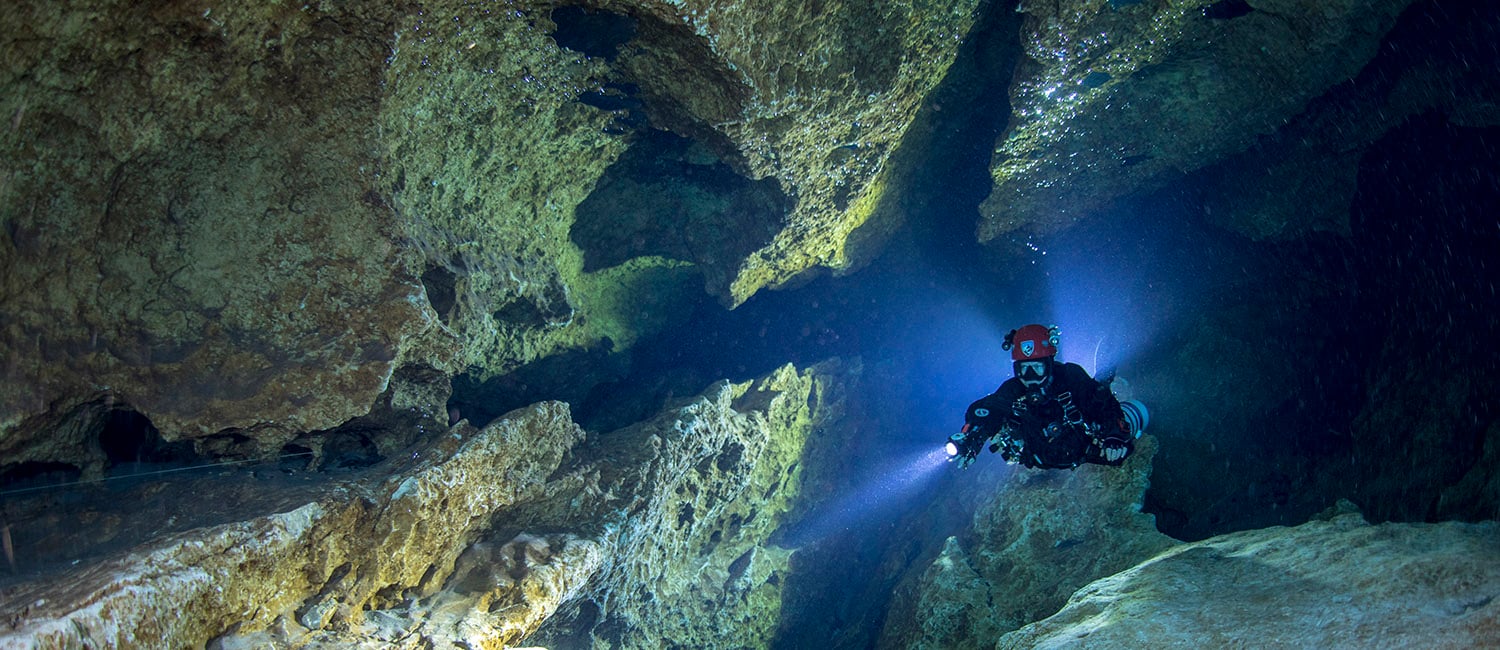
Deep beneath our feet lies a mesmerizing world that remains largely unknown: a network of water-filled caves winding through the darkness, carrying the lifeblood of our planet. As a cave diver, I have dedicated my life to exploring these mysterious subterranean passages. I invite you to join me on a captivating journey into the depths, where fear and discovery converge, and where the delicate balance of survival and exploration unfolds.
The Hidden Pathways
These underground tunnels, sculpted by the gentle touch of rainwater permeating the Earth's surface, act as conduits that transport precious freshwater from deep aquifers to springs, rivers, and estuaries. Ultimately, this water embarks on a journey to the vast ocean, sustaining a thriving plankton community that generates the very oxygen we breathe. The caves I explore serve as the life-supporting veins of our planet, nurturing the lungs that allow life to flourish.
The Thrill of Exploration
While most people recoil at the thought of descending into the darkness of caves, I am irresistibly drawn to their constricted corridors. Equipped with cutting-edge technology and relying on each measured breath, I embrace the unknown depths. In the remoteness of my office, the boundaries between fear and discovery blur, and a single misstep could spell disaster. The exploration of these caves is not without risk, but the reward is an unparalleled sense of fulfillment and a chance to educate others about the fragility of our water planet.
A Perilous Pursuit
Cave diving has rightfully earned its reputation as a dangerous activity, but it also represents the frontier of scientific exploration. Aquanauts, including passionate enthusiasts, daring researchers, and scientists, push the limits of human capability as they navigate through the eternal darkness of labyrinthine limestone networks spanning the globe. Armed with multiple scuba tanks, advanced rebreathers, and swift diver propulsion vehicles, they boldly venture deep into these treacherous passageways, pushing the boundaries of exploration in terms of both distance and knowledge.
Unleashing Art and Science
As a filmmaker and photographer, I find myself balancing the creation of art with the meticulous monitoring of life support equipment in demanding circumstances. Whether I embark on solo adventures or join scientific expeditions, self-sufficiency becomes paramount. There is no Mission Control to solve my problems when I find myself blindly searching for a broken safety line in a cloud of silt with zero visibility. The challenges are immense, but so are the rewards.
Unveiling Hidden Wonders
Through my explorations, I have had the privilege of becoming the eyes and hands of scientists, unveiling a world that has never before been witnessed. Underwater caves serve as virtual museums of natural history, where I collaborate with biologists to uncover new species, assist physicists in studying climate change, and aid hydrogeologists in examining our precious freshwater reserves. These subterranean pathways have led me to grim sources of pollution, vibrant life thriving within Antarctic icebergs, and even ancient skeletal remains of the Maya civilization in the Yucatan Peninsula.
Connecting to the Source
By venturing into the world beneath our feet, I glide through limestone, passing beneath homes, golf courses, and restaurants. I delve into the ancient conduits of volcanoes and navigate crevices within colossal bodies of ice. Following the trail of water, I am guided from mountain creeks to resplendent blue springs, each emitting its life-sustaining bounty from within the heart of our planet. Even when the passages pinch and my dive is forced to come to an end, the water continues to flow from some enigmatic source. The journey is endless, beckoning me forward to explore the caverns, immeasurable to my imagination.
It is a privilege to uncover these hidden shrines and share concealed mysteries from deep inside our planet. I want to connect humanity to where their water comes from and show people that what we do on the land’s surface will eventually be returned to us to drink.
More people have walked on the moon than have been to some of the remote places Jill Heinerth has explored on Earth. Jill Heinerth is a veteran of over thirty years of scientific diving, filming/photography, and exploration. Her expeditions include the first dives inside Antarctica icebergs and record-breaking scientific missions in deep underwater caves worldwide.
Jill’s book INTO THE PLANET – My Life as a Cave Diver has drawn wide acclaim from the New York Times, Wall Street Journal, NPR, and even Oprah magazine. Her children’s book, THE AQUANAUT, has been selected by Dolly Parton’s Imagination Library as a part of her inspirational initiative. Jill bought her first Suunto gear in 1988 and still dives with Suunto.
For more info: www.IntoThePlanet.com


ストレスを感じたときの呼吸とメンタルの整え方|フリーダイバーに学ぶ習慣
ストレスやプレッシャーを感じたとき、「落ち着こう」と思うほど頭の中が忙しくなることがあります。そんなときに役立つヒントのひとつが、呼吸や身体の感覚へ意識を戻すことです。
Suuntoアンバサダーで世界的なフリーダイバーのWilliam Trubridgeは、長年の競技生活の中で、緊張やストレスの中でも落ち着きを保つための呼吸法やメンタル技術を磨いてきました。
フリーダイビングでは、過度な緊張やパニックはパフォーマンスの助けになりません。限られた酸素を効率よく使うためにも、身体と心をできるだけ落ち着かせることが重要です。
Williamは、そこで培った方法が日常生活のストレスに向き合うときにも役立つと考えています。
この記事では、ストレスを感じたときに呼吸と注意の向け方を使って、自分の状態を整えるためのヒントを紹介します。
目次
なぜフリーダイバーは「落ち着く力」が重要なのか
Mental Immune Systemとは?
ストレスには身体と心の両方から向き合う
1. まず呼吸に意識を向ける
2. 思考のループに気づく
3. すぐ反応する前に少し間を作る
4. 落ち着いているときに練習する
スポーツのプレッシャーにも応用できる
ストレスだけでなく回復状態にも目を向ける
強いストレスが続く場合は専門家へ
まとめ|落ち着く力も練習できる
関連記事
William Trubridge celebrates after completing a world record. Lead image: André Musgrove.
なぜフリーダイバーは「落ち着く力」が重要なのか
フリーダイビングは、多くのスポーツとは少し違います。
短距離走やコンタクトスポーツでは、緊張やアドレナリンが大きな力につながる場面があります。
一方、息を止めて潜るフリーダイビングでは、過度な興奮やパニックは不利になります。
Williamは、ストレス反応が高まりすぎると酸素をより早く消費し、水中でパニックにつながる可能性があるため、できるだけ穏やかでクリアな状態を保つことが重要だと説明しています。
だからこそフリーダイバーは、競技前から呼吸やリラクゼーション、注意の向け方を使い、身体と心を落ち着かせる練習を繰り返します。
Williamは、そこで身につけた考え方が仕事、家庭、人間関係など、日常でストレスを感じる場面にも応用できると考えるようになりました。
Mental Immune Systemとは?
Williamは、フリーダイビングで培ってきた呼吸法とメンタル技術を組み合わせた考え方を、「Mental Immune System(メンタル・イミューン・システム)」と呼んでいます。
直訳すると「心の免疫システム」のような意味になります。
ただし、これは医学的な免疫機能を意味する正式な医療用語ではありません。
ストレスが大きくなってから対処するだけではなく、日頃から落ち着きを取り戻すための反応を練習しておこうというWilliam独自の考え方です。
本人はこれを、頭の中でバックグラウンド動作するアプリのようなものだと表現しています。
つまり、強いストレスを感じた瞬間に初めて「何かしなければ」と考えるのではなく、普段から呼吸や注意の向け方を繰り返し練習し、必要な場面で自然に使える状態を目指します。
Freedivers use a variety of breathing and relaxation exercises.
ストレスには身体と心の両方から向き合う
Williamの方法には、大きく分けて2つのアプローチがあります。
身体側:呼吸を使って状態を整える
心側:思考や注意の向け方を整える
ストレスを感じると、頭の中だけでなく身体にも変化が現れます。
呼吸が浅くなる。
肩や首に力が入る。
心拍が上がる。
同じことを繰り返し考える。
こうした変化に気づいたら、まず「ストレスをなくそう」とするより、今の自分に何が起きているのかを認識することから始めます。
1. まず呼吸に意識を向ける
Williamが身体側のアプローチとして重視しているのが、呼吸です。
日常でも緊張すると、無意識に呼吸が速く、浅くなることがあります。
そんなときにできるシンプルな方法が、呼吸そのものへ注意を向けることです。
例えば、
無理に深呼吸しようとせず、今の呼吸を観察する
息を吐く感覚に意識を向ける
肩やあごに余計な力が入っていないか確認する
落ち着ける範囲でゆっくり呼吸する
といったことから始められます。
目的は「完璧な呼吸法」をすることではなく、身体が緊張していることに気づき、少し落ち着きを取り戻すきっかけを作ること。
Williamにとって呼吸は、フリーダイビングのためだけではなく、自分の状態に戻るためのスイッチでもあります。
2. 思考のループに気づく
ストレスが大きくなると、同じ考えが頭の中を何度も回ることがあります。
「失敗したらどうしよう」
「もっとこうすればよかった」
「この先もうまくいかないかもしれない」
こうした思考そのものを無理に消そうとすると、かえって意識してしまうこともあります。
Williamが使っているメンタル側の方法は、マインドフルネスに近い考え方です。
考えている内容にそのまま巻き込まれるのではなく、「今、自分はこのことを繰り返し考えている」と気づく。
それだけでも、自分と思考との間に少し距離を作ることができます。
そして再び、呼吸や身体、目の前でやっていることへ注意を戻していきます。
3. すぐ反応する前に少し間を作る
ストレスを感じたとき、私たちはすぐに反応してしまうことがあります。
仕事で予想外の問題が起きた。
レースで予定よりタイムが遅れている。
誰かの言葉に腹が立った。
そんな場面でWilliamの考え方を応用するなら、まず反応と行動の間に少しだけ余白を作ることです。
例えば、
身体が緊張していることに気づく
呼吸を確認する
頭の中で何を考えているかに気づく
そのうえで次に何をするか決める
という流れです。
数秒ですべてが解決するわけではありません。
それでも、ストレスに反射的に反応するのではなく、一度状況を見る時間を作ることで、次の判断が変わることがあります。
4. 落ち着いているときに練習する
WilliamがMental Immune Systemの特徴として重視しているのが、ストレスが最大になった瞬間だけ実践するのではなく、普段から練習することです。
大きなプレッシャーの中で、初めて呼吸や注意の向け方を試そうとしても、簡単ではありません。
フリーダイバーが競技本番だけ呼吸を練習するのではないのと同じです。
日常なら、
朝に数分だけ静かに呼吸する
仕事を始める前に身体の緊張を確認する
移動中に呼吸を観察する
小さなイライラを感じたときに一度呼吸へ戻る
運動後に数分落ち着く時間を作る
など、特別な環境がなくても練習できます。
「ストレスがなくなること」を目標にするのではなく、ストレスに気づいたときに戻ってこられる場所を作る。
それがWilliamの考え方に近い実践方法です。
スポーツのプレッシャーにも応用できる
この考え方は、日常生活だけでなくスポーツにも応用できます。
例えばレース前。
スタートラインに立つと、心拍が上がり、周囲の選手が速そうに見え、目標タイムのことばかり考えてしまうことがあります。
そんなときに、
呼吸に意識を戻す
肩や手に余計な力が入っていないか確認する
結果ではなく最初の数分でやることに集中する
ことで、必要以上に興奮した状態から少し距離を取ることができます。
長距離レースで苦しい時間に入ったときも同じです。
「残り全部」を考えるのではなく、次のエイド、次の登り、次の数分など、今コントロールできる小さな単位へ注意を戻す方法があります。
ウルトラランニングで苦しい時間にどう向き合うかについては、こちらの記事でも紹介しています。
▶︎ 100マイルの「Pain Cave」とは?苦しい時間との向き合い方
ストレスだけでなく回復状態にも目を向ける
ストレスを感じるとき、その背景に身体的な疲労が重なっていることもあります。
睡眠不足。
トレーニング負荷の蓄積。
休養不足。
こうした状態では、普段なら気にならないことにも強く反応することがあります。
アスリートの場合は、メンタルだけで解決しようとするのではなく、「そもそも身体が回復しているか」を振り返る視点も大切です。
例えば、
睡眠
HRV
トレーニング負荷
身体の疲労感
トレーニングへの意欲
などを確認します。
HRVはストレスを診断する数値ではありませんが、自分自身の通常範囲と比較しながら、身体の回復傾向を振り返る材料のひとつになります。
▶︎ HRV(心拍変動)とは?正常値の見方と回復・トレーニングへの活かし方
休養を含めてトレーニングの質を整える考え方はこちら。
▶︎ トレーニングの質を上げる回復方法|休養・補給・オフシーズンの考え方
強いストレスが続く場合は専門家へ
呼吸や注意の向け方は、日常の緊張を整えるためのひとつの方法として取り入れられます。
一方で、強い不安やストレスが長く続く場合や、日常生活・仕事・睡眠などに大きな影響が出ている場合は、セルフケアだけで解決しようとしないことも大切です。
必要に応じて、医師や心理職などの専門家へ相談してください。
WilliamのMental Immune Systemやこの記事で紹介した方法は、医療や専門的な治療に代わるものではありません。
まとめ|落ち着く力も練習できる
William Trubridgeにとって、フリーダイビングで大切なのは、身体能力だけではありません。
プレッシャーの中でも、できるだけ落ち着いた状態へ戻ること。
そのために長年使ってきた呼吸やメンタル技術を、彼は日常のストレスにも応用しています。
ポイントを整理すると、
まず身体の緊張に気づく
呼吸へ注意を戻す
思考のループに気づく
反応する前に少し間を作る
落ち着いているときから練習しておく
身体の回復不足にも目を向ける
というシンプルなものです。
ストレスそのものを完全になくすことは難しいでしょう。
しかし、ストレスに気づいたときに、呼吸や身体へ注意を戻す習慣は練習できます。
フリーダイビングと同じように、「落ち着く力」も本番だけでなく日常の中で少しずつ磨いていく。
それがWilliamが伝えている大切な考え方です。
フリーダイビングやダイビングを楽しむならSuuntoのダイブウォッチ
William Trubridgeが長年向き合ってきたフリーダイビングでは、深度や潜水時間など、水中での情報を正確に把握することが重要です。
Suuntoでは、フリーダイビングやスキューバダイビングなど、水中アクティビティに対応したダイブウォッチを展開しています。
海でのトレーニングやダイビングをより深く楽しみたい方は、Suuntoのダイビング製品をチェックしてみてください。
Suuntoのダイブウォッチを見る


