




SUUNTOブログ

Recover like a pro
What is the best way to recover after a race, adventure or just a hard effort on your own? We asked our ambassadors how they do it. From eating pancakes to paragliding, from secret smoothie recipes to stretching, their answers will help you get back on form more quickly.
KILIAN JORNET Stay fresh by doing other sports I like to do some mountaineering activities to feel different feelings than just running. I ran less than 200 km in the build up to Hardrock because I was climbing instead. I was keeping myself fit through mountaineering so when I came to the race I was mentally fresh and physically prepared.
Kilian stretches ©jordo canamerasAvoid over-trainingIf you focus too hard on one thing for too long you can get tired of it. You see people who are doing a lot of long races and who keep this up for one or two years and then, boom, they’re down and injured. It’s important to never do too many long races every year because after one, two or three years it can be really hard to recover. For me, 200 or 300 miles a year is the limit.
Kilian Jornet is a multiple record breaking trail runner, endurance athlete and world champion ski mountaineer.
EMELIE FORSBERG Rest! Normally I rest the day after or if it is an ultra at least. If I do a 2-4 hour race I normally go for a small run just to get the circulation going. I also like to treat myself after a race, like foot bath, compex [electrostimulation] take time for yoga, things that are easy and good for the body. Then my mind feels recovered and is soon ready for another hard training week or racing. I think the mind is very important for recovering.
Emelie likes to practise yoga and eat pancakes. ©Emelie Forsberg
Eat pancakesAfter an ultra, where you empty your body quite a lot and also eat chocolate or gels, I like to eat fresh and healthy, at least the first and second day. But pancakes is a standard the morning after, and yes I think pancakes can be pretty healthy..! Specially if I make banana pancakes :)
Emelie Forsberg is a European and world Skyrunning champion
CONRAD STOLTZ
Forget ice baths I don’t go in for compression or ice baths. I used to jump in a cold rivers after training but I'm over it! Compression socks don’t fit well and science hasn’t really proven that ice baths work.
Old school fan: Conrad Stoltz doesn't go in for ice baths or compression. ©zooom.at/markus berger
Refuel properlyBut there are things that are proven to make a difference, fueling and rehydrating properly. Within the first half an hour of training you need to have so many grams of carbs and so much protein to start the recovery. [Advice varies but many sports nutritionists recommend following the for 3:1 carbs to protein ratio.]
Conrad Stoltz is a four-time XTERRA World Champion triathlete
ÅSA LUNDSTRÖM
Easy rideGo on a very easy bike ride. It helps the circulation going and speeds up the recovery. If the weather is bad or biking is too much trouble (mentally), I sometimes go for an easy walk or stroll.
© Åsa LundströmMassage In big blocks of training, a massage every now and then is very good for recovery, muscle relaxation and preventing injury. It can also be considered a treat for your body after some hard work and helping you relax. I get the massage after a big day of training, as the thing of the day.
UELI STECK
ElectrostimulationI use compex electrostimulstion and try to stretch a lot. Rest days are also good. I just had a rest day so I ran easy the vertical km up to Brevant in Chamonix. I had a drink with a friend then went paragliding.
Ueli Steck during his mission to climb all 82, 4000 m mountains. ©PatitucciPhotoWarm down after exercise I move between 7 and 14 h per day. You start easy the first 30 min and you end the same way. So you have your warm-up and cool down. If possible I try to get my feet in a cold stream.
MATTHIAS SCHERER
Respect your body I really have to say that in the adventure world at the moment recovery and nutrition is not taken seriously. People are strange about hydration. They wear a Suunto Ambit, have the best equipment and then they drink snow water and don’t take things like this seriously! Take electrolyte capsules with minerals to rehydrate properly.
Matthias front lifting weights. ©Tanja SchmittAvoid processed foodsTry to go as long as you can on normal food and then you can start to eat energy bars etc. People push the limits of eating concentrated food which can cause stomach problems. Eat a peanut butter sandwich.
Bring it down slowlyFor recovery it’s important not to stop right away after an ice climbing season. I used to become ill in April when I stopped. Now I continue with skiing and in June and July I keep going to the mountains. I've found cycling helps me to mentally digest everything I've done over the winter. In a week I try to do at least 20 hours on the bike. I work on my films. That's my way of recovery.
Matthias Scherer is a professional ice climber
GREG HILL
Smooth operatorAs a ritual I always have a smoothie after my sporting activities. As quick as I can I am at my blender mixing in my ingredients. Bananas, blueberries, protein mix, raw cacao, milk. That is the base for the majority of my shakes, each food is strong in its own way, combining for a strength building, body recovery, tasty beverage.
Greg making a smoothie at home ©zooom.at/Markus Berger Cross TrainingAnother bit about an ageing body is balance. If over the course of your life you have created imbalances, they become more problematic in later years. To counter act I have been going to the gym to create an overall body fitness not just one designed for peddling a bike or skinning up mountains. Back problems, IT-band issues, all come from unbalance, so cross training is key.
Take some time outAlso to truly have days off. Not partial days off. But couch surfing, suntanning, doing nothing days. You can get away with just one but at least every two weeks to take 2-3 days completely off. This truly helps my body as well as my mind. I come back and feel so much better than if I had pushed through on that extra day of exercise.
Greg Hill is a pro skier. In March 2014 he skied 100,000m in a month
WILLIAM TRUBRIDGE Sleep and eat right “Recovery is as equally important as training. In freediving when you hold your breath it generates a huge amount of carbon dioxide which makes your body very acidic and means all those free radicals cruising around doing damage. Being able to target that with diet that's very rich in antioxidants and making sure you're sleeping right is important.” Drink this:
Will Trubridge's recovery smoothie
My go-to recovery drink after deep training is a green smoothie, with the following ingredients: 1 frozen banana (makes the smoothie cold and creamy) 1 cup almond milk + water added to get the right consistency 2 tbsp Manitoba hemp protein (the best vegetal protein source) 1 tbsp cacao powder (great antioxidant qualities) 1 tbsp Hawaiian spirulina (nature's multivitamin, with many other superfood ingredients like chlorophyll, omega 3,6,9 fatty acids and more) 1 tsp beetroot extract powder (great for blood-building)Everything is blended together, and topped with a dusting of granulated bee pollen.
Will Trubridge is a multiple record breaking freediver
Still need tips on how to recover? Well go explore the recovery options available with the Ambit3


登山用コンパスの使い方|紙地図の整置と進行方向の確認方法
登山で現在地や進む方向を確認するとき、GPSウォッチやスマートフォンの地図は便利です。しかし、バッテリー切れや機器の不具合、受信環境の影響に備えるには、紙の地形図とアナログコンパスの基本も身につけておきたいところです。
この記事では、登山用コンパスの基本的な見方から、地図を北に合わせる「整置」、周囲の地形を使った現在地確認、目的地へ進む方向の決め方までを解説します。
目次
登山で紙地図とコンパスを携行する理由
登山用コンパスの基本
真北・磁北・磁気偏角の違い
紙地図を整置する方法
現在地を確認する方法
目的地への進行方向を確認する方法
コンパスを使うときの注意点
GPSウォッチとの使い分け
まとめ
登山で紙地図とコンパスを携行する理由
GPSウォッチやスマートフォンは、現在地を素早く確認できる便利な道具です。一方、充電が切れる、端末が故障する、画面が見えにくくなるといった可能性はゼロではありません。紙地図とアナログコンパスは電源を必要とせず、地形全体を見ながら方角を確認できます。
大切なのは、どれかひとつの道具だけに頼らないことです。GPSで示された現在地、紙地図の等高線、実際に見える尾根や沢、コンパスが示す方角を照らし合わせると、判断の間違いに気づきやすくなります。
また、コンパスは持っているだけでは役立ちません。山へ入る前に、近所の公園や見通しのよい低山で地図の整置と方向確認を練習しておきましょう。
登山用コンパスの基本
登山では、透明なプレートを地図に重ねて使えるベースプレートコンパスが扱いやすい選択肢です。まず、次の部分を確認しましょう。
磁針:赤い側が磁北を指します。
回転リング:方位の角度を設定する目盛りです。
矢印(進行線):目的地へ向ける方向を示します。
カプセル内の平行線:地図上の南北線と合わせるために使います。
ベースプレート:地図上で地点を結んだり、距離を測ったりするときに使います。
Suunto A-30のようなベースプレートコンパスは、紙地図に重ねて方角を確認しやすく、ハイキングやオリエンテーリングにも使用できます。使用する製品によって目盛りや偏角補正の方法が異なるため、事前に取扱説明書も確認してください。
真北・磁北・磁気偏角の違い
地図が示す北と、コンパスの磁針が示す北は、厳密には同じではありません。
真北:地理上の北極の方向
磁北:コンパスの磁針が指す方向
磁気偏角:真北と磁北の間に生じる角度
日本では地域によって磁気偏角が異なり、時間の経過でも変化します。正確に方向を求める場合は、使用する地形図に記載された磁気偏角や、信頼できる最新情報を確認し、地図またはコンパスの説明に沿って補正してください。
地形図にあらかじめ磁北線を引いておくと、山中で整置するときに磁針と合わせやすくなります。磁北線は地図ごとに適切な偏角を確認して準備しましょう。
紙地図を整置する方法
整置とは、紙地図の向きと実際の地形の向きを一致させることです。地図を整置すると、右手にある尾根は地図上でも右側に見えるようになり、地形を直感的に照合しやすくなります。
磁気の影響を受けにくい、できるだけ水平で安全な場所に立ちます。
紙地図を広げ、コンパスを地図の上に水平に置きます。
地図上の磁北線と、コンパスのカプセル内にある平行線をそろえます。
コンパスは地図に置いたまま、赤い磁針が磁北方向と一致するまで地図全体を回します。
周囲の山頂、尾根、谷、沢、道路などの位置が、地図上の配置と合っているか確認します。
磁北線を記入していない地図を使う場合は、地図の北と磁北の差を考慮する必要があります。偏角を無視すると、距離が長くなるほど進行方向のずれが大きくなるため注意してください。
現在地を確認する方法
コンパスだけで現在地が自動的に分かるわけではありません。まず、周囲の特徴と地図上の情報を照合して、現在地の候補を絞ります。
大きな地形から見る:山頂、主な尾根、谷、湖、道路など、間違えにくい特徴を探します。
小さな特徴を重ねる:分岐、沢、建物、植生界、送電線などを確認します。
標高を照合する:ウォッチの高度計などで得た標高と、地図の等高線を比べます。
整置して配置を確認する:見えている地形の方向と地図上の方向が一致するか確かめます。
ひとつの特徴だけで「ここに違いない」と決めつけないことが重要です。複数の地形や標高が矛盾なく一致しているか確認しましょう。現在地が分からなくなった場合は、むやみに進まず、安全な場所で立ち止まって情報を整理してください。
目的地への進行方向を確認する方法
現在地が確認できたら、コンパスを使って目的地へ向かう方向を設定できます。ここでは、ベースプレートコンパスを使う基本手順を紹介します。
地図上の現在地にベースプレートの端を置き、進行線の先を目的地へ向けます。
ベースプレートを動かさずに回転リングを回し、カプセル内の平行線を地図の磁北線と平行にします。このとき、リングの北側が地図の北を向いていることを確認します。
コンパスを地図から持ち上げ、胸の前で水平に保ちます。
赤い磁針がカプセル内の北を示す印と重なるまで、身体ごとゆっくり回ります。
進行線が示す先にある、木や岩など分かりやすい目標物をひとつ選び、そこまで進みます。
目標物に着いたら、再び方角を確認します。
樹林帯や霧の中では、遠い目的地を直接狙うより、見える範囲の目標物を短くつないで進むほうが方向を保ちやすくなります。ただし、崖や急斜面、増水した沢などの危険地形へ直線的に進まないでください。地図上の登山道と周囲の安全を優先します。
コンパスを使うときの注意点
磁針は周囲の磁気に影響されます。スマートフォン、スピーカー、磁石付きの留め具、モバイルバッテリー、車両、金属製の構造物などから十分に離し、磁針の動きが安定してから読み取りましょう。
コンパスを傾けず、できるだけ水平に保つ
赤い磁針の側を確認し、南北を逆にしない
回転リングを設定したあと、歩行中に動かしていないか確認する
現在地と目的地を結ぶ向きを逆にしない
古い地図や登山道情報だけに頼らない
視界不良時は無理に進まず、引き返す判断も持つ
コンパスの操作に慣れていても、天候、残り時間、体力、登山道の状態まで判断してくれるわけではありません。ナビゲーションは安全な行動を支える一要素として使いましょう。
GPSウォッチとの使い分け
GPSウォッチは、現在地や登録ルートを素早く確認し、移動距離や標高、歩いてきた軌跡を記録するのに適しています。一方、紙地図は周囲の地形とルート全体を広い範囲で把握しやすく、アナログコンパスは電源なしで方角を確認できます。
GPSウォッチの地図に表示される進行方向は、移動やセンサー情報をもとに示されます。これは、独立したアナログコンパスの磁針を紙地図に合わせる操作とは別のものです。役割を混同せず、次のように使い分けましょう。
GPSウォッチ:現在地、登録ルート、移動軌跡、距離、標高を素早く確認する
紙地図:山域全体、尾根や谷、エスケープルートを俯瞰する
アナログコンパス:地図を整置し、地形や目的地の方向を確認する
Suuntoのウォッチ画面でルート線、進行方向、縮尺、ウェイポイントを確認する方法は、SUUNTOの地図・ナビゲーション画面の見方で詳しく解説しています。地図表示に対応するSuunto Vertical 2のようなGPSウォッチを使う場合も、紙地図とアナログコンパスを予備手段として携行しましょう。
まとめ|紙地図を整置し、地形と方角を照合しよう
登山用コンパスの基本は、紙地図を実際の地形と同じ向きに整置し、周囲の特徴を照合しながら現在地と進行方向を確認することです。真北と磁北の違い、磁気偏角、磁針に影響する環境も理解したうえで使いましょう。
GPSウォッチ、紙地図、アナログコンパスには、それぞれ得意な役割があります。山へ出かける前に安全な場所で操作を練習し、複数の情報を照らし合わせる習慣をつけることが、道迷いを防ぐための基本になります。
登山・ハイキング向けのSuuntoコンパスを見る
紙地図での整置や方向確認に使えるベースプレートコンパス、精密な方位確認に適したミラーコンパスを確認できます。
Suuntoのコンパスを見る
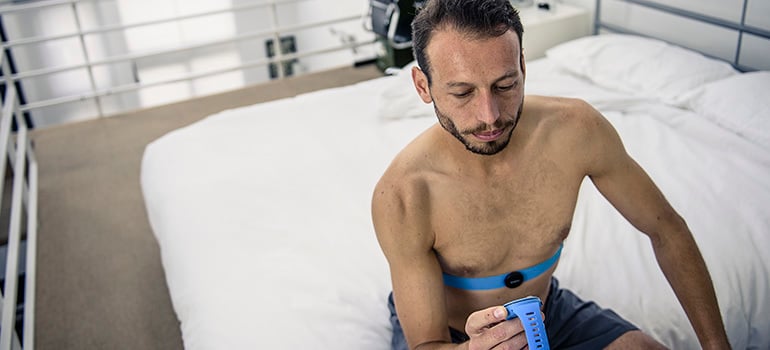

HOW TO USE AMBIT3’S RECOVERY FEATURES
To help you balance your training Suunto Ambit3 has two recovery indicators: recovery time and recovery status. Read on and learn how to take advantage of these features.
RECOVERY TIME
Recovery time is an estimate of how long your body needs to recuperate after training. The time is based on the duration and intensity of the session, as well as the overall fatigue, accumulating even at lower intensities. Recovery time accumulates from one session to the next, if you train again before the time has expired. A graph of your recovery time is displayed as one of the screens in the time mode. When entering the logbook, the recovery time in hours is displayed on the screen.
There is one important point to remember: the time is an estimate that is based on activities you have done with your Ambit3. It doesn’t have information about other aspects of life. Did you sleep enough? Do you have flu? Was your meal nutritious and helpful for your recovery?
To get an accurate indication of your actual recovery state, we recommend using one of the two recovery tests.
REVOVERY STATUS
Recovery status indicates the amount of stress on your autonomic nervous system. The less stress you have, the more recovered you are. Knowing your state of recovery helps you optimize your training and avoid over training or injury.
You can check your recovery status with a quick recovery test or sleep recovery test, powered by Firstbeat. The tests require a Bluetooth-compatible heart rate sensor that measures heart rate variability (R-R interval), such as Suunto Smart Sensor.
Your recovery status is indicated with 0-100% result scale.
Result & Explanation
81-100 Fully recovered. OK to train up to very hard intensity.51-80 Recovered. OK to train up to hard intensity.21–50 Recovering. Train easy.0-20 Not recovered. Rest to recover.
The more serious you are with training and the more tests you do, the more important details are, also in the test results. For a top-level athlete a difference of five points in recovery status may be meaningful where as an active runner will be happy with the four point scale presented above.
When entering the logbook, recovery is displayed as your estimated recovery time; if a recovery test is done within the past 24 h and after your previous move, the display will show the result of the last test. This assuming the recovery has been calibrated (see next chapter).
CALIBRATING THE TESTS
When you first start using Ambit3’s recovery tests the watch needs to be calibrated in order to provide accurate, personal results. The calibration tests define what 'fully recovered' means for your body. With each calibration test, your watch adjusts the results scale of the test to match your unique heart rate variability.
You need to perform three calibration tests for both sleep recovery and quick recovery tests. The calibration tests do not need to be done in sequence, but they need to be at least 12 hours apart. These need to be done when you have no accumulated recovery time. Ideally, you also feel fully recovered and are not ill or stressed during these calibration tests.
During the calibration period, you may get results that are higher or lower than expected. These results are indicated in the watch as your estimated recovery status until the calibration is completed. Once you have completed the calibration, the latest result is displayed when you enter the logbook instead of recovery time.
SLEEP RECOVERY TEST
The sleep recovery test, powered by Firstbeat, provides a reliable indicator of your recovery status after a night's sleep.
To perform a sleep recovery test:
Put on your heart rate belt and ensure the electrodes are moist.
Press [Start Stop], scroll to RECOVERY with [Start Stop], and select with [Next].
Scroll to SLEEP TEST and select with [Next].
If you want to cancel the test, press [Back Lap].
When you are ready to get up in the morning, end the test by pressing [Start Stop] or [Next].
The sleep recovery test requires at least two hours of good heart rate data to produce results. The test does not take into account the length of the night meaning you can get similar results after a six-hour sleep and an eight-hour sleep.
If you use your Ambit3’s alarm function, set the alarm first and then start the test. And in the morning stop both your alarm and your sleep recovery test.
During the test you will see the time and SLEEP TEST on the bottom row of the screen.
And last but not least: don’t worry if you have to get up in the middle of the night. This doesn’t make your test unreliable. The test selects the best two-hour period of your sleep and analyzes that.
QUICK RECOVERY TEST
The quick recovery test, powered by Firstbeat, is alternative way to measure your recovery status. The sleep recovery test is a more accurate method to measure your recovery status. But for some individuals, wearing a heart rate sensor throughout the night may not be feasible.
The quick recovery test only takes a few minutes. For best results, you should lie down, stay relaxed, and not move around during the test. We recommend performing the test in the morning after waking up. This helps ensure you get comparable results day to day.
To perform a quick recovery test:
Put on your heart rate belt and ensure the electrodes are moist.
Lie down and relax in a quiet environment free from disturbances.
Press [Start Stop], scroll to RECOVERY with [Start Stop], and select with [Next].
Scroll to Quick test and select with [Next].
Wait for the test to complete.
When the test is complete, scroll through the results with [Next] and [Back Lap].
TROUBLE SHOOTING THE RECOVERY TESTS
There are basically two reason for the tests to fail:
Bad skin contact or low HR belt battery will generate bad data and the test will fail.
If you are too stressed for the test, like right after a training session, the test is likely to fail.
The results of the tests do not impact your estimated recovery time.
Read more about the feature in Firstbeat’s scientific white papers:
Recovery Analysis for Athletic Training Based on Heart Rate Variability
Stress and Recovery Analysis Method Based on 24-hour Heart Rate Variability
Read more Tutorial Tuesday articles at tutorialtuesday
Get support for your Suunto product and find user manuals at support


Face to Face with Ueli Steck, #SuuntoAdventure Video Series Episode 6
In the sixth episode of #SuuntoAdventure Video Series you will meet one of climbing’s most spectacular talents, Swiss mountaineer Ueli Steck.
“If you are not afraid in life, it’s dangerous,” the Swiss Machine says and explains how – and why – he has changed his approach in the recent years.
Face to Face with Ueli Steck, #SuuntoAdventure Video Series Episode 6
Watch also the other episodes in the series:
Face to Face with Emelie Forsberg – #SuuntoAdventure Video Series, Episode 1
Face to Face with Greg Hill – #SuuntoAdventure Video Series, Episode 2
Face to Face with Kilian Jornet – #SuuntoAdventure Video Series, Episode 3
Face to Face with William Trubridge – #SuuntoAdventure Video Series, Episode 4
Face to Face with Conrad Stoltz – #SuuntoAdventure Video Series, Episode 5
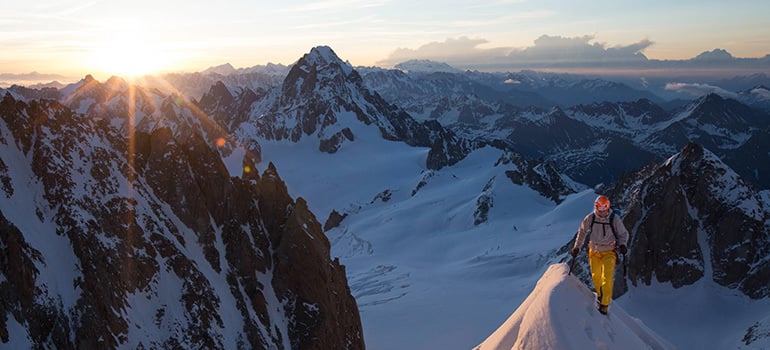

The Swiss Machine
Ever since his 2008 record-breaking solo speed ascent of the north face of the Eiger in 2h 47m 33s Ueli Steck has been regarded as one of climbing’s most spectacular talents.
Afterwards Steck declared he would dial back on the fast solo climbs that led to him being nicknamed the “Swiss Machine” but his climbing feats have continued to amaze and inspire. In 2013 he was back in the limelight after making an incredibly bold solo ascent of the south face of Annapurna (8,091 m) in 28 hours – a new record. The ascent won him the Piolet d’Or, one of climbing’s most prestigious awards.
“I was at the limits of my physical and mental ability. To go to such limits changes your consciousness, ” he said at the time. Climbers regard it as one of the most significant climbs in the Himalayas in a generation.
The older, smarter Steck is not the same climber he was as a daring youth, pushing the limits of human capability. “I feel a difference between now and 10 years ago,” he says. “My body needs more time to recover, and I have to be more careful with training. But I’m more confident, and this gives me a lot of freedom. But the fire still burns!”
As a purist, Steck climbs without using bottled oxygen and has so far summited five 8,000m peaks without doing so. Everest is one of those peaks, which, he says, was one of the most physically demanding undertakings in his life. “It’s out of the question for me to use bottled oxygen,” he says. “I either make the summit without it or I turn back, go home and train more.”
Steck is also noted for his rigorous and professional approach to training. He spends up to 30 hours a week working-out, running, climbing, cross-country skiing and doing endurance and strength work. He never travels anywhere without a pair of running shoes and is always scouting for something to get to the top of, whether a mountain in the distance or the top of a building if he’s city-bound, such as the One World Trade Center in New York City.
He says the Suunto Ambit is the perfect solution for both mountaineering and training. “It’s got everything I need in one package, whether I'm on an expedition in the Himalayas or on a hard one-day ascent in the Alps.”
But no matter what the route, Steck’s inspiration remains the same. “It’s the challenge of moving on in life,” he says. “I always want to try something I have not done before.”
Follow Ueli Steck's #82summit project here
Pictures by Jon Griffith Photography


