




カナダ・バンクーバーを訪れたら、一度は歩いてみたいと名前が挙がる「The Grouse Grind(グラウス・グラインド)」。距離はわずか2.5kmですが、標高差800m、2,830段もの階段を一気に登る急登トレイルです。
なぜこの短いコースが「Mother Nature’s Stairmaster(自然のステアマスター)」と呼ばれるのでしょうか。本記事では、グラウス・グラインドの特徴と現在挑戦する際の注意点を解説。さらに、2017年にSuuntoアンバサダーのサイモン・ドナートが挑んだ、1日に何度も登る「Multi-Grouse Grind Challenge」から、急登を長く続けるためのペース配分、補給、メンタル管理を紹介します。

The Grouse Grindとは?
The Grouse Grindは、カナダ・ブリティッシュコロンビア州ノースバンクーバーのグラウス・マウンテンを登る、上り専用のハイキングトレイルです。バンクーバー中心部から車で約15分というアクセスのよさと、短い距離に凝縮された急登から、地元ではトレーニングコースとして親しまれています。
| 項目 | 現在の公式案内 |
|---|---|
| 距離 | 2.5km |
| 標高差 | 800m(標高290mから1,090mへ) |
| 階段 | 2,830段 |
| 平均所要時間 | 約2〜2.5時間 |
| 下山 | トレイルの徒歩下山は禁止。ゴンドラまたはスカイライドを利用 |
公式サイトによると、現在のルートが形づくられたのは1980年代。登山家たちが、長い山行に向けたトレーニングのため、より急なルートを求めたことが始まりでした。現在では年間10万人以上が挑戦する、バンクーバーを象徴するアウトドアスポットのひとつです。
短距離でも過酷な理由
2.5kmと聞けば、平地では短い散歩のように感じるかもしれません。しかしグラウス・グラインドでは、約30度とされる急斜面を、岩、木の根、自然の段差、木製階段が続く不整地で登ります。水平距離よりも「どれだけ登るか」が負荷を決めるコースです。
コースは4つの区間に分けて表示されています。公式FAQによると、最初の4分の1は距離が長く感じられる一方で傾斜は比較的緩く、第2・第3区間が特に急です。序盤に勢いで進みすぎると、核心部を迎える前に余力を失いかねません。
また、樹林に囲まれた狭いトレイルのため、途中の眺望や広い休憩場所は限られます。「短いから簡単」と考えず、標高差、路面、混雑、当日の気象を含めて判断する必要があります。
挑戦前に知っておきたいこと
グラウス・グラインドは常時開放ではありません。雪や氷、急斜面の状態により閉鎖されることがあり、開放時間も日照時間などに応じて変わります。出発前に、Grouse MountainとMetro Vancouverの公式サイトで開閉状況、天候、下山便を必ず確認してください。
- 徒歩で下らない:急で狭いトレイルのため、下り方向の通行は禁止されています。山頂からは有料のゴンドラまたはスカイライドを利用します。
- 水と補給食を携行する:公式FAQでは少なくとも1Lの水またはスポーツドリンクと、必要に応じた軽食を勧めています。ゴミ箱は途中にありません。
- 適切な靴と重ね着を用意する:トレイルシューズや軽登山靴を選び、山頂で身体が冷えたときに着られる防寒着や雨具を携行します。
- 自分の体力を見極める:日頃から有酸素運動やスクワット、ランジなどで準備し、不安があれば先に易しいコースを試しましょう。
- 狭い道では右側を歩く:追い越す人のために右側を空け、休む際も安全な場所へ寄ります。
注意:本記事の数値と利用ルールは公開時点の公式案内に基づきます。開放期間、時間、下山方法、料金は変更されることがあります。現地の最新情報と係員の指示を優先してください。
2017年のMulti-Grouse Grind Challenge
2017年6月、グラウス・グラインドでは、夜明けから日没までの1日で登頂回数を競う「Suunto Multi-Grouse Grind Challenge」が行われました。参加者は山頂に着くたびにスカイライドで下山し、再び2,830段の急登へ向かいます。
19時間にわたるイベントで、45人の参加者は合計434回を登りました。最多はイアン・ロバートソンの17回。単純計算で獲得標高は約13,600mに達します。女性最多のアンドレア・ジョブも14回を記録しました。
Suuntoアンバサダーのサイモン・ドナートは大会前、14回を達成できれば満足、15回なら最高だと話していました。結果は9回。目標には届かなかったものの、それでも現在の公式標高差で換算すれば約7,200mを1日で登ったことになります。
Suuntoアンバサダーが考えた急登戦略

ドナートが大会前に重視していたのは、最初から速く登ることではありません。長いチャレンジでは、脚力だけでなく判断と計画が結果を左右すると考えていました。
序盤を抑え、ラップをそろえる
目標は、1周目から最後まで、できるだけ同じテンポで登ること。序盤には遅すぎると感じるペースでも、長時間にわたって反復するなら、その余裕が後半を支えます。強く追い込んで山頂に着いても、下山便を待つだけなら、その加速は全体の時間短縮につながりません。
移動時間を補給と装備交換に使う
大会では、下山中のスカイライドが限られた休息時間でした。ドナートはその間に食事と装備交換を済ませ、次の登りに備える計画を立てていました。登る時間だけでなく、休む、食べる、移動する時間まで含めて設計する発想です。
食べられなくなる前に補給する
疲労が進むと食欲が落ち、食べないことでさらに疲れる。この悪循環は、ドナート自身が過去に経験した課題でした。大会では身体が受け入れられる範囲で、実際の食事を中心にカロリーを補う方針を立てていました。補給の種類や量には個人差があるため、長時間の挑戦で初めて試すのではなく、普段の練習で確認することが大切です。
回数より、いま守るべき計画に集中する
苦しいときにドナートが意識したのは、絶対的な登頂回数ではなく、決めたペースと補給計画を守れているかということでした。好調な時間を楽しみ、低調な時間も永遠には続かないと理解する。その考え方が、長い挑戦を小さな判断の積み重ねへ変えていきます。
急登トレーニングに活かせる4つのヒント
Multi-Grouse Grind Challengeは極端な事例ですが、その戦略は、普段の登山やトレイルランニングの登りにも応用できます。
- 距離だけでなく累積標高を見る:同じ距離でも、獲得標高によって負荷は大きく変わります。練習記録では距離、時間、心拍数とあわせて累積標高を確認しましょう。
- 序盤の心拍を上げすぎない:急登では平地のペースを維持しようとせず、呼吸や心拍数、主観的なきつさを基準に速度を調整します。
- 区間ごとの変化を比較する:同じ坂を反復する場合は、ラップタイム、心拍数、垂直速度の推移から、どこでペースが崩れたかを振り返ります。
- 補給と休憩も練習する:何を、いつ、どれくらい摂るかは、行動時間や体格、気象条件で変わります。本番前に試し、自分に合う方法をつくりましょう。
登りのデータを実践に活かしたい方は、勾配・垂直速度・獲得標高を使った登りの攻略法も参考にしてください。
まとめ
The Grouse Grindは、全長2.5kmで標高差800mを登る、バンクーバー名物の急登トレイルです。短い距離の中に2,830段が続き、徒歩での下山は禁止。挑戦するなら、最新の開閉状況と天候を確認し、水、補給食、適切な靴、防寒着を準備しましょう。
2017年のMulti-Grouse Grind Challengeでドナートが重視したのは、派手なスタートではなく、一定ペース、計画的な補給、休息時間の活用でした。急登では、距離だけでなく累積標高、心拍数、ラップごとの変化を記録すると、自分に合う登り方を見つけやすくなります。
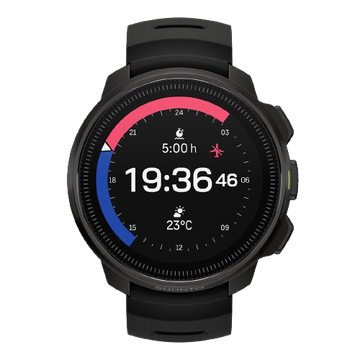
当時ドナートが使用していたSuunto Spartanは旧モデルです。現在は、Suunto Vertical 2をはじめとするスポーツウォッチで、登りの記録、心拍数、累積標高、ルートを確認できます。ただし、ウォッチは体調判断や現地の安全情報の代わりにはなりません。公式情報、地図、天候を確認したうえで活用してください。
画像:Simon Donato © Luis Moreira / Adventure Science、Grouse Mountain images © Grouse Mountain


