




SUUNTOブログ

How (not) to qualify for Kona
The good news for Janne Kallio is it’s going to get easier. Now 44, it’s his last year in his age group, and qualifying for Kona gets easier in the one above. “That’s because the competition is older and I’m getting faster,” he says, laughing.
One thing Janne definitely can’t say about the last few years of racing is that it’s been easy. In May, Suunto HQ threw a surprise party for him to congratulate him on finally, after years of irritating setbacks and disappointment, earning a spot on the Kona startline.
“Even though I’ve had disasters, it’s all a learning curve,” he says. “Even though it’s been frustrating, I always felt positive because I was progressing in my training, and felt I was reaching a higher level. The race should be the goal, not just to qualify.”
Janne has been competing in tri for almost 30 years, and wrote a book about training for triathlon with the help of technology. He started racing full distance Ironman in 2010, and began trying to qualify in the last few years. “You can’t really ‘qualify’,” he says. “All you can do is train as best as you can and then the qualification will come.”
Janne’s 12 lessons from his long road to Kona
Slippery when wet
Frankfurt, July 8, 2012
Janne was feeling good, racing well, and pushing it on the ride. Maybe a little too much. It was raining hard, and he slipped and crashed resulting in a broken hip, and a loss of training time.
Lesson: Be careful in wet weather. It’s not worth risking injury.
Be grateful
Arizona, November 17, 2013
Hamstring surgery in fall 2012 meant Janne was out for the rest of that year. He wasn’t ready to race again until nearly one year later. It wasn’t pretty, he hobbled through the marathon, but made the finish line.
Lesson: Be grateful to be on the start line. It’s already a great achievement to start an Ironman race.
It’s all learning
Mallorca, September 27, 2014
Despite not qualifying, Janne was happy with this race. He says it was the first time he felt he was really able to run well during an Ironman marathon. The competition was faster. The feeling of having mastered the full distance compensated for not qualifying.
Lesson: Be patient with long distance Ironman. Each race is a learning experience. The next one will be easier.
DIY doesn’t work
Vichy, August 30, 2015
This race hurt. Janne felt confident he could qualify for Kona. To compensate for a loss of run training in previous months, due to injuries, he “smashed the bike like a lunatic”. He had the second fastest bike time, but destroyed himself in the process and ended up walking the marathon. “All the confidence of mastering the Ironman I’d gained in the previous year was lost,” Janne says. “I decided to get a coach; it’s better to have someone to look from the outside into your training.”
Lesson: Get help – find a coach.
Adapt quickly
Cape Town, April 10, 2016
With a new coach on his team Janne felt ready to rock this race. But alas, after a good swim, a bumpy road meant he lost his drink bottles on the ride. The liquid at the aid stations wasn’t enough to compete with the intense African sun. He bombed on the marathon, and missed qualifying for Kona by 40 infuriating seconds.
Lesson: Learn to handle surprises – they are bound to happen. Never neglect proper fueling or hydration.
Keep your distance
Florida, November 5, 2016
Janne finished seventh and missed a slot at Kona by 90 miserable seconds. All because he was given a five minute penalty for drafting. “This was the only time that has ever happened to me,” he says. “When the guy passed me, I kept riding with him. I kept the legal distance, but from the referees perspective it wasn’t long enough.”
Lesson: Your perception of distance might differ from the referee. Penalties hurt; be extra sure and keep your distance.
Shit happens
Cape Town, April 2, 2017
He’d put in the training, was feeling strong and ready, and then caught a cold a few days before race day. “I was shivering on the start line and when I was cycling and running I couldn’t push,” he says. “Shit happens.”
Lesson: Things happen you have no control over. Don’t let it phase you – that’s life.
Stick to the plan
Florida, November 4, 2017
Janne arrived two weeks before the race to adapt to the heat. He was in good shape, had a great swim and a good ride. On the run he was in third place and feeling good. Except, for some inexplicable reason, he felt the urge to consume more liquid and gels than he’d planned. “My stomach shut down,” he says. “I was putting too much in. Somehow at 20 km I was sitting on a toilet and flushed out everything I’d consumed.” His energy crashed, and didn’t recover. He missed qualifying for Kona by a few disgusting minutes.
Lesson: Have a clear nutrition plan for the race and stick to it.
Know the route
Tallinn, August 4, 2018
This is one race where Janne muttered a very long list of expletives. The first two stages went well. He started the run in second place in his age group. Then he came to a corner and wasn’t sure which direction to run in. He asked an official who pointed, but Janne misunderstood, and took a wrong turn. It was over: DNF.
Lesson: Study the course in advance and add a route to your watch. It’s the athlete’s responsibility to know the route.
Easy does it
Copenhagen, August 19, 2018
Still feeling disappointed the day after Tallinn, Janne wasn’t ready to give up. He discovered the Ironman Copenhagen was two weeks away and jumped at it. Because he was in good shape and didn’t run the marathon in Tallinn, he thought he would be fine. Not so. “On the bike, I couldn’t keep the power where it should have been. When I started running, I ran really fast and my pace started to plummet. “My legs were fine, but I was mentally tired. I felt unfocused and totally deflated.” He withdrew on the run.
Lesson: Be prepared and focused. If you aren’t, you won’t get the result you are after.
It’s only a sport
Florida, November, 2018
After a string of disappointments Janne was psyched and ready for this race. But then Hurricane Michael swept across the Florida Panhandle leaving a trail of destruction in his path. It was the first Category 5 hurricane on record to hit the region, and the third most intense Atlantic originating hurricane in history to make landfall. The race was cancelled.
Lesson: “You can’t control everything,” Janne says. “And it’s only a sport; a race doesn’t matter when people have lost their homes and even their lives.”
You never know
Texas, April 27, 2019
After a year of racing absurdity, Janne hoped things would turn around in 2019. Then he got the flu 10 days before the Ironman Texas. “I was out of training completely, especially swimming,” he says. “I was close to not even flying there.” After everything, Janne roused his inner tri warrior and decided to go. On race day, his symptoms were gone, but his heart rate and power numbers until then had been rubbish. And sure enough, he couldn’t push as much as he would have if fully fit. There were seven Kona slots available in his age group. Incredibly, Janne finished sixth, and finally qualified!
Lesson: Never give up.
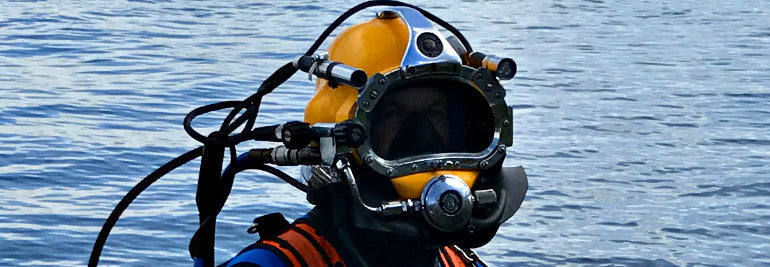

Tested by Real World Divers
Well known now for his higher-level training of professional and technical divers, along with a wealth of experience Johan began life in Netherlands and completed his first dive in Tunisia with CMAS in 1996.
Immediately impressed he purchased all his own equipment and rose to instructor level in a short time. He concentrated on specialising so he could broaden his knowledge which is where Johan developed his passion. After divng on the wrecks in the North Sea he found his calling and continued training in wreck diving and Trimix so he could explore deeper sites that hadn’t had their treasures pillaged like the wrecks at shallower depths.
“At greater depths I found the wrecks were more intact. I am talking about wrecks 80 meters and these wrecks are less exposed and also in better condition because they are not so exposed as those at shallower depths.”
Johan de With selfie.
To help him explore even more depth, his dive training led him onto rebreathers. He realised the limitation of many of his open circuit dives was the number of cylinders he could carry it seemed only natural for him to transition from open circuit.
“In 2015, together with Markku Diedrich, I dived a world record mixed team in Lake Thun, Switzerland (fresh, cold water) I was on OC and Markku on CCR where we travelled to a depth of 166.5m.”
Recording of the team’s deepest dive in a book of records.
Johan’s deep accolades do not end there.
“On the rebreather I dived into caves to a depth of 14m.
On open system in the caves up to 103m.
On the rebreather in open water up to 183m.
Open water on open system 166.4m.”
Johan now works as commercial diver and an instructor at the only private institute of commercial professional diving in the Netherlands. He also teaches deep technical diving and has his own gas filling station, Techduikschool Nederlands.
An important part of his diving is communicating information to the dedicated team of Dive Engineers at Suunto HQ as he puts computers to the test in the field and ensures they meet strict performance targets.
The infomation Johan feeds back allows the engineers to improve and fine tune devices allowing for the best user experience and in turn lets divers focus on the action and rely on their robust companions in the toughest conditions.
In action training professional divers in the Netherlands.
“I dive and test a lot for Suunto and share as much information as possible and give feedback about these computers both positively and negatively. I currently dive with the EON Steel and the EON Core and with the also since its release, the Suunto D5.
I use this during all my dives both OC in open water and caves and CCR in open water and in caves. As a backup I have my bottom timers with wet-note, and a spare computer in my pocket.
Everywhere and always, even with commercial diving I take the Suunto D5 into the water. I do this so that I also have a digital log of all my commercial dives.”
Suunto Dive computers stand the test of these extreme adventures alongside Johan.
Johan is not just an Ambassador for Suunto Dive, he represents brands including Ursuit and Bare drysuits, Tecline, Ammonite for lighting and Paralenz to capture the action on camera also with great satisfaction and pride.
"Regardless of environment depth or length of the dive or type of dive OC or CCR, technical diving must be feasible for everyone regardless of their financial status. These are brands that certainly think of the customer with price quality. I notice these companies listen and do a lot with the feedback given by us as Brand Ambassadors and testers of these materials.”
Jyri Vehmaskoski, Suunto EON Steel product team: "You don't dive if you don't trust your equipment. Everything we build is tested by real-world divers like us. Our gear is functional, accurate, and built to take a beating – and has hundreds of test dives to prove it."
Learn more about Suunto Dive products at suunto.com
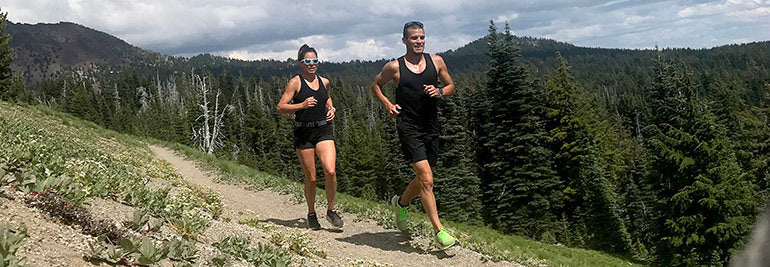

Road to Kona: 5 Tips to Train Effectively as a Couple
Ryan entered his first triathlon when a college roommate challenged him to a race in 2006. He was the last one out of the water and says he was instantly hooked. In his junior year, he found himself enjoying triathlon so much he couldn’t pull himself away from it.
Jacqui got her start in triathlon while training for the Chicago Marathon. Ryan was coaching her at the time, and would add cycling and swimming workouts to her training to reduce the running volume. In 2010, he suggested Jacqui come with him to race the Buffalo Springs 70.3 triathlon. Jacqui finished nine seconds away from qualifying for the Ironman World Championships, yet despite an awesome result she wasn't hooked.
It wasn't until their wedding day in 2012 that Jacqui decided to get serious about tri. On that special day, Ryan shared his dream with her. "Today's the day of the Ironman World Championships," he said to her. "We should be there next year." They made their wedding vows, and an ambitious sport vow.
Both Jacqui and Ryan are getting ready to race Kona Ironman this October.
Here are their top 5 tips to train effectively as a couple:
1. Set up a workout room
We train a lot indoors as it's time efficient, safe, and allows us to train together when our schedules align.
2. Plan ahead
We always know what we have going on and when we will be doing our longer sessions as those sometimes can take the entire day. Planning ahead keeps us accountable to those times and aware of when we will be free together.
3. Meal prep
Having meals planned out for the entire week gives some flexibility in the evenings when we are a little more time crunched and trying to get workouts in.
4. Understand this sport can sometimes require you (or your partner) to be selfish
There's often times that you might miss out on time spent together. Things come up every week where workouts get moved for whatever reason, and it takes away time being spent together, which leads to the next tip.
5. Set up dates
Our favorite is having brunch or ice cream together. In the past, we have even set up having brunch together once per week to try out new restaurants and wouldn't let any workout get in the way of that.
Bonus Tip: Be your partner's biggest cheerleader
Even if/when your training/racing isn't going as well as you'd like, it is so important to be there for your partner and support them through their highs and lows as well.
Look for the Giulianos at the IRONMAN Kona World Championships in a few weeks!
READ ALSO:
Road to Kona: Cody Beals’ clear Kona strategy
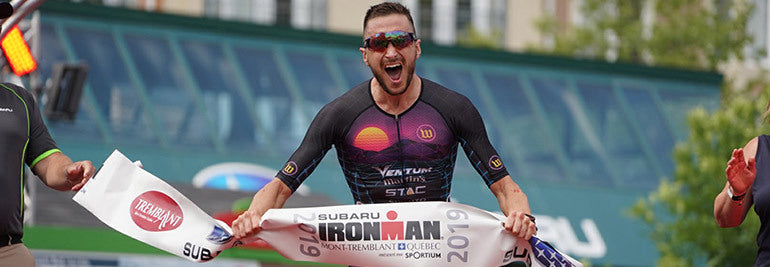

Road to Kona: Cody Beals' clear race strategy
Cody Beals didn’t fully commit himself to the sport of triathlon until after he completed his degree in Physics, but he was never a stranger to endurance sports. “My parents introduced me to endurance sports almost as soon as I could walk. I got my first taste of competition as a swimmer and later picked up cycling and running as a teenager.”
“Endurance sports, like my academics, rewarded consistent, deliberate practice even more than natural ability.”
Three full-distance pro Ironman races and three wins! (Image ©Kevin Mackinnon)
From his first local “Try-a-Tri” in 2006 Cody Beals steadily produced promising results. He fully committed himself to the sport in 2012 and in 2014 took his elite card making this his sixth season as a professional triathlete. Currently Cody has won three out of three of his full-distance IRONMAN races, recently winning IRONMAN Mont Tremblant in August for the second time.
Heading into his first appearance at IRONMAN World Championships in Kona, Cody is confident in his preparation. After defending his title at IRONMAN Mont Tremblant, he plans to continue the same preparation of prioritizing sleep, taking recovery days, and training efficiently with an emphasis on quality over quantity.
However, he is not going into the race naively believing it will be like any other race. “The one thing that I don’t have a good grasp on are the dynamics of a World Championship race. World class athletes, who are otherwise disciplined and rational racers, will behave erratically on the Queen K. Many athletes seem to make impulsive decisions, sometimes abandoning carefully crafted race plans in favor of gambling for the podium. The race plays out in a manner unlike any other. It’s the race dynamics, not the place, that intrigue and mystify me the most.”
Although he is aware of the athletes who will also be racing at Kona, Cody makes an effort to not follow his competition. This allows him to stay focused on his own process and not second-guess his decisions.
Cody on his way to a win at Ironman Mont Tremblant in August. (Image © Talbot Cox)
Cody’s average day of training can take all day. From a late morning swim, to an afternoon run, ending the day with an evening ride. When you add in recovery time, and some desk work and that’s a full day! But he explains his training regimen should not be the standard for those looking to try a triathlon. First timers looking to get into triathlons shouldn’t be intimidated or overwhelmed by the more experienced athletes. The triathlon community is inclusive and welcoming. At the end of the day, Cody says, that “the experience of an absolute beginner and a veteran pro out on the race course have far more in common than different.”
Last but not least it seems that Cody’s secret weapon is his tortoiseshell cat. He says that adopting her from the Humane Society has been nothing short of life changing and he regrets not doing it sooner. “She doesn't care how my last race or training session went. She's just there to give me unconditional affection and make me laugh every day. I'm convinced that cat cuddles are my not-so-secret weapon for recovery!”
READ ALSO:
Road to Kona: 5 tips to train effectively as a couple


運動する人のための食事・栄養ガイド|パフォーマンスを支える6つの基本原則
運動のパフォーマンスや回復を支えるうえで、日々の食事はトレーニングと同じくらい大切です。しかし、栄養に関する情報は多く、「糖質を減らすべき?」「プロテインは必要?」「運動前後に何を食べればよい?」と迷うこともあるでしょう。
大切なのは、特定の食品や厳格なルールに頼ることではなく、自分の運動量と生活に合った食事を継続することです。本記事では、ランニング、サイクリング、登山、トライアスロンなどに取り組む人が意識したい栄養の6つの基本原則を紹介します。
目次
食事を楽しむ
できるだけ質のよい食材を選ぶ
糖質を適切に摂る
たんぱく質で回復を支える
良質な脂質を取り入れる
水分補給を習慣にする
SUUNTOで運動と補給を振り返る
まとめ
1. 食事を楽しむ
最初の原則は、食事を楽しむことです。栄養素やカロリーだけに意識が向くと、食事が義務のようになり、続けることが難しくなります。家族や仲間と食卓を囲むこと、旬の食材を味わうこと、自分で料理することも、健やかな食習慣の一部です。
一度の食事だけでコンディションが決まるわけではありません。完璧を求めすぎず、数日から数週間の全体的なバランスで考えましょう。運動量の多い日は十分に食べ、休養日には空腹感や活動量に合わせて調整するなど、身体の反応に目を向けることが大切です。
2. できるだけ質のよい食材を選ぶ
食事の土台には、野菜、果物、穀類、いも類、豆類、卵、魚、肉、乳製品など、加工度の低い多様な食品を選びます。こうした食品からは、エネルギー源となる栄養素だけでなく、ビタミン、ミネラル、食物繊維も摂取できます。
毎食、主食・主菜・副菜をできる範囲でそろえる
色の異なる野菜や果物を組み合わせる
忙しい日は冷凍野菜、缶詰、ヨーグルトなども活用する
特定の「スーパーフード」だけに頼らず、食材の種類を増やす
競技や健康のための食事は、特別な食材だけで作るものではありません。入手しやすく、無理なく続けられる食品を中心に組み立てることが現実的です。
3. 糖質を適切に摂る
糖質は、ランニングやサイクリングなどの運動で重要なエネルギー源になります。運動強度が上がるほど糖質への依存度も高まりやすいため、活動量の多い人が必要以上に糖質を避けると、トレーニングの質や回復に影響する場合があります。
ごはん、パン、麺類、オートミール、いも類、果物などを、運動量や予定に合わせて取り入れましょう。長時間または高強度の運動前には、消化しやすく食べ慣れた糖質源を選ぶと準備しやすくなります。運動中の補給が必要かどうかは、運動時間、強度、気温、個人差によって変わります。
糖質や脂質が運動中にどのように利用されるかは、身体を動かす3つのエネルギー供給機構でも詳しく解説しています。
4. たんぱく質で回復を支える
たんぱく質は、運動によって負荷を受けた筋肉や組織の修復を支えます。肉や魚だけでなく、卵、乳製品、大豆製品、豆類など、さまざまな食品から摂ることができます。
一度の食事に偏らせるより、朝・昼・夕の食事や必要に応じた間食に分けて摂ると、日常の食事へ組み込みやすくなります。トレーニング後は、糖質とたんぱく質を含む食事を摂ることで、使ったエネルギーの補充と身体の回復を同時に支えられます。
おにぎりと卵、魚、鶏肉、豆製品
パンとヨーグルト、牛乳、果物
うどんと卵、肉、野菜
プロテイン製品は便利な選択肢ですが、すべての人に必須ではありません。まずは普段の食事で必要量を満たせるかを考えます。
5. 良質な脂質を取り入れる
脂質はエネルギー源になるほか、細胞やホルモンの材料となり、脂溶性ビタミンの吸収にも関わります。運動する人にとっても必要な栄養素であり、極端に避ける必要はありません。
魚、ナッツ、種子、アボカド、オリーブオイルなどを食事に取り入れ、食品の種類を分散させましょう。ただし、脂質は消化に時間がかかるため、運動直前に大量に摂ると胃の重さにつながる人もいます。運動前の食事は、開始までの時間と自分の消化のしやすさに合わせて調整してください。
6. 水分補給を習慣にする
水分は体温調節や身体機能を保つために欠かせません。必要量は、気温、湿度、運動時間、強度、体格、発汗量などで変わります。全員が同じ量を飲むのではなく、日常の水分摂取に加え、運動時の環境と自分の発汗傾向を把握することが重要です。
運動前からこまめに水分を摂り、直前に大量に飲まない
長時間の運動や発汗量が多い日は、食事や飲料から電解質も補う
練習前後の体重や飲水量を記録し、自分の傾向を確認する
水分を過剰に摂り続けない
水分は「多いほどよい」わけではありません。運動中に水分を過剰摂取すると、運動関連低ナトリウム血症につながる可能性があります。のどの渇き、発汗量、天候、運動時間を踏まえて調整してください。
SUUNTOで運動と補給を振り返る
軽量でランニングの記録や水分・栄養補給のリマインダーに対応するSuunto Run
食事は、運動の内容と一緒に振り返ることで改善しやすくなります。運動時間、強度、心拍数、疲労感と、その日の食事や水分補給を簡単に記録し、「後半に力が出なかった」「暑い日に水分が足りなかった」といった傾向を探してみましょう。
Suunto Runには、運動中の水分・栄養補給を促すリマインダーがあります。長時間のランニングなどで補給を忘れやすい場合に役立ちます。また、対応するSUUNTOウォッチでは、SuuntoPlus Storeから栄養補給に関連するスポーツアプリやガイドを利用できる場合があります。対応状況はモデルやソフトウェアによって異なるため、Suuntoアプリで確認してください。
ウォッチの記録やリマインダーは、自分の習慣を整えるための道具です。数値だけを追うのではなく、空腹感、胃腸の状態、疲労、睡眠、翌日の回復も含めて判断しましょう。
まとめ:完璧な食事より、続けられる習慣を
運動する人の食事では、食事を楽しみ、多様な食材から糖質、たんぱく質、脂質、水分をバランスよく摂ることが基本です。競技種目や運動量、目標、体質によって必要な内容は異なるため、誰かの食事法をそのまま再現する必要はありません。
まずは毎日の食事と運動後の体調を振り返り、自分に合う方法を少しずつ見つけてください。持病、食物アレルギー、摂食障害の既往がある場合や、強い疲労、体重減少、月経異常、繰り返す胃腸症状などがある場合は、医師またはスポーツ栄養の資格を持つ専門家に相談してください。
毎日の運動とコンディションを記録しよう
トレーニングの記録や補給リマインダーに対応するSUUNTOスポーツウォッチをチェックしてください。
SUUNTOスポーツウォッチを見る


New life through running
Needless to say, Liz is no stranger to hard work and dedication. After pacing a friend during an ultramarathon, she decided it was something she would like to try. She has since embraced the sport of ultrarunning, and since 2015 has powered through three 100-mile ultramarathons. Her short time in ultrarunning has already changed her life and taught her lifelong lessons.
“I'm realizing that the most I learn after each long-distance race is how to be a kinder and more flexible person. I bring too much of my Type A personality to these events and have to keep improving my ability to compromise, goal-set on the fly, and most of all, smile,” says Liz.
Watch the video below to see how running has changed Liz’s life.


