




ウォーキングは、特別な道具や場所を必要とせず、日常生活へ取り入れやすい運動です。運動習慣がない人でも、自分の体力や生活リズムに合わせて始められます。
一方で、「毎日何分歩けばよいのか」「1万歩を達成しないと意味がないのか」「散歩と運動としてのウォーキングは何が違うのか」と迷うこともあるでしょう。
この記事では、ウォーキングで期待できる健康上のメリット、無理なく始める方法、歩数・時間・心拍数の使い方、習慣化のコツを解説します。
ウォーキングで期待できる効果
ウォーキングは有酸素性の身体活動です。継続することで、心肺機能や持久力の維持・向上、生活習慣病のリスク低減、気分や睡眠などへの好影響が期待できます。また、日常の歩行量を増やすことは、座りっぱなしの時間を減らすきっかけにもなります。
ただし、ウォーキングだけですべての健康課題が解決するわけではありません。健康づくりでは、バランスのよい食事、十分な睡眠、筋力トレーニングなども大切です。
運動を始めるハードルが低い
ランニングなどと比べて自分で強度を調整しやすく、通勤、買い物、昼休み、犬の散歩など、普段の行動へ追加できます。最初から長時間を確保できなくても、短い歩行を積み重ねられます。
景色や時間を楽しめる
元記事が伝えているように、歩くことは移動や運動だけでなく、慌ただしい日常から少し離れる時間にもなります。スマートフォンから目を離し、周囲の景色や季節の変化へ意識を向けることも、続ける楽しみの一つです。

1日何分歩けばよい?
厚生労働省の「健康づくりのための身体活動・運動ガイド2023」では、成人に対して、歩行または同等以上の強度の身体活動を1日60分以上行うことが推奨されています。これは通勤、家事、仕事など日常生活の活動も含む目安です。また、息が弾み汗をかく程度以上の運動を週60分以上行うことも推奨されています。
ただし、これまで運動習慣がなかった人が、初日から目安をすべて達成する必要はありません。厚生労働省も、現在より少しでも多く身体を動かすことを基本にしています。まずは10分の散歩、昼休みの15分、最寄り駅の一つ手前から歩くなど、続けられる量から始めましょう。
▶︎参考:「健康づくりのための身体活動・運動ガイド2023」(厚生労働省)
1万歩を目標にする必要はある?
1日1万歩は分かりやすい目標ですが、全員が必ず達成すべき絶対的な基準ではありません。年齢、体力、仕事、健康状態によって適切な歩数は異なります。
歩数が少ない人にとっては、現在より1,000歩多く歩くことも立派な前進です。まず数日から1週間、普段の歩数を記録して平均を確認し、無理のない範囲で少しずつ増やします。
歩数だけを増やそうとして、睡眠を削ったり、痛みを我慢したりする必要はありません。歩行時間、体感、疲労、継続日数を合わせて見ましょう。
自分に合った歩く強度
日常の散歩
リラックスや活動量の確保が目的なら、会話を楽しめる楽な強度で構いません。運動を始めたばかりの人は、まずこの強度で時間や回数を増やします。
速歩
運動として強度を高めたい場合は、普段よりテンポよく歩きます。中強度の目安は、呼吸や心拍数が上がるものの、短い会話はできる程度です。
同じ速度でも、坂道、暑さ、疲労、体力によって身体への負荷は変わります。ペースだけでなく、息の弾み方や心拍数も確認してください。
ウォーキングのインターバル
一定時間の速歩と楽な歩行を交互に繰り返す方法もあります。たとえば、十分に身体を慣らした後、速歩1分と楽な歩行2分を数回繰り返します。回数や速歩の時間は、体力に合わせて調整しましょう。
疲れにくい歩き方のポイント
- 視線:足元だけを見続けず、安全を確認しながら進行方向へ向けます。
- 姿勢:背筋を無理に反らさず、頭から身体が自然に伸びる姿勢を意識します。
- 肩と腕:肩の力を抜き、腕を自然に振ります。
- 歩幅:大股にこだわらず、姿勢を保てる自然な歩幅にします。
- 着地:足を身体から遠くへ投げ出さず、静かで滑らかな着地を心がけます。
全員に同じフォームが合うわけではありません。歩き方を急に変えず、違和感がない範囲で試してください。
ウォーキングを続ける7つのコツ
- 小さく始める:最初は10分など、忙しい日でも実行できる目標にします。
- 時間と場所を決める:朝食後、昼休み、帰宅後など、既存の習慣と組み合わせます。
- 歩数の基準を知る:最初に普段の歩数を記録し、現実的な追加目標を決めます。
- 複数のコースを用意する:短時間用、休日用、雨を避けやすいコースを使い分けます。
- 景色や音を楽しむ:公園や川沿いを選ぶ、音声コンテンツを聴くなど楽しみを加えます。周囲の交通音が聞こえる状態を保ちましょう。
- 完璧を求めない:歩けない日があっても、翌日から再開すれば問題ありません。
- 記録して振り返る:歩数、時間、ルート、体感を残し、週間・月間の積み重ねを確認します。
歩数・時間・心拍数の記録方法
ウォーキングでは、歩数だけでなく時間、距離、心拍数、ルートなどを記録できます。目的に合わせて、見る項目を絞るのがポイントです。
| 記録項目 | 分かること | 活用例 |
|---|---|---|
| 歩数 | 日常を含む活動量 | 普段より少し多く歩く |
| 時間・距離 | 1回の運動量 | 週ごとの積み重ねを確認する |
| 心拍数 | 身体の反応と相対的な強度 | 速歩や坂道の強度を調整する |
| ルート | 歩いた場所と高低差 | お気に入りのコースを残す |
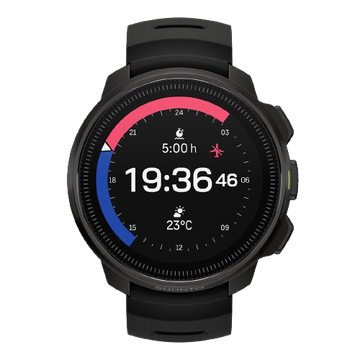
Suunto Runは、軽量なウォッチで歩数や日々のアクティビティ、ウォーキングなどを記録したい人の選択肢です。
Suunto Race Sは、ウォーキングからランニング、複数のスポーツまで継続して記録したい人に適しています。
Suunto Vertical 2は、地図を使う長時間のウォーキングやハイキング、アウトドアでの活動を記録したい人の選択肢です。
機能や対応する記録項目は、モデルやソフトウェアのバージョンによって異なる場合があります。最新情報は各製品ページとユーザーガイドで確認してください。
安全に続けるための注意点
- 体調、天候、気温に合わせて距離と強度を調整する
- 暑い日は涼しい時間帯を選び、水分補給を行う
- 暗い時間帯は反射材やライトを使用し、交通量の少ない安全な道を選ぶ
- 長く歩く日は、足に合ったシューズと天候に適した服装を選ぶ
- 急に歩数や坂道を増やさず、身体を慣らしながら進める
胸の痛み、強い息苦しさ、めまい、普段と異なる強い痛みなどがある場合は運動を中止してください。持病がある人、治療中の人、長期間運動していなかった人は、運動を始める前に医師などの専門家へ相談しましょう。
よくある質問
毎日歩いた方がよいですか?
毎日にこだわる必要はありません。日常の活動も含めて継続的に身体を動かすことが大切です。疲労や痛みがある日は休み、体力に合わせて頻度を調整してください。
ゆっくり歩くだけでも意味はありますか?
座っている時間を減らし、活動量を増やすという意味があります。運動強度を高めたい場合は、体力と健康状態に合わせて速歩や坂道を少しずつ取り入れます。
ウォーキングだけで痩せられますか?
ウォーキングはエネルギー消費を増やす活動ですが、体重の変化は食事、運動量、睡眠、体質など複数の要因に左右されます。短期間の結果を求めず、生活習慣全体を見直しましょう。
まとめ|現在より少し多く歩くことから始めよう
ウォーキングは、体力や生活に合わせて始めやすく、日々の活動量を増やす方法です。1万歩など一つの数字を絶対的な目標にせず、まず普段の歩数や時間を知り、無理のない範囲で増やしましょう。
楽な散歩、速歩、坂道などを目的に合わせて使い分け、歩数、時間、心拍数、体感を記録すると継続しやすくなります。痛みや体調の変化にも注意しながら、自分のペースで積み重ねてください。


