




SUUNTOブログ

夜のランニングを安全に楽しむ7つのポイント|服装・ライト・コースの選び方
仕事や家事を終えた夜、あるいは日の出前の早朝は、ランニングの時間を確保しやすい一方、昼間とは異なる注意が必要です。
暗い時間帯は、路面の段差や障害物を見つけにくく、車や自転車、歩行者からもランナーが見えにくくなります。慣れたコースでも、昼と夜では状況が変わることを前提に準備しましょう。
この記事では、プロトレイルランナー、ライアン・サンデスのアドバイスをもとに、夜のランニングを安全に楽しむための7つのポイントを紹介します。
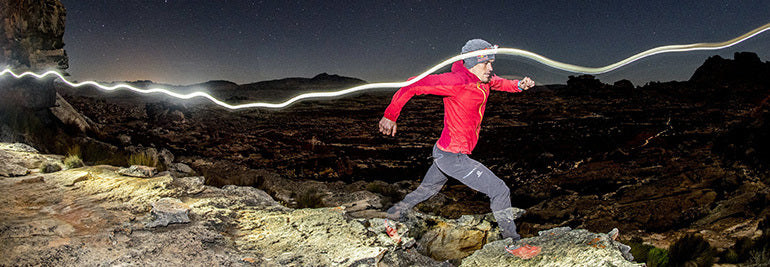
© Dean Leslie / Red Bull Content Pool
目次
1. 行き先と帰宅予定を共有する
2. 車や自転車から見える服装にする
3. 明るく走り慣れたコースを選ぶ
4. ライトを事前にテストする
5. 昼間よりペースを落とす
6. 足元だけでなく進行方向を見る
7. 周囲の音と変化に注意する
夜のトレイルランニングで追加したい準備
Suuntoウォッチを夜のランニングに活用する
まとめ|夜は「見える・見られる・戻れる」を準備する
1. 行き先と帰宅予定を共有する
夜に一人で走る場合は、家族や友人へコースと帰宅予定時刻を伝えましょう。予定を変更した場合も、可能であれば連絡します。
スマートフォンは十分に充電し、緊急連絡先へすぐアクセスできるようにします。位置情報共有機能を利用する場合は、走る前に設定と通信状態を確認してください。
ウォッチやスマートフォンの通信・位置情報機能は、圏外、電池切れ、故障などで使えないことがあります。デジタル機器だけに頼らず、迷いにくいコースと帰宅判断の基準を決めておきましょう。
2. 車や自転車から見える服装にする
自分から車が見えていても、運転者からランナーが見えているとは限りません。反射材の付いたウェア、ベスト、アームバンドなどを使用し、前後左右から存在が分かるようにします。
足首や手首など、動く部位に反射材やライトを付けると、人が動いていることを認識してもらいやすくなります。黒や暗い色だけのウェアは避け、ライトは前方を照らすものと、自分の存在を知らせるものを目的に応じて使い分けます。
交差点や駐車場の出入口では、車が止まると決めつけず、運転者の反応を確認してから進みましょう。
3. 明るく走り慣れたコースを選ぶ
夜のランニングに慣れるまでは、街灯があり、路面状態を知っているコースから始めます。歩道の有無、交通量、交差点、工事、段差、人通り、利用できる施設も確認しましょう。
人通りが極端に少ない場所や、見通しの悪い道、逃げ場のない区間は避けます。安全性に不安を感じたら、屋内トラックやトレッドミルへ変更することも選択肢です。
新しいコースを試す場合は、最初に明るい時間帯に歩くか走り、危険な場所や折り返し地点を把握しておくと安心です。
4. ライトを事前にテストする
街灯が少ない場所では、ヘッドライトやランニングライトを使用します。走り出す前に、明るさ、照射範囲、角度、装着感、操作方法、バッテリー残量を確認しましょう。
光を足元だけへ集中させると、視野が狭くなり、先の障害物へ対応しにくくなります。少し先の路面まで見えるよう角度を調整し、対向する歩行者やランナーの目へ強い光を直接向けないようにします。
長時間走る場合は、予定時間に対して十分なバッテリーを確保し、必要に応じて予備ライトや予備電源を持ちます。
5. 昼間よりペースを落とす
暗い場所では、段差、濡れた路面、落ち葉、枝、穴などを発見してから避けるまでの時間が短くなります。昼間と同じペースを維持しようとせず、状況に合わせて速度を落としましょう。
特に下り坂、曲がり角、交差点、見通しの悪い場所では、すぐ止まれる速度に調整します。夜のランニングを始めたばかりなら、タイムや自己ベストよりも、視界と動きに慣れることを優先してください。
6. 足元だけでなく進行方向を見る
不安になると視線を足元へ落としがちですが、真下だけを見ていると、その先の段差や障害物に気づくのが遅れます。
ライトで少し先まで照らし、進みたいラインを早めに選びます。視線は進行方向と近い路面の間を動かし、必要なときにペースを落としましょう。
視力に不安がある場合や、路面を十分に確認できない場合は、暗い場所を無理に走らないでください。
7. 周囲の音と変化に注意する
夜は視覚から得られる情報が少なくなるため、車、自転車、他の人、動物、天候など、周囲の音も重要になります。
イヤホンを使用する場合は、地域のルールを守り、周囲の音を確認できる音量にします。交通量の多い場所や、状況を把握しにくい場所では、音楽を止める判断も必要です。
「いつもと違う」「不安を感じる」と思ったら、予定どおり走り切ることより、明るい道へ移動する、引き返す、家族や交通機関へ助けを求めることを優先しましょう。
夜のトレイルランニングで追加したい準備
夜間のトレイルは、街中のナイトランよりもリスクが高くなります。道迷い、転倒、急な天候変化、野生動物、通信圏外などを想定し、経験と環境に合った計画を立ててください。
日中に通ったことのある明確なルートを選ぶ
紙地図やオフライン地図など、複数のナビゲーション手段を用意する
メインライトに加えて予備ライトを持つ
防寒着、雨具、水分、補給、救急用品を携行する
日没・日の出、天気、気温、立入規制を確認する
一人を避け、経験のある仲間と行動する
GPSウォッチや地図は安全を保証するものではありません。現在地が分からなくなった場合は、焦って移動を続けず、安全を確保したうえで状況に応じて救助を要請してください。
▶︎関連記事:「登山・ハイキングの安全対策|迷ったときに取るべき行動と出発前の準備」
Suuntoウォッチを夜のランニングに活用する
Suunto Runは、軽量なウォッチで、夜の日常的なランニングを記録したい人の選択肢です。
Suunto Race Sは、コンパクトなサイズで、トレーニングの振り返りやルートの確認も重視したい人に適しています。
Suunto Race 2は、オフラインマップを活用したルート確認や、長時間のトレーニングへ取り組む人の選択肢です。
出発前にウォッチを充電し、必要なルートや地図を同期してください。スタート地点へ戻るためのナビゲーション機能も、実際に必要になる前に明るい場所で操作を練習しておきます。
ウォッチは補助ツールです。画面を見ながら走り続けず、安全な場所で止まって確認しましょう。
▶︎関連記事:「ランニングのモチベーションを維持する10の方法」
まとめ|夜は「見える・見られる・戻れる」を準備する
夜のランニングでは、路面を自分で確認できること、車や自転車から存在を認識してもらうこと、迷ったときに安全に戻れることが重要です。
行き先を共有し、反射材とライトを使用し、慣れたコースを昼間よりゆっくり走りましょう。状況に不安を感じたら、予定を変更したり中止したりする判断を優先してください。
夜のランニングも、自分のペースで記録する
Suuntoのランニングウォッチでルートやトレーニングを記録し、走り終えたあとに振り返りましょう。
Suuntoウォッチを見る

Hunter or the hunted? 7 race tactics for the trophy
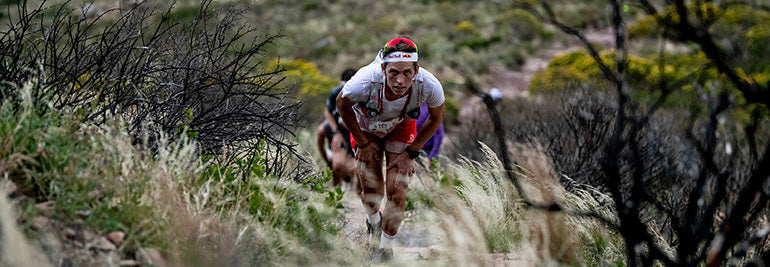
Both of them know the feeling of being hunted. It’s when they’ve been in first place, and there’s a pack of wolves at their heels.
“When you are leading a race you often feel like a hunted animal,” Ryan says. “You are always looking behind you, are you going too fast, are you going slow enough, are the guys catching you? Mentally, that is super draining. Sometimes hunting is better than being hunted.”
Ryan, an ultra running champion, has felt invincible during some races, and that his competitors were “dead and buried”, only for them to suddenly catch up and pass him. Mel has literally run shoulder to shoulder against another triathlete for 15 km, in what she says “felt like an eternity”. In the last three kilometers she turned it on and left her rival in the dust.
“I started sprinting and not looking back,” Mel says. “It turns out she didn’t even try to come with me, but I didn’t turn around to check. I just kept pushing right to the line.
“The smarter and easier move would have been to sit in (behind) and wear my competitor down that way, but for some reason we both thought we needed the mental battle of running side by side for most of the run. Not a single word was spoken between us during this hour long battle. After the race, we both shared a laugh and commented on how much we made each other suffer out there. “
Here are Mel and Ryan’s seven tips for victory.
© Kelvin Trautman / Red Bull Content Pool
Keep a poker face
Both of them recommend putting on a brave face. Show your rivals nothing. “Control your breathing and keep good form at least when they can see you,” Mel says. “Make it look easy. Don’t make eye contact with your rivals.”
Stay to your strengths
Don’t try to run your rival’s race. “The key strategy is to run to your strength,” Ryan says. “If you're slightly better on the climbs, push them a little bit, so then your competitor has to push the downhills to catch up, smashing his legs in the process. It's all about trying to feel your competitor out, seeing what their weaknesses are, compared to your strengths.”
Remember, they hurt too
Feeling the pain? Quads burning? That’s because you’re human, and your rivals are, too. “I know if I’m hurting so are my competitors so I stay focused and imagine them struggling and working hard,” Mel says. “That gives me a little confidence boost.”
Mind game your rival
Watch your rival closely. If he or she is struggling, accelerate. “When you think they’re feeling bad, start talking to him or her with your poker face on, pretending you’re feeling good,” Ryan suggests. “It’s a bit of a game of roulette; sometimes it pays off, other times it doesn’t.”
Training is your dojo
Training is when you test your mettle. It’s when you develop the tenacity and forbearance you’ll need to survive your race battles. “Never give up in training,” Mel says. “When I’m really hurting in training, I imagine I’m in a race situation and that if I back off now or give up, I’ve just lost the race. The more times you throw in the towel in training the harder it will be to push through the pain in a race.”
Ryan recommends working on your weaknesses in training. “If descending isn’t a strength for you, work on it,” he says. And when you’re training, run at different intensities.”
Learn to adapt
While it’s necessary to have a race plan, remember whatever your plan is, no matter how slick it is, on race day it will probably go out the window. “It’s so important to keep your mental focus and stay calm and collected,” Ryan says. “The person who is the most successful in a race is the one who can think the best on his or her feet and go with the flow.”
Kindness can pay off
Yes, racing is about winning. But that doesn’t always demand a ruthless attempt to crush the opposition. Sometimes a little camaraderie and kindness can go a long way. “If a competitor is struggling, for example when they need nutrition or a cold sponge, if I have the energy to help out I will because this not only helps them, but it also helps me,” Mel explains. “Helping someone makes you feel good and when you feel good you race better. This is a great way to get a little lift.”
Lead images:
© Craig Kolesky / Red Bull Content Pool
© Kelvin Trautman / Red Bull Content Pool
Read more:
The art of battle: six tactics to slay your competitors


Jill Heinerth Joins Suunto at DEMA 2019
"I have dived and documented climate change firsthand for decades. How we plan for it and adapt to it in the next few years will determine the future of our civilization. That’s what draws me to scuba dive under the ice in the northern reaches of my homeland, Canada.”-Jill Heinerth wrote for the LA Times this week.
Jill Heinerth © Under teh sea ice near Bylot Island
Spending the first half of the year on the Underwater Canada Expedition, Heinerth uses her adventures to connect people to their water planet compelled to demonstrate how their lives impact the source. Jill and her team successfully visited every province and territory in Canada to dive and tell the tales of water from her experiences in each region.
Unstoppable in her plight explorer, cave diver and Suunto Ambassador Jill Heinerth is currently travelling and speaking to audiences and media platforms across Canada and USA on her book tour. Released in August, Into the Planet is a thrilling insight into places inside this earth you may not have imagined existed, that Heinerth has dived while bravely illustrating intense political issues and presenting hard evidence about the impacted ice caps and beyond.
Photo Courtesy of U.S. Deep Caving Team/Wes Skiles. © Diving with the US Deep Caving Team at Wakulla Springs, I felt like I was involved in a space shot. But there is no Mission Control to call for help on a journey that can reach miles into the earth.
With the upcoming DEMA Show fast approaching on the diving event calendar, Suunto Dive are super excited to announce Jill will be joining the Suunto stand to sign copies of her incredible adventures in documenting climate change, cave diving and film making for the past 30 years on 13th and 14th November 2019 in Orlando, Florida. Into the Planet is a riveting account of one of the most dangerous yet exhilarating pursuits in the world.
Jill Heinerth © Ice Formations
“As one of the most celebrated cave divers in the world, Jill Heinerth has seen the planet in a way almost no one has. In a workday, she might swim below your home, through conduits in volcanoes or cracks in the world’s largest iceberg. She’s an explorer, a scientist’s eyes and hands underwater—discovering new species and examining our finite freshwater reserves—and a filmmaker documenting the wonders of underwater life." Into the Pla
Often the lone woman in a male-dominated domain, she tests the limits of human endurance at every tight turn, risking her life with each mission. To not only survive in this world but excel, Jill has had to learn how to master fear like no other.” -Into the Planet by Jill Heinerth

One triathlete’s journey through hell and back to the Kona start line
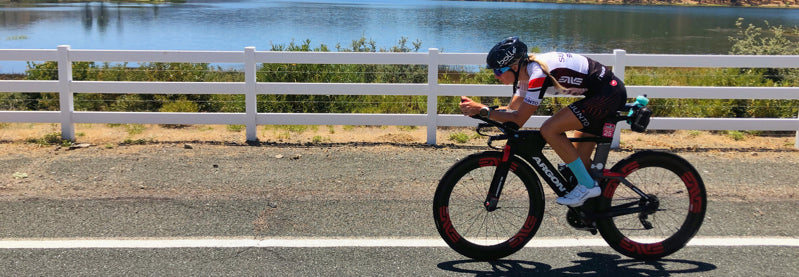
Doctors told her she would never run or race again. Kelsey, then 31, was lying in a hospital bed, her body battered and bruised after a truck hit her, and her vision for her life in ruins. She decided to prove the doctors wrong.
After recovering from the accident Kelsey drove herself hard. She refused to give up. While the determination was admirable, she now admits it bordered on reckless.
“I spent the next year trying to come back, but was plagued with more injuries and frustration,” Kelsey explains. “I gained a lot of weight and fell into a depression where I coped by going out at night, drinking way too much, and just not really living life as a pro athlete.”
Kelsey began swimming competitively when she was six years old. Later at college, she competed in Division 1 before moving to the Olympic Training Center in Colorado Springs as a member of the USA Triathlon National Team. She completed her first triathlon as a senior high school student in 2001, and was hooked.
With her life in tailspin after the accident, Kelsey got close to quitting triathlon. But then she met Mike, her now coach and boyfriend, who helped her turn everything around.
“The new path I chose to go down was life changing, but not easy,” she says. “Mike got me healthy for the first time years. But when I did decide to start racing again, I was in for a rude awakening. I moved up from ITU (International Triathlon Union races) to the 70.3 distance and finished dead last in most of those races.”
She was going in the right direction. But some old bad habits were holding her back. Eventually Mike gave her an ultimatum: get a job and make triathlon a hobby or commit 100% and make triathlon her job. “It took a good week for me to decide to go ‘all in’, but when I did, everything switched for me,” she says.
The decision empowered her; in 2017 she won her first Ironman 70.3 at Victoria, then backed that up with a win at Ironman 70.3 Manta the following weekend. She has been on the podium at almost every race since, securing her first Kona slot this year at age 36.
“This just goes to show you that if you work really hard and don’t give up, amazing things can happen!” she says.
Kelsey takes over our our Instagram stories this weekend. Follow along as she prepares for Kona!
READ ALSO
How (not) to qualify for Kona
Road to Kona: Cody Beals' clear race strategy
Road to Kona: 5 tips to train effectively as a couple

Ready to race! Follow this 12 week triathlon training plan
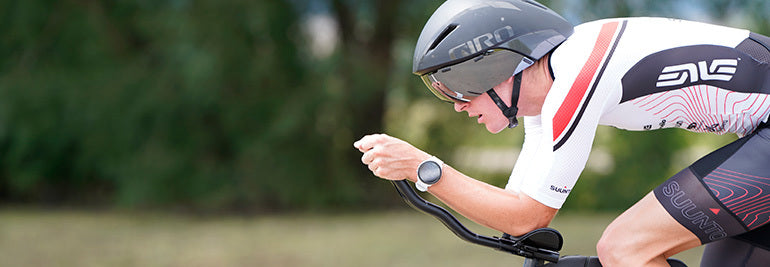
You can do this. That’s what Suunto multisport team athlete and coach Trista Francis wants you to know. She has prepared a 12 week training plan to get you to the start line in fighting form.
“Stop waiting for the perfect moment,” she says. “Take the moment you have and make it perfect!”
The plan is available for free as part of Suunto Value Pack via TrainingPeaks, one of Suunto’s key partners, and provides easy to understand, week-by-week, session-by-session, training guidance. Your end of the bargain is doing the work.
Trista has a degree in sports medicine, is a long time triathlete, and has coached everyone from total beginners to Olympic hopefuls. She knows well what it takes to pull off a long distance tri. To inspire you to get going, Trista shares her favorite inspirational training quote:
The masters in the art of living make little distinction between their work and their play, their labor and their leisure, their minds and their bodies, their information, their recreation, their love and their religion. They hardly know which is which; they simply pursue their vision of excellence at whatever they do, leaving others to decide whether they are working or playing. – James A. Michener
Click here to access Trista’s 12 week triathlon training plan!
Designed for those with a solid fitness base and who are looking for guidance on doing a long distance triathlon, the plan has a four week cycle: three weeks of a progressively heavier training load, followed by one week with a lighter load. There are three of these four week training blocks.
“Fitness gains happen during recovery,” Trista says. “Work hard during the three weeks then repair and regenerate during recovery week to bring your fitness to a higher level.
“A general rule of thumb is to get the training hours in,” she continues. “If you find the intervals are too much, drop the intervals and just complete the time so you are ready for the next day’s sessions.”
On average, each week consists of eight training hours, with the heaviest weeks reaching 11 hours. You’ll be training the three disciplines every week. The swimming average is 1h30m per week, cycling is 3h50m and running is 2h40m. The longest run is two hours and longest bike ride is four hours.
Throughout the 12 weeks, every Monday is a recovery day. Trista recommends sleeping more on Mondays, or getting massages to prepare you for the coming week’s training sessions.
“These things that assist recovery are called the 1%,” she says. “Athletes that put an emphasis on this philosophy around recovery tend to stay injury free, and see greater gains compared to their peers.”
To download Trista’s 12 week training plan, login or sign up to TrainingPeaks and find the plan here.
LEARN MORE ABOUT SUUNTO VALUE PACK AND HOW TO GET THIS TRAINING PROGRAM FOR FREE

Introducing Alex Kydd
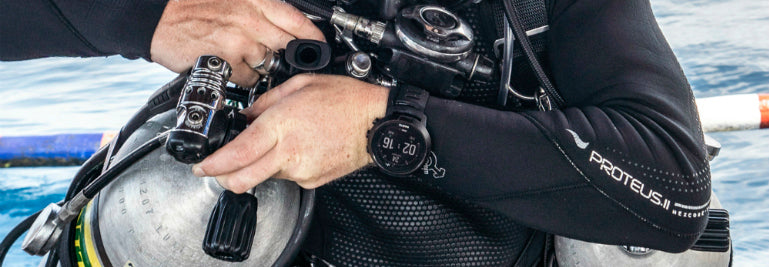
Suunto Dive are super excited to announce Alex Kydd is joining the Suunto Ambassador family. Photographer, marine biologist and diver originally from Melbourne, Australia, Alex now proclaims to being “based on” Ningaloo Reef Western Australia honoring the number of hours that he spends exploring underwater capturing his breath-taking images.
A rare shot of Alex Kydd in front of the camera taken photographer Alfred Minnaarr. ©
Alex trains like an athlete in his discipline. Practising every day, editing all the time and descending beneath the surface has led him to achieve artistry in his images. Alex's photos stand out above the rest with his dedication and passion aiding his continued development as a photographer enabling him to produce his unique shots.
“The ocean is my happy place. Every time you enter the water you never know what you might see and it's such a misunderstood ecosystem. Everything is connected and the more time you spend in it, the more you appreciate.”
Alex Kydd by photographer Alfred Minnaarr ©
Beginning his diving journey with snorkelling at 16 in the cool waters off Melbourne where he grew up, he later began scuba diving on a trip to Thailand in 2009 where he firmly solidified his love and respect for the ocean. Exploring his passion further Alex studied Marine Biology at university and four years ago he started his journey into the world of underwater photography and has had not had a chance to look back.
“At age 16 I first started taking photos. I had a very basic 2m waterproof camera for snorkelling in Melbourne. I progressed slowly to more upgraded cameras over the next few years. Eventually I had enough savings and I got myself a DSLR and housing. I was going out taking 500-1000 photos per day and editing them every night. This I believe, fast tracked me to learn. The best advice I can give for underwater photography is to find a mentor or like-minded people to learn from.”
Alex’s next stops on his extensive adventuring are Raja Ampat, West Papua, French Polynesia and Fiji where he will be exploring with his new dive computers including the Suunto EON Core, Suunto D5 and Suunto Tank POD. Alex’s favourite device at the moment is the Suunto D5. He also represents Fourth Element and Ocean Positive as a team diver.
Alex Kydd:
Instagram


