




SUUNTOブログ

Learn how augmented reality can empower your performance now
Suunto athlete and outdoor sports junky Gregor Strasser has been using ActiveLook-powered Julbo smart glasses with his Suunto for a few months, but is already liking what he’s seeing. He’s been testing them in the mountains above Salzburg in Austria and loves the way the most important performance data is always right there, displayed on a lens.
“I’m a technology freak and hoped they would make my everyday training easier,” Gregor says. “Of course, you have to get used to the new field of view, but once everything is perfectly adjusted, you can hardly imagine it any other way.”
Focus on what matters
ActiveLook is a division of Microoled, the second largest micro OLED supplier in the world. ActiveLook produces an embedded head-up display technology that fits into sleek, lightweight frames and lenses. Marketing & partnerships director of ActiveLook, Xavier Bonjour believes smart glasses are going to revolutionize outdoor sports.
“When you have the data displayed in your field of vision, you can better manage your effort and no longer need to look at your watch anymore,” he says. “We’ve tested our technology with athletes at the Copenhagen, Boston and Paris marathons. All the users beat their personal bests by two to five minutes.”
All Suunto 9 and Suunto 5 watches are compatible
ActiveLook is a display technology used by various sport glass brands such as Engo, Julbo and Cosmo. And now this technology is compatible with the all the Suunto 9 and Suunto 5 watches, including the the new Suunto 9 Peak Pro. It gives Suunto watch owners their key data directly in their field of view, on the inside of their lenses.
“Thanks to the overhead display, you always have the most important training parameters in view,” Gregor says. “Especially in urban areas with a lot of traffic or on rough trails in the mountains, it's great not to be distracted by having to look at my watch or bike computer. This increases safety during the training sessions because you always have everything in view and can fully concentrate. I have never been able to track my performance data in such detail and always stay up-to-date. The glasses give me completely new insights that I didn't have before.”
How the technology works
ActiveLook display technology consists of the following components:
A high-precision micro-projector: the data is projected to the right eye, and the perceived position is between the upper center and upper left. It varies from user to user based on individual morphology, head size, and distance between pupils.
A low power display
Dialog based ”Smart Wearable on Chip”
Custom lens coatings to maximize visual experience
Ambient light and gesture sensors
A battery with up to 12 hours power
A charge connection on the bridge
A high brightness, 304 x 256 pixel, yellow data display
Low power (1mW) thanks to a “memory pixel” that avoids the need for refresh scanning.
Smart sport glasses weigh between 30 and 40g
The miniaturized and invisible augmented reality technology displays essential performance data without obstructing the field of vision. A smart chip integrated into the eyewear projects data to a discrete near-eye display that “melts” into the optics. It gives access in real time to whatever data is monitored by athletes as they train or compete, such as distance, duration, speed, pace, power, or heartbeat.
Train smart and boost motivation
Activelook-powered smart glasses are the perfect gadget for activities when looking at a watch is difficult, such as mountain biking in technical terrain, running hard intervals, or cross-country skiing. The technology displays the essential workout data from the watch, such as heart rate, pace, power as well as turn-by-turn navigation information.
“When you have visual data right in front of you it can be very motivating,” Xavier says. “Like your own personal coach.”
Getting used to them
Xavier says it’s hard to explain how they feel to wear. “It’s a little like wearing a watch or a ring for the first time,” he says. “The first time you put the glasses on it’s a new experience , but once you start moving you forget about them and it becomes natural. When you look ahead, the display disappears - you intuitively learn where to look to see the data. And when you take them off again, you feel something is missing. Like misplacing your smartphone.”
If possible, test them at a shop before you buy, Gregor advises. “Unfortunately, these glasses are not cheap and everything should feel good and fit perfectly.”
How to use with Suunto
After turning on your ActiveLook glasses, simply open the SuuntoPlus ActiveLook sport app in your watch and start your activity. If you don’t have ActiveLook sport app available in your watch yet, go to SuuntoPlus Store in Suunto app and select "Add to watch".
During your activity, the app will send data to the glasses (types of data available varies model to model). When using navigation with waypoints, notifications will be delivered ahead of the waypoint so you don’t miss your turns.
Note: Make sure your Suunto 9 or Suunto 5 watch is updated to the latest software.
Discover ActiveLook-powered sport glasses
ENGO sport glasses
Cosmo Vision sport glasses
Julbo's Evad-1 sport glasses
All images by Gregor Strasser

How to develop your mental immune system and fight stress
William celebrates after completing a new world record.
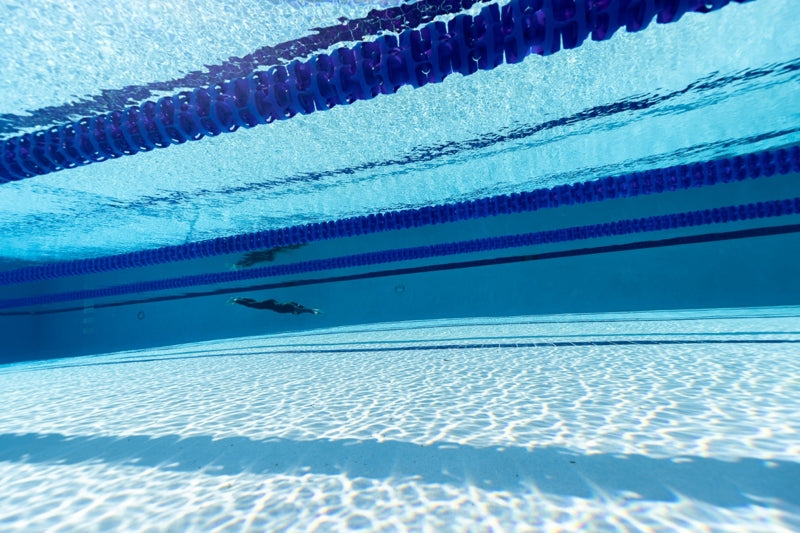
Depth freediving is unlike most other sports. To be successful, you need to be like a Zen master - calm and clear minded. Adrenalin, anger, stress, the flight and fight response are the sworn enemies of champion freedivers like Suunto ambassador William Trubridge. Instead, they cultivate calm and relaxation through a combination of mental and physical methods.
It’s his decades of exploring, developing and mastering these methods that led William to launch his new Mental Immune System program. It’s a double-pronged approach that uses these methods to dissipate stress, as well as to create barriers to its formation.
We caught up with the underwater Zen master himself to discuss the system. William just set a new underwater endurance swimming record by completing a distance of 50,575 m underwater on a breath hold, with no propulsive assistance. The distance was swum as 2,023 underwater laps of a 25 m pool in Nassau, Bahamas. He did it to raise awareness about the mental health crisis facing the world today.
Read on for our Q&A with William.
What is the Mental Immune System?
It’s a system for dealing with stress or anxiety issues. Or the general pressures of our age, and mental health problems that have become a real crisis in recent times. It’s like an app you can upload into your brain to work in the background. The idea is that it is programmed into your subconscious mind. It involves breathing and mental techniques that both have proven to have huge benefits for maintaining calmness and equanimity.
How did you come up with the idea?
I came up with the idea just by seeing how applicable the mental and breathing techniques that I used in freediving throughout my career were to deal with daily stress. Freediving is not like other sports in that the stress response, the adrenalin, the fight or flight reflex, cannot be channeled into a better performance in the same way they can in boxing or sprint running. In freediving it’s counterproductive because you’ll end up using oxygen quicker, maybe panicking underwater, which is the worst case scenario.
And the same applies to stress in our day to day lives. We’re not confronting sabertooth tigers anymore or living in the wild. Stressful situations normally involve family, loved ones, business, work, day to day life and in pretty much all of those if you respond with a flight or fight response you’re not going to go very far in life. The more calmness we can generate in those situations the more we will thrive. So freediving is very similar to daily life in that respect. I saw how effective these techniques were in freediving and when I started to use them myself in day to day life I found they were helpful and started recommending them to others and teaching them. I feel like it would be a crime for me to not make these techniques readily available.
Why now?
We’re living in an age of mental health crisis. It was getting worse before COVID, and then the pandemic catalyzed it. The statistics are frightening. 40% of adults suffer from anxiety disorder and/or depressive disorder. It’s not just that people feel a little anxious now and then; it’s an actual disorder. And a lot of people are taking drugs to cope, which is creating other dependencies. Then there’s the younger generations which is maybe even worse. Kids who are run into the ground by these anxiety problems. It’s something that is very difficult for our species at this point in time and we need all the techniques we can get to help us, especially methods that don’t come at a cost by causing dependencies and other stuff. The Mental Immune System is long lasting and it is self-replenishable and has no side effects.
Freedivers use a variety of breathing exercises.
How does the program work?
It’s a double prong approach. Because stress attacks us mentally and physically we need to respond with mental and physical techniques. The physical mostly revolves around breathing techniques; a specific type of breathing that’s simple enough to learn and switch over to and is hugely powerful. The mental techniques are similar to mindfulness. It’s basically a variation of mindfulness that uses the brain itself to break the spiraling thought patterns that we get into and the negative self-talk we do.
How is it different from mindfulness?
The game changer, the thing I think that makes the system so powerful, is it is programmed into the subconscious mind. If you’re freaking out, the last thing you’re going to do is sit in a corner and practice some funky breathing method or meditate with your eyes closed. You cannot do that in a business meeting or during an argument with another person. It has to be a technique that is there in the background and operating without your conscious involvement so you can be carrying out your role, whatever that may be. That’s the game changer - to program it into the subconscious mind. In the same way that our physical immune system is completely autonomic; we don’t tell our white blood cells to go and fight a virus. It has to be automatic. I think the same applies for the mental immune system.
Find out more here!
Lead images: André Musgrove

How to use Avalanche Terrain Maps
Avalanches are an integral part of the natural cycle in the mountain environments. The potential for avalanches exists on steep and even moderately steep snow slopes. When the terrain and the snowpack are right (or wrong for the backcountry travelers) avalanches can happen.
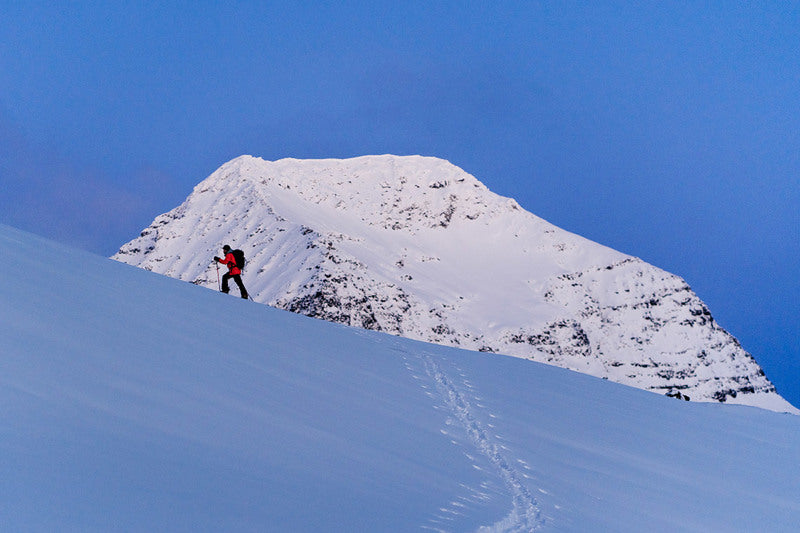
While the snow changes throughout the season, the terrain doesn’t. For snow to slide, the slope must be steep enough. Most avalanches occur on slopes between 30 and 45 degrees. That’s why we have added a new map layer in Suunto app highlighting those critical slope gradients.
You can use Suunto app and the Avalanche terrain maps on your phone, Android tablets, iPads and even newer Mac computers (Mac's with a M1 or M2 processor).
You can find the Avalanche terrain map layer in Suunto app: Go to the map view, tap the map layers button, and select the Avalanche terrain map layer. The darker the color, the steeper the slope. This information will help you plan your routes in the mountains. While planning the route, you can change between the different layers, like a regular outdoor map, the Avalanche terrain map, a ski touring heatmap and more.
A very important thing to understand about the Avalanche terrain map – and avalanches in general – is that avalanches may run out on flat and low-angle terrain. So, in addition to thinking where you are or where you plan to travel in the mountains, pay attention to what’s above you. Especially slab avalanches can be triggered remotely. A fracture in the snowpack can propagate along a weak snow layer until it reaches a part of the slope that is steep enough to slide.
Antti Autti studying the snowpack in Northern Norway.
Backcountry snowboarder and Suunto ambassador Antti Autti says he aims to plan his routes with as little exposure to avalanche danger as possible. “The further I can go without being in any avalanche terrain the better,” he says.
After planning a route using Suunto app he syncs it to his Suunto 9 Peak Pro for navigation.
“But no app alone is gonna keep me safe in the mountains. It is important to constantly educate myself and learn about snow safety so I can make the best possible decisions in the mountains,” he notes.
Images by Jaakko Posti
READ MORE
8 steps for planning trips in the mountains
How to find your way in the mountains
8 avalanche safety checks to tick off before the ski season
Follow Antti Autti’s adventures in his Arctic Lines video series where he ventures deep into the Arctic Circle in search of epic, unique and unridden lines in the frigid reaches of the Nordic north.


初心者がシュノーケリングを楽しむための15のコツ|安全に海を楽しむ準備と持ち物
海の中をのぞくと、そこには陸上とはまったく違う世界が広がっています。色鮮やかな魚、光が差し込む水面、ゆっくりと流れる時間。シュノーケリングは、特別なダイビング資格がなくても、水中の世界を身近に楽しめるアクティビティです。
必要なのは、マスク、シュノーケル、フィン、ラッシュガード、日焼け止め、そして基本的な知識。初めてでも、事前に準備しておけば、家族や友人と安心して海を楽しめます。
この記事では、初心者がシュノーケリングを安全に楽しむための15のコツを紹介します。
初心者がシュノーケリングを楽しむための15のコツ
1. まずは泳ぎに慣れておく
シュノーケリングを楽しむためには、泳ぎに慣れていることが大切です。
海ではプールと違い、波や潮の流れがあります。足がつかない場所では、思った以上に体力を使うこともあります。泳ぎに不安がある場合は、旅行前にプールで練習したり、スイミングレッスンを受けたりしておくと安心です。
特に子どもと一緒に楽しむ場合は、浅くて穏やかな場所から始めましょう。
2. 水の中でリラックスする感覚を身につける
泳げることと、水の中でリラックスできることは少し違います。
シュノーケリングでは、力を抜いて水に浮く感覚が大切です。体に力が入りすぎると、呼吸が浅くなったり、すぐに疲れてしまったりします。
まずは浅い場所で、浮く・呼吸する・ゆっくり動く感覚に慣れていきましょう。水に身を任せる感覚がわかると、海の中をより落ち着いて楽しめるようになります。
3. 口で呼吸する練習をする
シュノーケリングでは、シュノーケルを通して口で呼吸します。初めてだと少し不自然に感じるかもしれません。
旅行前にプールや浅い海で、マスクとシュノーケルをつけて練習しておくのがおすすめです。顔を水につけた状態で、ゆっくり吸って、ゆっくり吐く。呼吸を急がず、落ち着いて続けることがポイントです。
息苦しさを感じたら無理をせず、顔を上げて休みましょう。
4. 初めてならガイド付きツアーやレッスンを選ぶ
初めてのシュノーケリングでは、ガイド付きツアーやレッスンに参加するのがおすすめです。
道具の使い方、海での安全確認、魚が見えやすい場所、潮の流れの見方などを教えてもらえるため、安心して楽しめます。現地の海をよく知るガイドがいれば、初心者でも無理のない範囲で水中の世界を体験しやすくなります。
5. 自分に合った道具を選ぶ
シュノーケリングを快適に楽しむには、道具選びが大切です。
マスクが顔に合っていないと水が入りやすくなり、シュノーケルが合わないと呼吸しにくくなります。フィンもサイズが合わないと、足が痛くなったり、効率よく進めなかったりします。
レンタルする場合も、サイズやフィット感をしっかり確認しましょう。
6. シュノーケルの位置を正しく調整する
シュノーケルは、口元から自然に立ち上がる位置に調整します。
水面で顔を下に向けたとき、チューブの先端が水面からしっかり出ていることが大切です。頭を下げすぎたり、横を向きすぎたりすると、水が入りやすくなります。
慣れるまでは、浅い場所で姿勢と呼吸を確認してから沖へ進みましょう。
7. シュノーケルに入った水の抜き方を覚える
シュノーケルには、波しぶきなどで少し水が入ることがあります。
その場合は、落ち着いて大きく息を吸い、強めに息を吐いて水を外へ出します。水が残っていると感じるときは、無理に吸い込まず、顔を上げてシュノーケルを外してから呼吸しましょう。
水が入ること自体は珍しくありません。大切なのは、慌てないことです。
8. マスクの曇りを防ぐ
マスクが曇ると、せっかくの水中景色が見えにくくなります。
新しいマスクは、使用前に洗って油分を落としておくと曇りにくくなります。海に入る前には、曇り止めを使ったり、軽くすすいだりしておきましょう。
使った後は真水で洗い、しっかり乾かして保管します。
9. ひとりで行かない
シュノーケリングは、必ず誰かと一緒に楽しみましょう。
海では、天候や潮の流れが急に変わることがあります。ひとりで行動すると、トラブルに気づいてもらいにくくなります。友人や家族と一緒に入り、お互いの様子を確認しながら楽しむことが大切です。
陸にいる人にも、どこで泳ぐのか、いつ戻る予定なのかを伝えておきましょう。
10. シュノーケリングの記録を残す
シュノーケリングを楽しむなら、その日の記録を残しておくのもおすすめです。
どこを泳いだのか、どれくらいの時間楽しんだのか、どのくらい移動したのかを記録しておくと、次回の計画にも役立ちます。Suuntoのダイビングウォッチやスポーツウォッチを使えば、水中や水上でのアクティビティを記録し、あとからSuuntoアプリで振り返ることができます。
Suuntoアプリでは、ダイビングや水中アクティビティのログを見返し、記録を整理することができます。より詳しく活用したい方は、Suuntoアプリでダイビングデータを詳しく振り返る方法も参考にしてみてください。
水中アクティビティをもっと詳しく記録したい方は、Suuntoの最新ダイビングウォッチをチェックしてみてください。
▶︎最新のSuuntoダイビングウォッチはこちら
11. 潜るときは無理をしない
シュノーケリングに慣れてくると、少し潜って魚やサンゴを近くで見たくなるかもしれません。
ただし、息を止めて潜る行為にはリスクがあります。深く潜ろうとしたり、長く息を止めようとしたりするのは避けましょう。潜る場合は、必ずバディと一緒に行い、無理のない浅い範囲から始めてください。
耳に違和感がある場合は、無理に潜らず水面へ戻りましょう。
12. 初めては穏やかな場所を選ぶ
初めてのシュノーケリングでは、波が少なく、風や潮の影響を受けにくい場所を選びましょう。
透明度が高く、浅くて、岸から近い場所だと安心です。天候が悪い日や波が高い日は、無理に入らないことが大切です。
旅行先では、ライフガードのいるビーチや、初心者向けに案内されているスポットを選ぶと安心です。
13. 海の状態を読む
海は日によって状態が変わります。
潮の流れ、風向き、波の高さ、満潮・干潮の時間などを事前に確認しましょう。現地のスタッフやガイドに、その日の海の状態を聞くのもおすすめです。
見た目は穏やかでも、場所によっては流れが強いことがあります。少しでも不安を感じたら、無理をせず予定を変更しましょう。
14. 体調を整えてから入る
海に入る前は、体調を整えておくことも大切です。
十分に水分をとり、空腹すぎる状態や満腹の状態は避けましょう。ビーチに着いたら、軽くストレッチをして体を動かしておくと、泳ぎ始めが楽になります。
日差しが強い場所では、ラッシュガードや帽子、リーフセーフの日焼け止めも活用しましょう。
15. 自分の限界を知る
シュノーケリングは楽しいアクティビティですが、無理をしないことが何より大切です。
深い場所が怖い、波が強い、疲れてきた、寒くなってきた。そんなときは、早めに休憩しましょう。子どもや初心者と一緒の場合は、全員が安心して楽しめる範囲で行動することが大切です。
「もう少し行けそう」と思っても、海では余裕を残して戻るくらいが安心です。
Suuntoのダイビングウォッチで、水中の体験を記録しよう
シュノーケリングやダイビングをもっと楽しみたいなら、水中での体験を記録できるウォッチを使うのもひとつの方法です。
Suuntoのダイビングウォッチは、ダイビング、フリーダイビング、シュノーケリングなど、水中アクティビティに対応するモデルを展開しています。シュノーケリングをきっかけに、フリーダイビングやスキューバダイビングにも興味が広がったら、専用のダイビングウォッチを選ぶことで、水中での時間をより記録しやすくなります。
記録したデータは、Suuntoアプリであとから振り返ることができます。潜った場所や時間、ログを確認しながら、次の海での体験にも活かしやすくなります。
詳しい活用方法は、Suuntoアプリでダイビングデータを詳しく振り返る方法をご覧ください。
▶︎最新のSuuntoダイビングウォッチはこちら
まとめ|準備を整えれば、初めてのシュノーケリングはもっと楽しくなる
シュノーケリングは、海の世界を身近に楽しめるアクティビティです。
泳ぎに慣れておくこと、呼吸を練習すること、自分に合った道具を選ぶこと、海の状態を確認すること、そしてひとりで行動しないこと。基本を押さえておけば、初めてでも安心して楽しみやすくなります。
無理をせず、海のリズムに合わせて、少しずつ水中の世界に慣れていきましょう。
そして、泳いだ場所や時間、水中での体験を記録したい方は、Suuntoのダイビングウォッチもぜひチェックしてみてください。
▶︎最新のSuuntoダイビングウォッチはこちら


GPSウォッチのナビゲーションとは?ルート案内・オフラインマップの活用方法
GPSウォッチで記録した軌跡が建物の間でずれたり、山あいで現在地の表示が安定しなかったりするのはなぜでしょうか。その背景を知る鍵が「GNSS」です。
GPSは、現在地を測るために使われる衛星測位システムの一つです。現在のSuuntoスポーツウォッチは、複数の衛星システムや周波数を活用することで、ランニングから登山まで、さまざまな環境で位置情報を捉えやすくなっています。
目次
GPSとGNSSの違い
GNSSで現在地が分かる仕組み
GPSウォッチの測位精度を高める技術
GPSウォッチの測位精度に影響する環境
GPSウォッチの測位精度を高める5つの準備
GPSの測位精度とバッテリーモードの関係
現行SuuntoウォッチのGNSSとナビゲーション機能
GPSウォッチを安全に使うために
GPSとGNSSの違い・測位精度のまとめ
GPSとGNSSの違い
GPSは米国が運用する衛星測位システム
GPSは「Global Positioning System」の略で、米国が運用する衛星測位システムです。日常会話では、衛星を利用して位置情報を測る仕組み全般を「GPS」と呼ぶこともあります。
GNSSは世界の衛星測位システムの総称
GNSSは「Global Navigation Satellite System(全球測位衛星システム)」の総称です。GPSのほか、欧州のGalileo、ロシアのGLONASS、中国のBeiDou、日本のQZSS(みちびき)などが含まれます。
一般にGPSウォッチと呼ばれる製品のなかにも、複数のGNSSを利用できるモデルがあります。つまり、GPSはGNSSの一つであり、GNSSは衛星測位システム全体を指す言葉です。
GNSSで現在地が分かる仕組み
複数のGNSS衛星との距離から現在地を計算する
GNSSの衛星は、軌道情報と非常に正確な時刻を含む電波を地上へ送っています。ウォッチの受信機は、複数の衛星から届く信号の時間差をもとに衛星までの距離を計算し、それらの情報を組み合わせて現在地や移動速度、時刻を推定します。
GNSSによる測位は、大きく次の3つで成り立っています。
宇宙部分:地球の周囲を回りながら信号を送る衛星
管制部分:衛星の軌道や時刻を監視・補正する地上設備
利用者部分:信号を受信して位置を計算するGPSウォッチやスマートフォン
GPSウォッチは携帯電話の圏外でも測位できる
GPSウォッチは衛星へ信号を送り返すのではなく、衛星から届く電波を受信して現在地を計算します。そのため、携帯電話の圏外でも、衛星信号を受信できれば位置情報を取得できます。ただし、地図データのダウンロードやルートの同期には、対応機能や事前準備が必要です。
下の図では、一般的なGPSウォッチと、複数の衛星システムに対応するGPSウォッチが利用できる信号の違いを示しています。
複数のGNSSに対応するGPSウォッチは、測位に利用できる衛星の選択肢が広がります。
GPSウォッチの測位精度を高める技術
複数の衛星システムを利用するマルチGNSS
受信できる衛星の選択肢が増えると、空の一部が建物や地形に遮られていても、位置計算に使える衛星を確保しやすくなります。高層ビルが並ぶ市街地、深い谷、急な斜面、樹木に覆われたトレイルなどでは、見通しのよい場所に比べて衛星信号が弱くなったり、反射した信号を受信したりすることがあります。複数のGNSSへの対応は、こうした環境で測位を安定させる助けになります。
ただし、対応する衛星システムの数だけで精度が決まるわけではありません。アンテナ設計、受信チップ、使用する周波数、ソフトウェア、装着状態、周囲の地形なども結果に影響します。
デュアルバンドGNSSが測位精度を高める仕組み
GNSS衛星は複数の周波数帯で信号を送っています。デュアルバンドGNSSは、L1とL5など2つの周波数帯を利用して位置を計算する仕組みです。
異なる周波数の信号を組み合わせることで、大気による遅延の影響を補正しやすくなります。また、建物や岩壁に反射して遠回りした信号を判別しやすくなるため、高層ビルの間や山岳地帯など、測位条件が難しい場所で軌跡の安定に役立ちます。
それでも、衛星測位の誤差がなくなるわけではありません。頭上の空が大きく遮られる場所では、デュアルバンド対応モデルでも一時的に軌跡がずれる場合があります。
GPSウォッチの測位精度に影響する環境
高層ビル・谷・樹林では衛星信号が遮られやすい
GPSウォッチの記録は、次のような環境で不安定になることがあります。
高層ビルが密集する市街地
急な谷や岩壁に囲まれた場所
密集した樹木の下
トンネルや建物の内部
ウォッチが衣服や装備で覆われている状態
GPS計測は空の開けた場所で開始する
空が遮られる場所では、受信できる衛星が限られたり、建物や岩壁に反射した信号が届いたりします。スタート地点がトンネル内や高い建物のすぐそばにある場合は、可能であれば空の開けた場所で測位を完了してから記録を始めましょう。
GPSウォッチの測位精度を高める5つの準備
1.Suuntoアプリと同期して衛星データを更新する
運動前にSuuntoアプリと同期し、衛星軌道の補助データを最新の状態にします。
2.GPSウォッチのソフトウェアを最新にする
利用可能なソフトウェアアップデートを確認し、ウォッチを最新の状態にしておきましょう。
3.屋外の開けた場所でGPS測位を待つ
スポーツモードを開いたら、衛星を捕捉したことを確認してから計測をスタートします。
4.GPSウォッチを手首の上側に正しく装着する
ウォッチを手首の上側に着け、本体が袖や装備で覆われないようにします。運動中に大きく動かない程度の強さで装着してください。
5.用途に合うGPSバッテリーモードを選ぶ
正確なルート記録を優先するのか、長時間の駆動を優先するのかを、行動時間と周囲の環境から判断します。
GPSの測位精度とバッテリーモードの関係
GPSウォッチは、測位精度を高く設定するほど衛星信号を頻繁に取得するため、一般的にバッテリー消費が大きくなります。一方、省電力を重視したモードでは記録間隔などが調整され、長時間のアクティビティを記録しやすくなります。
短時間のランニングや正確なルート記録を重視する場合は高精度の設定、ウルトラトレイルや長時間の登山では予定時間に合わせたバッテリーモードを選ぶなど、目的に応じた使い分けが大切です。利用できるモードと駆動時間は、モデル、設定、使用条件によって異なります。
各モードの違いや選び方、バッテリーを長持ちさせる設定については、「SUUNTOのGPSウォッチのバッテリーモードを解説|違い・選び方・長持ちさせる方法」で詳しく解説しています。
現行SuuntoウォッチのGNSSとナビゲーション機能
オフラインマップとルートナビゲーションを活用する
対応するSuuntoウォッチでは、事前に地図やルートを準備しておくことで、アクティビティ中に現在地や進行方向を手元で確認できます。オフラインマップは、携帯電話の電波が届きにくい山間部でも地図を確認したいときに役立ちます。
GPS・GNSSによる現在地情報と、事前に用意した地図・ルートを組み合わせてナビゲーションできます。
GNSSとオフラインマップに対応する現行モデル
現行のSuuntoラインアップでは、用途に応じてGNSSやナビゲーション機能を選べます。
Suunto Race 2:デュアルバンドGNSS、オフラインマップ、高度なトレーニング機能を備え、トレーニングからレースまで幅広く使いたい方に適しています。
Suunto Vertical 2:デュアルバンドGNSS、オフラインマップ、長時間のGPS記録に対応し、登山や長距離のアウトドア活動に向いています。
Suunto Race S:コンパクトなボディにオフラインマップとトレーニング機能を搭載し、ロードからトレイルまで楽しみたい方に適しています。
対応する衛星システム、周波数、バッテリーモード、地図・ナビゲーション機能はモデルによって異なります。購入前には各製品ページの最新仕様をご確認ください。
実際の地図表示、ターン案内、ウェイポイント、コースアウト時の確認方法は、「SUUNTOの地図・ナビゲーション画面の見方」で詳しく紹介しています。最新のマップ機能については、「SUUNTO、マップ&ナビゲーション機能を大幅アップデート」もご覧ください。
GPSウォッチを安全に使うために
GPSウォッチやオフラインマップは、現在地や進行方向を確認するための有用な補助ツールです。ただし、衛星信号、バッテリー、機器の状態などによって利用できない場合があります。登山や人里離れた場所では、ウォッチだけに頼らず、紙の地図、コンパス、予備電源、行動計画なども準備してください。表示されるルートと現地の状況が異なる場合は、通行規制や天候、地形を優先し、無理に進まないことが大切です。
GPSとGNSSの違い・測位精度のまとめ
GPSはGNSSを構成する衛星測位システムの一つです。複数のGNSSやデュアルバンドに対応するウォッチは、利用できる衛星と信号の選択肢を増やし、市街地や山岳地帯などでも位置を捉えやすくします。
測位精度を引き出すには、運動前のアプリ同期、最新ソフトウェアの利用、開けた場所での測位、適切な装着、用途に合うバッテリーモードの選択が重要です。仕組みを理解し、自分のフィールドと行動時間に合うモデルや設定を選びましょう。
GPS・GNSS対応のSuuntoスポーツウォッチを探す
GPS・GNSS、オフラインマップ、バッテリー性能を比較して、ランニングやアウトドアに合うモデルを選べます。
Suuntoスポーツウォッチを見る


