




SUUNTOブログ
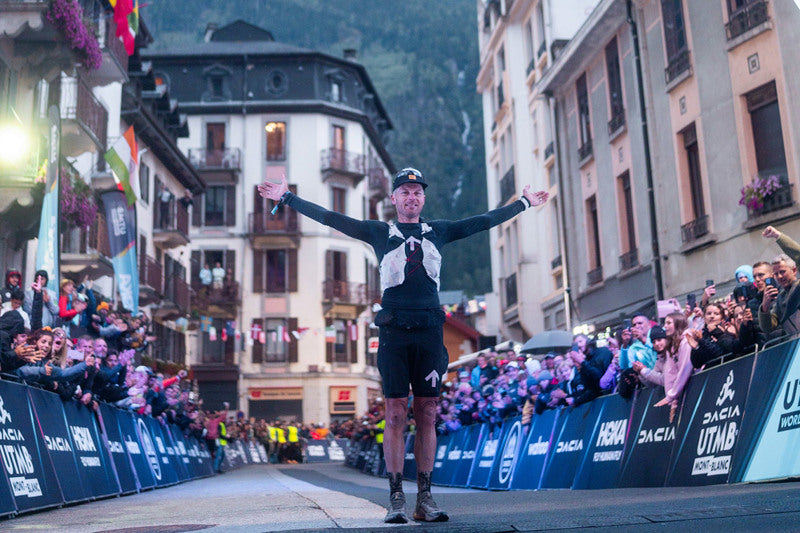

Christian Meier wins the TDS in severe conditions
TDS was the toughest race of this year's UTMB week. Even in normal conditions, it is one of the most technical races of the week-long festival and, this time, the temperatures dropped and brought snow and poor visibility to make it even harder. The days before the race, it was over 30°c in Chamonix Valley. On the race day the temperatures barely rose to 10°c.
The organizers had to change the route slightly which made it eight kilometers longer than normal. So, when standing at the start line in Courmayeur at midnight on August 28, the runners had 153 kilometers of mountain terrain ahead of them.
The TDS stands for Les Traces du Duc de Savoy (“In the footsteps of the Dukes of Savoie”). The route starts in Courmayeur in Italy and circles Mont-Blanc on the west side to finish in Chamonix in France. It has over 9000 meters of total ascent.
Suunto ambassador Christian Meier took his biggest international ultra-running win to date at the TDS with a winning time of 19:36:35.
“This is definitely my biggest victory to date. As I am quite new to running, this has been the first year, I could considerably increase my training volume in line to what I believe you need to do at this level of the sport,” he said after the race. With “quite new to running” Meier referred to his background: he has built his strong endurance engine as a professional cyclist and turned to running only three years ago.
“Even though fitness may not have previously been the factor, leg conditioning definitely was; too many miles and I would end up injured. Like all good things in life, it took time and patience to build up the resistance to be able to go the distance. I was fortunate to train the months leading up to the race with some world-class running mates so I knew my form was pretty good but at the end of the day you need everything to come together during the race. I thought maybe I could fight for the podium, but the win was a pleasant surprise!”
Christian planned to race conservatively and at his own pace. He took the lead at around the 90 km mark and never looked back.
“My best results have come when I have run within myself,” he says. “This race was going to be 6-8 hours longer than anything I had previously done, and I had a lot of respect for that. I did feel that the plan worked well and I managed to pace well, eat well, and look after some details that make the difference.”
The severe weather was a big factor. It had brought freezing temperatures, and low visibility, and made trails muddy. The snow line was at around 2200 meters on the course that topped out at 2581 meters. In some places, there was 15–20 cm of new snow.
“What really saved my race was navigation. There were moments when it was a total white-out. No trail, you could barely see the markers. Navigation really saved me there. And it was really an advantage. Some guys didn’t have navigation. They definitely lost time and it worked to my advantage. I am grateful for that.”
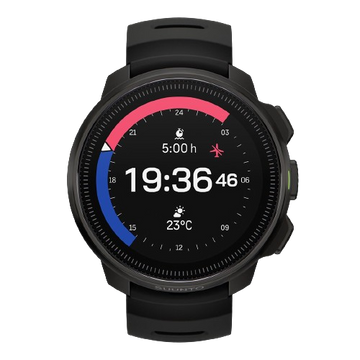
Christian raced with a Suunto Vertical. Suunto Vertical has detailed terrain maps, route navigation, altimeter, barometer, 85 hours of exercise tracking on the most accurate GPS setting, and more. Get to know Suunto Vertical HERE.
All images by The Adventure Bakery
READ MORE
The athlete-entrepreneur who knows the value of hard work
Courtney Dauwalter makes history at the UTMB

海を守る次世代へ|ダイビングが若い科学者の挑戦を支えた物語
海や湖の環境を守るために必要なのは、研究者の知識だけではありません。水中へ入り、自分の目で環境を観察し、記録し、その価値を社会へ伝えられる人を育てることも大切です。
世界各地の水中洞窟や極地を探検してきたダイバーJill Heinerthは、若い環境科学者Kayla Martinの可能性に気づき、彼女のキャリアを支えるために行動しました。
冷たい水でのダイビング技術を磨くこと。
必要な装備をそろえること。
科学調査の現場へ出ること。
そして、水中で得た発見を社会へ伝えること。
小さな支援から始まった取り組みは、やがてKayla自身が未記録の沈没船調査を率いるまでの成長につながっていきました。
「次の世代へ経験を渡すこと」は、海を守ることにもつながる。
JillとKaylaの物語から、ダイビング、科学、メンターシップのつながりを見ていきましょう。
Kayla Martin playing in the sea foam in Les Escoumins. Text and images by Jill Heinerth.
目次
JillがKaylaの可能性に気づいたことから始まった
科学者にとってダイビングが武器になる
冷水域で必要だった経験と装備
ひとりではなく、コミュニティで支える
調査遠征がキャリアの転機になった
若い科学者から調査を率いる立場へ
ダイビングには経済的な壁もある
「Paying it forward」次の世代へ経験を渡す
Jill Heinerthとは?
水中での探検と調査を支えるSuunto
まとめ|道具を渡すだけでなく、機会を渡す
関連記事
JillがKaylaの可能性に気づいたことから始まった
この物語の始まりは、Jillが若い環境科学者Kayla Martinと出会い、その可能性に気づいたことでした。
Kaylaには、環境科学への情熱がありました。
そしてJillは、その情熱を研究や環境コミュニケーションのキャリアへつなげるために、もう一歩踏み出せる機会を作りたいと考えました。
Jill自身が持つネットワークを活用しながら、必要な資金の一部も自ら負担し、2人は水中調査の遠征を計画します。
目的は単に「一緒に潜ること」ではありません。
Kaylaが科学者として、水中環境を自分自身で観察し、記録し、社会へ伝えるための経験を積むことでした。
科学者にとってダイビングが武器になる
環境科学では、水質、地形、生態系、沈没船など、さまざまな対象を調査します。
水中環境を研究する場合、ダイビング技術を持っていれば、研究対象へ自分自身でアクセスできるようになります。
水面から推測するだけではなく、
水中の状態を直接観察する
写真や映像を残す
調査ポイントを確認する
変化を継続的に記録する
といったことができます。
Jillにとってダイビングは、冒険のためだけの技術ではありません。
科学、探検、教育、環境保全をつなぐための方法でもあります。
冷水域で必要だった経験と装備
遠征へ向けて、JillとKaylaはまず地元の水域でトレーニングを行いました。
目的のひとつは、これから向かう冷たい水中環境に対応する経験を積むことでした。
冷水でのダイビングでは、暖かい海とは異なる準備が必要になります。
水温、装備、浮力、体温管理など、環境に合わせた知識と経験が求められます。
トレーニングを続ける中で、JillはKaylaがより信頼できる装備を必要としていることに気づきました。
情熱だけでは、厳しい水中環境へ安全に入ることはできません。
正しい技術と、それを支える適切な装備の両方が必要です。
ひとりではなく、コミュニティで支える
そこでJillは、自分ひとりで解決しようとはしませんでした。
自分を長年支えてきた企業やコミュニティへ声をかけ、Kaylaの挑戦を支えるための協力を求めました。
Suuntoは、Jillに提供していた年間のギアサポートをKaylaへ移すことで協力しました。
さらに他のダイビング関連企業も、ハーネスやドライスーツなど必要な装備を提供。
Jill自身も、バックアップ用のダイブコンピュータや保温装備など、自分が持っていた道具をKaylaへ渡しました。
ひとりの若者を支えるために、複数の人や組織がそれぞれできることを持ち寄った。
それが、このプロジェクトの大きな特徴でした。
調査遠征がキャリアの転機になった
装備と準備が整ったことで、Kaylaはより本格的な水中調査へ参加できるようになりました。
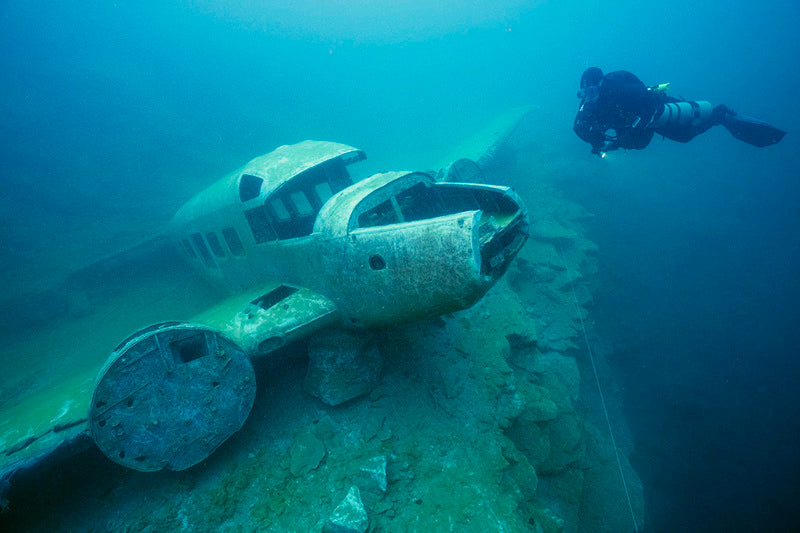
A small plane lies in a freshwater quarry in Quebec, one of the first stops on their expedition.
遠征では、淡水域を含むさまざまな水中環境へ潜りました。
そこで必要になるのは、単に深く潜る技術ではありません。
調査目的を理解すること。
安全に潜水すること。
水中で落ち着いて観察すること。
そして、そこで得た情報を記録すること。
ひとつひとつの経験が、Kaylaにとって環境科学者としての実践的な力になっていきました。
若い科学者から調査を率いる立場へ
Jillとの遠征は、単発のプロジェクトで終わりませんでした。
その後もKaylaは、環境保全、科学調査、教育に関わり続けました。
そして記事が書かれた時点では、未記録の沈没船を調査する遠征を自ら率いる立場へ成長しています。
最初は経験を与えてもらう側だった若い科学者が、やがて自らプロジェクトを動かす側になる。
Jillにとって、それこそが支援の意味でした。
人を支えることは、その人ひとりだけに影響するとは限りません。
支援を受けた人が成長し、次の研究や教育、環境保全へつなげていけば、その影響はさらに広がっていきます。
ダイビングには経済的な壁もある
Jillがこの経験を通して改めて感じたのが、ダイビングには大きな経済的ハードルがあるということでした。
ダイビングを続けるには、
トレーニング
認定
ダイビング器材
保温装備
ダイブコンピュータ
移動や遠征
など、多くの費用がかかります。
特に若い研究者や学生にとっては、その費用が環境科学や水中研究の道へ進む障壁になる場合があります。
能力や情熱があっても、必要な道具や経験へアクセスできなければ、挑戦すること自体が難しい。
だからこそJillは、すでに経験やネットワークを持つ人が、次の世代へ少しずつ機会を渡すことを大切にしています。
「Paying it forward」次の世代へ経験を渡す
この記事のタイトルになっている「Paying it forward」とは、自分が受けた恩や支援を、その相手へ直接返すのではなく、次の誰かへ渡していくという考え方です。
Jill自身も、長いダイビングキャリアの中で多くの人や組織に支えられてきました。
その経験を、自分より若いKaylaへつなぐ。
そして、Kaylaがいつかまた別の若い研究者やダイバーを支える。
そうして知識、経験、機会が次の世代へ循環していく。
それがJillの考える「Paying it forward」です。
身近に、情熱を持って学んでいる若い人がいるなら、自分ひとりですべてを支える必要はありません。
仲間やコミュニティへ声をかけ、小さな支援を組み合わせるだけでも、その人の未来を変えるきっかけになるかもしれません。
Jill Heinerthとは?
Jill Heinerthは、30年以上にわたって科学ダイビング、探検、撮影に携わってきた洞窟ダイバーです。
南極の氷山内部へのダイビングや、世界各地の深い水中洞窟での科学探査など、地球上でも限られた人しか到達していない場所を数多く探索してきました。
同時に、Jillは自分が見てきた水中世界を、映像、写真、書籍、講演などを通して社会へ伝える活動も続けています。
探検するだけではなく、水中で見つけたものを次の人へ伝えることも彼女の活動の重要な一部です。
JillとSuuntoの関係も長く、彼女は1988年に初めてSuunto製品を購入して以来、長年ダイビングでSuuntoを使用しています。
水中での探検と調査を支えるSuunto
科学調査でもレクリエーションダイビングでも、水中では深度、潜水時間、減圧情報などを確認しながら潜る必要があります。
Suuntoでは現在、Suunto Ocean、Suunto Nautic、Suunto Nautic Sなど、用途に合わせたダイブコンピュータを展開しています。
水中での冒険を記録したい人、スキューバダイビングやフリーダイビングを楽しみたい人は、現在のSuuntoダイビング製品をチェックしてみてください。
Suuntoのダイブコンピュータを見る
まとめ|道具を渡すだけでなく、機会を渡す
Jill HeinerthがKayla Martinへ渡したものは、ダイビング器材だけではありませんでした。
水中で経験を積む機会。
科学調査に参加する機会。
専門家のネットワークへ入る機会。
そして、自分自身でプロジェクトを率いる未来へ進むためのきっかけ。
適切なタイミングで誰かが少し背中を押すことで、その人が進める距離は大きく変わることがあります。
海や湖を守るためには、新しい技術だけでなく、次の世代を育てることも必要です。
自分が受け取った経験や機会を、自分だけで終わらせない。
次の誰かへ渡していく。
JillとKaylaの物語は、その小さな循環がどれだけ大きな未来につながるかを見せてくれます。
関連記事
Suuntoダイブコンピュータ一覧|Ocean・Nautic・Nautic Sなど現在のラインアップを見る
Suunto Ocean|ダイビングとスポーツを1台で楽しむGPSダイブウォッチ
ストレスを感じたときの呼吸とメンタルの整え方|フリーダイバーに学ぶ習慣


Courtney Dauwalter makes history at the UTMB
Suunto ambassador Courtney Dauwalter wins the UTMB® and completes her "Triple Crown Challenge".
Suunto ambassador Courtney Dauwalter became the first person ever to win the three legendary 100-mile ultra-trail running races, UTMB, Western States Endurance Run and Hardrock 100 in the same year. And not only in the same calendar year but within just two and a half months.
Courtney’s UTMB win also completed her UTMB hat trick. Saturday’s win was her third in the 170 km race around Mont-Blanc. Her previous wins were from 2019 and 2021.
“I think anytime we are given the opportunity to try something difficult or crazy we should absolutely take it. This was totally crazy and really, really difficult – but worth it,” Courtney said at the finish line, only moments after completing her unbelievable feat.
Courtney approached all three of the races as if each was the only race of her season. She didn’t think of the fatigue there might be and was giving it all that she had in each of them. Her tactic paid off as she set new course records at the Western States in California in late June as well as at Hardrock 100 in Colorado in July.
Courtney started the UTMB with that same intention; without being conservative with pacing.
“Let’s race how I normally would and see where that road leads us,” she thought.
It seems that her tactic worked out – until about two-thirds of the way. On top of one of the biggest climbs, the Grand Col Ferret, total body fatigue hit.
“The entire second half of the race was really, really hard. My body was not wanting to run anymore. My stomach was a little finicky. I almost lost my lunch on the streets of Champex Lac but luckily held it together and was able to will myself to this finish line.”
“Honestly I am not sure if I would have made it back here without Kevin, my husband, and some of my family crewing and all the insane fans out on the course. Thank you so much! That was one of the coolest things I have ever experienced! And the volunteers were just the best. Thank you all for helping me get back to Chamonix.”
The UTMB starts in Chamonix, France and circumnavigates the tallest mountain in Europe through Italy and Switzerland to finish again in Chamonix amongst the passionate trail-running crowd.
Courtney finished her race in 23 hours, 29 minutes and 14 seconds. The second female finisher, Katharina Hartmuth stopped the race clock – as well as her Suunto Vertical – in a time of 24:10:52.
Courtney ran the race with her trusty Suunto 9 Peak Pro. She likes the lightweight and compact design of the Suunto 9 Peak Pro. Despite the smaller form factor and 55-gram weight, the Suunto 9 Peak Pro has a 40-hour battery life with best GPS settings, great accuracy and all the features Courtney needed to make ultra-trail history – again.
All images by The Adventure Bakery
READ MORE
Ultra champ Courtney Dauwalter’s 6 tips for mental strength
Courtney Dauwalter and her pursuit of mind power
Be my adventure valentine: what you need to know to be the ultimate support person


Lighthouse Imitation Tour wins the Backyard Adventure Challenge
The idea of the Backyard Adventure Challenge was to start right at your doorstep. There was no need to travel far or to make big plans. Adventuring close to home is also good for the environment. All you needed was some free time, a few good friends and the will to let loose.
This is exactly what we got! Thank you, everyone, for participating! It was inspiring and fun to see how different your adventures were.
The Backyard Adventure Grand Jury (well, that’s our brand manager and our social media manager) went through the candidates and ranked them. The winner was a very positive, approachable short film from Nova Scotia, Canada.
Congratulations Aryn, Bader and Alex for your win, and thank you for sharing your Lighthouse Imitation Tour. You will each receive a brand new Suunto Vertical GPS watch to accompany you on your future adventures.
View this post on Instagram
Henkilön Alex MacLean (@alexmaclean.902) jakama julkaisu
”The bottle pointed in the southwest direction…”
Hey Alex. Thank you for participating in the Suunto Backyard Adventure challenge. Who was out there adventuring with you and where were you?
The team consisted of Aryn Sanojca, Bader Kanawati, and myself (Alex MacLean). Our Backyard Adventure took us on a tour of the Chebucto Peninsula just outside of Halifax, Nova Scotia, Canada.
What were some of the highlights of your adventure?
I think the main highlight of the trip was actually creating the human lighthouses! This created a purpose at each stop, instead of just riding to each lighthouse and taking a photo. It also added some humour to the day, which was much appreciated at the end of a long day in the saddle. But besides that, the Timbits and Iced Capp I bought at Tim Horton's were fantastic and the weather remaining rain-free for the entire ride was also great!
Can you tell me a bit more about the lighthouses?
When the bottle stopped spinning and pointed in the southwest direction, we did quite a bit of brainstorming. We considered biking to the most southwestern tip of Nova Scotia, Hawk Beach. Recent flooding had washed out sections of the local rail trail and road, eliminating this from our options. We also considered aid climbing all the climbs at a local crag, but concluded that this would involve primarily Type 2 fun. We decided we wanted something a little more enjoyable, and committed to an activity on the Chebucto Peninsula.
The "Peggy's Cove Loop" on the Chebucto Peninsula is a loop that is approximately 100 km round trip from Halifax, and passes by the famous Peggy's Cove lighthouse. It's a common route for cyclists, and we decided it wasn't unique enough to be deserving of the Backyard Adventure challenge. So we built upon this, and decided to attempt to visit each lighthouse on the Chebucto Peninsula with our bikes. And to add an element of silliness to the adventure, we decided to "build" a human lighthouse at each stop and take a photo.
Unfortunately, the photos proved somewhat unsuccessful. Bader missed the turn for the first lighthouse, and decided it wasn't worth cycling 15 minutes in the opposite direction to join Aryn and I. Access to the second lighthouse was restricted as it was on private property, even though it appeared on Google Maps. We settled for a photo at a small lookoff over the ocean. The third lighthouse had been demolished, so we took our photo on its old foundation. The fourth lighthouse was also blocked by a private road. We walked down a vague path until we were as close as we could get, and settled for a photo there. We never did make it to the Peggy's Cove lighthouse as a 25-foot section of the road was washed out from the recent flooding. We decided to take our final photo in front of the washed-out road, before wrapping up the tour and heading home.
Thanks for sharing! Sounds like your Backyard Adventure was full of surprises – as it should!
Learn more about the Backyard Adventure Challenge – and the tools for your adventure.


Strava Live SegmentsをSuuntoウォッチで使う方法|設定・対応モデルを解説
いつものランニングコースやサイクリングコースで、「前回より速く走りたい」「坂道区間のタイムを縮めたい」と思ったことはありませんか?
Strava Live Segmentsを利用すると、Stravaで保存した区間をSuuntoウォッチに同期し、走行中に自己ベストとのタイム差を確認できます。
よく走る坂道、近所の周回コース、トレイルの登り区間などを登録しておけば、いつものトレーニングが自分自身とのレースに変わります。
この記事では、Strava Live Segmentsの基本から、Suuntoウォッチへの同期方法、アクティビティ中の使い方まで紹介します。
Stravaセグメントとは?
Stravaセグメントとは、Stravaユーザーが道路やトレイル上に設定した特定の区間です。
同じセグメントを走ったランナーやサイクリストの記録が集計され、自分の過去のタイムや、ほかのユーザーのタイムと比較できます。
セグメントは、たとえば次のような場所に設定されています。
坂道の登り区間
公園や河川敷の周回コース
トレイルの一部
サイクリングで人気の峠
レースコースの一部
競争のためだけでなく、同じ場所を繰り返し走り、自分の成長を確認するためにも活用できます
Strava Live Segmentsでできること
Strava Live SegmentsをSuuntoウォッチで使用すると、セグメントの開始地点へ近づいたときにウォッチが通知します。
セグメントが始まると、自己ベストに対して現在どれくらい先行しているか、または遅れているかを手元で確認できます。自己ベストの記録がない場合は、KOMまたはQOMの記録が比較対象になります。
セグメント終了後には、今回のタイムと自己ベストとの差が表示されます。
PR・KOM・QOMとは?
PR(Personal Record) そのセグメントにおける自分のベストタイムです。
KOM(King of the Mountain) 男性ユーザーのセグメント最速記録です。
QOM(Queen of the Mountain) 女性ユーザーのセグメント最速記録です。
まずはKOMやQOMだけを目標にするのではなく、過去の自分のタイムを更新する使い方がおすすめです。
Stravaの「ルート」と「セグメント」の違い
Stravaのルートとセグメントは、目的が異なります。
ルートは、スタート地点からゴール地点までのコースを案内するための機能です。一方、セグメントは、コース上の一部分を計測し、その区間のタイムを比較するための機能です。
目的地までナビゲーションしたい場合はルート、特定の坂道や区間で自己ベストに挑戦したい場合はセグメントを使用します。
Strava Live Segmentsに対応するSuuntoウォッチ
Stravaが現在案内している主な対応モデルは以下です。
Suunto Runシリーズ
Suunto Raceシリーズ
Suunto Verticalシリーズ
Suunto 9 Peak Pro
Suunto 9 Peak
Suunto 9 Baro
Strava Live Segmentsは、ランニングとサイクリングのアクティビティで利用できます。対応モデルは追加・変更される場合があるため、使用前に最新の対応情報も確認してください。
利用前に準備するもの
Strava Live Segmentsを利用するには、以下が必要です。
Stravaサブスクリプション
Strava Live Segments対応のSuuntoウォッチ
Suuntoアプリ
Stravaアカウント
スマートフォンとSuuntoウォッチの接続
Strava Live Segmentsは、Stravaサブスクリプション向けの機能です。
手順1:SuuntoアプリとStravaを連携する
最初に、SuuntoアプリとStravaのアカウントを接続します。
Suuntoアプリを開き、プロフィールまたは設定から、外部サービスとの接続画面へ進みます。
iOSの場合
「プロフィール」から「ほかのサービスに接続」を選択します。
Androidの場合
「設定」から「アカウント」、「ほかのサービスに接続」の順に進みます。
サービス一覧からStravaを選び、Stravaアカウントでログインします。その後、Suuntoアプリとの接続を許可してください。アプリのバージョンによってメニュー名が異なる場合があります。
以前からStravaとSuuntoアプリを接続していて、セグメントが表示されない場合は、一度接続を解除し、再接続が必要になることがあります。
手順2:Stravaでセグメントをお気に入りに登録する
次に、ウォッチで使用したいセグメントをStravaで探します。
Stravaアプリまたはウェブサイトでセグメントを開き、星のアイコンを選択してお気に入りに登録します。
お気に入りに登録したセグメントは、接続されたSuuntoアカウントへ同期されます。星を外すと、SuuntoPlusのセグメント一覧からも削除されます。
ウォッチへ同期できるセグメント数にはモデルごとの上限があります。多くのセグメントを保存している場合は、実際に使用するものだけをお気に入りに登録しておくと管理しやすくなります。
手順3:SuuntoアプリでStrava Segmentsを確認する
Stravaでセグメントをお気に入りに登録したら、Suuntoアプリを開きます。
ウォッチアイコンから「My SuuntoPlus Guides」を開き、ランニング用またはサイクリング用の「Strava Segments」を有効にします。
セグメントが正しく同期されると、登録したセグメントをガイド内で確認できます。
表示されない場合は、ウォッチが別の同期処理を行っていないか確認し、同期が完了してから再度開いてください。
手順4:アクティビティ開始前にガイドを有効にする
ウォッチでランニングまたはサイクリングのスポーツモードを選択します。
アクティビティを開始する前に、オプションから以下の順に進みます。
SuuntoPlus → ガイド → Strava Segments
ランニングの場合はランニング用、サイクリングの場合はライド用のStrava Segmentsガイドを選択してください。
ガイドが有効になっていることを確認してから、アクティビティを開始します。
手順5:セグメント画面を確認しながら走る
アクティビティ中は、画面を切り替えてStrava Live Segmentsの専用画面を表示します。
ウォッチは、現在地から最も近いお気に入りセグメントの開始地点までの距離を表示します。開始地点のおよそ100m手前まで近づくと通知され、正しい方向からスタート地点を通過するとセグメント計測が始まります。セグメントは進行方向が決まっているため、反対方向から進入した場合は開始されません。
セグメント中は、自己ベストに対して先行しているか、遅れているかを確認できます。
なお、ウォッチが自動的にセグメント画面へ切り替わるわけではありません。タイムや距離を確認する場合は、セグメント画面を手動で表示してください。
セグメント終了後の記録を確認する
セグメントを走り終えると、ウォッチに以下の情報が表示されます。
セグメントの完了タイム
自己ベストとの差
新しい自己ベストを達成したか
KOMまたはQOMを更新したか
アクティビティ終了後にSuuntoアプリへ同期すると、セグメント区間がラップとして記録されます。セグメント中に手動ラップを作成すると、データが正しく表示されない可能性があるため注意してください。
セグメントが開始されないときの確認ポイント
セグメントに星が付いているか
Stravaでセグメントを開き、お気に入りを示す星が付いているか確認してください。
SuuntoアプリとStravaを再接続する
以前からアカウントを連携している場合は、一度Stravaとの接続を解除し、再接続します。
ウォッチの同期が完了しているか
Suuntoアプリでウォッチとの同期が完了してから、セグメントが表示されているか確認してください。
アクティビティ開始前にガイドを選択しているか
Strava Segmentsガイドは、アクティビティ開始前に有効にする必要があります。
正しい方向からセグメントへ入っているか
Stravaセグメントには進行方向があります。反対方向から開始地点を通過しても、セグメントは始まりません。
使用時の注意点
セグメント計測中は、手動ラップの作成やオートラップの使用を避けることをおすすめします。ラップ操作によって、セグメント終了時のタイム表示に影響する場合があります。
また、モデルやソフトウェアによっては、Strava Segmentsガイドと構造化ワークアウト、ほかのSuuntoPlusスポーツアプリまたはガイドを同時に使用できない場合があります。利用前にウォッチとSuuntoアプリを最新バージョンへ更新してください。
Strava Live Segmentsで、いつものコースに新しい目標を
Strava Live Segmentsは、特別なレースに参加しなくても、日々のトレーニングに明確な目標を作れる機能です。
いつもの坂道で自己ベストを目指す。数週間前の自分とタイムを比べる。仲間と同じセグメントに挑戦する。
Suuntoウォッチなら、スマートフォンを取り出さなくても、セグメント中の進捗を手元で確認できます。
StravaとSuuntoを連携して、次のランニングやライドで自分の記録に挑戦してみましょう。

The Secrets of Earth's Hidden Waterways
By Jill Heinerth
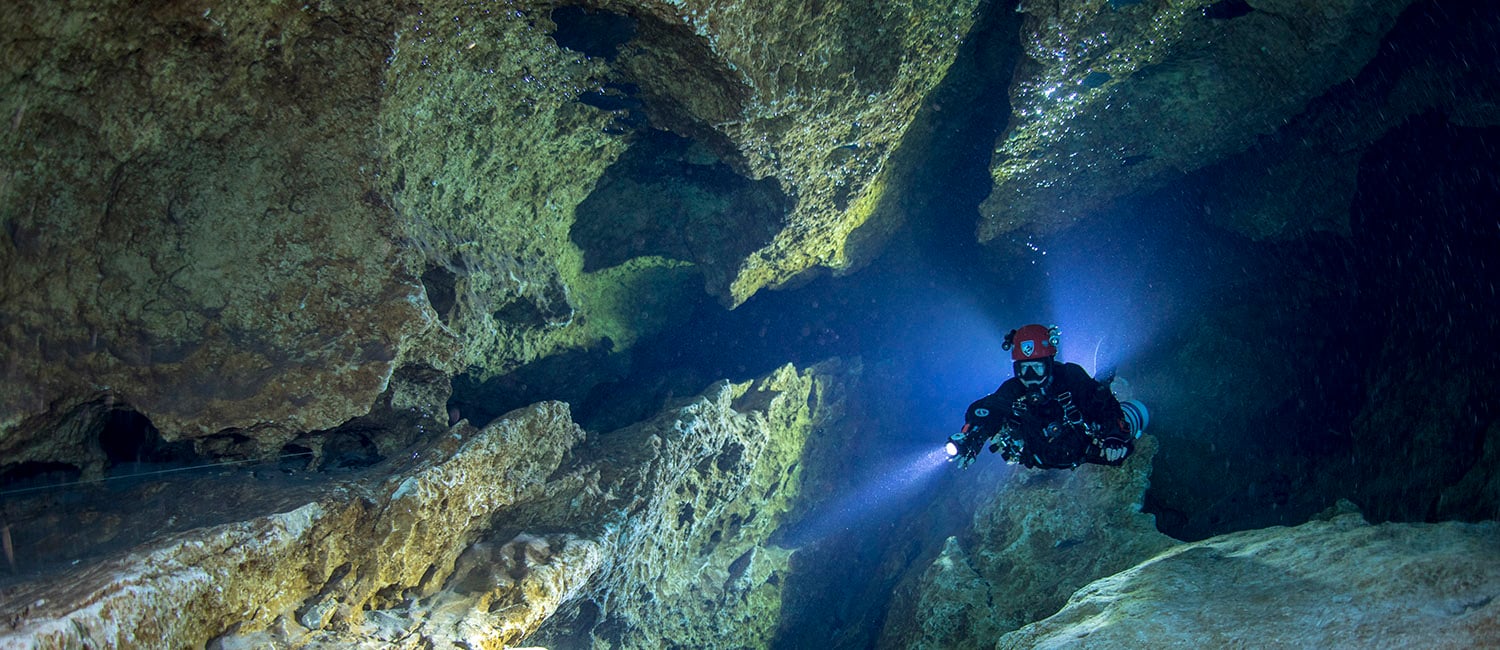
Deep beneath our feet lies a mesmerizing world that remains largely unknown: a network of water-filled caves winding through the darkness, carrying the lifeblood of our planet. As a cave diver, I have dedicated my life to exploring these mysterious subterranean passages. I invite you to join me on a captivating journey into the depths, where fear and discovery converge, and where the delicate balance of survival and exploration unfolds.
The Hidden Pathways
These underground tunnels, sculpted by the gentle touch of rainwater permeating the Earth's surface, act as conduits that transport precious freshwater from deep aquifers to springs, rivers, and estuaries. Ultimately, this water embarks on a journey to the vast ocean, sustaining a thriving plankton community that generates the very oxygen we breathe. The caves I explore serve as the life-supporting veins of our planet, nurturing the lungs that allow life to flourish.
The Thrill of Exploration
While most people recoil at the thought of descending into the darkness of caves, I am irresistibly drawn to their constricted corridors. Equipped with cutting-edge technology and relying on each measured breath, I embrace the unknown depths. In the remoteness of my office, the boundaries between fear and discovery blur, and a single misstep could spell disaster. The exploration of these caves is not without risk, but the reward is an unparalleled sense of fulfillment and a chance to educate others about the fragility of our water planet.
A Perilous Pursuit
Cave diving has rightfully earned its reputation as a dangerous activity, but it also represents the frontier of scientific exploration. Aquanauts, including passionate enthusiasts, daring researchers, and scientists, push the limits of human capability as they navigate through the eternal darkness of labyrinthine limestone networks spanning the globe. Armed with multiple scuba tanks, advanced rebreathers, and swift diver propulsion vehicles, they boldly venture deep into these treacherous passageways, pushing the boundaries of exploration in terms of both distance and knowledge.
Unleashing Art and Science
As a filmmaker and photographer, I find myself balancing the creation of art with the meticulous monitoring of life support equipment in demanding circumstances. Whether I embark on solo adventures or join scientific expeditions, self-sufficiency becomes paramount. There is no Mission Control to solve my problems when I find myself blindly searching for a broken safety line in a cloud of silt with zero visibility. The challenges are immense, but so are the rewards.
Unveiling Hidden Wonders
Through my explorations, I have had the privilege of becoming the eyes and hands of scientists, unveiling a world that has never before been witnessed. Underwater caves serve as virtual museums of natural history, where I collaborate with biologists to uncover new species, assist physicists in studying climate change, and aid hydrogeologists in examining our precious freshwater reserves. These subterranean pathways have led me to grim sources of pollution, vibrant life thriving within Antarctic icebergs, and even ancient skeletal remains of the Maya civilization in the Yucatan Peninsula.
Connecting to the Source
By venturing into the world beneath our feet, I glide through limestone, passing beneath homes, golf courses, and restaurants. I delve into the ancient conduits of volcanoes and navigate crevices within colossal bodies of ice. Following the trail of water, I am guided from mountain creeks to resplendent blue springs, each emitting its life-sustaining bounty from within the heart of our planet. Even when the passages pinch and my dive is forced to come to an end, the water continues to flow from some enigmatic source. The journey is endless, beckoning me forward to explore the caverns, immeasurable to my imagination.
It is a privilege to uncover these hidden shrines and share concealed mysteries from deep inside our planet. I want to connect humanity to where their water comes from and show people that what we do on the land’s surface will eventually be returned to us to drink.
More people have walked on the moon than have been to some of the remote places Jill Heinerth has explored on Earth. Jill Heinerth is a veteran of over thirty years of scientific diving, filming/photography, and exploration. Her expeditions include the first dives inside Antarctica icebergs and record-breaking scientific missions in deep underwater caves worldwide.
Jill’s book INTO THE PLANET – My Life as a Cave Diver has drawn wide acclaim from the New York Times, Wall Street Journal, NPR, and even Oprah magazine. Her children’s book, THE AQUANAUT, has been selected by Dolly Parton’s Imagination Library as a part of her inspirational initiative. Jill bought her first Suunto gear in 1988 and still dives with Suunto.
For more info: www.IntoThePlanet.com


