




SUUNTOブログ

インターバルトレーニングのやり方|初心者向けメニューと強度・休息の決め方
インターバルトレーニングに挑戦したいものの、「何分走ればよい?」「何本行う?」「どのくらい休めばよい?」と迷っていませんか。
インターバルトレーニングは、速く走る区間と、ゆっくり走る・歩く回復区間を交互に繰り返す練習です。目的と現在の走力に合った内容で継続すれば、持久力やスピードを高める刺激になります。一方、最初から速く走りすぎたり、本数を増やしすぎたりすると、後半にペースを保てず、回復にも時間がかかります。
この記事では、初心者が取り組みやすいメニュー、強度と休息の決め方、失敗を防ぐポイント、SuuntoウォッチとSuuntoアプリを使った実行・振り返り方法を解説します。
目次
インターバルトレーニングとは?
インターバルトレーニングを行う目的
始める前に確認したいこと
初心者向けインターバルメニュー
強度の決め方
回復時間と本数の決め方
週に何回行えばよい?
よくある失敗と改善方法
トレイルランニング向けの応用
Suuntoでメニューを実行する
トレーニング後に確認するデータ
よくある質問
まとめ
運動を始める前に:インターバルトレーニングは身体への負荷が大きい練習です。胸部の痛み、めまい、強い息苦しさ、体調不良を感じた場合は中止してください。持病がある人や運動習慣がない人は、必要に応じて医療専門家へ相談しましょう。
インターバルトレーニングとは?
インターバルトレーニングとは、負荷を上げる運動区間と、強度を落とす回復区間を交互に繰り返すトレーニングです。
たとえば、「4分間速く走り、2分間ゆっくり走る」を4回繰り返します。運動区間は時間だけでなく、200m、400m、1kmなどの距離で設定することもできます。
完全に休み切る前に次の運動区間へ入ることで、一定の高い負荷を合計すると、同じ強度で連続して走るよりも長い時間、高強度の刺激を積み上げられるのが特徴です。
インターバルトレーニングを行う目的
インターバルトレーニングの内容は、目的によって変わります。主な目的は次のとおりです。
高い強度で走る時間を確保し、心肺機能へ刺激を与える
レースペースより速い動きやフォームに慣れる
乳酸閾値付近のペースを維持する能力を高める
上り坂やペース変化へ対応する力を養う
ただし、インターバルだけで走力が決まるわけではありません。低強度のランニング、ロング走、筋力トレーニング、休養と組み合わせることで、継続できるトレーニングになります。
VO2maxの意味やトレーニングとの関係は「VO2maxとは?年齢別の目安と上げる方法」で詳しく解説しています。
始める前に確認したいこと
まず20分程度の連続したランニングを目標にする
まだ20分続けて走るのが難しい場合は、いきなり高強度のインターバルを行う必要はありません。「1分走る+1分歩く」を繰り返し、走る時間を2分、3分と少しずつ延ばしてみましょう。
20分程度を無理なく走れるようになったら、合計10〜16分ほどの短いインターバルから始められます。
ウォームアップを省略しない
10〜15分程度の軽いランニングから始め、必要に応じて動的ストレッチや短い流しを加えます。身体が温まり、呼吸と動きが整ってから最初の運動区間へ入ります。
疲労と痛みを確認する
筋肉痛が強い、睡眠不足、安静時心拍数が普段より高い、ウォームアップで脚が重いといった日は、延期する判断も必要です。計画どおり行うことより、質の高い状態で実施することを優先します。
初心者向けインターバルメニュー
最初は、余裕を残して全本数をそろえられる内容を選びます。以下は一般的な例です。現在の体力や目標に合わせて、時間、本数、強度を調整してください。
レベル・目的
運動区間
回復区間
本数
ランニングを始めたばかり
1分ゆっくり走る
1分歩く
10〜15回
初めてのインターバル
2分速く走る
2分ゆっくり走る
5回
持久力と心肺機能
4分走る
2分ゆっくり走る
4回
距離で管理したい
400m走る
200mゆっくり走る・歩く
4〜6回
ウォームアップとクールダウンは表の時間に含まれていません。運動区間だけでなく、前後に十分な低強度ランニングを加えてください。
強度の決め方
最初から全力で走らない
インターバルの「速く走る」は、毎回の全力疾走という意味ではありません。最終本までフォームとペースを大きく崩さずに走れる強度を選びます。
1本目を終えた時点で続けられないと感じる場合は速すぎます。反対に、最後まで呼吸がほとんど乱れない場合は、目的に対して刺激が不足している可能性があります。
VO2maxを意識するインターバル
VO2maxへ刺激を与える運動区間は、一般的に2〜6分程度の高い強度で行います。ただし、最初から多くの本数を設定せず、合計時間を管理します。初心者は4分×4本など、運動区間の合計が10〜16分程度になる内容から始めると調整しやすくなります。
閾値を意識するインターバル
閾値付近のトレーニングは、VO2maxインターバルより少し低い強度で、5分以上の長い運動区間を使います。一定ペースを維持することが重要で、後半に急激に失速する場合は、強度または合計時間を下げます。
心拍ゾーンを基準にしたい場合は「心拍ゾーンの計算・設定方法」も確認してください。
回復時間と本数の決め方
回復区間は、次の運動区間を同じ質で行える程度まで強度を下げます。完全に座り込むより、ゆっくりしたジョギングやウォーキングで身体を動かし続ける方法が一般的です。
運動区間と同じ長さの回復から始め、慣れてきたら目的に合わせて調整します。4分の運動に2分の回復、2分の運動に1〜2分の回復などが例です。
本数は「予定したから全部こなす」のではなく、質を保てる範囲で決めます。ペースが本ごとに大きく低下する、フォームが崩れる、同じペースを保つために強度を上げ続ける状態になったら、その日のセッションを終了する判断も必要です。
週に何回行えばよい?
初めてインターバルトレーニングを行う場合は、週1回から始めます。翌日以降の疲労や普段のランニングへの影響を確認し、十分に回復できることを優先してください。
経験を積んだランナーは週2回取り入れる場合もありますが、すべてを高強度にする必要はありません。1回を短い高強度、もう1回を閾値付近など、目的を分ける方法があります。
高強度セッションの前後には低強度の日や休養日を置きます。週間負荷を急激に増やさず、睡眠、食事、筋肉痛、主観的な疲労も合わせて確認しましょう。
よくある失敗と改善方法
よくある失敗
改善方法
1本目が速すぎる
最終本までそろえられるペースから始める
本数を増やしすぎる
運動区間の合計時間を先に決める
回復区間も速く走る
次の運動区間の質を保てる強度まで落とす
毎回同じ高強度メニューを行う
短い運動区間、長い運動区間、坂道など目的を変える
疲労時にも予定を優先する
低強度ランまたは休養へ変更する
トレイルランニング向けの応用
トレイルランナーは、ロードや平地のインターバルに加えて、上り坂を利用できます。上りを運動区間、ゆっくり下る区間を回復として、同じ坂を繰り返します。
坂では速度よりも運動時間、心拍数、ランニングパワー、体感強度を基準にすると比較しやすくなります。急な下りを繰り返すと脚への衝撃が大きくなるため、回復区間は余裕を持ち、安全な路面を選んでください。
レースで上り下りを繰り返す場合は、「上りを走って下りで回復」だけでなく、慣れてから上りと下りを続けて走るセッションを取り入れる方法もあります。ただし、平地より回復時間を長くし、脚への負荷を慎重に増やします。
Suuntoでインターバルメニューを実行する
Suuntoアプリでは、ウォームアップ、運動区間、回復区間、クールダウンを組み合わせた構造化ワークアウトを作成し、対応するウォッチへ同期できます。各ステップは時間、距離、ラップボタンなどで区切り、心拍数、ペース、スピード、パワーなどを目標に設定できます。
同期したワークアウトを運動開始前に選択すると、ウォッチが次のステップを通知し、運動中の目標確認をサポートします。アプリの画面やウォッチ上の選択方法は、モデルやソフトウェアバージョンによって異なる場合があります。
作成手順は既存記事「インターバルトレーニングのやり方|ランニング向けワークアウトをSuuntoアプリで作成する方法」をご覧ください。
インターバルトレーニングに使える現行モデル
軽量なランニングウォッチを求める人にはSuunto Run、コンパクトさとマルチスポーツ性能を重視する人にはSuunto Race S、大きな画面でトレーニングデータを確認したい人にはSuunto Race 2が選択肢です。
利用できる構造化ワークアウトやSuuntoPlusガイドはモデルによって異なるため、各製品ページとユーザーガイドで最新の対応状況を確認してください。
トレーニング後に確認するデータ
終了後は、平均値だけでなく各運動区間を比較します。
運動区間ごとのペースまたはランニングパワーが大きく低下していないか
心拍数が各区間でどのように上昇し、回復区間で下がったか
ピッチやフォームが後半に大きく崩れていないか
主観的なきつさと記録された強度が一致しているか
翌日以降に強い疲労や痛みが残っていないか
心拍数は運動強度の変化に遅れて反応します。短いインターバルでは、運動区間が終わった後に最大値へ近づくこともあるため、心拍数だけでなくペース、パワー、体感を組み合わせます。
ペース、心拍数、ピッチの読み方は「ランニングデータの見方|ピッチ・心拍数・ペースをどう活用する?」も参考にしてください。
よくある質問
インターバル走は全力で走りますか?
通常は毎本を全力で走りません。最後までペースとフォームを保てる強度に設定します。短いスプリントを目的とする場合を除き、1本目で力を使い切らないことが重要です。
初心者は400mを何本走ればよいですか?
まず4本程度から始め、各本のペースをそろえられるか確認します。余裕がある場合も、一度に本数と速度の両方を増やさず、どちらか一方を少しずつ調整してください。
インターバルの翌日も走ってよいですか?
痛みや強い疲労がなければ、低強度の短いランニングを行う選択肢はあります。ただし、回復が不十分な場合は休養します。次の高強度セッションまで十分な間隔を空けましょう。
心拍数とペースのどちらを基準にすべきですか?
短い運動区間では心拍反応が遅れるため、ペースやパワー、体感が使いやすくなります。長めの閾値インターバルでは心拍数も参考になります。目的と区間の長さに応じて組み合わせてください。
まとめ|全本数を同じ質で終えられる設定から始めよう
インターバルトレーニングは、速く走る運動区間と低強度の回復区間を繰り返す練習です。初心者は週1回、運動区間の合計10〜16分程度から始め、最終本までペースとフォームを大きく崩さない強度を選びましょう。
速さ、本数、回復時間を一度に増やさず、低強度ランニングと休養を組み合わせることが継続のポイントです。Suuntoアプリでメニューを作成し、ウォッチのガイドと運動後のラップデータを活用すると、計画と実際の走りを比較しやすくなります。
インターバルトレーニングを手元でガイド
SuuntoウォッチとSuuntoアプリで、運動区間と回復区間を確認しながらトレーニングしましょう。
Suuntoスポーツウォッチを見る


Suuntoでできるフィットネステスト|VO2max・閾値・FTPを確認してトレーニングに活かす方法
ランニングやサイクリングを続けていると、「今の自分の体力はどれくらいか」「トレーニング強度は合っているか」「以前より成長しているか」を知りたくなることがあります。
距離やペースだけでも練習の記録はできますが、効率よくトレーニングを続けるには、自分の現在の体力やトレーニングゾーンを把握することが大切です。
SuuntoPlusスポーツアプリには、ランニングの閾値テスト、クーパーテスト、サイクリングのFTPテスト、デカップリング、20mビープテストなど、体力や強度設定の確認に役立つ機能があります。
この記事では、SuuntoPlusスポーツアプリでできる主なフィットネステストと、テスト結果をトレーニングに活かす方法を紹介します。
目次
SuuntoPlusスポーツアプリとは
なぜフィットネステストがトレーニングに役立つのか
トレーニングゾーンを正しく設定する重要性
SuuntoPlusでできる主なフィットネステスト
1. ランナー向け閾値テスト
2. クーパーテスト
3. サイクリスト向けFTPテスト
4. デカップリングで有酸素能力を確認する
5. 20mビープテスト
テスト結果をトレーニングにどう活かすか
テスト前に確認したいこと
SuuntoPlusスポーツアプリの使い方
ZoneSenseやHRVと組み合わせて強度と回復を見る
まとめ|SuuntoPlusのフィットネステストで、自分の現在地を確認しよう
SuuntoPlusスポーツアプリとは
SuuntoPlusは、対応するSuuntoウォッチで使える追加機能です。
スポーツモードに合わせてSuuntoPlusスポーツアプリを選ぶことで、通常のトレーニング記録に加えて、特定の目的に合わせたデータやガイドを確認できます。
たとえば、トレーニング中の強度確認、ペース管理、フィットネステスト、ナビゲーション補助など、目的に応じた機能を追加できます。
フィットネステスト系のSuuntoPlusスポーツアプリを使うと、ランニングやサイクリングの現在の体力、閾値、VO2maxの目安、FTP、有酸素能力の変化などを確認しやすくなります。
なぜフィットネステストがトレーニングに役立つのか
フィットネステストは、自分の現在地を知るための方法です。
ランニングやサイクリングでは、「きつい」「楽に感じる」といった感覚も大切ですが、感覚だけではトレーニング強度がずれてしまうことがあります。
本来は軽めに行うべき練習が強くなりすぎたり、追い込むべき練習で十分な強度に届かなかったりすると、トレーニング効果を得にくくなることがあります。
フィットネステストを行うことで、次のようなことを確認しやすくなります。
現在の体力レベル
VO2maxの目安
閾値ペースや閾値心拍数
サイクリングのFTP
有酸素能力の安定性
トレーニングゾーンの見直し
定期的な進歩の確認
定期的に同じ条件でテストを行うと、トレーニングの成果や体力の変化を振り返りやすくなります。
トレーニングゾーンを正しく設定する重要性
ランニングやサイクリングでは、目的によって適切な強度が変わります。
長い有酸素トレーニング、テンポ走、閾値走、インターバル、レースペース走では、それぞれ狙う強度が異なります。トレーニングゾーンが自分の実力と合っていないと、練習の目的がずれてしまうことがあります。
たとえば、心拍ゾーンやペースゾーンが低く設定されすぎていると、余裕を持って行うべき練習が思ったより高強度になってしまうことがあります。反対に、ゾーンが高く設定されすぎていると、インターバルや閾値走で必要な刺激が足りないこともあります。
フィットネステストの結果は、心拍ゾーン、ペースゾーン、パワーゾーンを見直すための参考になります。
▶︎関連記事:心拍ゾーンとは?Suuntoウォッチでトレーニング強度を管理する方法
SuuntoPlusでできる主なフィットネステスト
SuuntoPlusスポーツアプリには、体力やトレーニング強度の確認に役立つテストがあります。
この記事では、代表的な5つを紹介します。
テスト
主な目的
おすすめの人
ランナー向け閾値テスト
閾値ペース・閾値心拍数の確認
ランニング強度を見直したい人
クーパーテスト
VO2maxの目安確認
現在の走力を測りたい人
FTPテスト
サイクリングのパワーゾーン確認
パワーメーターを使うサイクリスト
デカップリング
有酸素能力の安定性確認
ロング走・ロングライドを行う人
20mビープテスト
総合的なフィットネス確認
チームスポーツや持久力を測りたい人
すべてのテストを行う必要はありません。自分の競技、目的、トレーニング内容に合わせて選ぶことが大切です。
1. ランナー向け閾値テスト
ランナー向け閾値テストは、ランニングの強度設定を見直したい人に役立つテストです。
閾値とは、簡単に言えば「きついけれど、ある程度維持できる強度」の目安です。閾値ペースや閾値心拍数を知ることで、テンポ走、閾値走、インターバルトレーニングの強度を設定しやすくなります。
SuuntoPlusの閾値テストでは、ウォームアップの後、一定時間しっかり走ることで、閾値ペースや閾値心拍数の目安を確認できます。
こんな人におすすめ
テンポ走や閾値走の強度を知りたい人
心拍ゾーンやペースゾーンを見直したい人
マラソンや10kmレースに向けて練習している人
感覚だけでなく数値を参考に練習したい人
行うときのポイント
閾値テストは負荷が高いテストです。疲労が強い日や睡眠不足の日は避け、体調の良い日に行いましょう。
できるだけ平坦で走りやすいコースやトラックを選ぶと、安定したペースで実施しやすくなります。
2. クーパーテスト
クーパーテストは、12分間でどれだけ走れるかを測るシンプルな体力テストです。
ランニングの走力やVO2maxの目安を確認する方法として知られており、定期的に行うことで、自分の体力の変化を比較しやすくなります。
SuuntoPlusのクーパーテストを使うと、ウォームアップ後に12分間のテストを行い、走行距離やVO2maxの推定値を確認できます。
こんな人におすすめ
現在の走力をシンプルに測りたい人
VO2maxの目安を確認したい人
定期的に体力の変化を見たい人
5kmや10kmの走力を高めたい人
行うときのポイント
12分間は短く見えますが、かなり負荷の高いテストです。
最初から全力で入りすぎると後半に大きく失速しやすくなります。前半はやや余裕を持ち、後半にかけて粘る意識で行いましょう。
安全に走れる平坦な場所で行うことも大切です。
3. サイクリスト向けFTPテスト
FTPテストは、サイクリングでパワーゾーンを設定したい人に役立つテストです。
FTPは、一定時間維持できるパワーの目安として使われます。FTPを知ることで、 endurance ride、テンポ走、インターバル、レース強度などをパワーで管理しやすくなります。
SuuntoPlusのFTPテストでは、一定時間できるだけ安定した高いパワーで走り、その結果をもとにFTPの目安を確認します。
こんな人におすすめ
パワーメーターを使っているサイクリスト
サイクリングのパワーゾーンを見直したい人
ロードバイクやトライアスロンの練習をしている人
感覚ではなくパワーで強度を管理したい人
行うときのポイント
FTPテストは集中力と体力を使うテストです。交通量の少ない安全なコース、または屋内トレーナーで行うと実施しやすくなります。
パワーを大きく上下させず、できるだけ一定に保つことが大切です。
4. デカップリングで有酸素能力を確認する
デカップリングは、長めのランニングやサイクリング中に、心拍数とペースまたはパワーの関係がどれくらい変化するかを見る指標です。
長時間の運動では、同じペースやパワーを保っていても、時間が経つにつれて心拍数が上がっていくことがあります。このように、心拍数とペース・パワーの関係がずれていく状態をデカップリングと呼びます。
デカップリングが大きい場合、暑さ、疲労、水分不足、補給不足、有酸素能力の不足などが影響している可能性があります。反対に、長時間でも心拍数とペース・パワーの関係が安定している場合、有酸素能力が安定している目安になります。
こんな人におすすめ
ロング走やロングライドを行う人
マラソン、ウルトラ、トレイルランに取り組む人
有酸素能力の土台を確認したい人
長時間でも安定して動き続けたい人
行うときのポイント
デカップリングは、全力で行うテストではありません。一定の強度で長めに走る、または乗ることで、有酸素能力の安定性を確認します。
気温、湿度、補給、睡眠、疲労の影響を受けるため、1回の結果だけで判断せず、同じような条件で定期的に見るのがおすすめです。
5. 20mビープテスト
20mビープテストは、20m間隔の2本のラインを往復し、音に合わせて走るフィットネステストです。
ビープ音の間隔は少しずつ短くなり、徐々に必要なスピードが上がっていきます。チームスポーツや学校の体力テストでも知られており、持久力やスピード持久力の目安を確認できます。
SuuntoPlusの20mビープテストを使うと、テストの進行に合わせてウォッチで確認しながら実施できます。
こんな人におすすめ
総合的なフィットネスを確認したい人
チームスポーツや球技を行う人
スピード持久力を測りたい人
ランニング以外の体力指標も知りたい人
行うときのポイント
20mの距離を正確に測り、安全に往復できるスペースを確保しましょう。
急な方向転換を繰り返すため、ウォームアップを十分に行い、滑りにくい路面で実施することが大切です。
テスト結果をトレーニングにどう活かすか
フィットネステストは、実施して終わりではありません。
大切なのは、結果を日々のトレーニングに活かすことです。
トレーニングゾーンを見直す
閾値テストやFTPテストの結果は、心拍ゾーン、ペースゾーン、パワーゾーンの見直しに役立ちます。
ゾーンが自分の現在の体力に合っていると、軽めの練習、高強度の練習、レースペースの練習を分けやすくなります。
練習メニューの強度を決める
クーパーテストや閾値テストの結果を参考にすると、インターバル、テンポ走、閾値走などの強度を決めやすくなります。
閾値やVO2maxの目安がわかると、「今日はどれくらいのペースで走るべきか」「どの心拍数を目安にするか」を考えやすくなります。
▶︎関連記事:インターバルトレーニングのやり方|ランニング向けワークアウトをSuuntoアプリで作成する方法
定期的に進歩を確認する
同じテストを数週間から数か月ごとに行うことで、トレーニングの成果を比較しやすくなります。
ただし、テスト結果は体調、睡眠、気温、コース、風、疲労の影響を受けます。できるだけ同じ条件で行い、1回の結果だけで判断しないことが大切です。
日々のトレーニング負荷や長期的な進歩を確認したい方は、Suuntoアプリでの進歩管理もあわせて活用すると、トレーニングの流れを把握しやすくなります。
▶︎関連記事:ランニングのトレーニング負荷を管理する方法|Suuntoアプリとウォッチで疲労・進歩をチェック
テスト前に確認したいこと
フィットネステストは、通常のジョギングや軽いトレーニングよりも負荷が高くなります。
正確な結果を得るためにも、安全に実施するためにも、テスト前の準備が大切です。
実施前のチェックポイント
体調が良い日に行う
睡眠不足や強い疲労がある日は避ける
痛みや違和感がある場合は行わない
十分にウォームアップする
安全に走れる、または乗れる場所を選ぶ
気温や路面状況を確認する
テスト後はクールダウンを行う
特に閾値テスト、クーパーテスト、FTPテストは強度が高いため、無理に行う必要はありません。
疲労が残っている日や睡眠不足の日には、テストを延期することも大切です。
回復状態の確認方法は、こちらの記事でも紹介しています。
▶︎関連記事:トレーニング後の回復を確認する4つの方法|HRV・睡眠・負荷・感覚をSuuntoでチェック
SuuntoPlusスポーツアプリの使い方
SuuntoPlusスポーツアプリは、Suuntoアプリからウォッチに追加して使用します。
利用できるスポーツアプリは、ウォッチのモデルやソフトウェアの状態によって異なる場合があります。使用する前に、SuuntoウォッチとSuuntoアプリを最新の状態にしておきましょう。
基本的な流れは以下です。
Suuntoアプリでウォッチを同期する
SuuntoPlus Storeから使いたいスポーツアプリを追加する
ウォッチ側で対応するスポーツモードを選ぶ
運動開始前にSuuntoPlusスポーツアプリを選択する
テストの案内に沿って実施する
結果をウォッチとSuuntoアプリで確認する
SuuntoPlus Storeでは、スポーツアプリ、ガイド、パートナーサービスなどを追加できます。自分のトレーニング目的に合わせて、必要な機能を選びましょう。
ZoneSenseやHRVと組み合わせて強度と回復を見る
フィットネステストは、自分の体力やゾーン設定を確認するための目安になります。
一方で、日々のトレーニングでは、その日の体調や疲労、ストレス、睡眠によって、同じ強度でも身体の反応が変わることがあります。
体力テストでゾーン設定の目安を確認したうえで、トレーニング中の強度や回復状態をあわせて見ることで、より実践的にコンディションを管理しやすくなります。
HRVについて詳しく知りたい方は、こちらの記事も参考にしてください。
▶︎関連記事:HRVとは?Suuntoウォッチで回復状態をチェックする方法
Suunto ZoneSenseについて詳しく知りたい方は、こちらをご覧ください。
▶︎関連記事:Suunto ZoneSense
まとめ|SuuntoPlusのフィットネステストで、自分の現在地を確認しよう
SuuntoPlusスポーツアプリには、ランニングやサイクリングの体力テストに役立つ機能があります。
閾値テストは、ランニングの強度設定に。
クーパーテストは、VO2maxや現在の走力の目安に。
FTPテストは、サイクリングのパワーゾーン設定に。
デカップリングは、有酸素能力の安定性確認に。
20mビープテストは、総合的なフィットネス確認に役立ちます。
フィットネステストの結果を活用すると、心拍ゾーン、ペースゾーン、パワーゾーンを見直しやすくなり、日々のトレーニング強度も調整しやすくなります。
ただし、テストは負荷が高いものもあります。体調が良い日に行い、睡眠や回復状態も確認しながら、無理のない範囲で取り入れましょう。
自分の現在地を知ることで、トレーニングはもっと計画的になります。SuuntoPlusスポーツアプリを活用して、日々の練習をより効果的に進めてみてください。
▶︎Suuntoのフィットネス・トレーニング向けスポーツウォッチを見る

10 SuuntoPlus sport apps for runners
Suunto’s sport apps are easy to use watch functionalities that enhance your experience with your Suunto watch with use case specific benefits. Sport apps are easy to use, too: Simply browse the selection in Suunto app’s SuuntoPlus Store, select which ones you want to use on your watch and activate them before starting an exercise.
Here are 10 popular sport apps for runners. Take a look – and take them for a run!
From left to right: Anaerobic threshold test, Cooper test, Ghost runner, Half marathon time estimator and Last km (or mile) SuuntoPlus sport apps.
Measure your anaerobic threshold
The threshold test sport app is used to estimate your anaerobic threshold pace and heart rate. This can then be used to set your training zones. In addition to finding the right intensity zones, this test helps you evaluate your progress.
This test is quite demanding as it will require a 30-minute full effort run.
Challenge yourself with the classic Cooper test
Cooper test, a 12-minute all-out effort is a classic! The distance you cover during the test correlates with your maximum effort in the middle distances and can therefore be used to estimate your VO2Max value. The test will also give an estimation of your 10 km and half marathon race results.
Pace your race
Get a live estimate of your finishing time based on your pace so far. There are separate sport apps for marathon, half marathon, and most common ultra-distances.
However, race time estimator is not only useful in pacing races: When preparing for a race, especially during harder tempo runs, it is motivating to see how this pace equals the potential race time. For example, if your pace is 05'08/km during a high paced training run, it would equal 1:48'00 duration over a half marathon distance.
Pace your run
When trail running in a technical terrain the current pace can be changing so rapidly that it often is not very meaningful. The Last kilometer sport app gives you a live, rolling kilometer pace to follow.
Chase a ghost runner
Catch the virtual ghost runner to practice your pacing or just for fun.
From left to right: Manual intervals, Manual intervals for hill repeats, Cadence Coach, Loop and Hydration alert SuuntoPlus sport apps.
Intervals made easy
Manual intervals sport app helps you control your interval sets without pre-planning: During recovery it will show you the results of each rep and during the effort it will show you values such as the number of intervals you have done, the interval duration, distance, and pace & heartrate. After your workout you can see each interval in Suunto app’s lap table.
Data for your hill repeats
A separate Manual intervals sport app is available for hill repeats. It works like the regular Manual intervals sport app (see above), but this one highlights data that is relevant especially when running uphill. This does not require pre-planning, so you are in control during the hill repeat session!
Work on your running technique
The Cadence coach will show you live cadence and stride length. This tool helps you monitor your cadence and follow the changes while you work on your running technique or change your running style.
Get location-based laps automatically
Automatic location-based lap insights help you analyze the stats for each loop. This is an excellent feature for repeatedly running the same loop. Loops can be viewed afterwards in Suunto app.
Stay hydrated
The drink reminder sport app helps you stay hydrated during long workouts and races. You will get a drink reminder every 10, 15 or 20 minutes depending on the sport app you have selected. You will also be able to follow the total volume consumed. Remember, hydration needs are individual and depend on the exercise intensity and current conditions.
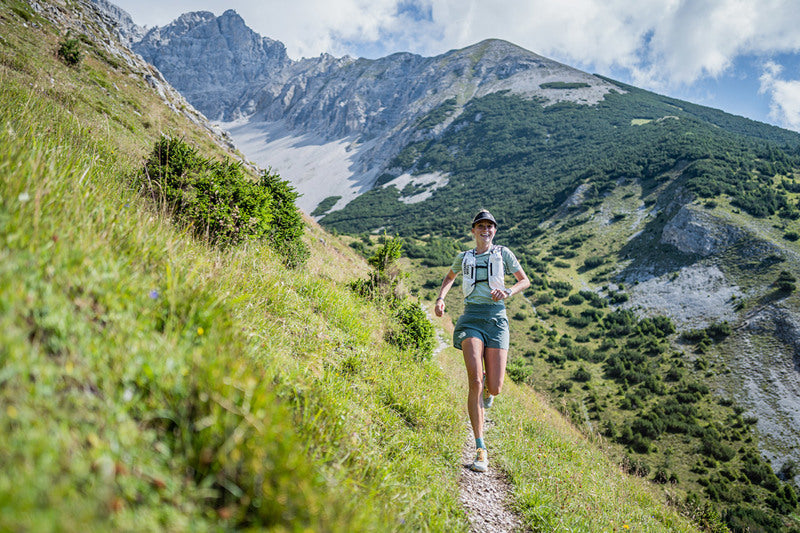
Images: Philipp Reiter Athlete: Ida-Sophie Hegemann
Watch and learn more about SuuntoPlus Store
READ MORE
Learn how to get started with SuuntoPlus sports apps
How to run a sub 3h marathon
The lazy runner's guide to a marathon

World Vertical Week 2023 photo competition winners
As always, Vertical Week inspired the Suunto community and resulted in some incredible performances — and photography!
We scoured through all the shots on Instagram tagged with #verticalweek and found it hard to choose our three winners for this year’s photo competition. Thanks to everyone who participated.
Here are the winners!
Following his Suunto 9 Baro in the Tatras
Motion designer, photographer and passionate Polish hiker Lukasz Pabian shared this shot he captured while hiking to Czerwone Wierchy, the Red Peaks, in Poland’s Tatra mountains. He’d been sitting at his desk most of Vertical Week, waiting for his chance to get out into the mountains. When it finally came, it started out a beautiful day: clear, sunny and windless. But weather in the mountains is notoriously fickle.
“When a strong wind arrived, everything started to pick up speed, I had to speed up,” Lukasz says. “The clouds covered the other peaks more and more and the sun was already setting behind the peaks - it was getting dark, the visibility in the clouds was less than five meters. Everything around me was white, the ground was white from snow, the air was white from fog. Never before had I needed my Suunto 9 Baro as much as I needed it then. I had the route saved in my watch that I was supposed to follow. The visibility dropped to a few meters and I was still up on the ridge by the time evening came. There is rarely internet access in the mountains so I couldn’t use a map app, but thanks to my Suunto I was able to get back to the valley and eventually home safely. It was an amazing experience, a great hike, and I took some cool photos, stepped out of my comfort zone and had an unexpectedly challenging time.”
This is what World Vertical Week is all about!
Ski touring above Davos
Swiss mountaineer, beginner paraglider and Alps explorer Florian Cotting shared a shot he got on a five-day ski-touring trip from Bergün to Davos. The lack of snow in the Alps this winter forced him, his girlfriend and a few friends to embark on a spontaneous, mostly unplanned trip.
“We were alone up there with an average of 1500 m of ascent a day,” Flo says. “The photo I chose was the second to last day of our journey and it was just after we put the skins back on for the second time that I took it! We went back down on the other side of the pass and my girlfriend asked: ‘let’s go back up for a third time?’” .
That’s the spirit!
Lighting an ice curtain above Salzburg
Austrian mountain lover, trail runner and ski tourer Anna Wacha lives near Salzburg, Austria and is blessed with endless mountains to explore with her husband, family and Chilli, her friendly dog.
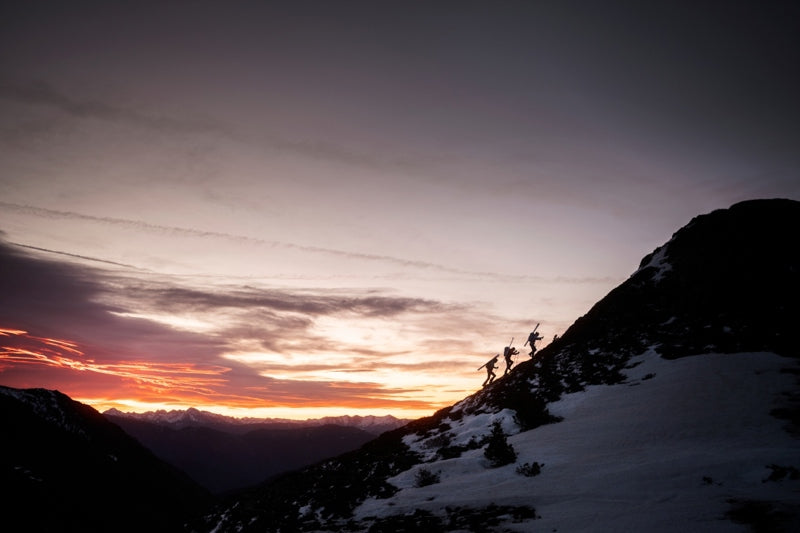
“The picture was taken on a skitour with my husband, my mom and a good friend,” Anna says. “The mountain we were going to is called Hocheiser (3206 m). The tour starts at Enzingerboden and, after a short walk, you have to pass a tunnel and at the end of this tunnel is a big curtain of ice. In my shot you can see our headlamps lightning up the ice.”
Lead image: © Philipp Reiter


Suunto World Vertical Week 2023 Big Data
Suunto’s annual World Vertical Week has been growing in popularity year after year. Last week, on February 27 – March 5, over 153.000 Suunto users accepted the challenge and set out to gain as many vertical meters as they could. That’s 22% up from last year! Thank you everyone for joining.
During the Vertical Week, every human-powered outdoor activity counted towards the results. In the activity type rankings, there weren’t any major changes: ski touring activities had once again the biggest average ascent, followed by mountaineering and trail running.
Also, the country rankings follow quite a usual pattern: the two top spots for highest average ascents are owned by Austria and Italy – just like last year. In the third position, we have a new nation, Slovakia. Congrats! Portugal and Colombia are new names in the top 10.
Total ascent per country 2023
When looking at the total ascent per country, we can see a new leader: France dethroned Spain and took the top spot. Austria, Italy and Germany round out the top five.
France
Spain
Austria
Italy
Germany
Switzerland
US
Poland
Finland
Japan
Big – and huge – days are more popular than ever
When digging deeper into the data we start to see something interesting: big days out in the mountains and hills are getting more popular. The number of “1000-meter days” has grown by a whopping 75% from last year. During last week’s activation, Suunto community tracked over 12.000 activities that had over 1.000 meters of total ascent.
The same trend continues with activities that had over 2.000 meters of ascent: that number increased by 76% to over 2.000 activities. The number of really, really big days – days that had more than 3.500 meters of ascent – doubled from last year!
This same trend is visible also when looking at the data from another perspective: 176 participants collected more than 10.000 meters of total ascent during the week. That is twice as much as last year. Impressive!
As the days get bigger, the activity types change slightly: The biggest portion, 40%, of 1000-meter days was ski touring while trail running covered 25% of the activities. In the 2000-meter days ski touring and trail running was almost equal at 32% and 30% respectively. A surprise comes with the 3500-meter – or “10000-foot” – days: there suddenly running has the biggest share with 28% of the activities followed by ski touring (22%) and trail running (21%). Some runners have really pushed it last week!
Country rankings for different activities
Ski touring (avg for all countries 929m)
Switzerland 1.033m
Austria 1.005m
Italy 994m
Spain 940m
Germany 936m
The 1000-meter mark is a clear goal for skiers. Switzerland is in the top spot – just like last year.
Mountaineering (avg for all countries 676m)
Czech Republic 788m
Switzerland 760m
Germany 755m
Japan 717m
Poland 699m
Mountaineering has a new winner: The Czech Republic climbed to the top spot for the first time!
Trail running (avg for all countries 421m)
Japan 852m
Portugal 707m
Italy 620m
South Korea 536m
Spain 528m
Switzerland 508m
Austria 443m
Slovakia 413m
Slovenia 391m
Thailand 382m
Japanese trail runners crushed it again! Also, other Asian nations, like South Korea and Thailand proved that uphill is the way to run in that corner of the world.
Mountain biking (avg for all countries 387m)
Italy 516m
Spain 515m
Portugal 453m
Switzerland 446m
United Kingdom 386 m
In mountain biking, Italy rose from the second spot last year to number one this time. Forza!
Hiking (avg for all countries 221m)
Italy 441m
Slovakia 426m
South Korea 373m
Thailand 349m
Japan 337m
Another crown for Italy – and another activity ranking where Asian countries are strong.
Cycling (avg for all countries 182m)
Spain 417m
Portugal 394m
Italy 369m
Slovenia 306m
South Africa 248m
Spain, the top destination for winter cycling in Europe, was not a surprise leader in the cycling ranking. A welcome addition to the list was South Africa, nicely adding yet another continent to the top lists. Along with several European countries we had nations from Asia, Africa, South and North America amongst the top performers. Awesome!
Nordic skiing (avg for all countries 180m)
Japan 418m
Slovakia 411m
Spain 377m
Czech Republic 357m
Poland 335m
This list looks quite different from last year! Japan takes its second top spot in a slightly surprising category to complement its win in the trail running category. The usual suspects for Nordic skiing, Norway (277m), Sweden (209m) and Finland (125m), did not reach the top of the rankings this time.
Running (avg for all countries 100m)
Switzerland 157m
Slovenia 137m
Portugal 131m
Czech Republic 127m
Norway 125m
Running, the most popular activity overall, is not the king of Vertical Week: its average ascent is the smallest, exactly 100 meters. However, in the leading nation, Switzerland, the average ascent for running was over 50% more than that.


Watch the Balkan Express adventure film
All we need sometimes is one special moment to make hardship worthwhile. When long-time adventure buddies Max Kroneck and Jochen Mesle gazed out across Valbona valley in Albania, blanketed in virgin POW, and with it all to themselves, it made the trials of their Balkan Express adventure project worthwhile.
Cycling in temperatures that dropped to -15c, flats, a minor crash, intimidating street dogs, exhaustion, and the kindness of strangers - they experienced all this and more while cycling from the coastal city Thessaloniki in northern Greece through the Balkan region to Munich, Germany during late winter 2022. All up, they cycled 2500 km and skied seven spots in seven countries
Their minds were blown by the mountains and slopes they discovered along the way. Their minds were even more blown by the fact they had them all to themselves. It turns out, freeriding hasn’t really caught on throughout the Balkan nations. Neither have bike lanes. They met some inspiring locals who enriched their journey. And that was the point; it was an adventure as much about connecting with the local cultures as it was about cycling and freeriding.
We caught up with Max and Jochen and asked about their experience. Read on below and click here to find out where you can watch the adventure documentary that’s been picked up by the BANFF Mountain Film and Book Festival.
Watch the full film below!
How and why did you come up with the idea for the project?
Max: We really wanted to experience some mountains, cultures, people we didn't know. We looked at a map of Europe and saw that the Balkans are pretty interesting. We’d never been there and wanted to learn about the people living in the mountains there. The sport side wasn’t the main focus of the project. It was about getting to know the culture and people.
How did you connect to local people?
Jochen: Before we left, we tried to get in contact with local mountain guides and local artists. We connected with four people and met them along the way. And of course we met a lot of people on the road. Those people gave us a good insight into life there.
What was your route?
Max: We started in Thessaloniki. We went skiing at Mount Olympus in Greece, then we cycled through Macedonia, Albania, Kosovo, Montenegro, Bosnia and Herzgovina, Croatia, Slovenia, Austria and back to Germany.
How did your Suunto watches help you?
Jochen: In combination with Komoot it was so good to be able to plan and also be spontaneous along the way. We didn’t need to think about navigation. We spent some time in the morning planning and then just followed our watches. We didn’t get lost once! It was cold in the beginning and it was interesting to see the temperature on our watches. I’m a statistics nerd so I I enjoyed getting all the numbers. We also used the heatmaps in Suunto app sometimes, especially in Albania and Greece where there are more mountaineers, and it seems like they use Suunto too! So we could use the heatmap to hike up.
What was something that surprised you as you traveled through?
Max: We met a mountain guide in Kosovo, Uta, who is trying to make mountaineering more popular in Kosovo especially amongst women, since there are so few. She also talked about their home mountains; they are so beautiful, yet very few of the locals use them. They’re mostly empty. It’s crazy this region is so close to ours, but almost nobody there is into mountaineering. We were pretty much always alone. We met some Italian ski mountaineers in Kosovo once. Then we saw them again later in Albania. But that’s it. Most western Europeans don’t know about all the incredible spots.
Also surprising was learning that it was not so long ago that the first freeriding equipment became available there. A mountain guide from Kosovo told us he could only buy freeriding skis and touring bindings there 10 years ago. The market is just not there. These sports haven’t taken root in the culture. Maybe amongst the richer people.
We also didn’t see any cyclists along the way or cycling tracks. Cars play a big role in the Balkan countries.
Did you find many beautiful ski runs you'd like to go back and ride again?
Max: For sure. We had seven days of skiing in seven different countries, starting with Greece. It was a bummer that we had to keep moving forward and weren’t able to spend more time in each place, especially in the countries further south. We saw beautiful mountains in Montenegro, but we couldn’t go skiing there. We really want to go back. But at the same time, it was also nice to keep moving forward. We had really good snow conditions in the southern countries, but the further north we went, when we expected better conditions, it actually got worse.
You guys are backcountry skiers and mountaineers - do you have a background in cycling, too?
Jochen: Max and I met at local ski parks. We both made our way to the backcountry and went to freeriding comps together. A few years later I invited Max to a film project — that’s how we got to know one another better.
Back in 2018 we did a similar project and made a film about it: Ice and Palms. We started from our doorstep in Germany and cycled to the Mediterranean and skied the mountains we know and love along the way. That’s when we started to enjoy riding bikes.
Where can people see Balkan Express?
Jochen: There’re lots of screenings coming up, and we’ll be doing live talks, presenting our book about the project. Then, in the middle of winter, people will be able to watch the film online. It’s so cool to see such a wide range of people are getting inspired by it.
Images by @maxkroneck / @jochen_mesle / @elflamingofilms


