




SUUNTOブログ


HRV(心拍変動)とは?正常値の見方と回復・トレーニングへの活かし方
「しっかり練習しているのに記録が伸びない」「いつもより疲れが残っている」と感じるときは、トレーニング量だけでなく、身体の回復状態にも目を向けてみましょう。回復を把握するための指標として活用されているのが、HRV(心拍変動)です。
HRVは、心拍数そのものではなく、心拍と心拍の間隔に生じるわずかなゆらぎを示します。毎日の数値を継続して確認することで、トレーニング、睡眠、ストレスなどに身体がどのように反応しているかを振り返る手がかりになります。
この記事では、HRVの意味、正常値の考え方、数値が低くなる主な要因、トレーニングへの活かし方、SuuntoウォッチとSuuntoアプリで確認する方法をわかりやすく解説します。
HRV(心拍変動)とは?
HRV(Heart Rate Variability/心拍変動)とは、連続する心拍と心拍の間隔に生じる変化を表す指標です。
たとえば、心拍数が1分間に60回でも、心臓が正確に1秒間隔で拍動しているとは限りません。実際には、0.9秒、1.1秒、0.95秒というように、1拍ごとの間隔にはわずかな違いがあります。このゆらぎを数値化したものがHRVです。
心拍数とHRVの違い
指標
示すもの
心拍数(HR)
1分間に心臓が拍動する回数。一般的にbpmで表します。
HRV(心拍変動)
心拍と心拍の間隔に生じるゆらぎ。一般的にミリ秒単位で扱います。
心拍数が同じでも、HRVは人や日によって異なります。そのため、心拍数とHRVは別の指標として確認する必要があります。
HRVが回復状態の判断材料になる理由
心拍の間隔は、身体の働きを自動的に調整する自律神経の影響を受けています。自律神経には、活動時に働きやすい交感神経と、休息時に働きやすい副交感神経があります。
副交感神経の働きが優位なとき:HRVは比較的高くなる傾向があります。
交感神経の働きが優位なとき:HRVは比較的低くなる傾向があります。
ただし、HRVだけで「回復している」「体調が悪い」と断定することはできません。トレーニング負荷、睡眠不足、精神的なストレス、飲酒、生活リズムの変化、体調など、複数の要因が数値に影響します。
HRVは、身体の状態を診断する数値ではなく、普段の自分と比べて変化が起きていないかを確認するための判断材料として活用することが大切です。
HRVの正常値はどれくらい?
HRVには大きな個人差があるため、すべての人に共通する「正常値」はありません。年齢、体力、遺伝的な要因、生活習慣、計測方法などによって数値は異なります。
そのため、インターネットで見つけた平均値や、家族・トレーニング仲間の数値と単純に比較するのはおすすめできません。重要なのは、同じ機器と条件で継続的に計測し、自分自身の通常範囲を把握することです。
1日だけの数値よりトレンドを見る
激しいトレーニングの翌日や睡眠不足の日に、一時的にHRVが下がることは珍しくありません。反対に、普段より高い数値が出ることもあります。
1回の測定結果だけで予定を大きく変えるのではなく、次の点を確認しましょう。
通常範囲から外れた状態が数日続いているか
安静時心拍数にも普段と異なる変化があるか
睡眠時間や睡眠の質が低下していないか
脚の重さ、だるさ、意欲低下などの自覚があるか
直近のトレーニング負荷が高すぎなかったか
HRVが低くなる主な要因
HRVが普段の範囲より低くなる背景には、トレーニング以外の要因もあります。
高いトレーニング負荷
高強度インターバル、ロング走、レースなどで身体に大きな負荷がかかると、翌日以降のHRVが低下することがあります。これは負荷に対する自然な反応のひとつです。
トレーニングによる負荷を確認するときは、HRVだけでなく、TSS・hrTSSなどのトレーニング負荷も合わせて確認すると、原因を振り返りやすくなります。
睡眠不足や生活リズムの乱れ
就寝時間が遅くなった日、睡眠時間が短かった日、夜中に何度も目が覚めた日は、回復が十分に進まず、普段と異なるHRVが出ることがあります。
仕事や日常生活のストレス
身体的な負荷が少ない日でも、仕事、人間関係、移動、環境の変化などによる精神的ストレスがHRVに影響する場合があります。トレーニングだけを原因と考えず、生活全体を振り返ることが重要です。
飲酒や食事の影響
飲酒、遅い時間の食事、過度な食事制限なども、夜間の心拍や睡眠に影響し、HRVの変化につながることがあります。計測結果と生活記録を照らし合わせると、自分に影響しやすい習慣が見つかることがあります。
体調の変化
普段と異なるHRVが続き、強い倦怠感、発熱、痛みなどの症状もある場合は、トレーニングを中止し、必要に応じて医療機関へ相談してください。HRVは医療診断の代わりになるものではありません。
HRVが低い日はどうする?
HRVが自分の通常範囲より低い日は、数値だけで運動の可否を決めるのではなく、睡眠、安静時心拍数、自覚的な疲労、直近のトレーニング内容を合わせて判断します。
状態
対応例
HRVは低いが、体調や睡眠に問題を感じない
ウォームアップを丁寧に行い、身体の反応を見ながら予定を調整する。
HRVが低く、脚の重さや疲労感がある
高強度セッションを避け、軽い有酸素運動や休息へ切り替える。
低い状態が数日続き、睡眠や体調も良くない
休養を優先し、トレーニング計画全体を見直す。
「計画どおりに実施すること」よりも、身体の反応に合わせて負荷を調整することが、長期的な継続につながります。予定変更の考え方は、予定どおり走れないときのトレーニング調整法も参考にしてください。
HRVは高いほど良い?
HRVは、単純に高ければ高いほど良いわけではありません。確認したいのは、他者より高いかどうかではなく、自分の通常範囲に対してどの位置にあるかです。
普段の範囲より大きく高い状態が続く場合も、身体の反応がいつもと異なっている可能性があります。低い場合と同様に、睡眠、安静時心拍数、疲労感、トレーニング履歴を合わせて確認しましょう。
SuuntoウォッチでHRVを確認する方法
対応するSuuntoウォッチでは、睡眠中のHRVを計測し、ウォッチやSuuntoアプリで確認できます。毎晩できるだけ同じ条件で装着し、継続的にデータを蓄積することで、自分の通常範囲との比較がしやすくなります。
計測と確認の基本手順
睡眠追跡を有効にする
就寝中もウォッチを装着する
起床後にウォッチまたはSuuntoアプリでHRVを確認する
1日の数値ではなく、7日間平均と通常範囲の関係を見る
睡眠、安静時心拍数、トレーニング負荷も合わせて振り返る
センサーが肌から浮いていると、計測データが安定しない場合があります。睡眠を妨げない範囲で、ウォッチが手首に沿うように装着してください。
7日間平均と通常範囲を見る
Suuntoでは、現在のHRVを単独の数値だけでなく、過去のデータから形成された個人の通常範囲と比較して確認できます。現行記事の仕様説明では、通常範囲の形成に60日間のデータを使用し、通常範囲には最低14回、7日間平均には最低3回の測定が必要とされています。
使い始めた直後はデータ量が少ないため、数値の意味を判断しにくいことがあります。まずは数週間、できるだけ継続して装着し、自分のベースラインを作ることを優先しましょう。
HRVをトレーニングに活かす5つの方法
1. 朝の確認を習慣にする
起床後にHRV、睡眠、安静時心拍数を確認し、その日の身体の状態を振り返ります。毎日同じタイミングで確認すると、変化に気づきやすくなります。
2. 高強度トレーニング後の反応を見る
インターバルやロング走の翌日にHRVがどのように変化し、何日で通常範囲へ戻るかを確認します。自分に必要な回復時間を知る手がかりになります。
3. トレーニング負荷と組み合わせる
HRVは身体の反応を、TSSなどは実施したトレーニングの負荷を把握する材料になります。両方を組み合わせることで、「負荷をかけた結果、身体がどう反応したか」を振り返れます。
4. 主観的な疲労も記録する
データが通常範囲内でも、強い疲労感や痛みがある日は負荷を下げる判断が必要です。反対に、HRVがやや低くても体調が良い場合は、ウォームアップ後の感覚を確認しながら調整できます。
5. 週単位・月単位で振り返る
HRVは日ごとに変動します。毎朝の数値に一喜一憂せず、トレーニング期、回復週、レース前後など、一定期間の傾向を振り返ることが重要です。
HRVと一緒に確認したい指標
回復状態をより立体的に把握するには、HRVだけでなく、複数のデータを組み合わせます。
睡眠:睡眠時間、睡眠の規則性、起床時の感覚
安静時心拍数:普段より高い状態が続いていないか
トレーニング負荷:直近の運動量や強度が高すぎないか
主観的な疲労:脚の重さ、だるさ、意欲、筋肉痛
運動中の強度:心拍ゾーンやSuunto ZoneSenseで負荷が適切だったか
持久系トレーニングの強度管理については、心拍ゾーンとは?トレーニング強度を使い分ける方法もあわせてご覧ください。
HRVについてよくある質問
HRVは毎日変わりますか?
はい。トレーニング、睡眠、ストレス、飲酒、移動、体調などの影響を受けるため、日ごとに変化します。1日の数値ではなく、自分の通常範囲と継続的な傾向を確認しましょう。
HRVが低い日は運動してはいけませんか?
HRVが低いという理由だけで、必ず運動を中止する必要はありません。睡眠、安静時心拍数、疲労感、痛み、直近の負荷を合わせて確認し、必要に応じて強度や時間を調整します。
HRVは高いほど回復しているということですか?
必ずしもそうではありません。HRVには個人差があり、自分の通常範囲から大きく外れた高値にも注意が必要です。絶対値より、自分のベースラインとの比較が重要です。
HRVの数値を他の人と比較してもよいですか?
計測機器や計測条件、年齢、体力などが異なるため、単純な比較はおすすめできません。同じ機器を使い、同じ条件で測った自分自身の変化を追いましょう。
HRVはどのくらい継続して計測すればよいですか?
数日だけでは通常範囲を把握しにくいため、まずは数週間継続して計測するのがおすすめです。生活やトレーニングの変化と照らし合わせながら、長期的な傾向を確認してください。
HRVで病気や体調不良を判断できますか?
HRVだけで病気や体調を診断することはできません。数値の変化に加えて、発熱、強い倦怠感、痛みなどの症状がある場合は、運動を控え、必要に応じて医療機関へ相談してください。
まとめ|HRVは自分の変化を知るための指標
HRVは、心拍と心拍の間隔に生じるゆらぎを表す指標です。トレーニング負荷、睡眠、ストレスなどに対する身体の反応を振り返る手がかりになります。
HRVには個人差があり、全員に共通する正常値はありません。
他者ではなく、自分の通常範囲と比較することが重要です。
1日の数値ではなく、7日間平均や長期的な傾向を確認します。
HRVが低い日は、睡眠、安静時心拍数、疲労感、トレーニング負荷も合わせて判断します。
HRVだけで体調や病気を診断することはできません。
SuuntoウォッチとSuuntoアプリを継続して使用すれば、毎日のHRVを自分の通常範囲と比較しながら確認できます。「今日は追い込む日か」「負荷を抑える日か」を考えるための材料として、日々のトレーニングに役立ててください。
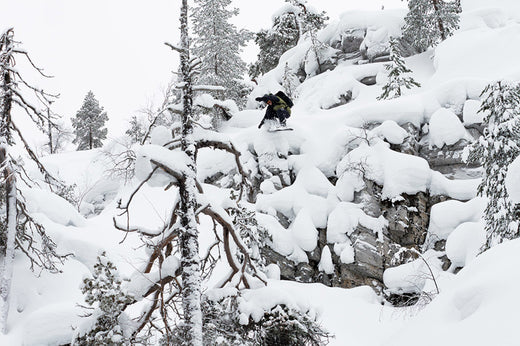

Arctic Lines with Antti Autti
New season, new adventures: Antti Autti continues his search of epic, unique and unridden lines in the frigid reaches of the Nordic north.
Arctic Lines is already in its fourth season! Get a sneak peek of the upcoming episodes in the season trailer, featuring Antti and his crew—including Jeremy Jones, Elena Hight, Tailer Gray Spinney, Miikka Hast and Fredrik Aspö. The series is filmed by Jaakko Posti, Markus Kumpula and Mikko-Pekka Karlin. Mikko-Pekka also edits the videos.
Freeride snowboarding in Finnish Lapland
In the first Arctic Lines episode of the new season, Antti Autti invites you to explore the incredible freeriding opportunities near his hometown of Rovaniemi, Finland, located right on the Arctic Circle.
Join him on a journey through the breathtaking landscapes of Finnish Lapland, featuring nearby fells, national parks, and boulder fields—hidden gems for freeriding adventures when the conditions are just right.
Exploring the untouched freeriding terrain of Nuvsvåg, Norway
In the second episode of the Arctic Lines season, Antti and his crew discover some of the most pristine freeriding lines we've ever seen—perfect snow, great access straight from the road, and a touch of problem-solving to make it all the more rewarding. Enjoy!
Stay tuned for the third episode of the Arctic Lines season!
Lead image by Simo Vilhunen
More content with Antti Autti
How to use avalanche terrain maps
8 steps for planning trips in the mountains
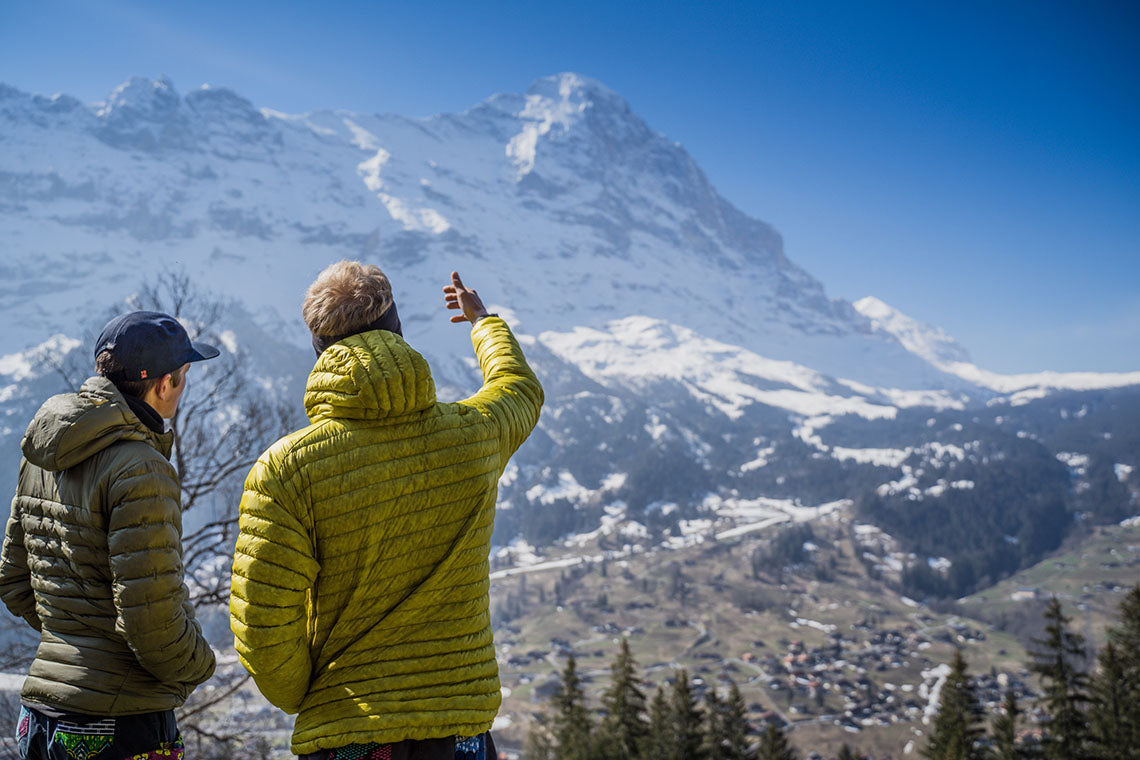

自転車で約600km、そしてアイガー北壁へ|撤退と再挑戦から学ぶ山の判断
自転車で約600kmを走り、そのままアイガー北壁へ挑む。そんな壮大な計画も、山では予定通りには進みません。雪、寒さ、疲労、そして変化するコンディション。SuuntoアンバサダーのPhilipp Reiterと幼なじみのMartin Schidlowskiが挑んだ「Bike2Eiger」は、単なる自転車と登山の冒険ではなく、撤退、再挑戦、そして山で計画を変えることの大切さを描いた物語です。
2人が目指したのは、スイスを代表する名峰アイガーの北壁。
しかも、車や電車で登山口へ向かったわけではありません。
1930年代に同じ土地からアイガーへ向かった2人のアルピニストにならい、ドイツのベルヒテスガーデナー・ラントからスイスのグリンデルワルトまで、自転車で移動するところから旅を始めました。
しかし、最初の挑戦は成功しませんでした。
Bike2Eigerが伝えているのは、「何があっても計画を遂行すること」ではなく、条件を見て撤退し、必要なら時間を置いて再び挑戦すること。
山での冒険に必要な「適応する力」を、2人の旅から見ていきましょう。
Philipp ReiterとMartin Schidlowski。2人は幼い頃からの友人です。
目次
Bike2Eigerとは?
1930年代、2人のアルピニストも自転車でアイガーへ向かった
幼なじみ2人だからできた冒険
約600kmの自転車旅から始まった
最初のアイガー挑戦は雪で撤退
山では「急がないこと」も判断のひとつ
1年後、条件を待って再挑戦
計画通りにいかないからこそ、適応する
動画|Bike2Eigerを観る
長い山岳アドベンチャーを支えるSuunto
まとめ|撤退も再挑戦も冒険の一部
関連記事
Bike2Eigerとは?
Bike2Eigerは、SuuntoアンバサダーのPhilipp Reiterと、登山家・山岳ガイドのMartin Schidlowskiが挑んだマルチスポーツ・アドベンチャーです。
2人はドイツ南東部からスイスのグリンデルワルトまで、自転車で約600kmを移動。
そこからアイガー北壁の登攀を目指しました。
自転車での長距離移動と本格的なアルパインクライミングをひとつにつなげたこの旅には、明確な理由がありました。
それは、約90年前に同じ地域からアイガーへ向かったアルピニストたちの足跡をたどることでした。
1930年代、2人のアルピニストも自転車でアイガーへ向かった
PhilippとMartinが追いかけたのは、Anderl HinterstoisserとToni Kurzという2人のアルピニストです。
彼らもPhilippたちと同じベルヒテスガーデナー・ラント周辺の出身でした。
1930年代、当時まだ登攀されていなかったアルプス最大級の課題のひとつ、アイガー北壁へ挑戦するためにスイスを目指しました。
しかし、現在のように簡単に車で長距離移動できる時代ではありません。
列車で移動する経済的な余裕もなく、彼らは自転車でBad ReichenhallからGrindelwaldへ向かいました。
PhilippとMartinも、その移動そのものを含めて当時の旅を追体験したいと考えました。
「アイガーだけ登れば同じ旅になる」ということではなく、山へたどり着くまでの時間や苦労も含めて体験することがBike2Eigerの出発点でした。
幼なじみ2人だからできた冒険
PhilippとMartinは、このプロジェクトのために組んだチームではありません。
幼稚園時代からの友人です。
これまでにもランニング、クライミング、登山など、数多くの山岳アドベンチャーを一緒に経験してきました。
得意分野は少し違います。
Martinはクライマー、アルピニストとしての経験が豊富。
一方、Philippは長時間動き続けることを得意とするエンデュランスアスリートです。
違う強みを持ちながら、山に対する考え方や情熱は共通していました。
長い冒険では、速さや技術だけでなく、一緒に判断できる相手がいることも重要です。
約600kmの自転車旅から始まった
アイガーへ向かう旅は、まず3日間の長距離ライドから始まりました。
しかし、スタートから順調だったわけではありません。
出発からわずか約1時間半。
2人は30〜40cmほど積もった新雪に阻まれ、自転車を押して進むことになりました。
スタート直後から深い雪。計画していた自転車旅は早くも想定外の展開になりました。
気温も低く、アルパインクライミングに必要な装備をすべて自転車に積んでいたため、荷物も想像以上に重くなりました。
Martinにとっては、そもそもこれほど長い自転車旅自体が未知の領域でした。
それまで100kmを超えるライドをほとんど経験していなかったにもかかわらず、初日には約220kmを走る計画だったとPhilippは振り返っています。
Philipp自身も順調ではありません。
長時間のライドで脚にトラブルが出て、膝周辺に強い痛みを抱えることになりました。
それでも彼らが自転車を選んだのは、効率のためではありません。
先人たちと同じように、自分たちの力で山へ向かうこと自体が、この冒険の一部だったからです。
最初のアイガー挑戦は雪で撤退
長い自転車旅を終え、ようやくアイガーへ。
しかし、本当の問題はそこからでした。
最初のアイガー挑戦。雪が多く、2人が期待していたコンディションではありませんでした。
最初の挑戦では、アイガー北壁に雪が多く残っていました。
プロジェクトには複数の人が関わっていたため、全員のスケジュールを何度も変更するのは簡単ではありません。
挑戦できる日程は限られていました。
Philippたちは、条件が完璧ではないことを理解しながら登り始めました。
しかし、進むにつれて雪の量が大きな問題になります。
最終的に、最初の挑戦では目的を達成できませんでした。
ここで重要なのは、自転車で何百kmも走ってきたからといって、そのまま登攀を続けなかったことです。
そこまで費やした時間や努力が大きいほど、「ここまで来たのだから」と計画に固執したくなるものです。
しかし、山の条件は努力とは関係なく変化します。
山では「急がないこと」も判断のひとつ
最初の挑戦について、Philippは山岳活動ではコンディションを待つことが重要だと振り返っています。
山では、こちらのスケジュールに合わせて天候や雪が変わってくれるわけではありません。
十分な準備をしていても、
雪が多すぎる
天候が崩れる
想定以上に時間がかかる
身体の状態が悪い
などによって、計画を変更する必要があります。
「予定したから行く」のではなく、「今日の条件で行けるか」を判断する。
それは登山でも、長い山岳アドベンチャーでも変わりません。
撤退は、それまでの旅を無駄にするものではありません。
次に挑戦するための判断でもあります。
ルートと天候を確認することも、山岳アドベンチャーの重要な一部です。
1年後、条件を待って再挑戦
Bike2Eigerは最初の失敗で終わりませんでした。
1年後、PhilippとMartinは再びアイガーへ戻ります。
今度は前回とは状況が違いました。
山のコンディションが良く、2人自身もさらに準備を積んでいました。
その間には、マッターホルン北壁などで一緒にトレーニングを重ね、チームとしての経験も増えています。
そして、2度目は自転車での600km近いアプローチを繰り返しませんでした。
最初の旅の目的はすでに果たしていたためです。
結果として、脚に3日間のライドによる疲労が残っていない状態でアイガーへ向かうことができました。
Eigergletscherへ向かう段階から、Philippは前回とは違うポジティブな雰囲気を感じていたと振り返っています。
2度目の挑戦。条件も準備も、最初の挑戦とは違っていました。
そして2人は、ルートを変更しながらアイガーの頂上へ到達しました。
アイガー山頂。最初の挑戦から1年後、2人は再び山へ戻りました。
計画通りにいかないからこそ、適応する
Bike2Eigerを終えたPhilippが、この冒険から得たこととして挙げたのが「適応する力」です。
アドベンチャーでは、多くの場合、実際に起こることは最初に考えていた計画とは違います。
Bike2Eigerでも、
スタート直後の大雪
予想以上に重い荷物
長距離ライドによる身体のトラブル
アイガーの積雪
最初の登攀断念
1年後の再挑戦
2回目では異なるルートを選択
と、計画変更の連続でした。
それでもプロジェクトの目的そのものを失ったわけではありません。
計画を守ることと、目的を守ることは同じではない。
その時の条件に合わせて方法を変えながら、最終的に目指した場所へたどり着く。
Bike2Eigerは、そのことを分かりやすく見せてくれる冒険です。
動画|Bike2Eigerを観る
Bike2Eigerは、PhilippとMartinの自転車旅、最初のアイガー挑戦、そして2人の友情を描いた約28分のドキュメンタリーとして公開されています。
Bike2Eiger / Bayerischer Rundfunk
長い山岳アドベンチャーを支えるSuunto
Bike2Eigerのように、自転車、登山、クライミングなど複数のアクティビティを組み合わせる旅では、距離や高度だけでなく、ルートや天候を確認しながら行動することが重要です。
現在のSuuntoウォッチとSuuntoアプリでは、ルート作成、オフラインマップ、標高情報、ナビゲーションなどを活用して山岳アドベンチャーをサポートできます。
長時間の登山、縦走、バイクパッキングなどで地図やルートを手元で確認したい場合は、Suunto Vertical 2が選択肢になります。
ただし、GPSウォッチやナビゲーション機能が山での安全を保証するものではありません。
天候、ルート、山のコンディションを確認し、その日の状況によって計画を変更すること。
それこそがBike2Eigerの物語にも通じる、山で最も大切な判断のひとつです。
Suunto Vertical 2を見る
まとめ|撤退も再挑戦も冒険の一部
Philipp ReiterとMartin SchidlowskiのBike2Eigerは、自転車でアイガーへ行き、山頂に立つという単純な成功物語ではありません。
深い雪の中を自転車で進み、何百kmもの距離を走り、ようやくアイガーへたどり着いても、最初の挑戦では撤退しました。
それでも1年後に戻り、さらに準備を積み、条件を待ち、方法を変えて再挑戦しました。
この旅から見えてくるのは、
山へ向かう過程そのものを楽しむこと
仲間それぞれの強みを活かすこと
条件が悪ければ計画を変えること
急いで結果を求めないこと
失敗から学び、準備して戻ること
最初の計画に固執せず適応すること
です。
山では、予定通り進むことだけが成功ではありません。
その日の条件を見て引き返し、また挑戦できる状態で帰ること。
そして、必要なら1年後に再び山へ戻ること。
それもまた、長い冒険の一部です。
関連記事
登山ナビゲーションで身につけたい5つのスキル|山で迷わないための基本
Suuntoアプリでルートを作る6つの方法|GPX・ヒートマップも解説
登山中にトラブルが起きたら?|安全に対応するための9つの行動
アウトドアをもっとサステナブルに楽しむ10の方法|登山・ランニングでできること


Italy dominates the Vertical Week 2024
Suunto World Vertical Week, the thrilling celebration of the uphill challenge, united outdoor enthusiasts from around the globe in a collective pursuit of elevation gain on March 18–24. All human-powered activities by the participants were counted and every hill was turned into an opportunity to conquer new heights.
We have now analyzed the data to see which country and activity type climbed the most!
The usual suspects were on top of the country rankings
In the country rankings, the usual suspects – countries in the mountainous regions of Europe – were once again on top. This time Italy dethroned Austria for the number one spot with over 400 meters of ascent per activity on average. Switzerland also broke its way to the top three.
The only non-European nation in the top 10 was South Africa in ninth place. Greece made it to the top 10 for the first time.
Average ascent meters by country
When looking at the total ascent, meaning adding up the ascent in all the activities in a nation for the Vertical Week, France took the top spot from Spain and Italy climbed past Austria on the third spot.
Top 10 for total ascent meters
France
Spain
Italy
Austria
Germany
Switzerland
USA
Poland
United Kingdom
Czech Republic
Skiers – and the Japanese trail runners – were above the rest
In the activity type rankings, there weren’t any major changes: ski touring activities had the biggest average ascent, followed by mountaineering and trail running. The average ascent for all the ski touring activities came close to the magical 1000-meter mark but was still a bit below the summit. Maybe next time!
Average ascent meters by activity type
While the skiers had the biggest days on average, when looking at individual activities with over 1000 meters of ascent, trail runners were in the lead. In 2023 the order was the other way round.
In the individual performances, four people really stood out: They all had tracked over 20.000 meters of human-powered ascent during the Vertical Week. Impressive!
And while looking at the big picture, many people seemed to push it more than last year: For a top 10% placing, you needed to climb 2275 meters during this year’s Vertical Week. That’s almost 373 meters more than in 2023.
The same change is visible in the top of the top: To make it to the top 3% of the Vertical Week participants, you needed to climb 4062 meters, 472 meters more than in 2023.
The country rankings winner Italy is very strong also in different activity type rankings. They earned a podium spot in six out of ten different categories!
Ski touring
Slovakia 1160m
Switzerland 1062m
Poland 1051m(Average for all countries 953 m)
Whoop whoop, we have a new winner in the ski touring category! The Slovakian skiers ascended more than any other nation in any of the categories. It’s also clear that the 1000-meter mark is a clear goal for skiers, and the entire top 3 broke that limit.
Trail running
Japan 1076m
Italy 674m
Greece 600m(Average for all countries 457 m)
This is amazing: The Japanese trail runners were the only ones breaking the 1000-meter mark in any other category than ski touring. They kept their well-deserved top spot in trail running for another year. Congratulations!
Mountaineering
Italy 865m
Finland 838m
France 799m(Average for all countries 633 m)
Italy continued their dominancy, but the second place was a surprise: How did such a flat country as Finland make its way to second place?
Mountain biking
South Africa 645m
Italy 547m
Slovenia 540m(Average for all countries 393 m)
The South Africans were active on the bike, climbed more than any other nation and ensured that also the African continent was presented in the rankings.
Gravel cycling
United Kingdom 656m
United States 440m
Italy 421m(Average for all countries 298 m)
Gravel cycling was a new addition on the list this time. And, not surprisingly, the ascent meters for gravel cycling fell somewhere between mountain biking and cycling. The UK took the top spot in the activity ranking clearly.
Cycling
Spain 435m
Italy 335m
Slovenia 286m(Average for all countries 210 m)
Everyone knows that cycling in Spain in the spring is great. And they seem to know it themselves, too!
Trekking
Japan 850m
Switzerland 575m
Austria 541m(Average for all countries 351 m)
The Japanese took the top spot in two categories, trekking and trail running. Two category wins was only matched by Italy (number one in mountaineering and hiking).
Hiking
Italy 438m
Slovakia 386m
Slovenia 351m(Average for all countries 240 m)
Yet another category with a strong Italian performance. Forza!
Nordic skiing
Switzerland 363m
Austria 324m
Norway 305m(Average for all countries 216 m)
While the top three countries in the cross country skiing category were expected, what was surprising was the change in the podium lineup from the previous year: None of these three were on the podium last year.
Running
Czech Republic 152m
Switzerland 138m
South Africa 130m(Average for all countries 95 m)
Running, the most popular Suunto activity in general, is not focused on the vert. Despite the smaller numbers, there still is a winner: Czech Republic took the number one spot!

Let's celebrate Suunto and BOKAMI partnership!
We are happy to announce our cooperation with the Boky Západných Tatier organized in Slovakia on March 14-16, of which Suunto is the main partner!
Celebrate this great partnership with us and take advantage of an exclusive 20% promo code on select Suunto products by entering the following in your shopping cart: SUUNTOxBOKAMI.
More details below.
Learn more about the BOKAMI event: Bokami Západných Tatier is a three-day team race held under the auspices of the Slovak Mountaineering Association JAMES. The race follows a long tradition of ski mountaineering races in the Western Tatras that dates back to the early 1990s. It is the only multi-day and at the same time the most demanding ski race in Central Europe, which has gained a reputation in the wider European context.
"BOKAMI" in numbers: 3 days - 3 stages - 3 valleys = 60 km / about 6600 m of elevation gain.
Promotion details:This promotion is active from 14 - 28.03.2024 on Suunto Vertical and Suunto Race products. The promo code is active for the first 1000 users. One user can buy a maximum of 3 products. The promo code can be combined with other discount already displayed at apac.suunto.com. Not cumulative with any other promo code. The promotion cannot be applied to refurbished products and customized products.


Celebrate the uphills during the 10th annual Suunto World Vertical Week!
Welcome to Suunto World Vertical Week – a thrilling celebration of the uphill challenge! From March 18 to March 24, outdoor enthusiasts from around the globe will unite in a collective pursuit of elevation gain, turning every hill into an opportunity to conquer new heights. The beauty of Suunto Vertical Week lies in its accessibility, taking place everywhere, and embracing all human-powered activities.
Whether you're a trail runner, skier, hiker, mountaineer, cyclist, or any other adventurer, the Vertical Week invites you to climb as much as you can. The ultimate goal? To determine which nation and activity type emerges victorious, boasting the most elevation gain.
Joining the Vertical Week is simple – just open the Suunto app and click 'join' in the Vertical Week message. All your human-powered activities during the week count.
Join now and elevate your adventure!
Follow your progress in real-time
The Vertical Week sport app shows the current activity ascent (top), total ascent (bottom) and your total compared to Vertical Week participants in 2023.
You can follow your total ascent for the Vertical Week with the new SuuntoPlus Vertical Week sport app: The Vertical Week sport app will count every meter you climb and show your cumulative ascent for both the current activity and the entire week. You can also see how high you would be ranked in the previous Vertical Week challenge. Are you already in the top 30% or perhaps even the top 5% of participants?
Go to the SuuntoPlus Store in Suunto app and sync the Vertical Week sport app to your watch. Before starting your first activity of the Vertical Week, select the sport app in the activity settings.
Learn more about SuuntoPlus sport apps.
Join our community events in Innsbruck and Girona
If you are spending your Vertical Week in or around Innsbruck, Austria, or Girona, Spain, you should check out our community events: In Innsbruck we will be running with BASEFIVE on March 18 and skiing on March 20 and 23. In Girona we will go on a community run together with the Overland crew on Saturday, March 23.
Learn more about Suunto x BASEFIVE Vertical Week events in Innsbruck and join!
Learn more about Suunto x OVERLAND Vertical Week events in Girona and join!
Data from previous years
Check out which sports and nations have captured the podium places during the past years. Will this year bring changes to the top places? Now is your chance to affect on this year's results by collecting as many vertical meters as possible.
2023 - 2022 - Summer 2021 - Winter 2021 - 2020 - 2019 - 2018 - 2017 - 2016
Read more
How to use the terrain maps in your Suunto Vertical
10 Suunto features for vertical gain
Suunto World Vertical Week 2023 Big Data


