






SUUNTOブログ

Courtney Dauwalter and her pursuit of mind power
© Philipp Reiter
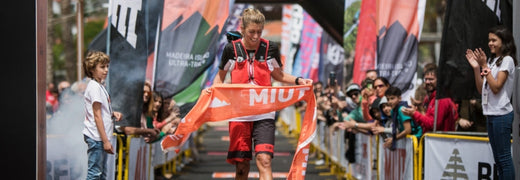
Known for her speed, mental grit, sense of humour and funky running shorts, Courtney Dauwalter is always exploring her limits through ultra running. The Suunto ambassador lives in Golden, Colorado, and trains in the Rocky Mountains.
Time in the Rockies pays off; the former science teacher won the Ultra Trail Mont Blanc in 2019, placing 21st overall. The previous year she won the 100 mile Western States Endurance Run, finishing in 17h 27m – the second fastest time by a woman in the race’s history. The same year she stunned the ultra running community by coming second overall in the Big Backyard’s Ultra race, in which the goal is to run as many 6.7 km (4.167 mile) loops as possible. Courtney completed 67 laps and set the woman’s course record with a mind boggling 449.30 km (279.268 miles).
Raised in Hopkins, Minnesota, Courtney has loved running since her track and cross-country days in high school. She also excelled in Nordic skiing, winning the Minnesota state championships four times in her teens. While her family wasn’t into hiking or camping, Courtney says they spent most of their time active outside. “I run because I love it,” she says. “The challenge of it, just moving yourself by foot for all those miles, all those hours.”
© Philipp Reiter
She is fascinated by the power of the mind to help her overcome adversity and achieve incredible things. Gaining a reputation in the racing scene for being a man beater, Courtney has an innate understanding of how to use her mind to work with all the highs, lows and pain of ultra running. “I find a lot of comfort in being uncomfortable,” she says. “I call it the pain cave. The thing I’m seeking in these ultras is to reach the entrance of the pain cave so I get to go in. It’s not a place I’m scared to enter. It’s a place I’m excited to find the entrance to.”
While she has an intuitive approach to training, Courtney uses her Suunto 9 to track all her runs. “If during the week I’m feeling really tired I can look at my workouts and analyze what is going on,” she says. “Then I can see, for example, ‘Oh, it makes sense you’re exhausted because look how much climbing you’ve packed into the last five days’. It also tells me when my last rest day was. It’s a great way to look back and then reflect and figure out what things I need to adjust a little bit.”
Follow Courtney on her awesome ultra adventures via her Instagram feed.
Lead images: © Philipp Reiter
Read more articles
Ultra champ Courtney Dauwalter’s 6 tips for mental strength
12 must-read running articles to boost performance
How to adapt your training when the unexpected strikes


Adapting to life in a time of pandemic
Across the world athletes and adventurers are being confined at home. This does not come naturally to us, but like skilful outdoors people who know how to handle any eventuality in the backcountry, this situation also presents us with an opportunity to adapt, grow, and learn.
That’s exactly what members of our Suunto community are doing. We reached out to a bunch of Suunto trail and ultra runners and asked how they are “making the best use of a bad bargain”. And it turns out there are some unexpected upsides
Johan in France uses his trainer to stay active.
Accept the disruption
Everyone we spoke to reported their goals for 2020 have been disrupted. Johan in Nice, France was looking forward to a cycling race and to hiking the famous GR20 trail across the spine of Corsica – the race has been cancelled and the hiking trip delayed. Joaquin in Spain is confined at home and all his plans have gone out the window.
“At first it took me a while to accept it, but after two weeks I am now quite well adapted,” Joaquin says. “I am aware that we have to overcome this together, and the best thing at the moment is social distancing and being confined at home so the virus doesn’t spread and affect more people worldwide.”
Take it one day at a time
The temptation for many of us at the moment is to worry about the future and to compulsively follow the news about each twist and turn in the battle against coronavirus. Giving in to this temptation saps us of energy and creates anxiety. Instead, it’s more helpful to relax and be in the moment.
Majo is living in Manila and is quarantined at home, and only permitted outside to pick up groceries and medical supplies. “Things may change in 24 hours so I’m just taking it one day at a time,” she says. “I’m trying to make myself productive and sane until we can come back to our ‘normal’ life. We can use this time to reflect on what’s important in life and how we will spend it well after all of these unexpected events.”
To pass the time, Joaquin follows a daily routine, including cooking and exercising. “We’re also playing a lot of old boardgames that I had forgotten about,” he says. “It is really is incredible to rediscover these and play them with my wife so the hours pass faster and our confinement is more enjoyable.”
Joaquin is using his balcony to good end!
Stay active
It’s important to acknowledge training indoors just isn’t the same as running in a forest or hills. Acknowledge, accept and then move on. All of our community is keeping active in one way or another. Fortunately for Tobias, he can still head out for runs in a nearby forest. Majo, on the other hand, is making the most of being confined indoors. “I’m doing strength and conditioning exercises such as high intensity bodyweight training or interval training with dumbbells, yoga and stair workouts for cardio,” she says. “I don't have much workout equipment so I’m making the most of what I have.”
Maja in Sweden is living in the countryside, which sounds idyllic, but actually involves a lot of work. "Our sheep will be having lambs any day,” she says. “We have 33 chickens waiting to crack out of their eggshells (9 days left now!), we need to take home and chop/stalk firewood for next winter, plant all the veggies we’re gonna grow this summer, do some renovations on and in the house. Plus, we have a one year old that doesn’t always want to do the things above!"
Learn new skills
Based in the German Alps, Tobias is using the downtime to create his own topographical maps for future climbing trips. Majo is doing an online course to prepare in case her country requires more health workers to respond to the pandemic. She’s also taking online cooking lessons. Johan has taken up meditation. “I decided to use this time to start things I’ve wanted to do or learn for years, but never had enough time for,” he says. “There are tons of websites which give free online stuff to learn new skills.”
Ryan has taken advantage of online communiation technology to build community. “One new item that I implemented three weeks ago is a virtual group run/walk for my colleagues,” he says. “Every Thursday at 5:00 PM, I host a virtual group run where colleagues run/walk with me as I lead everyone through a workout. It is a fun way to get outside by yourself and meet new people!”
Fortunate to live in the German Alps, Tobias is still allowed outside to exercise.
Get inspired
Joaquin in Spain says for him it’s important to set and achieve a daily goal everyday. Ryan in California takes it a step further and says now is a time to set longer term goals, too. “This is a great time to set fitness goals!” he says. “Let’s use this time to consider what we want to accomplish in 2020 and 2021? Make clear, actionable, and attainable goals this year, and find a way to make yourself accountable. Share your goals with friends, workout buddies, or prospective coaches in order to help you stay accountable. Just because you can’t be in-person with someone right now does not mean you should lose your fitness accountability!”
To stay inspired, Joaquin also looks out for community initiatives to help out. “A good source of inspiration and motivation for the community are the multiple solidarity initiatives that exist, for example in Spain last Saturday there was an initiative to raise funds for COVID-19 research where more than 7,300 athletes ran in their homes and raised almost € 83,000,” he says.
Maja is staying inspired by following other ahletes online. "A lot of athletes are doing live sessions and Q&As in social media channels so take the time to ask them questions, train with them and make plans for future adventures, " she says.
Look on the bright side
Every cloud has a silver lining, they say, and even though this pandemic is causing so much suffering it’s causing a few positive things, too. Humans evolved what scientists call “negativity bias”; the tendency to be more attuned to spotting problems and threats than seeing the positive. This helped our species survive when we were regularly under threat. Now, however, we can turn this around and learn to focus more on the positive.
“Even though my heart is really breaking seeing people and health workers get sick, die and starve because of this pandemic, a positive side of the quarantine for most parts of the world is less pollution and more healing time for the Earth,” Majo says. “Some families are spending more time together which is also priceless. We also get to realize we can live with less than the usual. Nevertheless, I am really hoping and praying desperately that this will end soon so we can get back to normal, whether that will be a new normal or not.”
Lead image: © AlpineFex
Read more articles
4 indoor workout tips for endurance athletes
How to adapt your training when the unexpected strikes
7 indoor training exercises to stay in shape
12 must-read running articles to booste performance

12 must-read running articles to boost performance
The beautiful thing about running is its simplicity and the fact there are always little things – technique, economy, strength, pace etc – to work on to get better. Even if you’re pushing 70, you can still improve. It’s a lifelong journey.
We’ve been talking to top runners and coaches for many years, and have learned a lot in the process. There are so many aspects to improving running performance. Some of it is mental, some physical, and some commonsense.
For new and experienced runners alike, we’ve selected 12 ‘best of’ articles based on the conversations we’ve had with athletes and coaches. With so many of us confined to our homes, now is a good time to kick back and learn about the finer points of running. The fresh insights you gain will prepare you for an awesome running season once restrictions have been lifted.
Photo by Brian Erickson on Unsplash
How to adapt your training when the unexpected strikes
This is timely for many of us who are confined at home to help slow the spread of the coronavirus. Races scheduled in spring and summer have been cancelled, and the entire race calendar is uncertain. We talked to pro running coach Michael Arend about how to respond to this situation. Click here to see his tips.
7 principles to help you find the flow
We all want to experience the famous runner’s high; that blissful flow state when time flies by, and everything feels easy. But they can be elusive. Mental Coach Markus Arjava shared 7 principles to follow to increase the likelihood you find the flow. Read the article here.
Photo by Gregory Pappas on Unsplash
Learn how sleep can make you a better runner
Runners, especially distance runners, often expect a lot from themselves. We can get focused on our running volume, time on our feet, and all the other stats. They’re important, but can obscure the big picture; performance is a consequence of many things, including having quality time with your friends and family, diet, and of course getting plenty of sleep. Sleep doctor Henri Tuomilehto shared 6 tips to make sure you are getting good shut eye. Read more here.
Tracking cadence, heart rate and pace while running
Having the ability to track yourself while out on a run helps to improve performance. We talk to a coach about how to do this well to ensure you are training and racing intelligently. Get the lowdown here.
Photo by kike vega on Unsplash
Emelie Forsberg’s top 7 yoga poses for runners
To benefit from yoga asanas (postures) you don’t need to start believing in eastern spirituality. Physical yoga, practiced regularly, is just a great way to maintain and improve your mobility, muscle tone, fascial health and breathing. Emelie Forsberg is a trained yoga teacher and practices yoga daily. In this article, she demonstrates her 7 favorite yoga poses.
8 essential running form drills
Doing these 8 drills regularly will help to improve your running technique and economy. Sloppy technique leads to a loss of momentum and energy, making running more arduous. We talk to an XTERRA world champion and science driven endurance coach about how with a little effort you can tighten up your running form. Read it here.
© Graeme Murray / Red Bull Content Pool
7 tips for running in hot weather
Ryan Sandes has run ultras in deserts across the planet. In this article, he explains how to lower your core temperature when you’re out running on intense summer days.
Four myths about ultra running you need to know
There are a lot of assumptions about what it takes to run an ultra marathon. These often mistaken assumptions can discourage us from taking on what can be an incredibly transformative challenge. Ultra marathon coach Jason Koop sets us straight about the four common myths surrounding this sport, and why to give one a go.
© Craig Kolesky / Red Bull Content Pool
Fuelling the engine: 6 principles of nutrition for athletes
We spoke to six athletes and two coaches for our “fuelling the engine” series, and heard a variety of perspectives on eating well. We reviewed all the articles and found six principles they all agreed on. Read on to make sure you’re fuelling the engine well.
How to bring mindfulness to the trail
Mindfulness is being in the here and now. It’s nothing special, just present moment awareness, which in our attention economy can seem weirdly exotic. Mindfulness helps runners to develop a mind-body connection, says South African trail runner and coach Meg MacKenzie. It helps us tune in to what’s going on moment by moment, day by day. Read about Meg’s approach here.
7 tips to go the (ultra) distance
Who better to talk to about running an ultra marathon than Ryan Sandes, who recently ran the Great Himalayan Trail for goodness sake? His tips can equally be applied to training for a 30 km race as an ultra.
Intro to distance running technique
In this article, our science driven coach gets more specific than in the article above, and talks proper running form for distance. Working on these aspects of your running technique once or twice a week can pay dividends over time.
Lead images:
© Wayne Reiche / Red Bull Content Pool
© Kevin Sawyer / Red Bull Content Pool
© Graeme Murray / Red Bull Content Pool


4 indoor workout tips for endurance athletes
Endurance athletes aren’t built for the indoors. Heading out, exploring new trails, hills, and rides, while pushing our limits, is what makes us tick. Training indoors does, however, allow us to work on some of the finer points of our game, things we can’t address out on rides, runs or in the pool.
This time of pandemic, when we are being asked to stay at home, gives us an opportunity to tune up our bodies in ways we usually don’t make time for in ordinary times. If we train smart at home, then when the restrictions life we will be 100% ready to dive into our outdoor training.
To give all you distance runners and triathletes confined indoors at the moment some inspiration, we talked to ultra runner Lucy Bartholomew, and triathletes Cody Beals and Mel Hauschildt about what they’re working on at home. They all had one thing in common: CORE WORK!
Face your core
There are no more excuses. “The time to lay that foundation and build a strong trunk has been forced on you!” Lucy says. “I love to do 15 to 30 minutes of core exercises, yoga and stretching and just more mat work and functional stuff. It doesn’t give you the sweat of a good run, but will certainly make that next run feel even more amazing.” Press play on the video above and join Lucy in one of her favorite core workouts!
Hit spin mode
If you have a training bike at home, put it on easy spin and pedal an hour or two away while watching your favourite Netflix series. “One of the sessions I do most often at home is an easy spin on the trainer while getting other work done,” Cody says. “I have my laptop in front of me and pass the time reading, researching, writing and emailing. I get some of my most focused work and creative thinking done on the trainer and the time flies!”
TRX and flex
Mel Hauschildt has a dedicated training room because working out there helps her to avoid distractions. She has a newborn baby, Dakota, who lies beside her while she, Mel, trains on her Kickr. “TRX cords are also very useful in working on endurance while stuck indoors,” Mel says. For inspiration, watch the video above, which shows how runners can use a TRX band.
Build power
Being confined indoors is no reason to stop training endurance fitness. Even if you don’t have a training bike or treadmill, there’s plenty you can do to build explosive power and maintain cardiovascular fitness. “You can do things like skipping outside, driveway sprints, jumping up stairs or DIY box jumps,” Lucy says. “Endurance is built for maintaining something for a longer duration of time so anything you do like star jumps, squats, burpees all build your cardio!” Need a challenge? Then press play above and join this skip rope endurance workout!
Read more articles
7 recover tips for immune fitness
How to adapt your training when the unexpected strikes
7 indoor training exercises to stay in shape


ランナー向け室内トレーニング7選|自宅でできる筋力・体幹メニュー
ランニングのためのトレーニングは、走ることだけではありません。脚、臀部、体幹を支える筋力や関節を動かせる範囲を整えることも、安定した動きを続けるための土台になります。
自宅で行う室内トレーニングなら、雨や暑さで外へ出にくい日や、短時間しか取れない日にも取り入れられます。広いスペースや特別な器具がなくても始められます。
この記事では、ランナーが自宅で取り組みやすい7つの筋力・体幹・モビリティ種目と、初心者向けの組み合わせ方、安全に続けるポイントを紹介します。
目次
ランナーが室内トレーニングを行うメリット
始める前の準備
1. モビリティ
2. スクワット
3. リバースランジ
4. グルートブリッジ
5. カーフレイズ
6. デッドバグ
7. 縄跳び・その場足踏み
初心者向け15分メニュー
頻度とランニングとの組み合わせ方
Suuntoで室内運動を記録する
よくある質問
まとめ
ランナーが室内トレーニングを行うメリット
ランニングは同じ動きを繰り返す運動です。走る練習だけでは刺激しにくい動きや筋肉へ取り組むことで、姿勢や着地を支える土台を整えられます。
脚と臀部の筋力を補う
体幹を安定させる練習ができる
股関節や足首などの動きを確認できる
天候に左右されず短時間で実施できる
弱点や左右差に意識を向けやすい
ただし、補強トレーニングはランニングの代わりに距離を稼ぐものではありません。走る練習、回復、補強を目的に応じて組み合わせます。
始める前の準備
滑りにくく、手足を伸ばせるスペースを確保する
床の障害物を片づけ、必要に応じてマットを敷く
最初に数分間、その場歩きや軽い関節運動を行う
回数よりも、痛みなく安定したフォームを優先する
ジャンプを行う場合は、階下への音や床の状態も確認する
初心者は各種目を少ない回数から試します。動作中に痛み、めまい、強い息苦しさなどが出た場合は中止してください。
1. モビリティ|股関節と背中を動かす
元記事でウルトラランナーのライアン・サンデスが重視しているのが、モビリティと筋力トレーニングです。室内では、走る前後や休養日に、股関節や胸椎を無理のない範囲で動かせます。
やり方
四つ這いになり、手を肩の下、膝を腰の下へ置く
片手を頭の横へ添える
息を吐きながら肘を反対側の腕へ近づける
息を吸いながら胸を開き、肘を天井方向へ向ける
左右5〜8回を目安に、ゆっくり繰り返す
腰を大きくひねるのではなく、痛みのない範囲で背中と胸の動きを感じます。
2. スクワット|脚と臀部をまとめて使う
スクワットは、臀部、太もも、体幹を連動させる基本的な動きです。最初は椅子を目印にすると深さを調整しやすくなります。
やり方
足を腰幅から肩幅程度に開く
胸を無理に張らず、背中を自然に保つ
椅子へ座るように、腰を後ろへ下げる
膝とつま先が大きく異なる方向を向かないようにする
足裏で床を押し、立ち上がる
8〜12回を1〜3セットの目安とし、まずは安定してできる回数から始めます。
3. リバースランジ|片脚で身体を支える
ランニングでは左右の脚へ交互に体重がかかります。後方へ足を引くリバースランジは、片脚で身体を支える練習として取り入れやすい種目です。
やり方
足を腰幅程度にして立つ
片足を後ろへ引き、前脚へ体重を乗せる
上体を安定させながら、両膝を曲げる
前脚で床を押し、元の位置へ戻る
左右各6〜10回を繰り返す
バランスが不安定な場合は、壁や椅子へ軽く手を添えます。膝や股関節に痛みが出ない深さへ調整してください。
4. グルートブリッジ|臀部を意識する
仰向けで行うグルートブリッジは、臀部と体幹を意識しやすい種目です。
やり方
仰向けになり、両膝を曲げて足裏を床へ置く
足を腰幅程度に開く
腹部へ軽く力を入れ、臀部を使って腰を持ち上げる
肩から膝が自然な線になる位置で止める
腰を反らしすぎず、ゆっくり下ろす
10〜15回を1〜3セットの目安にします。腰ではなく臀部を使っているか確認しましょう。
5. カーフレイズ|ふくらはぎと足首を鍛える
カーフレイズは、かかとを上げ下げしてふくらはぎを使うシンプルな種目です。壁や椅子の近くで行うと安全です。
やり方
足を腰幅程度にして立ち、必要に応じて壁へ手を添える
足の指だけへ偏らないよう、前足部全体で床を押す
かかとをゆっくり持ち上げる
上で一度止まり、ゆっくり下ろす
10〜15回から始めます。慣れてから片脚に変える場合も、まず安定性を優先してください。
6. デッドバグ|手脚を動かしながら体幹を安定させる
デッドバグは、仰向けで手脚を動かしながら、胴体を安定させる練習です。
やり方
仰向けになり、両腕を天井へ向ける
膝と股関節を無理のない範囲で曲げる
腹部へ軽く力を入れ、腰が大きく反らない位置を保つ
対角の腕と脚をゆっくり遠ざける
元へ戻し、反対側も行う
左右各5〜8回を目安にします。腰が反る場合は、腕だけ・脚だけに分けるか、動かす範囲を小さくしてください。
7. 縄跳び・その場足踏み|室内で心拍数を上げる
元記事では、持久力を刺激する室内運動として縄跳びが紹介されています。縄跳びは短時間でも強度が上がりやすいため、初めて行う場合は短い時間から始めます。
取り入れ方
縄跳び:20〜30秒跳び、30〜60秒休む。最初は3〜5回を目安にする
ロープなしの軽いジャンプ:小さな動きで静かに着地する
その場足踏み:ジャンプが難しい場合の低衝撃な選択肢
足、膝、アキレス腱などに不安がある場合や、階下への影響がある場合は、その場足踏みを選びましょう。
初心者向け15分メニュー
各種目を完璧にこなすより、無理なく続けられる構成から始めます。
準備運動 3分:その場歩きと軽い関節運動
モビリティ 2分:左右をゆっくり行う
スクワット 8〜10回
リバースランジ 左右各6回
グルートブリッジ 10回
カーフレイズ 12回
デッドバグ 左右各5回
その場足踏み 1〜2分
余裕があれば2周します。フォームが崩れる場合は、回数や種目数を減らしてください。
頻度とランニングとの組み合わせ方
最初は週1〜2回、10〜20分程度から始めると、ランニングとのバランスを確認しやすくなります。新しい筋力トレーニングの直後は筋肉痛が出る場合があるため、重要なポイント練習やレース直前に急に多く取り入れないようにします。
タイミング
取り入れ方の例
イージーラン後
短い筋力・体幹メニューを追加する
走らない日
軽いモビリティを中心に行う
雨や暑さが厳しい日
補強メニューを行い、走行距離の埋め合わせはしない
レース前
新しい種目や強い筋肉痛が残る負荷を避ける
疲労が強い日は、予定どおり行うことより回復を優先します。
▶︎休息とトレーニング適応については「トレーニング後の回復とは?身体が適応して強くなる仕組み」をご覧ください。
Suuntoで室内運動を記録する
Suunto Runは、ランニングと日々のトレーニングを軽量なウォッチで記録したい人の選択肢です。
Suunto Race Sは、コンパクトなサイズでランニングから複数のスポーツまで記録したい人に適しています。
Suunto Race 2は、大きなAMOLEDディスプレイでトレーニングデータを確認し、ランニングと補強を含む持久系トレーニングへ取り組みたい人の選択肢です。
対応するスポーツモードや記録項目は、モデルやソフトウェアのバージョンによって異なる場合があります。室内運動では、筋力トレーニング、サーキットトレーニングなど、目的に近いスポーツモードを選びましょう。
▶︎表示項目の変更は「Suuntoアプリでスポーツモードをカスタマイズする方法」で解説しています。
よくある質問
筋トレをするとランニングが遅くなりませんか?
筋肉痛や疲労が強い状態では、短期的に走りづらくなる場合があります。少ない量から始め、重要なランニング練習との間隔を調整してください。
毎日行ってもよいですか?
同じ筋肉へ強い負荷を毎日かける必要はありません。軽いモビリティと筋力トレーニングを分けるなど、内容と疲労に合わせて休養日を設けましょう。
器具は必要ですか?
今回紹介した種目は基本的に自重で実施できます。負荷を増やす場合も、先にフォームと回数を安定させてから検討してください。
痛みがあるときも補強すべきですか?
痛みの原因を自己判断して負荷を加えないでください。運動を中止し、痛みが続く場合や日常動作へ影響する場合は、医療専門家へ相談しましょう。
まとめ|短い室内トレーニングを継続する
室内トレーニングでは、ランニングを支える脚、臀部、体幹の筋力やモビリティへ取り組めます。広い場所や特別な器具がなくても、10〜15分のメニューから始められます。
回数や強度を競わず、安定したフォームと継続を優先しましょう。ランニングの負荷と回復状態を見ながら週1〜2回から試し、自分の課題に合う種目を残していくことがポイントです。
屋外でも室内でも、トレーニングを記録しよう
Suuntoウォッチでランニングと補強トレーニングを記録し、自分に合った習慣をつくりましょう。
ランニングウォッチを見る


トレーニング計画を変更するときの調整法|疲労・悪天候・予定変更への対応
トレーニングは、いつも予定どおりに進むとは限りません。疲労が抜けない、痛みがある、仕事や家庭の予定が入った、猛暑や悪天候で屋外を走れない、目標レースが延期になった——そんなときに大切なのは、できなかったメニューを無理に取り戻すことではなく、その時点の状態に合わせて計画を組み直すことです。
予定変更は失敗ではありません。長くトレーニングを続けるために必要な調整です。この記事では、今日のメニューを「そのまま実施する・軽くする・別の運動に変える・休む」のどれにするか、Suuntoのデータも活用しながら判断する方法を解説します。
目次
まず「実施・軽減・変更・休養」を選ぶ
Suuntoのデータで今日の状態を確認する
1回のトレーニングをどう調整するか
中断期間に合わせて計画を組み直す
レース延期・目標変更に対応する
Suuntoアプリで計画を作り直す
予定変更時に避けたいこと
まとめ
まず「実施・軽減・変更・休養」を選ぶ
予定していたメニューを始める前に、現在の状態を次の4つに分けて考えると判断しやすくなります。
選択
状態の目安
調整例
実施する
体調が安定し、睡眠や回復感にも大きな問題がない
予定メニューを行い、運動中の感覚も確認する
軽くする
強い疲労感、睡眠不足、数日続く回復指標の低下などがある
インターバルをイージーランへ変更する、時間や本数を減らす
変更する
身体は動かせるが、暑さ・雷・積雪・時間不足などで予定メニューが適さない
室内ラン、バイク、筋力トレーニング、短時間メニューへ変更する
休む
発熱、胸部症状、息苦しさ、鋭い痛み、悪化する痛み、強い体調不良がある
運動を中止して回復を優先し、必要に応じて医療機関へ相談する
大切なのは、ひとつの数値だけで決めないこと。ウォッチやアプリのデータに加え、痛み、だるさ、睡眠、気分、運動を始めたときの感覚を合わせて判断します。健康上の不安がある場合、ウォッチのデータを診断の代わりに使用しないでください。
Suuntoのデータで今日の状態を確認する
Suunto Race 2をはじめとする対応モデルとSuuntoアプリでは、日々の回復状態とトレーニング負荷を複数の角度から確認できます。見るべきポイントは「今日の数値が良いか悪いか」だけではなく、自分の通常値や直近数週間の流れから外れていないかです。
HRVは1日ではなく傾向を見る
HRV(心拍変動)は、心拍と心拍の間隔に生じるわずかな変化です。対応モデルでは睡眠中のHRVを記録し、自分の基準範囲との関係を確認できます。単日の低下だけで予定を中止するのではなく、睡眠不足や強い疲労感とともに数日続いているかを見ましょう。詳しい読み方は「HRVで回復状態を確認する方法」で解説しています。
Training Zoneで負荷の偏りを確認する
SuuntoアプリのTraining Zoneでは、今週のトレーニング負荷を過去6週間の平均と比較できます。日別・スポーツ別の内訳も確認できるため、「今週はすでに高強度が多い」「最近はランニングだけに偏っている」といった状況を把握するのに役立ちます。
CTL(長期トレーニング負荷):長期的なフィットネスの変化を見る指標
ATL(短期トレーニング負荷):直近のトレーニングによる負荷の大きさを見る指標
TSB(トレーニングストレスバランス):長期的な負荷と短期的な負荷の関係から、現在のバランスを見る指標
これらは計画を考えるための材料であり、単独で「練習してよい/いけない」を判定するものではありません。数値の意味と確認方法は「トレーニング負荷と進捗を確認する方法」も参考にしてください。
同じ練習の変化と主観を照らし合わせる
同じコースや似た条件のランニングを比較し、同じペースで心拍数が下がっている、同程度の心拍数でペースが上がっている、といった変化があれば、トレーニングが順調に進んでいる可能性があります。一方、普段より心拍数が高く、体感もきつい状態が続くなら、負荷を下げる判断材料になります。気温、標高、路面、風などでも数値は変わるため、条件の違いも含めて見ましょう。
1回のトレーニングをどう調整するか
予定していた1回の練習ができない場合、すべてを翌日以降へ詰め込む必要はありません。重要度と疲労への影響を考えて、移動するか、軽くするか、省略するかを決めます。
インターバルやテンポ走ができない
体調に問題がなく、単に時間が取れない場合は、別の日へ移すか、ウォームアップとクールダウンを確保したうえで本数や時間を減らします。ただし、翌日にロングランなど負荷の高いメニューがあるなら、高強度の日を連続させないよう週全体を見直しましょう。疲労が理由なら、その日はイージーランまたは休養へ切り替えます。
イージーランができない
1回のイージーランを休んでも、失った距離を後日まとめて走る必要はありません。週の合計距離だけを合わせようとすると、残りの日に負荷が集中します。翌日から通常の計画へ戻れるなら、そのまま省略することも有効な選択です。
ロングランの時間が取れない
短いイージーランへ変更するか、週内の別日に移します。2回に分けて走る方法も総運動量を確保する選択肢ですが、連続して長く動くロングランと同じ刺激にはなりません。レースまでの期間と、その週に最も優先したい目的を考えて選びましょう。
猛暑や悪天候で屋外を走れない
時間帯を変更する、トレッドミルや室内バイクを使う、筋力トレーニングへ変更する方法があります。雷、台風、危険な暑さなど、安全に関わる条件では予定の消化を優先しないでください。「Suuntoウォッチで天気を確認する方法」も、屋外へ出る前の判断に役立ちます。
中断期間に合わせて計画を組み直す
調整方法は、予定が崩れる期間によって変わります。
1〜3日:取り戻そうとせず、流れを戻す
数日の中断であれば、休んだ分を詰め込まず、体調を確認しながら元の流れへ戻します。最初の1回を軽めにして、痛みや異常な疲労がないか確認してから通常メニューへ戻ると安全です。
1〜4週間:負荷を段階的に戻す
病気、けが、繁忙期などで継続的に練習量が落ちた場合、以前の週間距離や強度へ一気に戻さないことが大切です。まず無理なく続けられる頻度と時間を決め、低強度の運動を中心に再開します。その後、身体の反応を見ながら時間、頻度、強度を段階的に戻します。
8週間以上:新しいトレーニングブロックとして考える
目標まで長い期間があるなら、無理にピークの状態を維持し続けるのではなく、基礎持久力、筋力、フォーム、弱点の改善に重点を置く期間として活用できます。ランニングだけに偏っていた人は、補強運動や異なるスポーツを取り入れるよい機会です。
筋力を補いたい場合は「ランナーにおすすめの筋トレ12選」、屋内で運動を続けたい場合は「室内トレーニング7選」も参考にしてください。
レース延期・目標変更に対応する
目標レースが延期・中止になったときは、「現在のピークをいつまでも維持する」ことを目指すより、新しい日程から逆算して計画を作り直すほうが現実的です。
新しい目標日を決める:代替レースや個人チャレンジなど、次の区切りを設定します。
現在地を確認する:直近のTraining Zone、週間の運動時間、ロングラン、高強度練習の実施状況を確認します。
目標までの期間で重点を変える:時間が十分にあれば基礎作りへ戻り、短ければ筋力やスピードなど限定したテーマに取り組みます。
Plan Bを用意する:本命レースと似た距離や累積標高の安全なルート、短いレース、記録会など、状況に応じて選べる代替目標を考えます。
代替目標は本命とまったく同じでなくても構いません。モチベーションを保ちながら、次の本命へつながる内容であることが重要です。公道や山岳ルートで個人チャレンジを行う場合は、天候、交通、施設の規則、入山ルール、補給や緊急時の連絡手段を必ず確認してください。
Suuntoアプリで計画を作り直す
予定を変更したら、頭の中だけで調整せず、Suuntoアプリ側の計画も更新しておくと実行しやすくなります。
1. Training Zoneで直近の負荷を確認する
今週の負荷を過去6週間と比較し、高強度の日が連続していないか、急に負荷が増えていないかを確認します。Suunto Coachの提案も参考にしながら、数値だけでなく体調や生活予定を含めて次の1週間を考えます。
2. インターバルワークアウトを作り直す
Suuntoアプリでは、ウォームアップ、インターバル、リカバリー、クールダウンなどのフェーズを組み合わせたインターバルワークアウトを作成できます。各フェーズには時間または距離と、心拍数・ペース・パワーなどの目標を設定できます。
作成からウォッチへの同期、運動開始時の選択までの詳しい手順は「Suuntoアプリでインターバルワークアウトを作成する方法」で紹介しています。
短時間版を別に作っておけば、予定が変わった日にも目的を保ったまま調整できます。画面名や操作手順、対応する目標項目は、アプリやウォッチのソフトウェア、モデルによって異なる場合があります。また、インターバルワークアウトと別のSuuntoPlusガイド/SuuntoPlusスポーツアプリを、同じ運動で同時に使用できない場合があります。
3. 週末に計画と実績を見直す
予定どおりできなかった回数だけを見るのではなく、実際に行った低強度・高強度・筋力・休養のバランスを確認します。計画との差を翌週にすべて持ち越さず、現在の体調と目標までの期間に合う内容へ更新しましょう。
予定変更時に避けたいこと
休んだ距離を翌週にすべて上乗せする:急な負荷増加につながります。
高強度メニューを連日行う:移動したメニュー同士が近づきすぎていないか確認します。
単日のHRVや1つの指標だけで判断する:自分の傾向、睡眠、疲労感、痛みを合わせて見ます。
悪天候でも計画を優先する:屋外活動では、安全がトレーニング計画より優先です。
休養を「何もしなかった日」と考える:回復もトレーニングを継続するための一部です。
まとめ
予定どおり走れないときは、できなかった練習を取り返すのではなく、まず「実施・軽減・変更・休養」のどれが適切かを選びます。SuuntoのHRV、Training Zone、トレーニング負荷、過去の運動記録は判断材料になりますが、最終的には体調、痛み、睡眠、生活予定、天候も含めて考えることが大切です。
1回の変更でフィットネスが失われるわけではありません。計画を柔軟に更新し、長く継続できる状態を守ることが、次の目標へ近づくための確かな一歩になります。
日々のトレーニングと回復をSuuntoで確認
目標やスポーツスタイルに合うSuuntoウォッチを見つけて、トレーニングの記録と振り返りに活用しましょう。
Suuntoスポーツウォッチを見る


