




SUUNTOブログ


7 recovery tips for immune fitness
Spend more time taking it all in and savouring life. Photo by Simon Migaj on Unsplash
Recovery and training are like yin and yang. If you’re laying around too much, you won’t be making the necessary gains to reach your goals. If you’re training too much, you won’t give your body the downtime it needs to recover and adapt. The sweet spot is somewhere in the middle.
It’s not uncommon for athletes to lean more towards the overtraining end of the spectrum, and one of the risks of overtraining is a weakened immune system. Signs of overtraining include, for example, feeling tired or heavy all the time, feeling irritable, or having regular illnesses.
This is why our mantra should be, “recovery is as important as training”. These seven tips and articles will help you stay in balance and care for your immune system.
Avoid tunnel vision
It’s important, and sometimes challenging, with training not to get so focused on our goals that we develop tunnel vision; so locked into our training schedule that we lose sight of the big picture, and all the little cues we might need to rest. It’s important to step back once and while, consult your loved ones or people you trust, and consider how you’re doing and what your body and mind need.
Suunto athlete Ryan Sandes knows all about this. He battled a long period of illness and eventually returned to top form after allowing himself to rest and recover fully. We talked to him about the experience and he shared tell tale signs when you need to back off.
7 signs you're pushing too hard
Get more sleep
Working full time, it’s all too easy to burn the candle at both ends; early mornings, long working days, and late nights. It’s not uncommon to have a string of nights where we sleep for only six or seven hours. And on top of that we expect ourselves to train. It’s a lot!
Sleep doctor Henri Tuomilehto told us when we don’t get enough sleep our health will gradually deteriorate. He recommends trying to sleep an extra 30 to 60 minutes a night. “When times are tough you have to respect rest and recovery,” he says. “That is the only way you can stay balanced. Sleeping well is essential for this.”
Learn how sleep can make you a better runner
Breathe well
Science has shown how breathing well has many health benefits. And crucially, one of those benefits is it helps to reduce stress. Chronic stress takes a terrible toll on the immune system. Over time it weakens it, making us more susceptible to illness.
Mike Maric, a former pro freediver, teaches athletes how to breathe better. He says many people have no idea about their own breathing patterns and often breath from the chest, rather than more deeply. “We need to breathe not with the chest, but with the diaphragm,” he explains. “But you need to practice regularly – the basics, about eight minutes each day.”
Is the ultimate cross-training breathing?
Practice yoga
© Matti Bernitz / Suunto
A gentle yoga practice stimulates the parasympathetic nervous system – the rest and digest side of the nervous system – reducing the volume of stress hormones that weaken the immune system. It also feels amazing physically!
Suunto ambassador Emelie Forsberg practices yoga every morning because it helps her tune into her body. “It allows me to tune into how the muscles are feeling, where the tender spots are, what needs attention,” she says. “It gives me the sensitivity to be able to listen to the body.”
Emelie Forsberg’s top 7 yoga poses for runners
Eat well
© Craig Kolesky / Red Bull Content Pool
Our food choices are indicative of how we’re doing as individuals. When we feel stressed and hectic, it’s often the case that we make poor food choices. Eating nutritious food is essential for good health and a strong immune system. And once in a while it’s great to really examine how you are eating, and put a lot of love and time into preparing amazing meals.
We talked to our ambassador and athletes about how they eat, and found six principles they all share, despite having different approaches to food. “As an athlete it’s very easy to slip into taking lots of recovery shakes to try to get the goodness back into your body,” ultra runner Ryan Sandes says. “But I don’t think you can replace eating good whole foods.”
Fuelling the engine: six principles of nutrition for athletes
Walk regularly
Like with breathing and yoga, science has shown the many health benefits walking regularly gives us, including boosting immune function. Taking a leisurely stroll through a park is incredibly relaxing for body and mind. Relaxation is key for immune system health.
To build the walking habit, decide on a distance or amount of time that you can easily walk each day, and over time gradually increase it.
How to walk your way to good health
Find your ‘being mode’
One of the reasons for a weakened immune system is we are constantly in what the mindfulness tradition calls “doing mode”; trying to achieve, get things done, and problem solve. While this mode is natural to an extent, we also need to spend time in “being mode”; when we just enjoy being without any aims. Maybe for some of us that is reading a good book, listening to music, and for others lying around on the beach doing nothing.
Mindfulness can help us tune into our behavioural patterns so we can be more responsive and make better decisions that avoid overwhelm. “Listen to your body and really try to get a mind-body connection going because that’s the most important connection you can have,” says South African mindfulness coach and trail runner Meg MacKenzie. “Pushing through isn’t always the best option.”
How to bring mindfulness to the trail
Lead images:
Photo by Fezbot2000 on Unsplash
Photo by Tower Paddle Boards on Unsplash
Read more articles
The benefits of the long run and how to do it right
7 tips for running in hot weather
7 principles to help you find the flow


サイクリングのNP・IF・TSSとは?パワートレーニング指標の見方
サイクリングのパワーデータには、平均パワーだけでなく「NP」「IF」「TSS」という指標があります。数値を記録していても、それぞれの違いやトレーニングへの生かし方が分からない方もいるでしょう。
NPは出力変動を考慮した運動強度、IFは自分のFTP(機能的作業閾値パワー)に対する相対的な強度、TSSは運動時間と強度を組み合わせたトレーニング負荷を示します。3つを一緒に見ると、ライドが身体に与えた負荷を平均パワーだけで判断するよりも立体的に捉えられます。
上りや加減速の多いライドでは出力が変化するため、平均パワーに加えてNP・IF・TSSを見ると負荷を捉えやすくなります。Photo: Lian van Leeuwen / Atlas Mountain Race
目次
サイクリングのNP・IF・TSSとは
NP(Normalized Power)とは
IF(Intensity Factor)とは
TSS(Training Stress Score)とは
NP・IF・TSSの組み合わせ方
SuuntoでNP・IF・TSSを活用する方法
パワートレーニングで注意したいこと
まとめ
サイクリングのNP・IF・TSSとは
NP・IF・TSSは、パワーメーターで計測した出力をトレーニングに活用するための代表的な指標です。役割は次のように異なります。
指標
示すもの
主な使い方
NP
出力変動を考慮した実質的な運動強度
平均パワーでは見えにくい負荷を把握する
IF
FTPに対する相対的な強度
目的に合う強度で走れたか確認する
TSS
運動時間と強度を合わせた負荷
回復や週間トレーニングを計画する
心拍数とパワーの違い
心拍数は気温、疲労、脱水、カフェインなどの影響を受け、運動強度の変化に対して反応が遅れることがあります。一方、パワーはペダルを踏んだときの仕事率をワットで捉えるため、短い上りやインターバルの変化もすぐに確認できます。
どちらか一方だけで判断する必要はありません。パワーで外的な出力を、心拍数や主観的運動強度で身体の反応を確認すると、その日のコンディションも含めて判断しやすくなります。
NP・IF・TSSの計算に必要なFTP
FTPは、一定時間にわたって維持できるパワーの目安で、IFやTSSを計算する基準になります。FTPの設定が実力より高すぎるとIFやTSSは低く、低すぎると高く表示されやすくなります。定期的にテストを行い、現在の状態に合う値へ更新することが大切です。
NP(Normalized Power)とは
NP(Normalized Power/標準化パワー)は、ライド中のパワー変動が身体へ与える影響を考慮し、一定出力で走った場合に相当する強度を推定した指標です。
路面や勾配に応じて出力が変わるグラベルライドでは、平均パワーとNPに差が生まれることがあります。Photo: Nordic Gravel Series
NPと平均パワーの違い
平均パワーは、走行中の出力を単純に平均した値です。下りやコーナーでペダリングを止める時間が多いと低くなりますが、その前後で強く踏んだ負荷までは十分に表せない場合があります。
たとえば、信号やコーナーが多く加減速を繰り返すライドと、平坦路を一定出力で走るライドでは、平均パワーが同じでも身体への負荷が同じとは限りません。出力の上下が大きいほど、NPが平均パワーを上回りやすくなります。
NPからペーシングの安定性を読み取る
NPと平均パワーの差が小さければ、比較的一定した出力で走れたと考えられます。差が大きい場合は、上りやアタック、ストップ&ゴーなどで出力変動が大きかった可能性があります。ただし、コースやトレーニング目的によって適切な変動幅は異なるため、差の大小だけで良し悪しを決めないようにしましょう。
IF(Intensity Factor)とは
IF(Intensity Factor/強度係数)は、NPをFTPで割った値です。自分の能力を基準に、そのライドがどの程度の強度だったかを示します。
たとえばNPが210W、FTPが280Wなら、IFは0.75です。同じ210WでもFTPが300WになればIFは0.70となり、体力の向上によって相対的な負担が下がったことが分かります。
IFの数値をトレーニング強度の目安にする
IFが1.00なら、設定したFTPと同程度の強度を示します。1.00を超える値は短時間の高強度運動では起こり得ますが、長時間維持できる値ではありません。回復走、持久走、テンポ走、レースでは想定されるIFが異なるため、運動時間とセットで評価してください。
IFが実感と合わないときはFTPを確認する
楽に走ったのにIFが高い、限界に近いのにIFが低いと感じる場合は、FTPやパワーゾーンの設定を確認しましょう。疲労や体調、パワーメーターの校正状態も数値へ影響するため、1回の結果だけでFTPを変更せず、複数回の記録と体感を照らし合わせます。
TSS(Training Stress Score)とは
TSS(Training Stress Score)は、運動の強度と時間を組み合わせてトレーニング負荷を数値化する指標です。FTP相当の強度で1時間運動した場合が、おおむね100 TSSの基準になります。
短時間の高強度と長時間の低強度を比較できる
TSSは強度だけでなく時間も考慮します。そのため、短い高強度ライドと長い低強度ライドが同程度のTSSになることもあります。ただし、同じTSSでも身体への刺激や疲労の種類は同じではありません。TSSは負荷量の目安として使い、運動内容や主観的な疲労も確認しましょう。
TSSを回復と週間計画に活用する
各ライドのTSSを継続して記録すると、週ごとの負荷が急増していないか、負荷の高い日が連続していないかを確認できます。高いTSSを記録した翌日は、疲労感、睡眠、安静時心拍なども見ながら、休養や軽い運動を選びます。
TSSやhrTSSの違い、長期的なトレーニング負荷の考え方は「TSSとhrTSSの違い|トレーニング負荷を測る方法」も参考にしてください。
NP・IF・TSSの組み合わせ方
3つの指標は、次の順番で見ると理解しやすくなります。
NPで実質的な強度を確認する:出力変動を含め、どの程度の強度だったかを把握します。
IFで自分に対する相対強度を確認する:設定したFTPに対して、狙った強度で走れたかを見ます。
TSSでセッション全体の負荷を確認する:強度と時間を合わせ、回復や次の練習を考えます。
一定走ではNPと平均パワーの差を見る
持久走やタイムトライアルなど一定出力を目指す日は、平均パワーとNPの差を確認します。想定より差が大きければ、上りで踏みすぎた、下りで出力が抜けたなど、ペーシングを見直す材料になります。
インターバルではNPだけで評価しない
高強度と回復を繰り返すインターバルでは、全体のNPやIFだけで各セットの達成度を判断できません。ラップごとの平均パワー、時間、心拍数、主観的運動強度も合わせて確認しましょう。
SuuntoでNP・IF・TSSを活用する方法
対応するSuuntoウォッチでは、SuuntoPlusスポーツアプリ「TrainingPeaks - Cycling Power」を利用し、NP・IF・TSSを運動中に確認できます。対応状況や画面、追加方法はウォッチのモデルとソフトウェアバージョンによって異なるため、Suuntoアプリ内のSuuntoPlusストアで最新情報を確認してください。
TrainingPeaks Cycling Powerでは、サイクリング中のNP・IF・TSSをリアルタイムで確認できます。
サイクリング用パワーゾーンを設定する
運動前に、サイクリングのパワーゾーンとFTPに相当する閾値を現在の状態に合わせます。Suuntoではゾーン4とゾーン5の境界が無酸素性閾値の基準になります。ウォッチやアプリの表示に沿って設定し、TrainingPeaksも使用する場合は両方の閾値をそろえておくと比較しやすくなります。
パワーメーターを接続して動作を確認する
ウォッチと互換性のあるサイクリング用パワーメーターをペアリングし、運動開始前にパワー値が表示されることを確認します。初めて使う場合や機器を変更した場合は、各メーカーの案内に従って校正やゼロオフセットを行ってください。
運動中と運動後で見る指標を分ける
運動中はNPやIFで強度の上げすぎを確認し、TSSで負荷の蓄積を把握します。運動後はSuuntoアプリで記録を振り返り、コース、パワー、心拍数、時間と一緒に分析しましょう。TrainingPeaksと接続している場合は、同期後に計画と実績を比較できます。
パワートレーニングで注意したいこと
NP・IF・TSSは、FTPやパワーゾーンの設定精度に左右されます。
異なるパワーメーターや機材の数値を単純に比較しないようにします。
TSSが同じでも、運動内容や疲労の種類が同じとは限りません。
数値だけで体調を判断せず、睡眠、疲労感、心拍数なども確認します。
痛みや強い疲労があるときは、計画より休養を優先します。
まとめ
NPは出力変動を考慮した実質的な強度、IFはFTPに対する相対強度、TSSは強度と時間から算出するトレーニング負荷を示します。平均パワーだけでは分かりにくいライドの特徴も、3つの指標を組み合わせることで整理しやすくなります。
まずはFTPとパワーゾーンを適切に設定し、運動中のペーシングと運動後の振り返りに活用しましょう。数値を単独で評価せず、心拍数や体感、回復状態と合わせて見ることが継続的なトレーニングにつながります。
サイクリングの記録とトレーニングに使えるSuuntoを探す
スポーツ機能やSuuntoPlusに対応するモデルを比較し、自分のトレーニングに合うウォッチを選べます。
Suuntoスポーツウォッチを見る


hrTSSとは?心拍数でトレーニング負荷を測る方法|TSSとの違い
ランニングやクロスカントリースキーなど、パワーメーターを使わないスポーツでは、トレーニング負荷をどのように比較すればよいのでしょうか。その一つの方法が、心拍数をもとに負荷を推定する「hrTSS」です。
hrTSSは、運動時間だけでなく、自分の閾値心拍数に対してどの程度の強度で動いたかを考慮します。ただし、心拍数は暑さや脱水、疲労などにも左右されるため、数値を正しく読むには特徴と限界を知ることが大切です。
この記事では、hrTSSの意味、TSSとの違い、設定時のポイント、向いているトレーニングと注意点を解説します。
目次
hrTSSとは?
hrTSSとTSSの違い
正確に記録するための設定
hrTSSが向いているトレーニング
hrTSSが実際の負荷とずれる場面
トレーニングでの活用方法
Suuntoで心拍数と負荷を記録する
よくある質問
まとめ
hrTSSとは?
hrTSSは「Heart Rate Training Stress Score」の略で、運動中の心拍数と運動時間からトレーニング負荷を推定する指標です。
単に平均心拍数を見るのではなく、設定した乳酸閾値心拍数や心拍ゾーンに対して、どの強度でどれくらい運動したかを数値化します。そのため、同じ1時間でも、低強度のイージーランと閾値付近で走るテンポ走では異なる負荷として記録されます。
パワーメーターを使わないランニング、トレイルランニング、クロスカントリースキーなどでも利用しやすく、異なる時間・強度のセッションを共通の目安で振り返れることがメリットです。
ただし、hrTSSは疲労そのものを測定する値ではありません。心拍データと個人設定に基づく推定値なので、体調や主観的な疲労感と組み合わせて判断します。
hrTSSとTSSの違い
TSS(Training Stress Score)は、運動時間と相対的な強度を組み合わせて負荷を表す考え方です。パワーベースのTSSでは、主にパワー、FTP、運動時間を使用します。一方、hrTSSは心拍数と閾値心拍数を基準に負荷を推定します。
比較項目
hrTSS
パワーベースのTSS
主なデータ
心拍数、閾値心拍数、運動時間
パワー、FTP、運動時間
捉えているもの
運動に対する身体の反応
発揮した出力
得意な場面
一定強度の持久系トレーニング
出力変化の大きい運動やサイクリング
主な注意点
心拍反応の遅れや環境・体調の影響
正確なパワー計測とFTP設定が必要
どちらが常に優れているというものではありません。利用できるセンサーと競技、トレーニング内容に合わせて選びます。
▶︎TSSの種類やSuuntoアプリでの表示については「Tアプリで確認するトレーニングストレススコア(TSS)」をご覧ください。
正確に記録するための設定
閾値心拍数を実力に合わせる
hrTSSの精度を左右する重要な設定が、乳酸閾値心拍数です。実際より低く設定すると負荷が高めに、実際より高く設定すると低めに推定される可能性があります。
年齢から計算した最大心拍数だけに頼らず、対応するテストや過去の高強度トレーニングのデータを参考に、現在の状態に合った値を設定しましょう。体力が変化した場合は定期的に見直します。
心拍ゾーンを確認する
心拍ゾーンは、回復を目的とした低強度から閾値を超える高強度まで、運動強度を段階的に分ける基準です。ゾーンの境界が実力と合っていないと、同じ運動でも負荷の評価が変わります。
Suuntoウォッチを使う場合は、最大心拍数やゾーン設定を確認し、必要に応じてスポーツ別の心拍ゾーンを調整してください。
安定した心拍データを記録する
手首計測では、ウォッチを手首の骨から少し上に、ずれない程度にしっかり装着します。寒い環境、腕の大きな動き、タトゥー、緩い装着などは計測へ影響する場合があります。
高い精度が必要なインターバルトレーニングや、手首で安定したデータを得にくい競技では、対応する胸部心拍センサーの使用も選択肢です。
hrTSSが向いているトレーニング
イージーランやロングラン
比較的一定の強度を保つランニングでは、心拍数が運動強度へ追従しやすいため、hrTSSを継続的な負荷管理に活用できます。同じコースでも、時間や強度が異なるセッションを比較しやすくなります。
テンポ走や持続走
閾値付近の強度を一定時間維持するトレーニングでは、心拍数が安定した後の負荷を反映しやすくなります。ペースだけでなく、その日の身体がどの程度反応したかも振り返れます。
トレイルランニングやクロスカントリースキー
勾配、雪質、路面状態によって速度が大きく変わるスポーツでは、距離やペースだけで強度を比較するのが難しいことがあります。心拍数を基準にすれば、速度に表れにくい上りや不整地での努力を負荷の目安へ反映できます。
hrTSSが実際の負荷とずれる場面
短いインターバルやダッシュ
運動強度を急に上げても、心拍数が上昇するまでには時間差があります。短いダッシュと休息を繰り返すトレーニングでは、実際には大きな出力を発揮していてもhrTSSが負荷を十分に捉えられない場合があります。
暑さや脱水の影響を受けたとき
気温や湿度が高い環境では、同じペースでも心拍数が徐々に上昇することがあります。脱水、睡眠不足、カフェイン、精神的ストレス、蓄積疲労なども心拍反応を変化させます。
この場合、hrTSSが高くなるのは単なる誤差とは限りません。身体へのストレスが増えている可能性があるため、ペースと心拍数の差、体感、気象条件も合わせて確認しましょう。
筋肉や関節への局所的な負担が大きい運動
下り坂のランニング、筋力トレーニング、技術的なトレイルなどでは、心拍数が高くなくても筋肉や関節へ大きな負担がかかる場合があります。hrTSSだけで回復時間を決めず、筋肉痛や動作時の違和感も確認してください。
トレーニングでの活用方法
単発の数字より同条件での推移を見る
hrTSSは、別の人と数値を競うためではなく、自分のトレーニングを継続的に比較するために使います。似た種類のランニングや同じ期間の週間負荷を比べると、急な増加や減少に気づきやすくなります。
トレーニング日誌に体感も残す
同じhrTSSでも、睡眠、補給、路面、累積疲労によって回復に必要な時間は変わります。「楽だった」「脚が重かった」などの主観的運動強度や体調も記録すると、数値の背景を判断しやすくなります。
長期負荷は専用指標で確認する
hrTSSは1回のセッションや一定期間の負荷を把握する材料です。CTL、ATL、TSBなどを使った長期的な負荷管理は、日々のスコアの積み重なりを別の視点から確認します。
▶︎長期的な負荷管理については「トレーニング負荷とは?フィットネス・疲労・フォームで見る負荷管理の基本」をご覧ください。
Suuntoで心拍数と負荷を記録する
Suunto Runは、日々のランニングで心拍数やペースを記録し、トレーニングの流れを振り返りたい人の選択肢です。
Suunto Race Sは、コンパクトなサイズで、ランニングからサイクリングまで複数のスポーツを記録したい人に適しています。
Suunto Race 2は、大きなAMOLEDディスプレイでトレーニングデータを確認し、レースや長時間の持久系トレーニングへ取り組みたい人の選択肢です。
Suunto Vertical 2は、長時間のアウトドアトレーニングやトレイルランニングなどを記録したい人に適しています。
利用できる負荷指標、SuuntoPlusスポーツアプリ、外部サービス連携、対応センサーは、モデルやソフトウェアのバージョンにより異なる場合があります。各製品ページ、ユーザーガイド、Suuntoアプリで最新の対応状況を確認してください。
よくある質問
hrTSSが高ければ効果の高いトレーニングですか?
必ずしもそうではありません。高い値は大きな負荷を示す目安ですが、目的に合った刺激を与え、十分に回復できることが重要です。スコアを増やすこと自体を目的にしないようにしましょう。
ランニングでは毎回hrTSSを使うべきですか?
一定強度のランニングでは役立ちますが、短いインターバルや筋肉への負担が大きいトレーニングでは、負荷を捉えきれない場合があります。ペース、ランニングパワー、体感なども組み合わせてください。
同じトレーニングなのにhrTSSが違うのはなぜですか?
気温、脱水、睡眠、疲労、ストレスなどにより心拍数が変化するためです。また、閾値心拍数や心拍ゾーンを変更した場合も計算結果へ影響します。運動時間と心拍データだけでなく、当日の条件も確認しましょう。
まとめ|hrTSSは心拍数から負荷を読み解くための目安
hrTSSは、心拍数と閾値心拍数、運動時間をもとにトレーニング負荷を推定します。一定強度のランニングや持久系スポーツを継続的に比較するときに役立つ一方、短い高強度運動、暑さや脱水、筋肉への局所的な負担を完全には捉えられません。
正しい個人設定と安定した心拍計測を基本に、ペース、パワー、主観的な疲労感、睡眠や回復状態と組み合わせて活用しましょう。
心拍数とトレーニング負荷を記録する
SuuntoウォッチとSuuntoアプリで、日々のトレーニングを振り返りましょう。
Suuntoウォッチを見る


ランニングの負荷を数値で把握する方法|rTSS・NGP・IFの見方
坂道を含むコースでは、同じペースで走ろうとしても上りで苦しくなり、下りでは楽に感じることがあります。平均ペースだけを見ていると、その日の運動強度やトレーニング負荷を正しく捉えにくいこともあります。
そこで役立つのが、TrainingPeaksのランニング指標である「rTSS」「NGP」「IF」です。3つの数値はそれぞれ、トレーニング全体の負荷、勾配を考慮したペース、閾値に対する相対的な強度を示します。
この記事では、rTSS・NGP・IFの意味と違い、走行中と走行後の使い分け、数値を見るときの注意点をわかりやすく解説します。
目次
rTSS・NGP・IFとは?3つの違い
rTSS:ランニング全体の負荷を見る
NGP:坂道を考慮したペースを見る
IF:閾値に対する運動強度を見る
走行中と走行後の使い分け
数値を活用するための設定と注意点
Suuntoでランニング指標を確認する
よくある質問
まとめ
rTSS・NGP・IFとは?3つの違い
rTSS・NGP・IFは、いずれもランニングのペースや負荷を理解するための指標ですが、見ている対象が異なります。
指標
示すもの
主な使い方
rTSS
時間と強度を合わせたランニング全体の負荷
1回のランや週間負荷の比較
NGP
上り下りの影響を補正した、平地相当のペース
起伏のあるコースでのペース判断
IF
自分の閾値ペースに対する相対的な強度
目的の強度で走れているかの確認
簡単に言えば、NGPとIFは「今、どの程度の強度で走っているか」を判断しやすくする指標で、rTSSは「その強度をどれくらい積み上げたか」を示す指標です。
rTSS:ランニング全体の負荷を見る
rTSSは「Running Training Stress Score」の略で、ランニングペースを基準に、運動時間と相対的な強度を組み合わせて負荷を数値化します。単に距離や時間だけを見るよりも、異なる内容のランニングを比較しやすいことが特徴です。
たとえば、短時間でも閾値付近で走るテンポ走は負荷が高くなりやすく、低強度のランニングでも長時間続ければrTSSは積み上がります。走行中にrTSSを確認すると、予定した負荷に近づいているかを見ながら、運動時間や強度を調整できます。
ただし、rTSSは疲労や回復状態を直接測る数値ではありません。同じrTSSでも、路面、気温、筋肉への負担、睡眠、体調によって身体の反応は異なります。自分の主観的な疲労感や痛みも合わせて判断しましょう。
▶︎TSSの種類やSuuntoアプリでの見方は「SuuntoアプリのTSSとは?種類・見方・トレーニング負荷への活用方法」で詳しく解説しています。
NGP:坂道を考慮したペースを見る
NGPは「Normalized Graded Pace」の略で、コースの上り下りによる影響を考慮し、その運動強度を平地でのペースに換算した目安です。
上りでは実際のペースが遅くても、身体には大きな負荷がかかります。反対に、下りでは速いペースが表示されても、心肺への負荷が同じとは限りません。NGPを見ることで、起伏のあるコースでも平均ペースだけに振り回されず、運動強度を捉えやすくなります。
NGPが役立つ場面
アップダウンのあるロードコースで一定強度を保ちたいとき
坂を含むテンポ走やロングランを振り返るとき
地形の異なるコースでトレーニング内容を比較するとき
NGPは地形による影響を補正する推定値です。路面の状態、風、暑さ、標高、技術的な下り、疲労など、すべての要因を完全に反映するわけではありません。特にトレイルランニングでは、NGPだけで負荷を判断せず、心拍数や主観的運動強度も確認してください。
IF:閾値に対する運動強度を見る
IFは「Intensity Factor」の略で、NGPと自分の機能的閾値ペースを比較し、相対的な運動強度を示します。数値が1.00に近いほど、設定した閾値ペースに近い強度で走っていることを意味します。
TrainingPeaksとSuuntoの公式案内では、ランニングの目安として次の範囲が紹介されています。
リカバリーラン:0.75未満
エンデュランスラン:0.75〜0.85
テンポ走:0.85〜0.95
無酸素性閾値インターバル:0.95〜1.05
これらは絶対的な合否ラインではなく、適切な閾値ペースが設定されていることを前提とした目安です。短いインターバルでは数値が安定するまで時間がかかる場合もあるため、ラップペース、心拍数、体感と組み合わせて使いましょう。
走行中と走行後の使い分け
3つの指標は、走行中の調整と走行後の振り返りで役割を分けると活用しやすくなります。
走行中:NGPとIFで強度を整える
起伏のあるコースではNGPを見て、地形の変化を考慮した強度を確認します。IFを併用すると、閾値に対して予定した強度で走れているかを判断しやすくなります。
たとえば、イージーランなのにIFが予定より高い状態で続いている場合は、ペースを落とす、坂では歩きを入れる、予定時間を短くするなどの調整ができます。
走行中:rTSSで負荷の積み上がりを見る
rTSSは走行時間とともに増えていくため、その日の目標負荷に対してどこまで進んだかを確認できます。ただし、目標値へ無理に到達する必要はありません。体調が悪い日や強い痛みがある日は、数値よりも安全を優先して中止または短縮してください。
走行後:3つの数値と体感を振り返る
走行後は、rTSS・NGP・IFに加えて、平均心拍数、心拍ゾーン、ラップ、獲得標高、睡眠、回復状態、主観的なきつさを確認します。同じコースや同じメニューを継続的に比較すると、自分にとっての適切な強度が見えやすくなります。
数値を活用するための設定と注意点
rTSSやIFは、自分の機能的閾値ペースを基準に計算されます。閾値ペースが実力と合っていないと、同じランニングでも負荷や強度が高すぎる、または低すぎる数値として表示される可能性があります。
閾値ペースを定期的に見直す
閾値ペースは、現在の体力やトレーニング状況に合わせて設定します。過去の自己ベストを長期間そのまま使うのではなく、体力の変化や直近のテスト結果をもとに見直しましょう。
異なる計算方法を混同しない
SuuntoアプリやTrainingPeaksには、ペースを基準にするrTSSのほか、心拍数を使うhrTSSなど複数の負荷指標があります。計算の基準が違えば数値も変わるため、推移を見るときは同じ種類の指標を継続して比較することが大切です。
▶︎心拍数を基準にした負荷については「hrTSSとは?心拍数でトレーニング負荷を測る方法」をご覧ください。
数値を追いすぎない
トレーニング指標は、意思決定を助けるための目安です。数値を達成するために無理をしたり、1回の上下だけでトレーニング効果を判断したりせず、数週間の傾向と身体の反応を合わせて見ましょう。
Suuntoでランニング指標を確認する
対応するSuuntoウォッチでは、SuuntoPlusの「TrainingPeaks - Running Pace」を利用し、ランニング中にIF・rTSS・NGPを確認できます。利用できる機能や画面は、ウォッチのモデルとソフトウェアのバージョンによって異なる場合があります。運動前にSuuntoアプリとウォッチを同期し、利用可能なSuuntoPlusスポーツアプリを確認してください。
Suunto Runは、わずか36gの軽量設計とデュアルバンドGPSを備え、ペースと距離の記録、ランニング向け機能、回復・睡眠・トレーニング負荷の確認に対応しています。走行中のペース管理から走行後の振り返りまでを一つにつなぎ、データを次のランニングへ活かしたい人に適した選択肢です。
データを次のランニングに活かす
軽量なランニングウォッチ、Suunto Runの機能やカラーバリエーションをご覧ください。
Suunto Runの商品詳細を見る
rTSS・NGP・IFについてよくある質問
rTSSが高いほど良いトレーニングですか?
高ければ良いというものではありません。rTSSは負荷の大きさを示す目安であり、トレーニングの目的に合っているか、十分に回復できるかが重要です。低負荷のリカバリーランにも役割があります。
NGPと平均ペースはどちらを見ればよいですか?
平坦なコースでは両者が近くなることがあります。起伏のあるコースでは、実際の走行速度を確認するなら平均ペース、勾配を考慮した運動強度を考えるならNGPが参考になります。
IFが予定より高いときはどうすればよいですか?
まずペースを落とし、数分間の変化を確認します。暑さ、疲労、コースの勾配、閾値ペースの設定も影響するため、体感や心拍数も合わせて判断してください。
TrainingPeaksを使わなくてもTSSは確認できますか?
Suuntoアプリでは、同期したアクティビティのTSSと、その計算に使われたデータの種類を確認できます。TrainingPeaksは、計画や詳細分析をさらに行いたい場合の選択肢です。
まとめ
rTSS・NGP・IFは、それぞれ異なる角度からランニングの強度と負荷を見える化します。
rTSS:時間と強度を合わせたランニング全体の負荷
NGP:上り下りを考慮した平地相当のペース
IF:自分の閾値ペースに対する相対的な強度
走行中はNGPとIFで強度を調整し、rTSSで負荷の積み上がりを確認します。走行後は心拍数や体感、睡眠、回復状態も合わせて振り返ることで、数値を次のトレーニングへ活かしやすくなります。

World Vertical Week 2020 Big Data: The nation that climbed the most is …
Well done to everyone who got out there and chased vertical meters over World Vertical Week 2020. We saw some inspiring efforts from people around the world.
Two firefighters, for example, donned their heavy protective clothing and gear, and powered up and down the best training hill in their hometown of Helsinki, Finland. That’s going above and beyond the call of duty! Read their and two other cool stories from the week here.
At Suunto HQ we are always excited to analyze the data and see how much our users have climbed over the week, and which nations and sports have sweated it out and gathered the most vertical meters. This year week has some exciting results.
Over time, World Vertical Week has gradually been becoming a tradition; more and more people are participating and sharing their love of moving uphill.
Return to the top
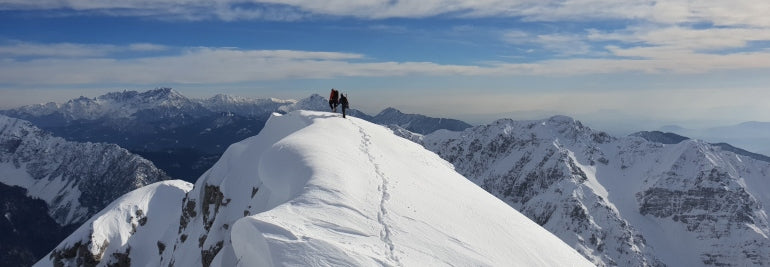
Last year, one of the surprise results was that Austria lost it’s top place as the nation that gains the most vertical meters by average after holding it for two years. This year, the alpine nation has retaken the throne. The average climb among Suunto users in Austria was 457 m. Sehr gut Österreich!
Notable mention to second place Switzerland (418 m) after dropping to eighth place last year. In the previous two years before that it was near the top. Italy (395 m) came third. These results prove once again that alpine nations know the best way to move is upwards!
The overall kick ass nations
Respect to our users in Italy, Spain, Austria, and France, all nations that came in the top five of five or more categories. Italy landed in the top five of 10 different categories, and Spain landed in the top five of seven.
Skimo the go
No surprises here; once again ski mountaineering accumulated the most vertical meters (838 m) on average out of all our activity types. Mountaineering (545 m) and trail running (466 m) came in second and third, as they did last year.
Race to the top
In the race for most total ascents per country, France beat out Spain to win the country that climbed the most. Last year, Spain came out on top. And, once again, Italy came in third.
Impressive individual efforts
There were 1772 participants who climbed more than a thousand meters during the week, and 1095 individual sessions that included more than 1000 meters of climbing. That’s some solid training, folks. Well done!
Top nations by sport
Ski touring
No nation cracked the 1000 m mark this year in the skimo stakes, but it’s clear many users are gunning for this. Keep pushing and nail it next time!
1. Spain 972m 2. Austria 948m 3. Italy 946m 4. Switzerland 921m 5. Slovakia 903m
Mountaineering
Kudos to Sweden, a small nation of 10 million, for coming out on top in the mountaineering category, and for breaking the 1000 m mark. Surprising given last year it didn’t even make the top five.
1. Sweden 1316m 2. Italy 1060m 3. Austria 666m 4. Spain 581m 5. Slovenia 494m
Trail running
People in Asia are crazy about trail running, and once again Asian nations won the podium this year and four were in the top five. Nice!
1. Japan 932m 2. Hong Kong 896m 3. Thailand 676m 4. Greece 649m 5. Malaysia 636m
Mountain biking
Austria won this one, followed by Spain and Italy; all nations in the top five last year, too.
1. Austria 582m 2. Spain 513m 3. Italy 469m4. Switzerland 375m 5. France 356m
Trekking
Notice anything? This time Italy wins and Spain and Austria follow.
1. Italy 559m 2. Spain 397m 3. Austria 375m 4. France 352m 5. Malaysia 316m
Hiking
Malaysia came out on top here, and, as a side note, also came in fifth place for both trekking and trail running. We can imagine exploring the incredible mountainous rainforests in Malaysia must be pretty motivating!
1. Malaysia 606m2. Italy 475m 3. New Zealand 453m4. Slovenia 352m5. Japan 343m
Nordic skiing
Go Canada! Last year Canada came second, behind France. This year they reversed positions.
1. Canada 438m2. France 268m3. Norway 233m4. Austria 218,0m5. Italy 217,6
Cycling
Portugal won after not even making the top five last year. Spain, Italy, Israel and South Africa once again filled the rest of the positions.
1. Portugal 460m 2. Spain 390m 3. Italy 345m 4. New Zealand 316m 5. South Africa 310m
Running
This category had very narrow margins between nations, and a slight reduction in average meters from last year. Last year New Zealand won it. Congrats Norway!
1. Norway 156m 2. Switzerland 151m 3. Czech Republic 142m 4. Italy 140m 5. France 139m
Lead images:
Photo by Klemen Tušar on Unsplash
Photo by Jamie Davies on Unsplash
Read more articles
On the rise: top stories from World Vertical Week 2020
How to find your way in the mountains
7 tips to accelerating your vertical speed

On the rise: top stories from World Vertical Week 2020
© Philipp Reiter
World Vertical Week has become an annual tradition, and many Suunto users are finding creative ways to get the most out of it.
The week is really an invitation to get outside, to push oneself, and find new resolve and strength. It’s also a chance to show that nearby hill or mountain who’s boss.
This year, we again ran a World Vertical Week photo competition with three lucky people winning a Suunto 7 or a Suunto 9. We asked our Instagram followers to share an image with a Suunto app data overlay from one of their ascents over the week and tag #verticalweek. We received so many inspiring entries. Thanks to everyone who participated. Check out the winners and their shots below. Congrats!
Firemen to the rescue!
Two firemen in Finland went above and beyond the call of duty for World Vertical Week. Henri-Aleksi Pietilainen, 29, and his room mate at the Rescue Academy showed their dedication by donning their protective fire gear and ascended the most popular training hill in Helsinki multiple times – and just after finishing a 24 hour shift. Respect guys!
“We thought it was going to be easier (considering my level of training in the mountains and my friend’s latest expedition through Greenland), but the extra 25 kg of weight and unforgettable clothing and gear gave a nice extra ‘touch’ and was really good training,” Henri says. “We did this in a pair because in real firefighting rescue missions it’s good to have a partner to help each other out.”
Cooking up a storm
It was Lukasz Bodaszewski’s first time participating in World Vertical Week. The 39-year old chef from Poland runs a catering company with his wife in the French Alps. He aimed to ascend 3000 m over the week, and managed 2300
“But I finished 1000 m in one day and I’m proud of that,” he says. “Vertical Week was good timing because I’m training for the 160 km Val d’Aran UTMB in the Pyrenees and for 145 km TDS at UTMB this year, so it was good to have a specific climbing week.”
Getting out there
Casey Sackett didn’t hold back for World Vertical Week. From Hurricane, Utah, Casey aimed to achieve a mile of vertical gain (1610 m) over the week. He notched up a total of 1631 over a series of awesome trips, including mountain biking the Gooseberry Mesa and the rest what he refers to as “desert alpinism” (alpine style lines in a desert ecosystem).
“Conditions were perfect all week out here and gave me the opportunity to get out every chance I had!” Casey says. “My favorite push was my last one, trekking/trail running up a mesa to the La Verkin Overlook. My eight-year-old daughter set the pace on the 4 km ascent with almost 243 m of gain. We did it in just 61 minutes! Her endurance blew me away, so proud!”
Thanks again to everyone who got out there and pushed their comfortzone for World Vertical Week. Keep it up!
Lead images: © Philipp Reiter
Read more articles
The nation that climbed the most in World Vertical Week is ...
7 tips to accelerating your vertical speed
How to find your way in the mountains


