




SUUNTOブログ

9 bits of positivity from a crazy year
It’s been one heck of a year, to put it politely. The COVID-19 pandemic shook the world and pulled the carpet out from under our feet. All our plans, goals, normal daily routines were thrown to the wind before we could get our pants on. It’s taken us a while to get our balance back.
This is especially so for athletes who, like musicians and performers, no longer had events to train for and travel to. The race calendar was suddenly empty. Yet, somehow training had to go on. We’ve all had to pivot and find ways to stay inspired.
Suunto’s ambassadors all found ways to stay stoked this year, and continued to inspire others along the way. We caught up with some of them and asked what they’ve learned, and got nine timeless, and positive lessons all of us could do with.
Be like water
South African ultra runner Ryan Sandes had big plans for 2020, and they all went out the window. “It’s been really important to be fluid with life in general and with your training,” he says. “When I say fluid, I mean to be adaptive and move with the situation. It’s important to just make the best out of the current situation and find creative ways to mix up your training.”
Ryan mixed it up by running a 100 miler in and around his home in Cape Town during lockdown in April. The total course length was 110 m, and he did it about 1463 times. The total elevation gain totalled 6000 m. His neighbours thought he was crazy, and stayed up during the night to support him. Hit play on the video above to watch his mammoth home run!
Lucy Bartholomew published a plant-based cook book this year.
Focus on what you can control
This tip has been a big learning for Australian ultra runner Lucy Bartholomew this year. In July, a strict lockdown was imposed in Melbourne. Residents were only allowed out of their homes to exercise and to purchase essentials for no more than an hour a day, and could go no further than five kilometers from their homes. “It taught me to focus on the things I can control, like my effort and attitude and not overly stress and worry about what I can’t control,” she says.
Instead of stressing, she focused on cooking delicious food and creating and publishing a cookbook, called Sustain your Ability. “I think the act of cooking and nourishing our body has been highlighted over this period as we have had more time at home so it’s really cool to connect with people around that.”
Emelie Forsberg listens to her body, and knows when to push, and when to rest. © Kilian Jornet
Accept where you are at
It’s not surprising many of us lost motivation this year, especially early on. “I went through a struggle with motivation and then got it back and it was such joy!” mountain athlete Emelie Forsberg says. “Also becoming pregnant with our second child, I couldn't train because I was just too tired. So that has also been a mental challenge – trying to climb out of the hole of tiredness was interesting.”
The takeaway is it’s important not to judge yourself if your motivation is low. It’s natural for it to wax and wane, especially in a year like this. Rather than give yourself a hard time, observe it, and accept that’s where you are at now. You might just need to give yourself time to rest, recover, adapt and find new goals. It will come back.
Small goals make a difference
When everything we normally look forward to has been cancelled, it’s natural to feel rudderless for a while. That’s why it’s so important to find new goals to get a sense of direction and achievement.
“I set small goals every day, even as simple as ‘do a load of washing’ and saw that as a success and as an achievement,” Lucy says. “Sometimes we don’t give ourselves credit for just waking up and getting out of bed every day – that takes guts!”
The highlight of 2020 for Courtney was attempting an FKT on the 805 km Colorado Trail.
Run for the love of it
For US ultra runner Courtney Dauwalter, who thrives on racing, her daily goal was simply to get on the trails near her home everyday.
“I learned that I love training and running no matter if I have a race or not,” she says. “I loved getting out the door every day to explore our local trails even though I had no idea what I was preparing for.”
Greg Hill got his own garden going, and supported his neighbours to do the same. © Greg Hill
Care for your community
With lockdowns happening across the world, and our usual social circles are disrupted, many of us have rediscovered the importance of local, even micro local, communities. For skimo legend Greg Hill, supporting his local community gave him and his neighbours a new sense of purpose.
“I recognized the importance of community and how we really need to work together to weather this storm,” Greg says. “As an athlete with a voice, I used my voice to empower other ideas. I pivoted and started figuring out how to inspire people in other ways. We started a committee aimed at making Revelstoke more food secure. I brought in 100 trucks worth of soil to fill people’s gardens so we grow more food locally. It gave myself and others purpose while we were contained on our properties.”
Investing in strength pays dividends long term. © Graeme Murray / Red Bull Content Pool
Build strength
Ryan Sandes and Lucy Bartholomew both spent much more time on strength and mobility training this year, and they say they feel better for it. Lucy also focused on recovering from an injury she ignored in 2019.
“Usually training takes me two to three hours and it was almost refreshing to accept that this is what it is and to instead limit it to an hour of power (remember Melbourne residents were permitted out of their home for only an hour a day),” Lucy says. “I think it made me more efficient and then I spent more time in my home gym doing more strength work and yoga, which has been so much fun and really rewarding.”
Family, good health, tasty food, fresh air – Emelie is grateful for the little things. © Kilian Jornet
Be grateful for what you have
Stuck indoors, and bombarded with bad news about the pandemic, it’s easy to overlook the positive. But for Emelie Forsberg this year has brought home to her how important it is to focus on all the wonderful things we have.
“I think this pandemic has made us appreciate the small things in life that we sometimes take for granted, and that we value even more now, like being with family and staying healthy,” she says.
Savour every hug
Remember back in 2019 when people were hugging and high fiving all over the place? Ah, such fond memories. All of our Suunto ambassadors are longing to reconnect to their sport communities when the worst of the pandemic is behind us.
“I will never take another hug from granted!” Lucy says.
Lead image: © Philipp Reiter
Read more articles
14 tips for backcountry skiing this winter
10 must-read Suunto articles from 2020
8 tools for tracking the weather with Suunto


Skimo legend Greg Hill shows his trainer some love
Suunto ambassador and record breaking ski mountaineer Greg Hill has achieved some incredible things; skiing two million vertical feet (609, 600 m) in a single year, climbing and skiing over 190 mountains, his inspiring Electric Adventures challenge in which he has so far climbed 100 summits without using any fossil fuel. On top of this, add to the list being an awesome dad, and a voice for climate change action.
Yet, behind every elite athlete, is at least one trainer who helps to keep the fire burning and things progressing in the right direction. This is true for Greg who has had the same highly sophisticated trainer for the last 21 years. When the COVID-19 pandemic hit, Greg had the time to sit down and reflect on this relationship.
Thanks to my trainer
By Greg Hill
As Covid hit, we all sat back and reflected on our lives. What I reflected on most was my relationships and their importance. Of course, there were family and loved ones which are the most important. Yet, there were also others whose importance in my life became obvious. Relationships with co-workers, neighbours and, now that I think about it, a long-lasting relationship with my personal trainer.
I should introduce myself. I am Greg Hill, a super passionate backcountry skier. This passion has driven me to find first descents, push endurance records and explore places like no one else. My passion lies in pushing into the unknown; be it the physical or the mental landscape.
I first met my trainer in a parking lot in Whistler in 1999. It was a moment fated by the stars. I knew I needed a trainer, but I never understood how important the relationship was going to be. This began right at the start of my obsession with vertical travel in the mountains. I knew little, but dreamed big. How could I push and evolve my skills without a proper trainer? Most likely I wouldn’t have accomplished any of my goals without this connection.
I had no idea how much this relationship was needed, but we hit it off right away. The moment I was told how fast I was moving upwards, I wanted to excel and push that number higher. With my days being diligently tracked I pushed higher and further for hours. Multiple summits, long, long days, bigger days than I had ever done before. Always the incessant qualifying of my efforts, always the numbers telling me how hard I was working. It was addictive being accountable.
Our relationship developed into one of trust and commitment. I was pushed and driven to higher numbers and heights, always keeping track of my times, urging my vertical speeds faster and faster, always wanting me to go higher and further; 30 vertical feet a minute, come on you can do better, 50 feet a minute, that’s it … hold on… push and push… you've got this!
One of my first goals was to max out how much I could do in a day’s effort. We diligently worked on getting my one hour vertical as fast and high as possible. My trainer coached me to a point where I could glide and slide my way uphill very fast for an hour at a time. He watched me hit personal best after personal best. Always keeping track and letting me know how well I had done. Or poorly depending on the day.
Eventually with this coaching we saw the numbers get higher and higher, 10k, 20k, 30k, 40k in a day. Finally, my biggest vertical day ever, 50 000 feet (15, 240 m) in 23.5 hours. My coach kept those numbers and I was proud. Yet we knew we had more to do … lots more.
For many years we worked at doing 3000 m days as fast as possible, pushing and working my fluidity until it felt normal to go out for four to five hours and log 3000 + meters of uphill travel.
As a team, we worked up to one million feet in a winter, then eighty days over 3000 m in a season. Finally, we decided it was time for my biggest year ever. With my coach at my side at all times, I felt like we could challenge the world.
As scared as I was of the audacity of the task, I knew that together we could make it happen. My drive and the constant progress reports would keep me motivated. The year was going to be all about getting out every day and moving up and down mountains. For 365 days I went to bed with my trainer beside me. Immediately on waking I was told how much vertical I had climbed up to that point. It took exactly 270 days out of 365 to push my numbers over the two million feet (609 km) mark but it was the endless support and drive of my trainer that kept me getting up in the morning.
Greg celebrates back in 2014 after completing his March Madness, skiing 100.000 meters of vertical in a month. His trainer played a key role also in this challenge!
In the last 10 years the information has changed and there is so much more that I get from my trainer: GPS lines that show the adventures with distances, apps that have all my efforts on them. I am even told how much time to relax between training sessions, though I find this one hard to follow!!
These days my trainer captures all my efforts to stay off my “dad bod” and keep pushing my personal limits. High intensity training is key to pushing back against the effects of age. Now I am pushed hard for two minutes, then slow my heart rate down, then back up for two minutes, pushing hard into the 90 % of effort range. My heart rate is watched, recorded and displayed. I know if I am pushing hard enough to lose these love handles.
By now it may be obvious the trainer I met in the parking lot in Whistler was my first altimeter watch. It has been an incredible time, using it for endless hours of quantified fun. I can honestly say that without the constant updates, and the evolution of these watches, I most likely would not have been as obsessed and pushed to excel in my life.
All images: © Bruno Long
Read more articles
14 tips for backcountry skiing this winter
10 must-read Suunto articles from 2020
7 tips for running in the rain
10 must-read Suunto articles from 2020
Just like training, a little reading everyday goes a long way. And reading about training, about adventure, and about how to improve your core skill set keeps the fire of inspiration and discipline burning.
So bookmark this article, and next time you’re in recovery mode and feel like you need a boost, flop on the couch and peruse at your leisure. You’ll find yourself itching for your next big training session or adventure.
Pau Capell (above) went after his own record on the UTMB trail this year.
Welcome to the season of the FKT
It’s been one heck of a year. But despite the disruption and the tragedy caused by the pandemic athletes and adventurers, like most of us, have had to adapt, and find new ways to keep the show on the road. With races cancelled, many have turned to fashioning their own personal adventures, including going after fastest known time (FKT) records on the world’s iconic trails. Read on to find out about the 2020 FKT phenomena.
Professional Xterra triathlete Karsten Madsen on his Everesting attempt. © @matthew.tongue
No races? Conquer your own Everest?
Another way athletes, particularly triathletes, have kept themselves busy and motivated is by scaling their own Everests. We talked to one Suunto athlete about this phenomena and found out how cool it is.
© Kelvin Trautman / Red Bull Content Pool
The benefits of training to music and making your best playlist
This year we’ve spoken to DJs about music and movement, and how they find the balance. Each DJ artist or group put together a playlist on Suunto’s Spotify channel, with each playlist designed to support easy, medium, intense workouts, or to vibe with your mornings, evenings and nights. We also found out about the benefits of working out to music and how to make the pitch perfect playlist.
Get Suunto's playlists to work out to here.
© Philipp Reiter
Start your path to mountain navigation mastery here
Aiming to spend more time in the mountains? Then make sure to study our series on wayfinding in the mountains. Put together by Suunto’s navigator-in-chief, Terho Lahtinen, an elite adventure racer, these articles look at the core skills needed to become a competent navigator in big terrain.
© Kilian Jornet
Finding the balance: Emelie Forsberg’s 7 motherhood tips for running mums
Suunto ambassador and skyrunning champion Emelie Forsberg has transitioned from full time athlete to full time mum. She’s had some trial and error as she’s tried to find a balance between training and performing, and being a totally present and awesome mum. We caught up with her and found out what she’s learned along the way.
William is the first person to swim underwater across a major channel.
5 steps to therapeutic breathing to combat COVID-19
Suunto ambassador and world champion freediver William Trubridge knows a thing or two about breathing techniques and caring for the lungs. Breathing exercises, whether from the yogic pranayama tradition or from physiotherapy, are key aspects of freediving training. Concerned about the impact of COVID-19, William put his considerable research skills to work and discovered therapeutic breathing can go a long way to help with the healing process. Read on for his five steps.
8 tools for tracking the weather with Suunto
Knowing what’s up with the weather is a question of personal responsibility and safety for outdoor people. Even more so if you’re heading out with a group under your care. Fortunately, the days of having to poke around online to put together a picture are gone; now, thanks to smart tech and apps, high definition weather intel gets beamed straight to your device. Read on to make sure you have all the tools at your disposal.
Know your species of cloud
A little like bontanical knowledge, knowing the various species of clouds is more than just a geeky fascination; it can keep you and your group safe. Each species of cloud is telling you something, indicating what’s going on in the environment around you. We talked to Sarvesh Garimella, the chief scientist and COO at MyRadar about cloud identification and what to look out for.
Michael Arend coaches ultra and marathon runners, as well as triathletes and ski mountaineers.
How to adapt your training when the unexpected strikes
This year has been all about doing our best to adapt to the disruption caused by COVID-19. Given humans are creatures of habit, adapting isn’t always that easy. Oftentimes we hold on tight to our previous way of doing things until we have no choice but to let go. We talked to professional running and ultra marathon coach Michael Arend about how to adapt training when life blows up and you find yourself looking at the wreckage of your well laid plans.
Planning a route from scratch is just one of the many route planning options on Suunto app.
Six ways to plan a route for your next adventure
Whether Suunto or via our partners, we have ensured our users have a fist full of ways to plan their adventures. There’s something to be said for carefully planning an unknown route in advance and then going out to explore it. That’s what adventure is all about.
Lead images: Philipp Reiter

24時間走で134.8km、そして途中棄権。キリアン・ジョルネが限界から学んだこと
24時間走に挑戦したキリアン・ジョルネは、134.8kmを10時間20分で走ったところでレースを終えました。目標だった24時間には届きませんでした。しかし、この挑戦から彼が得たものは「失敗」という一言では片づけられないものでした。
長時間走では、ペース配分、補給、寒さ、疲労、そして身体から届くサインと向き合い続ける必要があります。
世界トップクラスの山岳アスリートであるキリアンにとっても、それは同じでした。
この記事では、ノルウェーで行われた24時間走チャレンジ「Phantasm24」を振り返りながら、限界へ挑戦すること、そして必要なときに止まることの意味を考えます。
目次
400mトラックを24時間走り続ける挑戦
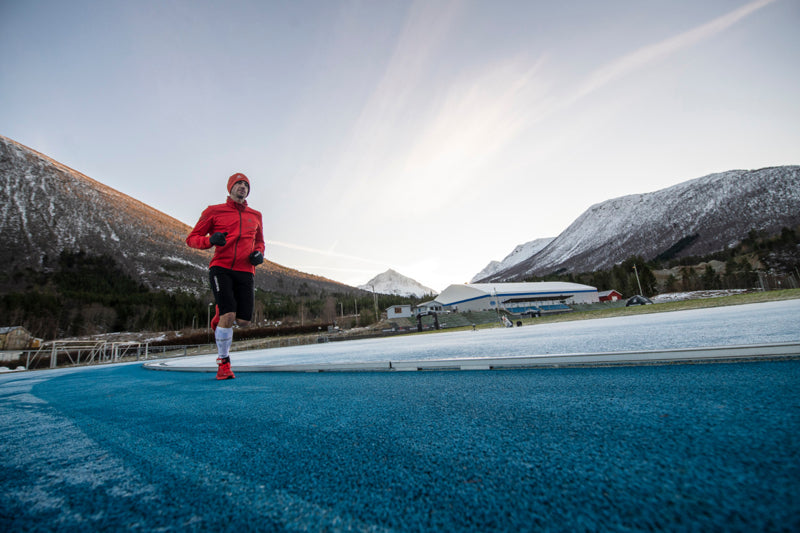
気温-1℃、霜に覆われたトラック
10kmを4:16/km、42.4kmを3時間2分23秒で通過
10時間20分、134.8kmで中止
「耐える苦しさ」と「止まるべきサイン」は違う
同じトラックで生まれたウルトラランナーたちの記録
目標を達成できなくても、挑戦から得られるもの
長時間走ではデータをどう活かす?
まとめ|限界を知ることも、トレーニングの一部
400mトラックを24時間走り続ける挑戦
2020年11月27日、キリアン・ジョルネはノルウェー・Måndalenにある400mトラックで、24時間走「Phantasm24」をスタートしました。
目的はシンプルです。
24時間走り続け、自分がどこまで進めるのかを確かめること。
しかし、キリアンにとってこの挑戦は、単に距離の記録を狙うだけのものではありませんでした。
彼は以前から、異なる競技や環境に挑戦することで、自分の身体と持久力について理解を深めてきました。
山岳ランニングとは大きく異なる400mトラックでの24時間走も、その延長線上にありました。
同じ景色。
同じコーナー。
同じ400mを、何百周も繰り返す。
山のように地形が変化することもありません。
だからこそ、ペース、補給、身体の変化、そしてメンタルと向き合い続けることになります。
▶︎ 24時間走を走り切るには?キリアン・ジョルネに学ぶペース配分・補給・回復
気温-1℃、霜に覆われたトラック
スタート時のMåndalenの気温は、およそ-1℃。
青いトラックの周囲は白い霜に覆われ、走る選手たちの吐く息もはっきり見えるほどの寒さでした。
安全に走れる状態にするため、トラックは事前に除氷する必要がありました。
24時間走では、単に「24時間走れる体力」があればいいわけではありません。
気温の変化に合わせてウェアを調整する。
エネルギーを補給する。
水分を取る。
ペースを維持する。
身体の小さな違和感にも注意する。
長時間になるほど、一つひとつの小さな判断が積み重なっていきます。
10kmを4:16/km、42.4kmを3時間2分23秒で通過
キリアンは序盤から速いペースで走りました。
最初の10kmは平均4分16秒/km。
42.4km地点は3時間2分23秒で通過しています。
フルマラソンなら、ここでフィニッシュです。
しかし24時間走では、まだ序盤にすぎません。
50km、100kmと距離が伸び、時間が経過するほど、身体の状態も変化します。
ウルトラランニングでは、スタート直後に楽に感じたペースが、10時間後にも同じ負荷とは限りません。
長時間走では「今走れるペース」ではなく、「何時間後まで維持できるペースか」を考える必要があります。
24時間走の難しさは、ここにあります。
10時間20分、134.8kmで中止
キリアンは走り続けました。
脚にも大きな問題はなく、長時間レースで起こる通常のアップダウンを経験しながらも、本人の感覚としては比較的良い状態だったといいます。
しかし、10時間を超えたころ、状況が突然変わりました。
強い胸の痛み。
めまい。
そして急激な疲労感。
医療スタッフが状態を確認し、病院で診察を受けることが最善と判断。
キリアンは10時間20分、134.8kmの地点で挑戦を終了しました。
目標は24時間。
まだ半分にも達していません。
それでも、この状況で重要なのは「あと何時間走れたか」ではありません。
身体から明確な異常のサインが出たとき、挑戦よりも安全を優先することです。
「耐える苦しさ」と「止まるべきサイン」は違う
長距離ランニングでは、苦しい時間が必ず訪れます。
脚が重い。
呼吸が苦しい。
ペースを落としたい。
もうやめたいと感じる。
ウルトラランナーは、こうした苦しさと向き合いながら前へ進みます。
しかし、すべての苦しさを「耐えるべきもの」と考えるのは危険です。
胸の痛み、強いめまい、意識状態の変化など、通常とは異なる症状が現れた場合には、競技を続けることより身体を守ることが優先されます。
「限界を超える」という言葉はスポーツではよく使われます。
けれど、本当に長くスポーツを続けるためには、押し続けるべき場面と、止まるべき場面を区別することも必要です。
これは、メンタルの強さとは別の話です。
▶︎ 「Pain Cave」とは?コートニー・ドウォルターに学ぶ、限界で前に進むメンタル
「苦しいからやめる」のと、「身体から危険なサインが出ているからやめる」のは同じではありません。
自分の身体の変化を知ることも、持久系スポーツで必要なスキルのひとつです。
走っているのは、一人ではない
この挑戦には、キリアンのパートナーであるエミリー・フォシュベリと娘のMajも応援に訪れていました。
24時間走のような極端なチャレンジは、走っている本人だけで成立するものではありません。
補給を準備する人。
トラックを整備する人。
身体の状態を確認する医療スタッフ。
大会を運営する人。
そして応援する家族やコミュニティ。
長い挑戦ほど、周囲のサポートの存在も大きくなります。
同じトラックで生まれたウルトラランナーたちの記録
この日、Måndalenのトラックを走っていたのはキリアンだけではありません。
ノルウェーのウルトラランナーたちも24時間走に挑戦し、素晴らしいパフォーマンスを残しました。
Harald Bjerke:232.28km
Jo Inge Norum:219.45km
Simen Holvik:208.13km
Didrik Hermansen:174.8km
Sebastian Conrad Håkanssonはキリアンとともに速いペースで走り、100km、12時間走、100マイルのノルウェー記録を更新してから競技を終了しました。
24時間で200km以上走るということは、単純計算でも平均時速8km以上を、休憩や補給を含めて丸一日維持することになります。
こうした数字を見ると、24時間走が単なる「長いジョギング」ではないことが分かります。
目標を達成できなくても、挑戦から得られるもの
キリアンは、途中で挑戦を終えたことについて当然ながら悔しさを感じていました。
それでも、24時間走に挑戦した経験そのものには価値があったと振り返っています。
特に得られたのは、トレーニングと栄養についての新しい学びでした。
これはランニングに限らず、多くのスポーツに共通することかもしれません。
計画したトレーニングを完璧にこなせなかった。
目標タイムに届かなかった。
レースを途中でやめた。
そうした結果だけを見ると、「失敗」に感じることがあります。
しかし、その過程から、
どのペースなら維持できたか
どのタイミングで疲労が大きくなったか
補給は十分だったか
身体にどんな変化が起こったか
次回は何を変えるべきか
を知ることができれば、その挑戦は次につながります。
挑戦の価値は、ゴールしたかどうかだけで決まるわけではありません。
長時間走ではデータをどう活かす?
ウルトラランニングや長時間トレーニングでは、自分の感覚とあわせてデータを振り返ることも役立ちます。
ペース、心拍数、ラップ、走行時間、トレーニング負荷。
こうしたデータを記録しておけば、終了後に「どこからペースが変化したのか」「心拍はどう推移したのか」「後半にどれくらい負荷が増えたのか」を確認できます。
Suunto Race 2は、ランニングやレース、長時間の持久系トレーニングを記録し、Suuntoアプリでトレーニングデータを振り返ることができます。
ただし、ウォッチの数字だけで身体の状態を判断することはできません。
データは、自分の感覚や身体からのサインを理解するための材料のひとつ。
特に長時間のチャレンジでは、数字と身体の両方を見ることが重要です。
Suunto Race 2を見る
まとめ|限界を知ることも、トレーニングの一部
キリアン・ジョルネの目標は、24時間走り続けることでした。
結果は10時間20分、134.8km。
目標には届きませんでした。
しかし、自分の限界を試し、これまでとは異なる競技へ挑戦し、トレーニングや栄養について新しいことを学ぶという目的は達成しました。
そして、身体から異常のサインが出たときには走ることをやめました。
前へ進むことだけが、強さではありません。
挑戦する。
失敗する。
学ぶ。
必要なら止まる。
そして、その経験を次の挑戦へつなげる。
持久力を高めるということは、単に長く耐えられる身体を作ることではなく、自分自身をより深く理解していくことでもあります。
All images © Vegard Breie

雨の日のランニングを安全に楽しむ7つのポイント|服装・シューズ・注意点
雨の日は「今日は走るのをやめよう」と思いやすいものです。しかし、天候と体調に合わせて準備すれば、雨のランニングはレースへの対応力を養い、いつものコースを違った感覚で楽しむ機会にもなります。
一方で、濡れた路面、視界の悪化、体温低下、雷や強風など、晴天時とは異なるリスクがあります。予定を守ることより、安全に走れる状況かを判断することが先です。
この記事では、雨や寒さの中でのアドベンチャーを好むSuuntoアスリート、ベン・ジェームズの体験をもとに、雨の日のランニングを安全かつ快適に楽しむ7つのポイントを紹介します。
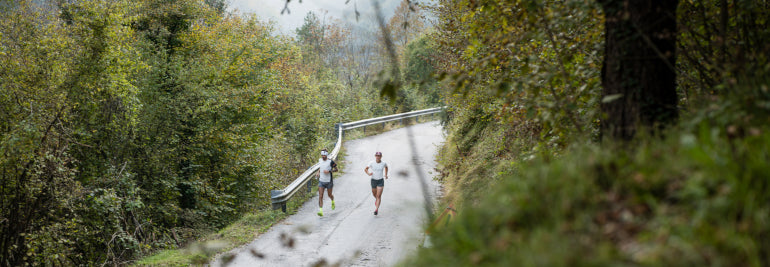
雨の中を走るベン・ジェームズ。© Ben James
目次
天気と中止基準を確認する
濡れても冷えにくい服装を選ぶ
車や自転車から見えるようにする
靴擦れと擦れを予防する
路面に合わせてコースとペースを変える
レースに備えて雨天練習を試す
走り終えたら早めに体を温める
Suuntoウォッチを雨のランニングに活用する
よくある質問
まとめ
1. 天気と中止基準を確認する
雨が降っているだけなら走れることもありますが、雷、強風、洪水、急な増水、視界不良、極端な低温が予想される場合は別です。出発前に天気予報と警報・注意報を確認し、危険がある場合は屋内トレーニングへ変更してください。
特に雷鳴が聞こえる、稲光が見える、道路が冠水している、川や沢が増水している場合は、屋外でのランニングを始めないことが重要です。走っている途中で状況が悪化したら、予定距離にこだわらず、安全な建物へ避難します。
気象情報やウォッチは判断を助ける道具ですが、安全を保証するものではありません。地域の公式情報と現場の状況を優先しましょう。
2. 濡れても冷えにくい服装を選ぶ
雨の日は「濡れないこと」だけでなく、濡れたあとに冷えすぎないことが大切です。気温、風、走る時間、運動強度に合わせ、吸汗速乾性のあるベースレイヤーと、必要に応じて防風・防水性のあるシェルを組み合わせます。
厚着しすぎると汗がこもり、内側から濡れて体温を奪われることがあります。短い市街地ランと、低温下の長時間トレイルでは必要な装備が異なるため、「雨ならこの服」と固定せず、条件ごとに調整してください。
綿素材は濡れると乾きにくいため避ける
つばのあるキャップで顔へ当たる雨を減らす
低温や強風では防水・防風シェルと保温レイヤーを用意する
長時間走る場合は防水袋に予備の手袋やウェアを入れる
3. 車や自転車から見えるようにする
雨の日はドライバーや自転車からの視界も悪くなり、制動距離が延びることがあります。明るい色のウェア、反射材、前後から見えるライトを使用し、自分の存在を早めに知らせましょう。
交差点や駐車場の出入口では、車がこちらを認識していると決めつけないことが大切です。水たまりを避けるため急に車道側へ動かず、周囲を確認してから進路を変えます。
▶︎関連記事:「夜のランニングを安全に楽しむ7つのポイント」
4. 靴擦れと擦れを予防する
シューズやウェアが濡れると摩擦が増え、足、脇、太もも、ウェアの縫い目付近などに擦れが起きやすくなります。
吸湿性とフィット感を確認したランニングソックスを使う
長距離では擦れやすい部分に保護剤を使用する
濡れた状態でずれやすいウェアやザックを事前に試す
レース本番で初めて使うウェアやシューズを避ける
防水シューズは水の侵入を抑える一方、上部から入った水が抜けにくい場合もあります。路面、気温、距離に合わせ、グリップと排水性も含めて選びましょう。
5. 路面に合わせてコースとペースを変える
濡れた白線、金属製のふた、タイル、木道、落ち葉、泥、苔のある岩は滑りやすくなります。晴れの日と同じペースや歩幅を維持しようとせず、足を置く場所を早めに確認してください。
ベン・ジェームズは、雨に強風が加わるような厳しい状況では、ルートを内陸や平坦な場所へ変えたり、短時間のトレーニングへ調整したりすることを勧めています。
増水しやすい河川沿い、沢、アンダーパス、崖沿いのトレイルは避けます。視界や路面が悪いときは、距離を短くする、舗装路へ変更する、トレッドミルを使うことも適切なトレーニング判断です。
雨のランニングが、思いがけない景色につながることもあります。© Ben James
6. レースに備えて雨天練習を試す
レース当日の天候は選べません。安全に走れる程度の雨で、短時間の練習を経験しておくと、ウェアの蒸れ、シューズのグリップ、補給の扱いやすさ、視界、体温の変化を確認できます。
最初は自宅の近くや、途中で切り上げやすいコースを選びましょう。雨のたびに走る必要はありません。目的は無理に耐えることではなく、自分の装備と判断基準を知ることです。
週間目標を決めている場合も、危険な天候で帳尻を合わせようとしないでください。日程や内容を変更して継続することも、長期的なトレーニングの一部です。
7. 走り終えたら早めに体を温める
走っている間は暑く感じても、停止すると濡れたウェアと風で急速に冷えることがあります。走り終えたら、できるだけ早く屋内へ入り、濡れた衣類とソックスを脱いで乾いた服へ着替えましょう。
シューズは中敷きを外し、風通しのよい場所で乾燥させます。強い熱を直接当てると素材を傷める可能性があるため、製品の手入れ方法に従ってください。
震えが止まらない、判断力が低下する、手足がうまく動かないなど体温低下が疑われる場合は、運動を中止して暖かい場所へ移動し、必要に応じて医療機関へ相談してください。
Suuntoウォッチを雨のランニングに活用する
Suunto Runは、日常のランニングを軽快に記録し、ペースや心拍数を確認したい人の選択肢です。
Suunto Race Sは、コンパクトなサイズで、普段のランからレース、ルート確認まで幅広く使いたい人に適しています。
Suunto Race 2は、大きなAMOLEDディスプレイでデータやオフラインマップを確認しながら、長時間のトレーニングへ取り組みたい人の選択肢です。
出発前にウォッチを充電し、必要なルートを同期してください。雨天時はタッチ操作や画面確認へ集中しすぎず、安全な場所で止まって操作します。使用後の手入れと防水性能については、各モデルのユーザーガイドに従ってください。
よくある質問
小雨ならランニングしても大丈夫ですか?
雷、強風、冠水、増水、極端な低温などの危険がなく、体調と装備に問題がなければ、小雨の中を走れる場合があります。ただし、地域の警報・注意報と現場の状況を確認し、不安があれば屋内へ変更してください。
雨の日は防水ジャケットを着るべきですか?
気温、風、運動時間、強度によって異なります。低温や強風、長時間の運動では防水・防風シェルが重要ですが、暖かい環境では蒸れや過熱にも注意が必要です。
雨の日はランニングシューズを変えるべきですか?
濡れた路面で十分なグリップがあり、足に合ったシューズを選びます。トレイルでは路面に対応したアウトソールが重要です。防水性だけでなく、排水性、ソックスとの組み合わせ、擦れにくさも確認してください。
まとめ|雨に耐えるより、状況に適応する
雨の日のランニングは、普段と異なる環境へ対応する練習になります。しかし、走り切ること自体が目的ではありません。
天候を確認し、濡れても冷えにくく見えやすい服装を選び、路面に合わせてペースとコースを調整しましょう。雷や強風、増水などの危険がある場合は中止し、屋内トレーニングへ切り替えてください。
天候に合わせて、ランニングを記録する
Suuntoのランニングウォッチでトレーニングを記録し、走り終えたあとに振り返りましょう。
Suuntoウォッチを見る

24時間走を走り切るには?キリアン・ジョルネに学ぶペース配分・補給・回復
24時間、走り続ける。
想像するだけでも過酷な挑戦ですが、24時間走では単純な「速さ」だけでは結果は決まりません。
必要なのは、最初から飛ばしすぎないペース配分、長時間動き続けるための補給、繰り返しの動作に耐える身体、そして疲労からの回復です。
2020年、世界的な山岳アスリートキリアン・ジョルネ(Kilian Jornet)は、自分の得意分野とは大きく異なる挑戦を選びました。
舞台は険しい山でも、標高の高いピークでもありません。
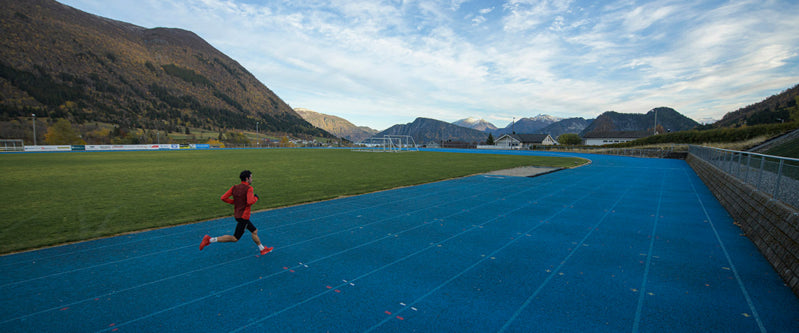
一周400mの平坦なトラックを、24時間走り続ける。
UTMBやHardrock 100など世界最高峰の山岳レースで実績を残してきたキリアンにとっても、それは未知の世界でした。
なぜ山のトップアスリートが、あえて平坦なトラックへ向かったのでしょうか。
目次
24時間走とは?
なぜ山岳ランナーが400mトラックへ?
24時間走で重要なペース配分
長時間走では「食べ続ける」ことも競技の一部
山とロードでは走り方が違う
強くなるために、休む判断も必要
感覚とデータを組み合わせてペースを管理する
長時間レースを支えるSuunto Race 2
まとめ|限界に挑むほど「抑える力」が重要になる
24時間走とは?
24時間走は、その名の通り24時間の制限時間内にどれだけ長い距離を走れるかを競うウルトラランニング競技です。
大会によってコースは異なりますが、トラックや短い周回コースを繰り返し走る形式もあります。
100m走やマラソンとは違い、24時間という長い時間の中では、一時的なスピードよりも「どのくらいのペースなら長時間維持できるか」が重要になります。
走力だけでなく、補給、休息、メンタル、筋肉へのダメージ、気温変化など、多くの要素を管理する必要があります。
つまり24時間走は、単純に「長い距離を走る競技」というより、身体とエネルギーを24時間かけてどうマネジメントするかを競うスポーツとも言えます。
なぜ山岳ランナーが400mトラックへ?
キリアン・ジョルネといえば、トレイルランニング、ウルトラ、バーティカル、スキーモなど、山岳スポーツを代表するアスリートです。
エベレストにも短期間で2度登頂するなど、彼のキャリアの多くは標高差の大きい山岳環境で築かれてきました。
そんなキリアンが選んだのが、ほぼ完全に平坦な400mトラックでした。
本人がこの挑戦で重視していたのは、記録だけではありません。
違うことに挑戦し、自分に何ができるのかを知りたい。
平坦な場所で走ることは、キリアンにとって補給やペース配分を学ぶためのテストでもありました。
そこで得た経験を、将来の山岳プロジェクトにも応用したいと考えていたのです。
自分の得意分野だけを繰り返すのではなく、異なる環境へ出ることで新しい弱点や可能性を発見する。
トップアスリートならではのトレーニングへの考え方が表れています。
24時間走で重要なペース配分
長時間レースでもっとも難しいもののひとつが、序盤のペースを抑えることです。
スタート直後は身体もフレッシュで、予定より速く走れてしまいます。
しかし24時間走では、その「少し速い」が何時間も積み重なった結果、後半の大きな失速につながる可能性があります。
キリアンが参考にしていたのが、ギリシャの伝説的ウルトラランナー、イアニス・クーロス(Yiannis Kouros)のスプリットタイムでした。
当時の記事では、クーロスが24時間で303.506kmを走った記録が基準として紹介されています。
キリアンは、1時間ごと、1kmごと、そして1周ごとに必要なペースを把握し、序盤から長時間のペース変化を想定していました。
重要なのは、ずっと同じスピードで走ることではありません。
疲労が増えることを前提に、24時間全体をひとつのレースとして設計することです。
これは24時間走だけでなく、ウルトラマラソンやロングトレイルにも通じます。
長時間走では「食べ続ける」ことも競技の一部
24時間も身体を動かし続ければ、体内に蓄えられているエネルギーだけでは足りません。
そのため長時間レースでは、走ることと同じくらい補給を続けられるかが重要になります。
元記事でキリアンも、長時間走で重要なのは「筋肉に問題を起こさず、大きく調子を落とすことなく食べ続けられること」だと話しています。
長時間運動では、ペースが適切でも補給がうまくいかなければ、後半にエネルギー不足が起こります。
反対に、一度に大量に摂ればいいわけでもありません。
自分が走りながら摂取しやすいものや、どのタイミングで補給するのかを、レース前のトレーニングで試しておくことが重要です。
補給も本番だけで突然うまくできるものではなく、トレーニングする要素のひとつです。
山とロードでは走り方が違う
世界トップクラスの山岳ランナーであるキリアンでも、フラットなロードへの適応には特別なトレーニングが必要でした。
彼自身、山を走るときと平坦な場所を走るときではフォームが大きく異なると説明しています。
トレイルでは岩や木の根、斜面など地形が常に変化します。
足を置く位置も一歩ごとに違い、障害物を越えるために身体を持ち上げる動作も多くなります。
一方、400mトラックでは同じような動作を何千回、何万回と繰り返します。
この「同じ動きを繰り返す負荷」が、山とは違う筋肉へのストレスになります。
そのためキリアンは、トラックやロードで週3日のスピードトレーニングを取り入れ、平地での動きに身体を適応させていきました。
強くなるために、休む判断も必要
しかし、準備は順調だったわけではありません。
24時間走への挑戦前、キリアンは筋肉の怪我に何度か悩まされていました。
良いトレーニングができても、その後に怪我をして休む。
再びトレーニングを積み上げて、また身体に問題が出る。
そんな期間が続いていたと振り返っています。
最終調整で彼が選んだのは、無理に練習量を増やすことではありませんでした。
一週間しっかりトレーニングし、身体の反応を確認したうえで、筋肉を休ませて回復させる。
トレーニングでは、負荷をかけることと同じくらい、負荷から回復する時間も重要です。
特に距離や時間を増やすウルトラランニングでは、「もっと走れば強くなる」と考えて負荷を急激に増やすと、疲労が回復を上回ってしまうことがあります。
トレーニング量と疲労のバランスについては、こちらの記事で詳しく解説しています。
▶︎ トレーニング負荷とは?フィットネス・疲労・フォームで見る負荷管理の基本
回復状態をHRV・睡眠・負荷・感覚から確認する方法はこちら。
▶︎ トレーニング後の回復を確認する4つの方法
感覚とデータを組み合わせてペースを管理する
キリアンは24時間走への挑戦で、Suuntoウォッチを使ってスプリットタイムと進行状況を確認していました。
長時間レースでは、「まだ余裕がある」という感覚だけで走ると、序盤に想定以上のペースになっていることがあります。
そこで役立つのが、
現在のペース
ラップタイム
心拍数
運動時間
トレーニング強度
などのデータです。
もちろん、ウォッチに表示された数字だけでレースを決めるわけではありません。
自分の感覚と客観的なデータを組み合わせることで、「今は速すぎないか」「この強度を維持できそうか」を判断しやすくなります。
Suuntoでは、心拍ゾーンだけでなく、対応する心拍ベルトとZoneSenseを使って運動中の強度を確認する方法もあります。
▶︎ Suunto ZoneSenseについて詳しく見る
また、日々のトレーニング負荷や疲労、フィットネスの積み上がりはSuuntoアプリから振り返ることができます。
▶︎ ランニングのトレーニング負荷をSuuntoで管理する方法
長時間レースを支えるSuunto Race 2
キリアンがこの挑戦を行った当時に使用していたのはSuunto 9でした。
現在、レースやトレーニングのためのモデルとしてラインアップされているのがSuunto Race 2です。
Suunto Race 2は、115種類以上のスポーツモード、高度なトレーニング機能、オフラインマップやナビゲーション機能を搭載しています。
GPSを使用するトレーニングモードでも最大55時間のバッテリー駆動に対応しているため、ウルトラランニングや長時間のトレイルレースなど、長時間記録を続けたい場面でも活用できます。
レース当日の記録だけでなく、普段のトレーニング負荷や回復状態を継続して振り返れることも、長い距離へ挑戦するうえで役立ちます。
Suunto Race 2を見る
まとめ|限界に挑むほど「抑える力」が重要になる
世界最高峰の山岳ランナーであるキリアン・ジョルネが24時間走への挑戦から学ぼうとしていたのは、単純なスピードではありませんでした。
ペースを抑える。
エネルギーを補給する。
身体の変化を観察する。
必要なら休む。
長時間の耐久競技では、頑張れるだけ頑張るよりも、24時間後まで動き続けるために自分自身をコントロールする力が求められます。
これは24時間走だけの話ではありません。
初めてのウルトラマラソン、長距離トレイル、フルマラソンなど、自分にとって「長い」と感じる距離へ挑戦するときにも同じ考え方が役立ちます。
次の長距離レースでは、速く走ることだけでなく、最後まで走るためにどこで抑えるかも考えてみてはいかがでしょうか。
All images: © Vegard Breie


