




SUUNTOブログ

Passing on love of the outdoors to the next generation
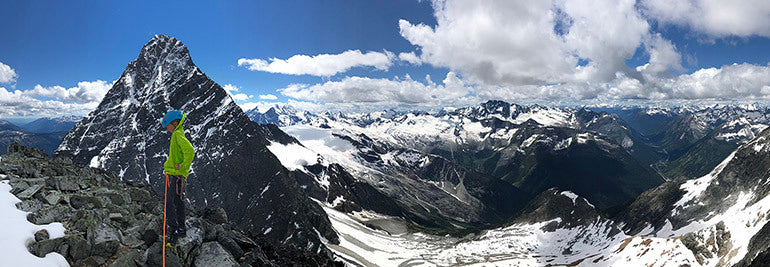
At Suunto we believe the more we appreciate and enjoy the great outdoors, the more we will want to protect it. This means those of us fortunate enough to have been given a love of the outdoors have a special responsibility to do as much as we can to ensure the next generation receive the same.
In the same way as ski mountaineer Greg Hill’s parents instilled in him the spirit of adventure and love for the natural world, we can do the same. Even if we don’t have kids, or if they’ve long left the nest, we can support organizations and events that achieve the same.
Passing on the passion
By Greg Hill
I am always a little conflicted around Christmas, societal norms tell me I should be buying gifts for my children. My wife is great, she gets them the things they need and a few of their wants. When I reflect back to the gifts I received as a child, it was the gifts of adventure that I liked best. The gift of a season’s pass at my local ski resort, and the gifts of the gear to ski with. Or the gifts my parents gave without realizing that they were giving them. I have been following their footsteps in this regard.
Our family home was far up a dirt road in Quebec, Canada. Our nearest neighbor was at least one kilometer away, and our house surrounded by deciduous forests. I have very few memories about the town we lived near, most are centered around backyard adventures. I can remember family moments hiking up Round Top mountain, cooking bannoch bread on a stick over an open fire. My parents facilitated my adventures by showing me what was possible. We canoe camped, hiked a lot, downhill skied, Nordic skied, the activities were endless. I cannot thank my parents enough for bringing me up appreciating the outdoors.
Having sparked this thirst for the outdoors, it was impossible to slow it. As I grew, so did my adventurous spirit. I was encouraged to go camping with friends, and the school I went to had an amazing outdoor education component. Soon, I was introduced to rock climbing and it became my gateway sport to mountaineering.
I was captivated by the rewards that came from overcoming the challenges; the intense feeling of accomplishment that followed any climb completed. This feeling was unparalleled and I began searching for it more and more. The challenges evolved from rock to ice, from cliffs to mountains. Soon my whole life was centered around outdoors and adventures.
These moments brought me a source of happiness and overcoming these challenges taught me a lot about myself. Through training hard, working towards harder and harder goals I developed more and more self-confidence. Time in nature taught me patience and an appreciation for nature.
Yet, I accessed all these wild places in a big truck, from a snowmobile or a helicopter. Solo drives to trailheads had me thinking about my impacts. Raising my kids started my questions on how I was living and what legacy I was passing on to them.
There was no profound “aha” moment, but my “eco-anxiety” grew till all of a sudden I needed to change. I have looked at all the aspects of my life and decided to work on what I can. I eat less meat, consider all my lifestyle choices, and drive an electric car. I fly less, and adventure locally a lot more. All of these choices resonate into a better feeling overall and a knowledge that I am trying to be better.
Raising my kids I have been trying to pass on the passion for adventure, and the appreciation for the outdoors. I know how much I have gained from my experiences and can only hope that they get as much from nature as I have.
While out with my kids I truly try and give them the best experiences, keeping the rewards as a priority, aiming for enjoyment, not exhaustion. Showing them the potential, yet letting them come to it on their own terms. Forcing children can easily turn them off activities so I simply encourage and open the doors, hoping they will follow.

Suuntoアプリでスポーツモードをカスタマイズする方法|競技別の表示項目も紹介
トレーニング中にウォッチを見ても、必要な数字がすぐ見つからない。反対に、表示項目が多すぎて走りへ集中できない。そんなときは、Suuntoウォッチのスポーツモードを自分の目的に合わせて整理してみましょう。
Suuntoアプリでは、同じスポーツでも「普段の練習」「インターバル」「レース」など、用途が異なるカスタムスポーツモードを作成できます。
この記事では、スポーツモードをカスタマイズする基本的な流れと、ランニング、トレイルランニング、サイクリング、登山で表示したいデータの考え方を紹介します。
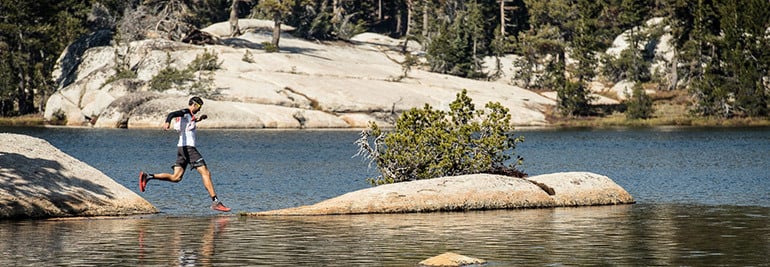
ウルトラランナーのフランソワ・デンヌは、重要な指標に絞ったシンプルな画面を使っています。
目次
カスタムスポーツモードとは
Suuntoアプリで作成する方法
表示項目を選ぶ3つのポイント
ランニングの設定例
トレイルランニングの設定例
サイクリングの設定例
登山・ハイキングの設定例
現行Suuntoウォッチで活用する
よくある質問
まとめ
カスタムスポーツモードとは
スポーツモードは、アクティビティを記録するときに使う設定です。ランニング、サイクリング、ハイキングなど、スポーツごとに適したデータ画面が用意されています。
既定のスポーツモードだけでも記録を始められますが、カスタムスポーツモードを作ると、運動中に表示するデータや画面レイアウトを目的に合わせて調整できます。
たとえば、同じランニングでも必要な情報は毎回同じとは限りません。
イージーラン:時間、心拍数、心拍ゾーン
インターバル:ラップタイム、ラップペース、心拍数
レース:距離、平均ペース、経過時間
用途別にモードを分ければ、トレーニングを始めるたびに画面を組み替える必要がなくなります。
Suuntoアプリで作成する方法
カスタムスポーツモードは、ウォッチとSuuntoアプリを接続した状態で作成します。アプリやウォッチのバージョンにより、画面名や配置が異なる場合があります。
Suuntoアプリでウォッチの画面を開く
「スポーツモードのカスタマイズ」を選ぶ
「スポーツモードを作成」を選び、競技を指定する
画面レイアウトと表示するデータ項目を選ぶ
設定を保存し、ウォッチへ同期する
作成後は、ウォッチ側で目的のスポーツモードを開き、設定した画面が表示されるか確認してください。レース当日に初めて使うのではなく、普段の練習で操作と見え方を試しておくと安心です。
▶︎詳しい操作手順:iOS版Suuntoアプリでスポーツモードをカスタマイズする方法
表示項目を選ぶ3つのポイント
1. その場で判断に使うデータを優先する
ウォッチに表示するのは、運動中の行動を変えるために使うデータです。たとえば、一定の強度で走りたいなら心拍数や心拍ゾーン、目標ペースを守りたいなら現在のペースやラップ平均ペースが判断材料になります。
細かな分析データは、運動後にSuuntoアプリで振り返ることもできます。すべてをウォッチへ表示しようとせず、その場で必要な情報を優先しましょう。
2. 1画面へ詰め込みすぎない
表示項目を増やすほど情報量は多くなりますが、運動中に読み取りにくくなることがあります。ウルトラランナーのフランソワ・デンヌも、トレイルランニングでは高度、上昇量、時間など、重要な指標へ絞ったシンプルな画面を好んでいます。
まずは1画面に2〜4項目程度を目安に試し、視認性や操作回数に合わせて調整してください。
3. 練習・レース・環境でモードを分ける
同じ競技でも、目的が変われば確認したいデータも変わります。「ロードの普段用」「インターバル用」「トレイルのロング用」のように名前を分けると、スタート前に選びやすくなります。
ランニングの設定例
ランニングでは、ペース、心拍数、距離、時間が基本です。ただし、すべてを常に見る必要はありません。練習の目的に合わせて画面を分けます。
イージーラン:経過時間、心拍数、心拍ゾーン、距離
テンポ走:現在のペース、ラップ平均ペース、心拍数、ラップ距離
インターバル:ラップタイム、ラップペース、ラップ回数、心拍数
レース:距離、平均ペース、経過時間、推定フィニッシュタイム(対応する場合)
現在のペースは短時間で変動しやすいため、一定ペースを保ちたい場面ではラップ平均や全体平均も組み合わせると判断しやすくなります。
トレイルランニングの設定例
トレイルでは、平地のペースだけで強度や進み具合を判断しにくいため、上昇量、高度、心拍数、経過時間を重視します。
現在高度
累積上昇量
経過時間と距離
心拍数または心拍ゾーン
ナビゲーション画面
長いレースでは、区間ごとのタイムや残り距離を確認できる画面も役立ちます。ナビゲーションは事前にルートを同期し、出発前に表示と操作を確認してください。ウォッチの地図やナビゲーションは安全を保証するものではないため、天候、装備、現地の案内も併せて判断しましょう。
サイクリングの設定例
サイクリングでは速度、平均速度、距離、時間を基本に、対応するセンサーを使う場合はケイデンスやパワーも候補になります。
通勤・気軽なライド:速度、距離、経過時間
持久走:心拍数、心拍ゾーン、平均速度、距離
パワートレーニング:パワー、ラップ平均パワー、ケイデンス、心拍数
走行中の画面操作は転倒や事故につながるおそれがあります。見やすいレイアウトを事前に用意し、操作が必要な場合は安全な場所へ停止してください。
登山・ハイキングの設定例
登山やハイキングでは、速さよりも現在地、進行状況、標高変化、行動時間を確認できることが重要です。
ナビゲーションまたは地図
現在高度と累積上昇量
経過時間と距離
心拍数
日の入り時刻や気象関連データ(対応する場合)
悪天候や視界不良に備え、予定ルートは事前にウォッチへ同期します。GPSウォッチだけに頼らず、地図、予備電源、適切な装備を準備し、行動計画を家族などへ共有してください。
現行Suuntoウォッチで活用する
Suunto Runは、日々のランニングでペースや心拍数を見やすく整理したい人に適した軽量モデルです。
Suunto Race Sは、コンパクトなサイズで、ランニングからトレイル、日々のトレーニングまで幅広く使いたい人の選択肢です。
Suunto Race 2は、大きなAMOLEDディスプレイで複数のデータを確認し、レースや長時間のトレーニングへ取り組みたい人に向いています。
Suunto Vertical 2は、オフラインマップや長時間のアクティビティを重視する、登山やトレイルランニングのユーザーに適しています。
利用できるデータ項目、レイアウト、機能はモデルやソフトウェアのバージョンによって異なります。購入前や設定前に、各製品ページとユーザーガイドで最新情報を確認してください。
よくある質問
同じスポーツで複数のカスタムモードを作れますか?
はい。たとえばランニングで、イージーラン用、インターバル用、レース用など、目的の異なるモードを作成できます。対応状況はモデルやアプリのバージョンにより異なる場合があります。
既定のスポーツモードは編集できますか?
既定モードを直接変更するのではなく、目的の競技を選んでカスタムスポーツモードを作成します。作成したモードはSuuntoアプリから編集できます。
変更がウォッチに表示されないときは?
ウォッチとスマートフォンのBluetooth接続、Suuntoアプリとの同期、アプリとウォッチのソフトウェア更新を確認してください。改善しない場合は、対応する製品のユーザーガイドまたはサポート情報を確認します。
まとめ|見るデータを減らすと、判断しやすくなる
スポーツモードのカスタマイズで大切なのは、表示できるデータを増やすことではなく、運動中の判断に必要なデータを選ぶことです。
まずは既定のスポーツモードを使い、足りない情報や見にくい画面が分かってから調整しましょう。練習、レース、競技ごとにモードを分け、実際のトレーニングで試しながら、自分に合う表示へ育ててください。
自分のスポーツに合うSuuntoウォッチを選ぶ
必要なデータを見やすく整えて、トレーニングとレースへ集中しましょう。
Suuntoスポーツウォッチを見る

D.I.E.T (disaster imminent every time?), and three unchanging principles of nutrition for athletes
What’s the difference between eating healthy and eating right? For athlete, entrepreneur, coach and nutrition expert Dr. Rick Kattouf II this question cuts right to the heart of the debate on nutrition.
“There is a huge difference between eating healthy and eating right,” Kattouf says. “There is a huge difference between feeding the body and fuelling the body. I tell people to stop eating healthy, and they freak out.”
Rick has designed his own line of nutritional supplements. © Rick Kattouf
An example of what Kattouf calls a healthy meal is grilled chicken on a bed of greens, or a bowl of vegetables, beans with a little tofu. While Kattouf agrees these meals are healthy, he says that doesn’t make them right. Eating right is another matter.
Kattouf has credentials to back up his perspective on nutrition for athletes: during four years of pre medicine study and four years of studying optometry he learned about human physiology, pharmacology and biochemistry. The three-time age group national duathlon champion and all-round fitness freak has the performance experience to back up his approach, too.
“There’s a lot of people out there chasing one diet after the next, and one thing I am is an anti diet guy,” Kattouf says. “I trademarked the acronym for the word diet: disaster imminent every time®. That’s what a diet is. My nutrition principles haven’t changed since I was at college. And now I’m 47. Reason being is that human physiology is human physiology.”
Rick Kattouf’s unchanging principles of nutrition
Photo by Danielle Cerullo on Unsplash
When Kattouf starts coaching a new athlete he always asks the same three questions: what time of day do they get out of bed, what time of day they work out and what time do they go to bed. Being clear about this is where a proper nutrition plan begins.
“But what do most people try to focus on? Calories. It’s not about calories in and calories out. It’s all about three key principles: the proper fuelling frequency, the proper fuelling timing, and the right balance of carbohydrates, protein and fat in every meal and snack.”
Photo by Brian Erickson on Unsplash
1. The right ratio
Whether it’s a pro athlete, an age group runner or a morbidly obese person he’s coaching, Kattouf sticks to the same basic meal principle; each meal should consist of about 50 to 60 percent carbohydrates, around 15 to 25 percent protein and between 15 to 25 percent fat.
“For decades we’ve been living with this concept of a higher protein, lower carb diet,” he says. “The carbs have got the dunce hat on and have been shoved into the corner. But what is the only food that the brain can use as fuel? It’s sugars, glucose, carbs, and when we cut those out we’re going to reduce mental acuity, and not get the results we want.”
He says it’s this proper balance of “C-P-F” that plays an important role in stabilising blood sugar, reducing sharp spikes and drops, and helping the body reload. They also help to assist in repairing muscle damage, building muscle, cartilage and bone. These are “macronutrients”, meaning the body needs a large amount of them (and in the right balance) compared to micronutrients like vitamins and minerals.
“There are three things we are going to ask ourselves before every meal or snack: what is my carb, what is my protein, what is my fat. If we can answer all three of those we are moving in the right direction,” Kattouf says
2 & 3. Fuelling frequency and timing
These two are separate, but closely connected. The proper frequency is about how often to eat throughout the day. For optimal performance Kattouf says every two and a half to three hours upon the first snack at waking.
“Fuel your body immediately upon waking, not 30 minutes after, not 60 minutes after, immediately upon waking and then every two to three hours thereafter throughout the day, depending on your goals,” Kattouf says.
The proper timing is about fuelling before, during and after a workout. Having a well balanced snack immediately before a workout and one immediately after is a good start. Especially for endurance athletes, fuelling during is equally important.
Rick’s quick and easy balanced meal
2/3 cup oats1 slice whole grain bread1 TBSP peanut butter3 egg whites
Breakdown:
457 calories52% carbohydrate23% protein25% fat
READ MORE
FUELLING THE ENGINE: A COMMONSENSE APPROACH TO NUTRITION
FUELLING THE ENGINE: TALKING NUTRITION WITH ULTRA RUNNER LUCY BARTHOLOMEW
FUELLING THE ENGINE: TALKING NUTRITION WITH TRIATHLETE MEL HAUSCHILDT
FUELLING THE ENGINE: TALKING NUTRITION WITH TRAIL RUNNER EMELIE FORSBERG
Lead photos by rawpixel and Eaters Collective on Unsplash

トライアスロンのトレーニングデータ活用術|スイム・バイク・ランをどう分析する?
トライアスロンでは、スイム・バイク・ランという特性の異なる3種目を組み合わせてトレーニングします。距離や時間だけを追っていると、どの種目に負荷が偏っているのか、どこを改善すべきかが見えにくくなることがあります。
そこで役立つのが、ペース、心拍数、パワー、ピッチなどのトレーニングデータです。ただし、数字を増やすことや細かく記録すること自体が目的ではありません。データは、練習の狙いと実際の結果の差を確かめ、次の計画を調整するために使います。
この記事では、3種目で確認したい基本データ、主観的な体感との組み合わせ方、練習後・週ごとの振り返り方を解説します。
目次
トライアスロンでデータを使う理由
3種目で確認したいデータ
スイムデータの見方
バイクデータの見方
ランデータの見方
体感とコンディションも記録する
データを次の練習へ反映する方法
データ活用で避けたいこと
Suuntoで3種目を記録する
よくある質問
まとめ
トライアスロンでデータを使う理由
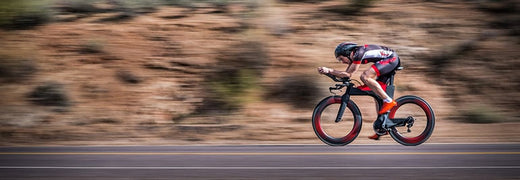
元記事に登場するプロトライアスリート、コーディ・ビールズは、競技を始めた当初、バイクを弱点としていました。そこでパワーメーターを導入し、感覚だけでは分からなかった出力を記録。トレーニングを分析し、バイクを強みに変えていきました。
この事例のポイントは、プロと同じ量のデータを集めることではありません。自分の感覚と実際のパフォーマンスが一致しているかを確認し、弱点に対して必要な練習ができているかを判断することです。
トライアスロンでは、次のような問いにデータを利用できます。
予定した強度でトレーニングできたか
3種目の練習量と負荷がどのように配分されているか
同じコースやメニューでパフォーマンスが変化しているか
後半にペース、パワー、フォームが崩れていないか
疲労が蓄積している兆候はないか
▶︎競技の基本や距離については「トライアスロンとは?距離・種目・初心者が知っておきたい基本」をご覧ください。
3種目で確認したいデータ
種目
基本データ
確認できること
主な注意点
スイム
距離、ペース、ラップ、ストローク数・率
泳ぎの速度、リズム、効率の変化
プールとオープンウォーターでは条件が異なる
バイク
パワー、心拍数、ケイデンス、速度
出力、身体の反応、ペダリングの傾向
速度は風や勾配の影響が大きい
ラン
ペース、心拍数、ピッチ、ランニングパワー
走行速度、身体の反応、動きの変化
心拍数は環境や疲労にも左右される
すべてのデータを毎回確認する必要はありません。トレーニングの目的を一つ決め、それを評価できる指標を中心に見ましょう。
スイムデータの見方
ペースとラップ
プールでは、一定距離ごとのラップタイムを比較すると、設定したペースを維持できたかが分かります。速い1本だけでなく、メインセット全体のばらつきや後半の低下を確認します。
ストローク数とストローク率
ストローク数は一定距離を泳ぐために必要だった腕のかきの回数、ストローク率は一定時間あたりのリズムを示します。同じペースでも、疲労によってストローク数が増えたり、リズムが大きく変わったりすることがあります。
少ないストローク数が常に優れているわけではありません。極端にゆっくり腕を回し、滑走時間を長くすれば数値は減ります。ペース、体感、技術練習の目的と合わせて評価してください。
オープンウォーターでは条件を記録する
海や湖では、波、流れ、水温、ウェットスーツ、進行方向の確認などがペースへ影響します。プールの数値と単純に比較せず、環境条件もトレーニングメモへ残しましょう。
▶︎海や湖で泳ぐ際の準備は「オープンウォータースイミング初心者ガイド|安全に楽しむ8つのコツ」で解説しています。
バイクデータの見方
パワー
パワーは、ペダルへ加えた出力をワットで表します。速度とは異なり、向かい風や上り坂でも、どの程度の出力で走っているかを確認できます。一定出力の持続、インターバルの再現性、後半の低下などを振り返るのに役立ちます。
心拍数
心拍数は、出力に対して身体がどのように反応したかを見る指標です。同じパワーでも心拍数が普段より高い場合は、暑さ、脱水、疲労などが影響している可能性があります。一方、短い高強度区間では心拍反応が遅れるため、パワーと組み合わせて判断します。
ケイデンス
バイクのケイデンスは1分間のペダル回転数です。適切な値は個人、地形、ギア、トレーニング目的によって異なります。特定の数字を正解とせず、同じ出力での心拍数や脚の疲労感と合わせて、自分が維持しやすい範囲を探します。
ランデータの見方
ペースと心拍数
ペースは走行速度、心拍数はその運動に対する身体の反応を示します。ブリックランでは、バイク直後の心拍数やペースを単独のランニングと比較すると、バイクの負荷が走りへどう影響したかを確認できます。
ピッチ
ピッチは1分間の歩数です。レースやロングラン後半で、ペースとともにピッチがどのように変化したかを見ると、疲労による動きの変化を振り返れます。全員に共通する理想値へ無理に合わせる必要はありません。
ランニングパワー
ランニングパワーは、坂や速度変化のあるコースで出力の目安を確認するために利用できます。ペース、心拍数、体感と組み合わせることで、環境に左右されやすい場面でも強度を判断しやすくなります。
▶︎3つの基本指標については「ランニングデータの見方|ピッチ・心拍数・ペースの使い分け」をご覧ください。
体感とコンディションも記録する
元記事でビールズが伝えている重要な点は、「感覚」と「測定データ」のどちらか一方だけを正解にしないことです。気分がよい日に必ず高いパフォーマンスが出るとは限らず、平均的に感じる日でも計画どおりの練習ができることがあります。
トレーニング後は、次の項目を短く残しておくと、数値の背景を理解しやすくなります。
主観的運動強度(どの程度きつかったか)
脚や腕の疲労感、筋肉痛、痛みの有無
睡眠時間と睡眠の感覚
気分や意欲
気温、風、路面、水温などの環境
補給や水分摂取
数値が予定どおりでも、痛みや強い疲労がある場合は回復を優先してください。
データを次の練習へ反映する方法
1回のトレーニング後
今回の目的を確認する
目的に対応する1〜2個の指標を見る
予定値、実測値、体感の差を確認する
環境や体調など、差が生まれた理由を考える
次回に変更することを一つ決める
1週間ごと
3種目それぞれの時間、回数、負荷の傾向を確認します。単純に均等へ分ける必要はありません。目標レース、現在の弱点、回復できる時間に合わせて配分し、急激な増加がないかを見ます。
TSSやhrTSSなどの負荷指標を使う場合も、種目ごとの筋肉への負担や主観的な疲労感を無視しないようにしましょう。
▶︎心拍数を使った負荷の見方は「hrTSSとは?心拍数でトレーニング負荷を測る方法」をご覧ください。
一定期間ごと
4〜8週間など一定期間が経過したら、同じテストや似た条件のトレーニングを比較します。1回の自己ベストだけでなく、一定出力での心拍数、セット後半のペース維持、回復状態など、再現性のある変化を確認します。
データ活用で避けたいこと
すべての数字を追う:目的と関係のないデータまで確認すると、重要な変化を見失いやすくなります。
異なる条件を単純比較する:プールと海、平坦路と坂道、涼しい日と暑い日では条件が異なります。
機器や計算方法を頻繁に変える:デバイスやサービスが変わると数値の算出方法も変わる場合があります。
他人の数値を自分の目標にする:閾値、技術、経験、体格が異なるため、自分の推移を中心に見ます。
数値のために無理をする:計画値の達成より、痛みや体調不良への対応を優先します。
Suuntoで3種目を記録する
Suunto Race 2は、大きなAMOLEDディスプレイでトレーニングデータを確認し、トライアスロンや長時間の持久系トレーニングへ取り組みたい人の選択肢です。
Suunto Race Sは、コンパクトなサイズでスイム・バイク・ランを記録したい人に適しています。
Suunto Vertical 2は、長時間のトレーニングやアウトドア環境での記録、地図を使ったルート確認を重視する人の選択肢です。
対応するマルチスポーツ機能、センサー、計測項目、外部サービス連携は、モデルやソフトウェアのバージョンによって異なる場合があります。各製品ページとユーザーガイドで最新情報を確認してください。
▶︎必要な機能の選び方は「トライアスロン用ウォッチの選び方|スイム・バイク・ランを1台で記録するには」で解説しています。
よくある質問
初心者もパワーメーターが必要ですか?
必須ではありません。まずは時間、距離、ペース、心拍数、体感など、すでに記録できる項目を活用しましょう。練習目的が明確になり、より詳細なバイク出力を確認したくなった段階で検討できます。
3種目を同じ負荷指標で比較できますか?
共通の負荷スコアを使うと全体を俯瞰しやすくなりますが、計算方法や筋肉への負担は種目によって異なります。数値だけで完全に同じ負荷と判断せず、種目別の時間と疲労感も確認してください。
データが悪い日は予定どおり練習すべきですか?
一つの数値だけで中止を決める必要はありませんが、複数の指標と体感が普段と大きく異なる場合は、強度を下げる、短縮する、休養へ切り替えるなど柔軟に調整しましょう。
まとめ|データは次の判断につなげてこそ役立つ
トライアスロンでは、スイムのペースやストローク、バイクのパワーやケイデンス、ランのペースや心拍数など、種目ごとに異なるデータを記録できます。
すべての数字を追うのではなく、トレーニングの目的に合う指標を選び、体感や環境条件と一緒に振り返りましょう。1回ごとの結果、週間の配分、一定期間での変化を確認し、次に調整することを一つ決める。このサイクルが、データを実際の成長へつなげます。
3種目のトレーニングを一つの記録へ
Suuntoウォッチでスイム・バイク・ランを記録し、次のトレーニングへ活用しましょう。
Suuntoウォッチを見る

Fuelling the engine: talking nutrition with Emelie Forsberg
For an increasing number of people today nutrition isn’t only a question of what food we eat, it’s also about where that food has come from and how it’s been produced.
When she's not in the mountains, you can find Emelie in her garden or preparing delicious meals. © Matti Bernitz
Eating seasonally
For Swedish mountain running champion Emelie Forsberg sustainability plays an important role in her decision making around diet. For this reason Forsberg eats seasonally. “In the winter, for example, I try not to buy fruit or anything transported from far away places,” she says. “For me, the seasons are something to go through.”
Fall, she says, is a time to begin spending more time indoors, thinking, reading and reflecting, slowing down after the summer. Winter, Forsberg says, is a time for taking care of oneself, resting, and recharging. Spring is a time of awakening, coming out of hibernation, and using more energy. Summer is a time of fun and intensity.
Forsberg eats different foods during each season. “I really enjoy eating in the winter,” she says. “For breakfast, I eat porridge with berries on top. I’m living in Scandinavia, and we have many berries and greens, and a lot of herbs. In the winter we eat a lot of potatoes. The best is eating potatoes with olive oil and salt! In summer, we have smoothies, more salads, and colder foods.”
Straight from the earth
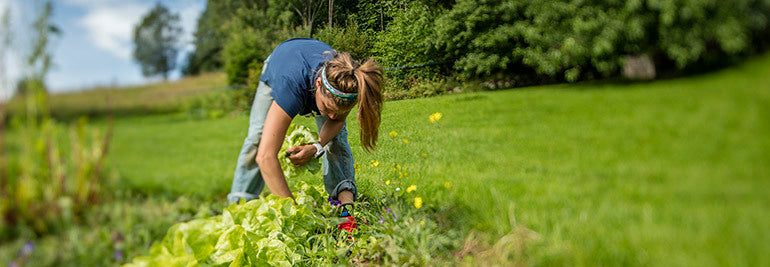
Forsberg is also an avid gardener. Her dream is to become as self sufficient as possible. Leafy greens, beans, potatoes, berries, carrots, you name it, Forsberg is growing it. Gardening, working with the earth, being in harmony with the seasons, is a form of spirituality for Forsberg. She believes the fresher it is the better.
© Kilian Jornet
Relaxed eating
Listening to her body is a big part of how she eats, rather than following meal plans. “I never have a meal plan,” she says. “In the beginning you need to get into a routine, but now I don’t even think about it anymore. You just need to use your imagination. Some people get obsessed about eating healthy. I’m not like that. I’m relaxed in the way I’m eating.”
Bean power
She is a big fan of beans, and admits to eating them at least once a day. “Even bean cakes and bean cookies,” she laughs. “Like, everything beans – 10 different types of beans, five different types of lentils! When you are vegetarian it’s important to know where you are getting your protein from.”
Easy, go-to meals
Forsberg stores a lot of food in her freezer, including bean burger patties. If it’s going to be a busy week she’ll make a big meal on Monday and store it to have again later in the week. “I like to have back up meals.
“I also make pesto out of everything, any type of green, even the tops of carrots,” she says. “A bit of garlic, olive oil, sun seed flower, nuts and seeds, and I eat it with pasta. I was eating it with bean pasta just now!
Salad with carrot and lentil patties
Salad (green salad, rocket, carrots, beets, brussels and onion from the garden)
Patties: 3 carrots, grated4 dl of red lentils; slightly cooked, can be a bit hard.1/2 an onion2 tbsp spoon of tahinia little parsleychili, salt and black pepperMix it all together and fry, or bake them in the oven!
Lead image: Photo by Blair Fraser on Unsplash.
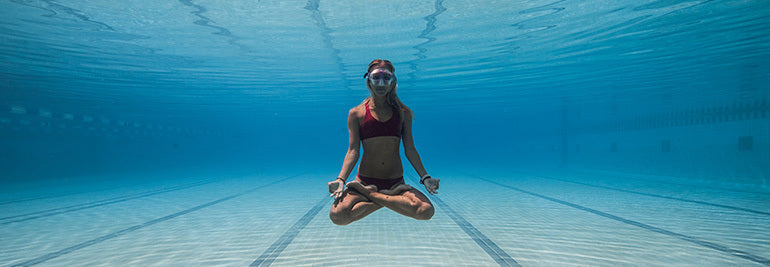

Why yoga is the perfect complement to freediving ... and vice versa
Kate Middleton teaches freediving and offers yoga teacher training courses. © Heather Bonker
Living on Gili Trawangan, a small island close to Bali, Kate Middleton spends her days freediving, doing yoga, writing poetry and training yoga teachers.
It’s a dreamy life in paradise. But training for freediving demands focus and discipline. Middleton regularly competes in elite freediving competitions, such as Vertical Blue, and takes home wins and new records. Her yoga practice helps her stay relaxed, supple and strong.
“Perhaps the biggest draw to freediving is the peace that comes from total immersion in nature,” Middleton says. “You might call it oneness, presence, connection, or, the ‘state of yoga’. At the heart of both yoga and freediving lies this gift of simultaneously being in contact with the inner and outer world.”
© Mike Board
It’s not just about fancy poses
Yoga involves much more than the physical postures, called asanas, most commonly associated with it. Aside from asana, there’s also pranayama and dhyana, breathing exercises, and meditation. Each play a key role, Middleton says.
The asana, or physical practice, results in greater physical strength, flexibility, mobility and body awareness. Pranayama, which is traditionally believed to enhance the life force or prana, increases body awareness, lung flexibility and C02 tolerance. Meditation fosters greater self-awareness, compassion, curiosity, focus, and self-kindness.
“The greatest way yoga supports my freediving journey is how it prioritises relationship to self,” Middleton says. “When self-love is there, anything is possible. Without it, nothing is enjoyable.
“If I let my inner critic run my dive session then no depth will feel like enough. When I dive from the heart, for the pleasure of being in my body and in the water, depth is irrelevant and it’s a spiritual experience.”
Press play to do a simple yoga class with Kate Middleton
Here are three reasons why yoga is a perfect compliment to freediving:
Your personal laboratory
“You can think of freediving as field research and your yoga mat as the laboratory,” Middleton says. “It’s here, back on land, where you can empty all of your findings and start to sort through them, or let them sort themselves out, one breath at a time.”
Better breath holds
“If you prefer a simple and clear outlook on the yoga for freediving movement, consider the fact we cannot be at peace and stressed out at the same time. Yoga reduces stress, which lowers metabolic rate and oxygen consumption. More yoga, therefore, results in a longer breath hold. You will also have more comfortable breath holds and longer dives. Oh yeah, and it’s also hard to have fun while feeling tense, so more yoga equals more fun!”
Know your body better
“Yoga also teaches greater body awareness. We can break that down into interoception and exteroception; the awareness of your inner body and your body in space. This helps you tune in to how you’re feeling on a dive so that you can relax into the process and also know when you need to safely surface.
“As far as physiological adaptation, yoga asana is an immensely effective way to increase your lung flexibility as well as your mobility and strength.”
How to get started
Middleton recommends finding an authentic teacher who you connect with and feel inspired by. Sometimes that might take a while. Until then, here are four tips to get started:
Learn online
If you’re totally new to yoga, try doing yoga with Middleton in the video above. And check out a few free online classes on Youtube or a platform like yogaglo.com. That way you can try a few styles and see what you like.
Start slowly
Many of us have a tendency to push too fast, too soon. With yoga this can sometimes lead to injury. Take your time; start gently, learn to relax and breathe well first before trying more demanding asanas or sequences.
Get one-on-one
Sometimes the fastest way to learn is to have one-on-one classes. That way you have the teacher’s full attention, and can work specifically around your goals and to support your freediving.
Immerse yourself
If you are looking for an immersive experience, go and learn yoga and freediving with Middleton! She hosts yoga and freediving retreats and training camps on Gili and Bali.
Lead images: © Mike Board
More articles about yoga and freediving:
Say namaste to the freediving island yogi
Finding harmony in the deep blue sea
The one thing every freediver needs


