






SUUNTOブログ


ランニングウォッチ、スントラン(Suunto Run)とは?ランナー向け機能紹介
「もっと速く走りたい」「マラソンを完走したい」「毎日のランニングを習慣にしたい」——走る目標は人それぞれです。Suunto Run(スントラン)は、そのすべての目標に応えるために設計されたランニングウォッチです。
初めてGPSウォッチを手にする方から、タイムを追い求める本格ランナーまで。スントランは、ランナーのための機能を一台に凝縮しています。この記事では、スントランの使い方と、知っておきたいスントラン機能10選を詳しくご紹介します。
スントランとはどんなウォッチ?基本スペックと特徴
Suunto Run(スントラン)は、SUUNTOがランナー専用に開発したGPSスポーツウォッチです。「走ることに特化した、必要なものをすべて備えたウォッチ」というコンセプトのもと、軽さ・バッテリー・機能性の三拍子を高い次元で両立しています。
Suunto Run(スントラン)の基本スペック:
重量:わずか36g——SUUNTOウォッチ史上最軽量クラス
バッテリー:通常使用で最大12日間、トレーニングモードで最大20時間
ディスプレイ:鮮明な高精細AMOLEDスクリーン、クラウン(ダイヤル)操作対応
GPS:デュアルバンドGNSSによる高精度なペース・距離計測
スポーツモード:ランニングを中心に34種類のスポーツモードを搭
連携:Suuntoアプリ、Strava、Adidas Running、ASICS Runkeeperなど多数のパートナーアプリと同期対応
36gという軽さは、長距離ランニングやマラソン本番でも「ウォッチをしていることを忘れる」感覚に近い装着感を実現しています。テキスタイルストラップがしっかりフィットし、走行中のズレや不快感を最小限に抑えます。
▶ Suunto Run(スントラン)の製品詳細を見る
スントランの使い方|スントラン機能10選
スントラン機能の中でも特にランナーに役立つ10の機能をご紹介します。初めてスントランを手にした方も、すぐに活用できるものばかりです。
① インターバルラン——構造化トレーニングをウォッチがガイド
インターバルトレーニングは、スピードと持久力を効率よく高めるための定番練習法です。Suunto Run(スントラン)では、Suuntoアプリでインターバルメニューを事前に作成しておくと、ウォッチがセッション全体をガイドしてくれます。
「何秒走って何秒休む」という設定をウォッチに任せることで、タイマーを気にせずトレーニングに集中できます。目標に合わせたカスタムインターバルで、毎回のトレーニングに適切な刺激を与えましょう。
② ゴーストランナー——仮想ペーサーでペース管理
ゴーストランナーは、設定した目標ペースで走る「仮想のペーサー」と競走できる機能です。ウォッチ上でゴーストランナーとの距離差をリアルタイムで確認でき、ペースが速すぎても遅すぎてもすぐに気づくことができます。
レースでのペース配分の練習にはもちろん、ロングランの日に「ゆっくり走りすぎない・速く走りすぎない」ための管理にも活用できます。自分のペースを客観的に把握する習慣が、タイム短縮への近道です。
③ マラソンタイム予測——完走タイムをリアルタイムで把握
マラソンを走っている最中に「今のペースで走り続けたら何時間でゴールできるか」をリアルタイムで表示する機能です。後半でペースが落ちてきたとき、目標タイムを達成するために今どれくらい巻き返す必要があるかを瞬時に判断できます。
ペース配分に悩みがちな初マラソンの方にも、サブ4・サブ3.5を狙う方にも役立つ実践的な機能です。
④ 音声フィードバック&ラップ機能——ラップごとのデータを耳と手首で確認
オートラップ機能をONにすると、設定した距離ごとに自動でラップが刻まれ、その区間のペース・心拍数・タイムがウォッチに表示されます。「1kmごとのペースを確認したい」「5kmごとにチェックしたい」など、自分のスタイルに合わせて設定できます。
さらに、Suunto Spark(スントのオープンイヤーイヤホン)と組み合わせることで、ラップごとのデータを音声でリアルタイムに通知することも可能です。画面を見る必要がなく、視線を前に向けたまま走り続けられます。手動ラップも使えるため、折り返しポイントや給水所など任意のタイミングで区間を区切ることもできます。
⑤ メトロノーム——理想のケイデンスをキープ
ケイデンス(1分間の歩数)は、効率的なランニングフォームを測る重要な指標のひとつです。一般的に180spm(1分間に180歩)が理想的とされており、スントランのメトロノーム機能を使うことで目標ケイデンスを維持しやすくなります。
ウォッチが一定のリズムで振動し、自然とピッチが整います。フォームの崩れやすい後半でも、メトロノームに合わせて走ることでランニングエコノミーの改善が期待できます。
⑥ 水分補給リマインダー——脱水・ハンガーノックを防ぐ
夏場のランや長距離走では、気づかないうちに水分・栄養が不足しがちです。Suunto Run(スントラン)では、水分補給や栄養補給のタイミングをあらかじめ設定しておくと、ウォッチが定期的にリマインドしてくれます。
マラソン本番でのエイドステーション計画や、ロングトレーニング中の補給管理に活用することで、後半のパフォーマンス低下を防ぐことができます。
⑦ トラックランモード——競技場でも正確な計測を
陸上競技場のトラックでは、GPSの精度が落ちやすく正確なペース・距離計測が難しいことがあります。スントランのトラックランモードは、競技場の環境に最適化された計測アルゴリズムを使用し、インドアトラックや公式競技場でも高精度なデータを記録できます。
スピード練習やタイムトライアルを競技場で行う方に特に有効な機能です。
⑧ 心拍・回復・睡眠の計測——コンディション管理もおまかせ
スントランニングウォッチとしての役割はトレーニング中だけにとどまりません。Suunto Run(スントラン)は24時間、手首からの光学式心拍計測と睡眠トラッキングを継続的に行います。
蓄積されたデータをもとに、トレーニング負荷と回復状態のバランスを把握することができます。「今日はハードに追い込む日か、回復に充てる日か」をデータで判断できるため、オーバートレーニングの予防にも役立ちます。
⑨ 音楽再生——スマホなしで音楽を楽しむ
Suunto Run(スントラン)はMP3ファイルを本体に保存できるため、スマートフォンを持たずに走りながら音楽を楽しむことができます。荷物を最小限にしたいレース本番や、シンプルにランニングだけに集中したいトレーニングの日に重宝します。
Suunto Spark(スントのオープンイヤーイヤホン)と組み合わせれば、周囲の音を聞きながら音楽を楽しめる安全で快適な音楽ランニングが実現します。
⑩ ランニングアプリ連携——Strava・Suuntoアプリでデータを深掘り
すべてのランニングデータはSuuntoアプリに自動同期されます。走行ルートの地図確認、心拍数・ペースのグラフ分析、長期的なトレーニング量の推移把握まで、走り終えた後のデータ活用が充実しています。
さらにStrava、Adidas Running、MapMyRun、ASICS Runkeeperなど、数百のパートナーアプリとも連携可能です。すでに使い慣れたアプリへの自動データ転送にも対応しているため、スントランを導入しても既存の管理スタイルをそのまま続けることができます。
快適な装着感——36gの軽さとAMOLEDスクリーン
機能の豊富さに加えて、Suunto Run(スントラン)が多くのランナーから支持される理由のひとつが、その圧倒的な軽さです。
本体重量わずか36gは、SUUNTOの中でも最軽量クラス。テキスタイルストラップは肌当たりがやわらかく、長時間のランでも締め付け感を感じにくい設計になっています。フルマラソンの5時間を走り続けても、ウォッチの存在が気になりにくいのは大きなメリットです。
ディスプレイには高精細AMOLEDスクリーンを採用しており、直射日光の下でも視認性が高く、データを瞬時に読み取ることができます。クラウン(ダイヤル)操作により、走りながらでも直感的に画面を切り替えることが可能です。
Suunto Sparkと連携して走りをもっと楽しく——スントランとSparkで実現するランニング体験
Suunto Run(スントラン)とSuunto Spark(スントのオープンイヤーイヤホン)を組み合わせることで、ランニング体験がさらに広がります。
音声フィードバックの受信:ラップごとのペース・心拍数・距離・タイムをSparkが音声で通知。ウォッチを見る必要がなく、視線を前に向けたまま走れます
ケイデンスなどのリアルタイム計測:Sparkがケイデンス・接地時間・上下動をリアルタイムで記録し、効率的なフォームの改善をサポートします
オープンイヤー設計で安全に音楽を楽しむ:耳をふさがないため、車や自転車の接近音、ランニング仲間の声を自然に聞き取りながら音楽を楽しめます
IP55防塵・防水性能:雨の日や汗をかくトレーニングでも安心して使用できます
最大36時間バッテリー(充電ケース込み):マラソンや長距離トレーニングにも対応する十分なバッテリーを確保しています
スントランとSuunto Sparkは、SUUNTOのエコシステムとして設計された組み合わせです。ウォッチとイヤホンが連動することで、走りのすべてのデータを一元管理しながら、快適なランニング体験を実現します。
▶ Suunto Sparkの詳細を見る
スントランとSuuntoアプリの連携——走りをデータで分析する
Suunto Run(スントラン)の価値は、走っているときだけではありません。走り終えた後のデータ分析こそが、成長の鍵を握っています。
Suuntoアプリでは以下のデータを確・管理できます:
ルートマップ:走行ルートを地図上に表示し、コースの詳細を振り返れます
ペース・心拍数のグラフ:区間ごとの強度変化を視覚的に把握できます
トレーニング負荷と回復状態:累積的な疲労度と回復のバランスをスコアで確認できます
長期トレンド:週・月単位の走行距離や活動量の推移を追跡できます
睡眠データ:睡眠の質と量がトレーニングコンディションに与える影響を確認できま
データが蓄積されるほど、自分の身体の特性や得意なペース帯が明確になっていきます。スントランをただのタイマーとして使うのではなく、パーソナルコーチとして活用することで、ランニングの質は大きく変わります。
Suunoto Runがサマーセール中
期間限定キャンペーン
SUUNTOサマーセール開催中
Suunto Race 2、Vertical 2、Runなど、HRV計測に対応した人気スポーツウォッチが最大22%OFF。夏のトレーニングや次のレースに向けて、今だけの特別価格で。
サマーセールを見る
まとめ
Suunto Run(スントラン)は、スント ランニングを始めたばかりの方から本格的なマラソンランナーまで、あらゆるレベルのランナーに対応したGPSスポーツウォッチです。
今回ご紹介したスントラン機能10選をおさらいすると:
インターバルラン・ゴーストランナー・マラソンタイム予測・音声フィードバック&ラップ機能・メトロノーム・水分補給リマインダー・トラックランモード・心拍/回復/睡眠計測・音楽再生・ランニングアプリ連携——これらすべてが、36gの軽量ボディに搭載されています。
さらにSuunto Sparkと組み合わせることで、音声フィードバック・ケイデンス計測・安全な音楽ランニングまで、走りのすべてをSUUNTOエコシステムでカバーすることができます。
「走る理由」がどんなものであっても、Suunto Run(スントラン)はあなたの走りに寄り添うパートナーです。
▶ Suunto Run(スントラン)の製品ページを見る
▶ Suunto Sparkとセットで走りをアップグレードする
Suunto Run(スントラン)の機能・仕様は予告なく変更される場合があります。最新情報は公式製品ページをご確認ください。


なぜ走るのか?人が走り続ける理由と、走ることの科学
寒い朝に早起きして走る人もいれば、仕事のあとに街を走る人、週末に山へ向かう人もいます。記録を伸ばしたいから、健康のため、気分を切り替えるため、仲間に会うため。人が走る理由はひとつではありません。
社会科学者のニール・バクスター博士は、英国のランニング文化を長年研究し、時代とともに「走る意味」がどのように変化してきたかを調査しました。その知見を手がかりに、私たちはなぜ走り、何がランニングを続ける力になるのかを考えます。
目次
ランニングは競技から日常へ広がった
人が走る5つの理由
走る理由は年齢や環境で変わる
自分が走る理由を見つける
Suuntoで自分のランニングを記録する
次の一歩につながる関連記事
まとめ
ランニングは競技から日常へ広がった
現在では、走ることは身近な運動です。しかし、社会のなかでランニングが受け入れられるようになったのは、それほど昔のことではありません。バクスター博士の研究をたどると、ランナーの姿だけでなく、人々が走る理由も時代とともに変化してきたことが分かります。
1950年代:一部の競技者が記録を追う時代
1950年代のランナーといえば、学校やクラブに所属し、トラックで記録を競う若い男性選手が中心でした。明確な競技目的を持たず、健康や楽しみのために公道を走る人は珍しく、ランニングは一部の競技者が行うものと考えられていました。
現在のように、仕事の前後に一人でジョギングしたり、旅先の街を走ったりする文化は、まだ一般的ではありませんでした。
1960年代:健康のための「ジョギング」が広がる
1960年代になると、運動不足や座りがちな生活への関心が高まり、米国を中心に健康維持を目的としたジョギングが広がります。速さや大会成績ではなく、日常的に身体を動かすこと自体へ価値が置かれるようになりました。
この変化により、走ることは競技場の外へ出て、一般の人が体力づくりのために取り組める運動として受け入れられていきます。「勝つために走る」だけでなく、「健康でいるために走る」という新しい動機が加わりました。
1970年代:心と自己表現のために走る
1970年代には、ランニングの精神的な側面にも関心が集まりました。走ることで思考を整理する、自分自身と向き合う、日常から一時的に離れるといった意味が見いだされるようになります。
一方で、目標を決めて努力し、身体を管理するランニングは、自己鍛錬や自律性の象徴としても捉えられました。同じ「走る」という行為が、心を解放する方法にも、自分を律する方法にもなっていったのです。
1980年代:市民マラソンと女性参加の拡大
市民マラソンの参加者が増えると、ランニングは見るスポーツから、自分自身が参加するスポーツへと広がりました。しかし、その機会が誰にでも平等だったわけではありません。
女性マラソンがオリンピックの正式種目になったのは1984年です。現在では当然に見える女性ランナーの活躍も、長い働きかけと社会の変化によって実現しました。参加者の広がりは、ランニングが持つ意味そのものを変えていきました。
2000年代以降:走る理由がさらに多様に
2000年代以降、ランニングは競技や健康づくりだけでなく、ライフスタイル、旅行、チャリティー、コミュニティとの交流、自然とのつながりを楽しむ活動へ広がりました。都市型マラソン、ファンラン、トレイルランニング、ウルトラランニングなど、選べる舞台も増えています。
現在は、都市の公園、河川敷、海沿い、森や山のトレイルなど、さまざまな場所で多様な人が走っています。速さや順位を目標にする人だけでなく、自分の時間を持つために走る人、自然を感じるために走る人、旅やコミュニティを楽しむ人もいます。
つまり、ランニングの歴史は「誰が走れるのか」と「なぜ走るのか」が広がってきた歴史でもあります。競技者だけのものだったランニングは、いまでは一人ひとりが自分なりの意味を持てる活動になりました。
人が走る5つの理由
バクスター博士の研究が示すのは、ランナーの動機をひとつに決めることはできないということです。複数の理由が重なり、日によって比重が変わることもあります。代表的な動機は、次の5つに整理できます。
1. 健康と体力のため
運動不足を解消したい、体力をつけたい、日常生活をより活動的に過ごしたいという理由です。距離やペースを競わず、ウォーキングとランニングを交互に行うところから始める人もいます。
2. 気分を整え、自分の時間を持つため
仕事や家事から一度離れ、呼吸や身体の動きへ意識を向ける時間として走る人もいます。走ったあとの気分や睡眠なども記録しておくと、自分にとって無理のない運動量を見つけやすくなります。
3. 目標へ挑戦するため
初めて5kmを完走する、自己ベストを更新する、マラソンやトレイルレースへ出場するなど、明確な目標が練習を続ける力になります。大きな目標は、週ごとの距離や1回のトレーニングといった小さな単位に分けると取り組みやすくなります。
4. 自然や街を探索するため
トレイルランナーは山や森に、旅先のランナーは知らない街の風景に魅力を感じます。目的地まで移動するだけでは見落とす景色や季節の変化に、自分の足で走るからこそ気づけることがあります。
5. 人とつながるため
ランニングクラブ、家族や友人とのラン、大会で出会う人々など、コミュニティとのつながりも大きな動機です。一人では続けにくいと感じる場合、決まった曜日に誰かと走る約束が習慣づくりの助けになります。
走る理由は年齢や環境で変わる
走り始めたときは体力づくりが目的でも、やがて大会への挑戦が楽しくなったり、反対に記録から離れて景色を楽しみたくなったりします。生活環境、年齢、体調によって、走る理由が変わるのは自然なことです。
研究では、競技性を重視する人がいる一方、身体的・精神的な健康、自然、社会的なつながりを重視する人も多いことが示されています。高齢のランナーでは、コミュニティとのつながりが動機として大きくなる傾向も見られました。
大切なのは、他人の目標をそのまま自分へ当てはめないことです。速く走ることだけが進歩ではありません。定期的に外へ出られるようになった、以前より長く動けた、仲間ができたという変化も、それぞれのランニングにとって価値のある成果です。
自分が走る理由を見つける
モチベーションが下がったときは、意志の弱さを責める前に、いまの自分に合う「走る理由」を見直してみましょう。
走る前:今日は何を得たいかをひとつ決める。距離、気分転換、景色など、内容は自由
走っている間:予定どおりに進めることより、身体の感覚と周囲の環境を確認する
走ったあと:距離やペースに加え、気分、疲労感、楽しかったことを短く残す
週や月の終わり:記録を振り返り、続けたいことと変えたいことを考える
走りたくない日には休む、歩く、短い距離だけ外へ出るという選択もあります。習慣を守るために体調を無視するのではなく、長く続けるために調整することが大切です。
Suuntoで自分のランニングを記録する
数字は、誰かと競うためだけのものではありません。距離、時間、心拍数、ルート、睡眠、回復状態を継続して記録すると、自分がどのように走ってきたかを振り返る手がかりになります。
ランナーのために設計されたSuunto Runは、わずか36gの軽量設計で、日々のランニング、睡眠、トレーニング負荷を記録できます。今日は速く走る日なのか、ゆっくり楽しむ日なのか。記録と身体の感覚を組み合わせ、自分に合ったペースで続けていきましょう。
次の一歩につながる関連記事
ランニングウォッチSuunto Runとは?ランナー向け機能を紹介:軽量ウォッチで日々のランを記録したい人へ
Suunto RunとSuunto Race Sの違いを比較:自分の目標に合うウォッチを選びたい人へ
ランニング中に音楽を安全に楽しむ方法:音楽やポッドキャストを走るきっかけにしたい人へ
まとめ
人が走る理由は、健康、気分転換、挑戦、自然、コミュニティなどさまざまです。同じ人でも、走る目的は時期や環境によって変わります。
競技として速さを追うことも、静かな時間を楽しむことも、仲間と笑いながら走ることも、すべてランニングです。自分がいま走りたい理由を見つけ、その理由に合ったペースで一歩を重ねていきましょう。
あなたのランニングストーリーを記録しよう
軽量設計とランニング専用機能を備えたSuunto Runで、今日の一歩から記録を始めよう。
Suunto Runを見る


トレイル アルザス グランデスト by UTMB
トレイルランニングシーズンが始まり、5月15日から18日に開催されるUTMBのトレイルアルザス・グラン・エストに参加できることを嬉しく思います。
私たちは準備完了です。あなたはどうですか?
昨年の大会には60か国から6,000人のランナーが集まり、アルザスの豊かな歴史と文化遺産に満ちた風景を満喫しました。競技者たちは中世の雰囲気を伴った壮大なスタートを体験し、鎧を着た騎士たちの騎馬の音が響きました。この劇的な始まりが、忘れられない旅の舞台を整え、多くの要塞城を巡る素晴らしい体験となりました。シャトー・デュ・オー・ケーニヒスブルクや、風光明媚なタークハイム、カイザースベルクの町、そして有名なアルザスのブドウ畑の美しさが続きます。足を踏み出すたびに、地域の素晴らしい歴史と絶景の新しい層が明らかになりました。
Suuntoはレースビレッジにブースを出展し、私たちのチームが最新のブランドニュースを共有し、製品を展示し、レース前のサポートを行います。
しかし、それだけではありません— コミュニティランに参加し、 PWRUPと協力して、オーバーナイの美しい丘を6 km走る興奮を体験し、その後スナックでリフレッシュしましょう。
コミュニティラン – 5月16日(金)🕑 14:00 – Suuntoブースから出発🏃 オーバーナイの丘を走る6 kmのコース🕒 ~15:00 – Suuntoブースに戻る🍫 ナーク製品とソフトドリンクのポストランスナック 今すぐ登録して、ラン中に私たちのスポーツウォッチを試すユニークな機会を確保しましょう!
👉 登録する!
コミュニティランに参加できないが、まだ時計を試したいですか?問題ありません—私たちのブースに立ち寄り、1時間、2時間、またはそれ以上の間お借りできるようにお願いします。私たちのチームが解決策を見つけます!
[AIによる自動翻訳につき、誤訳が含まれる場合があります。]


ダイビング前後の回復方法|睡眠・HRV・トレーニング負荷を活用
ダイビングを長く安全に楽しむためには、水中での技術や体力だけでなく、ダイビング前後に十分な休息を取ることも大切です。疲労や睡眠不足が残った状態では、集中力や判断力が低下し、本来のパフォーマンスを発揮しにくくなることがあります。
この記事では、睡眠、HRV(心拍変動)、トレーニング負荷を手がかりに、自分の回復状態を振り返る方法を紹介します。数値だけで体調を決めつけず、身体の感覚と組み合わせて活用することがポイントです。
目次
ダイビングに回復が大切な理由
睡眠から回復状態を振り返る
HRVは自分の通常範囲と比べる
トレーニング負荷と休息のバランス
ダイビング前後の回復ルーティン
まとめ
ダイビングに回復が大切な理由
トレーニングによる刺激を受けると、身体は一時的に疲労した状態になります。その後に栄養と休息を十分に取ることで適応が進み、次の運動へ備えられるようになります。負荷をかけ続けるだけではなく、回復までをひとつのサイクルとして考えることが重要です。
ダイビングでは、器材の運搬、水面移動、流れへの対応などで想像以上に体力を使う場合があります。連日のダイビングや旅行中は、移動、時差、暑さ、脱水なども重なります。前日のトレーニング負荷だけでなく、睡眠や体調も含めて準備状態を確認しましょう。
大切な注意:ウォッチの睡眠・HRV・回復データは、ダイビングの可否を医学的に判断するものではありません。強い疲労、体調不良、痛み、息苦しさなどがある場合は無理に潜らず、必要に応じて医療専門家へ相談してください。
睡眠から回復状態を振り返る
睡眠中は、身体と心が次の日に向けて回復する大切な時間です。睡眠不足が続くと感じた日は、予定していた高強度トレーニングを軽い運動へ変更したり、早めに休んだりする判断につなげられます。
ダイビングと日常のスポーツを1台で記録できるSuunto Oceanでは、就寝時にも着用することで、睡眠時間や睡眠の推移を確認できます。ウォッチ上の睡眠ウィジェットやSuuntoアプリで、1日だけの結果ではなく数日間の傾向を見てみましょう。
睡眠は長さだけでなく、規則性も重要です。できる範囲で就寝・起床時刻をそろえ、連日のダイビング前には十分な睡眠時間を確保してください。普段と異なる環境で眠るダイビング旅行では、数字に表れない眠気やだるさにも注意が必要です。
HRVは自分の通常範囲と比べる
HRV(心拍変動)とは、連続する心拍と心拍の間隔に生じるわずかな変化を表す指標です。睡眠中のHRVを継続して記録すると、トレーニング、睡眠、日常のストレスなどに身体がどう反応しているかを振り返る手がかりになります。
HRVには大きな個人差があるため、他人の数値や一律の基準と比べるのではなく、自分の通常範囲と最近の傾向を確認することが大切です。「高いほど必ず好調」「低いから必ず休む」と単純に判断せず、安静時心拍数、睡眠、主観的な疲労感と合わせて考えます。
いつもの範囲で安定している:普段の体調や予定と照らし合わせて行動する
いつもより低い状態が続く:睡眠不足、強い運動、精神的ストレス、体調変化などを振り返る
普段と大きく異なる:数値だけで結論を出さず、身体の感覚を優先する
HRVの仕組みやSuuntoアプリでの確認方法は、関連記事「HRVとは?心拍変動を理解してトレーニングの回復を最適化する方法」で詳しく解説しています。
トレーニング負荷と休息のバランス
ダイビングのための体力づくりでは、有酸素運動、筋力トレーニング、水泳などが役立ちます。一方で、負荷の高い運動を重ねすぎると疲労が残り、ダイビング当日の準備状態に影響する可能性があります。
Suunto Oceanで日々のスポーツを記録し、Suuntoアプリでトレーニング負荷と回復の推移を確認すると、「どの運動のあとに疲労が残りやすいか」「休息を入れるとどう変化するか」を把握しやすくなります。翌日にダイビングを控えている場合は、新しい高強度メニューや追い込みすぎる運動を避け、余裕を持って調整しましょう。
心拍ゾーンを使った基礎体力づくりについては、「ダイビングの体力づくりに役立つトレーニングゾーンの見つけ方」も参考になります。
ダイビング前後の回復ルーティン
回復データは、見るだけではなく次の行動へつなげることで役立ちます。まずは、次のようなシンプルな習慣から始めてみましょう。
数日前:睡眠、HRV、トレーニング負荷の傾向を確認する
前日:激しい運動や過度の飲酒を避け、睡眠時間を確保する
当日:数値だけでなく、眠気、疲労感、痛み、体調を自分で確認する
ダイビング後:水分・栄養・休息を取り、その日の負荷を記録する
連日潜る場合:前日までの疲労が残っていないか毎朝見直す
普段から同じ条件でデータを蓄積しておくと、ダイビング旅行など環境が変わったときにも、自分の通常時との差に気づきやすくなります。
まとめ
ダイビングの準備は、器材の点検だけではありません。睡眠、HRV、トレーニング負荷を継続して確認すると、自分の回復パターンを知り、運動や休息を調整するための材料が増えます。
ただし、ウォッチのデータはあくまでひとつの手がかりです。身体の感覚を優先し、疲労や体調不良があるときは無理をしないこと。十分に回復した状態で、次の水中での時間を楽しみましょう。
ダイビングと日々のコンディションをひとつにつなぐ
ダイビング、スポーツ、日常の記録に対応するSuuntoの現行ダイブコンピュータをチェック。
Suuntoのダイブコンピュータを見る


ダイビングのための心拍ゾーントレーニング|持久力・体力を高める方法
器材を背負って歩く、波や流れのある場所で泳ぐ、水中で落ち着いて姿勢を保つ。スキューバダイビングでは、技術や知識だけでなく、無理なく身体を動かし続けるための基礎体力も役立ちます。
ただし、毎回きつい運動をすればよいわけではありません。心拍ゾーンを使って運動強度を分けると、持久力を高める日、回復を優先する日、高い強度へ取り組む日を整理しやすくなります。
この記事では、ダイバー向けに心拍ゾーン1〜5の目的、陸上で取り入れやすい運動、週間トレーニング例を解説します。
目次
ダイビングに基礎体力が役立つ理由
心拍ゾーンとは?
ゾーン1|回復とウォームアップ
ゾーン2|持久力の土台づくり
ゾーン3|一定強度を保つ力
ゾーン4|高強度への対応力
ゾーン5|短時間の最大努力
ダイバー向け週間トレーニング例
ダイビング前後の注意点
Suuntoでダイビングと陸上トレーニングを記録する
よくある質問
まとめ
安全に関する注意:この記事は一般的なフィットネス情報であり、医療上の助言やダイビング講習の代わりになるものではありません。持病がある人、運動習慣がない人、体調に不安がある人は、運動やダイビングを始める前に医師や認定ダイビング専門家へ相談してください。水中で高強度運動や息止めトレーニングを行わないでください。
ダイビングに基礎体力が役立つ理由
ダイビング中は、できるだけ効率よく動き、落ち着いた呼吸を保つことが基本です。それでも、エントリー地点まで器材を運ぶ、ボートのラダーを上る、流れのある場所を泳ぐなど、状況によって身体へ負荷がかかることがあります。
陸上で継続的に身体を動かしておくことは、長時間動き続けるための持久力、器材を扱うための筋力、運動後の回復力を整える助けになります。ただし、体力が高くても、悪天候や強い流れに無理に対応できるわけではありません。ダイビングでは常に、自分の訓練範囲、当日の体調、環境条件を優先します。
心拍ゾーンとは?
心拍ゾーンは、最大心拍数などを基準に運動強度を段階へ分けたものです。Suuntoウォッチでは一般的に5つのゾーンを使い、軽い回復運動から短時間の最大努力までを区別します。
ゾーンごとに身体へ与える刺激が異なるため、「今日は持久力をつくる」「今日は疲労を残さず身体を動かす」といった目的を決めやすくなります。単に消費カロリーや運動時間を見るよりも、セッションの役割を整理できるのがメリットです。
最大心拍数の推定方法、ゾーンの設定、乳酸閾値心拍数については「心拍ゾーンの計算・設定方法|Suuntoウォッチで強度管理を始める基本」をご覧ください。
ゾーン
主な目的
運動例
体感の目安
1
回復・準備
散歩、軽いサイクリング
とても楽
2
持久力
ウォーキング、ゆっくりしたスイム
会話を続けやすい
3
一定強度の持続
テンポ走、一定ペースのスイム
ややきつい
4
高強度への対応
長めのインターバル
きつい
5
最大努力・瞬発力
短い高強度インターバル
非常にきつい
ゾーン1|回復とウォームアップ
ゾーン1は、身体への負担が小さい強度です。トレーニング前後のウォームアップやクールダウン、疲労が残る日の軽い運動に使います。
散歩、軽い自転車移動、ゆっくりしたモビリティ運動などが取り入れやすい例です。運動を始めたばかりの人や、長く休んだ後に再開する人は、まずゾーン1を中心に運動習慣をつくります。
ゾーン2|持久力の土台づくり
ゾーン2は、比較的楽に長く続けられる有酸素運動の強度です。ダイバーにとっては、器材を持って移動したり、長い一日を通して複数回潜ったりするときの基礎体力を整えるうえで重要なゾーンです。
速歩、ゆっくりしたジョギング、サイクリング、一定ペースのスイミングなどを30〜60分ほど行います。運動習慣が少ない場合は短い時間から始め、週単位で少しずつ時間を延ばしてください。
呼吸には余裕があり、短い会話を無理なく続けられる程度が体感の目安です。長時間行うと総負荷は大きくなるため、楽な強度でも時間を急に増やさないようにします。
ゾーン3|一定強度を保つ力
ゾーン3は、楽ではないものの、一定時間は維持できる強度です。中程度の負荷で動き続ける能力を高めたいときに使います。
陸上ではテンポ走、やや速いサイクリング、プールでは休憩を短くした連続スイムなどが例です。フィンキックに必要な脚の持久力や、一定した動作を続ける力を整える補助になります。
ゾーン3ばかりに偏ると、低強度の日としては負荷が高く、高強度の日としては刺激が不足する状態になりやすいため、目的を決めて取り入れます。
ゾーン4|高強度への対応力
ゾーン4は、長くは維持できない高い強度です。インターバルトレーニングなどで、心肺機能と高負荷に対応する力を高めるために使います。
例として、ランニングやバイクで2〜5分の運動区間と十分な回復区間を数回繰り返します。高強度運動に慣れていない場合は、専門家の指導を受け、回数を少なくして始めてください。
このトレーニングは、緊急時に無理をするためのものではありません。水中で負荷が高まったときは、バディへ合図し、停止・浮上など講習で学んだ手順を優先します。
ゾーン5|短時間の最大努力
ゾーン5は、数十秒から数分程度の非常に高い強度です。VO2maxや瞬発的な運動能力へ刺激を与えますが、身体への負担が大きく、回復にも時間が必要です。
健康維持やレクリエーショナルダイビングのための基礎体力づくりでは、必須ではありません。経験豊富なアスリートが明確な目的を持って取り入れる領域と考え、運動初心者はまずゾーン1〜2の継続を優先しましょう。
ゾーン4〜5の高強度トレーニングは陸上の安全な環境で行います。プールや海での息止めを組み合わせた高強度運動は、意識喪失や事故につながる危険があるため、自己流で行わないでください。
ダイバー向け週間トレーニング例
一般的な体力づくりを目的とした一例です。現在の運動習慣、年齢、健康状態、ダイビング予定に合わせて調整してください。
曜日
内容例
主な強度
月
休養または30分の散歩
ゾーン1
火
40分の速歩・ジョギング・バイク
ゾーン2
水
全身の筋力トレーニング
心拍ゾーンだけで管理しない
木
30〜45分のスイムまたは有酸素運動
ゾーン2〜3
金
休養または軽いモビリティ運動
ゾーン1
土
60分前後のウォーキング・バイクなど
ゾーン2
日
経験に応じて短いインターバル、または休養
ゾーン4、または休養
筋力トレーニングでは心拍数が低くても、筋肉や関節へ大きな負荷がかかる場合があります。心拍ゾーンだけで負荷を判断せず、重量、回数、フォーム、筋肉痛、体調も記録しましょう。
ダイビング前後の注意点
ダイビング直前に強い疲労を残さない
ダイビングを予定している直前に、慣れていない高強度運動や筋肉痛が強く残るトレーニングを行うのは避けます。移動、睡眠不足、暑さ、脱水も含めて当日のコンディションを確認してください。
運動とダイビングの間隔は専門的なガイダンスに従う
激しい運動とダイビングの組み合わせについては、潜水プロフィール、運動の種類、個人の健康状態などによって判断が変わります。認定指導団体、ダイビング事業者、ダイビング医学に詳しい医療専門家の最新ガイダンスに従ってください。
水分・休養・体調を優先する
トレーニング計画を達成することより、安全に潜れる状態を整えることが優先です。発熱、胸部の違和感、強い疲労、息苦しさなどがある場合は、運動やダイビングを中止して適切な助言を受けてください。
オフシーズンから無理なく準備する方法は「ダイビングのオフシーズンに取り組みたいトレーニング」も参考にしてください。
Suuntoでダイビングと陸上トレーニングを記録する
Suunto Oceanは、スキューバダイビングの記録と、ランニング、スイミング、筋力トレーニングなど陸上・水上のスポーツ記録を一台で管理したい人の選択肢です。日常のトレーニングでは手首心拍数や運動時間を記録し、Suuntoアプリで継続的に振り返れます。
ダイビングで見やすい専用ダイブコンピュータを重視する場合は、Suunto Nauticや、コンパクトなSuunto Nautic Sも現行の選択肢です。陸上トレーニングの記録方法とは役割が異なるため、ダイビング機能、サイズ、操作方法、使い方に合わせて選びましょう。
製品の機能や対応スポーツモードは、モデルやソフトウェアバージョンによって異なります。購入前に各製品ページとユーザーガイドで最新情報を確認してください。
Suunto Japan公式:Suunto Nautic S 紹介動画(日本語字幕入り)
よくある質問
ダイバーはどの心拍ゾーンを優先すべきですか?
一般的な基礎体力づくりでは、継続しやすいゾーン1〜2が中心です。ゾーン3以上は運動経験、健康状態、目的に応じて取り入れます。高強度運動を増やす前に、低強度運動を無理なく続けられる状態をつくりましょう。
スイミングだけでダイビングの体力づくりはできますか?
スイミングは有酸素運動として役立ちますが、器材の運搬や姿勢保持には筋力も必要です。ウォーキングやバイクなどの有酸素運動に、脚、体幹、背中を含む全身の筋力トレーニングを組み合わせると、より幅広く準備できます。
最大心拍数は「220-年齢」で決めればよいですか?
「220-年齢」は簡便な推定方法ですが、個人差があります。最初の目安として使い、運動中の体感や実測データを確認しながら調整してください。より正確な設定が必要な場合は、専門家の管理下で適切なテストを受けます。
ダイビング中も心拍ゾーンを維持すべきですか?
いいえ。心拍ゾーントレーニングは、ダイビングへ向けた陸上での体力づくりに使う考え方です。水中で目標心拍数へ上げようとせず、落ち着いた呼吸と効率的な動作、安全手順を優先してください。
まとめ|低強度を土台に、目的に合わせて強度を使い分けよう
心拍ゾーンを使うと、回復、持久力、一定強度の持続、高強度といったトレーニングの目的を整理できます。ダイビングに向けた一般的な体力づくりでは、ゾーン1〜2の運動を継続し、筋力トレーニングを組み合わせることから始めましょう。
ゾーン4〜5は必須ではなく、取り入れる場合も体調と回復を確認します。フィットネスは安全なダイビングを支える要素の一つですが、講習、適切な器材、バディとの連携、環境判断に代わるものではありません。
水中での時間をSuuntoと記録する
Suuntoのダイブコンピュータで、これからのダイビングに合った一台を見つけましょう。
Suuntoダイブコンピュータを見る

UTMB World Seriesガイド|世界60以上の大会と参加への道
世界各地の山岳地帯や海岸線、砂漠、森林を舞台に開催されるUTMB World Series。2025年は50以上のイベントが28か国・5大陸へ広がり、トレイルランナーがUTMBの世界をより身近に体験できるシーズンとなりました。
この記事では、2025年にシリーズへ加わった大会を振り返りながら、UTMB World Seriesの仕組み、大会の選び方、Running Stones、ライブ観戦、そしてSuuntoの現地での取り組みを紹介します。開催日やカテゴリーは年度ごとに変わるため、参加を検討する際は必ず最新の公式情報をご確認ください。
目次
世界へ広がった2025年のUTMB World Series
2025年に加わった11の大会
Events・Majors・Finalsの違い
自分に合うUTMB World Series大会の選び方
UTMB Liveで世界のレースを観戦する
Suuntoが世界各地の挑戦を支える
次のレースへ向けて準備しよう
世界へ広がった2025年のUTMB World Series
UTMB World Seriesは、各地の自然や文化を生かしたトレイルランニング大会を世界規模でつなぐシリーズです。2025年は50以上のイベントが28か国・5大陸で開催され、歴史ある山岳レースに加えて、新しい地域の大会も加わりました。
シリーズの魅力は、すべての大会が同じ景色や難易度ではないことです。アルプスの高山帯、地中海沿岸、アジアの山岳地帯、南米の大自然など、開催地ごとにコース、気候、文化が異なります。ランナーは距離だけでなく、「どんな土地を走りたいか」という視点からも目標を選べます。
UTMB Mont-Blancやシリーズ全体の基礎は、UTMBとは?距離・魅力と日本で楽しむ方法で詳しく解説しています。
2025年に加わった11の大会
2025年には、ヨーロッパ、アジア、南北アメリカから11大会が新たにシリーズへ加わりました。以下は2025年シーズン発表時の記録です。現在の開催状況や大会名称、日程は変更される場合があります。
地域
2025年に加わった大会
国・地域
ヨーロッパ
Arc of Attrition
イギリス
Grand Raid Ventoux
フランス
Monte Rosa Walser Waeg
イタリア
Kaçkar
トルコ
Puglia
イタリア
アジア
Ultra-Trail Xiamen
中国
Ultra-Trail Great Wall
中国
Kaga Spa Trail Endurance 100
日本
南北アメリカ
Torrencial Chile
チリ
Chihuahua
メキシコ
Patagonia Bariloche
アルゼンチン
日本から加わったKaga Spa Trail Endurance 100は、石川県加賀市・山中温泉エリアを舞台に、里山と温泉文化を世界のランナーへ伝える大会です。2026年にはSuuntoもEXPOへ出展し、製品展示やウォッチ体験を通じて参加ランナーをサポートしました。
シリーズはその後も拡大しており、現在は60以上のイベントが案内されています。参加を検討する場合は、UTMB World Series公式イベント一覧で最新の開催地、日程、カテゴリー、エントリー状況を確認してください。
Events・Majors・Finalsの違い
UTMB World Seriesは、大きくEvents、Majors、Finalsで構成されています。それぞれの役割を理解すると、目標までの道筋を考えやすくなります。
区分
位置づけ
特徴
UTMB World Series Events
世界各地で開催されるシリーズ大会
完走によりRunning Stonesを獲得できる対象レースがある
UTMB World Series Majors
各地域を代表する年間4大会
通常のEventsに比べて2倍のRunning Stonesを獲得できる
UTMB World Series Finals
フランス・シャモニーで行われる年間ファイナル
OCC(50K)、CCC(100K)、UTMB(100M)の3カテゴリー
Running Stonesとは
Running Stonesは、UTMB World Series Finalsの抽選へ進むために必要となる資格要素です。対象となるEventまたはMajorを完走すると獲得でき、保有数が多いほど抽選口数が増えます。現在は、過去2年間に獲得したRunning Stoneを少なくとも1個保有することが抽選参加の条件です。
ただし、Finalsへの参加条件には有効なUTMB Indexなども関係し、制度は更新されることがあります。エントリー前にはUTMB World Series公式のスポーツシステムで最新条件を確認してください。
自分に合うUTMB World Series大会の選び方
大会名の知名度だけで選ぶのではなく、自分の経験、走りたい距離、得意な地形、季節、移動の負担を照らし合わせることが大切です。
距離と累積標高:同じ50Kでも、登りの量や路面によって難易度は大きく異なります。
地形と標高:高山、森林、海岸線、火山地帯など、必要な技術や装備が変わります。
気候:暑熱、寒さ、雨、強風への対応を、開催時期と過去の気象から考えます。
移動と滞在:海外大会では、時差、交通、宿泊、装備の輸送もレース計画の一部です。
出場条件:UTMB Index、Running Stones、抽選、医療証明などを早めに確認します。
たとえば、イタリア・トスカーナの丘陵やブドウ畑、中世の村を走る大会に興味があるなら、Chianti Ultra Trail by UTMBの大会ガイドも参考になります。ヨーロッパだけでなく、日本を含むアジアの大会からシリーズを体験するという選択肢もあります。
UTMB Liveで世界のレースを観戦する
UTMB World Seriesは、走るだけでなく観戦でも楽しめます。UTMB Liveでは、対象大会の映像配信に加え、GPSトラッキング、順位、通過情報などを確認できます。ライブ映像がない大会でも、リアルタイムのリーダーボードや選手位置が提供される場合があります。
2025年はChianti Ultra TrailやEiger Ultra Trail、各地域のMajor、UTMB Mont-Blancなどが配信対象となり、世界各地のレースを自宅から追えるシーズンでした。配信対象や対応言語は年度・大会によって異なるため、レース前にUTMB Liveで確認してください。
Suuntoが世界各地の挑戦を支える
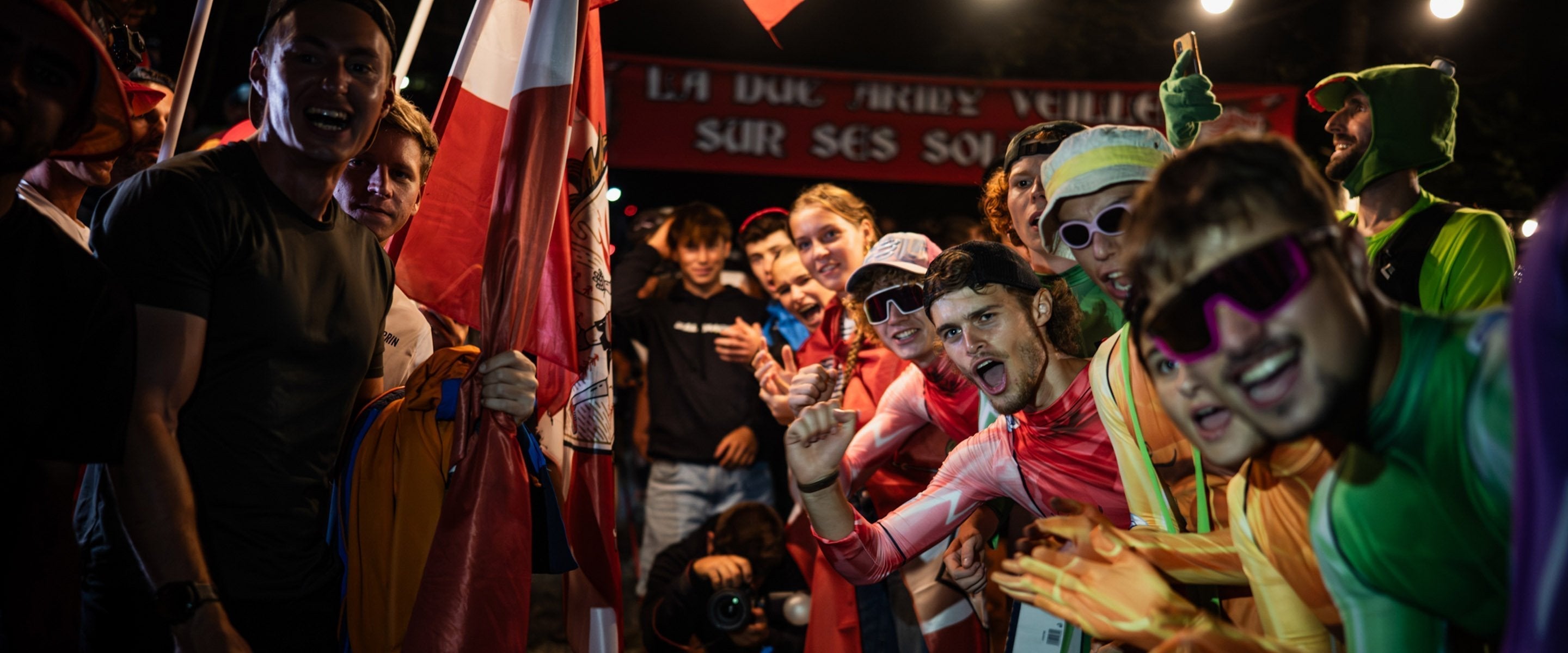
Suuntoは、UTMB World Seriesの公式GPSウォッチおよびテクニカルパートナーです。2025年シーズンには世界各地の大会会場で、EXPO出展、製品体験、レース前のシェイクアウトランなどを通じて、参加者やファンとトレイルを共有しました。
このパートナーシップは、ロゴ掲出だけではありません。イタリアでは、Chianti Ultra TrailでのSuuntoの現地活動を展開。日本では、Kaga Spa Trail Endurance 100のEXPOでGPSウォッチの展示・販売や体験企画を実施しています。開催地ごとの自然と文化を尊重しながら、ランナーに近い場所で挑戦を支えることが、SuuntoとUTMB World Seriesの取り組みです。
Suuntoがパートナーとして提供する価値や、オフラインマップ、ルートナビゲーションを使ったレース準備については、SuuntoがUTMB World Seriesを支える理由で詳しく紹介しています。
次のレースへ向けて準備しよう
目標とする大会が決まったら、コースの距離と累積標高を確認し、必要な体力、補給、装備、ペース配分を逆算して準備します。ルートデータが公開されたら、事前にウォッチへ転送し、オフラインマップやナビゲーションの操作も練習中に試しておきましょう。
長時間のアウトドア活動とナビゲーションを重視するSuunto Vertical 2、トレーニングからレースまでのパフォーマンス管理に対応するSuunto Race 2など、Suuntoのスポーツウォッチは日々の準備からレース当日までランナーを支えます。実際の大会ではウォッチだけに頼らず、コースマーキング、必携装備、主催者の安全指示にも従ってください。
次のトレイルへ踏み出そう
トレーニング、ルート確認、長時間の記録を支えるSuuntoスポーツウォッチを比較できます。
Suuntoスポーツウォッチを見る


