




SUUNTOブログ

Pace your race with Abby, Iris and Dakota
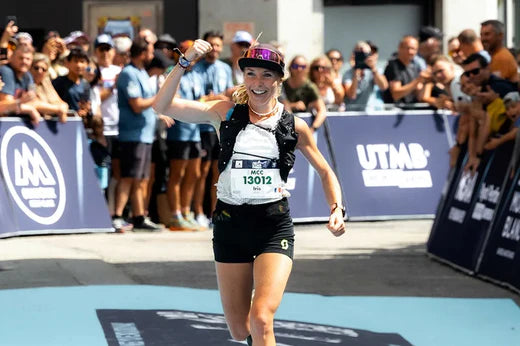
Suunto athletes Iris Pessey, Abby Hall, and Dakota Jones reveal their pacing strategies during the UTMB Mont Blanc in Chamonix.
Race tactics! How should you approach a trail race to get the best possible outcome? How do you pace a race right?
We turned to three of our ambassadors – Abby Hall, Iris Pessey, and Dakota Jones – to get their tips. They each ran different distances at the UTMB Mont Blanc this year: Iris flew through the MCC, Dakota tackled the CCC, and Abby took the UTMB by its horns.
In the video below, Iris, Abby and Dakota share their unique insights on balancing effort, conserving energy, and navigating the mental and physical challenges of ultra-distance racing.
Abby uses her Suunto watch's Climb Guidance to pace climbs and descents evenly, while Dakota, a strong climber, pushes harder on uphills, saying, "Racing is about taking risks." Iris breaks her race into sections, allowing her to mentally reset along the way, finding motivation in in each checkpoint.
Curious about how the pros pace themselves in tough trail races? Watch the video now to gain valuable tips on skill, strategy, and resilience that could make all the difference on your next trail race!
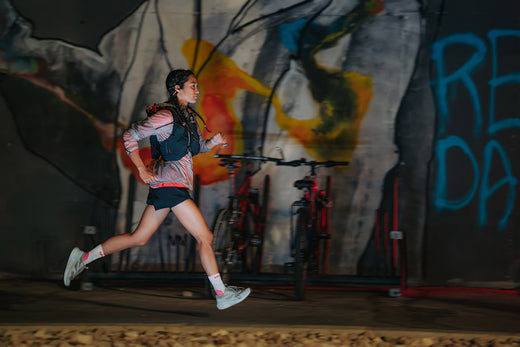

Suunto Commuting Day: Doing good one commute at a time
Last week, Suunto users around the world came together for the Suunto Commuting Day in an effort to do good for the planet. Here’s a snapshot of what the global community achieved!
Small, everyday choices are the beginning of change. One single commute may not seem like much, but over time, it all adds up. And when we look at the entire Suunto community, we can see that together we can make a bigger impact!
The combined CO₂e savings for the participants on Thursday, October 24 were over 65,000 kg. This collective effort shows that even small changes in our daily routines can have a real impact.
65,000 kg of CO₂e is equal to about 260 one-way flights from Paris to Berlin, where each passenger's emissions are around 0.25 metric tons for the 1.5-hour trip. It is also similar to the CO₂ absorbed by around 1,300 trees over ten years (based on Tree-Nation’s Eden Reforestation Projects in Mozambique). 65,000 kg is also equal to the emissions of 5,500 Finland-made Suunto Ocean watches generate during their whole lifespan.
Half on bikes, half on foot
Our data revealed that 49% of participants chose to cycle, 31% to run, and 20% to walk their commutes — each step and pedal turn contributing to both personal health benefits and a greener future. Whether on wheels, on foot, or even other creative methods, our Suunto users took meaningful action to reduce their carbon footprint.
Distances covered and time invested
Cyclists typically commuted around 7.9 km per trip, spending 28 minutes on average.
Runners tackled 6.1 km per commute, taking 40 minutes on average.
Walkers covered 2.7 km on average, enjoying 35 minutes outdoors.
The bike commute distances are distributed quite evenly over different distances: roughly a third is less than 5 km, a third is between 5–10 km, and a third is over 10 km. The longest commuting rides last Thursday were over 100 km.
Top commuting champions by country
Our Swiss users led in cycling distances with an impressive 10.3 km being the most typical commuting distance, while runners in China topped the charts, typically covering 7.5 km per commute.
Globally, France took first place for the total distance covered by its participants, followed closely by Finland, Germany, Spain, and China.
Suunto’s Commuting Day is a testament to what’s possible when people come together for a common goal. These statistics show that, collectively, we’re reducing emissions, embracing healthier lifestyles, and setting a precedent for sustainable commuting worldwide.
Thank you everyone for participating in the Suunto Commuting Day and also the photo contest. Winners of the Suunto Wing open-ear headphones have been contacted directly.
Please remember that our small everyday choices make a difference over a longer period of time and together with the community. Keep up the good work!
Learn more about tracking human-powered commutes and your CO2e savings
Learn more about Suunto sustainability work
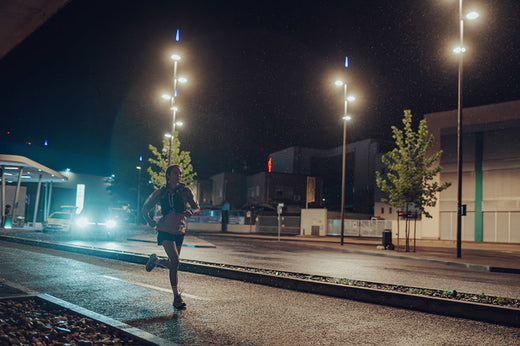

Join Suunto Commuting Day 2024 and fight CO₂e emissions together
Brave the weather (or simply enjoy it if the conditions are good) and join us for Suunto Commuting Day on October 24, 2024!
Small, everyday choices are the beginning of change. One single commute may not seem like much, but over time, it all adds up. And when we look at the entire Suunto community, we can see that together we can make a bigger impact!
On Commuting Day, track your human-powered commute with your Suunto device and tag it as a commute. After the event, we'll calculate how much CO2e we saved together!
Tracking CO2e savings with the Suunto app is simple: ride, run, or walk from point A to point B and save your activity. The Suunto app can automatically tag one-way trips that start and end at least 500 meters (0.3 miles) apart as commutes. If you don’t have auto-tagging on, you can enable it in the Suunto app settings ('Settings' > 'Tags'). To manually tag your commutes, go to the activity, select 'Edit', 'Add tags', and choose 'Commute'.
The reduced CO2e emissions for a single activity will be shown in the workout summary. Your monthly total for CO2e savings can be viewed in the commuting widget on the app’s home page.
You don’t even need a Suunto watch or a Suunto-compatible Hammerhead bike computer to start tracking your human-powered commutes – you can also use the Suunto app for free. Download the Suunto app for iOS here or for Android here.
Learn more about tracking human-powered commutes and your CO2e savings
Share your Commuting Day activity with Suunto app for a chance to win Suunto Wing open-ear headphones!
Share your Suunto Commuting Day activity on Instagram via the Suunto app and tag @suunto for a chance to win Suunto Wing open-ear headphones! Open-ear headphones are ideal for urban commutes, allowing you to listen to audio while still hearing your surroundings.
To share your commute, add a photo to your activity in the Suunto app and include the CO2e savings data for your commute. Three of the most inspiring posts shared between October 24 and October 27 will win Suunto Wing open-ear headphones. (Terms and conditions apply. Learn more here.)
Learn more about sharing with Suunto app
Calculating saved CO2e emissions
CO2e demonstrates the global warming potential (GWP) of all six greenhouse gases in one number. We calculate your emission reduction by comparing cycling, walking or running to driving your car.
About the calculation
CO2e (Carbon Dioxide Equivalent) emissions of travel by car (average of a petrol/diesel powered car). Emission factor: 0.166867 kg CO2e/km. CO2e demonstrates the global warming potential (GWP) of all six greenhouse gases: CO2, CH4, N2O, HFCs, PFCs, SF6, NF3 in one number. Data source: Govt of UK, Dept. of Business, Energy & Industrial Strategy, 2023.
Committed to be better
Learn more about our sustainability efforts here. We know we are not perfect, but we are committed to be better.
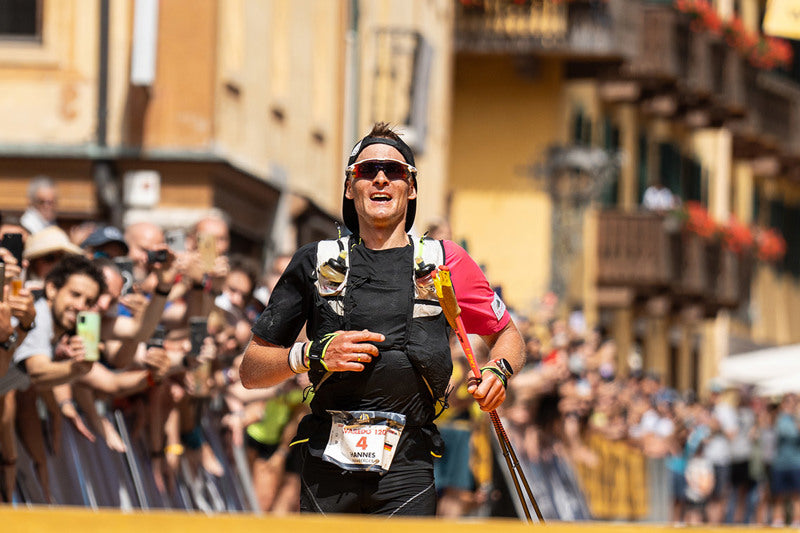

Learn from your run with Hannes Namberger
After winning the Lavaredo Ultra Trail (for the third time!), ultra runner Hannes Namberger shares some of his activity data from the race – and his tips how you can learn from your races, too!
Hannes Namberger has once again demonstrated why he's one of the world's top ultrarunners, clinching his third victory at the Lavaredo Ultra Trail by the UTMB back in June. Throughout the challenging 120 km course, Hannes relied on his deep understanding of race strategy and some valuable data that helped him be prepared for the race and ultimately stay ahead of the competition.
For a closer look at how Hannes leverages his data and insights, and to get a detailed breakdown of his race day performance, watch the full video below. And, as a bonus, you might learn a thing or two that will benefit you as well!
Learn more about Hannes's watch of choice, the Suunto Race here


MoniCardiによるDDFAで心の秘密を解き明かす
タンペレ大学発の技術的ブレークスルー
MoniCardiは、タンペレ大学から生まれた医療テクノロジーおよびソフトウェア企業であり、心拍変動(HRV)に関する革新的な手法の開発に取り組んでいます。心臓の働きを分析することで、人体の複雑な機能をより深く理解し、健康モニタリングやパフォーマンス最適化における新たな可能性を切り拓くことを目指しています。
基盤:大規模データセットによる検証
MoniCardiの画期的な研究は、もともと計算物理学で開発された統計解析および時系列解析の手法に基づいています。これらの手法は、一見意外でありながら、心電図(ECG)分野、とりわけ心拍変動(HRV)解析において非常に大きなインパクトをもたらしています。
MoniCardiの新しい手法とその有用性は、複数の科学研究[1–9]によって検証されており、アメリカ心臓協会(AHA)のScientific Sessionsをはじめとする主要な心臓病学会でも発表されています。これらの研究には、フィンランド心血管研究(FINCAVAS)といった大規模データセットの活用が含まれており、同研究では4,386名の臨床運動負荷試験参加者から得られた包括的な測定データが収集されています。最近の画期的な研究[1]では、運動負荷試験前の1分間の安静時におけるMoniCardiのHRV解析が、従来の20分間の負荷試験全体に基づく解析よりも、突然心臓死の予測精度において有意に優れていることが示されました(ハザード比はそれぞれ約2.5と約1.5)。さらに、他のリスク要因を考慮に入れることで、MoniCardiの優位性は一層高まります。
臨床研究の枠を超えて、MoniCardiの特許取得済み手法は、スポーツ分野における代謝閾値の高精度な推定も可能にします。これは、2023年に主要な生理学ジャーナルで発表された画期的な研究[2]によって実証されました。この研究は、フィンランドの主要紙であるHelsingin Sanomatの全面記事を含め、国内外の複数のニュースメディアでも取り上げられています。現在、この成果はタンペレ大学とフィンランドハイパフォーマンススポーツ研究所(KIHU)との学術連携により、さらなる検証が進められています。
2024年に開始されたSuuntoとのパートナーシップを通じて、MoniCardiの革新的な技術は、プロアスリートやスポーツ愛好家をはじめ、これらの先進的な機能に関心を持つすべてのユーザーに向けて展開されています。HRV解析を新たな次元へと引き上げ、実用的かつ行動につながるインサイトを提供します。
心拍変動(HRV)の理解
心拍変動(HRV)とは、連続する心拍の間隔のばらつきを測定する指標です。これらの間隔の変動を分析することで、身体の状態、特に自律神経系が心臓に与える影響についての洞察を得ることができます。従来、HRVはRMSSD(隣接する心拍間隔差の二乗平均平方根)を用いて、睡眠中の回復状態を評価するために活用されてきました。これは、夜間におけるHRVの変化を観察し、ストレスレベルを検出するものです。
安静時には、心拍間隔には大きな変動(HRV)が見られますが、身体がストレスにさらされると、自律神経系は「闘争・逃走反応(fight-or-flight)」へと切り替わり、心拍変動は最小限に抑えられます。このHRVの低下は、ストレスレベルを評価する指標として利用することができます。
DDFAの紹介:革新的な測定技術
HRVの解析手法は、一般的に時間領域、周波数領域、そして非線形手法に分類されます。非線形手法の中でも代表的なものが、1990年代初頭に開発されたデトレンド変動解析(DFA)です。DFAは、心拍間隔の変化同士の相関、特にある時点の変化が別の時点にどのように影響するかといった、長期的な特性を明らかにします。この情報は高い予測価値を持っていますが、その実用性が本格的に引き出されたのは、近年開発されたダイナミカルDFA(DDFA)[8,9]によるものです。さらにDDFAは、時間に応じたHRV相関の変化を評価できるよう改良されています[10]。
簡単に言えば、DDFAは4拍から50拍以上にわたる複数の「測定スケール(measure sticks)」を同時に利用します。そして各時点において、これらすべてのスケールに対する「スケーリング指数」と呼ばれる指標(心拍間隔の相関特性を示す特徴量)を算出します。この情報により、運動中の生理状態を高精度にマッピングすることが可能になります。
リアルタイム強度モニタリング
DDFAは、運動中における心拍間の相関のリアルタイムな変化を評価する点で優れています。トレーニング強度は、DDFAのスケーリング指数に見られる時間およびスケール依存の変化と直接的に相関しています。研究によると、運動強度が高まるにつれてスケーリング指数は低下します。さらに非常に高い強度に達すると、心拍間隔にはいわゆる「反相関(anticorrelation)」が現れ、大きい間隔と小さい間隔が時間スケールに応じた特定のパターンで交互に現れるようになります。このような情報により、運動強度や生理学的閾値を高精度でモニタリングすることが可能になります。
DDFAの可視化
2023年に『Frontiers in Physiology』に掲載された重要な研究「Estimation of Physiological Exercise Thresholds Based on Dynamical Correlation Properties of Heart Rate Variability」[2]は、DDFAの有効性を示しています。この研究では、時間とともに運動強度が徐々に増加するシナリオが示されています。シアン色のラインは2つの代謝閾値、すなわちLT1(有酸素性閾値)とLT2(無酸素性閾値)を表しており、黒の点線は血中乳酸レベルに基づいてこれらの閾値が位置付けられる箇所を示しています。
この結果は、DDFAに基づく解析によって得られた閾値が、乳酸ベースの閾値定義とほぼ一致する理想的なケースを示しています。ただし、これは最良のシナリオであり、実際の応用ではばらつきが生じることが想定されます。DDFA解析と乳酸ベースの閾値はケースごとに差異が見られる場合がありますが、心拍数の測定値は通常±5拍/分の範囲で一致します。また、乳酸閾値自体にも解釈に依存する不確実性が存在します。
臨床レベルに匹敵する精度
MoniCardiの手法は、全体的な心臓リスクや突然心臓死の予測[1]に加え、QT延長症候群[4,5]、心房細動、うっ血性心不全(研究進行中)など、さまざまな心疾患の評価に活用されています。また、ストレスや睡眠段階の推定[6,7]にも応用されています。突然心臓死の予測[1]に関する研究は大きな注目を集め、フィンランドの主要メディア(YLE、Helsingin Sanomat、Ilta-Sanomat、Aamulehti)をはじめ、複数の国際的なニュースサイトでも取り上げられました。
医療技術分野においては、MoniCardiは現在、先進的な心電図(ECG)デバイスおよびシステムを開発するスウェーデンのMedTech企業Cardiolex Medicalと協業しています。さらに、心臓リスク評価をより広い市場へ展開するため、ウェアラブル技術分野でのパートナーも積極的に模索しています。
参考文献:
[1] Jussi Hernesniemi, Teemu Pukkila, Matti Mölkkäri, Kjell Nikus, Leo-Pekka Lyytikäinen, Terho Lehtimäki, Jari Viik, Mika Kähönen, Esa Räsänen「超短時間の心拍変動に基づく突然心臓死の予測」JACC: Clinical Electrophysiology, 2024年
[2] Matias Kanniainen, Teemu Pukkila, Joonas Kuisma, Matti Mölkkäri, Kimmo Lajunen, Esa Räsänen「心拍変動の動的相関特性に基づく生理学的運動閾値の推定」Frontiers in Physiology 14(2023年)
[3] Teemu Pukkila, Matti Mölkkäri, Matias Kanniainen, Jussi Hernesniemi, Kjell Nikus, Leo-Pekka Lyytikäinen, Terho Lehtimäki, Jari Viik, Mika Kähönen, Esa Räsänen「運動中のRR間隔相関に対するβ遮断薬療法の影響」Computing in Cardiology 50(2023年)DOI: 10.22489/CinC.2023.104
[4] Matias Kanniainen, Teemu Pukkila, Matti Mölkkäri, Esa Räsänen「QT延長症候群におけるRR間隔相関への日内リズムの影響」Computing in Cardiology 50(2023年)DOI: 10.22489/CinC.2023.287
[5] T. Pukkila, M. Mölkkäri, J. Kim, E. Räsänen「QT延長症候群患者におけるRR間隔相関の低下」Computing in Cardiology 49(2022年)DOI: 10.22489/CinC.2022.284
[6] Teemu Pukkila, Matti Mölkkäri, Esa Räsänen「複雑作業中の心拍動的相関 ― 自動車運転におけるケーススタディ」Computing in Cardiology 48(2021年)DOI: 10.23919/CinC53138.2021.9662676
[7] M. Mölkkäri, M. Tenhunen, A. Tarniceriu, A. Vehkaoja, S.-L. Himanen, E. Räsänen「フォトプレチスモグラフィを用いた睡眠段階解析における非線形心拍変動指標」Computing in Cardiology 46(2019年)DOI: 10.22489/cinc.2019.287
[8] M. Mölkkäri, G. Angelotti, T. Emig, E. Räsänen「ランニング中の心拍動的相関」Scientific Reports 10, 13627(2020年)
[9] M. Mölkkäri, E. Räsänen「心拍変動におけるデトレンド変動解析のスケーリング指数のロバスト推定」Computing in Cardiology 45(2018年)DOI: 10.22489/CinC.2018.219
[10] M. Mölkkäri, E. Räsänen「被験者の状態推定のための心拍間隔に関する手法」特許出願中
最新ニュース:MoniCardi
国際ニュース:
Science Daily: https://www.sciencedaily.com/releases/2024/06/240613140808.htmScience Alert: https://www.sciencealert.com/new-algorithm-can-predict-and-help- prevent-sudden-cardiac-deathMirage News: https://www.miragenews.com/tampere-university-researchers- predict-sudden-1255528/Medical XPress News: https://medicalxpress.com/news/2024-01-method-based-series-analysis-thresholds.html
フィンランド国内ニュース:
YLE: https://yle.fi/a/74-20093771Helsingin Sanomat: https://www.hs.fi/tiede/art-2000009847625.htmlIlta-Sanomat: https://www.is.fi/terveys/art-2000010505400.htmlAamulehti: https://www.aamulehti.fi/tiedejateknologia/art-2000010497986.html https://www.aamulehti.fi/tiedejateknologia/art-2000009863997.htmlSTT: https://www.sttinfo.fi/tiedote/70082024/aikasarja-analyysiin-perustuva-uusi-menetelma-helpottaa-urheilun-kynnysarvojen- maarittamista?publisherId=69818730&lang=fi
[AIによる自動翻訳につき、誤訳が含まれる場合があります。]


ZoneSense 登場: 心臓ストレス測定が変える強度インサイト
ZoneSense は、身体の生理反応が低ストレスの有酸素域で機能しているのか、それともより高いストレスを伴う無酸素域の運動へ移行しているのかを把握するためのインサイトを提供します。
スポーツによって心血管系への負荷は異なります。強度を心拍数だけで測るのは難しい場合があり、たとえばサイクリングとクロスカントリースキーでは、同じ心拍数でも一方では有酸素域、もう一方では無酸素域となることがあります。さらに、日々のパフォーマンスには 5〜10% 程度の変動があるため、あらかじめ決めた強度レベルだけで管理するのが難しいこともあります。
ZoneSense は、ワークアウト強度に対する心臓の反応をリアルタイムで測定することで、こうした課題に対応します。この革新的な技術により、アスリートはさまざまなスポーツ種目において、日々の運動強度を把握できます。以下の例では、異なるアクティビティで ZoneSense がどのように心臓の反応を測定するかを紹介します。
有酸素セッション
有酸素ロングラン
ロングランを純粋な有酸素運動として維持するには、ほとんどの時間で ZoneSense の状態をグリーンに保つのが理想です。この例のような軽い運動では、DDFA 指数が主に +0〜+0.4 の範囲で常に変動するのは正常です。屋外ランでは坂を越える必要がある場合があり、その際 ZoneSense は一時的に無酸素域へ切り替わることでその変化を示します。このように有酸素閾値を少し超えるスパイクがいくつか見られるのは、通常の有酸素ワークアウトの範囲内です。
45分間の無酸素強度を3本含むロングライド
この例は 5.5 時間のロングライドで、後半に「Ironman レースペース」の 45 分間セクションを 3 本含んでいます。この 45 分のワーク区間では、DDFA 指数が主に黄色に変わることで、有酸素閾値付近またはそれ以上の強度であることが示されています。気温が 30 度近いため、3.5 時間経過後には、運動強度は変わらないのに心拍数が 15〜20 拍/分高くなっているのが見て取れます。一方で ZoneSense は、一定の強度レベルを示し続けています。
インターバルセッション
ロングインターバル - サイクリング
アスリートが無酸素閾値付近またはそれ以上で取り組むような高強度インターバルでは、日常のセッションで「強すぎるのか、それとも弱すぎるのか」を判断するのが難しいことがあります。ZoneSense は、閾値に到達していたのか、それともさらに超えていたのかを可視化するのに役立ちます。ここでは、無酸素閾値を超える 7 分インターバルを 6 本行った例を示しています。ZoneSense は各インターバル開始後 2〜3 分の間に徐々に上昇し、閾値を超えるレベルに達します。
インターバルワークアウトは、高強度のトレーニングを行う一般的な方法です。ZoneSense の DDFA 指数は、身体が恒常性に達するまでに時間を要するため、一定した強度がより長く続くことを前提としています。ZoneSense が強度レベルを正確に示すには、少なくとも 2〜3 分間、負荷が一定している必要があり、短時間で強度が変化する場合には正確に反映されません。上の例でも、インターバルを 2 分で終了していた場合、高い負荷をかけていても ZoneSense は無酸素状態に達していなかったはずです。これは背景にある心拍数の推移からも確認でき、最初の 2 分間は負荷が一定でも心拍数が上昇し続けています。これは、変化した強度レベルに心臓が適応するまでに時間がかかるためです。
ロングインターバル - オープンウォータースイミング
ZoneSense は、ランニングやサイクリングといった一般的な持久系スポーツだけに限られません。ここでは、湖で 300m を 12 本、各本の間に 30〜45 秒の短い休息を入れて行ったオープンウォータースイムの例です。このセッションの目的は、持続可能な良いテンポペースで泳ぐことでした。ZoneSense は、各反復の終わりで無酸素レベルに到達することで、それを示しています。最後の 1 本を除いてペースは一定に保たれています。ワークの累積負荷は、後半の反復では常に無酸素状態に達している一方、前半では必ずしもそこまで到達していないことから確認できます。
ロングインターバル - ローイング
以下は、6 分間の高強度を 4 本、その後 40 秒の高強度を 8 本、各本の間に 20 秒の回復を入れたローイングワークアウトです。ZoneSense は、負荷が無酸素閾値を超えていることを示しています。短い反復でも、回復が短いため赤まで到達しています。
短い回復を挟むショートインターバル - サイクリング
短い回復を挟みながら多数のショートインターバルを行う場合、ZoneSense は累積する強度を示すことができます。この例では、30 秒の高強度を 13 本、各本の間に 15 秒の回復を入れています。この負荷は、サイクリングパワーを示す黒線で確認できます。ZoneSense の DDFA 指数は最初の 5 本で無酸素域まで上がり、その後の数本では赤で示される VO2max 域に到達します。これは、パワー自体は適切なレベルに見えても、反復数が多いセッションでは累積負荷が高まることをよく示しています。ここでは 15 秒という回復時間が非常に短いため、身体の恒常性は反復間で低強度まで戻らず、連続するインターバル全体の累積強度が表れています。
長い回復を挟むショートインターバル - ランニング
ZoneSense は、回復時間が長いショートバーストのセッションを有意義にモニタリングするのは得意ではありません。ZoneSense では、その強度に対して身体が恒常性に到達する必要があります。40 秒の回復を挟んだ 400m × 20 本のランニングインターバルの例では、インターバル時間が短く回復が比較的長いため、測定結果は高いランニングペースを反映していません。各インターバルがもう少し長ければ、それぞれが無酸素強度に到達したはずですし、回復がもっと短ければ、前の例のように累積強度の影響が示されたはずです。
無酸素閾値付近の高強度
ハーフマラソン
以下の例は、強度が無酸素域にあり、定期的に無酸素閾値に達しているセッションでの ZoneSense を示しています。これは、1 時間半近く自分の限界に挑んだ市民ランナーのハーフマラソンレースです。コースにはカーブやアップダウンがあり、それがアスリートの運動強度に影響しています。ZoneSense は、無酸素域の運動強度を黄色で示し、VO2 域に入るいくつかの区間を赤で示しています。ペースを表す黒線を見ると、ペースがわずかに徐々に低下していることがわかります。同様に、心拍数にもわずかな低下が見られます。しかし ZoneSense では黄色と赤の区間が示されており、アスリートができる限り高い強度を維持しようとしていたことがわかります。
さまざまな強度スパイクを含むアイスホッケー
持久系スポーツのアスリートが、心拍数、ペース、パワーに基づいて有酸素域と無酸素域を設定するために、ラボでパフォーマンステストを行うのは一般的です。しかし、多くのスポーツではラボのプロトコルが実際の競技を再現していないため、これが適用できません。ここでは、試合中の負荷を測るために選手が ZoneSense を使用したアイスホッケーの例を示します。各ワーク区間は無酸素運動として示され、VO2max 域へのスパイクも見られます。
アイスホッケー、サッカー、バスケットボールのようなチームスポーツでは、トレッドミルやエアロバイクによるラボテストが実際のフィールドでの負荷と正確に相関しないため、本当の強度レベルを把握するのは非常に難しくなります。ZoneSense は、こうしたスポーツや、それらのアスリートのトレーニングセッションにおいて解決策のひとつになり得ます。
ZoneSense の課題は、一定した運動が必要である点です。DDFA 指数が負荷の強度を正しく表すには、恒常性、すなわちバランスに達するだけの十分な時間、負荷が続く必要があります。多くのチームスポーツやラケットスポーツでは、運動時間が非常に短く休息時間が長いため、これが制約になることがあります。ただし、試合そのものは ZoneSense で測れなくても、十分な累積負荷があるトレーニングセッションであれば適用できる可能性があります。これは、チームスポーツにとって待望されていた強度測定になるかもしれません。
筋疲労の影響
ZoneSense は、心拍変動を用いてストレスを測定しています。このストレス効果は身体の代謝状態と相関し、ストレスが低いほど有酸素域、ストレスが高いほど無酸素域を示します。ただし、代謝状態だけが影響するわけではなく、ほかのストレス要因によっても誘発されることがあります。ここでは、アスリートが 1 回のワークアウトの中でエルゴメーターによる 2 回のランプアッププロトコルを行ったテスト例を示します。1 回目は 8 分〜16 分、2 回目は 1 時間 15 分〜1 時間 23 分の間に行われています。セッション中盤では、脚に高負荷をかける筋力トレーニングを実施しました。脚筋の疲労の影響は、2 回目のランプアッププロトコルで ZoneSense が 1 回目より高い強度域まで到達していることから確認できます。影響は非常に大きいわけではありませんが、代謝以外のストレス要因も反映されることを示しています。
ZoneSense は、ワークアウト強度に対する心臓の実際の反応を測定することで、さまざまなスポーツでトレーニングを最適化するための、信頼できる日常的なツールをアスリートに提供します。この技術は、アスリートが身体的ストレスレベルを理解し、管理する方法を大きく変え、パフォーマンスとリカバリーの向上に貢献します。
同様に、筋負荷の影響や、それによって生じる異なる強度レベルはハイキングのセッションでも見られます。急な登りや下りによってワークアウトは無酸素域になり、特に下りでは心拍数そのものだけではそれが示されません。筋疲労やそれに伴うストレスが、ZoneSense の強度を高めるのです。
[AIによる自動翻訳につき、誤訳が含まれる場合があります。]


