

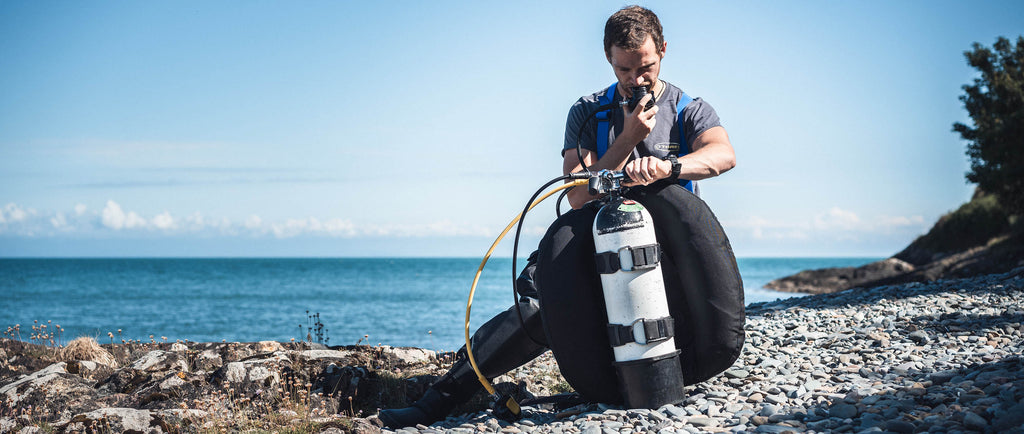
器材を背負って歩く、波や流れのある場所で泳ぐ、水中で落ち着いて姿勢を保つ。スキューバダイビングでは、技術や知識だけでなく、無理なく身体を動かし続けるための基礎体力も役立ちます。
ただし、毎回きつい運動をすればよいわけではありません。心拍ゾーンを使って運動強度を分けると、持久力を高める日、回復を優先する日、高い強度へ取り組む日を整理しやすくなります。
この記事では、ダイバー向けに心拍ゾーン1〜5の目的、陸上で取り入れやすい運動、週間トレーニング例を解説します。
安全に関する注意:この記事は一般的なフィットネス情報であり、医療上の助言やダイビング講習の代わりになるものではありません。持病がある人、運動習慣がない人、体調に不安がある人は、運動やダイビングを始める前に医師や認定ダイビング専門家へ相談してください。水中で高強度運動や息止めトレーニングを行わないでください。
ダイビングに基礎体力が役立つ理由
ダイビング中は、できるだけ効率よく動き、落ち着いた呼吸を保つことが基本です。それでも、エントリー地点まで器材を運ぶ、ボートのラダーを上る、流れのある場所を泳ぐなど、状況によって身体へ負荷がかかることがあります。
陸上で継続的に身体を動かしておくことは、長時間動き続けるための持久力、器材を扱うための筋力、運動後の回復力を整える助けになります。ただし、体力が高くても、悪天候や強い流れに無理に対応できるわけではありません。ダイビングでは常に、自分の訓練範囲、当日の体調、環境条件を優先します。
心拍ゾーンとは?
心拍ゾーンは、最大心拍数などを基準に運動強度を段階へ分けたものです。Suuntoウォッチでは一般的に5つのゾーンを使い、軽い回復運動から短時間の最大努力までを区別します。
ゾーンごとに身体へ与える刺激が異なるため、「今日は持久力をつくる」「今日は疲労を残さず身体を動かす」といった目的を決めやすくなります。単に消費カロリーや運動時間を見るよりも、セッションの役割を整理できるのがメリットです。
最大心拍数の推定方法、ゾーンの設定、乳酸閾値心拍数については「心拍ゾーンの計算・設定方法|Suuntoウォッチで強度管理を始める基本」をご覧ください。
| ゾーン | 主な目的 | 運動例 | 体感の目安 |
|---|---|---|---|
| 1 | 回復・準備 | 散歩、軽いサイクリング | とても楽 |
| 2 | 持久力 | ウォーキング、ゆっくりしたスイム | 会話を続けやすい |
| 3 | 一定強度の持続 | テンポ走、一定ペースのスイム | ややきつい |
| 4 | 高強度への対応 | 長めのインターバル | きつい |
| 5 | 最大努力・瞬発力 | 短い高強度インターバル | 非常にきつい |
ゾーン1|回復とウォームアップ
ゾーン1は、身体への負担が小さい強度です。トレーニング前後のウォームアップやクールダウン、疲労が残る日の軽い運動に使います。
散歩、軽い自転車移動、ゆっくりしたモビリティ運動などが取り入れやすい例です。運動を始めたばかりの人や、長く休んだ後に再開する人は、まずゾーン1を中心に運動習慣をつくります。
ゾーン2|持久力の土台づくり
ゾーン2は、比較的楽に長く続けられる有酸素運動の強度です。ダイバーにとっては、器材を持って移動したり、長い一日を通して複数回潜ったりするときの基礎体力を整えるうえで重要なゾーンです。
速歩、ゆっくりしたジョギング、サイクリング、一定ペースのスイミングなどを30〜60分ほど行います。運動習慣が少ない場合は短い時間から始め、週単位で少しずつ時間を延ばしてください。
呼吸には余裕があり、短い会話を無理なく続けられる程度が体感の目安です。長時間行うと総負荷は大きくなるため、楽な強度でも時間を急に増やさないようにします。

ゾーン3|一定強度を保つ力
ゾーン3は、楽ではないものの、一定時間は維持できる強度です。中程度の負荷で動き続ける能力を高めたいときに使います。
陸上ではテンポ走、やや速いサイクリング、プールでは休憩を短くした連続スイムなどが例です。フィンキックに必要な脚の持久力や、一定した動作を続ける力を整える補助になります。
ゾーン3ばかりに偏ると、低強度の日としては負荷が高く、高強度の日としては刺激が不足する状態になりやすいため、目的を決めて取り入れます。
ゾーン4|高強度への対応力
ゾーン4は、長くは維持できない高い強度です。インターバルトレーニングなどで、心肺機能と高負荷に対応する力を高めるために使います。
例として、ランニングやバイクで2〜5分の運動区間と十分な回復区間を数回繰り返します。高強度運動に慣れていない場合は、専門家の指導を受け、回数を少なくして始めてください。
このトレーニングは、緊急時に無理をするためのものではありません。水中で負荷が高まったときは、バディへ合図し、停止・浮上など講習で学んだ手順を優先します。
ゾーン5|短時間の最大努力
ゾーン5は、数十秒から数分程度の非常に高い強度です。VO2maxや瞬発的な運動能力へ刺激を与えますが、身体への負担が大きく、回復にも時間が必要です。
健康維持やレクリエーショナルダイビングのための基礎体力づくりでは、必須ではありません。経験豊富なアスリートが明確な目的を持って取り入れる領域と考え、運動初心者はまずゾーン1〜2の継続を優先しましょう。
ゾーン4〜5の高強度トレーニングは陸上の安全な環境で行います。プールや海での息止めを組み合わせた高強度運動は、意識喪失や事故につながる危険があるため、自己流で行わないでください。
ダイバー向け週間トレーニング例
一般的な体力づくりを目的とした一例です。現在の運動習慣、年齢、健康状態、ダイビング予定に合わせて調整してください。
| 曜日 | 内容例 | 主な強度 |
|---|---|---|
| 月 | 休養または30分の散歩 | ゾーン1 |
| 火 | 40分の速歩・ジョギング・バイク | ゾーン2 |
| 水 | 全身の筋力トレーニング | 心拍ゾーンだけで管理しない |
| 木 | 30〜45分のスイムまたは有酸素運動 | ゾーン2〜3 |
| 金 | 休養または軽いモビリティ運動 | ゾーン1 |
| 土 | 60分前後のウォーキング・バイクなど | ゾーン2 |
| 日 | 経験に応じて短いインターバル、または休養 | ゾーン4、または休養 |
筋力トレーニングでは心拍数が低くても、筋肉や関節へ大きな負荷がかかる場合があります。心拍ゾーンだけで負荷を判断せず、重量、回数、フォーム、筋肉痛、体調も記録しましょう。
ダイビング前後の注意点
ダイビング直前に強い疲労を残さない
ダイビングを予定している直前に、慣れていない高強度運動や筋肉痛が強く残るトレーニングを行うのは避けます。移動、睡眠不足、暑さ、脱水も含めて当日のコンディションを確認してください。
運動とダイビングの間隔は専門的なガイダンスに従う
激しい運動とダイビングの組み合わせについては、潜水プロフィール、運動の種類、個人の健康状態などによって判断が変わります。認定指導団体、ダイビング事業者、ダイビング医学に詳しい医療専門家の最新ガイダンスに従ってください。
水分・休養・体調を優先する
トレーニング計画を達成することより、安全に潜れる状態を整えることが優先です。発熱、胸部の違和感、強い疲労、息苦しさなどがある場合は、運動やダイビングを中止して適切な助言を受けてください。
オフシーズンから無理なく準備する方法は「ダイビングのオフシーズンに取り組みたいトレーニング」も参考にしてください。
Suuntoでダイビングと陸上トレーニングを記録する
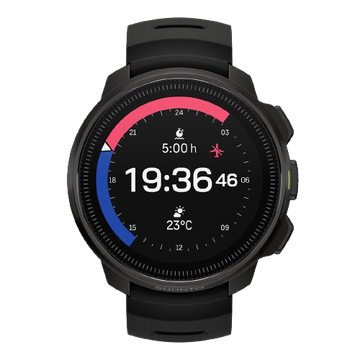
Suunto Oceanは、スキューバダイビングの記録と、ランニング、スイミング、筋力トレーニングなど陸上・水上のスポーツ記録を一台で管理したい人の選択肢です。日常のトレーニングでは手首心拍数や運動時間を記録し、Suuntoアプリで継続的に振り返れます。
ダイビングで見やすい専用ダイブコンピュータを重視する場合は、Suunto Nauticや、コンパクトなSuunto Nautic Sも現行の選択肢です。陸上トレーニングの記録方法とは役割が異なるため、ダイビング機能、サイズ、操作方法、使い方に合わせて選びましょう。
製品の機能や対応スポーツモードは、モデルやソフトウェアバージョンによって異なります。購入前に各製品ページとユーザーガイドで最新情報を確認してください。
Suunto Japan公式:Suunto Nautic S 紹介動画(日本語字幕入り)

よくある質問
ダイバーはどの心拍ゾーンを優先すべきですか?
一般的な基礎体力づくりでは、継続しやすいゾーン1〜2が中心です。ゾーン3以上は運動経験、健康状態、目的に応じて取り入れます。高強度運動を増やす前に、低強度運動を無理なく続けられる状態をつくりましょう。
スイミングだけでダイビングの体力づくりはできますか?
スイミングは有酸素運動として役立ちますが、器材の運搬や姿勢保持には筋力も必要です。ウォーキングやバイクなどの有酸素運動に、脚、体幹、背中を含む全身の筋力トレーニングを組み合わせると、より幅広く準備できます。
最大心拍数は「220-年齢」で決めればよいですか?
「220-年齢」は簡便な推定方法ですが、個人差があります。最初の目安として使い、運動中の体感や実測データを確認しながら調整してください。より正確な設定が必要な場合は、専門家の管理下で適切なテストを受けます。
ダイビング中も心拍ゾーンを維持すべきですか?
いいえ。心拍ゾーントレーニングは、ダイビングへ向けた陸上での体力づくりに使う考え方です。水中で目標心拍数へ上げようとせず、落ち着いた呼吸と効率的な動作、安全手順を優先してください。
まとめ|低強度を土台に、目的に合わせて強度を使い分けよう
心拍ゾーンを使うと、回復、持久力、一定強度の持続、高強度といったトレーニングの目的を整理できます。ダイビングに向けた一般的な体力づくりでは、ゾーン1〜2の運動を継続し、筋力トレーニングを組み合わせることから始めましょう。
ゾーン4〜5は必須ではなく、取り入れる場合も体調と回復を確認します。フィットネスは安全なダイビングを支える要素の一つですが、講習、適切な器材、バディとの連携、環境判断に代わるものではありません。