


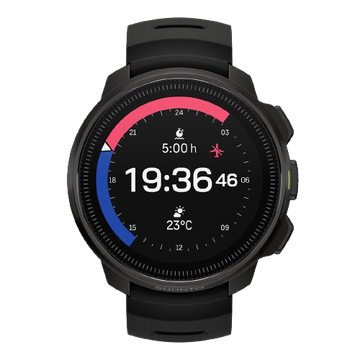


ランニングウォッチには、距離やタイムだけでなく、ピッチ、心拍数、現在のペース、平均ペースなど多くのデータが表示されます。しかし、数字を記録するだけでは、トレーニングの改善にはつながりません。
大切なのは、それぞれの指標が何を表し、どの場面で役立つかを理解することです。ピッチは脚の回転、心拍数は身体の反応、ペースは実際の走行速度を示します。
この記事では、ランニング中に確認したい3つの基本データと、トレーニング後の振り返り方を分かりやすく解説します。

ピッチ・心拍数・ペースの違い
| 指標 | 表しているもの | 役立つ場面 | 主な注意点 |
|---|---|---|---|
| ピッチ | 1分間の歩数 | フォームや疲労による変化の確認 | 全員に共通する正解値はない |
| 心拍数 | 運動に対する身体の反応 | 強度管理、イージーラン、持久走 | 暑さ、疲労、脱水などの影響を受ける |
| ペース | 1kmを走るのに必要な時間 | 目標タイム、インターバル、レース配分 | 坂、風、GPS環境で変動する |
3つの指標は競い合うものではありません。ペースで走行結果を確認し、心拍数で身体の反応を読み、ピッチから動きの変化を振り返ると、ランニングを立体的に捉えられます。
ピッチとは?脚の回転を確認する指標
ランニングのピッチとは、一般的に1分間の歩数を表す指標です。spm(steps per minute)で表示され、左右の足を合わせて180歩なら180spmとなります。サービスや機器によっては片足のみの回転数として表示される場合があるため、単位を確認してください。
ピッチは走る速度、身長、脚の長さ、路面、勾配、フォームなどによって変化します。速く走れば自然に高くなる傾向があり、上り坂や下り坂でも変わります。
「180spm」を全員の目標にする必要はない
180spmはよく知られた目安ですが、すべてのランナー、すべてのペースに共通する正解ではありません。無理に数値だけを上げると、動きが不自然になる場合があります。
まずは同じくらいのペースや同じコースで、自分の通常値を確認しましょう。ランニング後半にペースを維持しているのにピッチが大きく低下している場合は、疲労によって動きが変わった可能性があります。
ピッチを変えるなら少しずつ
ピッチを試す場合は、短い区間だけ普段より少し速いリズムで走り、身体への負担を確認します。メトロノームや音楽のテンポを使う方法もありますが、痛みや違和感が出た場合は中止してください。
心拍数から分かること
心拍数は、運動に対して身体がどのように反応しているかを示します。個人の最大心拍数や閾値心拍数をもとに心拍ゾーンを設定すると、回復走、持久走、テンポ走などの強度を管理しやすくなります。
たとえば、イージーランで「会話できる強度を保つ」という感覚に心拍数の上限を組み合わせると、ペースを追いすぎるのを防げます。坂道や向かい風ではペースが落ちても、心拍数を基準に努力度を一定に保つことができます。
同じペースでも心拍数は変わる
気温、湿度、脱水、睡眠不足、疲労、ストレス、カフェインなどによって、同じペースでも心拍数は変化します。また、運動開始直後や短いインターバルでは、強度の変化に対して心拍数の反応が遅れます。
予定したペースより遅いのに心拍数が普段より高い場合は、無理にペースを合わせるのではなく、体感や体調も確認しましょう。
▶︎計測が安定しない場合は「ランニングウォッチの心拍数がずれるのはなぜ?原因と正しく測るためのポイント」をご覧ください。
ペースの種類と使い分け
現在のペース
現在のペースは、その時点でどのくらいの速度で走っているかを確認するための指標です。ペースをすぐに調整したい場面で役立ちますが、GPS受信状況、曲がり角、建物、短時間の速度変化によって数値が揺れることがあります。
ラップ平均ペース
ラップ平均ペースは、現在のラップ区間を平均したペースです。瞬間的な変動が抑えられるため、1kmごとのペース管理やインターバル走で使いやすい指標です。
全体平均ペース
全体平均ペースは、スタートから現在までの平均です。ロングランやレース全体の進行を確認するのに役立ちますが、短い区間のペース変化には反応しにくい特徴があります。
オートラップと手動ラップ
一定距離ごとに振り返るなら、1kmなどに設定したオートラップが便利です。距離や時間が異なるインターバルでは、ワークアウト機能や手動ラップを使うと、疾走区間と回復区間を分けて確認しやすくなります。
トレーニング別の確認方法
イージーラン・ロングラン
心拍数と体感を中心に確認し、ペースは結果として捉えます。後半に同じペースで心拍数が大きく上昇していないか、ピッチが急に低下していないかを振り返りましょう。
テンポ走
ラップ平均ペースと心拍数を組み合わせます。最初から心拍数だけで調整すると反応の遅れがあるため、序盤は設定ペースと体感を使い、心拍が安定してから強度を確認します。
インターバル走
短い疾走区間ではラップ平均ペースやランニングパワーが使いやすく、心拍数は各本の終盤や回復状態の確認に向いています。ピッチは、疲労が進んでも動きのリズムを維持できているかを見る材料になります。
▶︎出力を使った強度管理は「ランニングパワーとは?心拍数・ペースとの違いと活用方法」で解説しています。
ランニング後の振り返り方
- 目的を確認する:イージーラン、テンポ走、インターバルなど、予定したトレーニングができたかを確認します。
- ペースを見る:ラップごとのばらつきや、後半の低下を確認します。
- 心拍数と体感を比べる:普段より高い・低い場合は、気温、疲労、睡眠、補給なども振り返ります。
- ピッチの変化を見る:ペースや勾配と照らし合わせ、疲労時にリズムがどう変化したかを確認します。
- 次回の調整を一つ決める:序盤を抑える、心拍数に上限を設けるなど、次に試すことを絞ります。
単発の数値だけで良し悪しを決めず、同じ種類のトレーニングを継続して比較することが重要です。
Suuntoウォッチで記録する
Suunto Runは、日々のランニングでペース、心拍数、ピッチなどを記録し、トレーニングを振り返りたいランナーの選択肢です。
Suunto Race Sは、コンパクトなサイズで、ランニングから複数のスポーツまで記録したい人に適しています。
Suunto Race 2は、大きなAMOLEDディスプレイで複数のトレーニングデータを確認しながら、レースや持久系トレーニングへ取り組みたい人の選択肢です。
表示項目はトレーニングの目的に合わせて整理しましょう。すべての数字を一画面に詰め込むより、イージーラン用、インターバル用など、スポーツモードの画面を使い分けると確認しやすくなります。
▶︎設定方法は「Suuntoアプリでスポーツモードをカスタマイズする方法」をご覧ください。
よくある質問
ランニング中はどのデータを優先すればよいですか?
目的によって異なります。イージーランでは心拍数と体感、一定ペースの走りではラップ平均ペース、フォームの変化を振り返る場合はピッチが役立ちます。すべてを常に見る必要はありません。
ピッチは180spmより低いと改善が必要ですか?
一概には言えません。適切なピッチは速度、体格、経験、路面などで変わります。特定の数字へ無理に合わせず、同じ条件での自分の変化を確認してください。
現在のペースが頻繁に変わるのは故障ですか?
必ずしも故障ではありません。現在のペースは短時間の速度変化やGPS環境の影響を受けます。一定区間のペース管理には、ラップ平均ペースも併用してください。
まとめ|目的に合わせて見るデータを選ぶ
ピッチは脚の回転、心拍数は身体の反応、ペースは走行速度を表します。それぞれの特徴を理解し、トレーニングの目的に合わせて使い分けることで、ランニング中の判断と終了後の振り返りがしやすくなります。
一つの数値を絶対的な正解にせず、同じ条件での推移、体感、気温や路面なども合わせて確認しましょう。


