




登山中、「予定したルートから外れていないか」「この分岐で合っているか」と不安になった経験はありませんか。山での道迷いは、明確な異変に気づいた瞬間ではなく、小さな違和感を見過ごして歩き続けることで深刻になることがあります。
この記事では、フィンランド代表として20年以上オリエンテーリングに取り組み、アドベンチャーレースでもナビゲーターを務めたSuuntoのTerho Lahtinen(テルホ・ラハティネン)の知見をもとに、登山でルートを外れにくくする9つのポイントを紹介します。地図・コンパス・GPSウォッチを組み合わせ、現在地をこまめに確認する習慣を身につけましょう。

登山で道迷いを防ぐための基本

登山のナビゲーションで大切なのは、道を間違えてから現在地を探すことではありません。行動中に「次に見えるはずの地形や目印」を予測し、実際の景色と照合し続けることです。
出発前には、距離や標高差だけでなく、分岐、尾根、沢、山小屋、林道との交差など、現在地を判断しやすい地点を確認します。詳しい準備方法は、関連記事「登山ルートの計画方法|距離・標高・天候を確認する7つのポイント」も参考にしてください。
安全上の注意:GPSウォッチやスマートフォンは有効な補助ツールですが、電池切れ、故障、測位誤差などに備え、紙地図やコンパス、予備電源も準備してください。立入禁止区域や登山道を外れて進むことを推奨するものではありません。
登山でルートを外れないための9つのポイント

1. 出発前に装備を最終確認する
登山口に着いたら、歩き始める前にナビゲーション装備を確認します。紙地図、コンパス、ヘッドライト、救急用品、スマートフォン、GPSウォッチ、予備電源など、計画した山行に必要なものがそろっているかを見直しましょう。
電子機器は充電残量だけでなく、予定ルートが正しく同期されているか、必要なオフラインマップをダウンロード済みかも確認します。現地で初めて設定を始めると、通信環境や時間の制約で準備できない場合があります。
2. 同行者全員でルートと行程を共有する
グループ登山では、リーダーだけがルートを把握する状態を避けます。目的地、予定距離、休憩地点、宿泊地、分岐、引き返す時刻などを出発前に共有してください。
次に目指す地点や注意する地形を全員が理解していれば、誰かが違和感に気づきやすくなります。体調や歩行ペースも声に出して共有し、予定に固執しない雰囲気をつくることが安全につながります。
3. チェックポイントと引き返す時刻を決める
「正午までに山頂へ到着する」といった大きな予定だけでなく、分岐、峠、山小屋などのチェックポイントごとに通過時刻の目安を持ちましょう。休憩やトイレ、写真撮影にかかる時間も含めて余裕を設けます。
疲労、日没、悪天候などを考慮し、「この時刻までに到着できなければ引き返す」という基準を事前に決めておくと、その場の勢いに流されにくくなります。
4. 尾根や沢などの「ハンドレール」を使う
ナビゲーションにおけるハンドレールとは、尾根、沢、川、湖岸、林道、谷など、進行方向の手掛かりになる連続した地形です。地図上のハンドレールと実際の景色を照らし合わせると、自分がどの方向へ進んでいるかを判断しやすくなります。
ただし、沢や尾根が目的地へ続いているように見えても、方向を取り違えることがあります。コンパスや地図で進行方向を確認し、危険な地形や登山道外へ安易に入らないようにしてください。
5. 目的地の近くにある大きな目印を先に探す
小さな分岐や一点の目的地を最初から直接探すより、近くにある大きく識別しやすい地形を先に目指すほうが、現在地を絞り込みやすい場合があります。特徴的なピーク、峠、湖、林道などを中間の目印として使います。
目印へ到着したら、そこから目的地までを改めて細かく確認します。直線距離が最短でも、安全性や地形によっては遠回りのルートが適切なこともあります。
6. 次の区間の地形を頭に入れてから歩く
歩き始める前に、次のチェックポイントまでに現れる分岐、登り下り、沢、尾根などを確認し、頭の中で順番をイメージします。歩行中は「地図で見た特徴が実際に現れたか」を確認しましょう。
これは地図を見る回数を減らすためではなく、違和感に早く気づくための方法です。予想した分岐が現れない、下るはずなのに登りが続くといった差があれば、立ち止まって現在地を確認します。
7. 少しでも不安を感じたら歩くのを止める
「たぶん合っている」と考えて歩き続けるほど、正しいルートへ戻る判断は難しくなります。分岐を見落とした気がする、ルート表示から離れた、地形が予想と違うと感じたら、まず安全な場所で停止してください。
最後に現在地が確実だった地点、そこから歩いた時間、通過した地形を振り返ります。現在地を特定できないまま前進しないことが重要です。
8. 地図・コンパス・GPSを組み合わせる
紙地図は周囲の地形を広く把握しやすく、コンパスは方角の確認に役立ちます。GPSウォッチは現在地、予定ルート、標高などを手元で確認しやすいのが利点です。それぞれの長所を組み合わせ、ひとつの機器だけに依存しないようにします。
GPSや地図表示を使わないアウトドアウォッチでも、コンパスや高度計は紙地図と現在地を照合する手掛かりになります。重要なのは、装備ごとの役割と限界を理解し、複数の手段で確認できる状態をつくることです。
ウォッチの地図やルート表示に慣れていない場合は、山へ入る前に近所や低山で操作を練習しておきましょう。画面の見方は「SUUNTOの地図・ナビゲーション画面の見方」で詳しく解説しています。
9. ルートを外れたら安全性を優先して戻る
予定ルートから外れた場合は、最後に現在地を確認できた地点まで来た道を戻る、地形を確認して予定ルートへ安全に復帰する、次の明確な地点へ安全な別ルートで進む、といった選択肢があります。
どの方法が適切かは、地形、天候、残り時間、同行者の技術や体力によって変わります。無理なショートカットや危険な斜面の横断は避け、自信がなければ引き返す判断を優先してください。
ルートを外れたと感じたときの対処

現在地がわからないことと、完全に遭難していることは同じではありません。焦って動き続けず、まず安全な場所で立ち止まり、落ち着いて情報を整理します。
- 停止する:転倒や滑落の危険がない場所へ移り、むやみに歩き回らない。
- 最後の確実な地点を思い出す:分岐、山小屋、橋、ピークなど、地図上で確認できた地点を特定する。
- 移動時間と地形を振り返る:最後の地点から何分歩き、どの方向へ進み、何を通過したかを整理する。
- 地図・コンパス・GPSで照合する:周囲の尾根、沢、標高、方角、歩行軌跡を使って現在地を絞り込む。
- 最も安全な選択をする:日没、天候、体力を考え、来た道を戻るか救助を要請するかを判断する。
自力で安全に戻れる確信がない、けが人がいる、日没や悪天候が迫っている場合は、早めに警察・消防などへ救助を要請してください。救助要請後は、指示がない限り大きく移動せず、位置情報、人数、けがの状態、装備、周囲の特徴を伝えます。
出発前の準備から緊急時の考え方まで確認したい場合は、「登山・ハイキングの安全対策|迷ったときに取るべき行動と出発前の準備」もあわせてご覧ください。
Suuntoのナビゲーションを登山に活用する

Suuntoアプリでは事前にルートを作成し、対応するSuuntoウォッチへ同期できます。登山中は予定ルート、現在地、歩行軌跡、標高などを手元で確認できるため、小さなルート逸脱に気づくための補助になります。GPXデータを使う手順は「GPXルートをSuuntoウォッチに入れる方法」を確認してください。
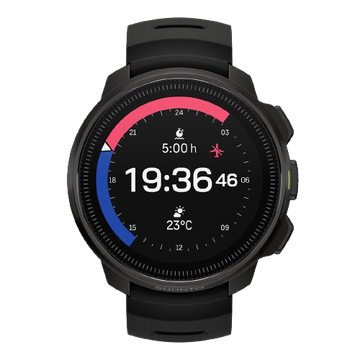
Suunto Vertical 2は、デュアルバンドGPS、オフラインマップとナビゲーション機能、最大65時間の最高精度GPSモード、内蔵LEDフラッシュライトを備えたアウトドア向けGPSウォッチです。ルートを事前に準備し、行動中に地図と現在地をこまめに照合する習慣を支えます。
Suunto Coreは、GPSや地図表示を搭載しない、クラシックなアウトドアウォッチです。高度計・気圧計・コンパスを備え、紙地図と組み合わせて方角や高度、天候傾向を確認したい人に適しています。ユーザー自身で交換できるCR2032電池を採用しており、タイムモードでの電池寿命は最大12か月です。

地図とルートを手元で確認したいならSuunto Vertical 2、紙地図を基本にABCセンサーを活用したいならSuunto Coreというように、登山スタイルと必要な機能に合わせて選びましょう。どちらを使う場合も、ウォッチだけに頼らず、紙地図や独立したコンパスなどの予備手段を準備することが大切です。
登山の道迷い対策についてよくある質問
GPSウォッチがあれば紙地図やコンパスは不要ですか?
不要ではありません。GPSウォッチは現在地やルートをすばやく確認できる一方、電池切れや故障、測位誤差の可能性があります。紙地図・コンパスと併用し、どちらも使えるよう事前に練習しておくことが大切です。
登山中はどのくらいの頻度で現在地を確認すればよいですか?
一定時間ごとに機械的に確認するだけでなく、分岐の前後、地形が変わる地点、休憩時、予想した目印が現れないときに確認します。次のチェックポイントを常にひとつ決めておくと、確認のタイミングをつかみやすくなります。
ルートを外れたら近道で戻ってもよいですか?
地形や危険性を十分に判断できない状態での近道は避けてください。崖、急斜面、沢、植生などで進めなくなり、状況が悪化することがあります。原則として、最後に現在地が確実だった地点まで安全に戻る方法を優先します。
オフラインマップは出発当日に準備できますか?
通信環境やダウンロード時間に左右されるため、前日までの準備がおすすめです。ルート同期、地図のダウンロード、充電、ウォッチ上での表示まで確認しておきましょう。
まとめ
登山で道迷いを防ぐには、予定ルートを端末へ入れるだけでなく、次に現れる地形を予測し、現地の景色と照合し続けることが大切です。装備確認、同行者との共有、チェックポイント、ハンドレール、目印、停止判断をひとつの流れとして実践してください。
地図・コンパス・GPSウォッチは、それぞれを補い合う道具です。山へ入る前に使い方を練習し、少しでも違和感があれば立ち止まる。その早い判断が、安全に登山を続けるための基本になります。


