




SUUNTOブログ

Hollie, Sami and Christoph are the Vertical Week photo contest winners
World Vertical Week was held last week and the hundreds of pictures tagged with #verticalweek on Instagram give a great overall look into what people have been up to during the week. Three of the most inspirational photos were taken by Hollie Holden, Sami Renner and Christoph Oberschneider. Each one of the winners will receive a new Suunto Spartan Ultra to accompany them on their future adventures.
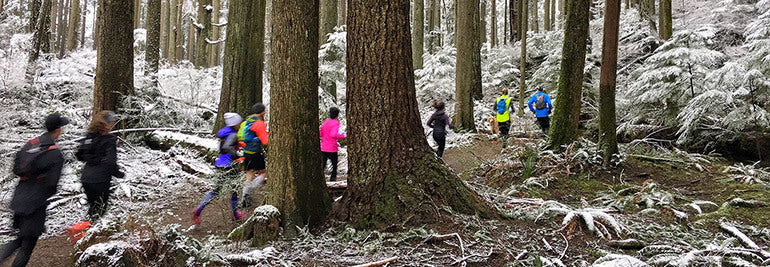
🌲// Legs/entire body felt like an 🐘 at this weeks @vanrunco trail ✈️ crew BUT I managed to hit my @suunto #VerticalWeek goal of 4000m (1k more than my 1st goal! 🙌) of climbing and we were blessed with a pretty layer of 'convenient snow', right @coralie2700 ? 😉🤣❄️
A post shared by Hollie Holden (@holholden) on Mar 5, 2017 at 12:59pm PST
“The Vertical Week was a great opportunity for me to start building my strength and climbing skills ahead of my upcoming training season for my 1st 50 mile Ultra Marathon - the Squamish 50 in August which is a tough, mountainous course with 11,000 feet (3350m) of climbing!
I set myself the goal of covering a similar amount of climbing during Vertical Week so I spent a lot of time on a local trail called the BCMC which starts at the base of Grouse Mountain climbing to the top. This trail has 850m of elevation gain in just 3km of climbing! I ended up doing this trail 4 times in the week (3 times within one 24hr period!) then finished off the week running trails with my local run crew, Vancouver Running Company Flight Crew, surpassing my 3k goal and hit 4000m for the week instead!
The weather in Vancouver has been unseasonably cold, with lots of snow & wet rain and I wouldn't have done anywhere near as much climbing last week if it wasn't for the awesome community of friends that I have here who are willing to come climb mountains in a snow storm with me!”
–Hollie Holden, BC, Canada
Cause she asked so friendly... 🐦 #lovemountains #skimo #verticalweek #collectingmoments #mountaineering #watzmann
A post shared by Sami (@samirenner) on Mar 5, 2017 at 10:10am PST
“The photo was taken on the last of three summits at the “Watzmann-überschreitung”, a famous summer tour in my hometown with over 24km and 2500m of climbing. The goal for me was to do this very technical tour with skis. As I reached the third summit, I shared my last Powerbar with a bird.
A few days earlier during the Vertical Week I was in Zermatt, reaching Breithorn’s (4164m) west and east summits on skis, and on two more skitours. All in all, my Vertical Week was about 7500m of elevation gain over 65km.”
–Sami Renner, Germany
Welcome back, #winter! Yesterday was a great #powderday in @visitgastein. Can't wait for more!
A post shared by Christoph Oberschneider (@coberschneider) on Mar 2, 2017 at 3:09am PST
“I work as a backcountry skiing photographer in Austria, so my goal each winter season is to capture the beauty of backcountry skiing & ski touring, to share my passion for the sport with as many people as possible and ultimately to get more people to enjoy life in the outdoors.
So far we have had a very dry winter here in the Alps, so getting good shots has not been an easy task. So when it finally started snowing 10 days ago, I headed out to Sportgastein (a freeride spot close to Salzburg) with two good friends. We found some beautiful lines in the backcountry with lift-supported ski touring and I managed to get some good shots. And that's how I also spent the rest of the Vertical Week, ski touring in the mountains around Salzburg and trying to capture the beauty of the winter landscape and some more skiing action before the snow starts melting again.”
–Christophe Oberschneider, Austria
Congratulations to our three winners and thank you very much everyone for sharing your Vertical Week moments!

Iron Century: A world record broken down under!
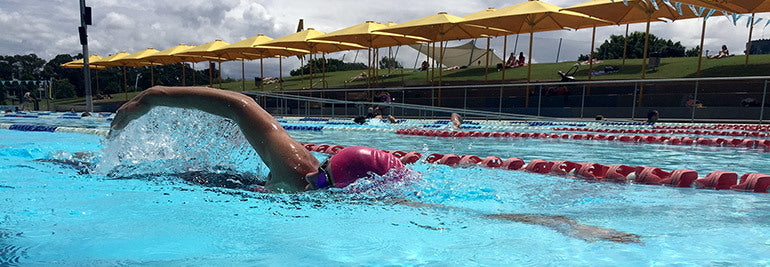
Debi Hazelden has broken the record of most half-ironmans in a row.
Debi’s on top of her game
With 40 runs, bikes and swims under her belt, Debi is going strong – and going quick, averaging just under 5.5 hours. While according to the daily update blog, she’s feeling the physical drain, she’s also full of energy and raring to go. And the pictures? Debi looks as fresh as a high-school track star pacing the 10-minute-per-mile group at the local Turkey Trot. Of course, Debi’s been sneaking a carrot cake every now and then – she deserves it!
…but it hasn’t been easy.
The biggest challenges up to this point? “Illnesses – Our 7 month old son goes to daycare and has had his first couple of viruses which have been passed onto me! I had Hand Foot and Mouth in the first week and in the 4th week I’ve had a cold.
Bad news for John
Unfortunately for John, an injury had him sidelined on the advice of a doctor. Says John: "As most of you know, I have encountered a glitch on route to my immediate goal. I have an inflamed VMO muscle for which I am currently receiving treatment. The injury has prevented me from running.” It was the first the right one, then the left one – John’s done some physio and is back to logging KMs, but at well below intended volume, and he’s too far behind to catch up. What can he still do? Help Debi – which he’s doing plenty of, whether it’s beside her on the bike, in the pool, or on the track.
The weather’s been all over the place
From a high of 43-degrees celsius to wild thunderstorms with 70kmh winds, and one day with nearly ten centimeters of rain, the weather has been a challenge – especially when there’s no putting off your bike or run till the next day. Hey, at least in the pool you’re already wet.
She’s had plenty of help
A challenge like this is impossible without support – in addition to her core team, local members of the run/bike/swim community have been coming out to keep her company. If you’re in the area, head on down to Centennial Park and look for the white RV!
The swim is easy
"It’s definitely a surprise we look forward to the swim each day,” says Debi. “It’s not usually our favourite discipline. it’s like a recovery session for the body with no effort.”
Ryder – and several others – joined Debi for the record-breaking day.
Don’t worry, Ryder has baby sitters – and a stroller
One of the most remarkable things? John and Debi are doing this less than a year after having their first baby. Ryder is logging plenty of distance on his personal Suunto as he gets pushed around on his stroller during the ‘run’ portion of the race.
Only 60 more to go
With the world record already in the bag, some of the pressure is off – but the work’s not done yet. The goal is 100, and Debi’s less than half-way done. There’s sure to be more drama – follow along on their Facebook page and stay tuned here for more in-depth updates!

登山・トレランに役立つクロストレーニング|持久力・筋力・バランスの鍛え方
登山やトレイルランニングのために体力を高めたいと思っても、毎回山へ行けるとは限りません。そこで役立つのが、目的の異なる運動を組み合わせる「クロストレーニング」です。
ランニングだけで心肺機能を鍛えるのではなく、バイクで持久力、筋力トレーニングで登り下りに耐える脚、バランストレーニングで不整地への対応力を補います。山を主役に据えながら、平日の練習を組み合わせることで、無理なく継続しやすい体づくりにつながります。
目次
クロストレーニングとは?
登山・トレランに役立つ4つのトレーニング
週間メニューの組み立て方
疲労をためすぎないポイント
Suuntoで複数の運動を記録する
まとめ
クロストレーニングとは?山を楽しむために種目を組み合わせる
クロストレーニングとは、主な競技とは異なる運動を取り入れ、体力や動きの弱点を補う練習方法です。登山やトレイルランニングを目標にする場合、山での実践を中心にしながら、ランニング、バイク、筋力、バランスなどを組み合わせます。
山では、長時間動き続ける持久力、登りで体を押し上げる筋力、下りの衝撃に耐える脚、不整地で姿勢を保つ安定性が求められます。ひとつの種目だけですべてを鍛えようとするより、目的ごとに運動を使い分けたほうが、同じ部位への負担を分散しながら必要な能力を伸ばしやすくなります。
元山岳スキー選手のミレイア・ミロも、山岳スキーだけでなく、クロスカントリースキーやアルペンスキーを組み合わせていました。大切なのは種目数を増やすことではなく、「今の自分に足りない能力は何か」を考えて選ぶことです。
登山・トレランに役立つ4つのトレーニング
クロストレーニングは、次の4つの役割に分けると整理しやすくなります。すべてを高強度で行う必要はありません。主目的である登山やトレイルランニングの予定に合わせ、補助種目の量を調整しましょう。
1. ランニングで心肺機能と走り続ける力を養う
ロードランニングは、時間と強度を調整しやすく、基礎的な持久力づくりに向いています。会話できる程度のゆっくりしたペースを中心にすると、山で長く動くための土台をつくりやすくなります。
坂道を使える場合は、短い上り坂を繰り返したり、傾斜のあるコースを一定の力で走ったりすると、登りへの対応力も鍛えられます。ただし、山へ行く前日に負荷の高い坂道練習を入れると疲労が残りやすいため、日程を離して行いましょう。
2. バイクで脚への衝撃を抑えながら持久力を伸ばす
サイクリングは、ランニングより着地衝撃を抑えながら長時間の有酸素運動を行いやすい種目です。走る回数を増やすと脚に痛みが出やすい人や、前日の運動から回復しながら体を動かしたい人にも取り入れやすいでしょう。
登りを意識するなら、重すぎるギアを無理に踏むより、姿勢を保ちながら安定した出力で続けることを優先します。屋外での走行時は、交通状況や路面に合わせ、安全を最優先してください。
3. 筋力トレーニングで登り下りに耐える体をつくる
登りでは臀部や太もも、下りでは着地の衝撃を受け止める脚の筋力が必要です。スクワット、ランジ、ステップアップ、カーフレイズなど、股関節・膝・足首を連動させる動きを少しずつ取り入れましょう。
体幹トレーニングも、重い荷物を背負ったときや不整地で姿勢を保つ助けになります。具体的な種目は「ランナーにおすすめの筋トレ12選」も参考にしてください。フォームが崩れるほど回数を増やさず、痛みがある場合は中止します。
4. バランスと可動性を整えて不整地に備える
山道では、石、木の根、傾斜などに合わせて一歩ごとに姿勢を調整します。片脚立ち、片脚での浅いスクワット、足首の可動域を意識した運動などは、日常の短い時間にも行えます。
疲れているときは、難しい動作よりも軽いストレッチやモビリティ運動へ切り替えましょう。バランス練習は転倒しない環境で行い、必要に応じて壁や椅子を支えに使います。
週間メニューの組み立て方|山の日から逆算する
先に週末の登山やトレイルランニングを予定し、その疲労を考えながら平日の補助種目を配置します。以下は一例です。
曜日
メニュー例
目的
月
休養または軽いストレッチ
週末の疲労回復
火
ゆっくりしたランニング
基礎持久力
水
筋力+バランス
脚力と安定性
木
軽めのバイクまたは休養
低衝撃の有酸素運動
金
休養
山行への準備
土または日
登山・トレイルランニング
実際の地形で総合力を養う
山で長時間動いた週は、翌週のランニングや筋力トレーニングを減らして調整します。反対に山へ行けない週は、バイクの時間を延ばしたり、坂道のランニングを加えたりしてもよいでしょう。運動経験、目標、体調によって適量は異なるため、最初は余裕を残して終えられる量から始めてください。
種目を増やしても、疲労をためすぎない
クロストレーニングで起こりやすい失敗は、「違う種目だから疲労も別」と考え、運動を足し続けることです。ランニング、バイク、筋力トレーニングは動作が違っても、体全体には負荷が積み重なります。
高強度の練習を連日入れない
週末の山行も1回のトレーニングとして数える
睡眠不足や強い疲労がある日は、軽い運動か休養へ切り替える
痛みが続く場合は練習を中止し、必要に応じて医療専門家へ相談する
新しい種目は時間・回数・強度を一度に増やさない
複数種目の負荷をまとめて見るには、「ランニングのトレーニング負荷を管理する方法」も参考になります。毎回の数値だけで判断せず、脚の張り、睡眠、意欲などの感覚も合わせて確認しましょう。
Suuntoで複数の運動を記録し、山につながる変化を見る
クロストレーニングでは、種目ごとの距離やペースだけでなく、週全体でどの程度運動したかを見ることが重要です。SuuntoウォッチとSuuntoアプリなら、ランニング、サイクリング、筋力トレーニング、ハイキング、トレイルランニングなどをスポーツ別に記録しながら、トレーニング量や負荷の傾向を確認できます。
記録時にどのモードを選ぶか迷う場合は、「SUUNTOのスポーツモードとは?」で、ランニング・トレラン・登山モードの違いを確認してください。
長時間の山行とナビゲーションを重視するならSuunto Vertical 2
Suunto Vertical 2は、登山やトレイルランニングなどの長時間のアウトドア活動を中心に、オフラインマップやナビゲーションも活用したい人に適したモデルです。山行と日々の補助トレーニングを同じ環境で記録できます。
複数競技のトレーニングとレースを重視するならSuunto Race 2
Suunto Race 2は、ランニングやサイクリングを含む複数のスポーツを記録し、日々のトレーニングからレースまで活用したい人の選択肢です。山での実践だけでなく、平日のクロストレーニングも継続して把握できます。
まとめ|山を主役に、補助種目を目的別に選ぼう
登山・トレイルランニングのためのクロストレーニングでは、運動の種類を増やすこと自体が目的ではありません。ランニングで持久力、バイクで低衝撃の有酸素運動、筋力トレーニングで登り下りに耐える脚、バランス練習で不整地への対応力を補います。
まずは山へ行く日を中心に週間予定を組み、補助種目は1〜2種類から始めましょう。Suuntoウォッチで異なるスポーツを記録し、Suuntoアプリで週全体の負荷と回復を確認すれば、「もっと行う」だけでなく「休む・減らす」という調整もしやすくなります。
山とクロストレーニングに適したSuuntoウォッチを探す
登山、トレイルランニング、ランニング、サイクリングなど、目的に合うスポーツウォッチを比較できます。
Suuntoスポーツウォッチを見る
Uphill talk with Emelie Forsberg
Emelie Forsberg is not originally from the mountains – she’s from the hills. She was born in a hilly area on the east coast of Sweden called Höga Kusten. “There are no mountains, but the terrain is really playful with 300-meter-high hills,” Emelie says. Still she has become one of the world’s top mountain runners and ski mountaineers. How to do that?
Do you actually need mountains to train for the climbs?
Actually, not at all! If you have an uphill that is just 100 or 200 meters high – or even only 30 meters high – that’s ok. You just need to do more repetitions. But if you like mountains, I think it is important to also go to the mountains to train in the long climbs.
Do you prefer more mellow or steep ascents?
I like them both, because they are so different. I am quite powerful so the steeper climbs normally are a little better for me. But I have improved on the less intense climbs, too.
When setting a skin track, do you head straight up or…?
I did go really steep in the beginning! I was strong but didn’t really have the proper technique then. But now I like to set the track in a more mellow, comfortable angle.
How do you pace yourself in the long uphills?
First of all, I listen to my body because I think it is interesting to learn about my body. In training I always have my heart rate and analyse the data afterwards. That also helps me to understand my performance.
But in some races, that are not so technical, I may have a more mathematical approach and use heart rate also while racing. I can just look at my heart rate I say: “No, this is not enough. I need to speed up!”
Is training for uphill running and skimo the same?
It’s more or less the same interval training that works for both. Maybe I train little shorter intervals in the winter. But all intervals are important for me; from one minute efforts, where I can really feel the lactic acid coming, to more manageable four minute efforts and up to ten minutes where it is like race pace. Interval training can be super fun.
When you feel that you are in a good running form does that mean you are fast on skis, too?
If I am in good shape for running, I think it is easier to transition to skiing. Going from skiing to running feels harder.
Tips for increasing uphill speed?
My tips are really basic, and more mental than physical: You need to like what you are doing and have continuation in what you are doing. Not to train super hard one week and then have three weeks without any training.
Even if you only have time to run for ten minutes one day, go for that! It’s going to make you want to go out the other day, too. And try to make training a pleasure.
For me interval training has really worked. It’s an easy way to improve because the sessions are manageable. The workout can be like one, one and a half hours, and you really feel like you have done something really good when you finish.
READ MORE
World Vertical Week 2017
7 tips to keep a balanced training load
How to run a sub-3h marathon

See what a diving expert wants you to know about SCUBA
It’s not suppose to hurt your ears
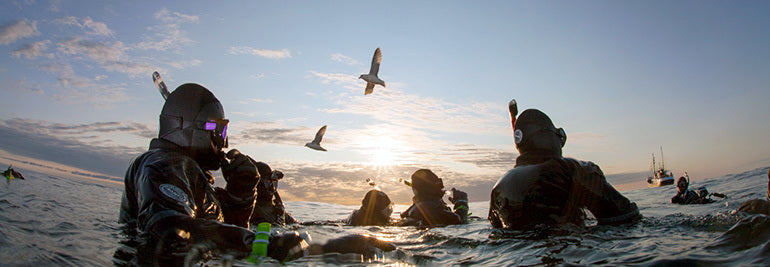
When I was a kid I dreamed about diving, but my ears and sinuses screamed in pain – but when you take a Scuba class you learn to equalize naturally. Diving should never be painful. Your ears hurt because of the effects of pressure – the volume of air spaces within your body are compressed by water pressure over your head. You need to adjust that change with equalization.
You’re not breathing what you breath on land
Most people mistakenly assume there’s an oxygen tank on your back. You’re not breathing oxgygen, you’re breathing what you’d breath on land, and that's 21% percent oxygen, 79% nitrogen and a few trace gasses – but it’s dried, filtered clean, and compressed. Technical divers may use exotic gasses like helium to conduct dives at much deeper levels, but recreational divers just breath, well, normal air.
How long can I stay under water, really?
That’s a tough questions! There’s a lot of factors that limit your dive. Important ones being how much air is in your tank and how deep you go. Recreational divers generally can ascend to the surface at any time during their dive with no need for de-compression stops on the way.
Uhhh, what are decompression stops?
Technical divers have an artificial ‘ceiling’ over their heads (or sometimes a real one). Artificial ceilings are created when you go deep or very long, and your body needs to time climatize and release gasses that have accumulated in the body. If you go higher, faster, you could get injured – it’s called decompression sickness (colloquially known as 'the bends’) and trust me, you don’t want to deal with it – symptoms include joint pain, headaches, neurological damage, even paralysis. But let me be clear: this is totally, 100% avoidable.
How safe is diving?
Statistically, diving is incredibly safe if you’re following the rules and know what’s going on. You’re more likely to suffer a fatal bowling injury! But you need to follow the sea conditions and weather, and follow the basic safety rules you learned in dive class.
Will my whole body wrinkle up like my fingers after too long in the pool?
Ha! That’s great, but no. You won’t come out looking like a prune.
What’s a dive algorithm?
A dive algorithm is a complex mathematical formula that attempts to simulate how the human body deals with the inert gas in scuba diving on descent and during the dive. It predicts how the body will off-gas that same inert gas to allow us to find the proper schedule for a safe ascent back to the surface. See the above statement about ‘decompression stops’.
Give us a sample dive profile?
A ‘dive profile’ is basically a map of how deep you go when (and for how long) during a dive. A rec-diver going to 30m of depth has only of 20min of bottom time before they ascend back to the surface with no safety stops. Alternatively, tech divers will spends hours at 30m, using rebreathers and different gasses to complete that dive, and they’ll have a number of decompression stops to come back to the surface.
Are there any long-term effects?
The current algorithms keep us in the safe envelope of exposure. I’ve got 7,000 dives, and sometimes am on projects that extend for months, diving every single day. Researchers are still looking at us (by that I mean people like me!) to see if there’s any long term effects. Decompression stress – the same thing that astronauts deal with, just on lesser levels – is of great interest to physiologists – there’s a lot of questions about how that stress expresses itself on bones or tissue over very long periods of time. But I’m 52 years old, and can still swim circles around most 20 year olds, so I’m not too worried for the long run!
Stay tuned for more articles about the science of diving.
READ MORE
Explore a frozen world with Jill Heinerth
How deep can we go?


