




SUUNTOブログ


One trip to the Himalayas, two challenges
After taking part in the Mezzalama on Saturday (a skimo race where Kilian finished second together with Marti Werner and Martin Anthamatten) there was no time to relax: on Sunday he boarded a plane en route to the Himalayas, where he expects to spend the next few weeks on two very different climbing projects.
First stop: Cho Oyu
During the first part of his trip Kilian Jornet will attempt to climb Cho Oyu (8,201m), the world’s sixth highest mountain. He will be accompanied by his companion Emelie Forsberg.
Kilian and Emelie looked for a peak that would be reasonably accessible from base camp. After considering various options they chose this mountain which has a reputation as one of the least technically difficult in the Himalayan range.
“It will be interesting to see how we feel as we will have to acclimatize very quickly. We’ve been preparing this expedition for weeks but we won’t know how our bodies will react until we get there. It will be an interesting experience and Emelie’s first 8,000m and I want to be there to accompany her. As for me, it will be good preparation for Everest because I’ll be better acclimatised when I get there,” Kilian says.
The pair will be on Cho Oyu for two weeks before Kilian prepares himself for the second part of the trip.
Everest, the remaining giant
In mid-May Kilian will travel to Tíbet to reach the monastery at Rongbuk, at 5,000m, the starting point for the Everest expedition (8.848m). This time the team is even smaller and only the cameraman Sébastien Montaz-Rosset will accompany him. Kilian’s objective is to conquer the world’s highest mountain and complete his personal project, Summits of My Life.
Over the past six years Kilian has travelled around the world setting climbing records on the world’s most iconic mountains. He began on Mont Blanc in 2012 and since then has climbed mountains in Europe (Mont Blanc and Cervino), North America (Denali) and South America (Aconcagua). Now, to complete the project, for the second time he will attempt the ascent of Everest after having to postpone the 2016 attempt due to bad weather conditions.
The team planned to travel to the Himalayas in autumn but, unable to obtain permits, decided to bring it forward to spring. “This year will be different from 2016 as there will be more people in the base camp while last year we were alone. The reason for wanting to try it in August-September is the temperatures are a little warmer and there is less risk of freezing. In spite of everything, the knowledge we acquired last year will prove vital in this expedition,” Kilian explains.
As they did last year, the Summits of My Life team will try to reach the summit of Everest via the north face. The north face is the least well known, as most commercial expeditions go via the south side. Kilian still doesn’t know what route he will take as it will depend on the weather conditions. The idea is to attempt it via either the Norton or the Hornbein corridors.
During the first few days the team will establish the advanced base camp (ABC) at 6,300m. From there they will make several excursions to acclimatise and reconnoitre the terrain before heading down to the starting point. This is the basic principle of Summits of My Life: ascending from the last inhabited place and returning to it once the summit has been reached. On this occasion the point of departure will be the Rongbuk monastery at 5,000m.
Kilian knows that on Everest the most important things to bear in mind are the altitude and the weather conditions: “There are many factors in play that will depend on how I feel at altitude and the prevailing conditions during the expedition. That’s where we will take the decisions, but knowing that we want to do it as we have always done - light and quick. There are people who think it’s madness but for me the mountain is a space where everyone should be free to do what they think they can do. I like to travel light so I can be quick. In this way, we spend less time at altitude and suffer less fatigue, although we are aware that it makes the expedition more risky. However, weighing everything up, this is the way we’ve chosen and that we will attempt again on Everest.”
Kilian Jornet expects to spend a month on Everest in order to make the attempt before returning to Europe.
Our Everest, a global campaign
The expedition can be followed using the hashtag #OurEverest. The idea is to bring together the community of followers who have backed the project since the beginning and who have made the expedition to Everest possible.
“We began this challenge together five years ago and with our values and our approach to the mountain we’ve got to this point. Although we don’t know what will happen, I’m clear about one thing: it’s not my Everest, but ours, everyone who has in one way or another contributed to making this project a reality,” says Kilian.
Stay tuned for updates! You can learn more about the project at summitsofmylife.com
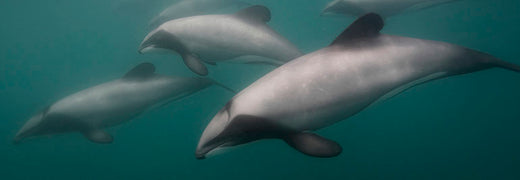

Meet the most endangered sea mammal in existence: Hector’s Dolphins
How did you get involved?
It’s actually a bit of a quirky story – I became involved in the effort’s to save the Hector and Maui dolphins during the attempt to be the first man to free dive 100m in free diving. We called it Project Hector because 100m is a ‘hectometer’ – and to raise awareness of what’s happening to Hector’s Dolphins. We did the project, and it was a huge success, but my dedication to the cause didn’t end – so I've kept on campaigning.
How endangered are they?
Extremely. There’s only about 7,500 left worldwide – down from a population of 29,000 in the seventies. The Maui’s Dolphin sub-species of Hector’s Dolphins is thought to have only about 50 left in the population.
You’ve only had one chance to swim with them…
I’ve swum with other dolphins in the wild many times – where I live in the Bahamas, you see the Atlantic Spotted Dolphins, and Bottle-nosed Dolphins as well. But the swim with the Hector’s Dolphins was a really magical experience. It was in early 2011 when I was in New Zealand, and went to a place close to Christchurch – only a short encounter. Five or ten minutes. But even that was something I’ll never forget. They’re the 'Mickey Mouse' of the cetaceans – the dorsal fin is shaped like Mickey’s ear. They're all soft curves with colored shapes, gray and white, all over the body.
World champion freediver Will Trubridge wants to raise awareness to protect the endangered Hector’s Dolphins.
It’s much different to swim with a dolphin than any other marine life, no?
Or even terrestrial life. Alongside them, watching them and watching you, it’s very apparent from just the look in their eyes that they are aware of you, studying you, curious about you. It’s a look you don’t get from other animals even cats and dogs. Maybe some monkeys. They’re very present, very aware creatures. Being alongside that and encountering that is a very incredible experience.
Any other marine life you’ve bumped into down below?
All the interactions I’ve had with big marine life were dolphins, sharks and manta rays. I’ve never actually swum with whales yet, never had the opportunity! That’s something I’d like to do. I’ve been in the water when humpbacks were close, just haven’t spotted one. In my childhood was with a dubong – it’s like a manatee – in Vanuatu. We didn’t know about him, although he was quite famous – the locals had been feeding it for years, and it was living all alone in the harbor. We jumped in to go snorkeling, we almost got blown out of the water by a bus-sized hunk of flesh trying to mate with anything it found. As a kid that was quite intimidating!
How can we help the fight to save them?
The organization NABU is leading the fight to save the Hector’s Dolphin – the goal is a complete ban on trawling or gill nets in their habitats. But we are up against a very stubborn and short-sighted government. You can learn more at hectorsdolphins.com
Diving offers a unique chance for humans to observe marine animals in their native environment. Stay tuned to for even more incredible stories of divers and the denizens of the deep sharing space beneath the surface of the sea!
What is your favourite marine animal and why?
Share your story on Instagram by April 23 and tag your post with #suuntodive
The three most inspiring posts will win easy-to-use, nitrox-capable, large-displayed Suunto Zoop Novo dive computers. For the terms and conditions click here
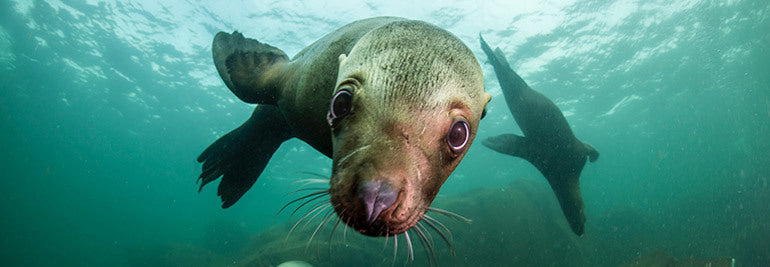

The coolest dive partners aren’t humans – they’re sea lions!
There was easily a couple hundred sea lions around
The sea lion colony at Hornby Island is active, and has little fear of people. My dive happened to be right around the biggest herring spawn of the year, meaning they were all around waiting for a feast. Ones you see solo in the wild tend to be a lot more shy.
They just want to play…
Of course, sea lions can be dangerous. I’m not saying you should go out and hug a sea lion – but if you happen to dive with this group you don’t have a choice. As soon as you’re in the water, they just want something to play with. They can come across as quite aggressive – they’ll nip at your suit, the top of your head, or tug on your wings, but they aren’t trying to injure you. I’ve had one put his full mouth on my dorm port – and another one yanked me up to the surface to play.
… but it’s on their terms
When they’re done, they’ll just head back to the rocks to sunbathe.
These are ‘Stellar Sea Lions’
That’s actually the name of the breed. I saw a few California Sea Lions as well, but mostly Stellars.
It’s super obvious they’re super smart
When you dive with these sea lions, you get the perception that it’s all play. They’re very curious, and they’re very trainable. At the seaquarium, they train the sea lions to undergo all sorts of vetinerary procedures to keep them healthy.
That part of British Columbia is absolutely stunning
On this trip I was diving a wreck called Capilano. There’s so much to see underwater. Some of the best diving in the world! Nutrient rich water year round. Stunning wildlife. Plenty of wrecks.
We dove during a blizzard
Full white-out topside. Great visibility below. Sure, the water is cold, but the air above was even colder. If you’ve got the right gear it’s no big deal.
One sea lion loved my Suunto Eon!
He kept tugging at my dive computer – at one point he even looked like he was checking out my dive stats. So maybe one day they’ll make a good diver partner anyways!
Diving offers a unique chance for humans to observe marine animals in their native environment. Stay tuned for even more incredible stories of divers and the denizens of the deep sharing space beneath the surface of the sea!


VO2maxを高めるインターバルトレーニング|具体的なメニューと実践方法
VO2maxを高めたいと考えていても、「どのくらいの強度で、何分走ればよいのか」が分からない方は多いでしょう。VO2maxインターバルでは、短い高強度区間と回復区間を交互に繰り返し、連続走では維持しにくい強度で質の高い運動時間を積み重ねます。
この記事では、XTERRA世界王者でコーチでもあるジョサイア・ミドーの考え方をもとに、ランニングで実践しやすい2〜3分のVO2maxインターバル、ペースの決め方、回復時間、頻度を解説します。VO2maxの意味や年齢別目安を先に確認したい方は「VO2maxとは?年齢別の目安と上げる方法」をご覧ください。
目次
VO2maxインターバルとは
基本メニュー:2〜3分の高強度走
ペース配分で最も大切なこと
強度をどう決めるか
本数と頻度の目安
Suuntoでワークアウトを管理する
実施前に確認したい注意点
まとめ
VO2maxインターバルとは
VO2maxは、運動中に身体が取り込み、利用できる酸素量の最大値を示す指標です。VO2maxインターバルでは、VO2maxに近い酸素摂取量へ到達する強度を繰り返し、心肺機能と持久系パフォーマンスへ刺激を与えます。
ポイントは、最初から全力疾走することではありません。1本の高強度区間を最後まで大きく失速せず、複数本にわたって同程度の質を保つことが目的です。
VO2maxインターバルは短距離の全力スプリントとは異なります。速く走り始めすぎると無酸素運動への依存が大きくなり、後半に失速して、VO2max付近で運動する時間を十分に確保できない場合があります。
基本メニュー:2〜3分の高強度走
原文でジョサイア・ミドーが推奨している基本形は、2〜3分の高強度区間と、ほぼ同じ長さの回復区間を組み合わせる方法です。
パート
内容
意識すること
ウォームアップ
15〜20分の軽いラン+短い流し
身体を徐々に温める
高強度区間
2〜3分
最後まで維持できる速さ
回復区間
高強度区間と同程度
軽いジョグまたは歩行
本数
まずは4〜5本から
フォームとペースを維持できる範囲
クールダウン
10〜15分の軽いラン
呼吸と心拍を徐々に落ち着かせる
経験を積んだランナーは、2分を8〜10本、または3分を5〜7本とし、高強度区間の合計を15〜21分程度にする方法があります。ただし、これは上限を目指す数字ではありません。後半に大きく失速するなら、本数を減らすか回復を30秒延ばしましょう。
ペース配分で最も大切なこと
VO2maxインターバルの質を左右するのがペース配分です。1本目の序盤をスプリントのように飛ばすと、その後に失速しやすくなります。平均ペースだけを見ると目標どおりでも、各区間の中で速度差が大きければ、狙った刺激を得にくくなります。
悪いペース配分の例。各区間の序盤で出力を上げすぎ、その後に低下しています。
改善された例。各区間内の出力は安定していますが、後半の数本では低下が見られます。
高強度区間を通して出力が比較的安定した例。心拍数のピークは後半の本数で現れています。
目標は、すべての本でほぼ同じ距離またはペースを保つことです。最初の1本は少し抑え、最後の30秒までフォームを崩さず走れる強度を探してください。
強度をどう決めるか
ランニングでは5kmレースペースを目安にする
原文では、ランニングの場合は5kmのレースペース、またはそれよりわずかに速いペースが目安とされています。ただし、走力や5kmの所要時間によって適切な強度は変わります。最初は数値に固執せず、「2〜3分は維持できるが、楽ではない」強度から始めましょう。
心拍数は遅れて上がる
短い高強度区間では、運動を始めてから心拍数が反応するまで時間差があります。開始直後に目標心拍へ届かせようとして飛ばすと、オーバーペースになりがちです。実施中はペースやランニングパワー、フォームを中心に確認し、心拍数は区間後半やセッション全体の振り返りに使います。
心拍ゾーンの設定方法は「心拍ゾーンの計算・設定方法|Suuntoウォッチで強度管理を始める」も参考にしてください。
坂道では到達地点を目安にする
一定した登りで行う場合は、最初の高強度区間で1分地点と終了地点を覚えておき、次の本でも同じ地点まで到達できるか確認します。序盤だけ速くならず、各本で同程度の距離を走ることを優先しましょう。下りでは安全を優先し、十分に回復できる速さで戻ります。
本数と頻度の目安
VO2maxインターバルは負荷が高いため、量より質が重要です。初めて取り入れる場合は週1回、4〜5本程度から始め、間に軽いランや休養日を入れます。継続的にトレーニングしている人でも、高強度セッションを連日に詰め込まないようにしてください。
各本のペースが大きく落ちたら、その日のセットを終了する
高強度日の前後は、低強度のランまたは休養を組み合わせる
脚の痛み、強い疲労、睡眠不足がある日は延期する
同じメニューを続ける場合も、常に本数を増やそうとしない
原文では、重点的なVO2maxトレーニングを続けると約6週間で伸びが停滞しやすいというコーチング上の見解も紹介されています。年間を通じて追い込み続けるのではなく、重要なレースに向けた期間へ計画的に取り入れる考え方が大切です。
Suuntoでワークアウトを管理する
Suunto Race 2などの対応ウォッチでは、Suuntoアプリで運動区間、回復区間、繰り返し回数を設定した構造化ワークアウトを作成し、ウォッチへ同期できます。実施中に残り時間や次の区間を確認できるため、時計を見ながら手動で時間を計る負担を減らせます。
詳しい作成手順は「インターバルトレーニングのやり方|ランニング向けワークアウトをSuuntoアプリで作成する方法」で解説しています。
トレーニング後は、各ラップのペース、心拍数、ランニングパワーなどを確認します。最後の本だけではなく、1本目から最終本までのばらつきを見て、次回のペース、本数、回復時間を調整しましょう。VO2maxや閾値をSuuntoPlusで確認する方法は「VO2max・閾値・FTPを確認してトレーニングに活かす方法」をご覧ください。
実施前に確認したい注意点
VO2maxインターバルは身体への負荷が高いトレーニングです。普段の運動習慣がない方は、まず低強度のランニングを継続し、運動の土台をつくってから取り入れてください。
十分なウォームアップとクールダウンを行う
交通量が少なく、路面が安定した場所を選ぶ
暑さや湿度が高い日は強度を下げ、水分補給を優先する
胸の痛み、めまい、普段と異なる息苦しさを感じたら中止する
持病や健康上の不安がある場合は、事前に医療従事者へ相談する
ウォッチが表示するVO2max、心拍数、回復などの数値は、トレーニング判断を支える参考情報です。体調や痛みを無視して数値だけを追わないようにしましょう。
まとめ|同じ質を保てるペースから始めよう
VO2maxインターバルでは、2〜3分の高強度区間と同程度の回復区間を繰り返し、VO2max付近で運動する時間を積み重ねます。最初から全力で飛ばすのではなく、各本を通して同程度のペースや出力を保つことが重要です。
まずは週1回、4〜5本程度から始め、後半までフォームとペースを維持できるか確認しましょう。Suuntoアプリでワークアウトを作成し、実施後に各区間のデータを振り返ると、自分に合う強度と回復時間を調整しやすくなります。
トレーニングを計画的に記録する
インターバル、心拍数、ペース、回復を確認できるSuuntoのランニングウォッチをチェック。
ランニングウォッチを見る
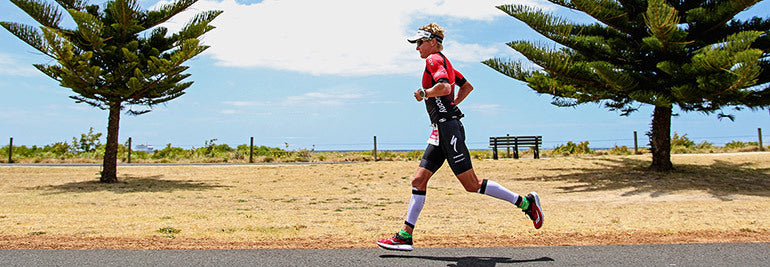

Meet Mel Hauschildt, one of the world’s best triathletes
Most people call me Mel.
I’m from Queensland, Australia, and I do triathlon. I used to be a professional runner with my main events as the 1500m and 3k steeplechase.
I swapped to Tri in 2010 – I couldn’t afford to be a runner, and I kept getting injured. I gave triathlon a go, made some money, and kept doing it!
Mel's background is in running – but now she loves the bike. © Thierry Sourbier, onlinetri.com
I just jumped in.
I did a small local race one weekend before to put it all together, and then just jumped in a half Ironman.
The half is my favorite distance.
You can do 70.3 every weekend, and I like racing, so I do that. It’s not so tough on the body and you don’t need the recovery time of the longer races.
I only started swimming for real in 2010.
I never really liked the water, I was more a land person. I could swim, of course, every kid in Australia grows up at the beach – but I used to get my mom to write me notes to get out of swim class! Swim is still my weakest part of the race – I never enjoy a swim. My favorite swim is Sunday afternoon for an ocean swim. I don’t hate it like I did when I first started.
If I retired tomorrow I’d probably never get in the lap lane again.
I’ve tried everything in the water and don’t improve – I’d swim the same times if I swim 30k a week or if I sat in the chaise lounge next to the pool. It totally does my head in!
I love the bike.
I usually try and ride hard, and get to the front in the bike leg, and make up what I’ve lost in the swim. To be honest, it’s my favorite part of the race.
Mel on her way to a win in Ironman Western Australia in December. © witsup.com
But the run is my strongest leg.
I put more effort in the bike, but I can leave it all out there in the run – I think I have a better pace judgement in running, and know not to go out too fast. I’ve got a lot more KMs in my base as a runner than most triathletes.
My training is a little unorthodox.
I guess coming from a running background, I train quite differently – when I first started I went with a tri coach but I just didn’t agree with how he was doing things. Now my husband coaches me. I actually do a lot less running than most triathletes. I was getting a lot of injuries, so I bought a bike and got quite good at that. I do most of my base work there. I run up to 70k a week, where as most athletes do up to 100. But I do a lot more on the bike than them.
I’ve got a few injuries.
Most of my injuries have been in my running career – every stress fracture under the sun. I ruptured my hamstring tendon, after it had been tearing, but it wasn’t diagnosed, and it was six months till I got it fixed. So now I have two muscles going through one tendon. I have a broken rib that just won’t heal. That’s life!
I love the hometown crowd.
I used to always say Phuket was my favorite place to race – I just love the location. But the race has changed a bit, and now I really love racing in Australia – but I don’t get to race their often.
Stay tuned for Mel's triathlon training tips!
Main image © witsup.com
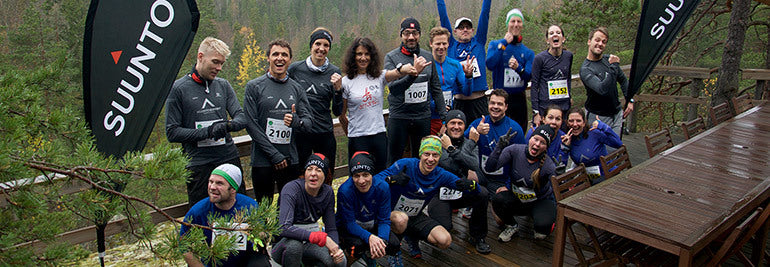

Suunto Summit 2017
Watch the video and experience the first ever Suunto Summit that was held in October, 2016.
We are thrilled to share the selections for the Suunto Summit 2017. After hosting an open, public application process, we received inspiring motivation letters and stories from all around the world.
Within our final group we have authors, awarding- winning photographers, influential bloggers; we have XTERRA world-champions, and winners of major ultra-trail races. Balancing these inspiring experiences and accomplishments was a challenge, but we are thrilled to have had so many inspiring applications that shared a synonymous passion for being a part of the Suunto community.
Stats:
6 female, 9 male
9 from Europe (2 France, 1 Spain, 1 Finland, 2 Sweden, 1 Norway, 1 Latvia, 1 UK, 1 Switzerland)
2 from USA, 1 from New Zealand, 1 China, 1 Malaysia.
Suunto Summit 2017 participants:
Arnau - Spain
Diane-Perle - Switzerland
Marta - Latvia
Marit - Norway
Mia - USA
Barbara - USA
Petra - New Zealand
Ramon - Malaysia
Sebastien - China
Pelle - Sweden
Jean-François - France
Tim - United Kingdom (UK)
Mathias - France
Sante - Finland
Oskar - Sweden
Congratulations to all selected, and a huge thank you to all who applied and shared their passion with us!
- Suunto Team


