




SUUNTOブログ


マラソン練習でよくある5つの失敗|ハーフ・フル完走に向けた改善方法
ハーフマラソンやフルマラソンに向けて真剣に練習するほど、「もっと走らなければ」「予定より速く走れた方がよい」と考えてしまうことがあります。しかし、走行距離の増やしすぎやイージーランのペースアップは、疲労や故障につながり、スタートラインへ立つという最初の目標を遠ざけることがあります。
この記事では、約20年にわたりランニングとレースを経験してきたアリー・バーディックの原文をもとに、マラソン練習で起こりやすい5つの失敗と改善方法を、日本のランナー向けに解説します。
練習量、ペース、補給を事前に確認し、本番へ向けて無理なく準備を進めましょう。
目次
失敗1:周りに合わせて練習量を増やしすぎる
失敗2:本番で新しいシューズやウェアを使う
失敗3:イージーランまで速く走る
失敗4:本番の序盤でオーバーペースになる
失敗5:補給と給水を本番まで試さない
Suuntoで練習の失敗を減らす
レース前に確認したいチェックリスト
よくある質問
まとめ
失敗1:周りに合わせて練習量を増やしすぎる
SNSやランニングアプリで、ほかのランナーの月間走行距離や長距離走を見ると、自分も同じ量を走らなければならないと感じることがあります。しかし、無理なく対応できる距離は、走歴、年齢、生活リズム、睡眠、過去の故障などによって異なります。
大切なのは、自分に合った計画を選び、疲労の反応を確認しながら継続することです。予定より距離を増やす前に、直近の練習を問題なく消化できているかを確認しましょう。
負荷を下げる判断につなげたいサイン
普段より疲労感や眠気が強い
同じペースでもきつく感じる
数日続けてパフォーマンスが落ちている
睡眠の質や気分が安定しない
痛みや違和感が続いている
一つの数値だけでオーバートレーニングを断定することはできません。トレーニング負荷、睡眠、HRV、安静時心拍数、自分の感覚を組み合わせて傾向を見ましょう。詳しくは「トレーニング負荷とは?フィットネス・疲労・フォームで見る方法」も参考にしてください。
失敗2:本番で新しいシューズやウェアを使う
レース用に用意したシューズ、ソックス、ウェア、キャップ、補給ベルトは、事前に長めのトレーニングで試しておきましょう。短い試着では問題がなくても、長時間走ると靴擦れ、擦れ、圧迫感、ポケットの揺れなどが気になる場合があります。
シューズの交換時期は、走行距離だけで一律に決められません。アウトソールの摩耗、ミッドソールの感触、左右差、身体の違和感などを確認し、不安がある場合は専門店へ相談してください。
本番用装備を試すタイミング
本番の数週間前までに、ロング走で一式を使用する
気温や雨など、本番に近い条件でも試す
ゼッケン、スマートフォン、ジェルの収納位置も確認する
ウォッチの装着位置と画面設定を決めておく
レース当日に初めて使うものを極力なくすことが、余計なトラブルを減らす基本です。
失敗3:イージーランまで速く走る
イージーランの日に調子がよいと、予定よりペースを上げたくなります。しかし、すべてのランを中〜高強度にすると、疲労が抜けにくくなり、ポイント練習やロング走の質が下がることがあります。
イージーランの目的は、毎回速さを証明することではありません。会話を続けられる程度の強度を目安に、有酸素能力の土台づくりや高強度練習からの回復を支えます。ペースが遅くても、その日の目的に合っていれば正しいトレーニングです。
長時間の低〜中強度トレーニングについては「ロング走・LSDとは?持久力を高める効果と正しいやり方」で詳しく解説しています。
失敗4:本番の序盤でオーバーペースになる
スタート直後は周囲のランナー、応援、気持ちの高まりによって、体感以上に速く走ってしまいがちです。前半の小さなペース超過が、後半の大きな失速につながることもあります。
目標ペースは、願望だけではなく、練習で無理なく再現できたペースをもとに設定しましょう。レースペース走やロング走の一部で試し、呼吸、心拍数、補給後の感覚まで確認します。
本番でペースを守るための工夫
最初の数kmは混雑や高揚感を考慮し、落ち着いて入る
瞬間ペースだけでなく、ラップ平均ペースも確認する
上り、下り、向かい風では、ペースだけに固執しない
想定以上に暑い日は、目標タイムより安全と完走を優先する
ペース感覚を練習する方法は「ランニングのペース感覚を身につける方法|400mトラックを活用する」も参考になります。
失敗5:補給と給水を本番まで試さない
ジェル、ドリンク、固形物などの補給は、味や成分が同じでも、人によって胃腸への影響が異なります。レース当日に初めて使うと、胃の不快感、喉の渇き、エネルギー不足などにつながる可能性があります。
ロング走を使って、何を、いつ、どのくらい摂るかを試しましょう。大会の給水所で提供される飲料や補給食が分かる場合は、事前に同じものを試す方法もあります。
確認項目
トレーニングで試すこと
補給食
種類、味、摂取するタイミング、携帯方法
水分
気温、発汗量、給水間隔に応じた飲み方
朝食
内容、量、スタートまでの時間
携帯方法
ポケットやベルトの揺れ、取り出しやすさ
必要な水分やエネルギー量には個人差があり、気温、湿度、運動時間によっても変わります。一般的な数字をそのまま当てはめず、練習で自分の反応を確認してください。
Suuntoで練習の失敗を減らす
Suunto Runでは、ランニングのペース、距離、心拍数、トレーニング負荷、回復に関するデータを記録できます。イージーラン、ロング走、レースペース走など、それぞれの目的に合った強度で走れているかを振り返る材料になります。
Suuntoアプリでは、1回の練習だけでなく、一定期間の負荷や進歩を確認できます。計画より走りすぎていないか、回復が追いついているかを、自分の感覚とあわせて見ましょう。
イージーラン:心拍ゾーンと体感を確認し、上げすぎを防ぐ
ロング走:前半と後半のペース、心拍数、補給タイミングを振り返る
レースペース走:目標ペースを無理なく維持できるか確認する
回復日:睡眠、HRV、疲労感などから予定を調整する
数値は体調を診断するものではありません。痛みや強い疲労がある場合は練習を中止し、必要に応じて医療従事者へ相談してください。
レース前に確認したいチェックリスト
本番用のシューズとウェアを長めのランで試した
朝食、補給食、ドリンクの種類とタイミングを確認した
現実的な目標ペースとラップ設定を決めた
大会の給水所、コース、高低差、制限時間を確認した
ウォッチを充電し、使用するスポーツモードと画面を確認した
レース直前に練習量を増やさず、睡眠と回復を優先した
暑さ、寒さ、雨に対応できる装備を準備した
よくある質問
マラソン練習では毎回速く走るべきですか?
毎回速く走る必要はありません。イージーラン、ロング走、スピード練習、休養にはそれぞれ異なる目的があります。高強度日と低強度日を分け、回復できる計画にすることが大切です。
疲れていても予定どおり走った方がよいですか?
疲労の程度や原因によります。軽い疲れなら時間や強度を下げる方法がありますが、痛み、体調不良、強い睡眠不足がある場合は休養を優先してください。数日続く不調は見過ごさず、専門家への相談も検討しましょう。
レース当日に新しいジェルを試しても大丈夫ですか?
基本的には避けましょう。味、濃度、カフェイン、摂取量などによって胃腸の反応が変わる場合があります。ロング走で試し、問題なく使えたものを本番でも使用します。
ウォッチのペース表示だけを見ればよいですか?
瞬間ペースはGPS環境などで変動することがあります。ラップ平均ペース、心拍数、体感、コースの勾配もあわせて判断しましょう。
まとめ|スタートラインへ健康な状態で立つことが最初の目標
マラソン練習では、たくさん走ることや速く走ることだけが正解ではありません。自分に合わない練習量、本番で初めて使う装備、速すぎるイージーラン、序盤のオーバーペース、未確認の補給計画は、長い準備の成果を損なう原因になります。
練習の目的を明確にし、負荷と回復を確認しながら、装備・ペース・補給を事前に試しておきましょう。健康な状態でスタートラインへ立つことが、目標達成に向けた最初の一歩です。
マラソン練習をデータで振り返る
ペース、心拍数、トレーニング負荷、回復を記録できるSuuntoのランニングウォッチをチェック。
ランニングウォッチを見る

Chasing meters: top stories from Vertical Week 2019
The fourth annual Suunto Vertical Week is coming to a close and we have selected three winners of the week’s photo contest on Instagram. Each of them will receive a powerful Suunto 9 to record their efforts! We received many other inspiring images and stories (#verticalweek) – thanks to everyone for their contributions! Keep climbing!
Baby in tow in Norway
We were very impressed by Hilde Hoff Nordskar in Norway. She climbed 3246 m in a week, while towing her seven-month-old baby boy, who slept through it all. Some have it easy! Well done, Hilde!
“Vertical Week was overall very hard and fun and brought some new inspiration to my maternity leave,” Hilde says. “We live close to a forest and my daily goal was to summit the top of a nearby peak called 'Solobservatoriet' (580 m). With my seven-month-old son in the wagon behind, I started every morning skinning up the hill no matter the weather. The highlights was to experience the uphill in all these different winter wonderland conditions and finish every session with a big smile on my face and a very rested kid.”
View this post on Instagram
Punta di Terrarossa 🏔 3246 meters climbing in a week 🎿👶🏻 #VerticalWeek #Suuntoapp @suunto_norge @suunto @thule #thulebringyourkids #dæhlie
A post shared by hildehoffnordskar (@hildehoffnordskar) on Mar 9, 2019 at 8:48am PST
Big training block in California
Eric Triplett in sunny California enjoyed a big week, climbing 3500m. This beautiful shot of sunrise from Mount Wilson illustrates the motivation behind the call to scale peaks; massive rewards for our hard work.
“Suunto Vertical Week was the perfect way to finish up a three month training block for my upcoming race,” Eric says. “The race features 3000 m of climbing over 56 km so my primary goals for Vertical Week were to simulate the amount of gain relative to the distance of my race and to accumulate at least 3000 m of gain. I’m happy to say I was able to complete 3500 m for the week including a 33 km run with 2100 m of vertical. Thanks to Suunto for putting on this motivating celebration of vertical!”
View this post on Instagram
The sun rises on the last day of #VerticalWeek 2019 // It’s been a while since I’ve cracked 11,000ft of gain in a week so I made it a goal given both Vertical Week and that 9 Trails is coming in just two weeks. Admittedly going beyond 10,000ft seems to bring on the sore knees and other random leg pain but that only serves to highlight what to work on in the future // Been super excited about getting my hands on “Training for the Uphill Athlete” by House, Johnston and Jornet. I think it’s going to help take things next level. // I’m also very happy with where @Sagerunning training has taken me in the last 3 months. I’ve never thought I could maintain the kind weekly mileage that I have for so long. I was always afraid to put intervals into 20mi+ runs but I survived. It hasn’t been easy but listening to my body and making small adjustments has got me through. // #utlrarunning #trailrunning #runinrabbit #borntorunfree #rabbitTrail #RADrabbit #gotailwind #timetoplay #salomon #suunto #salomonrunning #9T #NineTrails #sagerunning #SanGabrielSunday #longrun #ANF
A post shared by Eric Triplett (@fleshymutant) on Mar 10, 2019 at 9:08pm PDT
New season in Finland
Janne Korpela in Finland has begun a new training block now spring has nearly arrived. It hasn’t been in a walk in the park, either, on some days finding himself waist deep in snow. Keep going, Janne!
“Vertical Week was surprisingly good, since it was only the third proper training week of the year for me with 19 hours of training,” he says. “The highlight of the week was the first day, when a six hour session was surprisingly easy. And last Sunday was a beautiful spring day!
“The goal was 8000m in eight days, but we pushed it a bit yesterday to climb the height of Everest (8848 m)! I did all the climbing on an old ski slope close to my home. One lap is about 35 meters of climbing!”
View this post on Instagram
A post shared by Juosten (@juosten_) on Mar 10, 2019 at 6:02am PDT
Lead image: © Dylan Totaro / Suunto


Suunto World Vertical Week 2019
For some of us a climb is a challenge, an obstacle to overcome. With training we get stronger and can climb the same hill easier – or faster. But it usually does not last long before we set our eyes on even bigger or faster or more challenging climbs.
For others a climb is an adventure, a promise that once we reach the top, col or ridgeline new horizons will open up and broaden our views and, on the way down, we will get to play with gravity.
Whatever your motivation, Suunto’s annual Vertical Week is here again!
Suunto World Vertical Week 2019 starts on Sunday, March 3rd and ends on Sunday, March 10th.
Put on your running shoes, hop on your bike or release your heels and start skinning up the hill. Track your adventures with your Suunto watch, upload your activities to Suunto app and, by the end of the week, we’ll know who climbs the most in a week. And it’s not only about individual performances: we want to see which country averages most vertical during the week and which activity takes you up the biggest climbs.
To participate, join the challenge in Suunto app!
SHARE YOUR EXPERIENCE AND WIN A SUUNTO 9
Share your Suunto World Vertical Week experiences on Instagram using Suunto app’s photo sharing with data overlays and use tag #VerticalWeek. Three of the most inspiring posts will win Suunto 9 watches.
Terms and conditions apply. Read them here.
Learn how to share your activities using Suunto app
Don’t have Suunto app yet? Get it now!
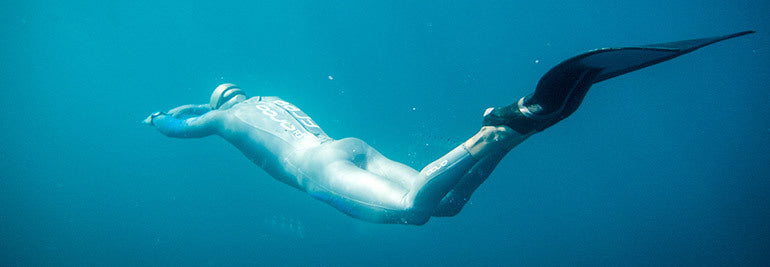

William Trubridge swims like a dolphin across wild New Zealand channel
New Zealander William Trubridge has emerged from the Cook Strait jubilant after becoming the first person to complete a channel crossing by swimming underwater.
Trubridge used his incredible breath hold diving ability to swim under the surface, like a dolphin, before surfacing, and diving under again, all the way across. He followed conventional channel crossing rules, such as not resting on a boat or float, except for two changes: all propulsion had to take place underwater on a breath hold, and the use of a wetsuit and fins/monofin was permitted.
“We had strong currents and cold water patches, rough seas, it was like being in a washing machine at times,” he says. “I was getting cramps, cold, blisters, the usual stuff. But I still feel like I got off lightly; there were so many things that could have been different, and for each one of those I probably wouldn’t have made it. I’m feeling a lot of relief and jubilation at the end to make it.”
The Cook Strait separates New Zealand’s North and South islands, and is considered one of the world’s most unpredictable and treacherous stretches of water. At it narrowest points, it’s a mere 22 km across. But what it lacks in lengths it makes up for in fierceness: wild unpredictable weather and powerful currents, chilly water that can cause hypothermia, stinging jellyfish and a population of curious sharks.
“Crossing the Cook Strait is like trying to hit a bullseye, with the target on the back of a bucking bull,” Trubridge says. “The currents are so powerful, and reversed direction at least three times during the swim, mean that hitting the closest piece of land (Perano Head) required constant calculations and course corrections. I’d heard many tales of channel swimmers coming within 500 m of land and battling against currents for another four hours before succumbing to cold and fatigue without reaching the shore.”
The decision to attempt the first “human aquatic crossing” was made suddenly when a good weather window coincided with advantageous low tides. Trubridge had previously done only a few six to eight-kilometer training swims to prepare. “I knew I wasn’t really built for this kind of thing,” he says. “My sport (depth diving) is primarily anaerobic fitness, so I don’t have well developed aerobic muscle fibers. My body type is pretty much the exact opposite of what you need to have for this kind of cold water swimming.”
Thoughts about the plight of New Zealand’s Hector’s and Maui’s dolphins, and wanting to save these precious and intelligent animals, kept Trubridge moving forward despite the challenging conditions and 15-18 degree water. “The main reason for doing it has always been to bring more awareness to the situation with the dolphins,” Trubridge says. “These are the two subspecies of New Zealand dolphin that occupy the North (Maui's Dolphins) and South (Hector's Dolphins) islands. Both subspecies are threatened by extinction.”
Trubridge is calling on the New Zealand Government to act quickly to save the dolphins. The fishing industry must be better regulated to protect the dolphins. He invites divers around the world to put pressure on the New Zealand Government to act before it’s too late.
“I made it across about five times slower and with five times as many dives as it would take a Hector’s Dolphin to make the same crossing, but it showed that if we can swim like a dolphin between our two islands then they too should have the freedom to do the same.”
WATCH NOW: Will Trubridge crosses Cook Strait "like a dolphin"


