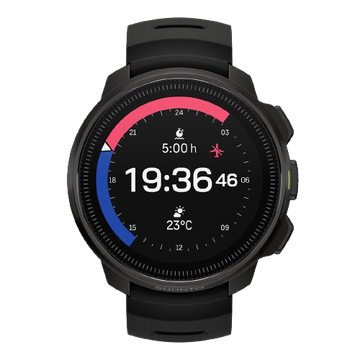


ランニングやサイクリングだけでなく、スキー、球技、ヨガ、パドリングなど、Suuntoウォッチでは115種類以上のスポーツモードを使って幅広い運動を記録できます。
ただし、ウォッチやSuuntoアプリで表示される「アクティビティタイプ」と「スポーツモード」は、同じものではありません。この違いを理解すると、運動中に必要なデータを見やすくし、記録後の振り返りも整理しやすくなります。
この記事では、元記事に掲載された108のアクティビティタイプ、アクティビティタイプとスポーツモードの違い、目的に合うモードの選び方を紹介します。
アクティビティタイプとスポーツモードの違い
Suuntoでスポーツを記録するときは、まず「アクティビティタイプ」と「スポーツモード」の違いを押さえておきましょう。
アクティビティタイプは運動のカテゴリー
アクティビティタイプは、ランニング、サイクリング、ハイキングといった運動の種類を表します。記録をSuuntoアプリへ同期すると、アクティビティタイプごとに履歴やサマリーを確認できます。
たとえば、ロードランニングとトレイルランニングを別々の種目として記録すれば、それぞれの距離や時間を分けて振り返れます。同期後に種目が違っていることに気づいた場合は、Suuntoアプリでアクティビティタイプを編集できます。
スポーツモードは記録画面と機能の組み合わせ
スポーツモードは、運動中に表示するデータ、画面レイアウト、使用するセンサーなどをまとめた設定です。同じランニングでも、普段のジョギング、インターバル、レースでは確認したい情報が異なります。
- イージーラン:心拍数、心拍ゾーン、時間、距離
- インターバル:ラップタイム、ラップペース、心拍数
- レース:平均ペース、距離、経過時間
Suuntoウォッチにはあらかじめ複数のスポーツモードが用意されています。さらにSuuntoアプリを使えば、対応するウォッチで表示項目や画面構成を調整したカスタムスポーツモードを作成できます。
現行のSuuntoウォッチで案内されている「115種類以上」はスポーツモードの数です。同じアクティビティタイプに複数の用途別モードが含まれるため、この記事で紹介する108のアクティビティタイプとは数が一致しません。
詳しい操作手順は、Suuntoアプリでスポーツモードをカスタマイズする方法をご覧ください。
2025年3月に追加された主なアクティビティ

2025年3月の更新では、実際の運動スタイルに合わせて記録を分けやすいよう、新しいアクティビティタイプが追加されました。主な例は次のとおりです。
- クロスカントリースキー:スケーティングとクラシカルを個別に記録可能。従来のクロスカントリースキーも残り、バイアスロンも独立した種目になりました。
- バックカントリースキー/スキーマウンテニアリング:山岳エリアでのスキー活動を目的に合わせて分類できます。
- スプリットボード:登りと滑走を組み合わせたスノーボードの行動を、独立した種目として記録できます。
- ヨガ/ピラティス/瞑想:日々のコンディショニングや心身を整える時間を分類できます。
- 車いす/ハンドサイクル:トレーニングや移動を、それぞれの活動として記録できます。
- Eバイク/E-MTB:電動アシストを使うライドを、通常のサイクリングやマウンテンバイクと分けられます。
- 家事:芝刈りや雪かきなど、日常生活の身体活動を記録できます。
種目が分かれると統計はどうなる?

Suuntoアプリのサマリーでは、トラックランニング、トレッドミル、ロードランニング、トレイルランニングなどを個別の種目として確認できます。クロスカントリースキーでも、スケーティングとクラシカルを分けて振り返ることが可能です。
一方、Suuntoアプリのトレーニングゾーンでは、複数のランニング種目がランニング全体の負荷としてまとめられます。つまり、細かな種目別の記録と、大きなカテゴリーで見たトレーニング負荷の両方を確認できます。
Suuntoで記録できるスポーツ・アクティビティ一覧
以下は、元記事の2025年3月更新時点で案内されている108のアクティビティタイプを日本語で分類した一覧です。利用できる種目や名称は、ウォッチのモデル、ソフトウェア、Suuntoアプリのバージョンによって異なる場合があります。
ランニング・ウォーキング・登山
- ランニング
- トレイルランニング
- バーティカルラン
- トラックランニング
- ウォーキング
- ハイキング
- トレッキング
- ノルディックウォーキング
- 登山
サイクリング
- サイクリング
- グラベルサイクリング
- シクロクロス
- マウンテンバイク
- Eバイク
- E-MTB
スキー・スノースポーツ
- クロスカントリースキー
- スケーティングスキー
- クラシカルスキー
- スノーボード
- スキーツーリング
- スキーマウンテニアリング
- バックカントリースキー
- スプリットボード
- テレマークスキー
- アルペンスキー
- バイアスロン
- スノーシュー
- アイススケート
- アイスホッケー
球技・ラケットスポーツ
- ゴルフ
- サッカー
- テニス
- バスケットボール
- バドミントン
- 野球
- バレーボール
- アメリカンフットボール
- 卓球
- ラケットボール
- スカッシュ
- 球技
- フロアボール
- ハンドボール
- ソフトボール
- ボウリング
- クリケット
- ラグビー
- ディスクゴルフ
- フットサル
- パデル
- フィールドホッケー
ジム・フィットネス・コンディショニング
- ジム
- フィットネスクラス
- インドアトレーニング
- インドアサイクリング
- トレッドミル
- クロスフィット
- クロストレーナー
- インドアローイング
- ストレッチ
- 格闘技
- ケトルベル
- ダンス
- エアロビクス
- サーキットトレーニング
- 体操
- ボクシング
- チアリーディング
- カリステニクス
- ヨガ
- ピラティス
- 瞑想
マルチスポーツ・アウトドア
- マルチスポーツ
- トライアスロン
- アドベンチャーレース
- 障害物レース
- パラグライダー
- 陸上競技
- オリエンテーリング
- クライミング
- パルクール
- アウトドアジム
- ローラースケート
- ローラースキー
- スケートボード
- 乗馬
- モータースポーツ
水泳・ウォータースポーツ
- 水泳
- パドリング
- ローイング
- スタンドアップパドルボード
- セーリング
- カヤック
- オープンウォータースイミング
- ウインドサーフィン
- カイトサーフィン/カイティング
- カヌー
- サーフィン
- ウォータースポーツ
- スキューバダイビング
- フリーダイビング
- マーメイドスイミング
- シュノーケリング
安全上の注意:ダイビングに使用できる機能は製品によって異なります。潜水用途では、必ず対応するSuuntoダイブ製品のユーザーガイドと安全情報を確認してください。
その他のアウトドア・日常活動
- 釣り
- ハンティング
- 車いす
- ハンドサイクル
- 家事
自分に合うスポーツモードの選び方
似た種目が複数あるときは、「記録後に何を分けて振り返りたいか」と「運動中にどのデータを見たいか」で選ぶのが基本です。
記録を分けたいなら専用のアクティビティタイプを選ぶ
ロードランとトレイルラン、通常の自転車とEバイクのように、距離や時間を別々に集計したい活動は、対応する専用タイプを選びましょう。
迷ったら最も近い基本モードから始める
初めての種目では、動きが近い基本スポーツモードを選びます。数回記録したあと、不要な項目が多い、必要な指標が見えないと感じたら、カスタムスポーツモードを作成するとスムーズです。
同じ種目でも目的別にモードを分ける
同じランニングでも「普段のラン」「インターバル」「レース」のようにモードを分ければ、毎回データ画面を組み替える必要がありません。画面へ情報を詰め込みすぎず、運動中の判断に使う指標を優先しましょう。
やりたいスポーツが一覧にない場合
目的のスポーツが見つからなくても、記録を諦める必要はありません。対応するウォッチでは、次の方法で管理できます。
- 近い種目をベースにカスタムスポーツモードを作る:運動中に必要なデータ項目と画面レイアウトを設定します。
- 「その他」を利用する:近いアクティビティタイプがない場合の選択肢です。
- 同期後にタグを追加する:Suuntoアプリでアクティビティを開き、「編集」からタグを追加すると、独自の種目名、レース、インターバルなどで整理できます。
カスタムスポーツモードを作っても、新しいアクティビティタイプそのものが追加されるわけではありません。記録後の分類には、既存のタイプまたは「その他」を使用し、必要に応じてタグで補足します。
スポーツモードとSuuntoPlusの違い
スポーツモードは、運動の種類と基本の記録画面を選ぶための土台です。一方、SuuntoPlusスポーツアプリは、対応するウォッチのスポーツモードへ目的別の機能やリアルタイム表示を追加します。
まずスポーツモードを選び、必要に応じてペース管理、登り、補給、トレーニング指標などのSuuntoPlus機能を組み合わせる、と考えると分かりやすいでしょう。詳しくは、SuuntoPlusとは?スポーツアプリ・ガイド・Storeの違いをご覧ください。
まとめ
Suuntoでは、ランニングやサイクリングをはじめ、雪上スポーツ、球技、フィットネス、水上スポーツ、日常活動まで幅広い種目を記録できます。
アクティビティタイプは記録を分類するカテゴリー、スポーツモードは運動中の表示や機能を決める設定です。まず自分の活動に最も近い種目を選び、必要に応じてカスタムスポーツモードやタグを活用しましょう。
利用できるアクティビティタイプ、データ項目、センサー、SuuntoPlus機能は、ウォッチのモデルやソフトウェアのバージョンによって異なります。設定前にウォッチとSuuntoアプリを最新の状態にし、製品ごとのユーザーガイドも確認してください。