




SUUNTOブログ

8 steps for planning trips in the mountains
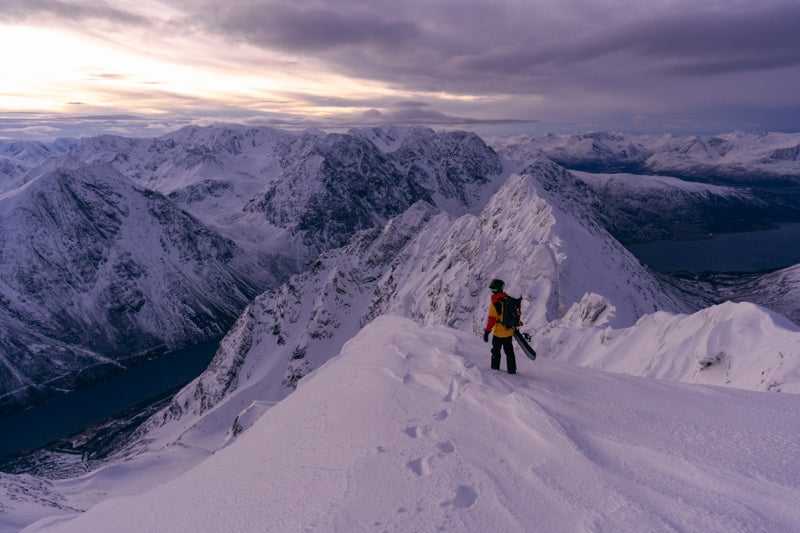
Over the last few months Antti Autti has been doing one of his favorite things: pouring over maps of northern Norway, Sweden and Finland looking for contours that suggest there’s an incredible line there waiting for him to freeride.
After identifying a number of candidates, he developed a plan for the second season of his Arctic Lines project; the goal of which is to hike and ride 30 iconic backcountry lines north of the Arctic Circle. Each trip is carefully measured against the two guiding values of the project: safety and sustainability.
Antti will soon set off into the frigid Nordic north to try to get in a trip or two before the polar night descends, and the sun no longer rises above the horizon. We caught up with him just before he left and asked him to take us through his planning process and how he keeps he and his team safe while also trying to minimize the project’s carbon footprint.
Watch each episode of Arctic Lines as it drops here!
Route planning on the go with Suunto app.
Step 1: Study the maps
This is where it all begins. Antti uses Suunto app and FATMAP to study an area, become familiar with the terrain and to look for features that suggest there’s a line worth riding. Using 3D maps on Suunto app, he tries to find what might be aesthetically interesting or unique, and then looks at how to approach it safely, the nearest road end and town.
“I’ve been using Suunto app a lot, with the new satellite images, to get an idea of whether the line has potential or not,” Antti says. “We also use the heatmap to see how people have been moving in the area as this can help us to find the right route. Having a 3D map means we can think about what the line will look like and that’s an important part of the planning.”
Step 2: Selecting a line
“It’s a creative process,” Antti explains. “It really comes down to the feeling I get when I look at it on the map. If the line makes me curious about how it would feel to snowboard down it, then I know it might be interesting to do. It also has to have a sense of challenge. The exploration, steepness, length of tour, the lack of sunlight, lack of daylight, these are challenges you have to plan around and this makes it more interesting.”
Step 3: Getting feedback
On each trip of Arctic Lines, there’s a team of three or four who accompany Antti: a videographer, someone he rides with, and a safety person. Once Antti has selected a potential line he shares it with his team and asks for their feedback. How would we film this trip? Is it too remote? Does it look too gnarly? Would this be fun?
“We create a GPX file, based on maps in Suunto app, and send it to my crew for feedback,” Antti says. “They let me know what would be good for them.”
Learn how to import GPX files in Suunto app for iOS and for Android.
"Having a 3D map means we can think about what the line will look like and that’s an important part of the planning," Antti says.
Step 4: Evaluating snow and weather
Once Antti and his crew have decided on a line, the next step is determining what conditions they’d like to do it in.
“We have three options,” Antti says. “A stable snowpack with very good quality snow, but poor weather or, alternatively, sunny weather and an unstable snowpack or great weather and a stable snowpack. There are just a handful of days when everything is sort of perfect.”
With a stable snowpack we have the chance to try something with more risk, like a couloir. We can do that in grey weather or in a snowstorm. If we go in sunny weather, we might have a less stable snowpack, but because we can see risky pockets it’s easy to avoid them. But if the snow cover is really unstable - if there’s a chance of triggering a big avalanche - everything is off. But if we know we can avoid those locations then we can keep going. Route choice is super important.”
Step 5: Factoring in the crew
With a sense of the snow conditions, the route and the risk involved, Antti then factors in who he will be skiing with and who will be in the crew, and whether they all have the level of experience, skill and endurance fitness to pull it off.
“If we have a big mission in the interior, I can’t take a less experienced person with me,” he says. “It’s important to know everyone’s experience level, and their mental and physical condition.”
Once Antti has planned a route on Suunto app he shares it with his crew.
Step 6: Balancing safety and sustainability
These two guiding values are in tension with one another. What’s safer is often less sustainable and vice versa.
“If it’s a 30 to 50 km approach, then we have to have a super strong crew because that’s a 100 km round trip,” Antti says. “You have to be physically and mentally strong to do it. If there’s even the smallest chance one person isn’t fit for it, then we might have to use alternative options, like snowmobiles. Sustainability is hugely important, but sometimes we have to compromise for the sake of safety.”
Step 7: Deciding on Plan B
This involves considering the snow and weather conditions, the available time window, and deciding the best way in and to the top of the line. It’s smart to map out the Plan B route on Suunto app and share it with the rest of the team. “If there’s too much time pressure we might just cancel because that’s when mistakes can get made,” Antti says.
Step 8: Scout day
“To get a better idea about the situation, I don’t go straight into the line,” Antti says. “I will take my time to plan. Then we have the basic ideas, but we still have to take a look and build up the confidence by knowing the pack and understanding as much as we can.”
Check out Antti’s Arctic Lines adventures here!
All images by Jaakko Posti
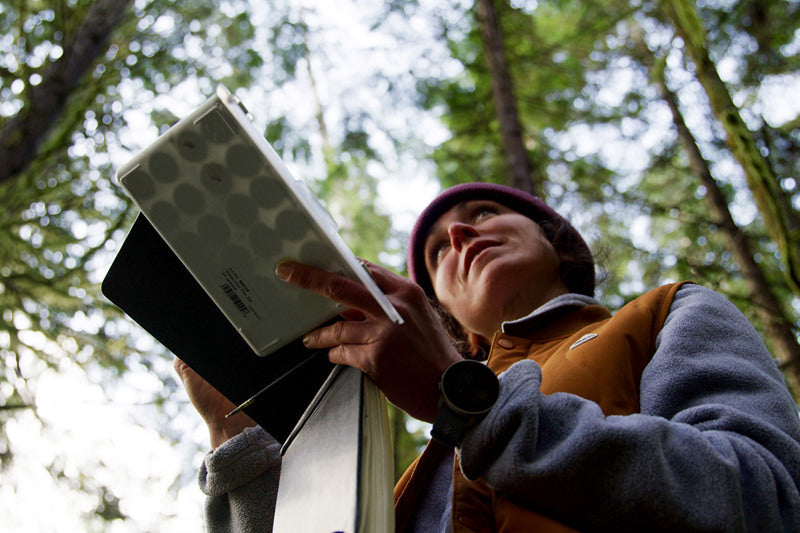

Peak Creator Series – The Artist
A snowboard guide by winter, and a passionate artist inspired by nature Jessa Gilbert lives to be in the outdoors.
This is the fourth in our Peak Creator film series, which celebrates creative people inspired by the great outdoors. We talk to four creators and find out what inspires their creative work.
As a teen, Jessa learned to snowboard on the Catamount in the Catskills in upstate New York and before she knew it she was competing in freestyle. She racked up five knee surgeries by the time she was 27 and was eventually told she could never run or board again.
She thought packing her painting kit might force her to slow down - it didn’t - but it did result in her capturing the stunning landscapes she shreds in and has led to her creating graphics for brands.
“We are in a time where we are starting to remember that public art is important,” Jessa says. “The beauty of public artwork is that you are creating artistic environments.”
Click play below and watch Jessa share her creative inspiration.
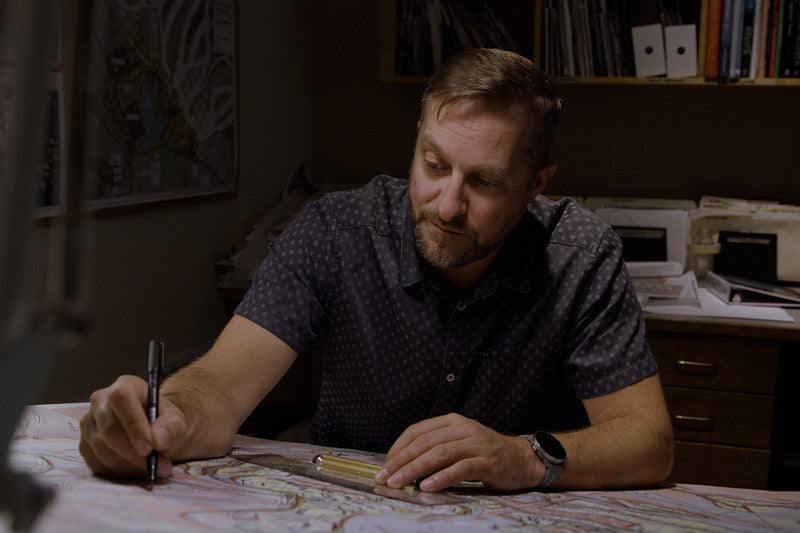

自然を楽しむために、自然を変えすぎない。山岳リゾートをつくる建築家の哲学|Suunto
山に道をつくる。建物を建てる。人が自然を楽しむための場所をつくる。
そのとき、私たちは自然にどこまで手を加えるべきなのでしょうか。
世界各地で山岳リゾートを手がけるランドスケープアーキテクト、ライリー・ティーセン(Ryley Thiessen)が大切にしているのは、「新しいものをつくる」ことだけではありません。
自然と向き合い、その土地にすでにあるものを生かしながら、人と自然の距離を近づけること。
アウトドアからインスピレーションを受けるクリエイターたちを紹介するSuuntoの「Peak Creator Series」。今回は、自然と人との関係をデザインする建築家の仕事を紹介します。
目次
自然から生まれるクリエイティビティ
自然と人をつなぐランドスケープアーキテクト
大切なのは「自然とのバランス」
自然をデザインするのではなく、体験をデザインする
自然を知るには、自分の足で歩いてみる
Suuntoとともに、まだ知らない場所へ
まとめ|自然の中にあるものを見つける
自然から生まれるクリエイティビティ
霧に包まれた森。遠くに連なる山々。岩肌がむき出しになったピーク。
自然は昔から、画家や写真家、音楽家、建築家など、多くのクリエイターにインスピレーションを与えてきました。
Suuntoの「Peak Creator Series」は、そんなアウトドアから刺激を受けながら活動するクリエイターたちを紹介するシリーズです。
トレイルビルダー、フォトグラファー、建築家、アーティスト。
仕事は違っても、彼らに共通しているのは、自然を単なる「背景」として見るのではなく、自然そのものからアイデアを受け取り、自分の仕事へとつなげていることです。
自然と人をつなぐランドスケープアーキテクト
シリーズ第3弾に登場するのは、ランドスケープアーキテクトのライリー・ティーセン。
彼は世界各地で、四季を通じて楽しめる山岳リゾートのデザインを手がけています。
ライリーは自然豊かな田園地域で育ち、幼い頃から「土や自然に関わる仕事がしたい」と考えていたといいます。
山岳リゾートの設計というと、大きな建物や施設を山の中につくる仕事を想像するかもしれません。
しかし、ライリーが目指しているのは、自然を人間の都合に合わせて大きく変えることではありません。
その土地の地形や景観を読み取り、そこにある自然をできるだけ生かしながら、人が自然とつながるための場所をつくることです。
大切なのは「自然とのバランス」
ライリーが仕事をするうえで、もっとも重要だと考えているものがあります。
それが「バランス」です。
自然とともに仕事をし、取りすぎないポイントを探すこと。
自然の中に何かをつくる以上、まったく手を加えずに済むわけではありません。
だからこそ、「何をつくるか」だけではなく、どこまで手を加えるのか、そして何をそのまま残すのかを考える必要があります。
新しいものを加えることと、そこにあるものを尊重すること。
ライリーの仕事は、その境界線を探す作業でもあります。
自然をデザインするのではなく、体験をデザインする
優れたアウトドア空間は、それ自体が主張しすぎる必要はありません。
歩いているうちに視界が開け、山が見える。
森の中を進んだ先に、その土地ならではの景色が現れる。
人が自然を「見る」のではなく、自分自身がその風景の中に入り込んでいく。
ライリーが手がける山岳リゾートのデザインは、そんな体験を生み出すためのものです。
建築やランドスケープは目的ではなく、人を自然へと導くためのきっかけ。
これは、アウトドアを楽しむ私たちにも通じる考え方かもしれません。
自然を知るには、自分の足で歩いてみる
地図で眺めているだけでは分からない景色があります。
実際に山を歩いてみると、地形の変化、森の匂い、風の向き、足元の路面、登った先に突然現れる景色など、その土地を身体で感じることができます。
初めての山やトレイルを探索するときは、事前にルートを準備しておくことも大切です。
Suuntoアプリでは、地図上でルートを作成したり、人気のルートやヒートマップを参考にしたりしながら、次のアドベンチャーを計画できます。
作成したルートを対応するSuuntoウォッチへ同期すれば、アウトドアでも手元でルートや現在地を確認できます。
▶︎ Suuntoアプリで地図やルートを使う方法
ウォッチに表示される地図やルート、ターン案内、ウェイポイントなどの見方はこちらの記事で詳しく紹介しています。
▶︎ SUUNTOの地図・ナビゲーション画面の見方|登山・トレイルのルート案内を解説
Suuntoとともに、まだ知らない場所へ
アウトドアで大切なのは、目的地にできるだけ早く到着することだけではありません。
どのルートを選ぶのか。
どこで立ち止まるのか。
そして、その途中で何を見つけるのか。
ライリーがその土地の地形を読みながら空間を設計するように、私たちも地図を眺め、ルートを考えるところから次の冒険を始めることができます。
山やトレイルを探索するためのSuunto Vertical 2
Suunto Vertical 2は、登山、トレイルランニング、ロングハイクなど、アウトドアアドベンチャーのために設計されたGPSスポーツウォッチです。
事前に地図をダウンロードしておけば、スマートフォンの電波が届きにくい場所でもオフラインマップを表示可能。登録したルートと現在地を手元で確認しながら進むことができます。
さらに、長時間のGPS記録に対応するバッテリー、デュアルバンドGNSS、内蔵LEDフラッシュライトなど、長時間フィールドで行動するときに役立つ機能を搭載しています。
自然をただ眺めるだけではなく、自分の足でその中へ入っていく。
そんな時間をサポートするためのアドベンチャーウォッチです。
Suunto Vertical 2を見る
Suunto Vertical / Vertical 2の登山での使い方や、オフラインマップ、GPS、バッテリーについて詳しく知りたい方はこちらもご覧ください。
▶︎ Suunto Vertical / Vertical 2が登山用GPSスマートウォッチに向いている理由
まとめ|自然の中にあるものを見つける
ランドスケープアーキテクト、ライリー・ティーセンが大切にしているのは、自然を自分たちの都合に合わせてつくり変えることではありません。
その土地にすでにあるものを理解し、人と自然が出会える場所をつくること。
それは建築だけでなく、アウトドアを楽しむときにも通じる考え方です。
地図を開いて、まだ歩いたことのないルートを探してみる。
自分の足で森へ入り、地形を感じ、山の景色を見る。
いつもと少し違う道を選ぶだけでも、新しい発見があるかもしれません。
次のルートを計画して、まだ知らない自然の中へ。
Suuntoとともに、自分だけの新しい景色を探しに行きましょう。
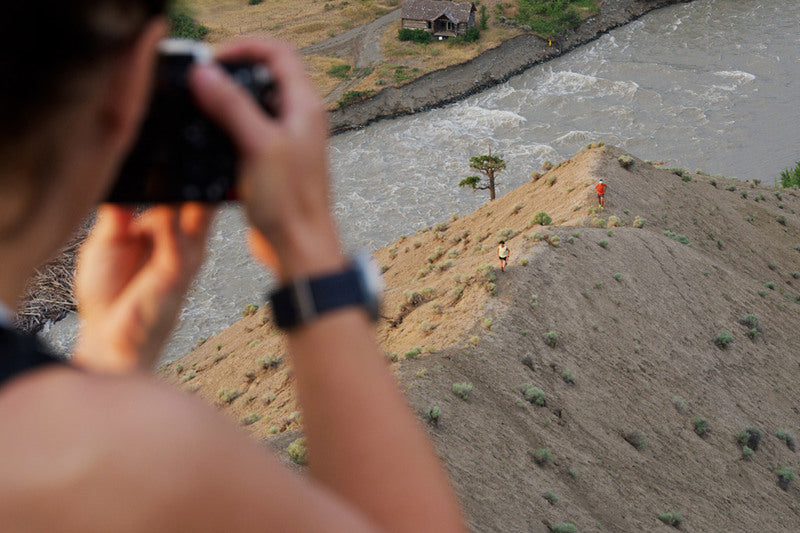

Peak Creator Series –The Photographer
Originally a graphic designer, once Angela Percival got a taste of outdoor adventure photography there was no going back - she decided to focus on creation.
This is the second in our Peak Creator film series, which celebrates creative people inspired by the great outdoors. We talk to four creators and find out what inspires their creative work.
Now Arc’teryx’s senior outdoor photographer, she had to work hard to break into a profession dominated by men and now her work speaks for itself.
“What inspires me creatively is just being outside, period,” Angela says. “Being in the mountains, yes, being in the alpine even more, but I just need to be outside.”
Click play below and watch Angela share her creative inspiration.

Suunto celebrates peak creators
Since forever, the great outdoors and its misty forests, silhouetted mountain ranges, and craggy peaks have inspired creatives of all ilk, whether poet, painter, musician or photographer. The awe nature strikes in us gets the creative energy flowing. The resulting work has, in some cases, inspired the masses and shapes how we see and protect the natural world.
At Suunto we believe this is worth celebrating. So we initiated our Peak Creator film series, in which we met four creators - a trail builder, a photographer, an architect and an artist - and found out how the natural world inspires what they do. We’ll publish a short film about each of them in the coming weeks.
Meet photographer Angela Percival, architect Ryley Thiessen, artist Jessa Gilbert and trailbuilder Dan Raymond in the Peak Creator Series.
The first film up, the trailbuilder sees his work more as uncovering what’s already there; next up, the photographer admits she’d rather be out shooting than indoors editing; then the architect explains how his mountain resorts bring people closer to nature; finally, we meet the artist who packs her painting kit and heads out for epic free rides.
Stay tuned for each film as it drops. And get your own creative juices flowing!
Watch Peak Creator Series episode 1 – The Trailbuilder
Watch Peak Creator Series episode 2 – The Photographer
Watch Peak Creator Series episode 3 – The Architect
Watch Peak Creator Series episode 4 – The Artist

Peak experiences are here and now
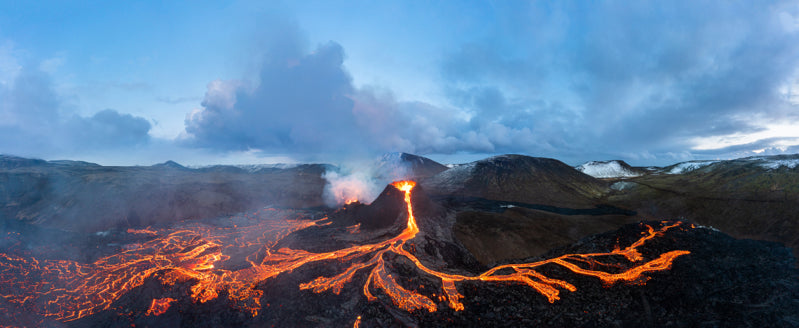
American photographer and artist Chris Burkard travels the world documenting amazing people, places and events. Recently he was visiting Iceland, a country he adores, to go on a bikepacking adventure. But life had other plans. A volcano erupted, and Chris knew it was a once in a lifetime opportunity to capture this incredible force of nature. It didn’t disappoint.
Press play to watch the power of nature!
What he witnessed blew his mind and got him reflecting on peak experiences, those almost altered states of consciousness characterised by euphoria and wonder. “I was just so honored to experience it,” he says.
We caught up with Chris and asked him about the experience and what he’s learned about peak experiences through his years of travelling the world and witnessing incredible things.
Do you often travel to Iceland?
I do! In fact I have been there 43 times. In some ways it's an obsession and I think what draws me there the most is the landscape as it’s so visceral and ever changing. But honestly, it's the people that keep me coming back and that keep me engaged and interested.
How did you feel standing so close to a live volcano?
Oddly enough I truly felt at home. At peace.. Like it's something I have been doing for thousands of years. In many ways it felt incredibly calming.
You mention peak experiences in your Instagram post – I imagine your work has brought you many – do these happen by chance or are there things, in your experience, we can do to invite them to occur?
I think that a “peak” experience is the byproduct of the time you put in. You realize at a certain point that to truly experience the height of something you need to slow down, be patient and really recognize when a moment is special. Sometimes a peak moment won't slap you in the face or excite you right away. You realize it later. It sort of dawns on you. I like to give myself the time and patience to recognize these moments. Rarely, when I do recognize them in “real time” it can feel really special.
What does a peak experience feel like to you?
It's a moment when your mind and heart and body are all in sync, it’s the certainty of knowing that there is no other place on Earth that I should be right now.
Do your peak experiences only occur in epic situations like your visit to the volcano, or, say, while surfing a perfect wave, or can they also occur in everyday life?
Everyday life. With my kids, at my property. On my bike commute. It's just the knowledge that a moment is special, will rarely be repeated, and you sort of get a glimpse of the future. And realize I need to cherish this.
You talk about the importance of giving yourself the space to experience before shooting – how do you personally approach this?
Honestly in some ways it kind of sounds like voodoo, but I truly feel like the way to really experience a place is to make an offering. An offering of time and interest and engagement. Not hiding from its many moods and feelings. Its storms and high winds. That is how you find a connection. You have to go through those things to really feel a place. I firmly believe that if you invest that time into a place and put in that effort, you are rewarded.
All images: © Chris Burkard


