




SUUNTOブログ


初めてのダイビング旅行|必要な持ち物と出発前の準備チェックリスト
初めてのダイビング旅行では、「何を持って行けばいい?」「器材は現地で借りられる?」「飛行機に乗る前後はどうすればいい?」と迷うことが少なくありません。忘れ物を防ぐポイントは、普段の旅行用品とダイビング用品を分け、予約先で借りられるものを先に確認することです。
この記事では、ダイビングインストラクターとして長年活動したSuuntoのアレック・ジョーンズのアドバイスをもとに、予約後から出発、現地、帰国までに確認したい準備と持ち物を整理します。
目次
予約時に確認したいこと
忘れずに持って行く書類
ダイビング器材の持ち物
あると役立つ旅行用品
ダイブコンピュータの準備
飛行機を利用するときの注意
出発前チェックリスト
まとめ
予約時に確認したいこと
行き先を決めるときは、海の美しさだけでなく、自分の経験や認定レベルに合うポイントかを確認しましょう。水温、透明度、潮流、最大水深、ボートダイビングの有無、必要な認定や経験本数は場所によって異なります。
予約するダイビングサービスには、次の点を事前に問い合わせておくと安心です。
参加条件となる認定レベル、経験本数、年齢
最終ダイビングから期間が空いている場合のリフレッシュ講習
レンタルできる器材と、料金に含まれるもの
シリンダーやウエイトの仕様、使用できるガス
現地の水温と推奨される保護スーツ
集合場所、送迎、船上で用意される飲料やタオル
キャンセル条件と悪天候時の対応
初めての土地では、無理に難しいポイントを選ばず、経験を伝えてガイドに相談することが大切です。体調やスキルに不安がある日は、潜らない判断もダイビングの一部です。
忘れずに持って行く書類
器材より先に確認したいのが、参加に必要な書類です。デジタル表示に対応している場合でも、スマートフォンの故障や通信環境に備えて、オフラインで確認できる状態にしておきましょう。
Cカード(ダイバー認定証)
ログブックまたはデジタルログ
パスポート、航空券、宿泊・送迎の予約情報
旅行保険・ダイビング保険の証書と緊急連絡先
必要に応じて医師の診断書や服薬情報
保険は、通常の旅行保険だけでダイビング中の事故、捜索・救助、再圧治療、器材の紛失まで対象になるとは限りません。補償内容と対象となる活動、水深などの条件を契約前に確認してください。
ダイビング器材の持ち物
すべてを所有していなくても、現地でレンタルできればダイビング旅行は可能です。ただし、身体へのフィット感や操作の慣れが重要なものは、自分の器材を持参すると使いやすくなります。
優先度
持ち物
確認ポイント
必ず確認
マスク、フィン、ブーツ、保護スーツ
サイズ、水温、エントリー方法に合うか
必ず確認
BCD、レギュレーター
点検時期、接続規格、レンタル範囲
持参推奨
ダイブコンピュータ
充電、設定、操作方法、最新ソフトウェア
環境に応じて
水面シグナル器材、ライト
現地ルールと携行方法をガイドに確認
予備
マスクストラップ、マウスピースなど
自分で交換せず、必要に応じて専門店へ依頼
出発直前に初めて器材を組み立てるのではなく、余裕を持って専門店で点検し、プールや慣れた環境で操作を確認します。使用後はメーカーの取扱説明書に従い、真水ですすいで十分に乾燥させてください。
あると役立つ旅行用品
水着の替えと速乾タオル
ラッシュガード、帽子、サングラス
現地のルールや海洋環境に配慮した日焼け対策用品
防水バッグ、濡れたものを分ける袋
酔い止めなど必要な薬(使用可否は医師や薬剤師へ確認)
繰り返し使えるボトルと電解質補給用品
変換プラグ、充電ケーブル、モバイルバッテリー
旅行中は、移動、暑さ、時差、連日のダイビングで疲れやすくなります。前日は過度の飲酒を避け、睡眠と水分を十分に取りましょう。ウォッチの回復データだけでダイビングの可否を判断せず、眠気、疲労感、痛みなど身体の感覚を優先してください。
ダイブコンピュータの準備
ダイブコンピュータは、現地で初めて触るのではなく、出発前に表示、ボタン操作、アラーム、ガス設定、単位などを確認します。レンタルする場合も、エントリー前にガイドから操作方法の説明を受けてください。
ダイビングと日常のスポーツを1台で記録したい人にはSuunto Ocean、ダイビングに特化した現行モデルを検討する人にはSuunto Nauticシリーズという選択肢があります。機種によって対応するダイブモードや機能が異なるため、自分の認定、ダイビングスタイル、将来の使い方に合わせて選びましょう。
旅行前には満充電にし、専用ケーブルを手荷物へ入れます。ソフトウェア更新は出発直前を避け、更新後に同期と基本操作を確認しておくと安心です。ダイビング後の記録は「ダイビングログをもっと活用する方法」で詳しく紹介しています。
飛行機を利用するときの注意
ダイビング後すぐの飛行機搭乗や高所への移動は避ける必要があります。必要な待機時間は、ダイビング回数、プロフィール、使用ガスなどによって変わります。ダイブコンピュータに表示される飛行禁止時間と、利用する指導団体・ダイビングサービスの案内を確認し、帰国便まで十分な余裕を設けてください。
ダイブコンピュータをほかの人と共用したり、旅行の途中で別のコンピュータへ切り替えたりしないでください。体調不良や減圧症が疑われる症状がある場合は飛行機に乗らず、現地の緊急サービスやダイビング医学に詳しい医療機関へ連絡します。
また、リチウム電池を内蔵する機器、予備電池、工具、液体類の扱いは航空会社と出発国・到着国の規則によって異なります。預け入れと機内持ち込みの条件を、利用する航空会社の最新案内で確認しましょう。
出発前チェックリスト
□ 予約条件と自分の認定・経験が合っている
□ Cカード、保険、必要書類を保存した
□ レンタル品と持参品をリスト化した
□ 自分の器材を点検し、動作を確認した
□ ダイブコンピュータを充電し、操作を確認した
□ 現地の水温、天候、保護スーツを確認した
□ 帰国便まで十分な時間を確保した
□ 航空会社の手荷物・電池規則を確認した
□ 緊急連絡先を同行者と共有した
まとめ
初めてのダイビング旅行を安心して楽しむコツは、何でも持参することではなく、現地で用意されるものと自分で準備するものを早めに分けることです。Cカードや保険などの書類、身体に合う器材、使い慣れたダイブコンピュータを優先し、わからない点は予約先へ確認しましょう。
そして、旅行中は予定を詰め込みすぎず、体調と海況を優先すること。余裕のある計画が、水中での新しい発見を心から楽しむための土台になります。
次のダイビングを、信頼できるデータとともに
レクリエーションダイビングから旅先でのアドベンチャーまで。Suuntoのダイブコンピュータをチェックしましょう。
Suuntoのダイブコンピュータを見る

You haven’t understood free diving until you’ve read this
Freediving is not, as one might expect, a journey of meters or minutes – it’s the journey of a lifetime. While in the global scale of distance and time, a free diver’s trips to the relative shallowest depths of the oceans are small – the position one must put one’s self in to make such a dive requires immense dedication, patience, training and time.
Few can tell that journey better than world champion William Trubridge. In his new book, Oxygen, he invites us to join him for his life’s journey, and trust us when we tell you, what a journey it has been. To call his childhood ‘unorthodox’ would be putting lightly, or perhaps politely – born in England to world-wandering parents, he was traveling the world before he could walk. About that, in fact – he had to learn to walk twice. The first time on a boat – and the second time when the ground wasn’t moving beneath his feet. With his older brother and parents, they traversed the world, taking harbor in the Galapagos, the British Virgin Islands, South Pacific, and more. There were times where they wouldn’t see land for months at a time – including a 5500 km crossing to the Marquesas.
The obsession with the deep came early. Diving was a necessity of boat life. He recalls being impressed with their father, who dove 18 m to work on the boat’s anchor. When they met another boat family, led by a Frenchman named Benoît who could dive to a depth of 27 m, that depth seemed as deep as the sea would go. Little did William know he’d be trying for four times that depth a couple decades later.
Will sat down to write the book – for several hours a day, over many months after encouragement from friends and his agent Jason Chambers. He’s long-held fascination with the written word – something he delves into over the pages of his memoir – but the long format was something yet untried. One thing should be made clear: although you can learn a lot about the sport, it’s not a tutorial on free-diving.
“I tried to write it in a way that would explain the sport to those who haven't encountered freediving, giving a glimpse of how beautiful and peaceful it is,” says Will. “I also tried to include descriptions that might allow other freedivers to get a feel for my approach, the way I train, and why I've stuck with the sport.”
The meandering pages take you both through the days of Will’s life and the depths of his dives, digging into both the mindset he needs to be in to make them, the risks of being underwater, and how free diving happens mostly in your head. For someone who’s already gotten a taste of the deep, or someone who wants to, it’s a must-read.
Find Will’s book available as paperback or eBook on Amazon.com.
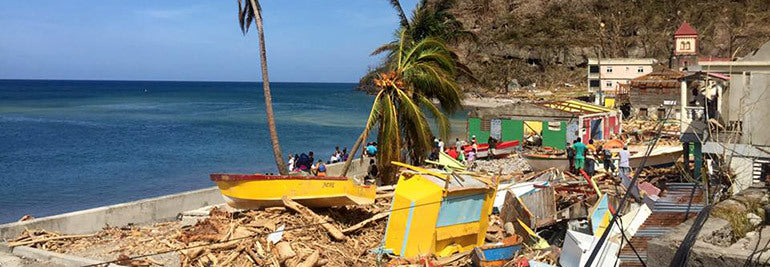

The freedive community raised $26,000 to help this hurricane-ravaged Caribbean island
To say Jonathan Sunnex’s life has taken a few unexpected turns is a bit of an understatement. How else would a Kiwi from Ngaruawahia, New Zealand come to be living on the little bay of Soufriere, in one of the least-known islands in the Lesser Antilles? But that question was hardly at the forefront of his mind while he sat at the airport in Miami – stranded thanks to a little storm called Hurricane Maria.
The entire Caribbean and much of the southeastern United States had a tense hurricane season – first Hurricane Irma barreled its way across multiple islands, then just five days later Hurricane Maria sprung up in its wake. While Dominica dodged a major hit with Irma, Maria was another story. The island suffered a direct hit – and almost three months later, much of Dominica still is without power or running water.
The fact that it was a pretty big wrench in the works of Sunnex’s biggest project of the year – the Blue Element Freedive competition – was essentially an afterthought. For Jonathan and girlfriend Sofia Gómez, it was a tense two-week wait in Miami, wondering if when they returned home they’d find their dive school – and their home – still standing.
“We were in Roatan for the World Championships,” says Sunnex. “We wanted to get back early to prep for Blue Element. It was scheduled for the 11th – 17th of October, but Maria hit at the end of September. It went from tropical storm to category 5 in just a few hours.”
At first he was hopeful the event could still go on – but as reports came in about the damage done to the island, expectations were quickly lowered. “We were really hoping our dive platform was still there,” he said. “Communication with people onsite was impossible.” But one of the first things he did? He set up a GoFundMe and reached out to the free dive community – hoping to raise a €1,000 of donations for food, water and other supplies. They ended up hitting their goal, and even bettering it – raising $26,000. The highlight moment? Jonathan – whose long, flowing hair had been growing for ten years – got on Facebook Live and shaved his head and cut off his beard, raising $700 in just twenty minutes.
With the bounty of the successful fundraiser ready to share with the island, he started making his way home – but it wasn’t a straight shot. “I flew to Martinique, and just started picking up supplies – water, chainsaws, literally thousands of dollars’ worth of food – whatever we thought we could fit on a boat,” says Johnny. “Then I hitched a ride with Piwi Croisieres Calypso over to Dominica.”
When he arrived on the island, he was ‘mostly speechless’. "The island is the greenest tropical forest – super dense bush – it looked more like a firestorm hit it,” he says. "No foliage. Bark ripped off of trees. No green left. It was a dry dusty desert. Piles of debris. Giant trees on the beaches, debris two meters high.” The damage to their home was real – the house/school was flooded, and the platform had been dislodged and blown to shore. They lost their competition rope, worth about $1500 – although it was later recovered, and they hope to repair it.
Without a doubt, the competition was off – so Sunnex and the competitors already on the island diverted their attention to clean-up and aid, cleaning beaches, roads and helping repair the island’s infrastructure.
There’s still much to be done – but Sunnex is confident the Blue Element freediving contest will return next year – and probably not during hurricane season. “The conditions here are impeccable,” he says. “Calm and flat, no current, water’s warm, perfect.”
Want to pitch in and help Dominica? See the Blue Element GoFundMe page here.


Saeed Rashid takes over @suuntodive Instagram
Who are you and where are you from?
My name is Saeed Rashid, I live on the south coast of England in the town of Bournemouth, 20-minute walk from what I think is one of the best sandy beaches in England.
Where do you dive?
I travel a lot and mostly to Asia and like most people in Europe, the Red Sea, which is really above all over places my underwater playground. But I also try and get a few dives in at home, I have a local pier in Swange, Dorset that is a great place to chill out in the shallows with my camera
What inspires you in the underwater world?
I know it sounds a cliché, but just being underwater inspires me, finding a cool little critter that I’ve never seen before inspires me, helping others to capture their dives in a photograph inspires me. I love seeing the work of other photographers of places and things I’ve never seen and imagining the excitement they had at the time of taking them.
How would you describe your photography style?
I’m not sure I have a style, if I do it is in constant flux and changing all the time. I just try and capture each image as I see it
Is there a story you wish to tell with your images?
When I’m teaching underwater photography I try to get my students to think of themselves as not photographers but as storytellers. There is also a story to tell, however big or small.
You also teach photography. Can you tell us a bit about that?
I have a day job in which among many other things I teaching photojournalism at Bournemouth University. But I’m also very fortunate to be able to travel and teach underwater photography in amazing locations. I work with a couple of UK travel agents (Oonas Divers, Ultimate Diving and The Scuba Place) where I take small groups away to some wonderful destinations such as Indonesia, Philippines and Egypt and help them with their own photographic skills. I teach all levels, it’s great seeing those that are both completely new start to understand the basics and I’m able to get them to banish the blues of their images and as well as those that are pushing their skills further and producing amazing imagery. The best feeling in the world is when one of my own students teaches me something I never knew before, that really is great.
And where to follow your adventures?
I have a website focusvisuals.com that I try to keep as updated as possible.
I’m also all over social media:
www.facebook.com/focusvisuals/
www.instagram.com/saeedrashid01/
www.twitter.com/saeedrashid
Follow @suuntodive on Instagram

スポーツに役立つ呼吸トレーニングとは?基本と安全な練習方法
呼吸は無意識に続くため、普段のトレーニングでは意識されにくい要素です。しかし、スタート前に緊張して呼吸が浅くなる、上り坂でリズムが乱れる、インターバルの合間に息が整わないなど、スポーツ中の呼吸には多くの気づきがあります。
呼吸トレーニングの目的は、長時間息を止めたり、無理に大きく吸ったりすることではありません。まず自分の呼吸に気づき、運動の強度や場面に合わせて、力みを減らしながら自然なリズムを取り戻すことです。
この記事では、フリーダイバーとして活動したマイク・マリックの経験をもとに、スポーツにおける呼吸の考え方と、陸上で安全に取り組める基本練習を紹介します。
目次
フリーダイビングから始まった呼吸への探究
呼吸トレーニングとは?
スポーツで呼吸へ意識を向ける場面
基本練習1:呼吸を観察する
基本練習2:力まずに腹部の動きを感じる
基本練習3:吐く息を穏やかにする
運動前・運動中・運動後の使い分け
心拍数と体感を記録する
息止め・水中練習の重要な注意点
Suuntoでスポーツとダイビングを記録する
よくある質問
まとめ
フリーダイビングから始まった呼吸への探究
元記事に登場するマイク・マリックは、フリーダイバーとして世界各地の海で活動し、ウンベルト・ペリッツァーリらとトレーニングを重ねました。その後、競技の第一線から離れ、安全ダイバーやトレーナーとして経験を積み、呼吸をテーマにさまざまな競技のアスリートを支援しています。
彼が指導したのは、トライアスロン、サイクリング、フェンシング、格闘技など、競技時間も動きも異なるアスリートたちです。共通していたのは、呼吸そのものを特別な技として扱うのではなく、緊張、動作、回復の状態へ気づくための手がかりとして活用することでした。
一方、元記事にある「酸素供給を増やす」「回復時間を短縮する」といった表現は、誰にでも同じ結果を保証するものではありません。競技力は、持久力、技術、筋力、練習量、睡眠、栄養など多くの要因で決まります。
呼吸トレーニングとは?
呼吸トレーニングには、呼吸筋へ負荷をかける専門的な方法、呼吸のペースを調整する方法、リラクゼーションを目的とした練習など、さまざまな種類があります。
この記事で扱うのは、特別な器具を使わず、陸上で安全に呼吸へ注意を向けるための基本練習です。医療行為やフリーダイビングの専門トレーニングではありません。
目的は次の3点です。
緊張したときや疲労したときの呼吸へ気づく
肩や首へ余分な力が入っていないか確認する
運動強度に合わせた自然な呼吸のリズムを探す
スポーツで呼吸へ意識を向ける場面
スタート前の緊張
レースや重要なトレーニングの前は、呼吸が速く浅くなることがあります。無理に落ち着こうとするのではなく、呼吸の速さや身体の力みへ気づくことで、準備状態を確認できます。
一定強度のランニングやサイクリング
呼吸のリズムは、体感強度を把握する材料になります。会話できる程度だった呼吸が急に苦しくなった場合は、ペース、上り坂、暑さ、疲労などを確認しましょう。
インターバルの回復区間
高強度運動の直後は呼吸が速くなるのが自然です。息を無理に止めたり急激に操作したりせず、楽な姿勢をとり、次の反復へ向けて呼吸と心拍数がどう変化するかを観察します。
運動後の切り替え
運動終了後に軽いクールダウンを行い、呼吸が徐々に落ち着く過程を確認します。呼吸だけで回復状態を判断せず、心拍数、体感、睡眠、筋肉痛なども合わせて見ます。
基本練習1:呼吸を観察する
最初は呼吸を変えようとせず、現在の状態を観察します。
安全で静かな場所に座るか、仰向けになる
肩、首、顎へ力が入っていないか確認する
鼻や口を通る空気、胸や腹部の動きを感じる
呼吸の深さや速さを評価せず、1〜2分観察する
「深く吸わなければならない」と考える必要はありません。普段の呼吸がどのように動いているかを知ることが目的です。
基本練習2:力まずに腹部の動きを感じる
横隔膜は呼吸に関わる主要な筋肉です。ただし、「腹式呼吸だけが正しい」「胸を動かしてはいけない」という意味ではありません。胸郭と腹部は呼吸に合わせて自然に動きます。
椅子へ楽に座るか、仰向けになる
片手を胸、もう片方を腹部へ軽く置く
息を吸ったときと吐いたときの動きを感じる
肩を持ち上げたり、腹部を強く押し出したりしない
1〜3分、苦しくない範囲で続ける
めまい、しびれ、不快感が出た場合は練習を止め、普段どおりの呼吸へ戻してください。
基本練習3:吐く息を穏やかにする
緊張しているときは、息を大きく吸うことばかりに意識が向きやすくなります。ここでは吸う量を増やすのではなく、吐く息を急がず、力まずに終えることを試します。
楽な姿勢で普段どおりに呼吸する
数回の呼吸だけ、吐く息を滑らかにする
苦しくなる前に、自然に次の息を吸う
30秒から1分程度行い、普段の呼吸へ戻る
秒数を達成するために息を絞り出したり、呼吸回数を極端に減らしたりしないでください。
運動前・運動中・運動後の使い分け
場面
確認すること
避けたいこと
運動前
緊張、肩の力み、呼吸の速さ
過剰に深く速い呼吸を繰り返す
低〜中強度
呼吸のリズムと体感強度
呼吸法を守るためにペースやフォームを崩す
高強度
息苦しさ、心拍数、動作の維持
鼻呼吸など一つの方法へ無理に限定する
運動後
呼吸と心拍数が落ち着く過程
急に止まり、苦しい状態で息を止める
運動中の呼吸は強度に合わせて自然に変化します。高強度では口呼吸になることも普通です。特定の呼吸回数や鼻呼吸だけを全員へ当てはめず、自分の体感と運動目的を優先しましょう。
心拍数と体感を記録する
マイク・マリックは、呼吸の状態を心拍数などのデータと組み合わせて確認していました。現在も、ウォッチで心拍数、時間、ペースなどを記録すると、体感だけでは分かりにくい変化を振り返れます。
たとえば、同じ強度のトレーニングで次の項目を記録します。
心拍数と心拍ゾーン
ペースまたはパワー
呼吸の苦しさ
主観的運動強度
気温、睡眠、疲労
呼吸練習の効果を一度の数値で判断せず、同じ条件での推移を見ます。呼吸が楽に感じても、ペースや出力が下がっていれば、単純に運動強度が低かった可能性があります。
▶︎心拍数とペースの使い分けは「ランニングデータの見方|ピッチ・心拍数・ペースの使い分け」をご覧ください。
▶︎運動後の回復については「トレーニング後の回復とは?身体が適応して強くなる仕組み」で解説しています。
息止め・水中練習の重要な注意点
この記事で紹介した陸上の呼吸練習と、フリーダイビングの息止めトレーニングは別のものです。
水中で単独の息止め練習をしない
プール、海、浴槽などで呼吸練習や息止めを行わない
過呼吸の後に息を止めない
運転中、自転車走行中、立った状態など、失神時に危険がある状況で行わない
息止め時間や深度を競わない
フリーダイビングや水中での息止めは、意識を失う危険があります。資格を持つ指導者と適切な安全管理のもとで学んでください。ダイビングでは、認定団体のトレーニングとバディシステムを守りましょう。
呼吸器・循環器の病気がある人、妊娠中の人、治療中の人、呼吸練習で症状が出る人は、実施前に医療専門家へ相談してください。胸の痛み、失神しそうな感覚、強い息苦しさなどがある場合は中止し、必要に応じて医療機関へ相談しましょう。
▶︎ダイビングを始める際は「初心者ダイバーが安全に上達するための7つのポイント」も参考にしてください。
Suuntoでスポーツとダイビングを記録する
Suunto Oceanは、ダイビングと水上・陸上のスポーツを1台で記録したい人の選択肢です。
Suunto Runは、軽量なウォッチでランニング中の心拍数やペースを記録し、トレーニングを振り返りたい人に適しています。
Suunto Race Sは、コンパクトなサイズで、ランニングから複数のスポーツまで継続して記録したい人の選択肢です。
利用できるスポーツモード、ダイビング機能、計測項目は、モデルやソフトウェアのバージョンによって異なります。各製品ページとユーザーガイドで最新情報を確認してください。
ウォッチは安全管理を補助するツールであり、ダイビングの講習、バディ、監視、適切な判断の代わりにはなりません。
よくある質問
呼吸トレーニングで持久力は上がりますか?
呼吸へ意識を向けることは、力みや体感強度を確認する材料になりますが、基本練習だけで持久力の向上が保証されるわけではありません。競技に合ったトレーニング、回復、睡眠、栄養などと組み合わせてください。
運動中は鼻呼吸だけがよいですか?
高強度では換気量が増え、口呼吸になるのが自然です。鼻呼吸だけを守るために苦しくなったり、フォームが崩れたりする必要はありません。運動強度と自分の状態に合わせます。
長く息を止められるほど呼吸機能が高いですか?
息止め時間は、慣れ、心理状態、事前の呼吸、環境など複数の要因に影響されます。健康や競技力を単独で示す指標ではありません。自己流で時間を伸ばそうとしないでください。
毎日練習してもよいですか?
陸上で呼吸を短時間観察する程度なら日常へ取り入れやすいですが、不快感や症状がある場合は中止してください。息止めや専門的な呼吸筋トレーニングは、自己流で行わず専門家の指導を受けましょう。
まとめ|まず自分の呼吸に気づく
スポーツにおける呼吸トレーニングは、無理に大きく吸うことや長く息を止めることではありません。緊張、運動強度、疲労に合わせて呼吸がどう変化するかを知り、余分な力みを減らすことから始めます。
安全な場所で短時間、普段の呼吸を観察し、心拍数、ペース、体感と一緒に記録しましょう。水中の息止め練習は別の専門領域です。必ず資格を持つ指導者と適切な安全管理のもとで行ってください。
心拍数と体感を記録しよう
Suuntoウォッチでスポーツ中の心拍数やペースを記録し、自分の呼吸と強度の関係を振り返りましょう。
Suuntoウォッチを見る


