




呼吸は無意識に続くため、普段のトレーニングでは意識されにくい要素です。しかし、スタート前に緊張して呼吸が浅くなる、上り坂でリズムが乱れる、インターバルの合間に息が整わないなど、スポーツ中の呼吸には多くの気づきがあります。
呼吸トレーニングの目的は、長時間息を止めたり、無理に大きく吸ったりすることではありません。まず自分の呼吸に気づき、運動の強度や場面に合わせて、力みを減らしながら自然なリズムを取り戻すことです。
この記事では、フリーダイバーとして活動したマイク・マリックの経験をもとに、スポーツにおける呼吸の考え方と、陸上で安全に取り組める基本練習を紹介します。

フリーダイビングから始まった呼吸への探究
元記事に登場するマイク・マリックは、フリーダイバーとして世界各地の海で活動し、ウンベルト・ペリッツァーリらとトレーニングを重ねました。その後、競技の第一線から離れ、安全ダイバーやトレーナーとして経験を積み、呼吸をテーマにさまざまな競技のアスリートを支援しています。
彼が指導したのは、トライアスロン、サイクリング、フェンシング、格闘技など、競技時間も動きも異なるアスリートたちです。共通していたのは、呼吸そのものを特別な技として扱うのではなく、緊張、動作、回復の状態へ気づくための手がかりとして活用することでした。
一方、元記事にある「酸素供給を増やす」「回復時間を短縮する」といった表現は、誰にでも同じ結果を保証するものではありません。競技力は、持久力、技術、筋力、練習量、睡眠、栄養など多くの要因で決まります。
呼吸トレーニングとは?
呼吸トレーニングには、呼吸筋へ負荷をかける専門的な方法、呼吸のペースを調整する方法、リラクゼーションを目的とした練習など、さまざまな種類があります。
この記事で扱うのは、特別な器具を使わず、陸上で安全に呼吸へ注意を向けるための基本練習です。医療行為やフリーダイビングの専門トレーニングではありません。
目的は次の3点です。
- 緊張したときや疲労したときの呼吸へ気づく
- 肩や首へ余分な力が入っていないか確認する
- 運動強度に合わせた自然な呼吸のリズムを探す
スポーツで呼吸へ意識を向ける場面
スタート前の緊張
レースや重要なトレーニングの前は、呼吸が速く浅くなることがあります。無理に落ち着こうとするのではなく、呼吸の速さや身体の力みへ気づくことで、準備状態を確認できます。
一定強度のランニングやサイクリング
呼吸のリズムは、体感強度を把握する材料になります。会話できる程度だった呼吸が急に苦しくなった場合は、ペース、上り坂、暑さ、疲労などを確認しましょう。
インターバルの回復区間
高強度運動の直後は呼吸が速くなるのが自然です。息を無理に止めたり急激に操作したりせず、楽な姿勢をとり、次の反復へ向けて呼吸と心拍数がどう変化するかを観察します。
運動後の切り替え
運動終了後に軽いクールダウンを行い、呼吸が徐々に落ち着く過程を確認します。呼吸だけで回復状態を判断せず、心拍数、体感、睡眠、筋肉痛なども合わせて見ます。
基本練習1:呼吸を観察する
最初は呼吸を変えようとせず、現在の状態を観察します。
- 安全で静かな場所に座るか、仰向けになる
- 肩、首、顎へ力が入っていないか確認する
- 鼻や口を通る空気、胸や腹部の動きを感じる
- 呼吸の深さや速さを評価せず、1〜2分観察する
「深く吸わなければならない」と考える必要はありません。普段の呼吸がどのように動いているかを知ることが目的です。
基本練習2:力まずに腹部の動きを感じる
横隔膜は呼吸に関わる主要な筋肉です。ただし、「腹式呼吸だけが正しい」「胸を動かしてはいけない」という意味ではありません。胸郭と腹部は呼吸に合わせて自然に動きます。
- 椅子へ楽に座るか、仰向けになる
- 片手を胸、もう片方を腹部へ軽く置く
- 息を吸ったときと吐いたときの動きを感じる
- 肩を持ち上げたり、腹部を強く押し出したりしない
- 1〜3分、苦しくない範囲で続ける
めまい、しびれ、不快感が出た場合は練習を止め、普段どおりの呼吸へ戻してください。
基本練習3:吐く息を穏やかにする
緊張しているときは、息を大きく吸うことばかりに意識が向きやすくなります。ここでは吸う量を増やすのではなく、吐く息を急がず、力まずに終えることを試します。
- 楽な姿勢で普段どおりに呼吸する
- 数回の呼吸だけ、吐く息を滑らかにする
- 苦しくなる前に、自然に次の息を吸う
- 30秒から1分程度行い、普段の呼吸へ戻る
秒数を達成するために息を絞り出したり、呼吸回数を極端に減らしたりしないでください。

運動前・運動中・運動後の使い分け
| 場面 | 確認すること | 避けたいこと |
|---|---|---|
| 運動前 | 緊張、肩の力み、呼吸の速さ | 過剰に深く速い呼吸を繰り返す |
| 低〜中強度 | 呼吸のリズムと体感強度 | 呼吸法を守るためにペースやフォームを崩す |
| 高強度 | 息苦しさ、心拍数、動作の維持 | 鼻呼吸など一つの方法へ無理に限定する |
| 運動後 | 呼吸と心拍数が落ち着く過程 | 急に止まり、苦しい状態で息を止める |
運動中の呼吸は強度に合わせて自然に変化します。高強度では口呼吸になることも普通です。特定の呼吸回数や鼻呼吸だけを全員へ当てはめず、自分の体感と運動目的を優先しましょう。
心拍数と体感を記録する
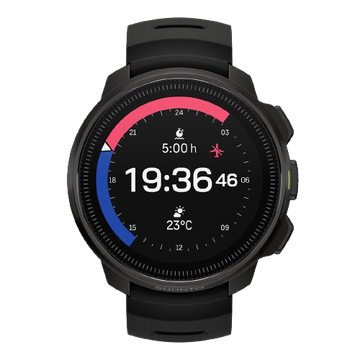
マイク・マリックは、呼吸の状態を心拍数などのデータと組み合わせて確認していました。現在も、ウォッチで心拍数、時間、ペースなどを記録すると、体感だけでは分かりにくい変化を振り返れます。
たとえば、同じ強度のトレーニングで次の項目を記録します。
- 心拍数と心拍ゾーン
- ペースまたはパワー
- 呼吸の苦しさ
- 主観的運動強度
- 気温、睡眠、疲労
呼吸練習の効果を一度の数値で判断せず、同じ条件での推移を見ます。呼吸が楽に感じても、ペースや出力が下がっていれば、単純に運動強度が低かった可能性があります。
▶︎心拍数とペースの使い分けは「ランニングデータの見方|ピッチ・心拍数・ペースの使い分け」をご覧ください。
▶︎運動後の回復については「トレーニング後の回復とは?身体が適応して強くなる仕組み」で解説しています。
息止め・水中練習の重要な注意点
この記事で紹介した陸上の呼吸練習と、フリーダイビングの息止めトレーニングは別のものです。
- 水中で単独の息止め練習をしない
- プール、海、浴槽などで呼吸練習や息止めを行わない
- 過呼吸の後に息を止めない
- 運転中、自転車走行中、立った状態など、失神時に危険がある状況で行わない
- 息止め時間や深度を競わない
フリーダイビングや水中での息止めは、意識を失う危険があります。資格を持つ指導者と適切な安全管理のもとで学んでください。ダイビングでは、認定団体のトレーニングとバディシステムを守りましょう。
呼吸器・循環器の病気がある人、妊娠中の人、治療中の人、呼吸練習で症状が出る人は、実施前に医療専門家へ相談してください。胸の痛み、失神しそうな感覚、強い息苦しさなどがある場合は中止し、必要に応じて医療機関へ相談しましょう。
▶︎ダイビングを始める際は「初心者ダイバーが安全に上達するための7つのポイント」も参考にしてください。
Suuntoでスポーツとダイビングを記録する
Suunto Oceanは、ダイビングと水上・陸上のスポーツを1台で記録したい人の選択肢です。
Suunto Runは、軽量なウォッチでランニング中の心拍数やペースを記録し、トレーニングを振り返りたい人に適しています。
Suunto Race Sは、コンパクトなサイズで、ランニングから複数のスポーツまで継続して記録したい人の選択肢です。
利用できるスポーツモード、ダイビング機能、計測項目は、モデルやソフトウェアのバージョンによって異なります。各製品ページとユーザーガイドで最新情報を確認してください。
ウォッチは安全管理を補助するツールであり、ダイビングの講習、バディ、監視、適切な判断の代わりにはなりません。
よくある質問
呼吸トレーニングで持久力は上がりますか?
呼吸へ意識を向けることは、力みや体感強度を確認する材料になりますが、基本練習だけで持久力の向上が保証されるわけではありません。競技に合ったトレーニング、回復、睡眠、栄養などと組み合わせてください。
運動中は鼻呼吸だけがよいですか?
高強度では換気量が増え、口呼吸になるのが自然です。鼻呼吸だけを守るために苦しくなったり、フォームが崩れたりする必要はありません。運動強度と自分の状態に合わせます。
長く息を止められるほど呼吸機能が高いですか?
息止め時間は、慣れ、心理状態、事前の呼吸、環境など複数の要因に影響されます。健康や競技力を単独で示す指標ではありません。自己流で時間を伸ばそうとしないでください。
毎日練習してもよいですか?
陸上で呼吸を短時間観察する程度なら日常へ取り入れやすいですが、不快感や症状がある場合は中止してください。息止めや専門的な呼吸筋トレーニングは、自己流で行わず専門家の指導を受けましょう。
まとめ|まず自分の呼吸に気づく
スポーツにおける呼吸トレーニングは、無理に大きく吸うことや長く息を止めることではありません。緊張、運動強度、疲労に合わせて呼吸がどう変化するかを知り、余分な力みを減らすことから始めます。
安全な場所で短時間、普段の呼吸を観察し、心拍数、ペース、体感と一緒に記録しましょう。水中の息止め練習は別の専門領域です。必ず資格を持つ指導者と適切な安全管理のもとで行ってください。


