




目標が大きいほど、ゴールばかりを見てしまい、目の前の一歩が重くなることがあります。南アフリカのウルトラランナー、ライアン・サンデスも、ヒマラヤを横断する途方もない挑戦のなかで、同じことに気づきました。
2018年3月、サンデスとライノ・グリーゼルは、ネパールを東西に貫くグレート・ヒマラヤ・トレイル(GHT)の一部を走破。1,504kmを25日4時間24分で進み、当時のFKT(Fastest Known Time=確認されている最速記録)を打ち立てました。
雪に覆われた山岳地帯、厳しい寒さ、体調不良、予定どおりに進まない毎日。その経験は、サンデスに「結果だけを追うのではなく、過程を味わう」という新しい視点をもたらしました。ここでは、彼がヒマラヤで学んだ5つのことを紹介します。
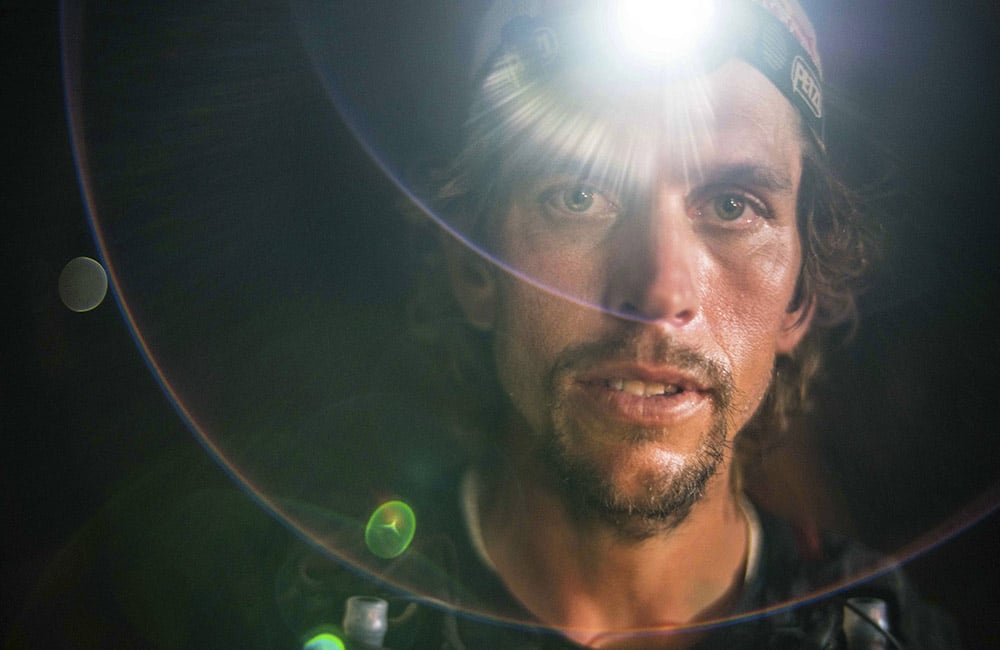
Photo: Dean Leslie / Red Bull Content Pool
1,504kmのヒマラヤ横断が変えたもの
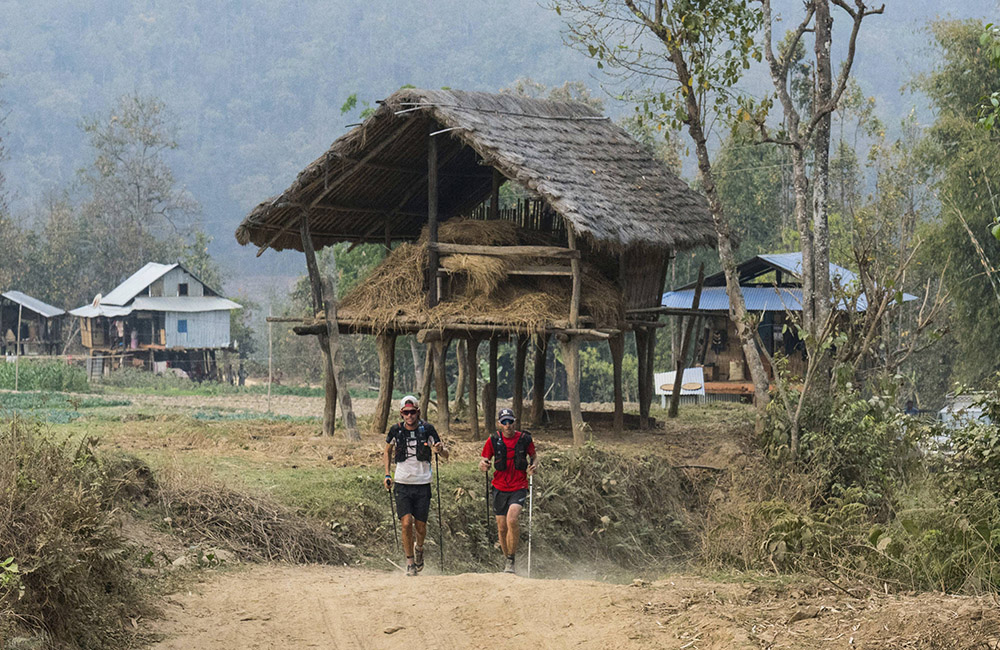
Photo: Dean Leslie / Red Bull Content Pool
サンデスとグリーゼルが進んだのは、グレート・ヒマラヤ・トレイルの高所ルートと文化ルートを組み合わせた区間です。距離は1,504km。25日以上にわたり、走り、登り、歩きながらネパールを横断しました。
周到に準備しても、山では計画どおりにいかないことがあります。2人は深い雪や厳しい天候に阻まれ、凍傷や体調不良にも苦しみました。地図に記された宿泊予定の村が無人だったこともあり、その場で判断を変えながら前へ進む必要がありました。
この挑戦の後、サンデスはレースの結果やタイムに過度な重圧を感じていた自分を振り返りました。力を尽くすことは大切です。しかし、結果だけにとらわれて体験そのものを楽しめなくなれば、たとえ目標を達成しても大切なものを見落としてしまいます。
ヒマラヤで得たのは、もっと強く自分を追い込む方法ではありませんでした。大きすぎる目標との向き合い方、予定外の出来事を受け入れる力、そして自分を支えてくれる人や日常を大切にする視点でした。
グレート・ヒマラヤ・トレイルから学んだ5つのこと
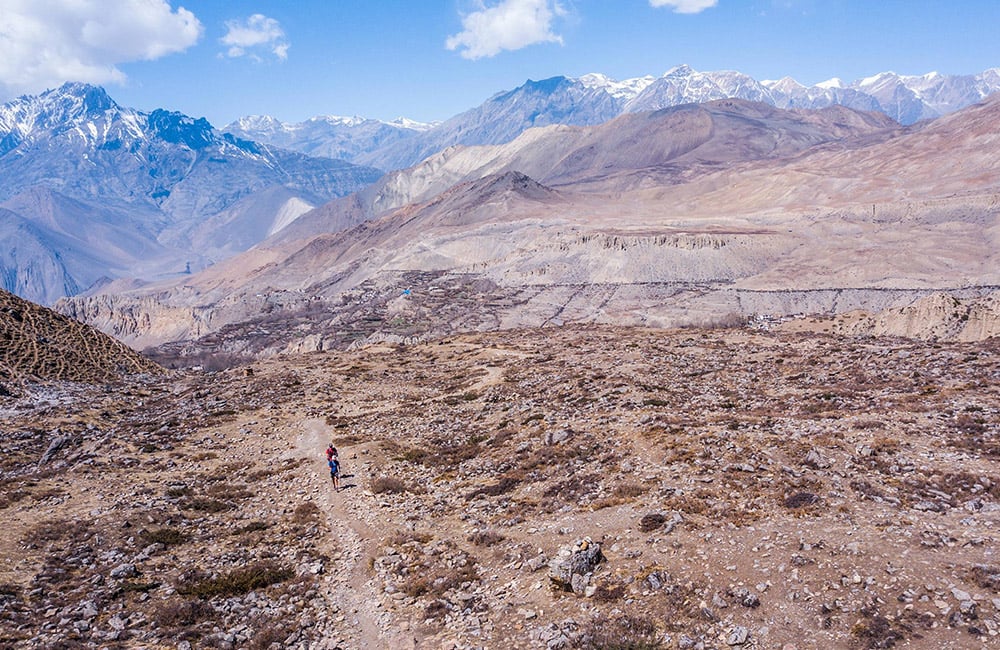
Photo: Dean Leslie / Red Bull Content Pool
1.大きな目標を、目の前の区間まで小さくする
1,500km以上という距離を常に意識していたら、その大きさに圧倒されてしまいます。サンデスは、先のすべてを考えるのではなく、一日ずつ、目の前の区間ずつ進むことに集中しました。
ウルトラレースなら「次のエイドまで」、日常の仕事なら「今日終える一つの作業まで」と考えられます。遠いゴールを持ちながら、行動できる大きさまで目標を分ける。そうすれば、まだ起きていない問題に心を奪われず、今できることへ注意を戻せます。
普段のランニングで小さな目標をつくる方法は、「ランニングのモチベーションを維持する10の方法」でも紹介しています。
2.小さな親切を惜しまない
山間部で出会ったネパールの人々は、2人を温かく迎え、必要な場面で手を差し伸べてくれました。サンデスは、わずかな気遣いでも、受け取る人にとっては大きな支えになると実感します。
速さや効率が優先されがちな日常では、家族や周囲の人への小さな配慮を後回しにしてしまうことがあります。困っている人に声をかける、時間を分け合う、相手の話を聞く。大きなことをしなくても、思いやりは人の一日を変えられます。
3.小さな喜びを見落とさない
高い目標へ向かう姿勢は、成長するための力になります。その一方で、結果を追うことに夢中になりすぎると、家族との時間や日々の楽しさが見えなくなることもあります。
サンデスがヒマラヤで再確認したのは、目標と日常のどちらかを選ぶのではなく、両方のバランスを取ることでした。美しい景色、温かい食事、誰かとの会話、身体を動かせること。遠いゴールへ進む途中にも、味わうべき時間があります。
4.考えすぎず、変化に対応する
ヒマラヤでは、詳細に立てた計画が毎日のように崩れました。天候、積雪、道の状態、体調など、自分では制御できない要素が多かったからです。
計画は必要ですが、計画を守ること自体が目的ではありません。状況が変わったら、事実を確認し、その時点で取れる最善の行動を選び直す。山でも日常でも、柔軟に対応する力は、最初から完璧な答えを用意すること以上に重要です。
登山やトレイルランニングでは、GPSウォッチだけに頼らず、紙地図、現地の標識、天候情報も併用し、安全を優先してください。Suuntoウォッチの表示を準備しておく場合は、「SUUNTOの地図・ナビゲーション画面の見方」も参考になります。
5.困難なときこそ、今あるものに目を向ける
行程中、サンデスは家族が恋しくなり、精神的にも身体的にも特につらい2日間を経験しました。そこで彼は、自分でこの挑戦を選んだこと、一度きりかもしれない機会の中にいることを思い出しました。さらに、周囲の景色や現地の人々との交流へ意識を向けることで、気持ちを立て直していきます。
前向きでいることは、苦しさや危険を無視することではありません。変えられない状況を認めたうえで、今も残っている選択肢や支えを探すことです。疲労や痛み、体調異常がある場合は、気持ちだけで押し切らず、休止や撤退も含めて判断する必要があります。
長時間のレースで心が折れそうなときの具体的な対処法は、「コートニー・ドウォルターの6つのメンタル術」で詳しく解説しています。
大きな挑戦ほど、過程を楽しむ
グレート・ヒマラヤ・トレイルを走った後、サンデスの目標に対する姿勢は変化しました。結果を求めながらも、それだけに自分の価値や体験の意味を預けない。ゴールは、準備し、判断し、一歩ずつ進んだ時間の先に生まれるものだと捉えるようになりました。
これは、ヒマラヤを横断するアスリートだけの教訓ではありません。初めての大会、長期的なトレーニング、仕事や生活の大きな計画にも共通します。
- 遠いゴールを、今日できる行動まで分ける
- 計画と同じくらい、状況に応じた判断を大切にする
- 結果だけでなく、周囲の人や途中の経験にも目を向ける
- 記録を振り返り、積み重ねてきた過程を確かめる
挑戦の記録は、他人と比べるためだけの数字ではありません。距離、時間、標高、ルート、身体の反応を残しておけば、自分がどのように進み、何を学んだかを振り返る手がかりになります。
まとめ

1,504kmのヒマラヤ横断からサンデスが持ち帰ったのは、限界まで耐えるための精神論ではありませんでした。目標を小さく分けること、人とのつながりを大切にすること、変化に柔軟に対応すること、そして過程を味わうことです。
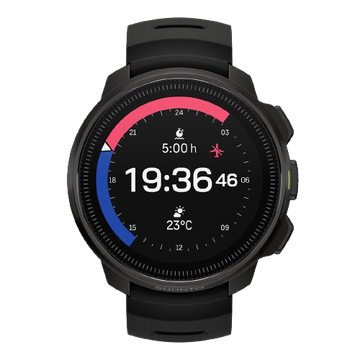
大きな挑戦では、先を見通す準備と、目の前の状況に合わせる判断の両方が必要です。Suunto Vertical 2は、長時間バッテリー、オフラインマップ、ルートナビゲーション、トレーニング記録を備え、日々の一歩から長距離のアウトドアアドベンチャーまで支えます。


