




ランニングを続けてきた人がトライアスロンに挑戦するとき、走力は大きな強みになります。一方で、これまでのランニング量を維持したままスイムとバイクを足すだけでは、疲労が積み重なりやすく、3種目を継続するのが難しくなります。
大切なのは、得意なランをさらに増やすことではなく、練習時間を組み替えてスイムとバイクの技術を身につけることです。この記事では、エリートランナーからプロトライアスリートへ転向したメリッサ・ハウシルトの経験をもとに、ランナーがトライアスロンへ移行するための練習方法を紹介します。

ランニング経験はトライアスロンでも強みになりますが、バイク後に走る感覚には慣れが必要です。
ランナーがトライアスロンへ挑戦するときの強みと注意点
ランナーには、持久力、運動を継続する習慣、ペース感覚という土台があります。レース終盤のランで力を発揮しやすいことも強みです。
ただし、トライアスロンではスイムとバイクを終えた後に走ります。ランニング単体で出せるタイムを基準にすると、序盤のバイクで力を使いすぎたり、ランで急に脚が動かなくなったりします。最初は「走力を伸ばす」よりも、「3種目を通して動き続ける」ことを優先しましょう。
競技の距離や基本装備を先に知りたい方は、トライアスロンの種目・距離・初心者向けの基本も参考にしてください。
ランニング量を維持したまま2種目を足さない
1週間のランニング量をそのままにしてスイムとバイクを追加すると、総練習時間と疲労が急に増えます。まずはランの一部を低衝撃のバイクへ置き換え、スイムは短い技術練習から始めるのが現実的です。
メリッサも、故障を抱えていた転向初期にランニングを減らし、バイクで持久力の土台を作りました。バイクはランニングと同じ刺激ではありませんが、着地衝撃を抑えながら心肺へ負荷をかけられます。
ランニング練習にスイムとバイクを加える方法

バイクでは、長くゆっくり走る練習と短い高強度練習を目的に応じて使い分けます。
得意なランニングには走行距離の目安がありますが、スイムとバイクは距離だけで判断しないことが大切です。フォーム、操作、安全確認を含めて、まずは各種目へ慣れる時間を確保します。
スイムは距離よりフォームと呼吸を優先する
泳ぎに慣れていないランナーは、心肺能力が高くても、水中姿勢や呼吸のタイミングによって早く疲れることがあります。最初はプールで短い距離を区切り、リラックスした姿勢、息を吐く動作、左右のバランスを確認しましょう。可能であればコーチや経験者にフォームを見てもらうと、力任せに泳ぐ癖を防ぎやすくなります。
オープンウォーターでは、プールとは異なり、波、流れ、水温、視界への対応が必要です。単独で泳がず、遊泳可能な場所と当日の状況を確認し、必要な安全装備を使用してください。詳しくは、初心者向けオープンウォータースイミングのコツで紹介しています。
バイクは乗車時間と操作技術を増やす
ランナーの持久力はバイクにも活かせますが、ペダリング、変速、ブレーキ、コーナリング、補給などは別の技術です。交通量の少ない安全な環境で、まずは安定して走る練習を重ねます。
練習は、会話できる程度の強度で長く乗る日を中心にし、慣れてから坂道や短い高強度区間を加えます。速く走ることより、狙った強度を保ち、バイクを降りた後にも余力を残せることが重要です。
バイクフィッティングは「快適に走れること」を優先する

無理のないポジションは、バイク後のランへ移りやすくするためにも重要です。
空気抵抗を減らす姿勢でも、呼吸がしにくい、特定の筋肉へ負担が偏る、痛みが出る状態では、バイク後のランに影響します。サドル高や前後位置などは個人差が大きいため、痛みや違和感が続く場合は専門店などでフィッティングを受けましょう。
バイク後に走るブリック練習の始め方
バイクからランへ連続して移る練習は「ブリック練習」と呼ばれます。バイク後は脚が重く、普段のランニングとは異なる感覚になります。メリッサも最初のブリック練習では、わずか30分のランが難しく感じたと振り返っています。
最初はバイクの後に10〜15分だけ走る
初心者がいきなりレースのような切り替えを行う必要はありません。バイクを安全に片付け、ランニングシューズへ履き替えて、短いイージーランを行います。目的は速く走ることではなく、脚の感覚が変わる過程に慣れることです。
慣れたら目的の異なる組み合わせを試す
- 長めのバイク+短いラン:疲れた脚で走り始める感覚に慣れる
- 短いバイク+少し長めのラン:ランのフォームと持続時間を確認する
- 強度を上げたバイク+短いラン:レースに近い負荷を体験する
原文ではプロ選手が週3回のブリック練習を行っていますが、これは初心者向けの回数ではありません。まずは7〜14日に1回程度から始め、疲労や痛みが残る場合は頻度や強度を下げてください。
T1・T2での装備の置き方や切り替え方は、トライアスロンのトランジション初心者ガイドで詳しく解説しています。
ランナー向けトライアスロン週間トレーニング例
次の例は、すでに週3〜4回走る習慣がある人が、スイムとバイクを導入するための考え方です。大会までの期間、経験、生活リズムによって必要な練習量は変わるため、固定メニューではなく配分例として活用してください。
| 曜日 | 練習例 | 主な目的 |
|---|---|---|
| 月 | 休養または軽いモビリティ | 回復 |
| 火 | 短いラン+流し | 走力とフォームの維持 |
| 水 | スイム技術練習 | 呼吸とフォーム |
| 木 | イージーバイク | 乗車技術と持久力 |
| 金 | 休養または短いスイム | 疲労に応じた調整 |
| 土 | 長めのバイク+10〜15分のラン | ブリック練習 |
| 日 | 会話できる強度のラン | ランニング持久力の維持 |
ポイントは、すべての練習を高強度にしないことです。ランで負荷を上げた週はバイクを軽くするなど、3種目を合計した疲労で判断します。痛み、強い倦怠感、睡眠の乱れが続く場合は休養を優先し、必要に応じて医療やトレーニングの専門家へ相談してください。
トライアスロン3種目のトレーニングを記録する
ランニング、スイム、バイクを別々に行うようになると、1種目だけを見ていても全体の負荷を把握しにくくなります。時間、心拍、回復の傾向をまとめて振り返り、得意種目へ練習が偏っていないかを確認しましょう。
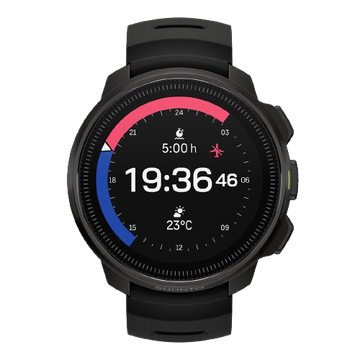
Suunto Race 2は、トライアスロンを含むマルチスポーツに対応し、スイム・バイク・ランを一つのアクティビティとして記録できます。大きなAMOLEDディスプレイで運動中のデータを確認しやすく、3種目のトレーニングを長期的に振り返りたい人に適しています。
よりコンパクトなサイズを重視する場合は、マルチスポーツに対応するSuunto Race Sも選択肢です。ウォッチ選びで確認したい機能は、トライアスロン用ウォッチの選び方で比較できます。
記録した数値は競うためだけのものではありません。体感とデータを照らし合わせ、スイム、バイク、ランの配分や休養日を調整する材料として使います。種目ごとの見るべき指標は、トライアスロンのトレーニングデータ活用術も参考にしてください。
ランナーのトライアスロン挑戦でよくある質問
ランニング経験があれば、すぐにトライアスロンへ出場できますか?
走力は強みですが、安全なスイムとバイク操作は別に習得する必要があります。まずはプールでの泳力、屋外でのバイク操作、短いブリック練習を確認し、自分の経験に合う距離の大会を選びましょう。大会ごとに参加条件や装備規定も確認してください。
ロードバイクがなくても練習を始められますか?
基礎的な持久力づくりは、フィットネスバイクやインドアバイクでも始められます。ただし、大会へ出場する場合は、実際に使用する自転車で変速、ブレーキ、コーナリング、乗降を安全に練習する必要があります。
得意なランニングはどのくらい減らすべきですか?
一律の割合はありません。まずは週1回のランをバイクへ置き換え、短いスイムを追加する方法が分かりやすいでしょう。総練習時間と疲労が急増しないように調整し、走力の維持には回数だけでなく、目的を明確にしたランを残します。
まとめ|得意なランを活かし、3種目を続けられる配分へ
ランナーがトライアスロンへ移行するときは、ランニングへスイムとバイクを単純に追加するのではなく、練習全体を組み替えることが大切です。スイムはフォームと安全、バイクは操作と快適なポジション、ランはバイク後の感覚を優先し、短いブリック練習から段階的に慣れていきましょう。

Suunto Race 2なら、単独のスイム・バイク・ランからトライアスロン本番までを記録し、Suuntoアプリで3種目の負荷をまとめて振り返れます。得意種目への偏りや疲労の傾向を確認しながら、自分に合うトレーニング配分を作るための一台です。
3種目の挑戦をSuunto Race 2と始めよう
トライアスロン対応のスポーツモードと見やすいAMOLEDディスプレイで、練習からレースまでを記録できます。
Suunto Race 2の商品詳細を見る


