




SUUNTOブログ

Can an e-Car support an epic ski adventure? 100%.
As a professional adventurer, I constantly search far and wide for new challenges and new spots to explore. My happiness, my inspiration… essentially everything that fulfills me comes from nature. But looking at how I access these adventures, it’s clear: I am killing the world as it stimulates me.
Not only was I well beyond the sustainable level, there was more that the test could not calculate. The heli-guiding, the snowmobile I used for access – these were not added to the thousands of kilometers driven in my F-350, or the multiple intercontinental flights. The truth was obvious: I needed to change my ways.
Immediately I decided to try something suggested by my brother Graham at his TED talk. I became a weekday vegetarian and got my family to join me. (It is amazing to think how much of an impact the global meat industry has!) A simple but very effective change. But for me, with my globe-trotting adventures, I really needed to look into my travel.
So I quit heli-ski guiding, sold my giant diesel truck, let my snowmobile rust and looked at different ways to get to the trailhead.
We are constantly reading about electric vehicles being the future – but I was skeptical. EVs have historically had a limited range – which makes them ideal commuter vehicles for urbanites – but useless for someone where I live.
Revelstoke is a small mountain town, deep in the Canadian mountains, 250–400km from major cities. With cold winters and deep snow there are many very valid reasons to be scared of converting to electric. The sacrifices I needed to make seem daunting – but perhaps they are not as big as they seem.
So we had to test it out. My friend Chris Rubens and I went on an electric adventure. Our goal: live our normal adventurous lifestyle while being more sustainable getting from spot to spot.
Chris and Greg on their electric volcano adventure.
I rented a Nissan Leaf from Ecomoto in Vancouver – a commuter vehicle with 100 miles of range. Far from ideal – but if we could drive down the West coast of the USA, climb and ski a bunch of volcanoes and make it back, we could prove to ourselves that electric access is the future.
So first, we met up and climbed and skied Mt Baker, then began our true road trip down south. An app called “Plug and Share” would guide us to all the level 3 chargers, which take around 40 minutes to fully charge the car. This trip was admittedly ideal, since the I-5 corridor that goes south down to Washington, Oregon and into California is littered with these chargers.
It’s not to say we didn’t face challenges. The trailhead for Mt Rainier is quite far inland and well away from any Level 3 chargers. But our app showed us a Level 2 charger that someone had set up at their house for their Tesla. We arrived at the park boundary and started charging at Phil’s personal plug. The percentage slowly moved upwards. We had to hastily leave with barely 70% as the park’s gates were closing. Committed, we drove upwards. As we climbed up to the trailhead our % dropped and dropped. 40%...35% and then finally at 31% we made it. We parked and decided to deal with it when we returned.
Greg charging down a sun-baked volcano.
A great couple of days had us on the 14,400-foot summit and then skiing down a heavily crevassed, but super awesome run. Arriving back at the car we wondered if our first mistake was going to haunt us. Luckily the Leaf has a ‘B” mode which allows the car to slow itself using the engine, putting electricity back into the motor. So as we drove down 5500 feet we brought our charge back up to 50%. A few hours at Phil’s charger and we were off. Yeehaw! Maybe this is going to work!
Mt Hood was our next objective – and there were Level 3 chargers right up to the trailhead. A great summit and silly ski had us driving south. Eventually the ease of charging had us pushing the battery percentage as low as we could go, extending each drive till the % disappeared and the ‘KMs left’ blinked out. We realized there was always extra battery left, and we pushed it many times. Never fully running out of gas – or rather, juice.
Charging, charging... to make it to yet another mountain.
We made it as far south as Mt Shasta in California, where there were less Level 3 chargers and we ended up charging up at RV campgrounds – Level 2 chargers that would take 3-5 hours to fully charge. A couple oddball Canadians, camped amongst the behemoth RVs.
While we drove back north, hitting Mt Adams on the way we pondered our experiment. We ended up traveling almost 5000km, climbed and skied six volcanoes, went rock-climbing five times, had amazing adventures and camped in great places. Essentially: our normal lives, with one major difference. We used one liter of gas during the whole trip: for our cookstove.
Not being able to move quickly between objectives made us more relaxed. Forced stops every few hours had us re-thinking our Type A personalities. To me electric vehicles are the future, especially since climate change would affect our jobs so badly.
My lesson has been learned. Since returning from this trip I have bought an electric Chevrolet Bolt and have fully jumped into the electric vehicle movement. I have dreams of summiting 100 mountains and creating minimal emissions while doing so. It’s a challenge I am calling ‘electric adventures.’ I am 14 summits in, and I have run to some, climbed up others, and skied off those volcanoes. It is a great start and it feels so amazing to be part of the solution to our climate crisis. I will never be perfect – but I can search out ways to be better.
All images © Chris Rubens
Watch "Electric Adventures with Greg Hill and Chris Rubens"now
Press play and follow along on an Electric Adventure


スポーツに役立つ呼吸トレーニングとは?基本と安全な練習方法
呼吸は無意識に続くため、普段のトレーニングでは意識されにくい要素です。しかし、スタート前に緊張して呼吸が浅くなる、上り坂でリズムが乱れる、インターバルの合間に息が整わないなど、スポーツ中の呼吸には多くの気づきがあります。
呼吸トレーニングの目的は、長時間息を止めたり、無理に大きく吸ったりすることではありません。まず自分の呼吸に気づき、運動の強度や場面に合わせて、力みを減らしながら自然なリズムを取り戻すことです。
この記事では、フリーダイバーとして活動したマイク・マリックの経験をもとに、スポーツにおける呼吸の考え方と、陸上で安全に取り組める基本練習を紹介します。
目次
フリーダイビングから始まった呼吸への探究
呼吸トレーニングとは?
スポーツで呼吸へ意識を向ける場面
基本練習1:呼吸を観察する
基本練習2:力まずに腹部の動きを感じる
基本練習3:吐く息を穏やかにする
運動前・運動中・運動後の使い分け
心拍数と体感を記録する
息止め・水中練習の重要な注意点
Suuntoでスポーツとダイビングを記録する
よくある質問
まとめ
フリーダイビングから始まった呼吸への探究
元記事に登場するマイク・マリックは、フリーダイバーとして世界各地の海で活動し、ウンベルト・ペリッツァーリらとトレーニングを重ねました。その後、競技の第一線から離れ、安全ダイバーやトレーナーとして経験を積み、呼吸をテーマにさまざまな競技のアスリートを支援しています。
彼が指導したのは、トライアスロン、サイクリング、フェンシング、格闘技など、競技時間も動きも異なるアスリートたちです。共通していたのは、呼吸そのものを特別な技として扱うのではなく、緊張、動作、回復の状態へ気づくための手がかりとして活用することでした。
一方、元記事にある「酸素供給を増やす」「回復時間を短縮する」といった表現は、誰にでも同じ結果を保証するものではありません。競技力は、持久力、技術、筋力、練習量、睡眠、栄養など多くの要因で決まります。
呼吸トレーニングとは?
呼吸トレーニングには、呼吸筋へ負荷をかける専門的な方法、呼吸のペースを調整する方法、リラクゼーションを目的とした練習など、さまざまな種類があります。
この記事で扱うのは、特別な器具を使わず、陸上で安全に呼吸へ注意を向けるための基本練習です。医療行為やフリーダイビングの専門トレーニングではありません。
目的は次の3点です。
緊張したときや疲労したときの呼吸へ気づく
肩や首へ余分な力が入っていないか確認する
運動強度に合わせた自然な呼吸のリズムを探す
スポーツで呼吸へ意識を向ける場面
スタート前の緊張
レースや重要なトレーニングの前は、呼吸が速く浅くなることがあります。無理に落ち着こうとするのではなく、呼吸の速さや身体の力みへ気づくことで、準備状態を確認できます。
一定強度のランニングやサイクリング
呼吸のリズムは、体感強度を把握する材料になります。会話できる程度だった呼吸が急に苦しくなった場合は、ペース、上り坂、暑さ、疲労などを確認しましょう。
インターバルの回復区間
高強度運動の直後は呼吸が速くなるのが自然です。息を無理に止めたり急激に操作したりせず、楽な姿勢をとり、次の反復へ向けて呼吸と心拍数がどう変化するかを観察します。
運動後の切り替え
運動終了後に軽いクールダウンを行い、呼吸が徐々に落ち着く過程を確認します。呼吸だけで回復状態を判断せず、心拍数、体感、睡眠、筋肉痛なども合わせて見ます。
基本練習1:呼吸を観察する
最初は呼吸を変えようとせず、現在の状態を観察します。
安全で静かな場所に座るか、仰向けになる
肩、首、顎へ力が入っていないか確認する
鼻や口を通る空気、胸や腹部の動きを感じる
呼吸の深さや速さを評価せず、1〜2分観察する
「深く吸わなければならない」と考える必要はありません。普段の呼吸がどのように動いているかを知ることが目的です。
基本練習2:力まずに腹部の動きを感じる
横隔膜は呼吸に関わる主要な筋肉です。ただし、「腹式呼吸だけが正しい」「胸を動かしてはいけない」という意味ではありません。胸郭と腹部は呼吸に合わせて自然に動きます。
椅子へ楽に座るか、仰向けになる
片手を胸、もう片方を腹部へ軽く置く
息を吸ったときと吐いたときの動きを感じる
肩を持ち上げたり、腹部を強く押し出したりしない
1〜3分、苦しくない範囲で続ける
めまい、しびれ、不快感が出た場合は練習を止め、普段どおりの呼吸へ戻してください。
基本練習3:吐く息を穏やかにする
緊張しているときは、息を大きく吸うことばかりに意識が向きやすくなります。ここでは吸う量を増やすのではなく、吐く息を急がず、力まずに終えることを試します。
楽な姿勢で普段どおりに呼吸する
数回の呼吸だけ、吐く息を滑らかにする
苦しくなる前に、自然に次の息を吸う
30秒から1分程度行い、普段の呼吸へ戻る
秒数を達成するために息を絞り出したり、呼吸回数を極端に減らしたりしないでください。
運動前・運動中・運動後の使い分け
場面
確認すること
避けたいこと
運動前
緊張、肩の力み、呼吸の速さ
過剰に深く速い呼吸を繰り返す
低〜中強度
呼吸のリズムと体感強度
呼吸法を守るためにペースやフォームを崩す
高強度
息苦しさ、心拍数、動作の維持
鼻呼吸など一つの方法へ無理に限定する
運動後
呼吸と心拍数が落ち着く過程
急に止まり、苦しい状態で息を止める
運動中の呼吸は強度に合わせて自然に変化します。高強度では口呼吸になることも普通です。特定の呼吸回数や鼻呼吸だけを全員へ当てはめず、自分の体感と運動目的を優先しましょう。
心拍数と体感を記録する
マイク・マリックは、呼吸の状態を心拍数などのデータと組み合わせて確認していました。現在も、ウォッチで心拍数、時間、ペースなどを記録すると、体感だけでは分かりにくい変化を振り返れます。
たとえば、同じ強度のトレーニングで次の項目を記録します。
心拍数と心拍ゾーン
ペースまたはパワー
呼吸の苦しさ
主観的運動強度
気温、睡眠、疲労
呼吸練習の効果を一度の数値で判断せず、同じ条件での推移を見ます。呼吸が楽に感じても、ペースや出力が下がっていれば、単純に運動強度が低かった可能性があります。
▶︎心拍数とペースの使い分けは「ランニングデータの見方|ピッチ・心拍数・ペースの使い分け」をご覧ください。
▶︎運動後の回復については「トレーニング後の回復とは?身体が適応して強くなる仕組み」で解説しています。
息止め・水中練習の重要な注意点
この記事で紹介した陸上の呼吸練習と、フリーダイビングの息止めトレーニングは別のものです。
水中で単独の息止め練習をしない
プール、海、浴槽などで呼吸練習や息止めを行わない
過呼吸の後に息を止めない
運転中、自転車走行中、立った状態など、失神時に危険がある状況で行わない
息止め時間や深度を競わない
フリーダイビングや水中での息止めは、意識を失う危険があります。資格を持つ指導者と適切な安全管理のもとで学んでください。ダイビングでは、認定団体のトレーニングとバディシステムを守りましょう。
呼吸器・循環器の病気がある人、妊娠中の人、治療中の人、呼吸練習で症状が出る人は、実施前に医療専門家へ相談してください。胸の痛み、失神しそうな感覚、強い息苦しさなどがある場合は中止し、必要に応じて医療機関へ相談しましょう。
▶︎ダイビングを始める際は「初心者ダイバーが安全に上達するための7つのポイント」も参考にしてください。
Suuntoでスポーツとダイビングを記録する
Suunto Oceanは、ダイビングと水上・陸上のスポーツを1台で記録したい人の選択肢です。
Suunto Runは、軽量なウォッチでランニング中の心拍数やペースを記録し、トレーニングを振り返りたい人に適しています。
Suunto Race Sは、コンパクトなサイズで、ランニングから複数のスポーツまで継続して記録したい人の選択肢です。
利用できるスポーツモード、ダイビング機能、計測項目は、モデルやソフトウェアのバージョンによって異なります。各製品ページとユーザーガイドで最新情報を確認してください。
ウォッチは安全管理を補助するツールであり、ダイビングの講習、バディ、監視、適切な判断の代わりにはなりません。
よくある質問
呼吸トレーニングで持久力は上がりますか?
呼吸へ意識を向けることは、力みや体感強度を確認する材料になりますが、基本練習だけで持久力の向上が保証されるわけではありません。競技に合ったトレーニング、回復、睡眠、栄養などと組み合わせてください。
運動中は鼻呼吸だけがよいですか?
高強度では換気量が増え、口呼吸になるのが自然です。鼻呼吸だけを守るために苦しくなったり、フォームが崩れたりする必要はありません。運動強度と自分の状態に合わせます。
長く息を止められるほど呼吸機能が高いですか?
息止め時間は、慣れ、心理状態、事前の呼吸、環境など複数の要因に影響されます。健康や競技力を単独で示す指標ではありません。自己流で時間を伸ばそうとしないでください。
毎日練習してもよいですか?
陸上で呼吸を短時間観察する程度なら日常へ取り入れやすいですが、不快感や症状がある場合は中止してください。息止めや専門的な呼吸筋トレーニングは、自己流で行わず専門家の指導を受けましょう。
まとめ|まず自分の呼吸に気づく
スポーツにおける呼吸トレーニングは、無理に大きく吸うことや長く息を止めることではありません。緊張、運動強度、疲労に合わせて呼吸がどう変化するかを知り、余分な力みを減らすことから始めます。
安全な場所で短時間、普段の呼吸を観察し、心拍数、ペース、体感と一緒に記録しましょう。水中の息止め練習は別の専門領域です。必ず資格を持つ指導者と適切な安全管理のもとで行ってください。
心拍数と体感を記録しよう
Suuntoウォッチでスポーツ中の心拍数やペースを記録し、自分の呼吸と強度の関係を振り返りましょう。
Suuntoウォッチを見る
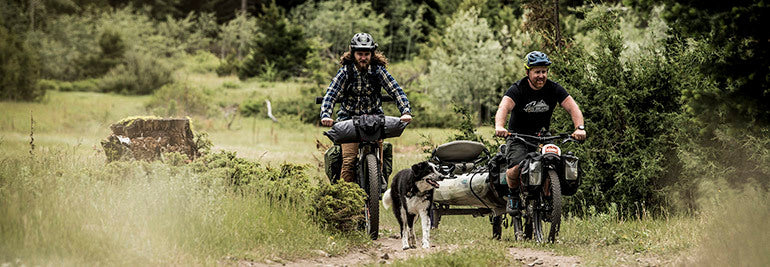

Finding remote
What exactly is it? Well that’s really up to you. For our friends, Kona Gravity team rider Graham Agassiz and Kona Canada’s Matt Stevens, that thing is fly fishing. So, they made a plan, packed up their bikes, and converged in Lytton, British Columbia to head to their own secret stash. Prepped with fishing and camping gear, Suunto Traverse Alpha, Matt’s fishing kayak, and Aggy’s dog Autumn, they headed straight for the goods.
Escape for a moment and watch the video
Learn more about Suunto Traverse Alpha, the GPS/Glonass watch with versatile outdoor functions for fishing and hunting
All images ©Kona Bikes


What’s tougher: running the Barkley Marathons… or training for it?
But as we approach the Barkley’s off-season, let’s take a look not at the race – but the training. Soon Robbins will release a short film detailing his Barkley experience – in anticipation, he’s shared a short piece focused on an incredibly difficult full overnight session where the goal was to reach 20,000ft (6,100m) of climbing in around 11 hours. See how his session unfolds – then keep reading for some more insight into his ‘off-season’.
Watch this advanced preview of Where Dreams Go To Die documentary now.
If this video doesn’t make your legs hurt, then this will: Robbins just finished the Nolan’s Fourteeners, fourteen 14,000 peaks in 100 miles, with a 60-hour cut-off time. Less than 20 people have ever completed the route.
A post shared by Gary Robbins (@garyrobbins) on Jul 31, 2017 at 10:24am PDT
"Adventures were had, and we got it done. Nolan's 14 finishers in 56h39m, with the best adventure partner imaginable." –@garyrobbins
We’ve collected some of Gary's thoughts and feelings on the recent adventures, what’s upcoming, and what’s not just worth the time (hint: hypoxic training). Read on.
You didn’t have the easiest time on Nolan’s!
After trudging through fourteen plus hours of fog, wind and rain we found ourselves hypothermic and in a bad state. We actually had some snow flurries on Oxford (8th peak going south to north) and we realized we couldn't safely continue. We made the hard call to drop off the mountain and to call it a day. We skipped Belford (maybe one mile away) because of the state we were in. We dropped about five miles down to a trailhead and had our families and crew meet us there. After warming up and being reminded by my lovely wife that we still had 31 hours left to get this done we made the call to get back in the game. We turned around and headed all the way back up to the saddle we'd dropped off maybe five hours earlier.
Nolan’s Fourteeners are like a Barkley, with less vertical but way more altitude…
Exactly. It’s only been done a handful of times. I’ll be coming straight from sea level into that! But we had access to our support crew – we can check in six or seven times over the course of the traverse.
The altitude is the biggest issue.
Yeah – I live at the coast. But my partner in the coaching business studies this stuff – he says I have to spend 12 hours a day in a hypoxic chamber if I want any benefit from it. No time for that!
You have a few events of your own you’re organizing.
I run a race series back home and I’ve got events before and after the Nolan’s attempt. The biggest is the Squamish 50 – it’s the biggest ultra in Canada, with 1200 participants from 20 countries.
Do you compete in them yourself?
I just don’t have the time. I want to make sure it’s a great event for everyone who comes. I don’t run in the events because I need to run the event – I congratulate every finisher who comes across the line. During the Squamish 50 I’ll get about 8 hours of sleep over three days.
You’re an organizer with some epic terrain close by. Any chance we’ll see a race like the Barkley, in your backyard?
You know, we have the terrain for it – it could rival the Barkley on paper. But it’s damn near impossible to get the permits, and I don’t feel the need to replicate something so unique that Laz has created.
Take us back to your recent adventure on Nolan’s – how did you finish?
It rained for another 10+ hours up high but eventually the weather broke, before it broke us, and we were rewarded with a clear night on our third to last peak (La Plata) and a beautiful sunrise while ascending our second to last peak, the highest point in Colorado, Mt. Elbert at 14,433. I shed a tear on our final peak, Mt. Massive because I really couldn't believe what we'd just accomplished. It wasn't what we'd set out to do time wise, and I'm pretty sure we just completed the least scenic version of Nolan's ever, but the sense of accomplishment that overwhelms me today is the absolute definition of euphoria.
So there’s no question you’re doing Barkley again.
I’m 100% returning for a third attempt in 2018.
Main image and video by The Ginger Runner


How to import training data from other sports services into Suunto Movescount.
Do you want to import training data stored within other sports services into Suunto Movescount? You can import training data using these three third-party services.
FitnessSyncer.FitnessSyncer allows you to synchronise your healthcare and fitness data with over 40 different devices and apps. Healthcare and fitness data from other apps, trackers and devices can be seamlessly moved to Suunto Movescount.
To sync using FitnessSyncer, first create an account on fitnessyncer.com, add a data source on your account page and add Suunto Movescount as a sync destination in your account settings.
More information about FitnessSyncer.
RunGap.RunGap is a workout data management tool for iOS that imports your complete workout history from other services available on your iPhone or iPad, including Suunto Movescount, Garmin Connect, Endomondo, RunKeeper, Strava, Runtastic, Polar, Adidas and other services such as Magellan, Nike+, etc., and imports your complete training history.
The beauty of RunGap is that it also has the ability to bulk sync all your training data with Suunto Movescount - instructions on how to use Suunto Movescount with RunGap can be found here.
More information about RunGap
MX Activity MoverMX Activity Mover allows you to transfer training logs from Garmin Connect or Polar Personaltrainer directly to Suunto Movescount. Data can be transferred directly per user identity (Garmin and Polar) or as a single activity via file upload (Garmin). The full version of MX Activity Mover can be purchased to upload multiple activities at once. You can select a time range of activities to transfer (send/receive).
An additional feature of MX Activity Mover allows you to include a link to the original Garmin Connect or Polar Personaltrainer activity in the description field of the transferred Move.
More information about MX Activity Mover
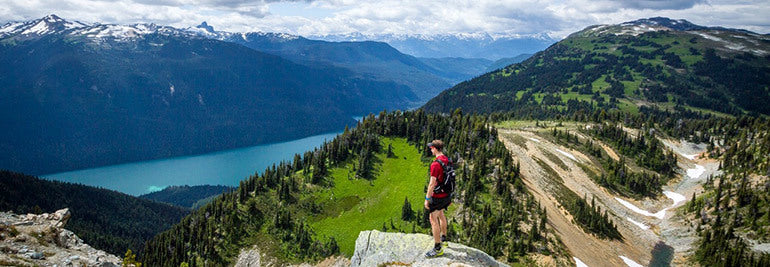

Three ways to navigate with a Suunto Spartan GPS watch
Jeff Pelletier, a trail runner and filmmaker from Vancouver, BC, Canada put together this great video with some tips for navigating with the Suunto Spartan. He showcases how you can navigate in new surroundings or challenging terrain using these three different features of the Spartan.
1. Routes
2. Compass
3. Breadcrumb
Watch the video now!
You are not limited to these three ways to navigate. You can also use POI navigation (read how this is done here). In addition, as of the Spartan update in June (1.9.36) you can now also use find back navigation which plots your quickest route back to your starting point utilizing the compass to guide you.
Main image by @jpelletier
Learn more about Suunto Spartan GPS watches


