




世界最難関級のトレイルレースとして知られるバークレーマラソンズ。過酷なのは本番だけではありません。完走に近づくためには、長時間の登り、夜間行動、悪天候、睡眠不足を想定した準備が必要です。
2016年と2017年、カナダのウルトラランナー、ゲイリー・ロビンスは完走まであと一歩のところまで迫りました。本記事では2017年当時のインタビューをもとに、約11時間で累積標高6,100mを目指した夜間トレーニングと、Nolan’s 14(ノーランズ14)での壮絶な経験を振り返ります。

バークレーマラソンズとは?
バークレーマラソンズ(Barkley Marathons)は、アメリカ・テネシー州のフローズン・ヘッド州立公園で開催される、世界最難関級のウルトラトレイルレースです。ラズ・レイクことゲイリー・カントレルが考案し、現在も大会を主催しています。
参加者はスタート地点の「黄色いゲート」を起点に、標識のない山岳コースを5周し、60時間以内の完走を目指します。公称距離は100マイル(約161km)ですが、コースは年によって変わり、実際の距離はそれ以上ともいわれます。
| 項目 | バークレーマラソンズの特徴 |
|---|---|
| 舞台 | アメリカ・テネシー州、フローズン・ヘッド州立公園 |
| 形式 | 標識のない山岳コースを5周 |
| 制限時間 | 5周を60時間以内 |
| ナビゲーション | GPSではなく、紙地図とコンパスを使って進む |
| 通過証明 | コース上に置かれた本を探し、ゼッケン番号と同じページを持ち帰る |
| 難しさ | 急峻な地形、藪、変わりやすい天候、夜間行動、睡眠不足、自己完結に近い行動 |
一般的なトレイルレースのように整備されたコースを追うのではありません。参加者はスタート前に示される情報を自分の地図へ写し、地図とコンパスを頼りに進みます。各周では山中に置かれた本を見つけ、自分のゼッケン番号に対応するページを持ち帰ることで、正しいコースを通過したと証明します。
大会の日程、参加方法、正確なコースは広く公開されず、その秘密性もバークレーを象徴する要素です。距離や累積標高だけでは測れないナビゲーション力、問題解決力、睡眠不足への対応、そして続行と撤退を見極める判断力まで試されます。
ゲイリー・ロビンスは2度、完走に迫った
ゲイリーは2016年、5周目となる最終ループで完走を逃しました。より厳しく、より賢く準備して2017年に戻りましたが、最後のわずかな時間でルートを外れ、再びフィニッシュには届きませんでした。
結果だけを見れば2度の失敗です。しかし、その過程にはウルトラトレイルで前へ進み続けるためのヒントがあります。今回注目するのはレース本番ではなく、そこへ至るまでのトレーニングと判断です。
約11時間で累積標高6,100mを目指す夜間トレーニング
ゲイリーがバークレー対策として行ったのは、夜通し動き続けながら約11時間で20,000フィート(約6,100m)を登るトレーニングでした。単に長い距離を走るのではなく、登りと下りを繰り返し、疲労が蓄積した状態でも動きと判断を保つ練習です。
これは一般のランナーがそのまま再現すべきメニューではありません。重要なのは、目標とするレースで起こり得る条件を分析し、自分の経験と体力に合わせて段階的に準備することです。長時間行動や夜間走を試す場合は、安全な場所を選び、同行者やサポート、補給、照明、緊急時の撤退手段を確保してください。
標高4,000m級の14座をつなぐNolan’s 14
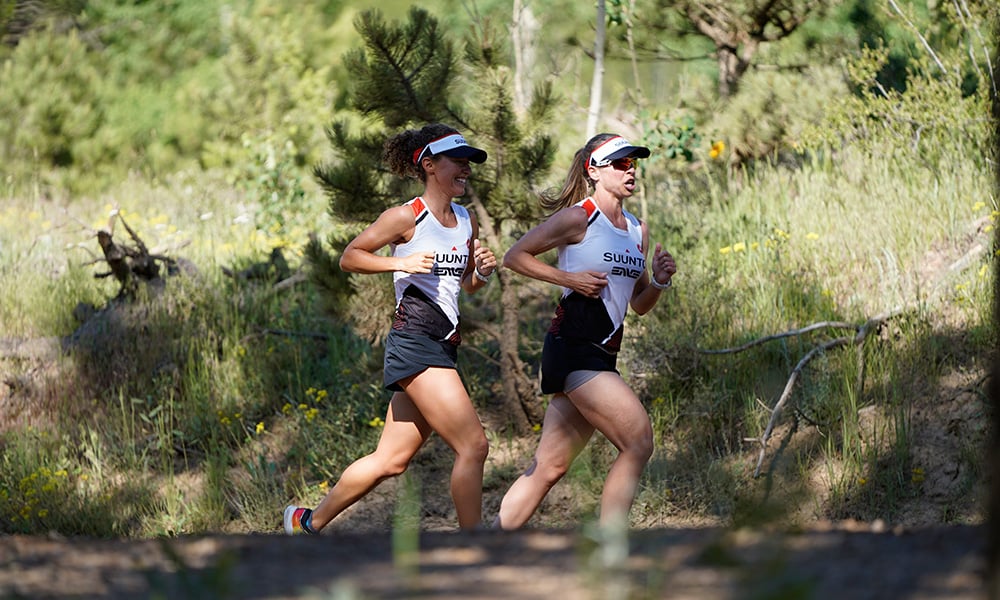
このインタビューの直前、ゲイリーはNolan’s 14を56時間39分で踏破しました。これはコロラド州にある標高14,000フィート(約4,267m)以上の14座を、約100マイル(約161km)にわたってつなぐ山岳チャレンジです。制限時間は60時間。当時、達成者は20人に満たないとされていました。
バークレーと比べると累積標高は小さい一方、行動する標高ははるかに高くなります。海岸近くで暮らすゲイリーにとって、最大の課題は高地への適応でした。一方で、Nolan’s 14では複数回サポートクルーと合流できるため、補給や状況確認の方法はバークレーと異なります。
続行ではなく撤退を選ぶ判断
Nolan’s 14の途中、ゲイリーたちは14時間以上にわたって霧、風、雨にさらされました。8座目のオックスフォード山付近では雪も舞い、低体温症の状態に陥ります。安全に続けられないと判断した2人は、すぐ近くにあった次のピークへ向かわず、約8km離れた登山口まで下山しました。
家族とサポートクルーのもとで身体を温めたあと、残り時間を確認し、再挑戦できる状態まで回復したと判断。約5時間前に離れた鞍部まで登り返しました。その後も高所では10時間以上雨が続きましたが、やがて天候が回復。ラ・プラタ山で晴れた夜を迎え、コロラド州最高峰のエルバート山へ向かう途中で日の出を見ました。
最後のマッシブ山では、自分たちが成し遂げたことを信じられず、涙がこぼれたとゲイリーは振り返ります。当初のタイム目標どおりではなくても、安全のために計画を変え、達成できる形へ組み直したことに大きな価値がありました。
安全上の注意:低体温症、高山病、意識や判断力の低下が疑われる場合、競技や記録より安全を優先してください。回復後の再開も、その場の天候、装備、残り時間、同行者、退避経路を改めて評価したうえで判断する必要があります。
高地への準備と低酸素トレーニング
標高の低い地域で暮らしながら高地のチャレンジへ備える方法として、低酸素環境でのトレーニングが思い浮かぶかもしれません。しかしゲイリーは、コーチング事業のパートナーから「効果を得るには1日12時間を低酸素室で過ごす必要がある」と言われ、その時間は取れないと話しています。
これは2017年当時のゲイリー個人の状況についての発言であり、低酸素トレーニング全般の効果を否定するものではありません。高度への反応には個人差があり、急な高所移動にはリスクがあります。高地レースを計画する場合は、余裕のある日程を組み、必要に応じて医師や専門家へ相談してください。
走るだけではない、主催者としての生活
ゲイリーはアスリートであると同時に、地元カナダでレースシリーズを運営していました。なかでもSquamish 50は、当時20か国から1,200人が参加するカナダ最大級のウルトラトレイルイベントです。
自らが主催するレースには出場しません。参加者が最高の体験を得られるよう運営に集中し、すべてのフィニッシャーをゴールで迎えるためです。大会期間の3日間に取れる睡眠は約8時間。生活のすべてをトレーニングだけに使えるわけではないなかで、選手、主催者、家族としての役割を組み合わせていました。
バークレーに似たレースを地元で開催する考えについては、地形的には可能でも許可の取得が難しく、主催者ラズ・レイクが生み出した唯一無二の大会を複製する必要は感じないと答えています。
過酷な挑戦から学べること
ゲイリーの経験は、超長距離レースの準備が単なる走行距離の積み上げではないことを示しています。
- レース固有の条件を練習する:長い登り、夜間行動、悪天候、補給など、目標とする大会の特徴に合わせる
- 続ける力と撤退する判断を両立する:危険な状態で押し続けることを強さと混同しない
- 計画を途中で組み直す:当初の目標が難しくても、安全に達成できる選択肢を探す
- サポートを計画に含める:同行者、家族、クルーと情報を共有し、緊急時の連絡・退避方法を決める
- 生活全体から継続可能性を考える:仕事や家族との時間を含め、無理なく続けられる準備を組み立てる
これからトレイルレースへ挑戦する方は、実践的な準備をまとめた「トレイルランニングの練習方法」も参考にしてください。長いレースで集中を取り戻す方法は、「ウルトラトレイルで心が折れそうなときの6つの方法」で紹介しています。
まとめ
ゲイリーはインタビューの最後に、2018年のバークレーマラソンズへ3度目の挑戦をすると明言しました。2度フィニッシュを逃しても、何が起きたかを振り返り、準備を続ける。その姿勢こそ、この物語の中心です。
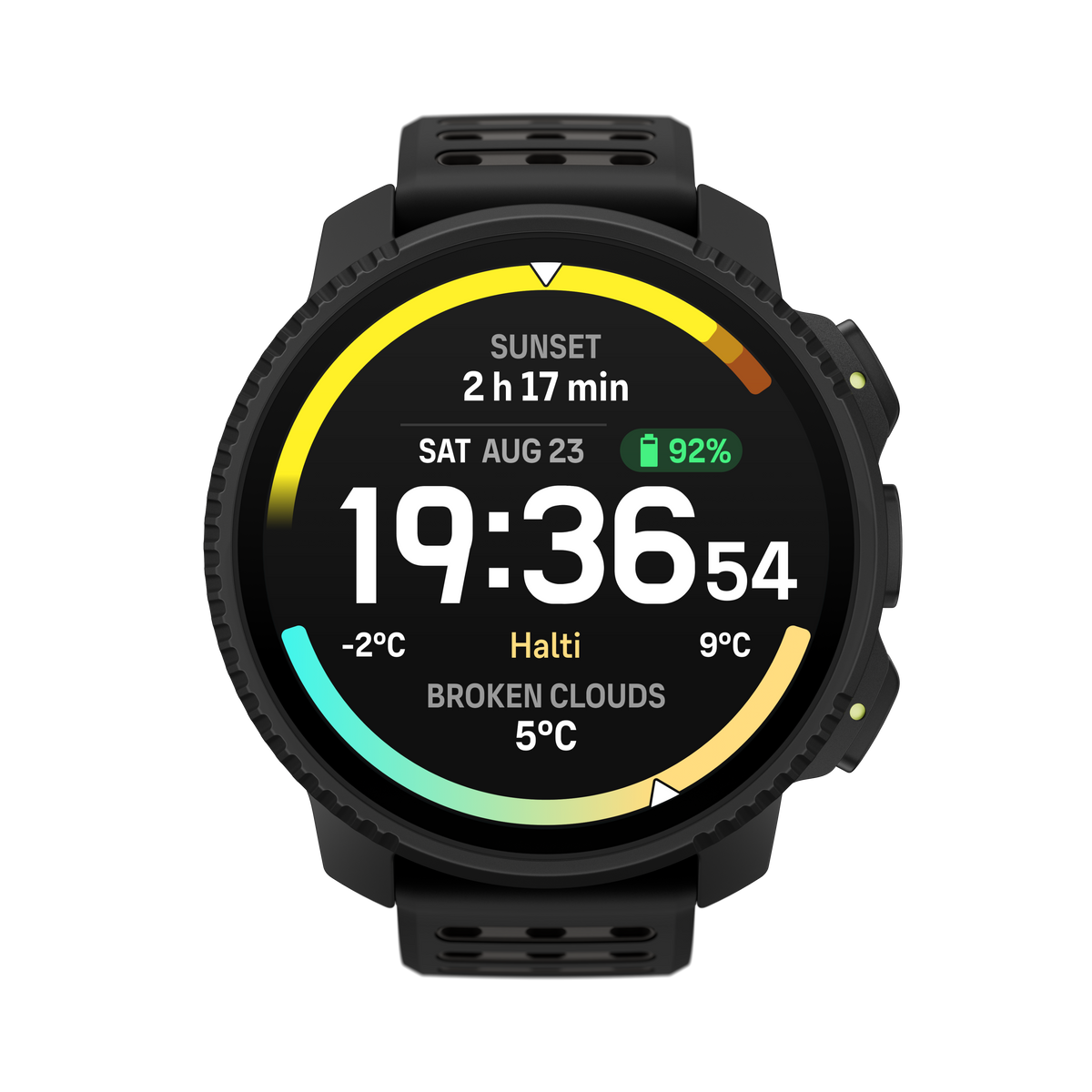
長時間の山岳行動では、現在地、ルート、高度、行動時間を継続して確認できることが計画と判断を支えます。オフラインマップと長時間のGPS記録に対応するSuunto Vertical 2は、ウルトラトレイルや長い山岳ルートに向けたトレーニングから本番まで、行動データの記録とナビゲーションに活用できます。
原文公開:2017年8月14日。メイン画像・動画:The Ginger Runner


