




SUUNTOブログ

Rails to trails
A winter riding camp somewhere warm, like Mallorca or Madeira, would have been the norm just a year ago. Not anymore! We had to look the other way for an adventure ride – to the cold, wild north.
Follow us on a wintery two-wheeled adventure from Suunto HQ to the magical landscape of Kiilopää in Finnish Lapland.
Watch now!
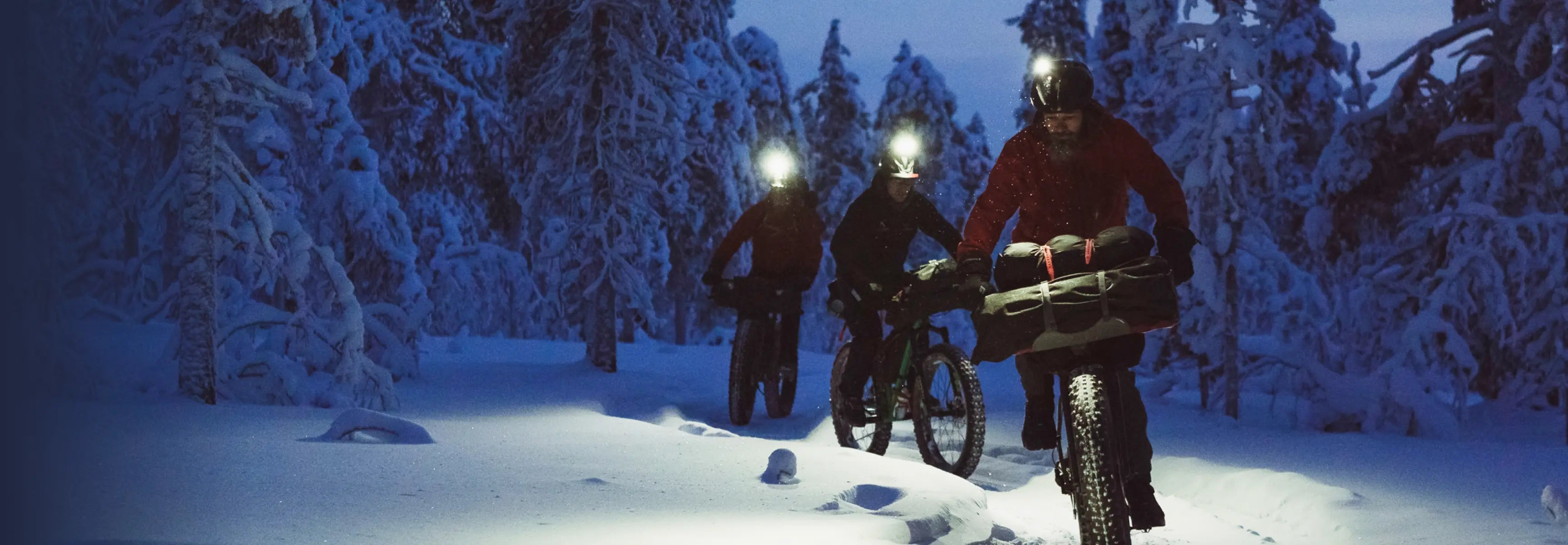
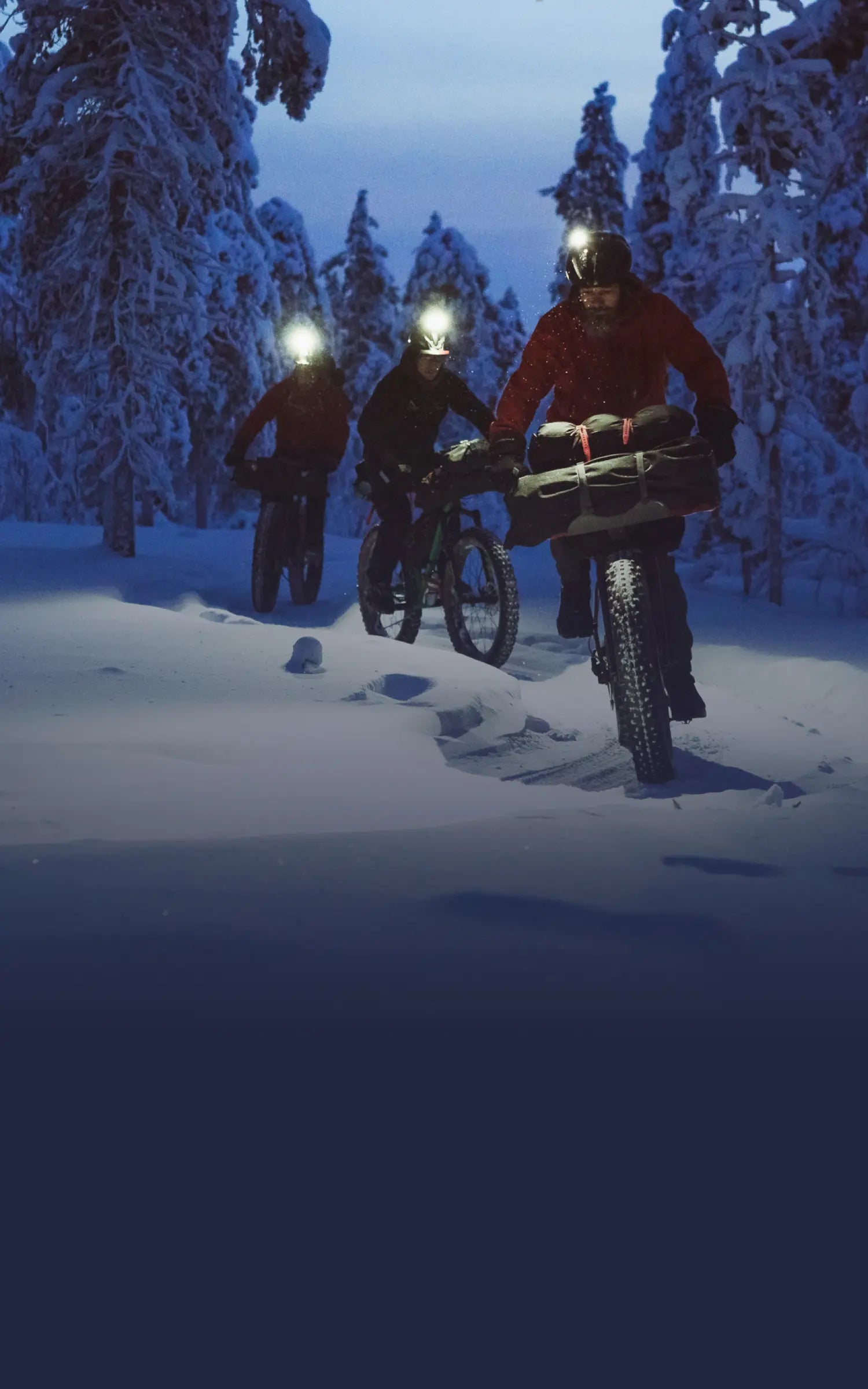
Rails to trails, a weekend of winter bikepacking in Lapland, Finland.
Magical riding amongst the snow ghosts at Kiilopää, Finland.
Better keep moving!
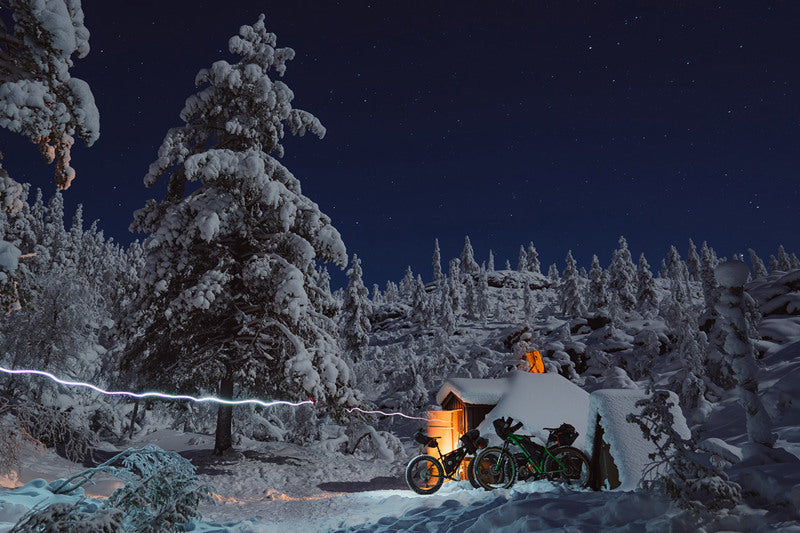
Good times at the hut in the evening.
The riders: Timo Veijalainen, Antti-Pekka Laiho and Erkki Punttila.
All images by Jaakko Posti Photography
Video by Joonas Vinnari / Kona Bikes
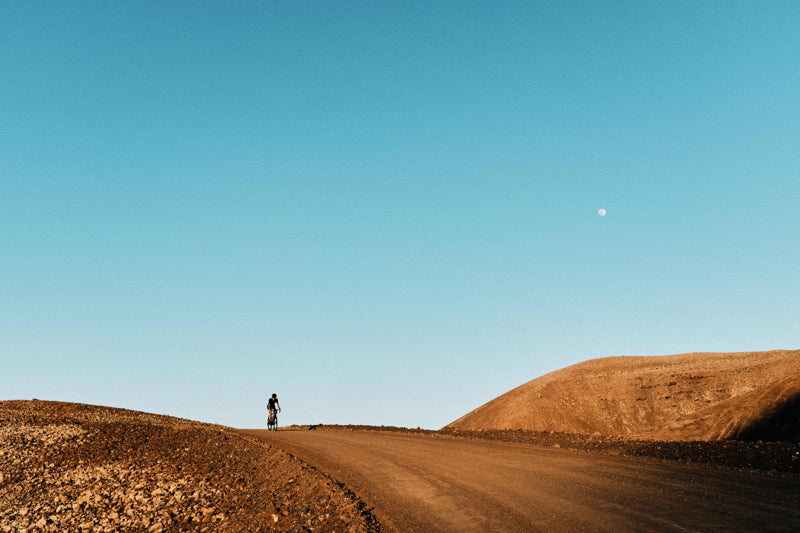

Meet the wild child who found her best self adventure cycling
Spending time on Fuerteventura in the Canary Islands for the last few months has given Sami Sauri the outlet she needs. Staying at a friend’s retreat centre, she’s been out surfing and cycling whenever she can. Life indoors doesn’t come easily to her.
“Normally I escape from thinking and being alone with myself and that’s why I do big trips because at least you’re sitting on a bike and not sitting in your apartment looking at the ceiling,” Sami says. “Stuck at home in Girona during the lockdown my head just exploded. So I took leave from work and escaped to the mountains in summer 2020. That didn’t make much difference so I went back to what I love most, the sea. So I’m travelling back and forward between Girona and Fuerteventura.”
The new Suunto ambassador is at her best on epic adventure rides, like the one she did with a crew of friends in 2018 across the US via Route 66, or, that same year, the 1500 km ride of the Trans Labrador Highway in Canada. The 29-year-old Spainard has adventure cycled all over the place, and has her sights set on riding in Kenya and France next – when life returns to normal.
“The trips I’ve been on have helped me a lot,” Sami says. “You’re sitting on a bike and seeing life go by and you have a lot of time to think about things. Sometimes it’s so monotonous that it’s harder mentally than physically. It taught me a lot about how to be and move forward in life.”
Sami is a self admitted “wild child” who skipped school whenever she could, and left home when she was 17 to lead her own life. She changed styles with the seasons, and landed her first job at a skate and surf shop. Things really changed for the better in 2010 when Sami laid her eyes upon a friend’s fixed gear bike. They were out in Barcelona, her hometown, meeting for a drink and her friend rolled up on the bike. Impressed that it didn’t have brakes, Sami had a try and instantly fell in love. She saved up and bought her own.
“It was the shittest bike ever, but I loved it,” she says. “Every single night after school I’d go out riding to learn how to skid, which is how to brake without brakes. I’d ride through the traffic like crazy. Thanks to that bike I discovered so many places in my city. I would have never seen them without a bike. It really opened my eyes.”
Now on Fuerteventura, waiting for the pandemic to pass, heading out surfing, trail running or cycling whenever she can, Sami tracks all her activities with her Suunto 9. “Suunto has every single sport mode you can imagine,” she says. “Now I take my bike and go to the beach, track my cycling, jump in the water, track my surfing, it’s perfect. For someone like me who combines sports, Suunto is the way to go. I have it with me all the time.”
All images: © Sergio Villalba
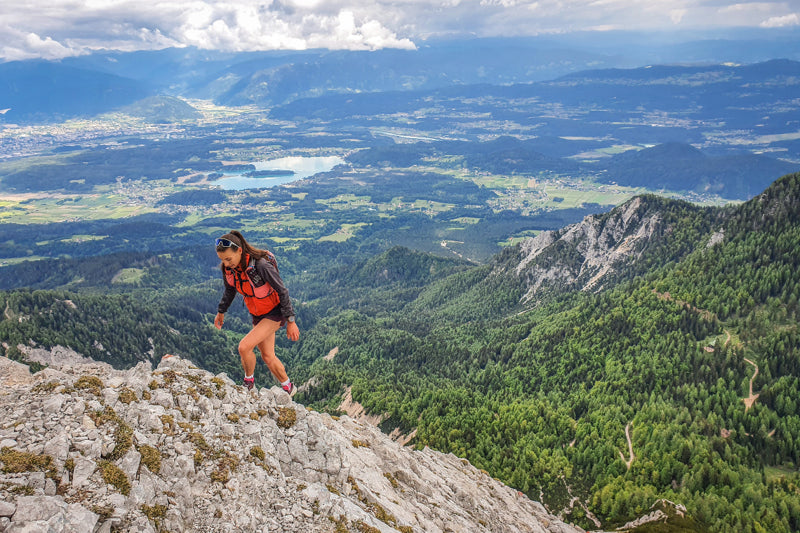

6 keys to planning your training year
The Austrian management guru Peter F. Drucker said it well: “Unless commitment is made, there are only promises and hopes; but no plans.”
Put another way, without a clear plan, there’s no real commitment. It’s the same with training. We need a goal and a plan to reach it. Otherwise, the risk is we keep on doing the same old thing. If we do aim to improve our performance, we must know where we’re going and how to get there.
“A training plan doesn’t have to start directly at the beginning of a year, but it’s a good time for making plans and setting new goals,” says Austrian sport scientist, coach and athlete Susi Kraft.
Susi is one half of the Berghasen, an awesome German-language blog covering everything you need to know about ski touring: training tips, tours, gear and so on. We caught up with the passionate mountain lover and asked what goes into a good training plan. Read on for Susi’s six tips.
Susi works and plays in the stunning mountains around Salzburg. © Berghasen
Take the long view
You might be wondering whether you really need to have a plan for the whole year. The answer is yes if you want to have an optimal training year and achieve your goals. Susi explains why:
“When designing a training plan you normally define one or two personal highlights in the training year,” she says. “At those events your physical performance should be at the highest level.”
Once the highlights are decided you then distribute every single workout/training session across your calendar. Sport scientists like Susi call this process training periodization, which has three phases:
1. Base period2. Pre-competition period3. Competition period
“A smart training periodization is only possible if you have an overview of the whole year and the athlete highlights factored in,” Susi says. “Besides that you also have to factor in your personal life, like family, holidays, work, weddings, kids and so on.”
Select your highlights
Without a goal, it’s easy to lose direction. When thinking about your next goal, use the acronym as a guide, SMART: specific, measurable, achievable, realistic and timely.
Specific: Well defined, clear, and unambiguousMeasurable: With specific criteria that measure your progress toward the accomplishment of the goalAchievable: Attainable and not impossible to achieveRealistic: Within reach, realistic, and relevant to your life purposeTimely: With a clearly defined timeline, including a starting date and a target date. The purpose is to create urgency.
“The training plan itself should always be orientated around a goal you want to achieve,” Susi says. “That goal could be a trail running competition, finishing your first triathlon, climbing Mont Blanc or losing weight. Setting new goals and working with a specific training plan keeps motivation high. That’s what I see when working with my athletes.”
Consider this
“The no pain, no gain approach to training is really outdated, “ Susi says. “30 years ago experts in sports science didn’t always know how to train right. What we know now is that the best endurance athletes don’t train so hard – most of their training is at low intensity.”
Take a moment to think about that before creating a plan to achieve your goal. This is especially important if you have a tendency to push yourself hard. A gentler approach may serve you better.
“A lot of people I see try to get better really fast,” Susi says. “They train really hard, really long distances. You may get better quickly, but in the long term that’s really bad for the body and for the training programme. Some people actually get worse, become overtrained or are prone to injuries.”
Don’t copy and paste
Oh, the internet. We can find countless training plans and make them our own. Thing is, cutting corners like that might not give you the results you wish for.
“If you just copy last year’s or someone else’s training plan it won’t account for possible improvements in your training status,” Susi says. “Your plan should always be built on your current endurance, strength and other skills. That’s why it is so important to do performance diagnostics regularly and before you start working with a new training plan or coach.”
Avoid these classic mistakes
Susi says people tend to fall into two camps. Those that go overboard and do too much high intensity training too soon, and those that like routine and do the same workouts every week.
“Really think about intensity distribution in your plan,” Susi says. “The risk is, that you do the same stuff every week. That mistake may lead to slower progress, monotony or even overtraining because you didn’t consider rest day and rest weeks. Most people tend to train too hard over several weeks or months. Over a whole year this may lead to chronic exhaustion.”
Don’t be that guy.
Follow this planning flow
Set goals / highlights
Analyze your current physical status – endurance, strength, stability, speed, balance – by doing physical performance tests. The outcome is influenced by your training history. Also consider how much experience a person has and determine your training age, meaning how many years of endurance training, strength training you’ve done and how many years of specific training in the sport you want to compete in.
How often and what exactly is your training programme (hours, km, what kind of sports etc.)
Which weaknesses do you have? What are the main factors we need to approve?
How much time do you have to achieve your goal?
Determine the training periodization over the time window you have available.
Carefully and realistically distribute the training intensity across the calendar
Plan single blocks or training sessions
Lead images: © Berghasen

Share your passion with Suunto app
KEEP UP WITH THE SUUNTO COMMUNITY
The app has many ways in which it keeps you and our community engaged, helps you connect with people with similar interests and allows you to create everlasting training memories and to share relevant content with your friends or on social media.
But, first things first:
We value your privacy
It's always up to you to decide how much you want to share. By default, after you have created your account in the app, your activities are private. Nevertheless, you can change that to any of the other two privacy options: show your activities to your followers or make them public for all the Suunto app users. Additionally, you can change that setting for every exercise individually.
In the app's privacy settings, you can also define if you want to approve people before they can start following you. Read more about adjusting privacy settings with iOS and Android.
Then:
Create long-lasting training memories
Edit your activities to make them memorable: write stories, add comments and comment on your friends' training, add photos and even videos taken during your activity. It matters even if you have a private account. This way, you create a visual diary for your activities and experiences.
Share a data overlay image of your training
After adding photos to your activities, you can share (or save) them with data overlays. You can add elements like altitude graph, total distance, the highest point and many more. You can also add a custom title text on top of the image. Share them with your friends, your social media, or save them for later in your files. Tap the "Share" button on your activity. Tap the information you have displayed to change it. Change the photo by choosing another one from your gallery.
You can even share your training week, month, or year
Want to show your friends your training days, duration per sports, distance, ascent and the active kcal? We have the best way for you to do that. On the app's main screen, tap the calendar or sports/h square and then choose what you want to share. You can send it directly to your friends, post it on your social media channels or save the image for later.
Connect with your friends even if they aren't using our app (yet)
You can sync your Suunto app account with our partner services, like Strava, Training Peaks, Relive and Fatmap, and reach your friends there, too. To connect your Suunto app with other services. Enable the automatic sync from under your Profile. Select the Partner services option and find the apps you want to connect your Suunto app to.
Happy training!
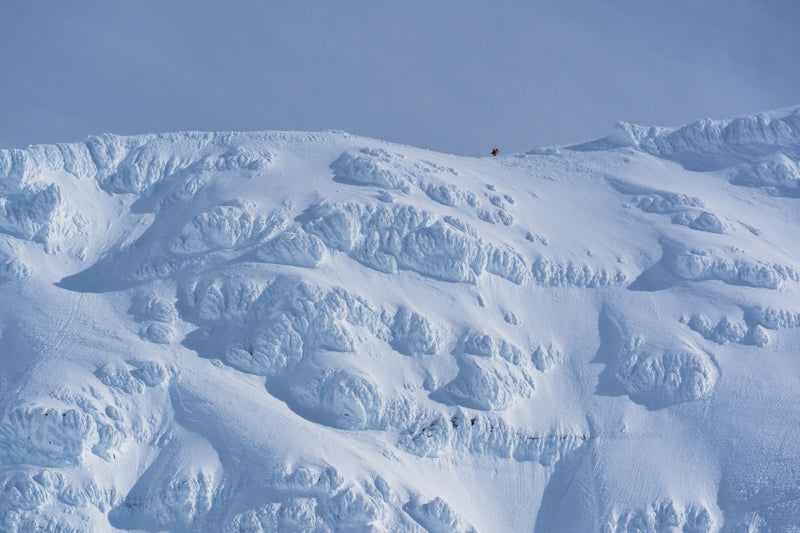

This freerider is going after 30 remote Arctic lines, each one on foot
Suunto athlete and pro Finnish snowboarder Antti Autti is on a new freeriding mission: to ride 30 lines above the Arctic Circle in the northern Scandinavian wilds. Antti’s crew are filming the 30 adventures, which will feature as a web series on Suunto.com here.
Each approach will be done on foot to minimize fossil fuel use, something Antti and many adventure athletes – including Suunto’s Greg Hill and Kilian Jornet – are becoming increasingly conscious of.
Watch the first three episodes of Arctic Lines here!
Antti Autti lives in Rovaniemi, the capital of the Finnish Lapland.
The Arctic Lines project is different from Antti’s previous adventures. “I’ve done a lot of films that are a little bit based on illusion, you know, creating great powder, stories about perfect days in the mountains,” Antti says. “That’s part of my job and the lifestyle I live, but to me it started to feel like there’s much more stuff I can do to inspire people. So I decided to do raw documentary style films that really showcase the things and responsibilities that we have to take care of out in the mountains. This is the idea behind Arctic Lines.”
To get a raw, unsanitized picture of what goes into these kinds of adventures Antti recommends to follow each of the 30 episodes. “You won’t see everything in the few episodes,” he says. “But if you keep following along, you will get more into it and understand what we’re trying to do, which is important.”
The 30 lines are located in northern Finland, Sweden and Norway, and not easy to get to. Approaches from the road end range from eight to 20 km through harsh Arctic conditions, and during winter through the long Polar Night. “The weather is going to be the most tough for us,” Antti says. “In social media and the media generally you will see all these great photos of the Arctic, with amazing sunrises on the horizon in a white landscape and trees filled with snow. But the reality is that we’re up against hard wind, it’s really freaking cold, and it’s more of a mountain and wilderness activity rather than just riding.”
Antti is more used to these conditions than many. He was born and raised in Rovaniemi, the capital of Lapland, and his family home neighbouring Ounasvaara ski resort. As a kid he tried team sports, but didn’t fit in. Out skiing one day when he was nine, he watched in awe as a snowboarder did tricks. When he tried himself a year later, he was hooked.
Read more about Antti Autti here!
Since then Antti has travelled the world – Japan, New Zealand, Europe and elsewhere – competing at snowboarding events and chasing pow on freeriding missions. While he loves to travel and find new lines, his approach to the sport has changed as his awareness around climate change and his real responsibilities as an ambassador for the sport has matured.
“I started to feel that as a professional athlete I have a responsibility to tell what goes into riding some scary line or even riding a nice looking decline that many people could do, but in a way that's safe and responsible,” he says. “So this is a responsibility as an athlete that I’m caring about. I don’t want to do crazy things anymore without actually fulfilling that responsibility and explaining to people why and how I do things like avalanche awareness and being secure in the mountains.”
Watch the Arctic Lines online series here!
All images: © Jaakko Posti Photography
クロスカントリースキーでSuuntoを活用する6つの方法|心拍ベルト・GPS・ルート・強度管理
クロスカントリースキーのトレーニングでは、心拍数や運動強度、距離、ルートを把握することで、ただ滑るだけでは見えにくい身体への負荷を理解できます。特に冬は厚手のウェアを着るため、Suuntoウォッチを袖の上に装着し、心拍ベルトで心拍データを取得する使い方が便利です。
さらに心拍ベルトを使えば、Suunto ZoneSenseによって「今の身体にとって、この運動がどれくらいの強度なのか」をリアルタイムで確認できます。
同じスピードで滑っていても、長い登り、疲労、寒さ、その日のコンディションによって身体への負荷は変わります。
この記事では、クロスカントリースキーをより効果的に楽しむために、心拍ベルト、ZoneSense、GPSルート、ヒートマップ、ラップ計測など、Suuntoを活用する6つの方法を紹介します。
目次
1. ヒートマップでクロスカントリースキーのコースを探す
2. 冬こそ心拍ベルトを使う
3. ZoneSenseで身体の内部負荷を見る
4. 周回コースはラップで管理する
5. GPSルートとウェイポイントで補給地点を確認する
6. スポーツモードを自分用にカスタマイズする
まとめ|冬のトレーニングこそ心拍ベルトを活用する
1. ヒートマップでクロスカントリースキーのコースを探す
まず悩むのが「どこを滑るか」です。
普段利用しているクロスカントリースキーコースなら迷うことはありませんが、旅行先や初めて訪れる地域では、どのルートがよく使われているのかわからないこともあります。
Suuntoアプリのヒートマップを使えば、Suuntoコミュニティのアクティビティデータをもとに、実際によく利用されているエリアを地図上で確認できます。
Suuntoアプリのマップを開き、ヒートマップのスポーツからクロスカントリースキーを選択します。
明るく表示されている場所ほど、多くのユーザーがそのエリアでアクティビティを記録しています。
知らない土地でコース候補を探したり、いつもとは違うルートを見つけたりする際の参考になります。
2. 冬こそ心拍ベルトを使う
クロスカントリースキーでSuuntoを使うなら、特におすすめしたいのが心拍ベルトです。
ランニングではウォッチを直接手首に装着して手首心拍を使うことが多いですが、冬はジャケットや長袖ウェアを重ね着します。
ウォッチをウェアの内側に入れると、トレーニング中に画面を確認しにくくなります。
そこで、ウォッチを袖の上に装着し、心拍数は胸の心拍ベルトから取得するという方法が便利です。
画面をすぐ確認できるだけでなく、胸部心拍ベルトなら腕を大きく動かすクロスカントリースキーでも心拍データを安定して取得できます。
© Daniel Hug / @terragraphy
心拍ベルトは「正確な心拍数」のためだけではない
心拍ベルトというと、「手首心拍より正確に心拍数を測るための道具」というイメージがあるかもしれません。
しかし、心拍ベルトからは心拍数だけでなく、一拍ごとの心拍間隔(R-R間隔)も取得できます。
Suuntoでは、このデータをZoneSenseで解析することで、運動中の身体がどの程度の強度で動いているのかを確認できます。
つまり心拍ベルトは、単に「150bpm」と表示するためのセンサーではありません。
身体の内側で起きている負荷の変化を知るためのセンサーとして活用できます。
3. ZoneSenseで身体の内部負荷を見る
クロスカントリースキーでは、平坦、登り、下りが連続し、運動強度が大きく変化します。
特に登りでは心拍数が上がりやすく、気づかないうちに予定していた強度を超えてしまうことがあります。
そこで活用できるのがSuunto ZoneSenseです。
ZoneSenseは、心拍ベルトから取得した一拍ごとの心拍データを解析し、身体の運動強度を3つの領域で表示します。
緑:有酸素領域 — 長時間継続しやすい比較的低い強度
黄:無酸素領域 — 有酸素閾値を超えた高い強度
赤:VO2max領域 — さらに高い強度
重要なのは、単純に「心拍数が何bpmか」だけを見るのではなく、その日の身体にとって今の運動がどれくらいの負荷なのかを確認できることです。
例えば、同じコースを同じスピードで滑っていても、前日の疲労、睡眠、長時間運動による疲れなどによって身体への負荷は変わります。
ZoneSenseなら、そうした身体の反応を見ながらトレーニング強度を調整できます。
ロングスキーでは「頑張りすぎない」ために使う
持久力を目的にしたロングスキーでは、必要以上に高強度にならないことが重要です。
登りで周囲の人についていこうとして、気づけば強度が上がっていた。
調子が良く感じて、予定より速く滑ってしまった。
そんなとき、ZoneSenseで有酸素領域を確認すれば、イージーな日は本当にイージーな強度を維持するための目安になります。
高強度トレーニングでは狙った負荷に入る
逆にテンポ走や長めのインターバルでは、強度が低すぎても狙ったトレーニング刺激を得にくくなります。
ZoneSenseで無酸素領域やVO2max領域への移行を確認することで、身体が実際に狙った強度まで上がっているかを見ることができます。
ただし、30秒や1分程度の非常に短いスプリントでは、ZoneSenseより速度やパワーなど即時的に反応する指標の方が適しています。
▶︎ 心拍ベルトで運動強度がわかる?Suunto ZoneSenseの仕組みと使い方
▶︎ Suunto ZoneSenseと心拍ベルトの使い方|仕組み・対応機器・よくある質問
4. 周回コースはラップで管理する
クロスカントリースキーでは、同じコースを何周も滑るトレーニングをすることがあります。
そんなときに役立つのがラップ計測です。
SuuntoPlusのLoopを使えば、設定した地点を通過したタイミングで周回を記録できます。
例えば5kmの周回コースなら、各周のタイムや心拍数を比較できます。
1周目から速く入りすぎていないか。
後半になってタイムが落ちていないか。
同じペースなのに心拍やZoneSenseの強度が上がっていないか。
ラップタイムと身体の内部負荷を一緒に見ることで、トレーニング後半の疲労もより理解しやすくなります。
5. GPSルートとウェイポイントで補給地点を確認する
整備された周回コースを滑るだけなら、毎回GPSルートが必要とは限りません。
しかし長距離のクロスカントリースキーや、知らない地域を移動する場合は、事前にルートを作成しておくと便利です。
Suuntoアプリでは地図上でルートを作成し、対応するSuuntoウォッチへ同期できます。
さらにルート上にウェイポイントを設定しておけば、
補給地点
給水地点
山小屋
折り返し地点
駐車場
などをあらかじめ登録できます。
長距離イベントなら、次の補給地点までの距離を確認しながら進むこともできます。
寒い環境ではエネルギー消費も大きくなりやすいため、補給を「お腹が空いたら取る」のではなく、ルートと合わせて計画しておくことが重要です。
▶︎ Suuntoアプリで登山・トレイルのルートを作る6つの方法|GPX・ヒートマップも解説
6. スポーツモードを自分用にカスタマイズする
クロスカントリースキーで確認したいデータは、トレーニングの目的によって変わります。
ロングスキーなら、心拍、ZoneSense、距離、時間。
インターバルなら、ラップタイム、速度、心拍、強度。
長距離のツアーなら、ルート、残り距離、次のウェイポイントまでの距離などが重要になります。
Suuntoアプリでは、カスタムスポーツモードを作成して、ウォッチ画面に表示するデータを自分の用途に合わせて調整できます。
頻繁に画面を切り替えなくても必要な情報を確認できるよう、「トレーニング中に本当に見たいデータは何か」を考えて画面を作るのがおすすめです。
暗い冬のトレーニングでは画面の見やすさも重要
冬は日照時間が短く、早朝や夕方に暗い環境で滑ることもあります。
そんなときは、ウォッチのディスプレイ設定やバックライトを確認しておきましょう。
特に心拍数やZoneSenseなどを運動中に確認するなら、厚手のウェアの上からでも一目で情報を確認できる状態にしておくことが大切です。
まとめ|冬のトレーニングこそ心拍ベルトを活用する
クロスカントリースキーでは、寒さ、アップダウン、長時間の運動によって身体への負荷が大きく変化します。
Suuntoを活用するなら、次の6つを試してみてください。
ヒートマップで新しいスキーコースを探す
ウォッチを袖の上に装着し、心拍ベルトでデータを取得する
ZoneSenseで身体の内部負荷を確認する
周回コースをラップで管理する
GPSルートとウェイポイントで補給地点を把握する
スポーツモードを目的に合わせてカスタマイズする
特に心拍ベルトは、単に正確な心拍数を測るためだけの道具ではありません。
一拍ごとの心拍データを使うことで、ZoneSenseは「今の身体にとって、この運動がどれくらいの強度なのか」をリアルタイムに判断できます。
同じスピードでも、身体の負荷は毎日同じではありません。
心拍数だけを見るのではなく、自分の身体がどう反応しているのかを見る。
それが、ロングスキーで頑張りすぎるのを防ぎ、高強度の日には狙った負荷をかけるためのヒントになります。
心拍数を測るだけのトレーニングから、身体の内部負荷を理解するトレーニングへ。
心拍ベルトとZoneSenseを活用して、冬のクロスカントリースキーをより深く分析してみてください。
Action images © Daniel Hug / @terragraphy


