





SUUNTOブログ

Three inspiring Vertical Week 2021 moments
Going crazy
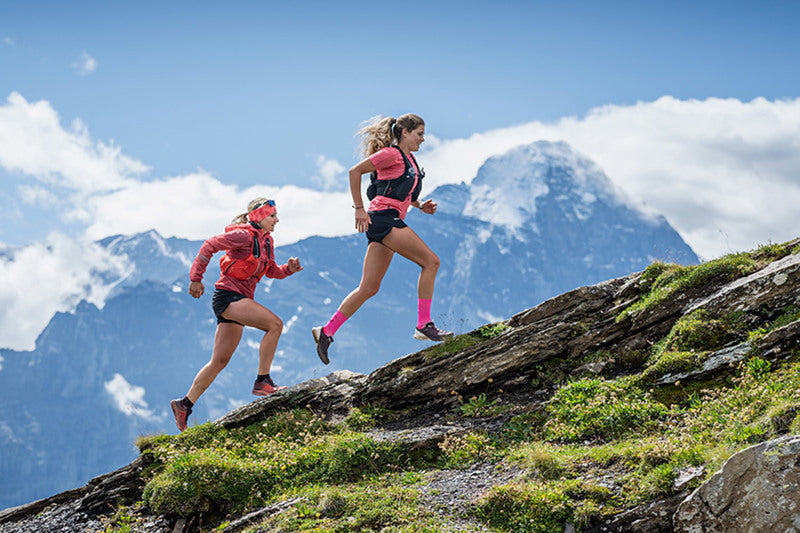
Every year we receive feedback that vertical challenges are hard in flat countries. We can fully relate to that as here in Southern Finland the hills are also small. But every year there are also impressive and inspiring performances that show how creativity and determination can take you a long way also when you want to gain vertical meters.
One of these people was Adrien from Grenoble, France. He decided to climb up and down a staircase to reach 1000 vertical meters. After running 79 times up and down the staircase – that’s 316 floors all together – he reached his goal.
“Next time I’ll do something smarter – and outdoors that time,” Adrien commented in his post.
Keeping it consistent
Paulina from Finland proved that consistency is the key to success: she headed out every day during the Vertical Week and was very committed. The result was seven back-to-back 1000 m days, a great training block and certainly some unforgettable memories.
”A friend of mine has challenged me to join monthly “Thousand Meter Tuesdays” and Vertical Week was perfect for that!”, says Paulina who ran up and down Puijo in Kuopio, Finland, while her fiancée joined the challenge on skis.
“I knew I would be able collect the needed vertical meters even though there certainly were some challenging moments, too.”
Soaking up the views
The Vertical Week is not only about the hard, physical efforts and hill repeats. When you reach the summit, ridge or a col there’s often the reward of wide-open views. That’s what inspired us with Ben’s Vertical Week shot from the Nelson Lakes National Park in New Zealand.
“This was one of those days where all you need to do is soak up the views and appreciate what's in front of you,” Ben says. We couldn’t agree more!
Thank you to all of you for sharing your World Vertical Week experience on Instagram and inspiring us all. Congratulations Adrien, Paulina and Ben. You are the winners of the World Vertical Week contest in 2021. All three of you will receive Suunto 9 Baro watches to join you on your future adventures!
READ ALSO
More desire than ever to tally up vertical meters: World Vertical Week 2021 big data is here

A sense of community
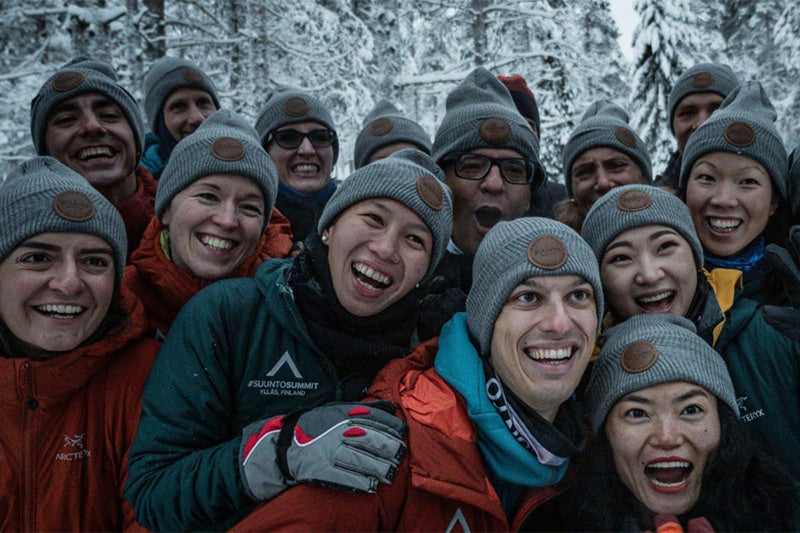
We are talking about you, and your stories.
We feel as though we have gotten to know our community better than we ever have before. We read about how you are managing through the past year with a world turned upside down and trying to maintain your health (and sanity).
You told us about your achievements and your future dreams of adventure. We are inspired by what you have accomplished and the resolve in your path ahead whether to better health, faster races or new heights of exploration.
You took time to share with us your past experiences, and the joy found in peaceful treks through the wilderness and stressful, challenging summit pushes. Some of you shared very personal moments, experiences that have shaped your lives, both heart wrenching and hopeful.
We are honoured to have been there with you for some of those memorable moments, even at times providing critical information to get you home safely, or to help keep you motivated and pushing towards a personal goal, or a personal mission.
These stories are why we exist, and reading them reaffirms our mission and commitment to enabling them. Thank you for sharing them with us, we are grateful and inspired.
– Your fellow adventurers at Suunto
Next Steps in the application process and program:
We wanted to share that we are reading them (all) and due to the sheer amount we are going to take the following steps to ensure we a). Can kick-off the program in good time and get a first group of selected ambassadors going, b). Ensure we communicate in the most timely manner possible. So this is how we will roll from here:
We have begun to communicate to our first selected brand ambassadors and as well as those applications we’ve read through that are not a match at this time.
If you have not been communicated with, your application is still being reviewed.
We are closing the application page for now effective March 11 to ensure we can handle all the applications with care.
We will inform all applicants until this point by April of their status.
A couple of notes to help you application in the future.
Please create a ‘creator’ or ‘business’ account on Instagram (if you are on the platform), it helps us get to know you better, faster.
We will inform you about the next application round on suunto.com, our newsletters and our social channels. Stay tuned!
Tell us about you and your adventures with your Suunto! Your stories are a key reason we have made the selections we have, so keep them coming!
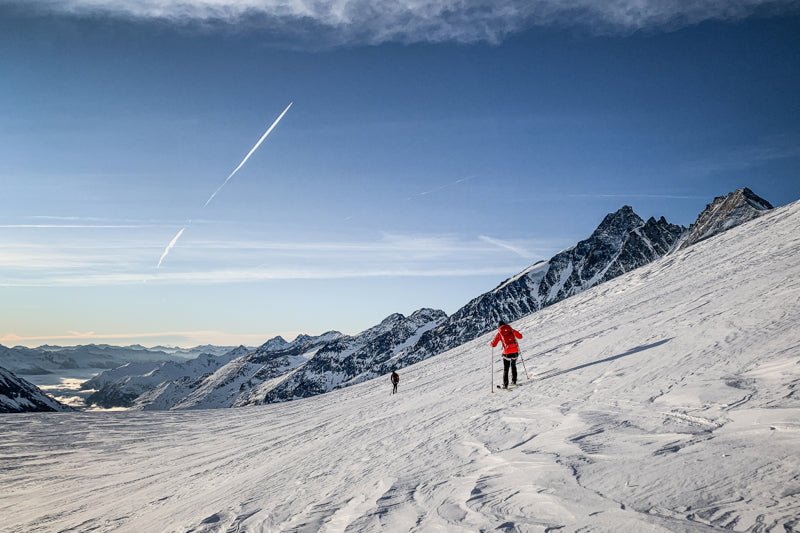

This is what vertical power looks like
For ordinary mortals, completing the Hoch Tyrol ski route – with 10,000 m of ascent over 100 km – usually takes six days. The alpine route runs from Kasern, South Tyrol and proceeds from hut to hut, crossing Grossglockner ( 3798 m), Austria’s highest mountain, before finishing in Kals am Grossglockner. Often exposed, with steep climbs, and technical skills required, it’s not for the faint hearted.
Suunto ambassadors and mountain athletes Francois D’Haene and Philipp Reiter didn’t have six days. So they decided to complete the epic alpine crossing in one push, on one day. This is what having vertical power provides – epic adventures in a single day.
Click here to learn how to improve your vertical speed!
© Martina Valmassoi
Setting out, the weather didn’t play nice, and they found themselves skiing down a couloir in poor visibility. Their Suunto 9 watches allowed them to safely navigate the white out. The crossing demanded more calories than they anticipated so they ordered big plates of pasta at one of the huts. As they continued, the weather cleared, and they enjoyed some stunning descents. By the time night fell, their tanks were nearly empty, but somehow they reached the end.
"I was never as destroyed as when I was fighting my way up to the final peak, Grossglockner," Philipp Reiter says. "I tried to convince my body to keep walking but every 30 steps it just stopped for a few moments before I could push on again. It was a mix of all the pre-planning stress, not enough sleep and physical exhaustion from almost 10.000m+. When we finally reached the summit it was just overwhelming feelings - so happy to have completed our project!"
Hit play below to watch their big day out!
Lead images: © Philipp Reiter


スキーモを速くする6つのトレーニング方法|登りの持久力と効率を高めるコツ
スキーモ(スキーマウンテニアリング)で登りを速くしたいとき、急斜面を毎回全力で登るだけでは、持久力も技術も伸びにくくなります。大切なのは、低強度の運動で土台をつくり、筋力と高強度トレーニングを目的に合わせて組み合わせることです。
この記事では、スポーツ科学者でコーチのスージー・クラフトによる原文のアドバイスをもとに、登りの持久力と効率を高める6つの方法を紹介します。雪山での速さは安全判断を置き換えるものではありません。天候、雪崩情報、ルート、技術、装備を確認したうえで、無理のない計画を立てましょう。
目次
スキーモで「速くなる」とは
登りを速くする6つのトレーニング方法
1週間のトレーニング例
速さより優先したい雪山の安全
Suuntoでトレーニングを振り返る
まとめ
スキーモで「速くなる」とは
スキーモは、スキーにシールを装着して雪山を登り、滑走して下るスポーツです。持久力だけでなく、登りと滑走の技術、寒さへの対応、補給、装備の扱い、雪崩を含む山岳リスクの判断など、多くの能力が求められます。
登るペースが上がれば、同じ時間でより長い行程をこなせる可能性があります。しかし、「速ければ安全」という意味ではありません。雪面や天候は刻々と変化し、体力があってもリスクをなくすことはできません。ここで目指す速さは、急いで行動することではなく、無理のない強度で効率よく登り、判断に使える体力と時間の余裕を残すことです。
登りを速くする6つのトレーニング方法
1.低強度のトレーニングを土台にする
スキーモは装備を背負って斜面を登るため、本人は楽に動いているつもりでも心拍数が上がりやすいスポーツです。高い強度の練習ばかり続けると、疲労が抜けにくくなり、トレーニングの質が下がることがあります。
原文では、持久系アスリートが練習時間の多くを低強度に充てる「80/20」の考え方が紹介されています。ただし、80対20はすべての人に当てはまる絶対的な比率ではありません。まずは会話できる程度の楽な強度を中心にし、体調や経験、練習時間に応じて高強度を少量加えましょう。
心拍数を使う場合は、推定最大心拍数だけでなく、普段の運動記録や主観的なきつさも合わせて確認します。疲労、気温、標高、脱水などでも心拍数は変わるため、一つの数値だけで強度を判断しないことが大切です。
2.必須装備を守りながら重量を見直す
登りでは、足元や背中の重量が増えるほど身体への負担も大きくなります。スキー、ブーツ、バックパックの中身を見直すと、同じペースでも余裕を保ちやすくなる場合があります。
ただし、軽量化のために防寒着、予備の手袋、行動食、水分、救急用品、ヘッドライト、ナビゲーション用品などを安易に削ってはいけません。雪崩地形へ入る場合のビーコン、プローブ、ショベルを含め、行程と地域に必要な安全装備を優先します。軽量化は「不要な重複を減らす」「目的に合う装備を選ぶ」範囲で考えましょう。
3.緩斜面や平地で低強度を身につける
急斜面では、ゆっくり動いても心拍数が上がりがちです。基礎持久力を養う日は、傾斜の緩い安全なコースを選ぶと、強度を抑えながら長く動きやすくなります。
雪上で低強度を保ちにくい場合は、平地のランニング、サイクリング、室内バイクなども有効です。スキーモの技術練習とは別に、強度を管理しやすい運動で持久力の土台をつくりましょう。
4.異なる運動を組み合わせる
スキーモだけで必要な体力をすべて養おうとすると、雪の状態や移動時間に左右され、同じ部位へ負担が集中しやすくなります。ランニング、サイクリング、ハイキングなどを組み合わせると、季節や環境に応じてトレーニング量を調整できます。
クロストレーニングは、スキーモ特有のキックターンやシール歩行、滑走技術の代わりにはなりません。雪上では技術を、平地では基礎持久力を、というように目的を分けると取り入れやすくなります。
5.脚と体幹の筋力を高める
脚と体幹の筋力は、斜面で姿勢を保ち、長い登りで動作を安定させる助けになります。スクワット、ランジ、デッドリフト、ヒップスラスト、プランクなどから、自分の経験に合う種目を選びましょう。
筋力トレーニング初心者は、自重や軽い負荷で動作を覚えることから始めます。回数や重量を増やす前にフォームを確認し、可能であれば専門家の指導を受けてください。ジャンプ系の種目は着地の負担が大きいため、基礎筋力をつけてから段階的に行います。
6.高強度インターバルは少量から
十分な持久力の土台ができたら、高強度インターバルトレーニング(HIIT)を少量加えると、登りで強度が上がったときの対応力を養えます。たとえば、ウォームアップ後に2〜4分の高強度運動と同程度のゆっくりした回復を3〜5回繰り返します。
高強度セッションは疲労が大きいため、連日行わず、翌日以降の回復も含めて計画してください。トレーニング歴が浅い人や疲労が続いている人は、まず低強度運動を継続することを優先しましょう。痛み、めまい、強い息苦しさなどが出た場合は中止し、必要に応じて医療専門家へ相談してください。
1週間のトレーニング例
次の例は、基礎的な運動習慣があり、週末に雪上へ出られる人を想定したものです。競技レベル、体調、積雪、仕事や生活の予定に合わせて、時間と回数を調整してください。初心者は休養日を増やし、各セッションを短くするところから始めましょう。
曜日
内容
目的
月
休養または軽いモビリティ
週末の疲労回復
火
低強度のランニングまたはバイク 45〜60分
基礎持久力
水
筋力トレーニング 30〜45分
脚・体幹の強化
木
インターバルまたはテンポ運動 30〜50分
高強度への対応
金
休養またはごく軽い運動
週末に向けた回復
土
安全な環境での雪上技術練習 60〜120分
シール歩行・切り返し・滑走
日
低強度中心の長めのセッション
持久力と補給の練習
高強度の日と長時間の日を近づけすぎないことがポイントです。睡眠不足や強い疲労がある日は予定に固執せず、低強度へ変更するか休養に切り替えましょう。
速さより優先したい雪山の安全
トレーニングで体力が向上しても、雪崩、天候の急変、ホワイトアウト、低体温症、道迷いなどのリスクは残ります。入山前には地域の雪崩情報と気象情報を確認し、経験に合うルートと引き返す基準を決めてください。
単独行を避け、計画と帰着予定を第三者へ共有する
雪崩地形へ入る場合は、必要な教育を受け、救助装備を携行して使い方を練習する
地図、コンパス、GPSなど複数のナビゲーション手段を用意する
防寒着、予備の手袋、ライト、補給、水分、救急用品を行程に合わせて携行する
予定より遅れていなくても、雪や天候、体調が悪化したら引き返す
GPSウォッチやスマートフォンは便利ですが、バッテリー切れや故障、受信状況の変化も想定し、電子機器だけに依存しない準備が必要です。
Suuntoでトレーニングを振り返る
登りのトレーニングでは、速さだけでなく、心拍ゾーン、運動時間、獲得標高、登高速度、トレーニング負荷などを継続して見ると、同じ強度でどれだけ余裕を保てるようになったかを振り返りやすくなります。対応するSuunto Vertical 2などのGPSスポーツウォッチとSuuntoアプリを使い、雪上とクロストレーニングの記録を一つにまとめることができます。
表示できる指標やスポーツモードはモデルやソフトウェアによって異なります。運動前にバッテリー残量と記録設定を確認し、必要なデータを見やすくしたい場合は、「Suuntoで記録できるスポーツ一覧|115種類以上のスポーツモードを解説」も参考にしてください。
山中ではウォッチの数値を追い続けず、地形、雪面、天候、同行者の状態を優先します。記録は安全を保証するものではなく、計画と振り返りを支える材料として活用しましょう。
まとめ
スキーモの登りを速くする近道は、毎回追い込むことではありません。低強度の運動で持久力を育て、異なる運動と筋力トレーニングを組み合わせ、十分な土台ができてから高強度を少量加えることが基本です。装備の重量は見直しても、必須の安全装備は削らないようにします。
SuuntoのGPSスポーツウォッチなら、心拍ゾーン、時間、標高、トレーニング負荷などを記録し、雪上トレーニングと日々の運動をまとめて振り返れます。数値と身体の感覚を照らし合わせながら、山で余裕を持って動ける体力を段階的に育てていきましょう。
山でのトレーニングを記録しよう
長時間のアウトドア活動とトレーニングの振り返りに対応するSuuntoスポーツウォッチをチェックしてください。
Suuntoスポーツウォッチを見る

Get faster on those hills now
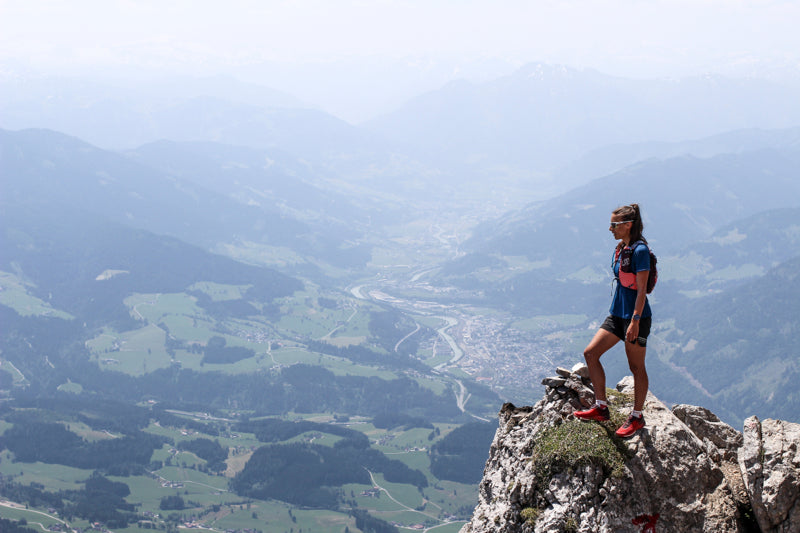
With Suunto World Vertical Week 2022 around the corner (March 14-20), we reached out to Austrian ski mountaineer, sport scientist and coach Susi Kraft and asked about what goes into getting faster vertically. Susi is one half of the Berghasen, an awesome German-language blog covering everything you need to know about ski touring: training tips, tours, gear and so on.
Like many Austrians, Susi grew up in the mountains, began skiing as a child and got into ski touring at university, and more recently trail running. Now the 29-year-old can’t stop. “With sports science I got deep insights into how training really works,” she says. “It made me rethink my own training.”
The tendency, Susi says, among endurance athletes is to slip into doing too much high intensity training, even when they know they shouldn’t. And this is further compounded by vertical speed training because climbing steep gradients radically elevates heart rate.
Why improving vertical speed is hard
“It’s hard to train your aerobic base when you go uphill,” she says. “When your body isn’t used to endurance efforts, your heart rate increases quickly, the intensity gets turned up, your lactate levels start to max, which means the pH value in the body starts to fall. If it gets too low, the muscles and respiration don’t work economically anymore.”
On top of this, while doing a lot of high intensity hill training can give short term gains, in the long term it can actually worsen your performance. So how to improve your vertical speed without blowing yourself out? Read on for Susi’s four tips and three training plans below!
Susi trains in the mountains around Salzburg. © Berghasen
Good things take time
Suunto ambassador and mountain athlete Kilian Jornet is the Rolls Royce engine of vertical speed. We’d all like to be able to power uphill like he does. But Susi points something out we easily forget; Kilian got to where he is because he spent a decade or more training his base fitness, and that is achieved through low intensity training, not going overboard on hill repeats.
“It takes patience to train your base,” Susi says. “You need a year, five years, or even longer to really accomplish that. The better your training, the better your base, the better your body will be able to handle intense exercise. So take the time to train your body to work economically. When you have a good base, you will be better able to do uphill training!”
Embrace the flat
This sounds counterintuitive, right? You might be thinking how you’ll ever get better sticking to flat terrain. Susi has a reply: “Flat training is important because it’s not that intense,” she explains. “You should combine terrain – half on flat, half in the hills. World class athletes never stop training their base, they just carefully combine it with more intense sessions.”
Build strength
If you’re really serious about wanting to improve vertical speed, then there’s no skipping legs day at the gym. Strength training for the lower and upper body are essential to getting faster.
“The stronger you are, the easier it becomes,” Susi says. “If you can keep your upper body stable, your legs and arms can work more efficiently. This is really important for pushing uphill for a long time.”
Improve your technique
“Technique is really important for any sport you’re doing uphill. “You need to find the most economic way to move your body. I suggest practicing your technique on the flat so you can really focus on it without feeling exhausted.”
Beginner, advanced and expert training plans
Susi suggests following one of these plans for two weeks, then have a rest week with one to two additional rest days. Repeat the plan for several weeks with slowly increasing the length of the sessions after week six.
Beginner
Monday: Off day
Tuesday: Core and mobility training
Wednesday: 30 min run before breakfast at low intensity (70 % of your max heart rate).
Thursday: Off day
Friday: Strength training: legs and upper body
Saturday: 30 min running or 40 min cycling at low intensity (70 % of your max heart rate).
Sunday: 1,5h biking or 2 h hiking/skimo at low intensity
Advanced
Monday: Core stability followed by general strength training (hypertrophy) for legs and upper body. Flexibility exercises for cool down.
Tuesday: Fartlek (interval) workout: 1 km at 60 % of your max heart rate then 1 km at 85 % of your max heart rate. Repeat five times. 10 min easy jog cool down.
Wednesday: 45 min run before breakfast at low intensity (70 % of you max heart rate).
Thursday: Off day
Friday: Core stability followed by general strength training (hypertrophy) for legs and upper body. Flexibility exercises for cool down.
Saturday: 60 min running or 2 h cycling at low intensity (70 % of you max heart rate).
Sunday: 2,5h biking or 3 h hiking/skimo at low intensity
Expert
Monday: Core stability followed by general strength training (hypertrophy) for legs and upper body. Flexibility exercises for cool down.
Tuesday: Fartlek (interval) workout: 1 km at 70 % of your max heart rate then 1 km at 85 % of your max heart rate. Repeat five times. 10 min easy jog cool down.
Wednesday: 50 min run before breakfast at low intensity (70 % of you max heart rate).
Thursday: Off day
Friday: Core stability followed by general strength training (hypertrophy) for legs and upper body. Flexibility exercises for cool down.
Saturday: 80 min running or 2 h cycling at low intensity (70 % of you max heart rate).
Sunday: 2,5h biking or 3 h hiking/skimo at low intensity. During the workout: 5x3 min. at 90 % of your maximum heart rate with at least 3 min. of easy jog between the 3 min. intervals
Lead images: © Berghasen

Rails to trails
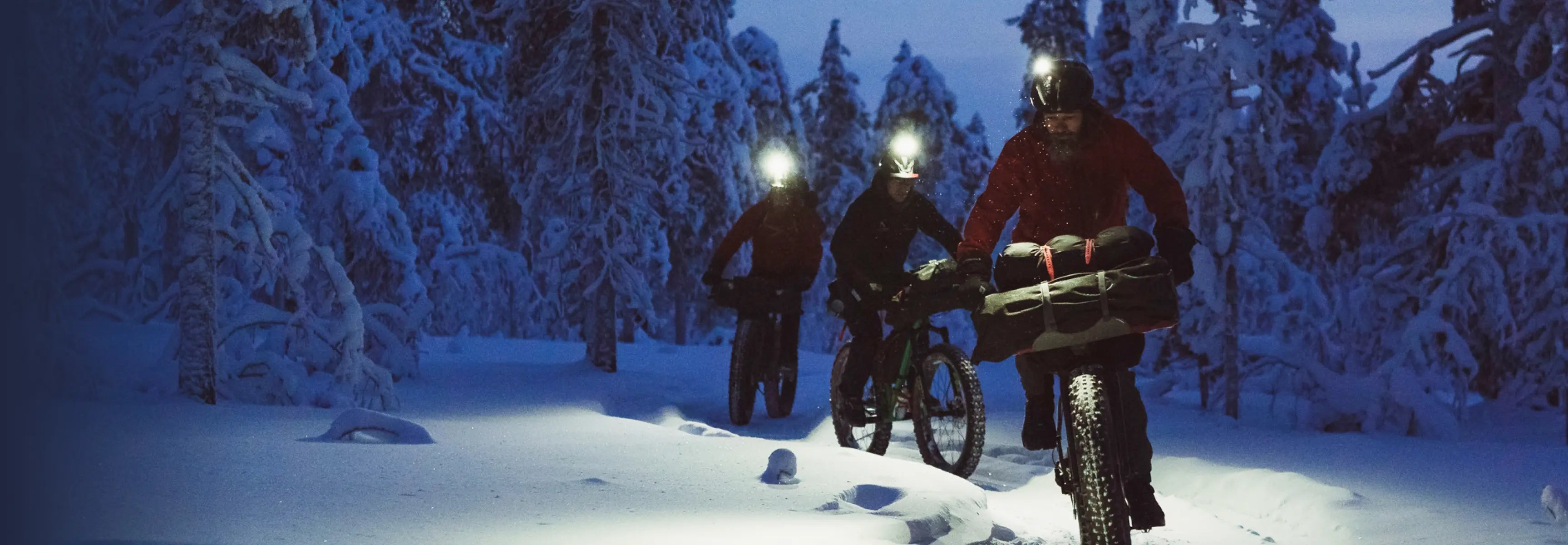
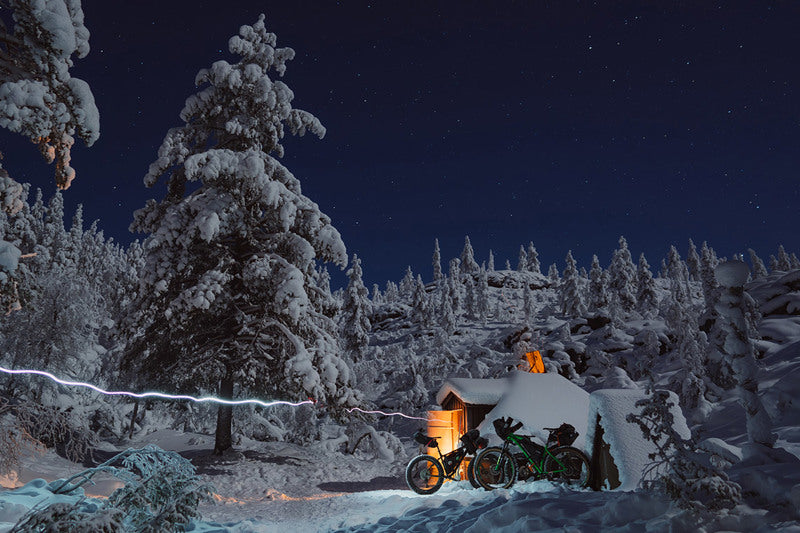
A winter riding camp somewhere warm, like Mallorca or Madeira, would have been the norm just a year ago. Not anymore! We had to look the other way for an adventure ride – to the cold, wild north.
Follow us on a wintery two-wheeled adventure from Suunto HQ to the magical landscape of Kiilopää in Finnish Lapland.
Watch now!
Rails to trails, a weekend of winter bikepacking in Lapland, Finland.
Magical riding amongst the snow ghosts at Kiilopää, Finland.
Better keep moving!
Good times at the hut in the evening.
The riders: Timo Veijalainen, Antti-Pekka Laiho and Erkki Punttila.
All images by Jaakko Posti Photography
Video by Joonas Vinnari / Kona Bikes


