




サイクリングのパワーデータには、平均パワーだけでなく「NP」「IF」「TSS」という指標があります。数値を記録していても、それぞれの違いやトレーニングへの生かし方が分からない方もいるでしょう。
NPは出力変動を考慮した運動強度、IFは自分のFTP(機能的作業閾値パワー)に対する相対的な強度、TSSは運動時間と強度を組み合わせたトレーニング負荷を示します。3つを一緒に見ると、ライドが身体に与えた負荷を平均パワーだけで判断するよりも立体的に捉えられます。

サイクリングのNP・IF・TSSとは
NP・IF・TSSは、パワーメーターで計測した出力をトレーニングに活用するための代表的な指標です。役割は次のように異なります。
| 指標 | 示すもの | 主な使い方 |
|---|---|---|
| NP | 出力変動を考慮した実質的な運動強度 | 平均パワーでは見えにくい負荷を把握する |
| IF | FTPに対する相対的な強度 | 目的に合う強度で走れたか確認する |
| TSS | 運動時間と強度を合わせた負荷 | 回復や週間トレーニングを計画する |
心拍数とパワーの違い
心拍数は気温、疲労、脱水、カフェインなどの影響を受け、運動強度の変化に対して反応が遅れることがあります。一方、パワーはペダルを踏んだときの仕事率をワットで捉えるため、短い上りやインターバルの変化もすぐに確認できます。
どちらか一方だけで判断する必要はありません。パワーで外的な出力を、心拍数や主観的運動強度で身体の反応を確認すると、その日のコンディションも含めて判断しやすくなります。
NP・IF・TSSの計算に必要なFTP
FTPは、一定時間にわたって維持できるパワーの目安で、IFやTSSを計算する基準になります。FTPの設定が実力より高すぎるとIFやTSSは低く、低すぎると高く表示されやすくなります。定期的にテストを行い、現在の状態に合う値へ更新することが大切です。
NP(Normalized Power)とは
NP(Normalized Power/標準化パワー)は、ライド中のパワー変動が身体へ与える影響を考慮し、一定出力で走った場合に相当する強度を推定した指標です。

NPと平均パワーの違い
平均パワーは、走行中の出力を単純に平均した値です。下りやコーナーでペダリングを止める時間が多いと低くなりますが、その前後で強く踏んだ負荷までは十分に表せない場合があります。
たとえば、信号やコーナーが多く加減速を繰り返すライドと、平坦路を一定出力で走るライドでは、平均パワーが同じでも身体への負荷が同じとは限りません。出力の上下が大きいほど、NPが平均パワーを上回りやすくなります。
NPからペーシングの安定性を読み取る
NPと平均パワーの差が小さければ、比較的一定した出力で走れたと考えられます。差が大きい場合は、上りやアタック、ストップ&ゴーなどで出力変動が大きかった可能性があります。ただし、コースやトレーニング目的によって適切な変動幅は異なるため、差の大小だけで良し悪しを決めないようにしましょう。
IF(Intensity Factor)とは
IF(Intensity Factor/強度係数)は、NPをFTPで割った値です。自分の能力を基準に、そのライドがどの程度の強度だったかを示します。
たとえばNPが210W、FTPが280Wなら、IFは0.75です。同じ210WでもFTPが300WになればIFは0.70となり、体力の向上によって相対的な負担が下がったことが分かります。
IFの数値をトレーニング強度の目安にする
IFが1.00なら、設定したFTPと同程度の強度を示します。1.00を超える値は短時間の高強度運動では起こり得ますが、長時間維持できる値ではありません。回復走、持久走、テンポ走、レースでは想定されるIFが異なるため、運動時間とセットで評価してください。
IFが実感と合わないときはFTPを確認する
楽に走ったのにIFが高い、限界に近いのにIFが低いと感じる場合は、FTPやパワーゾーンの設定を確認しましょう。疲労や体調、パワーメーターの校正状態も数値へ影響するため、1回の結果だけでFTPを変更せず、複数回の記録と体感を照らし合わせます。
TSS(Training Stress Score)とは
TSS(Training Stress Score)は、運動の強度と時間を組み合わせてトレーニング負荷を数値化する指標です。FTP相当の強度で1時間運動した場合が、おおむね100 TSSの基準になります。
短時間の高強度と長時間の低強度を比較できる
TSSは強度だけでなく時間も考慮します。そのため、短い高強度ライドと長い低強度ライドが同程度のTSSになることもあります。ただし、同じTSSでも身体への刺激や疲労の種類は同じではありません。TSSは負荷量の目安として使い、運動内容や主観的な疲労も確認しましょう。
TSSを回復と週間計画に活用する
各ライドのTSSを継続して記録すると、週ごとの負荷が急増していないか、負荷の高い日が連続していないかを確認できます。高いTSSを記録した翌日は、疲労感、睡眠、安静時心拍なども見ながら、休養や軽い運動を選びます。
TSSやhrTSSの違い、長期的なトレーニング負荷の考え方は「TSSとhrTSSの違い|トレーニング負荷を測る方法」も参考にしてください。
NP・IF・TSSの組み合わせ方
3つの指標は、次の順番で見ると理解しやすくなります。
- NPで実質的な強度を確認する:出力変動を含め、どの程度の強度だったかを把握します。
- IFで自分に対する相対強度を確認する:設定したFTPに対して、狙った強度で走れたかを見ます。
- TSSでセッション全体の負荷を確認する:強度と時間を合わせ、回復や次の練習を考えます。
一定走ではNPと平均パワーの差を見る
持久走やタイムトライアルなど一定出力を目指す日は、平均パワーとNPの差を確認します。想定より差が大きければ、上りで踏みすぎた、下りで出力が抜けたなど、ペーシングを見直す材料になります。
インターバルではNPだけで評価しない
高強度と回復を繰り返すインターバルでは、全体のNPやIFだけで各セットの達成度を判断できません。ラップごとの平均パワー、時間、心拍数、主観的運動強度も合わせて確認しましょう。
SuuntoでNP・IF・TSSを活用する方法
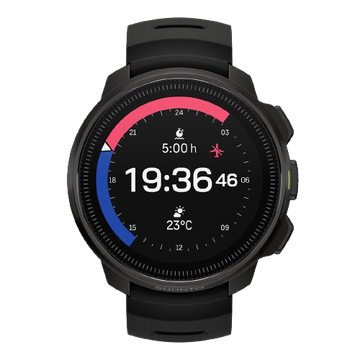
対応するSuuntoウォッチでは、SuuntoPlusスポーツアプリ「TrainingPeaks - Cycling Power」を利用し、NP・IF・TSSを運動中に確認できます。対応状況や画面、追加方法はウォッチのモデルとソフトウェアバージョンによって異なるため、Suuntoアプリ内のSuuntoPlusストアで最新情報を確認してください。

サイクリング用パワーゾーンを設定する
運動前に、サイクリングのパワーゾーンとFTPに相当する閾値を現在の状態に合わせます。Suuntoではゾーン4とゾーン5の境界が無酸素性閾値の基準になります。ウォッチやアプリの表示に沿って設定し、TrainingPeaksも使用する場合は両方の閾値をそろえておくと比較しやすくなります。
パワーメーターを接続して動作を確認する
ウォッチと互換性のあるサイクリング用パワーメーターをペアリングし、運動開始前にパワー値が表示されることを確認します。初めて使う場合や機器を変更した場合は、各メーカーの案内に従って校正やゼロオフセットを行ってください。
運動中と運動後で見る指標を分ける
運動中はNPやIFで強度の上げすぎを確認し、TSSで負荷の蓄積を把握します。運動後はSuuntoアプリで記録を振り返り、コース、パワー、心拍数、時間と一緒に分析しましょう。TrainingPeaksと接続している場合は、同期後に計画と実績を比較できます。
パワートレーニングで注意したいこと
- NP・IF・TSSは、FTPやパワーゾーンの設定精度に左右されます。
- 異なるパワーメーターや機材の数値を単純に比較しないようにします。
- TSSが同じでも、運動内容や疲労の種類が同じとは限りません。
- 数値だけで体調を判断せず、睡眠、疲労感、心拍数なども確認します。
- 痛みや強い疲労があるときは、計画より休養を優先します。
まとめ
NPは出力変動を考慮した実質的な強度、IFはFTPに対する相対強度、TSSは強度と時間から算出するトレーニング負荷を示します。平均パワーだけでは分かりにくいライドの特徴も、3つの指標を組み合わせることで整理しやすくなります。
まずはFTPとパワーゾーンを適切に設定し、運動中のペーシングと運動後の振り返りに活用しましょう。数値を単独で評価せず、心拍数や体感、回復状態と合わせて見ることが継続的なトレーニングにつながります。
サイクリングの記録とトレーニングに使えるSuuntoを探す
スポーツ機能やSuuntoPlusに対応するモデルを比較し、自分のトレーニングに合うウォッチを選べます。
Suuntoスポーツウォッチを見る


