7 recovery tips for immune fitness

SuuntoRunApril 01 2020


Spend more time taking it all in and savouring life. Photo by Simon Migaj on Unsplash


Recovery and training are like yin and yang. If you’re laying around too much, you won’t be making the necessary gains to reach your goals. If you’re training too much, you won’t give your body the downtime it needs to recover and adapt. The sweet spot is somewhere in the middle.

It’s not uncommon for athletes to lean more towards the overtraining end of the spectrum, and one of the risks of overtraining is a weakened immune system. Signs of overtraining include, for example, feeling tired or heavy all the time, feeling irritable, or having regular illnesses.

This is why our mantra should be, “recovery is as important as training”. These seven tips and articles will help you stay in balance and care for your immune system.


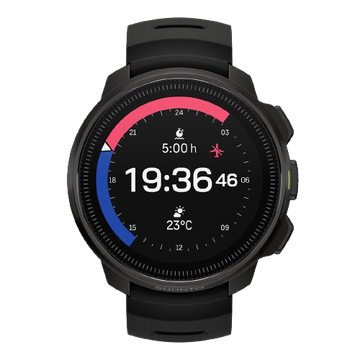
Suunto 7 – Sports and life, combined


Avoid tunnel vision

It’s important, and sometimes challenging, with training not to get so focused on our goals that we develop tunnel vision; so locked into our training schedule that we lose sight of the big picture, and all the little cues we might need to rest. It’s important to step back once and while, consult your loved ones or people you trust, and consider how you’re doing and what your body and mind need.

Suunto athlete Ryan Sandes knows all about this. He battled a long period of illness and eventually returned to top form after allowing himself to rest and recover fully. We talked to him about the experience and he shared tell tale signs when you need to back off.


7 signs you're pushing too hard


Get more sleep

Working full time, it’s all too easy to burn the candle at both ends; early mornings, long working days, and late nights. It’s not uncommon to have a string of nights where we sleep for only six or seven hours. And on top of that we expect ourselves to train. It’s a lot!

Sleep doctor Henri Tuomilehto told us when we don’t get enough sleep our health will gradually deteriorate. He recommends trying to sleep an extra 30 to 60 minutes a night. “When times are tough you have to respect rest and recovery,” he says. “That is the only way you can stay balanced. Sleeping well is essential for this.”

Learn how sleep can make you a better runner 


Breathe well

Science has shown how breathing well has many health benefits. And crucially, one of those benefits is it helps to reduce stress. Chronic stress takes a terrible toll on the immune system. Over time it weakens it, making us more susceptible to illness.

Mike Maric, a former pro freediver, teaches athletes how to breathe better. He says many people have no idea about their own breathing patterns and often breath from the chest, rather than more deeply. “We need to breathe not with the chest, but with the diaphragm,” he explains. “But you need to practice regularly – the basics, about eight minutes each day.”


Is the ultimate cross-training breathing?


Practice yoga


© Matti Bernitz / Suunto


A gentle yoga practice stimulates the parasympathetic nervous system – the rest and digest side of the nervous system – reducing the volume of stress hormones that weaken the immune system. It also feels amazing physically!

Suunto ambassador Emelie Forsberg practices yoga every morning because it helps her tune into her body. “It allows me to tune into how the muscles are feeling, where the tender spots are, what needs attention,” she says. “It gives me the sensitivity to be able to listen to the body.”


Emelie Forsberg’s top 7 yoga poses for runners

Eat well


© Craig Kolesky / Red Bull Content Pool


Our food choices are indicative of how we’re doing as individuals. When we feel stressed and hectic, it’s often the case that we make poor food choices. Eating nutritious food is essential for good health and a strong immune system. And once in a while it’s great to really examine how you are eating, and put a lot of love and time into preparing amazing meals.

We talked to our ambassador and athletes about how they eat, and found six principles they all share, despite having different approaches to food. “As an athlete it’s very easy to slip into taking lots of recovery shakes to try to get the goodness back into your body,” ultra runner Ryan Sandes says. “But I don’t think you can replace eating good whole foods.”


Fuelling the engine: six principles of nutrition for athletes


Walk regularly

Like with breathing and yoga, science has shown the many health benefits walking regularly gives us, including boosting immune function. Taking a leisurely stroll through a park is incredibly relaxing for body and mind. Relaxation is key for immune system health.

To build the walking habit, decide on a distance or amount of time that you can easily walk each day, and over time gradually increase it.

How to walk your way to good health

Find your ‘being mode’

One of the reasons for a weakened immune system is we are constantly in what the mindfulness tradition calls “doing mode”; trying to achieve, get things done, and problem solve. While this mode is natural to an extent, we also need to spend time in “being mode”; when we just enjoy being without any aims. Maybe for some of us that is reading a good book, listening to music, and for others lying around on the beach doing nothing.

Mindfulness can help us tune into our behavioural patterns so we can be more responsive and make better decisions that avoid overwhelm. “Listen to your body and really try to get a mind-body connection going because that’s the most important connection you can have,” says South African mindfulness coach and trail runner Meg MacKenzie. “Pushing through isn’t always the best option.”

How to bring mindfulness to the trail


Lead images:

Photo by Fezbot2000 on Unsplash

Photo by Tower Paddle Boards on Unsplash

Read more articles

The benefits of the long run and how to do it right

7 tips for running in hot weather

7 principles to help you find the flow

おすすめのSuunto製品

あなたへのおすすめ

Suunto Race S vs Race 2: Size, Weight, and Battery Life Compared

Suunto Race SとRace 2を比較。サイズ・重さ・バッテリーで選ぶならどっち?

Suuntoのスポーツウォッチを検討している人にとって、迷いやすいのが「Suunto Race S」と「Suunto Race 2」の違いです。 どちらもAMOLEDディスプレイ、オフラインマップ、115以上のスポーツモード、トレーニング分析機能を備えた、ランニングやトレイルランニング、レース、日々のトレーニングに活用できる高性能モデルです。Suunto Race Sは「小さく、軽く、日常に...
Suunto Vertical vs. Vertical 2: Key Differences Explained

Suunto Vertical vs Vertical 2|どちらを選ぶべき?5つの違いを徹底比較

「Suunto Verticalを買おうと思っていたら、Vertical 2が出ていた」「初代とどこが変わったのか、値段差に見合う進化があるのか知りたい」——そんな疑問を持つ方に向けて、この記事では2モデルの違いを5つのポイントに絞って整理します。 どちらを選ぶべきかの判断基準も最後に明確にまとめていますので、ぜひ最後まで読んでみてください。 Suunto Vertical と Vertic...
How to play music on a running watch | Run without your phone with Suunto Run × Spark

ランニングウォッチで音楽再生する方法|スマホなしで走れるSuunto Run × Sparkの使い方

ランニング中に音楽を聴きたいけれど、スマートフォンを持って走るのは重い。ポケットやランニングポーチの中で揺れるのが気になる。そんな悩みを感じたことはありませんか? 音楽再生に対応したランニングウォッチを使えば、スマートフォンを持たずに、より身軽に走ることができます。 Suunto Runは、ウォッチ本体に音楽を保存できるオフライン音楽機能を搭載したランニングウォッチです。Suunto ...
How to use HRV to optimize your recovery

HRVとは?心拍変動を理解してトレーニングの回復を最適化する方法

「練習しているのになかなか記録が伸びない」「疲れが取れない」と感じたことはありませんか?その原因は、回復の質にあるかもしれません。近年、アスリートから健康意識の高いビジネスパーソンまで幅広い層で注目されているのが HRV(心拍変動) という指標です。 この記事では、HRVとは何か、正常値の考え方、HRVが低いときに体に何が起きているのか、そしてSUUNTOのスマートウォッチを使ってHRVを日...