




SUUNTOブログ


5 steps to therapeutic breathing to combat COVID-19
Suunto ambassador William Trubridge knows a thing or two about deep breathing. In 2016, he set a new world record by diving to 102 m on one breath. In 2019, he became the first man to complete an 'underwater crossing' of one of the world’s major channels, swimming across the wild Cook Strait as a series of 934 breath hold dives.
William has recently taken another deep dive, this time into the medical world and its treatment of COVID-19. Concerned about the impacts of the virus, he researched how it attacks the body and the medically accepted treatments that help people recover from it. In the process, he learned therapeutic breathing can play a valuable role. Read on for his in-depth report!
Scroll down to see William demonstrate a deep breathing exercise!
Therapeutic breathing for COVID-19
By William Trubridge
SARS-CoV-2 is a virus that targets the respiratory system. It attacks our ability to breathe. Now it’s emerging that a strategy to combat this infection may be through breathing itself.
First, I need to state clearly I am neither an epidemiologist nor pulmonologist. Everything I describe in this article has been recommended by experts (who I will reference) in one or both of these fields, and I will not speak or extrapolate beyond their recommendations. My career in freediving has meant that I have spent almost two decades harnessing the power of breathing, and I hope to use this experience to help describe and demonstrate how to achieve the recommendations of the experts.For example, the instruction to ‘breathe deeply’ is like telling someone to ‘swim smoothly’– there is a lot of technique inherent in the action. A ‘deep breath’ could have vastly different results depending on whether you start at the base of the lungs, sucking air into the belly, or if instead you simply lift the shoulders and ‘gasp’ the air in. These are the distinctions where I hope to add value.
When JK Rowling contracted Covid-19 in April, she employed a technique described by physician Sarfaraz Munshi from Queen Hospital UK that is aimed at maintaining lung function and preventing secondary pneumonia during the illness.1 The Youtube video of his description is here, and the sequence he advises can be summarised as follows:
1. Sit with a straight spine and feet flat on the floor (I add this instruction, since deep breathing while standing risks fainting).2. Breathe in deeply, hold for 5 seconds and exhale – repeat 5 times.3. Breathe in and do a big cough from the base of the lungs (covering your mouth) 4. Repeat Steps 2 & 3.5. Lie flat on your front with a pillow in front of you, taking fairly deep breaths for 10 minutes.
This sequence is taught by respiratory physiotherapists also, where it sometimes goes by the name of ‘Active Cycle of Breathing Technique.’ It is important to remember it's a therapeutic treatment, not preventative: there is no reason to expect that it will help to protect against infection with the virus in the first place.
The deep breaths help to ventilate alveoli and remove debris that has accumulated on the walls of the alveoli due to damage from the virus. This debris is what blocks oxygen from being absorbed into the blood, which can lead to a condition called ARDS. Lying on your stomach benefits aperture of the smaller airways: since these are distributed closer to your spine if you are lying on your back the weight of your torso will impede them from opening fully.
Here is where I will add some extra directions/descriptions to ensure the exercise is as efficient and targeted as possible.
STEP 0 - Motivation
Many reports from Covid patients describe how it completely cripples energy levels. Even sitting up can be an ordeal, and the idea of committing to an exercise like this might require more motivation than what is in the tank. If that’s the case, then don’t commit to it to begin with. Just tell yourself you’re going to change position (which is recommended by pulmonologists to help prevent pneumonia) and come into a seated position. Once you’re there, the idea of one full breath might be feasible. Then see if you can complete just one round of steps 2 & 3. If that’s your limit go straight to Step 5, otherwise stick with it for another round. This way we only commit to doing something easy, that we know we can manage.
STEP 1 - SITTING
Support behind the spine is fine, as long as the spine is kept straight. What you want to avoid is being hunched, as you would be if you’re sitting up in bed leaning back against the headboard, or seated in a soft couch. Instead, try sitting in a chair or on the edge of the bed, with your feet on the ground in both cases. This allows you to access the full range of movement of your breathing muscles, and gives your torso space for your lungs to fully inflate.
STEP 2 - DEEP BREATHS
This is the key part of the exercise. The aim is to maximally inflate the alveoli (air sacs in your lungs, similar to how a sponge has tiny air chambers). In order to do this, we need to ensure that we are ventilating the entire volume of the lungs. Most of that volume is in the base of the lungs (they’re shaped like pyramids), and we actually have to think about breathing ‘into our belly’ in order to inflate this part. This activates the diaphragm muscle: a plate-like muscle that sits flat in your torso and separates the lungs and heart above from the digestive organs below. It works like a plunger, so that when it contracts and moves downwards then it pulls air into the lungs above it. The effect is also to push the stomach down and out, so it looks like the belly itself is inflating.
This ‘diaphragmatic’ breath is the most efficient way of breathing, and it is how you should start the deep breaths. Visualise the air being sucked deep into the base of your torso. If you have one hand on your stomach and the other on your chest then your lower hand should move outwards as the stomach ‘inflates’, while the upper hand stays still during this phase.
During the second phase you will breathe into the chest. This uses the intercostal muscles to expand the ribcage, and is how we breathe when we ‘gasp’. You will feel outwards movement in your upper hand, and also expansion as the ribs separate away from each other. It is important in this, and all phases of deep breathing, to stop if you ever experience sharp pain. It’s also important to try and maintain relaxation in all muscles that aren’t involved in the breath - check that your head, neck, arms and hands are all completely relaxed. Contraction there can inhibit your ability to breathe deeply.
In the final phase of the inhale you will breathe into the upper ‘clavicular’ zone of the chest. Raise the shoulders and chin slightly and continue inhaling until you reach your limit. This phase has a lot less airflow than the previous two phases, and can be removed from the sequence if you’re already experiencing any discomfort or pain.
So Step 2 is actually:
2.1 Breathe powerfully into the belly, using the diaphragm2.2 Breathe into the torso by expanding the ribcage2.3 Elevate the shoulders to allow your breath to fill the upper part of the torso
Again, stop at any point if you experience sharp pain or dizziness.Also, breathe through the nose to avoid irritating a dry cough, as the nose warms and moistens the air you take in.
Watch William demonstrate here and try to follow along.
STEP 3 - INHALE AND COUGH
The deep inhale should be the same as those in step 2. When you cough, in order to activate the base of the lungs, focus on squeezing your abdominal wall as you cough - this will make it more powerful and explosive, which should help to expel debris accumulating inside the lungs.
STEP 4 - REPEAT
Again, only if you feel comfortable. Also, give yourself a break between the two cycles. During the break you can relax and breathe normally (shallow).
STEP 5 - LIE FLAT 10 MINS
While lying on your front, the breathing doesn’t need to be as deep as it is in Step 2. You might want to concentrate on just the first phase of the breath - the diaphragmatic inhale - in order to ensure the air arrives at the base of the lungs. If you’re breathing in this way you should feel your belly swell underneath you, pushing down against the floor.
There is no recommendation on exactly how many times to repeat this exercise in a day, but there should not be any disadvantage to performing it several times or as much as you are comfortable with.
Also, even if you are reading this and not sick, it may be a wise move to perform it once just in case, so that your body has a kind of ‘benchmark’ for how it should feel when you’re well. That way, if the worst comes to the worst and you do contract the virus then you won’t have to learn the technique while sick, and you will be able to get an idea of the condition of your lungs from how it compares to when you were well.
As always with any infection, keep hydrated, monitor your symptoms and report them to a doctor – don’t try to self-manage with these breathing exercises alone.
Lead images:
Photo by Fusion Medical Animation on Unsplash
© Alex St Jean
References
https://www.huffpost.com/entry/deep-breathing-coronavirus-patients-symptoms_l_5ea1e2f0c5b6d13e4f73c856 2. lung pathologist Sanjay Mukhopadhyay: https://www.youtube.com/watch?v=vPtH42Lnt_Y3. Ema Swingwood, chair of the Association of Chartered Physiotherapists in Respiratory Care: https://www.newscientist.com/article/2241191-can-breathing-exercises-really-help-protect-you-from-covid-19/#ixzz6Linrrk4H


海や湖で泳ぐ魅力とは?オープンウォータースイミングを楽しむ10の理由
プールの壁やコースロープを離れ、海や湖へ泳ぎ出す。オープンウォータースイミングには、自然の中を自分の力で進む開放感と、毎回異なる環境に向き合う面白さがあります。
一方、自然の水域では水温、波、流れ、風、視界などが変化します。まず安全を確保し、そのうえで距離や軌跡、ペースを記録すると、一回のスイムが次の楽しみや上達につながります。
この記事では、オープンウォータースイミングを楽しみたくなる10の理由と、Suuntoウォッチで記録する際に知っておきたいポイントを紹介します。
目次
オープンウォータースイミングならではの魅力
泳ぎ出す前に、安全を最優先する
Suuntoウォッチと泳ぎたくなる10の理由
GPSの記録精度を高めるポイント
まとめ|記録すると、自然の中で泳ぐ楽しみが続いていく
オープンウォータースイミングならではの魅力
オープンウォータースイミングとは、海、湖、川など、自然の水域で行う水泳です。同じ水泳でも、プールとオープンウォーターでは体験が大きく異なります。
プールには一定の水温と距離、見通しのよいレーンがあります。対して自然の中では、波に合わせて呼吸を変え、陸上の目標物を確認しながら方向を調整し、その日のコンディションに応じて泳ぎ方を選びます。速さだけでは測れない判断や発見があり、見慣れた海岸や湖も、水面から眺めるとまったく違う景色に見えるでしょう。
トレーニングとして距離を泳ぐ日もあれば、短い範囲を仲間とゆっくり楽しむ日もあります。タイムや距離だけを目的にせず、自然の変化を感じながら進めることが、オープンウォータースイミングの魅力です。
泳ぎ出す前に、安全を最優先する
オープンウォーターでは、ウォッチやGPSは安全を保証する道具ではありません。泳ぐ場所の管理者、自治体、主催者などが定めるルールを確認し、監視員のいる遊泳区域や管理された練習会を利用してください。
単独では泳がず、経験者やグループと行動する
天候、水温、風、波、潮流、水質、船舶の往来を確認する
入水地点と上陸地点を決め、岸から離れすぎない
明るい色のスイムキャップやスイムブイで視認性を高める
寒さ、疲労、息苦しさ、めまい、不安を感じたら早めに中止する
重要:ヒートマップや過去のGPS軌跡に利用者が表示されていても、現在の水質や潮流、安全性を示すものではありません。必ず現地の公式情報と当日の状況を確認してください。
初めての方は、準備や泳ぎ方をまとめた「オープンウォータースイミングのコツ8選|初心者向け練習・準備ガイド」もあわせて確認しましょう。
Suuntoウォッチと泳ぎたくなる10の理由
1.自然の中を進んだ軌跡が残る
オープンウォータースイミングモードでは、GPSを使って泳いだ軌跡と距離を記録できます。あとで地図を開くと、どこを泳いだのかが一目でわかり、その日の体験が具体的な記憶として残ります。
2.まっすぐ泳げたかを振り返れる
海や湖にはプールのような黒いラインがありません。目標物を見ながら泳いだつもりでも、軌跡を確認すると左右にずれていることがあります。サイティングの頻度や目標物の選び方を見直す材料になります。
3.距離と時間を自分の基準で比べられる
同じコースでも、波や風、流れ、水温によって所要時間は変わります。数字だけで良し悪しを決めず、当日の環境や体感と一緒に記録すると、自分の経験値が積み重なります。
4.泳いでいる間のペースを確認できる
対応するスポーツモードでは、時間、距離、ペースなどを表示できます。最初から速く泳ぎすぎていないか、無理なく続けられるリズムかを確かめる目安になります。表示項目や利用できる機能はモデルとソフトウェアによって異なります。
5.心拍数と体感の違いに気づける
対応機種ではスイム中の心拍数も記録できます。ただし、水が光学式センサーの読み取りに影響するため、手首での心拍計測は陸上より不安定になることがあります。数値を絶対視せず、呼吸の余裕や疲労感と組み合わせて見ましょう。
6.ラップを使って練習に区切りをつけられる
岸に沿った安全な区間や、管理されたコースを往復する練習では、ラップを記録すると区間ごとの違いを振り返れます。長時間泳ぎ続けるのではなく、短い区間で状態を確認する習慣にもつながります。
7.泳いだ場所を写真やメモと一緒に残せる
スイムをSuuntoアプリへ同期すれば、記録に写真やメモを加えられます。水温の体感、波の向き、使用した装備、気づいたことなどを残しておくと、次に同じ場所を泳ぐときの参考になります。
8.仲間と体験を共有できる
自然の中で泳いだ軌跡や写真を共有すると、タイムだけでは伝わらない景色や体験も仲間と分かち合えます。ただし、公開した軌跡は安全情報ではありません。泳ぐ人それぞれが、当日の公式情報と現地状況を確認する必要があります。
9.複数のスポーツを一つのアプリで見返せる
スイムに加えて、ランニング、サイクリング、ハイキングなども同じアプリで管理できます。トライアスロンに取り組む人はもちろん、季節によって楽しむスポーツが変わる人も、活動のバランスを振り返りやすくなります。
10.次に試したいことが見つかる
軌跡、距離、ペースとその日の体感を見比べると、「次はもう少しまっすぐ泳ぎたい」「短い距離で余裕を持ちたい」など、小さな目標が見えてきます。記録は競争のためだけではなく、自分なりの楽しみ方を深めるためにも使えます。
GPSの記録精度を高めるポイント
GPSの電波は水中を通らないため、オープンウォータースイミングはランニングやサイクリングよりも測位が難しい環境です。ウォッチを着けた腕が水上に出るクロールでは定期的に信号を受信できますが、腕が水中にある時間の長い泳法では、距離や軌跡を正確に記録しにくくなります。
入水前にSuuntoアプリと同期する:衛星軌道データを更新し、GPSを捕捉しやすい状態にします。
陸上でGPSの捕捉を待つ:オープンウォータースイミングのスポーツモードを選び、GPSを捕捉してからスタートします。対応する製品ガイドでは、捕捉後さらに数分待つことが推奨される場合があります。
ウォッチを着けた腕を水上へ出す:クロールのリカバリー動作で、ウォッチが定期的に水面より上へ出るようにします。
一回の誤差より傾向を見る:波、泳法、衛星の受信状況などで結果は変わります。同じ条件で記録を重ね、軌跡や距離の傾向を振り返りましょう。
記録が不安定なときは、Suunto公式サポートの「オープンウォータースイミングの記録精度を高める方法」も参考にしてください。操作や推奨手順はモデルによって異なるため、お使いの製品のユーザーガイドも確認しましょう。
まとめ|記録すると、自然の中で泳ぐ楽しみが続いていく
オープンウォータースイミングの魅力は、自然の中を進む開放感と、その日ごとに異なる体験にあります。安全な場所と条件を選び、仲間と一緒に、無理のない距離から始めてください。
Suuntoウォッチで軌跡、距離、ペースなどを記録し、環境や体感と合わせて振り返れば、一回のスイムから次に生かせる発見が生まれます。速さだけを追うのではなく、泳いだ景色や自分の変化も含めて記録することが、自然の中で泳ぐ楽しみを長く続ける助けになります。
泳いだ軌跡を、次の楽しみへ
オープンウォータースイミングに対応するSuuntoウォッチをチェックしましょう。
スイミング対応ウォッチを見る
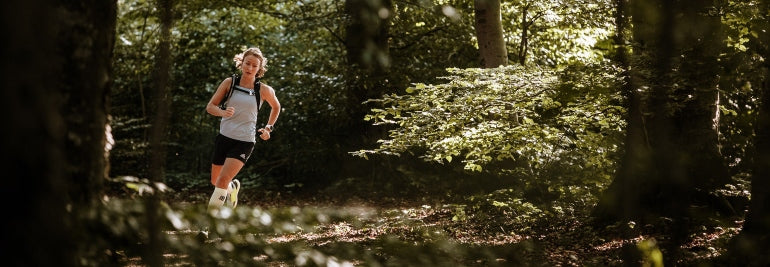

Join the #HomeTeamHero relay now and make your workouts matter
As a salute to all the frontline community heroes who have kept services running throughout the COVID-19 pandemic, Adidas Running has launched a donation relay to support relief efforts.
From May 29 - June 7, for every hour you exercise, regardless of sport, Adidas Running is giving $1USD to the WHO COVID-19 Solidarity Response fund. The goal of the #HomeTeamHero challenge is to inspire one million workout hours, raising one million US dollars!
All you need to do is connect your Suunto app and Adidas Running accounts, join the challenge, record your next workout with your Suunto watch and, boom, your activity is automatically synced with your Adidas Running account and your time and sweat will support the WHO’s COVID-19 relief efforts. Who needs more motivation than that?
Join the #HomeTeamHero donation relay!
All the latest Suunto watches – the 3, 5, 7 and 9 – are now compatible with the Adidas Running app (formerly called Runtastic). Adidas Running is a passionate community, and offers regular challenges, tips on how to train and tools to follow your training and progress. There is both a free version of the app, and a premium membership with extra benefits.
To sync with Adidas Running, go to your Profile in Suunto App and select Connect to other services. Select Adidas Running and connect your account. All your new workouts will then automatically flow to Adidas Running.
To show the endurance power of Suunto users and to represent, you can also join the Suunto group in the Adidas Running app. Let’s show them how we do it!
All images: © Thomas Marzusch, Kreativ-Instinkt
Read more articles
Blaze fresh routes with Suunto Heatmaps
The benefits of training to music and making your best playlist
How to adapt your training when the unexpected strikes
How to improve your walking technique
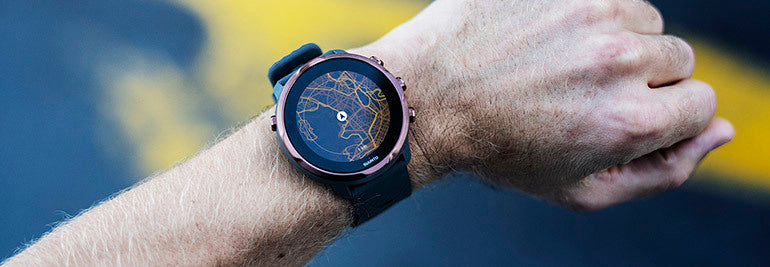

Suuntoアプリのヒートマップの使い方|人気ルートを見つける方法【動画付き】
近所で新しいランニングコースを探したい。旅先で多くの人が走っている道を知りたい。そんなときに役立つのが、Suuntoアプリのヒートマップです。
ヒートマップは、Suuntoコミュニティが記録したアクティビティをもとに、よく利用されている場所をスポーツ別に地図上へ表示する機能です。本記事では、ヒートマップの見方、スポーツの切り替え方、ルート候補の見つけ方、ルート作成へ活用する流れを動画付きで解説します。
目次
Suuntoアプリのヒートマップとは
ヒートマップを表示する方法
色と線の見方
動画で使い方を確認する
新しいルートを見つける4つの使い方
ヒートマップからルートを作成する
ウォッチへ同期してナビゲーションする
ヒートマップ利用時の注意点
まとめ
Suuntoアプリのヒートマップとは
Suuntoアプリのヒートマップは、多くのユーザーがアクティビティを記録した場所を地図上の色で可視化します。明るく表示されている場所ほど、選択したスポーツで利用されることが多いルートの目安になります。
ヒートマップはスポーツ別です。同じ地域でも、ロードランニング、トレイルランニング、サイクリング、マウンテンバイク、ハイキングなど、選択するアクティビティによって表示される場所が変わります。
人気の道を探すだけでなく、混雑しそうな場所を避けたり、まだ走ったことのないエリアを見つけたりするためにも利用できます。
ヒートマップを表示する方法
Suuntoアプリを開く
地図ビューを開く
地図レイヤーのメニューを選択する
「ヒートマップ」を有効にする
ランニングやトレイルランニングなど、確認したいスポーツを選ぶ
地図を拡大・縮小し、候補エリアを確認する
アイコン、ボタンの位置、選択できるスポーツや地図レイヤーは、OSやSuuntoアプリのバージョンによって異なる場合があります。画面上で「地図」「レイヤー」「ヒートマップ」に相当する項目を確認してください。
色と線の見方
ヒートマップでは、利用頻度の高い場所ほど明るい色で表示されます。広域表示では人気のエリアを探し、拡大表示では実際に利用されている道のつながりを確認する、という使い分けが便利です。
表示
読み取り方
活用例
明るく太く見える場所
多くのアクティビティが記録されている可能性が高い
定番コースや主要な登山道の候補を探す
細く見える場所
利用記録はあるが、頻度が比較的低い可能性がある
静かなルート候補を探し、別の地図情報で確認する
表示がない場所
利用者が少ない、記録がない、または表示対象外の可能性がある
通行可能とは判断せず、公式地図や現地情報を確認する
ヒートマップは人気度の目安であり、通行の可否や安全を保証する地図ではありません。実際のルート計画では、登山地図、道路情報、施設の公式情報、現地の規制も確認してください。
動画で使い方を確認する
Suuntoアプリでヒートマップを表示し、ルート候補を探す流れは、次の動画でも確認できます。アプリのバージョンによって画面表示が異なる場合がありますが、スポーツ別のヒートマップを選び、地図上で人気の場所を探す基本的な考え方は同じです。
新しいルートを見つける4つの使い方
1. 旅先の定番コースを探す
ホテルや駅、公園などを中心に地図を表示し、明るい線が連続している場所を探します。複数の人が使っている道は候補を絞る材料になりますが、時間帯や治安、交通量は別途確認してください。
2. ロードとトレイルを切り替えて比較する
同じ地域でも、ランニングとトレイルランニングではヒートマップが異なります。舗装路を走りたいのか、登山道や未舗装路へ入りたいのかに合わせて、スポーツを切り替えて比較しましょう。
3. 自分がまだ走っていない場所を探す
Suuntoアプリの「マイトラック」など、自分の過去の軌跡を表示できる機能とヒートマップを見比べると、近所にある未走の人気ルートを探しやすくなります。
4. 混雑を避ける候補を探す
明るく表示される定番ルートだけでなく、少し離れた場所にある別のラインも確認します。ただし、利用者が少ない道ほど安全とは限りません。通行規制、路面、補給場所、通信状況を調べたうえで判断してください。
ヒートマップからルートを作成する
走ってみたい場所が見つかったら、ヒートマップを表示したままSuuntoアプリのルート作成を開始します。地図上にポイントを追加すると、距離、累積標高、推定所要時間などを確認しながらルートを調整できます。
ヒートマップ上でスタート地点と候補の道を確認する
「+」からルート作成を開始する
地図上にポイントを追加してルートを延ばす
距離、累積標高、推定所要時間を確認する
必要に応じて2D・3D表示や地図スタイルを切り替える
ルート名と対象スポーツを設定して保存する
ヒートマップの線をそのままなぞるだけではなく、スタート地点へのアクセス、給水・補給場所、トイレ、日没時刻、エスケープルートまで含めて計画しましょう。詳しい準備は、登山ルートを計画する7つのポイントで確認できます。
ウォッチへ同期してナビゲーションする
Suuntoアプリで保存したルートは、対応するSuuntoウォッチへ同期できます。たとえば、Suunto Vertical 2では、同期したルートとオフラインマップを使い、通信環境のない山岳エリアでも現在地と進行方向を確認できます。
ヒートマップはルートを探す段階で活用し、現地では保存・同期したルートとオフラインマップを使用する、という流れで考えると分かりやすいでしょう。
出発前にルートがウォッチへ同期されているか確認する
対象地域のオフラインマップをダウンロードする
ウォッチとスマートフォンを充電する
短いルートで地図表示と操作を試す
長時間の行動ではGPS精度とバッテリーモードを確認する
GPXファイルを使う場合は、GPXルートをSuuntoウォッチに入れる方法をご覧ください。地図画面の見方は、SUUNTOの地図・ナビゲーション画面ガイドで解説しています。
ヒートマップ利用時の注意点
線が表示されても通行可能とは限らない:私有地、立入禁止区域、季節閉鎖、工事、災害による通行止めを確認する
アクティビティの種類を確認する:自転車で利用される道がランニングや徒歩に適しているとは限らない
人気と安全は同じではない:交通量、落石、増水、野生動物、雪崩など、その地域固有のリスクを調べる
表示の少ない場所へ安易に入らない:情報が少ない場所ほど、ナビゲーション能力と自立した装備が必要になる
紙地図や代替手段を用意する:ウォッチやスマートフォンの故障、バッテリー切れ、GPS受信不良に備える
山岳エリアへ入る場合は、ルートと行動予定を家族や知人へ共有し、悪天候や体調不良時の中止基準を決めてください。
まとめ
Suuntoアプリのヒートマップを使うと、スポーツ別によく利用されている場所を確認し、新しいランニング、トレイルランニング、サイクリング、ハイキングのルート候補を探せます。
ヒートマップで候補を見つけ、地図情報と現地の規制を確認し、Suuntoアプリでルートを作成してウォッチへ同期する。この流れを覚えると、近所でも旅先でも新しい場所を探索しやすくなります。
新しいルートを見つけて、ウォッチへ同期しよう
ヒートマップ、ルート作成、オフラインマップと連携できるSUUNTOスポーツウォッチをチェックしてください。
SUUNTOスポーツウォッチを見る

Which nation runs the fastest? 10 fun facts from 2019
Suunto app saves millions of workouts every year, creating a veritable treasure trove of training data. When our data team crunches that mountain of numbers – while respecting personal privacy laws, of course – they discover some surprising sport insights.
Our data nerds have just finished calculating the 2019 workout stats generated by users in nations across the world. Continuing the age old tradition of friendly international sport rivalry, we looked at which nation is the fastest, which nations runs for the longest distance, as well as other stats. We’re sure you’ll find the results as interesting as we do.
Flat and fast: Denmark sets the pace
According to our analysis of all the workouts in 2019, runners in Denmark are lightning. The average pace of our Suunto-wearing Danes is 5:11 min/km! Whoop! That’s quick.
Perhaps it’s not surprising given a 2017 Eurostat survey found Denmark, a nation of 5.6 million, exercises more than all other EU nations, apart from Suunto’s own Finland. Apparently exercise, whether cycling the small nation’s famous bicycle path network or running along its gorgeous coastline, is a core element of Denmark’s culture. Respect!
Click here for tips on how to improve your running economy!
The long run: Portugal goes the distance
Portugal, a nation of 10.3 million, likes to run! Our data shows people in Portugal ran the longest average running distance – 10.3 km/run. It’s the only nation to break the 10 km average distance mark. Bem feito!
Click here for tips on running the distance!
Sleep tight: who sleeps the most/least?
Analyzing all the sleep data proved an interesting exercise. People in Chile, Finland, New Zealand and Ireland enjoy a good night’s sleep; on average they get more than seven hours a night.
Conversely, people living in Asia, including Indonesia, Malaysia, Thailand and South Korea, seem to like burning the candle at both ends; on average they get less than 5.5 hours a night. We hope they’re getting enough recovery time!
Click to read how sleep can make you a better runner!
Feeling great: the most common feeling vibe
It seems like Suunto users are positive bunch – must be all that outdoor exercise. We checked what is the most common feeling recorded after all the workouts, and we discovered “excellent” came out on top. That’s a really good sign. Feelings are a great way to keep track of how your training is going, and to monitor whether you might need to rest more.
Magnifique: the French LOVE trail running
When comparing their trail running to treadmill workouts, the ratio in France is 12.9:1, almost 13 times more trail than treadmill. In the US, by comparison, the ratio was 1.6:1, and in Spain 4.8:1. We’d love to know what causes this big difference!
Around the clock: trail runners move for the longest
Respect to all the trail runners out there. It’s the most popular activity for 12+ hour long activities. That’s a solid length of time to be on your feet moving. We hope you are fueling and hydrating well.
Read to learn how to transition from road to trail running!
By foot wins: running and walking the most popular
Running came out as the most popular activity among Suunto users, followed by walking, and cycling in third place.
Sport lovers: Suunto fans enjoy four activities
On average Suunto users did 4.3 different activities during the year. But some were much more varied; one user tracked 74 different activity types, another one did 72! That’s an impressive performance! We wonder how they found the time!
Go guys! Men walk more
Out analysis shows male Suunto users walk a little more than women. Men walk on average 9446 steps a day, and women 7969. Ladies, show them next year!
Lead images: © Graeme Murray / Red Bull Content Pool
Read more articles:
7 tips for running in the dark
Hunter or the hunted? 7 race tactics for the trophy
Fuelling the engine: 6 principles of nutrition for athletes

One triathlete’s journey through hell and back to the Kona start line
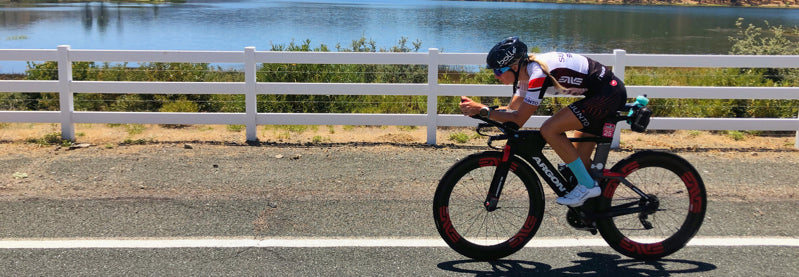
Doctors told her she would never run or race again. Kelsey, then 31, was lying in a hospital bed, her body battered and bruised after a truck hit her, and her vision for her life in ruins. She decided to prove the doctors wrong.
After recovering from the accident Kelsey drove herself hard. She refused to give up. While the determination was admirable, she now admits it bordered on reckless.
“I spent the next year trying to come back, but was plagued with more injuries and frustration,” Kelsey explains. “I gained a lot of weight and fell into a depression where I coped by going out at night, drinking way too much, and just not really living life as a pro athlete.”
Kelsey began swimming competitively when she was six years old. Later at college, she competed in Division 1 before moving to the Olympic Training Center in Colorado Springs as a member of the USA Triathlon National Team. She completed her first triathlon as a senior high school student in 2001, and was hooked.
With her life in tailspin after the accident, Kelsey got close to quitting triathlon. But then she met Mike, her now coach and boyfriend, who helped her turn everything around.
“The new path I chose to go down was life changing, but not easy,” she says. “Mike got me healthy for the first time years. But when I did decide to start racing again, I was in for a rude awakening. I moved up from ITU (International Triathlon Union races) to the 70.3 distance and finished dead last in most of those races.”
She was going in the right direction. But some old bad habits were holding her back. Eventually Mike gave her an ultimatum: get a job and make triathlon a hobby or commit 100% and make triathlon her job. “It took a good week for me to decide to go ‘all in’, but when I did, everything switched for me,” she says.
The decision empowered her; in 2017 she won her first Ironman 70.3 at Victoria, then backed that up with a win at Ironman 70.3 Manta the following weekend. She has been on the podium at almost every race since, securing her first Kona slot this year at age 36.
“This just goes to show you that if you work really hard and don’t give up, amazing things can happen!” she says.
Kelsey takes over our our Instagram stories this weekend. Follow along as she prepares for Kona!
READ ALSO
How (not) to qualify for Kona
Road to Kona: Cody Beals' clear race strategy
Road to Kona: 5 tips to train effectively as a couple


