




SUUNTOブログ

Data crunch: sports in 2020
South African ultra runner Ryan Sandes was right on the money when asked about races being cancelled in 2020: “Sure, it’s a little disappointing,” he said. “But at the end of the day it’s just a race. I’ve still got my health, I’ve still got my family. When you look at it more holistically like that it gives you peace of mind and you become a better athlete, a better human, you’re more relaxed. For running ultras you need this, you need to be calm and in a good headspace.”
Whatever your sport, having a positive, calm headspace is optimal. It hasn’t always been easy maintaining that this year. But the reverse is also true; training, pursuing the sports we love, helped to keep us on an even keel. Each reinforces the other.
The data we’ve collected and crunched from 2020 user activity shows staying active, finding ways to train, and even taking the opportunity to rest more, have been key in helping us ride out this crazy year. We’ve found ways to keep ourselves pumped. Let us walk you through the data.
Spain on top
The first wave of COVID-19 hit Spain hard. The lockdowns were strict, sudden and shocking. But that didn’t stop Spaniards from continuing to train and find ways to challenge themselves. Our data shows Suunto’s users in Spain clocked the highest total minutes per user, averaging 5,965 minutes on average.
Spanish Suunto athlete Joaquin Perez also looked out for community initiatives to help his community cope. Back in April he told us: “A good source of inspiration and motivation for the community are the multiple solidarity initiatives that exist, for example in Spain last Saturday there was an initiative to raise funds for COVID-19 research where more than 7,300 athletes ran in their homes and raised almost €83,000,” he says.
Click to read more about how Suunto athletes adapted to life in lockdown.
Go France!
Respect to Suunto users in France for having the highest total ascent numbers! They also had the highest total meters for all workouts combined in both running and cycling.
And, just like in 2019, the French had the highest "adventure running ratio": our French community ran 15 times more on the trails than on the treadmill!
We stayed upbeat
Even with tough times the average mood our users selected after each workout was "very good". This is slightly higher than the year before in spring 2019. By the time autumn arrived in the northern hemisphere it was about the same as 2019.
Check out our article about making your best workout playlist ever, and give your mood a boost on your next workout!
The most active countries were …
Take your hats off to Finland, South Africa, Sweden, Russian and Poland for having the most active Suunto users. It’s interesting South Africa is the only country in the southern hemisphere to make the list. It also went into lockdown early.
These places caught more Zs
Finland, New Zealand, Netherlands, Estonia, Belgium came out on tops for getting the most sleep. Respect to Finland for having the most active users and also the users that got the most sleep. The Finns were also the only ones sleeping more than seven hours a night on average. Impressive!
Learn how sleep can make you a better athlete!
You sport freaks mix it up
In 2020, the average number of different activity types per user was 4,2. This means an average Suunto user enjoys more than four different sports, with running the most popular.
On average, our users tracked 66.5 total workouts of any given type during 2020.
Click for 12 ways to change up your training over winter
Walking booms
When things get tough, conventional wisdom says to take a nice, long walk. Somehow Suunto users must have got the memo because there was a massive 70% increase in that activity among our users. What does this tell us? It could be that because so many of us were doing home office we found more time to take walks. Maybe with family at home, too, we took more walks together. Whatever the reasons, it can only be a good thing.
Read our articles on walking:
How to walk your way to good health
How to improve your walking technique
How to walk mindfully and its benefits
Other increases
Hiking amongst our users also had a big increase, by 37%. Mountain biking increased by nearly 20%. Unsurprisingly, there was a big increase in indoor cycling.
Swimming drops off
With pools closed, swimming dropped off with our users. Even with vaccinations available, this trend will probably continue into 2021. Our solution? We recommend you triathletes and swimmers pivot to open and cold water swimming. Read our articles on how to do them safely.
10 reasons to enjoy open water swimming with Suunto
What you need to know about cold water swimming
Diving booms!
Put your fins together for the divers! Landlocked lockdowns didn’t stop our community of explorers from venturing underwater with an average of 15.5 m depth for divers and 6 m for freedivers.
In a year of backyard adventures when divers explored what treasures their local sites have to offer, August was the busiest month on record.
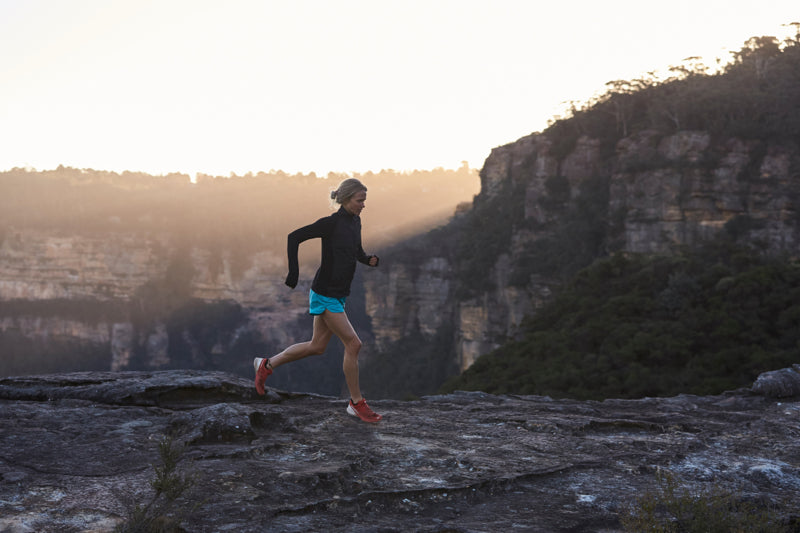
Lead image: © Philipp Reiter
Read more articles
10 must-read Suunto articles from 2020
7 tips for running in the rain
14 tips for backcountry skiing this winter

Sustain your Ability
Suunto athlete Lucy Bartholomew has published a book of her favourite recipes. Called Sustain your Ability, available in print and as an ebook, the plant based cookbook is loaded with delicious meals and treats designed to keep active people fuelled and thriving.
“These are all recipes I’ve used to pursue my athletic pursuits from the age of 15 when I started, says Lucy, now 24. “I made the book for people who are trying to sustain an active lifestyle. I was going to call it ‘sustain’ which means to nourish, to thrive, to continue to live, and ‘sustainability’ is the ability to do that for yourself. So it’s for people who want to live a consistently sustainable life. This isn’t a book with some sort of dietary fad – like ‘follow this diet for one month and you'll reach peak fitness’ – it’s for those who are passionately dedicated to being active in the outdoors.”
Now available for download, the book was three years in the making. A self described foodie, Lucy initially posted her favourite recipes on her blog and shared them via social media. Then the COVID-19 pandemic hit and the Melbourne based runner suddenly found herself in lockdown, and prohibited from travelling more than five kilometers from her home.
“I was thinking I’ve got to have a goal during this time otherwise I will lose motivation,” Lucy says. “COVID gave me time at home with a kitchen, it gave me time because I wasn’t training as much which also gave me a lot of energy. It was a nice distraction. It kept my dad and I very full.”
While all the recipes are plant based or vegan, Lucy says they are easily adaptable for people who eat dairy products or meat. “The recipes have been inspired by my travels,” she says. “After Western States in 2018 I went to Mexico where I learned about the culture and the way they make things. Then I went to Nepal and that’s where the dal recipes came from. The meals these places produce are made with ingredients that aren’t super rare or expensive, they normally consist of rice and beans.
“They are all meals I enjoy before, during and after runs,” Lucy continues. “It really shows how after nine years in the sport and the fact I still love it is because I’m able to be sustainable in the way I approach it, just like the way I eat.”
Read more articles
9 bits of positivity from a crazy year
10 must-read Suunto articles from 2020
7 tips for running in the rain


冷水で泳ぐ前に知っておきたいこと|オープンウォータースイミング安全ガイド
海や湖で泳ぐオープンウォータースイミングは、プールとは違う景色と開放感を楽しめます。一方、水温が低い環境では、入水直後の冷水ショックや低体温など、独特のリスクがあります。
安全に楽しむために大切なのは、寒さを我慢することではありません。短時間から慣らし、一人で泳がず、すぐに上がれる場所を選び、入水前から退出後まで準備することです。この記事では、冷たい水で泳ぐ前に知っておきたい基本を紹介します。
水温、天候、泳力、装備を確認し、無理のない範囲で楽しみます。Photo: Joakim Dokka Nordstad / nxtri.com
目次
冷水スイミングで知っておきたいリスク
入水直後の冷水ショック
低体温と退出後の体温低下
泳ぐ前に確認する7項目
水にはゆっくり入る
短時間・岸の近くから始める
絶対に一人で泳がない
準備したい装備
退出のサインと上がった後の対応
Suuntoでオープンウォータースイムを記録する
よくある質問
まとめ
冷水スイミングで知っておきたいリスク
冷たい水へ入ると、身体は熱を失わないように反応します。水温、泳いでいる時間、体格、疲労、体調、ウェットスーツの有無、風や気温によって影響は変わり、同じ条件でも個人差があります。
代表的なリスクは次のとおりです。
入水直後に呼吸が乱れる冷水ショック
手足が動かしにくくなり、泳力が低下する
身体の深部体温が下がる低体温
退出後も体温が下がり続けることがある
波、流れ、船舶、岩、浅瀬など自然環境の危険
心臓や呼吸器などに持病がある人、妊娠中の人、体調に不安がある人は、始める前に医療専門家へ相談してください。
入水直後の冷水ショック
冷たい水へ突然入ると、思わず息を吸い込み、呼吸が速くなったり、心拍数や血圧が急に変化したりすることがあります。これが冷水ショックです。泳力がある人でも起こる可能性があります。
呼吸をコントロールできない状態で顔を水につけると、水を吸い込む危険が高まります。飛び込みを避け、足のつく場所からゆっくり入り、呼吸が落ち着くまでは泳ぎ始めないようにします。
呼吸が落ち着かない、胸に痛みや違和感がある、強いめまいを感じる場合は、泳がずに水から上がり、必要に応じて救助・医療を求めてください。
低体温と退出後の体温低下
水中では空気中より速く体温を奪われます。寒さを強く感じる、震える、手がうまく動かない、泳ぎが乱れる、判断が鈍るなどは、すぐに上がるべきサインです。
水から上がった後も、身体の中心部の温度が下がり続けることがあります。濡れたウェアを早く脱ぎ、身体を乾かし、風を避けて暖かい服へ着替えます。急に激しく動くのではなく、安全な場所で落ち着いて保温してください。
意識の混乱、反応の低下、強い眠気、ろれつが回らない、歩けないなどの症状がある場合は、緊急性があります。本人を一人にせず、地域の緊急通報へ連絡してください。
泳ぐ前に確認する7項目
水温:経験や装備に対して低すぎないか
天候:雷、強風、視界不良の予報がないか
海況・水況:波、潮流、離岸流、川の流れが強くないか
場所:遊泳が許可され、安全に出入りできるか
体調:発熱、疲労、飲酒、睡眠不足がないか
同行者:互いを確認できるバディや監視者がいるか
退出後:タオル、着替え、防寒具、温かい場所を準備したか
初めての場所では、ライフセーバー、施設管理者、地元のスイミンググループなど、現地を知る人から情報を得ます。遊泳禁止区域や船舶の航路には入らないでください。
水にはゆっくり入る
冷水へ飛び込まず、足元を確認しながら徐々に身体を水へ慣らします。最初は顔を水につけず、呼吸を長く吐くことへ意識を向けます。
呼吸が落ち着き、周囲の状況を確認できてから泳ぎ始めます。「早く動けば温まる」と考えて、呼吸が乱れたまま沖へ向かわないようにしましょう。
短時間・岸の近くから始める
初回は距離や時間を目標にせず、短い入水で身体の反応を確認します。慣れてきても、水温が低い日は時間を短くします。一律の安全時間はなく、他の人が長く泳げていても、自分に同じ条件が当てはまるとは限りません。
異変を感じたときにすぐ上がれるよう、岸と平行に泳ぎ、出口から離れすぎないことが基本です。往路で追い風・追い潮の場合、復路が難しくなることも考慮します。
最初は短時間、すぐに退出できる範囲で身体の反応を確認します。Photo: Joakim Dokka Nordstad / nxtri.com
絶対に一人で泳がない
冷水やオープンウォーターでは、一人で泳がないことが最も重要なルールの一つです。バディと泳ぐ場合も、離れて同じ方向へ進むのではなく、互いの顔や泳ぎ方を確認できる距離を保ちます。
可能であれば、岸やボートから監視する人を配置します。泳ぐ場所、予定ルート、開始・終了予定時刻を、陸上にいる家族や友人にも伝えてください。
準備したい装備
明るい色のスイムキャップ:水面で見つけてもらいやすくする
水温に合ったウェットスーツ:保温と浮力を補助する
ゴーグル:曇りや日差しも考えて視界を確保する
必要に応じたフード・グローブ・ソックス:末端の冷えを抑える
目立つ色のスイムブイ:視認性を高め、休息の補助にする
退出後の装備:大きなタオル、乾いた服、帽子、防風性のある上着
スイムブイは視認性や休息を補助しますが、救命胴衣の代わりではありません。装備があっても、一人で泳いだり、能力を超えた場所へ進んだりしないでください。
退出のサインと上がった後の対応
次の変化があれば、予定より早くても水から上がります。
呼吸の乱れが続く
手指が動かしにくく、ゴーグルやファスナーを扱えない
泳ぎが遅くなる、まっすぐ泳げない
強い震え、めまい、混乱、異常な疲労を感じる
波・風・流れ・雷など、環境が悪化した
上がったら濡れたものを脱ぎ、身体を乾かして頭と体幹から保温します。意識がはっきりして問題なく飲み込める場合は、温かい飲み物も役立ちます。アルコールで温まろうとしないでください。
Suuntoでオープンウォータースイムを記録する
Suunto OceanやSuunto Race 2など、オープンウォータースイミングに対応するGPSスポーツウォッチでは、距離、時間、ルートなどを記録し、トレーニング後にSuuntoアプリで振り返れます。
ウォッチはトレーニング記録を支えるものであり、安全を保証する装置ではありません。GPSや心拍数の表示だけに頼らず、バディ、現地情報、目視での状況確認を優先してください。
初めて海や湖で泳ぐ場合は、オープンウォータースイミング初心者向け8つのコツもあわせてご覧ください。
一人で泳がず、互いの状態を確認できる距離を保ちましょう。Photo: Alexander Koerner / nxtri.com
よくある質問
水温が何度までなら安全ですか?
すべての人に共通する安全な水温はありません。泳力、経験、装備、体格、健康状態、泳ぐ時間、風や気温によってリスクが変わります。初心者は管理された場所と専門家の指導を選び、短時間から始めてください。
ウェットスーツを着れば低体温を防げますか?
保温と浮力を補助しますが、低体温を完全に防ぐものではありません。サイズ、水温への適合、損傷の有無を確認し、寒さや動作の変化があれば上がります。
泳いだ後に強く震えるのは普通ですか?
寒さによる震えは身体が熱を作る反応ですが、強い震えが続く、反応が鈍い、混乱する、歩けないなどの場合は危険です。本人を一人にせず、速やかに救助・医療を求めてください。
まとめ
冷水でのオープンウォータースイミングは、入水直後から退出後まで安全管理が必要です。飛び込まずにゆっくり入り、呼吸が落ち着いてから泳ぎ始めます。短時間・岸の近くから始め、絶対に一人では泳がないでください。
水温や時間だけで安全を判断せず、自分とバディの呼吸、手の動き、泳ぎ方、判断力の変化を観察します。少しでも異変があれば早めに上がり、濡れたウェアを脱いで保温しましょう。
オープンウォータースイムを記録しよう
スイミング、トライアスロン、アウトドアに対応するSUUNTOのGPSスポーツウォッチをご覧ください。
SUUNTOのスポーツウォッチを見る


