




SUUNTOブログ
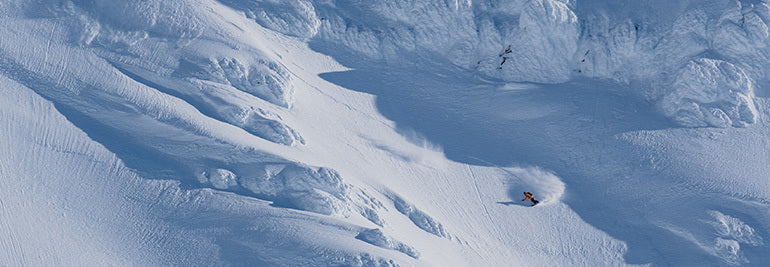

Born to shred in the Arctic
Making his adventures sustainable is a major focus for Antti now. © Jaakko PostiWinter has nearly arrived in Lapland, where Finnish splitboarder Antti Autti is preparing his body and mind for a year long adventure project – in collaboration with Suunto – that will test his limits.
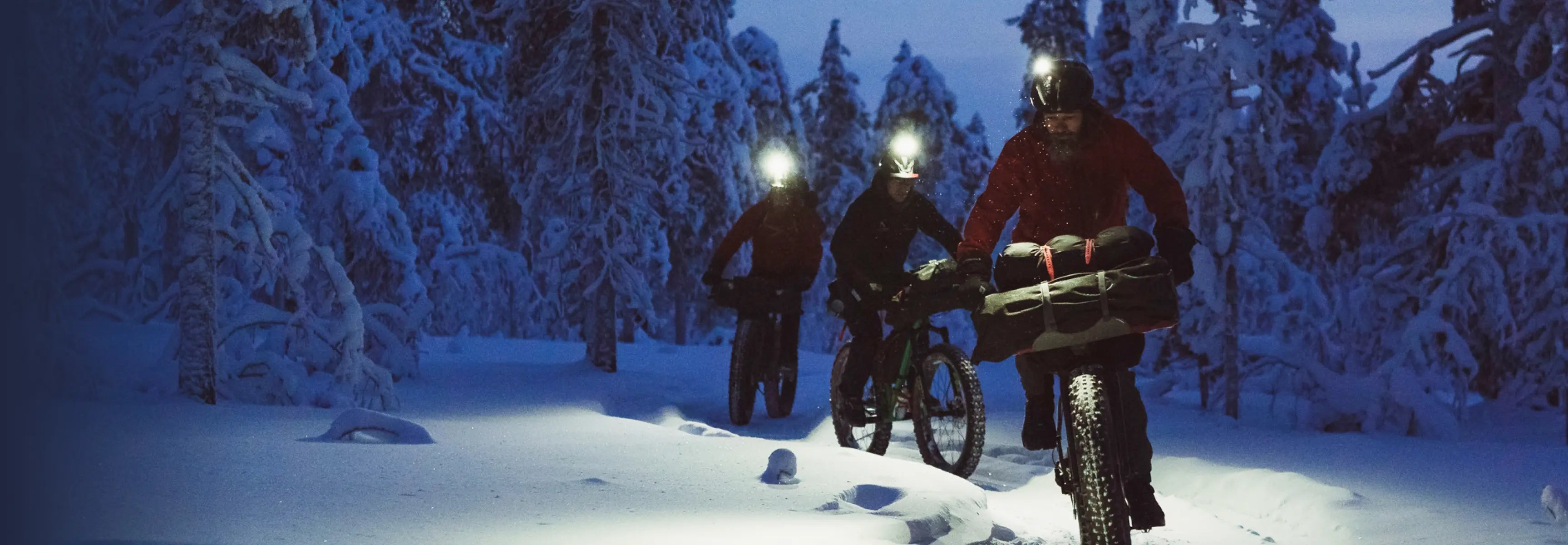
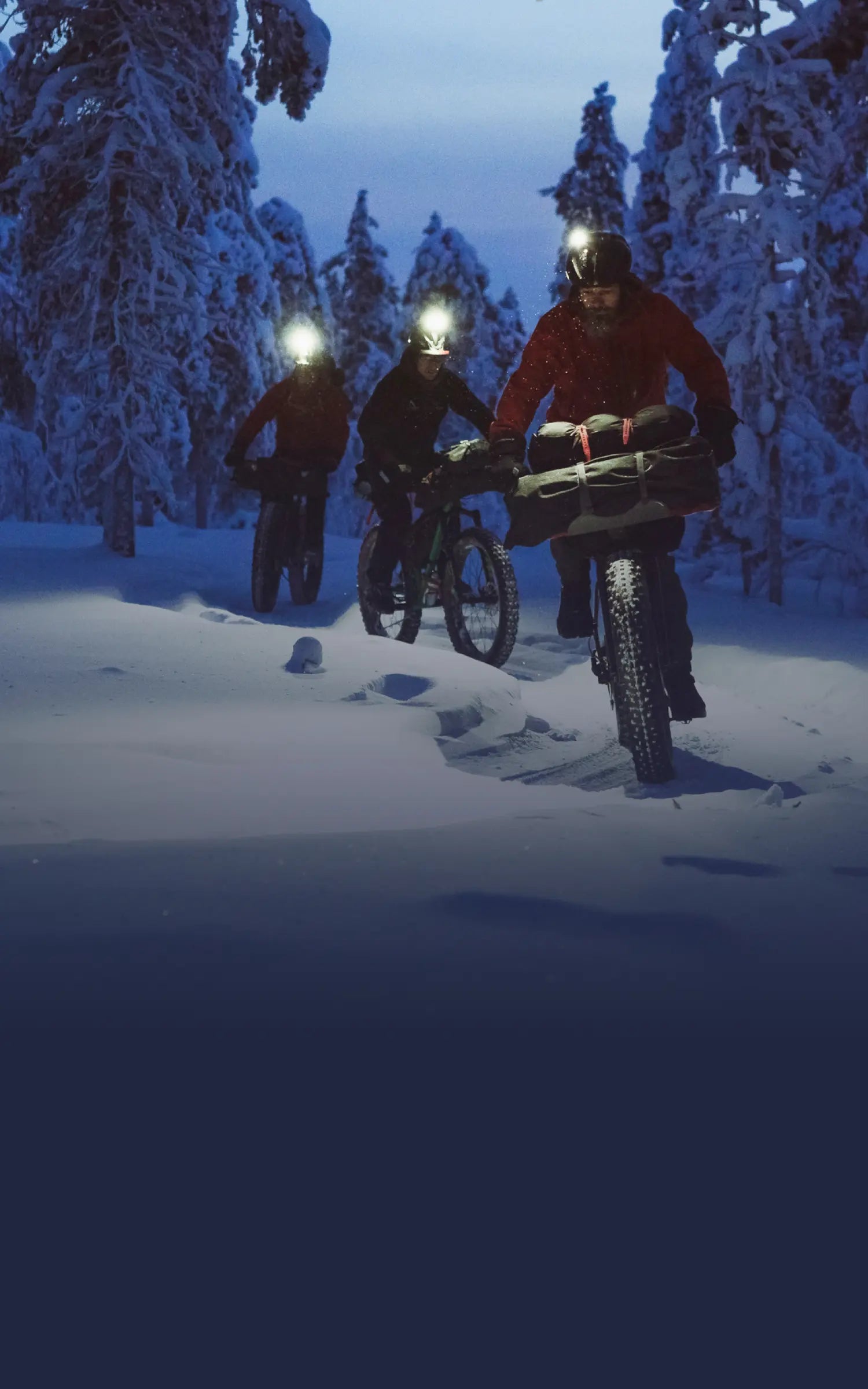
In a week’s time, the long polar night will arrive, leaving only two hours of daylight every 24 hours. That’s not stopping the 34-year-old freerider and filmmaker from heading out into the inky blue night to do what he loves.
“The polar night is not dark in my opinion,” he says. “The Arctic has incredibly changing light; each season is different. The winter here is really magical.”Exploring remote areas of Lapland requires careful planning, Antti says. © Jaakko Posti
Antti has completed the first part of his new adventure film project, Roam, in which he and his friends explore new freeriding territory in Lapland in each season of the year. With the autumn adventure behind him, a 10-day winter trip comes next.
“It's a great challenge for me as a professional freerider and I could not be more excited about this collaborative journey I am about to share with Suunto,” Antti says. “No matter if I’m out running trails or searching new lines to ride over winter, Suunto helps me to reach my goals and to move safely and smartly through the wilderness.”
Antti was born and raised in Rovaniemi, the capital of Lapland, and his family home neighboured Ounasvaara ski resort. As a kid he tried team sports, but says he didn’t fit in. Out skiing one day when he was nine, he watched in awe as a snowboarder performed impressive tricks. When Antti tried snowboarding a year later, he was hooked. “I discovered I could explore anywhere I want if I had the speed,” he says.
When he was 13 Antti entered his first competition, and while still a rookie earned a place on the Finnish national snowboarding team. While on the team, he won the world championships, X Games and nearly all the biggest competitions world wide.
“In 2010 I felt like I needed to do more and not what everyone expected from me,” he says. “I wanted to ride powder and learn about mountains so I quit competing and began freeriding.”
Svalbard Unplugged from Antti Autti on Vimeo.
Antti lives only 200 m from his family home and continues to find new terrain to freeride. He and his friends, for example, rode new lines on remote Svalbard Island, located halfway between the top of Norway and the North Pole. He does epic tours through rugged terrain in northern Sweden, Finland and Norway. “The whole of Lapland is an amazing place for adventure,” he says.
His new adventure film project has an important difference to his previous projects; it will be conducted mostly under human powered steam. “The key point of the whole film is to spend the whole winter in the north, to throw ourselves out there, and hopefully to inspire people to leave motorised vehicles out, and to instead use human power,” Antti says. “I really want to focus on doing things in a way that respects nature.”
Getting physically and mentally ready for the coming winter adventure is Antti’s main focus now. Strength training, long aerobic zone one and two workouts and interval sessions help him maintain the base fitness that long distance tours through deep snow demand. This makes his adventures more enjoyable, and safer. “The best way is to stay safe in the north is to have a motor that keeps on going and doesn’t stop,” he says.
Lead images: © Jaakko Posti
Read more related articles:
7 tips to find a safe track up the mountain
8 avalanche safety checks to tick off before the ski season
Knowing the ropes – staying safe with creavsse rescue online


バックカントリーで安全性を高める登高ルートの選び方|雪山の7つのポイント
バックカントリースキーやスキー登山では、滑る斜面だけでなく「どこを登るか」も重要です。効率だけを優先して急斜面を直登したり、前の人のトレースを無条件にたどったりすると、雪崩地形や地形の罠に入り込むおそれがあります。
この記事では、山岳ガイドでSuuntoアンバサダーのマーク・スマイリーが紹介した考え方をもとに、登高ルートを選ぶ7つのポイントを日本のバックカントリー向けに整理します。
重要:雪山に「絶対に安全なルート」はありません。GPSウォッチや地図アプリも雪崩の発生を予測したり、安全を保証したりするものではありません。入山前に最新の気象・積雪・雪崩情報と現地ルールを確認し、雪崩地形の判断、ビーコン・ショベル・プローブの使用、同行者救助について専門的な講習を受けてください。経験が不足している場合は、資格を持つガイドと行動しましょう。
目次
バックカントリーの登高ルート選びで優先すること
出発前に行う3つの準備
山中で実践する4つの判断
登りやすいルートと避けたい地形
Suuntoでルートを準備する
よくある質問
まとめ
バックカントリーの登高ルート選びで優先すること
良い登高ルートとは、単に短くて登りやすい線ではありません。その日の雪崩問題を避け、転倒や滑落の結果が重大になりにくく、グループが無理なく移動できるラインを選ぶことが基本です。
マークは、直線的で傾斜が大きく変わらない穏やかなルートを出発点として考えています。原文では18度前後が一例として挙げられていますが、これは安全を保証する数値ではありません。上方の急斜面、雪庇、吹きだまり、積雪構造、気温や風の変化まで含めて判断する必要があります。
出発前に行う3つの準備
安全性を高める最初の仕事は、登山口ではなく自宅から始まります。候補ルートをひとつに固定せず、条件が合わない場合の代替案と撤退基準もグループで共有しておきます。
1. 最新の雪崩情報・気象・現地ルールを確認する
対象山域の雪崩情報、降雪、風、気温の推移、直近の雪崩発生状況を確認します。日本では、日本雪崩ネットワークの雪崩情報とバックカントリーの雪崩対策 7 STEPSが判断の土台になります。スキー場から入山する場合は、指定ゲート、立入禁止区域、登山届など、その地域のルールにも従ってください。
2. 地形図と衛星画像で危険地形を洗い出す
地形図では斜度、尾根、沢、狭窄部、崖を確認します。特に、斜面が外側へ膨らむ凸状地形、深い沢、崖の上、雪庇の下、岩・氷が落下する可能性のある場所は慎重に評価します。雪崩が小さくても雪が深く堆積しやすい沢や窪地は「地形の罠」になり得ます。
3. 登高・滑走・撤退のルートをセットで考える
登りと滑りを別々に考えず、登高中にどの斜面へ曝されるか、悪天候や体調不良のときにどこから戻れるかまで計画します。候補ルートは同行者と共有し、プランAが使えないときのプランB・Cを用意します。
山中で実践する4つの判断
事前計画は現地で確かめて初めて役立ちます。雪、風、視界、メンバーの状態が想定と異なるときは、計画を変更することが必要です。
4. 既存のトレースを無条件にたどらない
スキントラックがあっても、そのルートが現在の条件や自分たちのグループに適しているとは限りません。トレースを参考にしながらも、前方と上方の地形、積雪の変化、雪崩の兆候を自分たちで確認します。
5. 斜度が一定で穏やかなラインを探す
急な直登と平坦部を繰り返すより、一定の傾斜を保てるラインのほうが、キックターンやペースを安定させやすくなります。樹林帯では木のすぐ上側に入り続けず、地形と雪の状態を見ながら、比較的穏やかな場所で方向を変えます。
6. 心拍を上げすぎず、会話できるペースを保つ
登りで消耗すると、ルート判断が必要な後半や滑走時の余力が少なくなります。心拍数を急激に上下させず、グループ内で意思疎通できるペースを保ちます。予定より時間がかかる、メンバーが無理をしている、判断が雑になっていると感じたら、休憩・ルート変更・撤退を検討します。
7. シールが滑るほど急なラインに固執しない
最短距離を狙って傾斜を上げても、シールが滑り、キックターンが増えれば体力と時間を失います。より穏やかな地形へ移る、早めにクトーを装着するなど、装備と技術に合ったラインを選びます。ただし、移動先が雪崩地形への曝露を増やさないか、必ず全体を見て判断してください。
登りやすいルートと避けたい地形
確認点
候補にしやすい特徴
警戒したい特徴
傾斜
穏やかで変化が少ない
急変する斜面、凸状地形
地形
広い尾根など、結果が重大になりにくい場所
沢、窪地、崖、狭窄部などの地形の罠
上方
急斜面や雪庇から離れている
雪庇、岩壁、氷瀑、他グループがいる斜面
行動
連絡を保ち、必要に応じて一人ずつ通過できる
危険地形内で密集・休憩する
この表は現場判断を代替するものではありません。「穏やかな尾根だから安全」と単純化せず、その日の雪崩問題と地形を組み合わせて評価してください。
Suuntoでルートを準備する
Suuntoアプリでは、地図上で候補ルートを作成し、距離と高度プロファイルを確認して、対応するウォッチへ同期できます。外部で作成したルートはGPXファイルとして追加することもできます。詳しい操作は、GPXルートをSuuntoウォッチに入れる方法をご覧ください。
山中では、予定ルートを絶対的な正解ではなく「事前計画を確認するための補助線」として扱います。ホワイトアウト時に画面上の線だけを追うと、現地で変化した雪庇やクレバス、雪崩地形へ進むおそれがあります。紙地図とコンパス、予備電源も用意し、現在地と周囲の地形を継続して照合してください。
Suunto Vertical 2は、オフラインマップ、ルートナビゲーション、長時間のGPS記録に対応し、雪山で計画したルートや高度の推移を手元で確認できます。地図・GPS・バッテリーを含む登山向け機能は、Verticalシリーズが登山用GPSウォッチに向いている理由で詳しく紹介しています。
よくある質問
既存のスキントラックがあれば安全ですか?
安全とは限りません。トレースが付いた時点から雪や風の条件が変わっている場合や、先行者と自分たちで経験・装備・目的が異なる場合があります。現地条件を自分たちで評価してください。
斜度が18度なら雪崩の心配はありませんか?
いいえ。現在地が穏やかでも、上方の急斜面から雪崩が到達する可能性があります。斜度は判断材料のひとつであり、積雪、風、気温、斜面方位、地形の罠などを合わせて評価します。
GPSウォッチがあれば紙地図とコンパスは不要ですか?
不要にはなりません。低温による電池消耗、故障、GPS受信不良に備え、紙地図とコンパスを携行し、使い方を身につけておきましょう。
まとめ
バックカントリーの登高ルートは、最短距離ではなく、雪崩地形への曝露を減らし、グループが安定したペースで判断を続けられるラインを選ぶことが大切です。雪崩情報と地形を事前に確認し、現地条件が違えばトレースや計画に固執せず、より穏やかな地形への変更や撤退を選びましょう。
Suuntoの地図とルートナビゲーションは、事前計画と現在地確認を支える補助ツールです。十分な知識、装備、現地情報、同行者とのコミュニケーションと組み合わせて活用してください。
登山向けGPSウォッチを確認する
オフラインマップとルートナビゲーションに対応するSuunto Vertical 2の詳細をご覧ください。
Suunto Vertical 2を見る
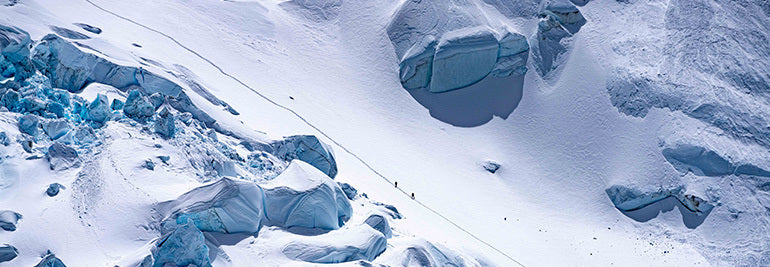

8 avalanche safety checks to tick off before the ski season
© Mark Smiley
Pro mountain guide, outdoor educator and Suunto ambassador Mark Smiley says knowing how to mitigate avalanche danger is a “$50,000 question” – there is no perfect answer; it consists of doing many small things right.
There is always danger in an alpine environment. Clearly knowing that, and having respect for the mountains, is where mitigation begins. Showing that respect comes down to being mindful of the details.
“Think of going backcountry skiing the same as a climber roping up for a climb, or a pilot getting ready for takeoff,” says Mark, 38, who is currently adventuring in the Southern Alps of New Zealand. “Doing some form of regular check is a great habit to get into.
“Early season snow dumps are super fun because the long wait is over, but it’s super important to know that avalanches can and do occur every year in these first storm systems.”
Based in Jackson Hole, Wyoming, Mark runs popular online outdoor education courses, and guides expeditions within the US and around the world. He and his mountaineer partner Janelle have climbed all 48 Classic Climbs of North America, as well as ski touring across the entire European Alps in 36 days. The couple live for the mountains.
Here is the safety check Mark does at the start of each skimo season. “These don’t take much time and avoid mindless mistakes that could have big consequences,” Mark says.
© Mark Smiley
Gear check!
Put new batteries in your avalanche beacon, and make sure the battery terminals are shiny and clean (sometimes batteries can corrode the terminals, resulting in bad connection).
It’s also a good idea to have extra kit in your car, such as extra avalanche gear, skins, AAA batteries, sunglasses, and sunscreen, that you can offer if someone forgets his or hers. “This saves a lot of time and hassle at the trailhead,” Mark says.
Slow down
Give yourself triple the amount of time to get ready for a trip because forgetting things at the start of the season is all too easy. Don’t rush, slow down, and do all those small things right.
Practice makes perfect
“Once there is enough snow on the ground, visit a beacon park and train with your beacon,” Mark says. “Especially if you or your partner invested in a new one this year.”
Get local knowledge
Before you go into the mountains, get online and research the avalanche danger in the area you will be skiing in. Find out what the avalanche trends there are. “Hopefully you’ve been checking the weather the past 48-72 hours to see if there have been major sun, wind, or snow events,” Mark cautions. “Check the avalanche report to see what the danger rating is, and dig a little deeper to see what recent avalanches have occurred. The avalanche report will also list the problems of concern. Pick a ski line, up and down, to avoid those problems.”
Know the plan
“Get on the same page with your partner(s) as to where you’ll go, and what the plan B and C are if plan A isn't working out,” Mark advises.
Car park gear check
“When you get to the trailhead, check to make sure everyone has a beacon with 50% or more battery power, that it’s on and that it works to SEND and SEARCH,” Mark says. Ensure it’s stowed properly.
“Making sure your shovel and probe are still in your pack, and not beside the garage after you dug out the car, is a good idea as well.”
Store the beacon properly
Keep your beacon safely in the right location. If you store it in a harness, wear clothing over top of it. “Often I get super hot while touring, so I like to have my beacon in my zippered (not Velcro) pants pocket,” Mark says. “Make sure you have nothing else in there, so the zipper stays closed the entire day. Don't be lazy and put sunscreen, a buff, or chapstick in there, too.”
Take it easy
Early season dumps means well hidden rocks. Don’t be a maniac; reduce your speed at the start of the season and wear a helmet.
Lead images: © Mark Smiley


Fuelling the engine: talking nutrition with Greg Hill
Record-breaking ski mountaineer, adventurer and Suunto ambassador Greg Hill has always been a foodie. Eating well is about enjoyment, which also serves his nutritional needs. He approaches it in that order, not vice versa.
“Nutrition has always been important but more so because I really enjoy eating great food,” he explains. “Yet I also understand that the fuel we put in our bodies determines how well it runs. Much like an engine, if you put bad gas into it, it will run poorly.”
Photo by Angela Percival/ Arcteryx
Fresh colors
Greg tries to eat fresh vegetables with a variety of colors, which he says indicates nutritional richness. Whenever possible, he also cooks with food from local sources. “I do grow a small garden every year, with tomatoes, potatoes, garlic, carrots, broccoli, beets, just your basics,” he says. “It’s so nice to go and grab them directly from my yard.”
Week day diet
Greg and his family are following the “week day vegetarian diet”, meaning they only meat on the weekends. This contributes to personal health and reduces their impact on the planet. “The personal health side is pretty clear, there are so many articles about reducing red meat in your diet and the benefits involved, from a reduced potential for cancer to lower cholesterol, to living longer,” he says.
“One of the simplest way to decrease my family’s carbon footprint was to decrease our meat intake; livestock farming is responsible for 20-50 per cent of the greenhouse gases, so this was an easy way to become better earth dwellers. If you ever look into livestock it is amazing the deforestation involved, the extreme water usage and over un-sustainability of it.
Photo by Angela Percival/ Arcteryx
Healthy balance
While the Hills like to keep it fresh, they also allow themselves to indulge in a fast food meal once a week, like ordering a pizza on Friday movie night. Perfection is not the goal, Greg says, just as long as the the bulk of their diet is fresh, healthy food.
“Like every family we have certain meals that are staples, enchiladas, lasagna, salad rolls, pad thai, pizza on friday nights, and my favourite – the glory bowl,” he says.
Tofu glory bowl
In the bowl
2 cups cooked brown rice1/2 cup grated beetroot1/2 cup grated carrots1/2 cups almonds, toasted1/2 cups spinach leaves1 cup tofu, cubed
Dressing
1/4 cup tahini1/4 cup apple cider vinegar1/2 cup nutritional yeast flakes2 gloves garlic3 tablespoons tamari1 tablespoon maple syrup1/4 cup olive oil1/4 cup water
Instructions
Prepare the brown rice and set aside.Fry tofu cubes in a pan.Add dressing ingredients into a blender to prepare the dressing. Add oil in a steady stream. Taste, and thin with water if required.Assemble the bowls by placing cooked brown rice into two bowls, top with beets, carrots, spinach leaves, almonds and fried tofu cubes.Drizzle bowls with dressing.
Lead image: Photo by Fancycrave on Unsplash.
Click below to read articles in our Fuelling the Engine series:
Fuelling the engine: talking nutrition with Lucy Bartholomew
Fuelling the engine: talking nutrition with Emelie Forsberg
Fuelling the engine: a commonsense approach to nutrition
Fuelling the engine: talking nutrition with Ryan Sandes
Fuelling the engine: talking nutrition with Ultracycling Man
Fuelling the engine: talking nutrition with Mel Hauschildt
D.I.E.T (disaster imminent every time), and three unchanging principles of nutrition for athletes
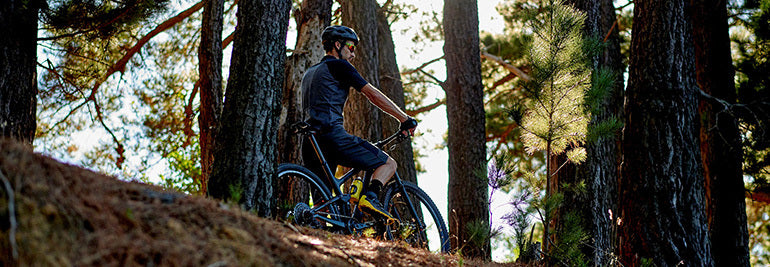

Finding the flow
Photo by Alex Gorham on Unsplash
Studies on flow states show when athletes are experiencing them the thinking part of their brain is offline. “The less you think, the better you perform,” quips Markus Arvaja, a certified sports psychology consultant and senior lecturer in coaching at Finland’s Haaga-Helia University of Applied Sciences. “We’ve studied athletes, the best of the best, studied their brains when they perform, and they have less brain activity in their prefrontal cortex. Which means they have automated their skills so they can purely enjoy their sport.”
When he’s not teaching at university, Markus, himself an ice hockey, football and tennis player, works as a mental coach for Finland’s national women’s ice hockey team and the national youth tennis team. He’s a board member of the Finnish Society of Sports Psychology. He’s passionate about people performing at their absolute best.
“Studies show peak flow states are intrinsically motivating experiences,” he says. “People become so involved in an activity that they are on automatic pilot, totally absorbed in that experience. It’s a merging of action and awareness. Thing is, you can’t force yourself to go into flow. But their are elements that help you enter into the flow space.”
Flow states, peak performance, being in the zone, runner’s highs; these are all interchangeable terms describing the transcendent experiences athletes, artists, musicians and creatives report having. Maybe you’ve experienced one yourself. Time slows down, you become totally immersed in the task at hand, it feels effortless, maybe the world seems more vivid, and you have sense of mastery. They are when athletes have their best performances and, according to Mihaly Csikszentmihalyi, who wrote a seminal book on the topic, they are a key aspect of human happiness. It’s something we can all experience, not only elite athletes and artists.
Neuroscience has revealed much about what’s happening in the brain during a flow state. Brain waves change from beta, more rapid waves underlying waking consciousness, to somewhere between alpha and theta waves, where we daydream and first enter into sleep. This is when many people have their best ideas. Neurochemicals associated with pleasure and performance – endorphin, serotonin, dopamine, norepinephrine and anandamide – are the raw ingredients of flow. Perhaps the most interesting fact is how different regions of the brain respond during flow; for example, studies have found the prefrontal cortex, the area of the brain associated with self monitoring – and also self criticism – goes offline during flow. Instead of constantly analysing and evaluating, we do things spontaneously.
“Sometimes coaches can interrupt the flow happening for athletes by giving too much information for the athletes’ minds,” Markus says. “It’s better to say only one or two things.
“For flow, your mind should be free of worry and unnecessary thoughts. Stay in the present moment by quieting the mind and turning off the inner critic. Mindfulness certainly helps with this.”
Stay tuned for the next article in our series on flow: the ingredients of flow.


