

バックカントリースキーやスキー登山では、滑る斜面だけでなく「どこを登るか」も重要です。効率だけを優先して急斜面を直登したり、前の人のトレースを無条件にたどったりすると、雪崩地形や地形の罠に入り込むおそれがあります。
この記事では、山岳ガイドでSuuntoアンバサダーのマーク・スマイリーが紹介した考え方をもとに、登高ルートを選ぶ7つのポイントを日本のバックカントリー向けに整理します。
重要:雪山に「絶対に安全なルート」はありません。GPSウォッチや地図アプリも雪崩の発生を予測したり、安全を保証したりするものではありません。入山前に最新の気象・積雪・雪崩情報と現地ルールを確認し、雪崩地形の判断、ビーコン・ショベル・プローブの使用、同行者救助について専門的な講習を受けてください。経験が不足している場合は、資格を持つガイドと行動しましょう。

バックカントリーの登高ルート選びで優先すること
良い登高ルートとは、単に短くて登りやすい線ではありません。その日の雪崩問題を避け、転倒や滑落の結果が重大になりにくく、グループが無理なく移動できるラインを選ぶことが基本です。
マークは、直線的で傾斜が大きく変わらない穏やかなルートを出発点として考えています。原文では18度前後が一例として挙げられていますが、これは安全を保証する数値ではありません。上方の急斜面、雪庇、吹きだまり、積雪構造、気温や風の変化まで含めて判断する必要があります。
出発前に行う3つの準備
安全性を高める最初の仕事は、登山口ではなく自宅から始まります。候補ルートをひとつに固定せず、条件が合わない場合の代替案と撤退基準もグループで共有しておきます。
1. 最新の雪崩情報・気象・現地ルールを確認する
対象山域の雪崩情報、降雪、風、気温の推移、直近の雪崩発生状況を確認します。日本では、日本雪崩ネットワークの雪崩情報とバックカントリーの雪崩対策 7 STEPSが判断の土台になります。スキー場から入山する場合は、指定ゲート、立入禁止区域、登山届など、その地域のルールにも従ってください。
2. 地形図と衛星画像で危険地形を洗い出す
地形図では斜度、尾根、沢、狭窄部、崖を確認します。特に、斜面が外側へ膨らむ凸状地形、深い沢、崖の上、雪庇の下、岩・氷が落下する可能性のある場所は慎重に評価します。雪崩が小さくても雪が深く堆積しやすい沢や窪地は「地形の罠」になり得ます。
3. 登高・滑走・撤退のルートをセットで考える
登りと滑りを別々に考えず、登高中にどの斜面へ曝されるか、悪天候や体調不良のときにどこから戻れるかまで計画します。候補ルートは同行者と共有し、プランAが使えないときのプランB・Cを用意します。
山中で実践する4つの判断

事前計画は現地で確かめて初めて役立ちます。雪、風、視界、メンバーの状態が想定と異なるときは、計画を変更することが必要です。
4. 既存のトレースを無条件にたどらない
スキントラックがあっても、そのルートが現在の条件や自分たちのグループに適しているとは限りません。トレースを参考にしながらも、前方と上方の地形、積雪の変化、雪崩の兆候を自分たちで確認します。
5. 斜度が一定で穏やかなラインを探す
急な直登と平坦部を繰り返すより、一定の傾斜を保てるラインのほうが、キックターンやペースを安定させやすくなります。樹林帯では木のすぐ上側に入り続けず、地形と雪の状態を見ながら、比較的穏やかな場所で方向を変えます。
6. 心拍を上げすぎず、会話できるペースを保つ
登りで消耗すると、ルート判断が必要な後半や滑走時の余力が少なくなります。心拍数を急激に上下させず、グループ内で意思疎通できるペースを保ちます。予定より時間がかかる、メンバーが無理をしている、判断が雑になっていると感じたら、休憩・ルート変更・撤退を検討します。
7. シールが滑るほど急なラインに固執しない
最短距離を狙って傾斜を上げても、シールが滑り、キックターンが増えれば体力と時間を失います。より穏やかな地形へ移る、早めにクトーを装着するなど、装備と技術に合ったラインを選びます。ただし、移動先が雪崩地形への曝露を増やさないか、必ず全体を見て判断してください。
登りやすいルートと避けたい地形
| 確認点 | 候補にしやすい特徴 | 警戒したい特徴 |
|---|---|---|
| 傾斜 | 穏やかで変化が少ない | 急変する斜面、凸状地形 |
| 地形 | 広い尾根など、結果が重大になりにくい場所 | 沢、窪地、崖、狭窄部などの地形の罠 |
| 上方 | 急斜面や雪庇から離れている | 雪庇、岩壁、氷瀑、他グループがいる斜面 |
| 行動 | 連絡を保ち、必要に応じて一人ずつ通過できる | 危険地形内で密集・休憩する |
この表は現場判断を代替するものではありません。「穏やかな尾根だから安全」と単純化せず、その日の雪崩問題と地形を組み合わせて評価してください。
Suuntoでルートを準備する
Suuntoアプリでは、地図上で候補ルートを作成し、距離と高度プロファイルを確認して、対応するウォッチへ同期できます。外部で作成したルートはGPXファイルとして追加することもできます。詳しい操作は、GPXルートをSuuntoウォッチに入れる方法をご覧ください。
山中では、予定ルートを絶対的な正解ではなく「事前計画を確認するための補助線」として扱います。ホワイトアウト時に画面上の線だけを追うと、現地で変化した雪庇やクレバス、雪崩地形へ進むおそれがあります。紙地図とコンパス、予備電源も用意し、現在地と周囲の地形を継続して照合してください。
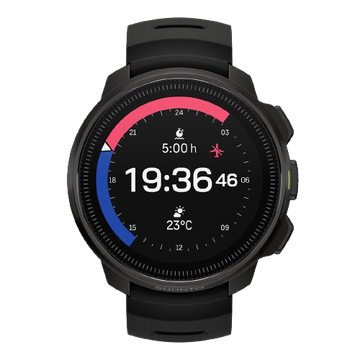
Suunto Vertical 2は、オフラインマップ、ルートナビゲーション、長時間のGPS記録に対応し、雪山で計画したルートや高度の推移を手元で確認できます。地図・GPS・バッテリーを含む登山向け機能は、Verticalシリーズが登山用GPSウォッチに向いている理由で詳しく紹介しています。
よくある質問
既存のスキントラックがあれば安全ですか?
安全とは限りません。トレースが付いた時点から雪や風の条件が変わっている場合や、先行者と自分たちで経験・装備・目的が異なる場合があります。現地条件を自分たちで評価してください。
斜度が18度なら雪崩の心配はありませんか?
いいえ。現在地が穏やかでも、上方の急斜面から雪崩が到達する可能性があります。斜度は判断材料のひとつであり、積雪、風、気温、斜面方位、地形の罠などを合わせて評価します。
GPSウォッチがあれば紙地図とコンパスは不要ですか?
不要にはなりません。低温による電池消耗、故障、GPS受信不良に備え、紙地図とコンパスを携行し、使い方を身につけておきましょう。
まとめ
バックカントリーの登高ルートは、最短距離ではなく、雪崩地形への曝露を減らし、グループが安定したペースで判断を続けられるラインを選ぶことが大切です。雪崩情報と地形を事前に確認し、現地条件が違えばトレースや計画に固執せず、より穏やかな地形への変更や撤退を選びましょう。
Suuntoの地図とルートナビゲーションは、事前計画と現在地確認を支える補助ツールです。十分な知識、装備、現地情報、同行者とのコミュニケーションと組み合わせて活用してください。